Most Gram-positive and Gram-negative organisms will grow on general-purpose, non-selective media like nutrient agar (NA), tryptic soy agar (TSA), or tryptic soy broth (TSB). These are the classic "fill in the blank" answers you'll see in textbooks and on exams, and they hold up in practice too. They work because they supply the basic nutrients most heterotrophic bacteria need: organic nitrogen, carbon, salts, and water. Neither type of medium is designed to block any particular group of bacteria, which is exactly the point.
Most Gram positive and Gram negative organisms grow on nutrient media

Marcus Holloway
9 Jun 2026
What the question is really asking
When a textbook or exam asks what most Gram-positive and Gram-negative organisms will grow on, it is really asking you to name a general-purpose culture medium, one that does not select for or against any particular bacterial group. The key word is "most. " The question is not asking about every bacterial species on the planet.
It is asking about the broad middle range: the common, non-fastidious (meaning not nutritionally picky) heterotrophic bacteria that make up the majority of what you will encounter in a teaching lab, a food safety test, or a routine clinical screen. Think Staphylococcus aureus, Pseudomonas aeruginosa, Bacillus subtilis, Salmonella enterica. What agar does Staphylococcus aureus grow on is a common follow-up, and the answer typically points back to the same general-purpose media discussed here.
These organisms are biochemically diverse but share one trait: they can build what they need from a modest nutrient supply. A general-purpose medium meets them there.
The Gram-positive versus Gram-negative distinction matters a lot for selective and differential media (where one group is encouraged and the other is inhibited or distinguished by color). But on a general-purpose medium, that distinction is mostly irrelevant. The medium does not care about cell wall structure. It just provides food and a stable environment, and both groups can take advantage of it.
General-purpose media that support both groups, and why they work
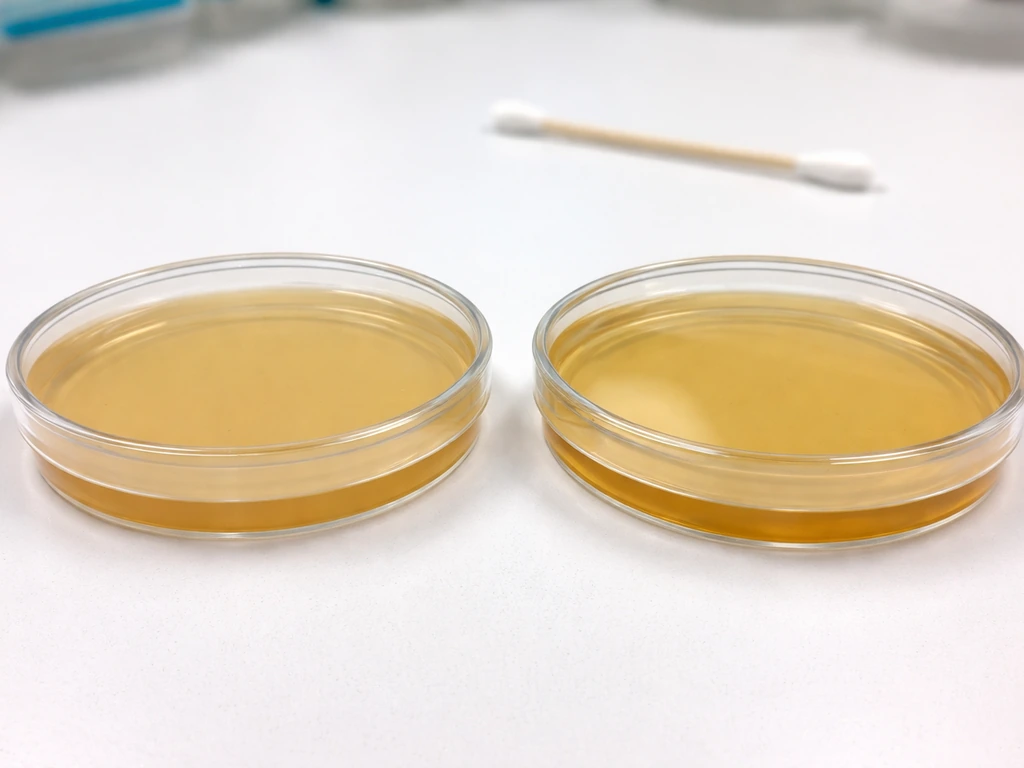
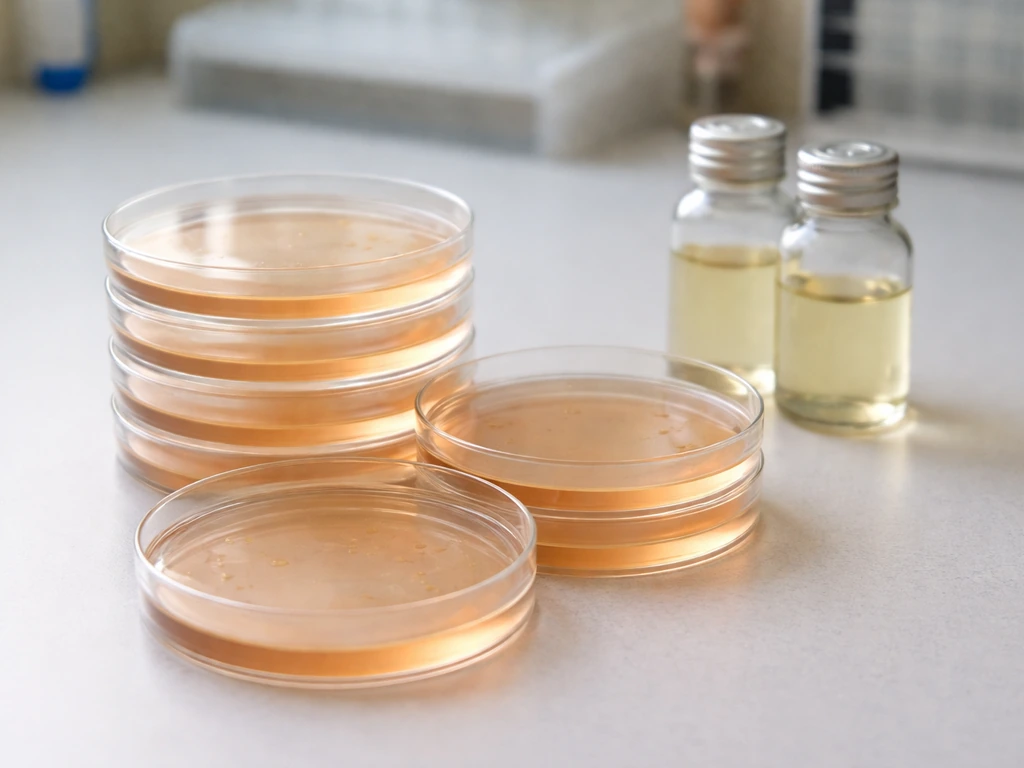
Nutrient agar and tryptic soy agar are the two media you will see cited most often as general-purpose options, and they earn that label by design. The EPA explicitly classifies both as general growth media that support a broad range of microorganisms. The CDC's NIOSH manual describes TSA and nutrient agar as "broad spectrum" media used for the collection and enumeration of bacteria. ATCC, the global standard reference for microbial culture, designates nutrient agar as its general-purpose medium for non-fastidious bacterial strains and uses TSA for isolation and propagation of a wide variety of bacterial strains.
What makes them general-purpose rather than selective or differential? Two things: what they contain and what they leave out. They contain enough nutrients to support growth across a wide metabolic range. They contain no inhibitors, dyes, pH indicators, or selective agents that would block certain organisms. That combination, nutritionally adequate but biochemically neutral, is the definition of a non-selective medium.
It is also worth noting that TSA edges out nutrient agar slightly in terms of richness. LibreTexts teaching materials note explicitly that labs often prefer TSA over nutrient agar because TSA is slightly richer, and more fastidious unknown organisms grow more reliably on it. That small nutritional advantage matters when you are working with unknowns and do not yet know what you are dealing with.
Nutrient agar vs. tryptic soy agar: what is actually in them
Both media are simple formulations, but their ingredient sources differ, which explains the slight difference in richness.
| Feature | Nutrient Agar / Broth | Tryptic Soy Agar / Broth |
|---|---|---|
| Primary nitrogen source | Peptone (5 g/L) from animal protein hydrolysis | Tryptone (15 g/L) from casein + soy peptone (5 g/L) from soymeal |
| Carbon / energy source | Beef extract (3 g/L) supplying amino acids, vitamins, minerals | Dextrose (glucose) plus nutrients from peptones |
| Salt content | Sodium chloride (variable, typically 5 g/L) | Sodium chloride (5 g/L) |
| Solidifying agent (plates) | Agar (15 g/L typical) | Agar (13–15 g/L typical) |
| Overall richness | Moderate | Slightly richer (dual peptone + glucose) |
| Typical use | General cultivation of non-fastidious strains | Isolation, propagation, and contamination detection |
The nutrient broth formulation in the FDA's Bacteriological Analytical Manual (BAM, Medium M114) is straightforward: beef extract at 3 g per liter and peptone at 5 g per liter, dissolved in distilled water. That beef extract is doing real work. It contributes water-soluble growth factors, B vitamins, and metabolic precursors that a minimal salts medium would leave out. TSA goes further by combining casein-derived tryptone with soy-derived peptone, giving bacteria access to a wider array of amino acids and peptides. Add a small amount of glucose as a ready-made carbon source, and you have a medium that covers the nutritional needs of most heterotrophic bacteria in a single formulation.
Brain-heart infusion (BHI) agar and broth are also worth knowing. The CDC mentions BHI alongside TSA for aerobic bacterial recovery. BHI is even richer than TSA and is often used when organisms are marginally fastidious or when you need reliable recovery from clinical or environmental samples. Think of it as the next step up if TSA is not giving you colonies.
What "most" leaves out: when standard media fail
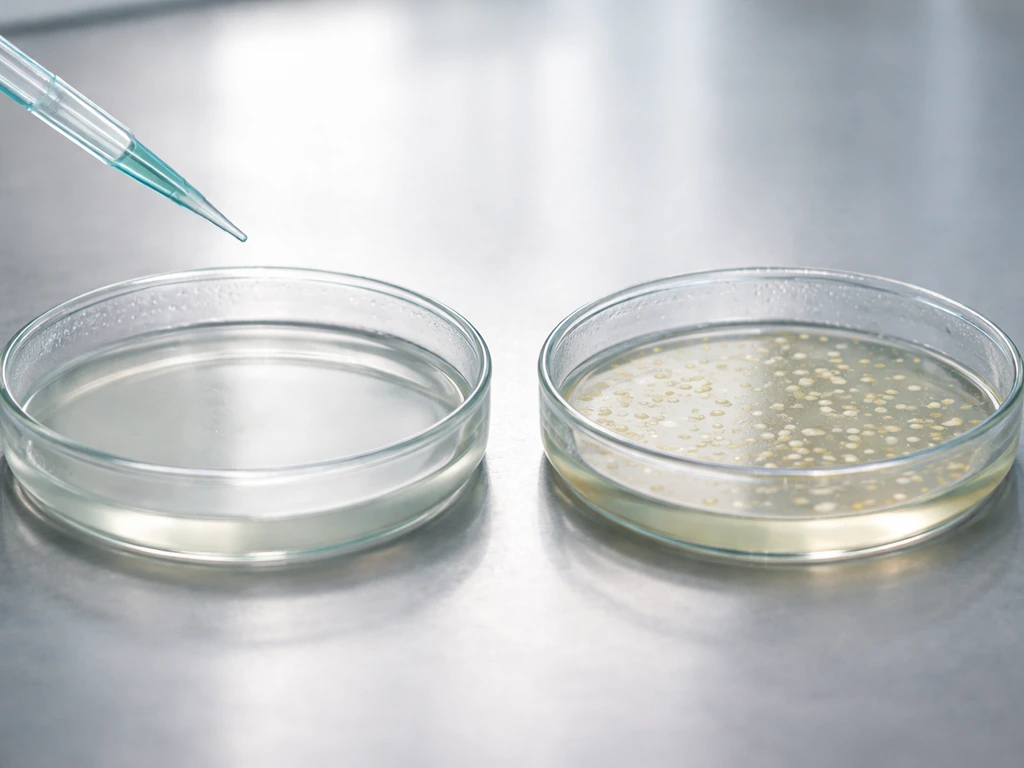
Here is where the word "most" in the original question does a lot of quiet work. It acknowledges that a subset of organisms will not grow on nutrient agar or TSA under standard conditions, no matter how well you prepare the plates. Fastidious organisms that fail to grow on general-purpose media often require a culture medium formulated for their specific nutritional needs. These are called fastidious organisms, meaning they have specific, non-negotiable nutritional or environmental requirements that a general-purpose medium does not provide. ATCC's bacteriology guide is explicit: initial general-purpose media may not be suitable for fastidious organisms such as streptococci, gonococci, and Haemophilus species.
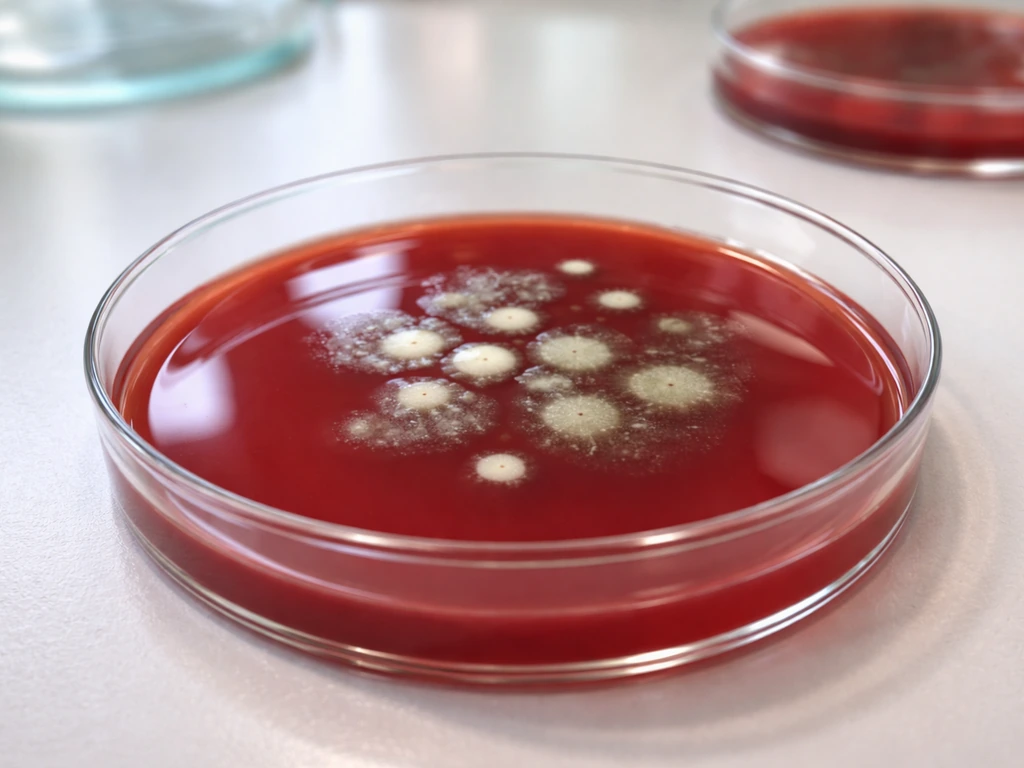
The classic fix for streptococci is sheep blood agar. Blood supplements the medium with heme compounds, growth factors, and accessory nutrients that streptococci need to grow reliably. On blood agar, you also get hemolysis patterns (alpha, beta, or gamma) that help characterize the species what bacteria grow on blood agar. On blood agar, you also get hemolysis patterns (alpha, beta, or gamma) that help characterize the species. None of that is visible on TSA or nutrient agar because the organism may not grow well enough to produce visible colonies in the first place. This is a topic worth exploring further when you get into what specific organisms like Streptococcus need from a plate.
Haemophilus species present an even more specific challenge. Most members of this genus require hemin (called X factor) and/or NAD (called V factor) for growth, and these are not present in nutrient agar or standard TSA. Chocolate agar, which is made by heating blood agar to release these factors from red blood cells, is the standard solution. Without it, Haemophilus simply will not grow, regardless of how good your technique is.
Neisseria species add another wrinkle: they are capnophilic, meaning they grow best when the atmosphere contains roughly 5 to 10 percent CO2. A standard incubator running in room air will not cut it. Francisella tularensis requires blood-cystine agar or chocolate-cystine agar, specific supplement combinations that no general-purpose medium comes close to providing. These are not edge cases you will deal with every day, but they illustrate exactly why "most" is doing real work in the question, not just academic hedging.
A quick reference for common exceptions
- Streptococcus spp.: require blood agar (sheep blood) for reliable growth; exhibit hemolysis patterns absent on plain TSA
- Neisseria gonorrhoeae and N. meningitidis: require enriched media (GC-chocolate agar) plus 5–10% CO2 atmosphere
- Haemophilus influenzae and related spp.: require X factor (hemin) and/or V factor (NAD); chocolate agar is standard
- Francisella tularensis: requires blood-cystine or chocolate-cystine agar; not recoverable on nutrient agar or TSA
- Mycobacterium spp.: require specialized media (Löwenstein-Jensen or Middlebrook); very slow growers, often missed on routine plates
Why growth conditions matter as much as the medium
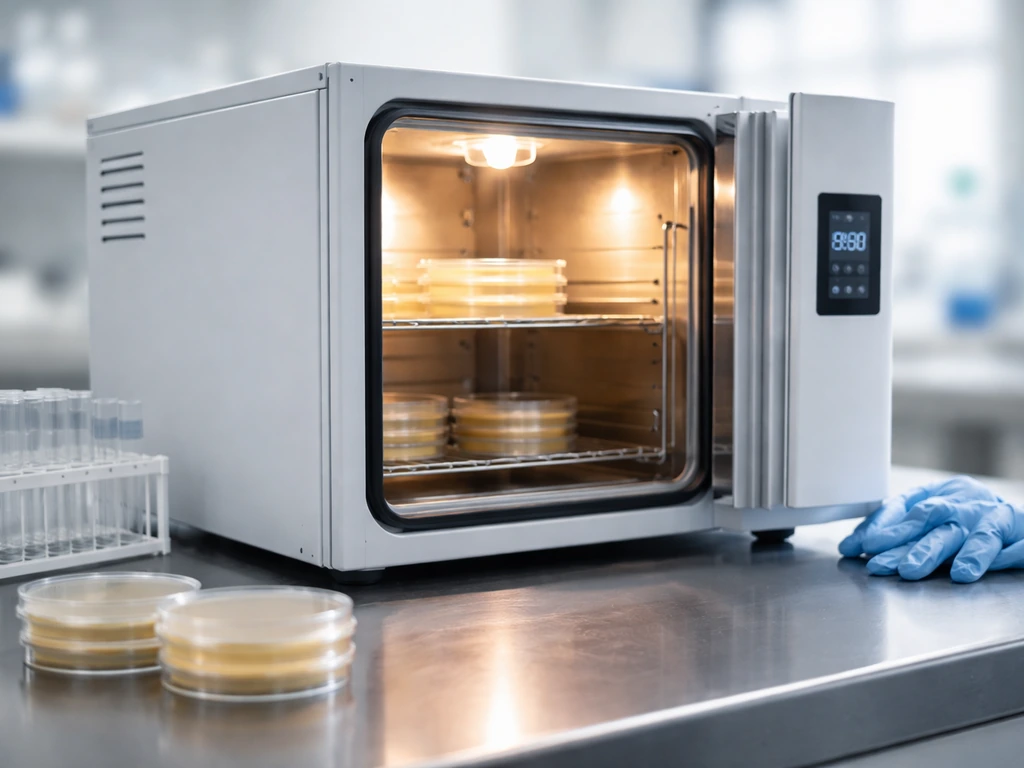
Even the right medium will give you nothing if the environmental conditions are wrong. A general-purpose medium like TSA provides the nutrients, but you still have to give the bacteria the right temperature, pH, moisture level, and oxygen availability. Merck Manual notes that some pathogens require specific nutrients or special incubation conditions, including temperature, oxygen level, CO2 concentration, or duration [special incubation conditions including temperature, oxygen level, CO2 concentration, or duration](https://www. merckmanuals.
com/professional/infectious-diseases/laboratory-diagnosis-of-infectious-disease/culture). Some bacteria are able to survive better on solid surfaces by forming biofilms, which can change how well they grow on a given medium. This is also why bacteria can grow on agar plates: the medium supplies nutrients, and the incubation conditions determine whether they can actually use them. These factors are not independent of each other; they work together to define whether an organism can actually use what the medium offers.
Temperature is the most immediately obvious variable. Most common laboratory organisms (including the non-fastidious Gram-positives and Gram-negatives that grow on TSA) are mesophiles, meaning they grow best between roughly 25 and 40 degrees Celsius, with an optimum near 37 degrees for most human pathogens and commensals. Running your incubator at the wrong temperature is a common reason for slow or absent growth even when the medium is appropriate.
pH matters because enzymes stop working at the wrong hydrogen ion concentration. Most non-fastidious heterotrophic bacteria prefer a pH range of about 6.5 to 7.5, which is why standard formulations of nutrient agar and TSA are buffered near neutral. If a medium drifts acidic from metabolic activity or improper preparation, growth stalls even for organisms that should thrive.
Moisture is non-negotiable. Bacteria require water for every metabolic reaction they carry out, and agar plates that have dried out or been stored improperly will not support normal colony development. This is a practical issue in teaching labs where plates sometimes sit on a shelf too long before use.
Oxygen availability is where a lot of student confusion happens. Most organisms that grow on general-purpose agar under standard incubation are aerobes or facultative anaerobes (organisms that grow with or without oxygen). Obligate anaerobes, organisms that are killed by oxygen, will not grow on an open plate in a standard incubator regardless of how rich the medium is. They require an anaerobic chamber or jar. Conversely, capnophiles like Neisseria grow poorly without supplemental CO2. The medium is only one part of the equation.
How to pick the right medium for unknowns and troubleshoot no-growth situations
If you are working with an unknown organism in a teaching lab or troubleshooting a failed culture, here is a practical decision process. Start broad and narrow down. No single medium supports all bacteria, so the goal at first is not to identify the organism but to get it to grow at all.
- Start with TSA (or nutrient agar) incubated at 37°C aerobically. This covers the majority of non-fastidious Gram-positive and Gram-negative organisms in routine settings. If you see colonies in 18 to 24 hours, you have already answered the key question: this organism is not highly fastidious.
- If no growth appears after 48 hours, do not assume contamination or technique error right away. Ask: could this organism be fastidious? Run a Gram stain on any material you have and note whether any growth appeared at all, even minimal.
- If the organism is Gram-negative and associated with respiratory or urogenital samples, consider chocolate agar with CO2 incubation to cover Neisseria and Haemophilus possibilities.
- If the organism is Gram-positive and expected to be a streptococcus (based on clinical source or morphology), move to blood agar. The hemolysis pattern will give you immediate additional information.
- If growth is present but very slow (more than 48–72 hours for visible colonies), consider a richer medium like brain-heart infusion agar or broth, and re-evaluate incubation duration.
- Check your incubation conditions every time: temperature calibration, CO2 levels if relevant, plate moisture and storage age, and whether the medium was prepared and stored correctly.
- Use the Gram stain result as your first branch point in any unknown identification workflow. The stain tells you which group of selective or differential media to consider next, separate from the general-purpose starting plate.
One practical tip that gets overlooked: always plate your unknown on TSA or nutrient agar alongside any specialized medium you are trying. The comparison tells you a lot. If you get growth on blood agar but not on TSA, that is a direct signal that the organism needs the blood supplement. If you get growth on neither, the problem might be incubation conditions rather than medium choice.
Understanding why general-purpose media work, and where they fall short, gives you a framework for reading lab results rather than just following a protocol. When you know that TSA supplies organic nitrogen and carbon but does not provide hemin or NAD, you understand immediately why Haemophilus will not show up on your TSA plate. When you know that TSA does not buffer CO2, you understand why your Neisseria culture came back negative even though the medium looked fine. The biology behind the medium choice makes the troubleshooting intuitive rather than a guessing game. That is the real value of understanding what goes into the blank on that exam question.
FAQ
If the question says “most Gram-positive and Gram-negative organisms,” is the expected answer always TSA or nutrient agar?
In most teaching-lab and routine exam contexts, yes, because those are general-purpose, non-selective media. If you want the safest phrasing, say “nutrient agar or tryptic soy agar (general-purpose/non-selective media).”
What does “non-selective” mean in practice for TSA and nutrient agar?
It means the medium lacks inhibitors, dyes, and selective agents that would suppress particular groups. However, it still may not support organisms that are fastidious, require specific growth factors, or need special atmospheric conditions.
Why might a specimen fail to grow on TSA even if the organism is not “fastidious”?
A common reason is the incubation environment, not the medium. Examples include wrong temperature, plates that dried out, incorrect oxygen level (obligate anaerobes), or missing CO2 for capnophiles like Neisseria.
How can I tell whether the failure is medium-related versus incubation-related?
Compare parallel plates. If you plated the same specimen on TSA (or nutrient agar) and on a specialized medium, and both show no growth, suspect incubation issues (temperature, oxygen, CO2, plate dryness). If growth occurs on TSA but not on the specialized one, suspect the specialized medium choice.
Does “Gram-positive versus Gram-negative” ever change what medium I should start with?
For initial recovery on general-purpose media, usually not. The Gram stain mainly guides interpretation when you use selective or differential media. On TSA or nutrient agar, both groups can grow if they are not fastidious and if conditions are right.
Are BHI agar and BHI broth interchangeable with TSA for “most organisms”?
Not always. They are richer and often improve recovery of marginal or fastidious organisms, but “most organisms” questions typically target classic general-purpose media like TSA or nutrient agar. Also, broth does not provide isolated colonies in the same way agar does.
Can fastidious organisms ever grow on nutrient agar or TSA?
Some may show delayed, weak, or variable growth, depending on strain and preparation. But when an organism has strict requirements (such as hemin/NAD for Haemophilus or CO2 for Neisseria), standard general-purpose media will usually not produce reliable growth under standard conditions.
What’s the best next medium to try if streptococci are suspected but TSA shows no colonies?
Sheep blood agar is the classic next step. It supplies needed growth factors and also lets you assess hemolysis patterns, which are important for preliminary characterization.
What’s a common student mistake when using “most” in this kind of question?
Treating “most” as “all.” The correct approach is to name a general-purpose medium, then recognize exceptions: fastidious organisms and cases where incubation atmosphere or temperature is wrong.
Do plate preparation and storage affect growth enough to matter for this question?
Yes. If plates were stored too long, allowed to dry out, or had preparation errors (for example, wrong pH or overly thick/thin agar), growth can be reduced or delayed even on the right medium. That can mimic a “medium mismatch.”