The organism that may even grow in certain chemical disinfectants is most commonly a pseudomonad bacterium, particularly Pseudomonas aeruginosa, though several other bacteria, fungi, and yeasts share this remarkable ability. This is not a myth or an exaggeration. Under the right conditions, specific microbes do not just survive exposure to disinfectants, they can actively multiply inside dilute or improperly used disinfectant solutions. If you are dealing with a cleaning failure, recurring microbial growth on a treated surface, or trying to understand why disinfection is not working the way it should, this guide will walk you through the biology, the practical problem, and exactly what to do about it today.
Organisms That Can Grow in Chemical Disinfectants

Marcus Holloway
24 Mar 2026
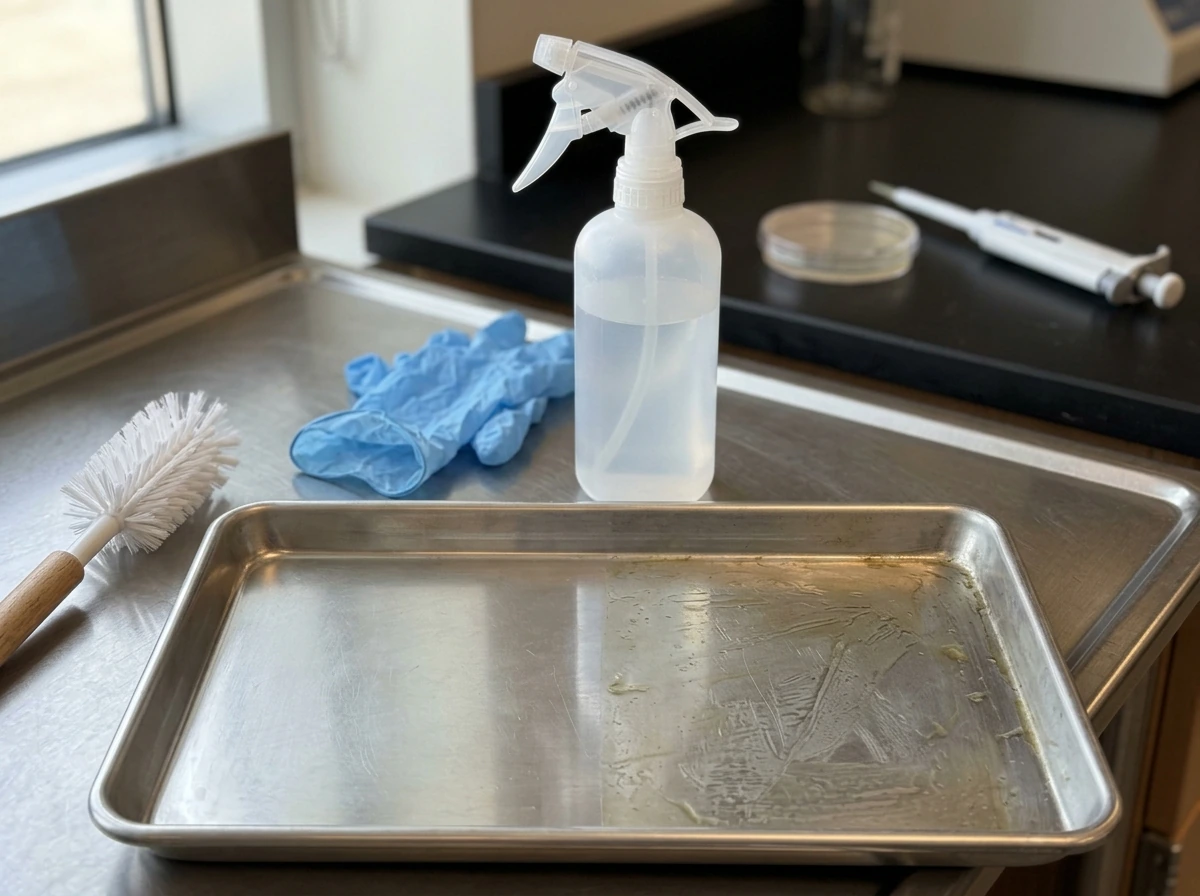
What 'survive or grow in disinfectants' actually means
There is an important distinction worth making right away. This is the reason many organisms that can grow with or without oxygen present are especially important to consider when interpreting whether a biofilm or a protocol failure is driving recurrent contamination. When microbiologists say an organism can 'grow in a disinfectant,' they are usually referring to one of two scenarios. The first is true disinfectant tolerance: the organism survives and even multiplies inside a diluted or weakened disinfectant solution, particularly in the bottle or container itself. is surface persistence: the organism survives on a treated surface because the disinfectant was not applied correctly, not left long enough, or was chemically neutralized before it could work.
Both scenarios matter, but they have different causes and solutions. True growth inside a disinfectant solution is relatively rare and requires specific conditions, usually a heavily diluted product, a contaminated water source, or a microbe with an extraordinary tolerance profile. Surface persistence after disinfection is far more common and is almost always a workflow or concentration problem rather than a biology problem. Understanding which situation you are dealing with changes everything about how you respond.
Why some microbes can resist chemical disinfectants
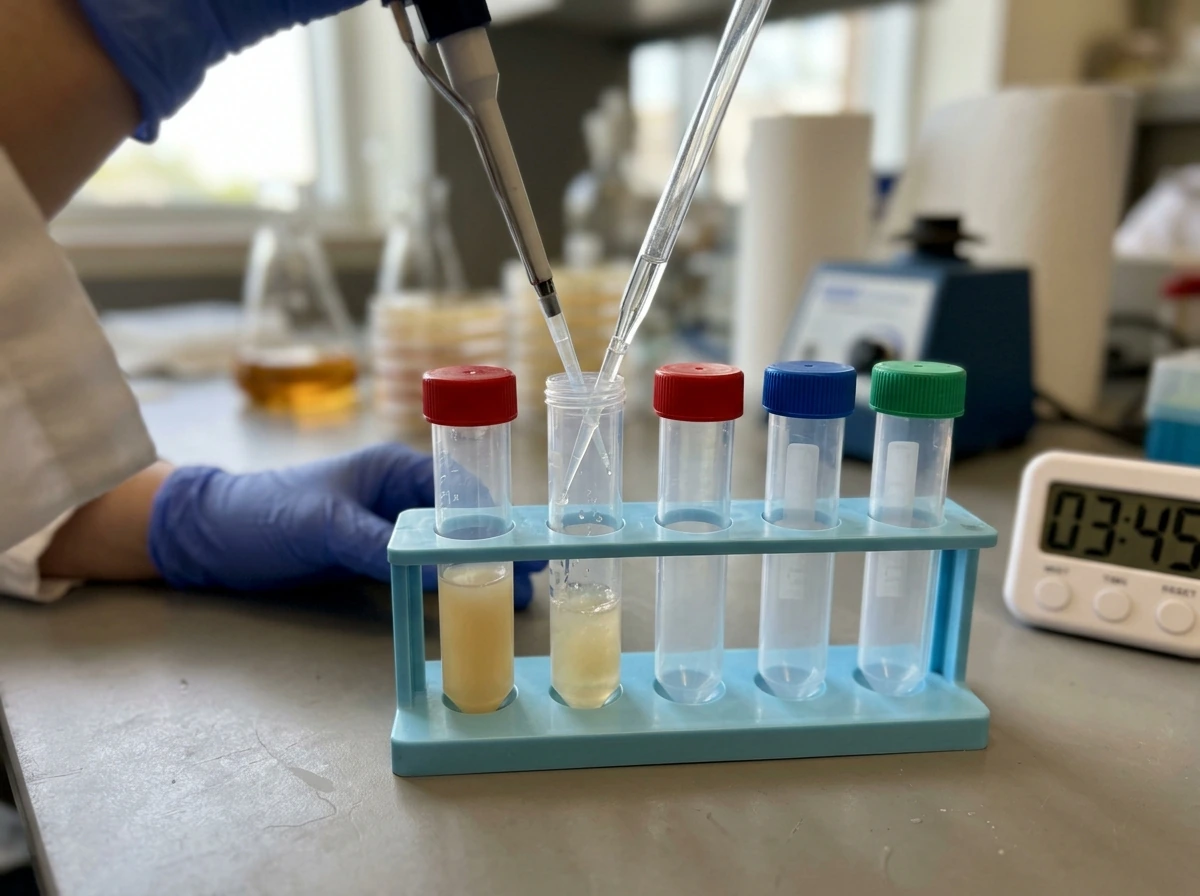
Disinfectants work by disrupting cell membranes, denaturing proteins, or interfering with an organism's metabolism. The reason some microbes shrug off that attack comes down to physical protection, structural differences, and some clever biological tricks.
Cell structure as a built-in shield
Gram-negative bacteria like Pseudomonas have an outer membrane that acts as an extra barrier against many disinfectants. This double-membrane structure limits how much of the chemical can actually reach the cell's interior. Some bacteria also deploy efflux pumps, essentially molecular machinery that recognizes toxic substances and actively pumps them out of the cell before they can cause damage. Think of it as a cell that throws out the poison as fast as you pour it in. Mycobacteria (the group that includes tuberculosis-related species) have a waxy, lipid-rich cell wall called a mycolate layer that is notoriously resistant to many standard disinfectants, which is why tuberculocidal claims on product labels are treated as a gold standard for disinfectant strength.
Biofilms: the most common culprit in real-world settings
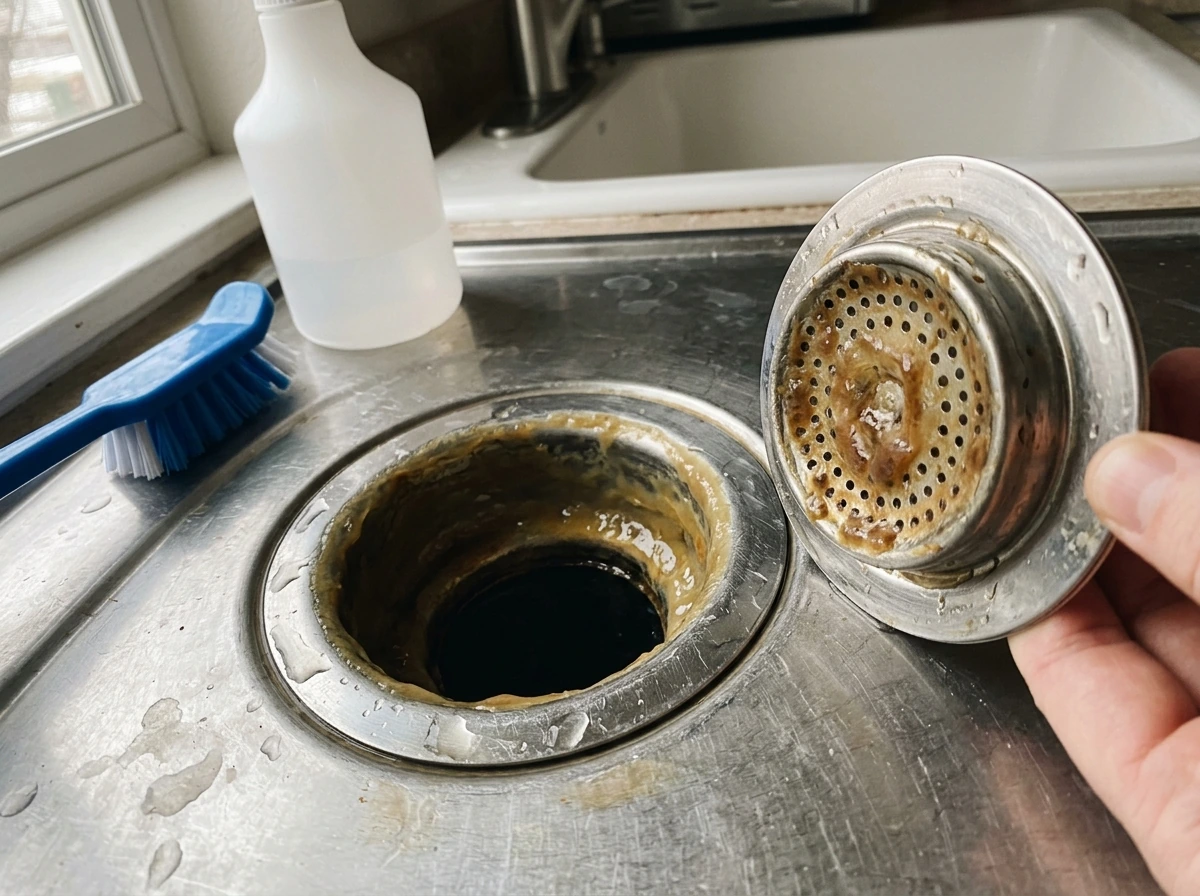
A biofilm is a community of microorganisms embedded in a self-produced matrix of sugars, proteins, and DNA, anchored to a surface. Inside a mature biofilm, cells in the deeper layers can be up to 1,000 times more resistant to disinfectants than the same cells floating freely in a solution. The matrix physically blocks chemical penetration, and cells in the interior can enter a low-metabolism dormant state that makes many disinfectants far less effective. Many anaerobes are the <a data-article-id="8DDFF95A-7155-4587-9C29-770602A2A34A"><a data-article-id="EF6F37AE-AD1D-479D-B839-4423C00F151C"><a data-article-id="7606CCAB-0DA8-4B99-86A1-EF1DE1FC651F"><a data-article-id="EF6F37AE-AD1D-479D-B839-4423C00F151C"><a data-article-id="7606CCAB-0DA8-4B99-86A1-EF1DE1FC651F"><a data-article-id="DC56C2B4-A19E-43A3-B03E-030AF83F4C21">microorganisms that grow best in the absence of oxygen</a></a></a></a></a></a>. Oxygen-related niches matter too, since bacteria that require oxygen to grow are called aerobic bacteria, and that distinction helps explain why some microbes dominate in real-world biofilms oxygen requirements in different organisms. Oxygen-related niches matter too, since bacteria that require oxygen to grow and survive, often called aerobic organisms, shape which microbes dominate in real-world biofilms organisms which require oxygen to grow and survive. Bacteria that grow in oxygenated environments are referred to as aerobic bacteria. Examples include microbes that cannot grow without oxygen, which is why biofilm conditions can strongly influence who survives disinfection oxygen requirements in different organisms. Biofilms form on pipes, drains, sink faucets, endoscopes, food-processing equipment, and any surface that is regularly wet but not mechanically scrubbed. If you are seeing recurrent contamination in the same location after repeated disinfection, a biofilm is almost certainly involved.
Spores: the hardest target
Bacterial endospores, produced by organisms like Clostridioides difficile (C. diff) and Bacillus species, are not just resistant to disinfectants, they are essentially chemically inert structures designed to survive extreme conditions. A spore has multiple protective layers including a thick protein coat and a calcium-dipicolinate core that makes it impermeable to most standard disinfectants. Quaternary ammonium compounds (quats), which are among the most widely used disinfectants in schools, offices, and food service, have essentially no sporicidal activity. Fungal spores are similarly durable. To kill spores, you need sporicidal agents like chlorine-based bleach at appropriate concentrations or hydrogen peroxide-based products with documented sporicidal claims.
Organisms most commonly associated with disinfectant resistance
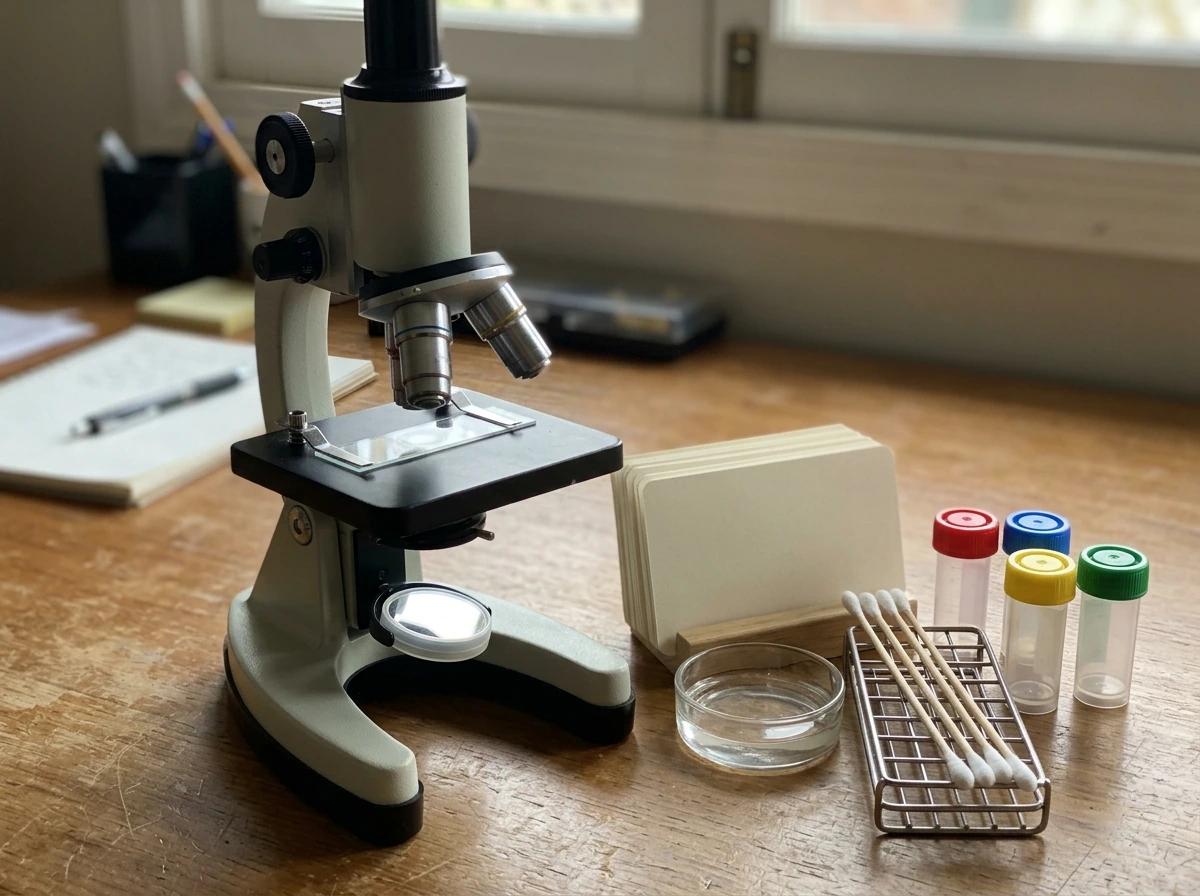
Several specific organisms come up repeatedly in the literature and in real cleaning failures. Here is a practical breakdown of the main ones to know.
| Organism | Type | Why It Resists | Key Concern |
|---|---|---|---|
| Pseudomonas aeruginosa | Gram-negative bacterium | Outer membrane, efflux pumps, biofilm formation, can grow in dilute disinfectants | Healthcare surfaces, drains, wet environments |
| Clostridioides difficile | Spore-forming bacterium | Endospores survive most disinfectants; only sporicidal agents effective | Hospitals, long-term care, surfaces touched by hands |
| Bacillus species | Spore-forming bacterium | Heat and chemical-resistant endospores | Food processing, labs, soil-contaminated surfaces |
| Mycobacterium species | Acid-fast bacterium | Waxy mycolate cell wall blocks penetration | Healthcare, water systems, instrument processing |
| Candida auris | Yeast/fungus | Unusually resistant cell wall; persists on surfaces weeks to months | Hospital surfaces, equipment, skin |
| Aspergillus species | Mold/fungus | Fungal spores resist many disinfectants | Air ducts, damp walls, food storage areas |
| Serratia marcescens | Gram-negative bacterium | Biofilm formation; can grow in certain antiseptic solutions | Sinks, soap dispensers, moist clinical equipment |
Serratia marcescens deserves a special mention because it is often the organism behind the pink or orange slime seen in showers and bathroom grout. It produces a red pigment and, remarkably, documented cases exist of it growing inside dilute chlorhexidine and benzalkonium chloride solutions. Pseudomonas aeruginosa has similarly been cultured from improperly maintained antiseptic bottles in clinical settings. These are not theoretical risks; they are well-documented events that follow predictable patterns.
The conditions that let these organisms persist despite disinfecting
Getting the organism right is only half the story. Even a disinfectant that is theoretically effective against a microbe will fail if the conditions for its use are wrong. These are the four main failure points.
Wrong concentration
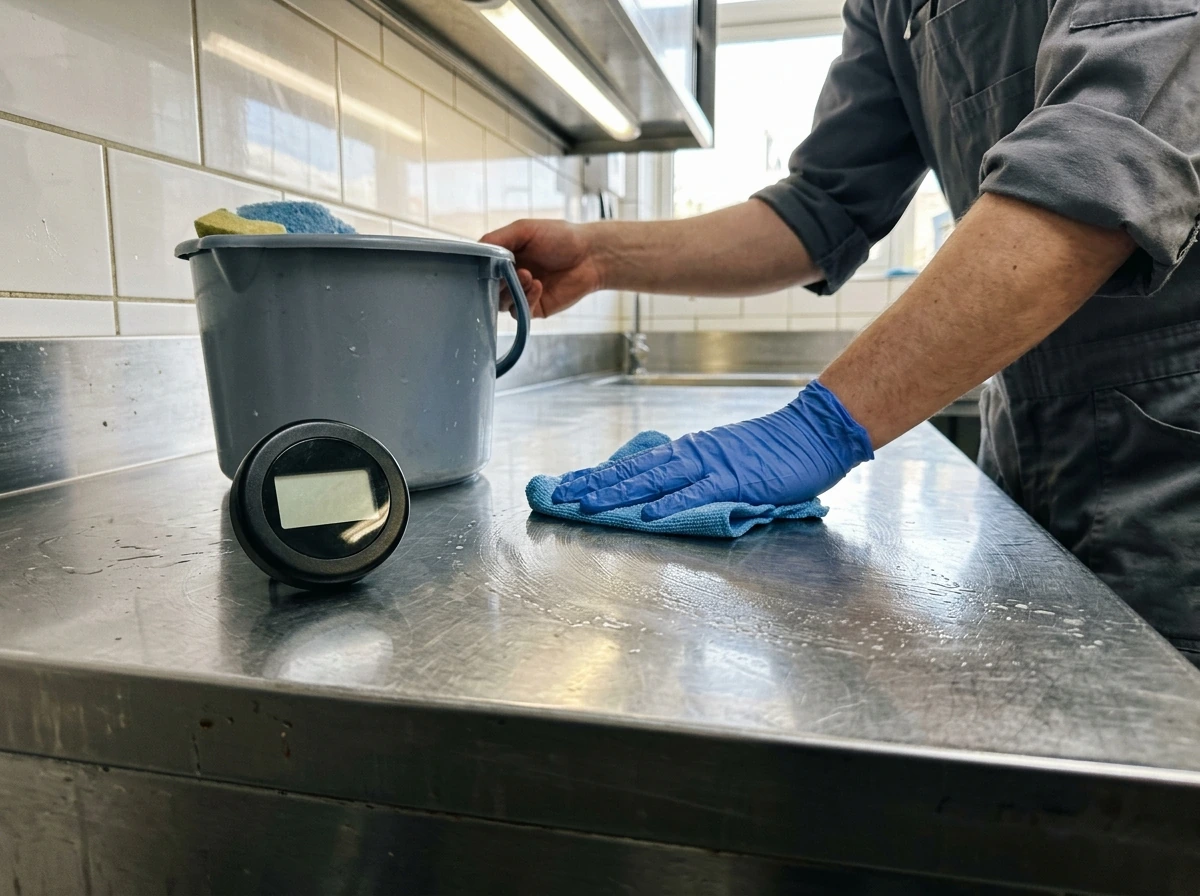
Disinfectants have a minimum effective concentration, and going below it does not just reduce killing power, it can actively select for resistant organisms. If you dilute a quaternary ammonium compound too much, you create a sub-lethal exposure that stresses bacteria without killing them. Over repeated exposures, this can contribute to tolerance. Always follow the label dilution instructions exactly. The CDC specifies that dilution water should be at room temperature unless the product label states otherwise, because temperature affects the chemistry of the active ingredient.
Insufficient contact time
This is probably the single most common cause of disinfection failure in everyday settings. Contact time (also called dwell time or wet time) is the amount of time a surface must remain visibly wet with the disinfectant for it to work. The CDC is clear on this: the surface must stay wet for the full contact time listed on the label, which for many products is 10 minutes, sometimes longer. In practice, most people spray a surface and wipe it dry within seconds. That is not disinfection; that is surface wetting. If the surface dries before the contact time is up, you need to reapply.
Organic soil load
Organic material (blood, food residue, grease, feces, saliva) chemically neutralizes disinfectants before they can reach the microorganisms underneath. This is why cleaning always comes before disinfecting. A surface that looks clean to the eye can still carry enough protein residue to dramatically reduce disinfectant effectiveness. Quaternary ammonium compounds are particularly vulnerable to inactivation by organic soil and by hard water minerals. If you skip the cleaning step and go straight to disinfecting a visibly soiled surface, you are essentially pouring an expensive product into a waste reaction.
Temperature and water quality
Cold water can slow the chemical reaction rates of disinfectants. Very hard water can react with certain active ingredients and reduce their availability. Some microbes, including psychrotrophic bacteria, actually thrive in the cooler, moist conditions often found in food storage areas and refrigeration units. Moisture is the foundational environmental condition for microbial growth, and disinfectants applied to surfaces that are then immediately re-wetted by condensation or dripping pipes provide little lasting protection. Understanding the relationship between moisture, temperature, and microbial growth is critical here, and it connects directly to the broader biological principles governing when organisms flourish or remain dormant.
How to identify where the problem is coming from
If you suspect disinfection is not working, you need a systematic approach rather than just spraying more product. The goal is to identify whether you are dealing with true disinfectant-tolerant organisms, a biofilm, a spore-related problem, or a protocol failure. In most cases, you will find the answer before you even run a test.
Start with a protocol audit
Before ordering any environmental testing, walk through your current cleaning and disinfection workflow and answer these questions honestly: Are surfaces being pre-cleaned before disinfectant is applied? Is the disinfectant being mixed at the correct dilution using room-temperature water? Is the surface remaining visibly wet for the full contact time on the label? Is the product within its expiration date and stored correctly (away from heat and direct sunlight)? In the majority of real-world cleaning failures, the answer to at least one of these questions is no, and fixing the protocol resolves the problem without any further investigation.
Environmental sampling and testing
If a protocol audit does not explain the problem, environmental sampling is the next step. For surface contamination, contact plates (also called RODAC plates, which stands for Replicate Organism Detection and Counting) or swab samples can be taken from the suspect surfaces and sent to a microbiology laboratory. For water systems or drains, liquid samples can be submitted for total viable count and specific organism identification. Ask the laboratory specifically for identification of Pseudomonas, Serratia, and fungal species if those are your concern. If C. diff is suspected (particularly in healthcare or care home settings), request targeted C. difficile culture or PCR testing, as standard culture plates will not reliably detect it.
Interpreting results safely
A positive result from surface sampling does not automatically mean a health emergency. Context matters enormously. A kitchen drain that tests positive for Pseudomonas is not the same risk as an immunocompromised patient's bedside table testing positive. Work with the testing laboratory or a qualified environmental health professional to interpret colony counts against established benchmarks for your setting. Results should inform your cleaning response, not panic. If you are in an educational setting, a food service environment, or a healthcare facility, escalate results to the appropriate person (environmental health officer, infection control practitioner, or food safety manager) rather than responding unilaterally.
What to do right now: a practical response plan
If you have identified or strongly suspect a disinfection failure, here is a step-by-step approach you can start today.
- Stop using the existing disinfectant solution if it is in a bottle or bucket that may be contaminated. Discard it, clean the container thoroughly, and prepare a fresh dilution from the concentrated product using room-temperature water at the exact ratio specified on the label.
- Clean all suspect surfaces mechanically before re-disinfecting. Use a detergent solution and a clean cloth or scrubbing pad to physically remove organic soil, grease, and visible debris. Rinse with clean water and allow the surface to drain slightly before applying disinfectant. Do not skip this step.
- Select the right disinfectant for the organism. If spores are involved, you need a sporicidal product, typically a bleach solution (diluted according to the product label) or an accelerated hydrogen peroxide product with a sporicidal EPA registration number. If biofilm is the issue, look for EPA-registered products that include biofilm claims on the label, as these have been tested specifically for that purpose.
- Apply the disinfectant and leave it. Do not wipe it immediately. Check the label for the required contact time and set a timer. For many hospital-grade and food-service disinfectants, this is between 3 and 10 minutes. The surface must stay visibly wet for the entire period. If it dries early, reapply.
- If the product label requires rinsing after disinfection (some food-contact surface products do), rinse with clean water as directed. If no rinsing is required, allow the surface to air dry.
- Document what you did, the product used, the dilution, and the contact time. This creates a record that helps identify patterns if the problem recurs.
Choosing the right disinfectant for the job
Not all disinfectants are equal, and matching the product to the organism matters. Quaternary ammonium compounds are effective against many common bacteria and enveloped viruses, but they are poor performers against mycobacteria, non-enveloped viruses, bacterial spores, and some Gram-negative bacteria in biofilms. Chlorine-based bleach solutions are broad-spectrum and sporicidal but can be inactivated by organic soil and degrade quickly once diluted. Accelerated hydrogen peroxide products offer a good balance of efficacy and material compatibility. Phenolic compounds are effective against mycobacteria but are not appropriate for all surfaces or settings. Always check the EPA registration number and the list of organisms on the product label before purchasing.
Preventing recurrence: controls that actually work long-term
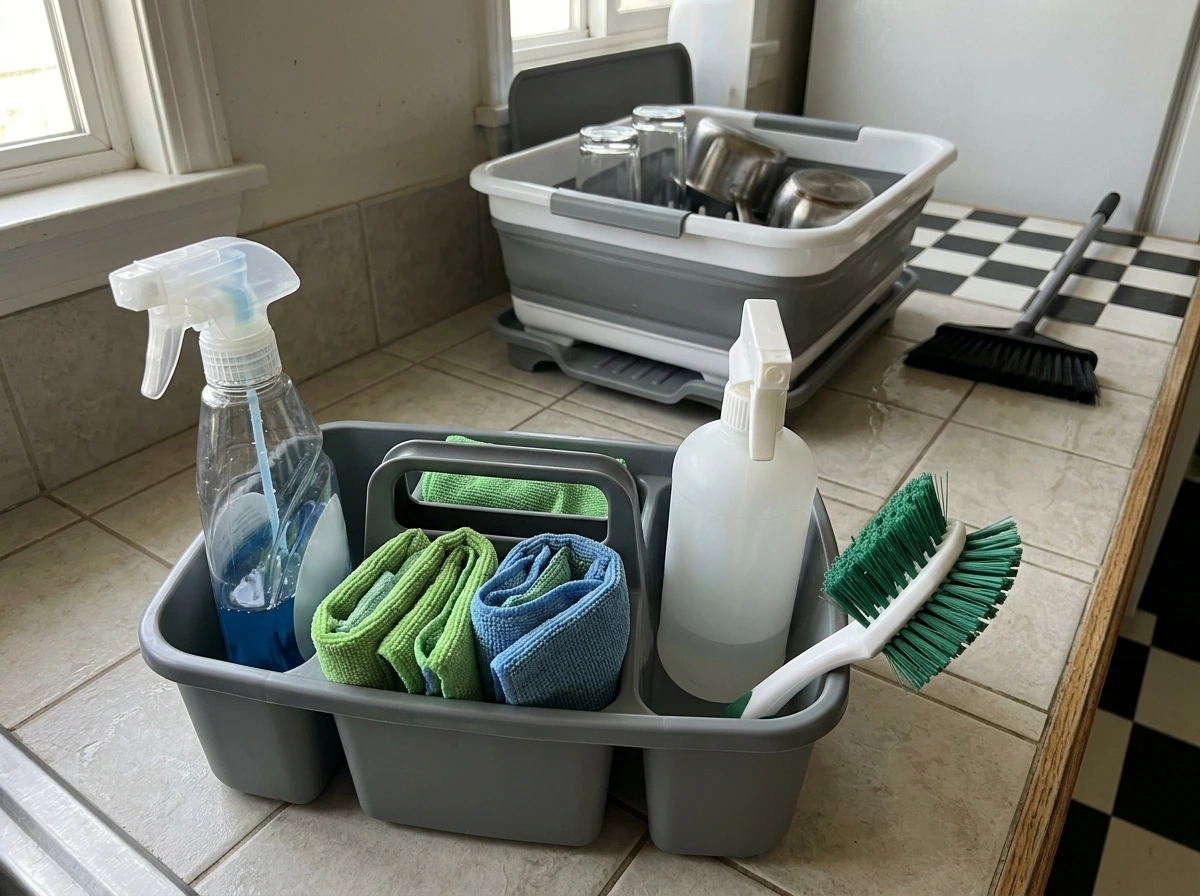
Fixing a one-time cleaning failure is straightforward. Preventing the problem from coming back requires addressing the conditions that allowed it to develop in the first place.
Biofilm disruption and control
Because biofilms are the most common underlying cause of recurrent surface contamination, controlling them requires mechanical disruption, not just chemistry. Regular scrubbing of drains, grout lines, faucet aerators, and any surface that stays persistently wet is non-negotiable. Faucet aerators are a particularly overlooked reservoir: they create a moist, nutrient-rich environment where Pseudomonas and Legionella can accumulate. Removing and descaling aerators regularly, or replacing them on a schedule, is a simple and effective measure. In food service and healthcare environments, consider using enzymatic cleaners to break down protein and organic matter before disinfection on a routine basis.
Cleaning workflow design
The sequence of cleaning matters as much as the products. The correct order is always: remove gross soil first, clean with detergent, rinse, then disinfect. Working from clean areas to dirty areas, and from high surfaces to low surfaces, prevents redistributing contamination. Cloths and mop heads should be laundered or replaced frequently; a contaminated cleaning cloth is one of the most efficient ways to spread organisms across multiple surfaces. Color-coded cleaning systems (different cloths for different zones or tasks) reduce cross-contamination risk substantially and are standard in food service and healthcare settings for good reason.
Monitoring and verification
Monitoring does not have to mean expensive laboratory testing every week. ATP bioluminescence testing (ATP stands for adenosine triphosphate, the energy molecule found in all living cells) is a rapid and inexpensive way to detect organic residue on surfaces after cleaning. A high ATP reading after cleaning indicates that cleaning was incomplete, which predicts disinfection failure. Many food service and healthcare facilities use ATP monitoring as a routine quality check. For higher-stakes environments, periodic microbiological surface sampling provides a more definitive picture. Establishing a baseline, then testing after implementing protocol changes, tells you whether the intervention actually worked.
Training and consistency
The most carefully designed cleaning protocol fails if the people carrying it out do not understand why each step matters. Contact time is a classic example: if a cleaning staff member does not know what dwell time is or why it is important, they will wipe surfaces dry immediately out of habit. Short, practical training focused on the why behind each step (why we clean before we disinfect, why we set a timer, why dilution matters) produces far better long-term compliance than a checklist alone. This connects back to the foundational principle that microbial growth depends on conditions: remove the conditions (moisture, nutrients, the right pH environment, surface soil) and you remove the growth. Understanding that principle changes how people approach every cleaning task.
If you are working through a broader study of microbial survival conditions, the principles here connect closely to questions about <a data-article-id="84F96674-A414-4528-A7AA-288D9B10B086"><a data-article-id="7606CCAB-0DA8-4B99-86A1-EF1DE1FC651F"><a data-article-id="DC56C2B4-A19E-43A3-B03E-030AF83F4C21">oxygen requirements in different organisms</a></a></a>, since anaerobic and facultatively anaerobic species
FAQ
If an organism can grow in disinfectant, does that mean the disinfectant is always “broken”?
Yes, but only in specific situations. Some microbes can survive in diluted or chemically weakened products (true tolerance) or persist on surfaces due to workflow issues. If you are seeing repeated contamination, start by auditing contact time, dilution, pre-cleaning, and whether the same container, nozzle, or reusable tool is being re-contaminated between applications.
How do I know whether my disinfectant dilution method could be causing microbial survival or growth?
Check the label’s “use dilution” first, then confirm the method used to mix it. Using warm water when the label specifies room-temperature water, using the wrong ratio, topping off a spray bottle with new product instead of discarding what remains, or using old solution far beyond its intended freshness window can all create conditions where microbes survive.
What are the most common contact-time mistakes that look like disinfection but fail in practice?
You should not assume “it got wet” means “it disinfected.” Many products require a specific wet contact time, commonly 10 minutes, and the surface must stay visibly wet the whole time. If you wipe immediately, mist lightly, or cover only part of the surface, you will get incomplete disinfection even if the chemical type is correct.
If biofilm is suspected, why doesn’t repeating the same disinfectant usually solve recurrent contamination?
Biofilms can resist repeated chemical treatment if the biofilm is not mechanically disrupted. For drains and faucet components, scrubbing, descaling, and physically removing slime and scale are often necessary, then disinfecting afterward. If you only spray disinfectant and do not clean the biofilm reservoir, the same organisms can keep reappearing.
What should I use if I suspect a spore-related problem rather than regular bacterial contamination?
Quats and many common wipe products are usually not reliable against spores, and they also often underperform when heavy organic soil or hard water interferes with the chemistry. If spores are a concern, switch to an agent with documented sporicidal performance at the correct concentration and follow the label for both dilution and contact time.
How can antiseptic bottles or spray bottles become contaminated with organisms like Serratia or Pseudomonas?
For Serratia and some other organisms, contamination often links to reservoirs like antiseptic bottles, rinse water, or repeatedly handled containers. If the product itself was contaminated at preparation, refilling, or during use, replacing the bottle, sterilizing or discarding the applicator tools, and using fresh correctly mixed solution usually helps.
Can cleaning tools spread organisms even if the disinfectant is effective?
Reusable cloths, mop heads, and even the sprayer nozzle can act as transfer vectors if they are not properly cleaned or replaced. Keep them segregated by area, follow laundering or replacement schedules, and avoid using the same bucket or rinse water across dirty and clean zones.
What does ATP testing tell me, and what does it not tell me about whether disinfection truly worked?
ATP checks organic residue, not the specific organism. A low ATP reading after cleaning suggests the surface is cleaner and disinfection is more likely to work, but it does not guarantee microbial eradication. Use ATP as a cleaning-quality indicator, and consider microbiological sampling only when you need organism-level answers.
Why can disinfection “work” once but fail to prevent regrowth the next day?
If the surface is repeatedly rewetted by condensation, dripping pipes, or splash, disinfectant can be diluted or removed before it has time to act, and the moisture supports regrowth. Fixing the moisture source, improving drying practices, and addressing leaks or plumbing issues often reduces recurrence more than increasing chemical strength.
When should a positive culture or positive surface test trigger escalation, and when is it mainly a workflow signal?
Yes. If you are dealing with immunocompromised patients, outbreaks, food high-risk areas, or healthcare equipment, you should escalate and align with local infection control or food safety processes. Environmental sampling results should be interpreted against context-specific benchmarks, because the same colony count can mean very different risk levels.