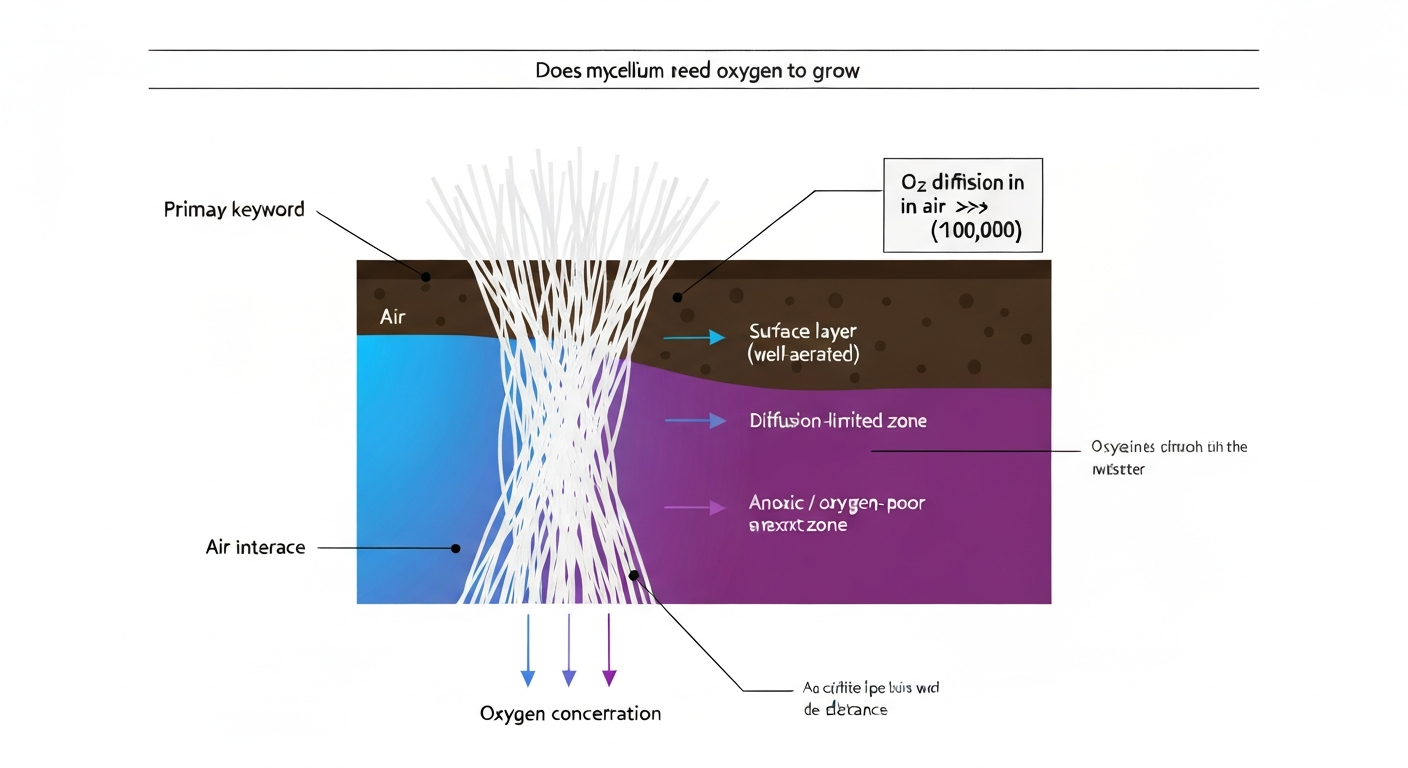
An organism that may even grow in certain chemical disinfectants is considered resistant. That is the direct, fill-in-the-blank answer. If you are staring at a microbiology quiz question right now, write that down. But understanding why that term exists, and how it fits into the broader picture of oxygen requirements, is what will actually help you remember it and apply it correctly.
An Organism That Cannot Grow Without Oxygen Is a How It Works

Marcus Holloway
24 Mar 2026
The Term You Need: Obligate Aerobe
The word 'obligate' is the key part of this term. It means the organism has no choice. It is not a preference or a convenience; oxygen is a biological requirement. Without molecular oxygen (O2) present in the environment, an obligate aerobe simply cannot grow or survive. Organisms which require oxygen to grow and survive are also part of the obligate aerobe category. organisms which do not require oxygen to grow and survive The 'aerobe' part tells you the organism lives on air, or more specifically, on oxygen. Bacteria that require oxygen to grow are called obligate aerobes, and they cannot survive without it. Bacteria that require oxygen to grow are called obligate aerobes, and it is the same category described by that definition. Put them together and you get an organism that is locked into needing oxygen to function. No oxygen, no growth. Full stop.
You will also see this category written out in study guides as: 'obligate aerobes absolutely require oxygen for survival and growth.' That matches the definition used in microbiology classrooms, lab manuals, and textbooks at every level. If a question asks you to complete the sentence 'an organism that cannot grow without oxygen is a/an __,' the answer is obligate aerobe.
Why Oxygen Is Biologically Required for Growth

To understand why some organisms cannot live without oxygen, you need to understand what oxygen actually does inside a cell. Oxygen acts as the terminal electron acceptor in aerobic respiration. Think of cellular respiration as an assembly line that processes glucose and pulls energy out of it. At the very end of that assembly line, electrons have to be handed off somewhere. In aerobic respiration, oxygen is the final destination for those electrons. When oxygen accepts them, water is produced as a byproduct, and the cell walks away with a large yield of ATP, the molecule cells use as energy currency.
The payoff from aerobic respiration is substantial. Complete catabolism of a single glucose molecule using oxygen produces far more usable ATP than any fermentative process can. This is not a small difference. Fermentation, which does not use oxygen, produces only a fraction of the ATP yield. For an obligate aerobe, its entire energy metabolism is built around that oxygen-dependent pathway. It does not have the metabolic machinery to generate enough energy through fermentation to sustain growth. Remove oxygen and the organism loses its ability to produce adequate energy, and it dies.
Another reason oxygen matters is enzyme function. Several enzymes critical to aerobic metabolism require oxygen to work. Without oxygen, these enzyme systems fail. The organism cannot carry out the biochemical reactions it depends on, so growth stops and cell death follows.
The Full Spectrum: Not All Organisms Handle Oxygen the Same Way
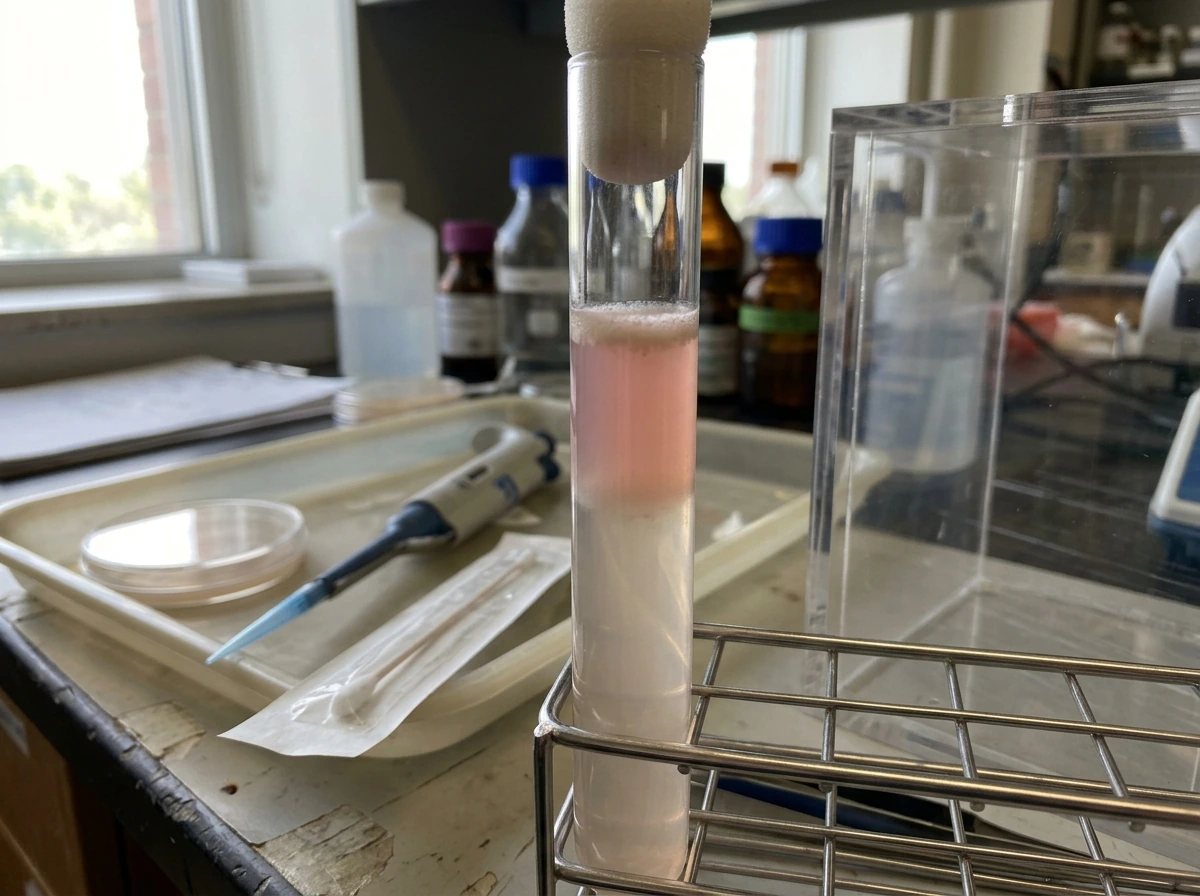
Here is where students often get tripped up. Obligate aerobe is just one point on a spectrum of how microorganisms relate to oxygen. Knowing where it sits relative to the other categories is what will help you distinguish them on an exam and in real life. Microbiologists classify organisms by oxygen requirement based on where and how they grow, and these categories are determined experimentally using tools like thioglycollate broth, a differential medium where sodium thioglycollate consumes oxygen and creates a gradient from oxygen-rich at the top to oxygen-free at the bottom. Where organisms grow in that tube tells you their oxygen relationship.
| Category | Needs Oxygen? | Grows Without Oxygen? | Brief Description |
|---|---|---|---|
| Obligate aerobe | Yes, required | No | Cannot grow without O2; uses it as terminal electron acceptor |
| Obligate anaerobe | No, toxic | Yes, only without O2 | Dies in the presence of oxygen; lacks defensive enzymes against O2 toxicity |
| Facultative anaerobe | Preferred but not required | Yes | Switches between aerobic respiration and fermentation depending on oxygen availability |
| Aerotolerant anaerobe | Not used | Yes | Does not use O2 but is not killed by it; survives low oxygen exposure |
| Microaerophile | Yes, but only small amounts | No (at normal levels) | Requires oxygen but is damaged by standard atmospheric concentrations; grows in low-O2 zones |
The obligate anaerobe is essentially the mirror image of the obligate aerobe. Where the obligate aerobe cannot live without oxygen, the obligate anaerobe cannot live with it. Obligate anaerobes lack the enzyme defenses (like blank" rel="noopener noreferrer">superoxide dismutase and catalase) needed to neutralize the toxic byproducts that oxygen produces inside cells, so when exposed to oxygen, their metabolic pathways are disrupted and they die. You can read more about organisms that thrive in oxygen-free environments in a related article on microorganisms that grow best in the absence of oxygen.
Facultative anaerobes are the most flexible group. They can use aerobic respiration when oxygen is available, getting the high ATP yield that comes with it, and switch to fermentation when oxygen disappears. They are not locked into either pathway. This is a common category for pathogens, which is part of what makes them so effective at surviving varied body environments. If you are studying organisms that can grow with or without oxygen present, that is the facultative anaerobe category.
Microaerophiles split the difference. They do need oxygen, but standard atmospheric oxygen concentration (about 21%) is actually harmful to them. They thrive at lower concentrations, usually around 2 to 10 percent. This distinction matters in lab work because you cannot simply culture them in open air and expect good growth.
Where Oxygen Requirements Show Up in Real Life

Understanding oxygen requirements is not just a classroom exercise. It comes up in food safety, hygiene, and infection biology in very practical ways. The CDC provides public-health context on the burden of foodborne illness, which helps explain why oxygen requirements matter in food safety.
Food Packaging and Anaerobic Danger Zones
Vacuum packaging and modified atmosphere packaging (MAP) reduce or eliminate oxygen inside food containers. This is great for preventing growth of obligate aerobes, including many common spoilage microorganisms. The food stays visually fresh longer. The problem is that low-oxygen conditions are exactly where obligate anaerobes like Clostridium botulinum thrive. C. botulinum grows in the absence of oxygen and can produce its neurotoxin without any visible signs of spoilage. The food can look, smell, and feel fine while harboring dangerous toxin. This is why vacuum-packaged foods have strict temperature controls and why food safety professionals never treat reduced-oxygen packaging as a standalone safety measure.
The oxygen requirement of the pathogen you are worried about determines the risk environment. Aerobic spoilage organisms are controlled by removing oxygen. Anaerobic pathogens are actually given better conditions when you remove it. This interplay is central to food safety microbiology.
Infections and the Body's Oxygen Landscape

The human body is not uniformly oxygenated. Healthy, well-vascularized tissue carries plenty of oxygen. But necrotic tissue, deep wounds, abscesses, and devascularized areas have low or absent oxygen. These low-oxygen microenvironments are where obligate anaerobes can replicate. Clostridium species, for example, thrive in poorly oxygenated wounds. In polymicrobial infections (infections with multiple species), aerobic or facultative bacteria can consume available oxygen first, effectively lowering the oxygen concentration in the tissue and opening the door for anaerobic organisms to move in and grow. The presence of obligate aerobes, ironically, can help establish conditions for obligate anaerobes.
Lab and Environmental Contexts
In a microbiology lab, knowing that an organism is an obligate aerobe tells you immediately that you need to culture it in aerobic conditions. No sealed anaerobic chambers, no oxygen-free media. If you put an obligate aerobe in those conditions and expect growth, you will get nothing. Conversely, if you are trying to identify an unknown organism and it only grows at the top of a thioglycollate tube where oxygen is highest, you are likely looking at an obligate aerobe. These growth patterns are reliable enough that thioglycollate broth is a standard tool in clinical and research labs for classifying bacterial oxygen requirements.
Test Your Understanding Before Moving On
If you have a quiz or exam coming up, these distinctions are exactly what gets tested. Here are the quick scenarios and comparisons worth running through in your head.
- A bacterium grows only at the top of a thioglycollate tube where oxygen concentration is highest. What category does it belong to? (Answer: obligate aerobe)
- A bacterium grows throughout the entire thioglycollate tube but grows more densely toward the top. What does that tell you? (Answer: facultative anaerobe, preferring aerobic conditions but capable of anaerobic growth)
- A bacterium grows only at the bottom of a thioglycollate tube, in the completely oxygen-free zone. What category does it fall into? (Answer: obligate anaerobe)
- A bacterium is not killed by oxygen but does not use it, and grows evenly throughout the tube. What is this? (Answer: aerotolerant anaerobe)
- A bacterium grows in a narrow band just below the oxygen-rich top layer of the thioglycollate tube. What does that narrow band suggest? (Answer: microaerophile, growing where oxygen concentration is low but not zero)
A common point of confusion is between aerotolerant anaerobes and facultative anaerobes. Both survive in the presence of oxygen. The difference is that facultative anaerobes actively use oxygen for respiration when it is available, while aerotolerant anaerobes do not use oxygen at all. They just are not harmed by it. That distinction shows up in how they grow: facultative anaerobes grow better when oxygen is present; aerotolerant anaerobes grow about the same regardless.
Another misconception worth addressing: many students assume that 'aerobic' automatically means 'healthy' or 'safe' and 'anaerobic' means 'dangerous.' That is not accurate. Plenty of aerobic bacteria are human pathogens, and plenty of anaerobes are harmless or even beneficial. The classification is purely about oxygen requirement, not about pathogenicity. What it does tell you is where an organism can grow, which is the first thing you need to know when thinking about contamination risk or infection potential.
Quick Reference: Fill-in-the-Blank Sentences to Practice
- An organism that cannot grow without oxygen is a/an: obligate aerobe
- An organism that cannot grow in the presence of oxygen is a/an: obligate anaerobe
- An organism that can grow with or without oxygen is a/an: facultative anaerobe
- An organism that requires oxygen but is damaged by normal atmospheric concentrations is a/an: microaerophile
- An organism that does not use oxygen but is not killed by it is a/an: aerotolerant anaerobe
If you can complete all five of those without looking, you have a solid grasp of the oxygen requirement categories. The term you came here for is obligate aerobe, but understanding the whole spectrum is what will serve you in microbiology, food safety contexts, and any applied biology course where the conditions for microbial growth actually matter. A halophile would grow best in high-salt conditions, not in the oxygen-rich conditions implied by obligate aerobes.
FAQ
If the question asks “an organism that cannot grow without oxygen is a/an ____,” is the answer always “obligate aerobe”?
In most microbiology courses, the blanks you see map to the category term “obligate aerobe.” “Obligate” means it cannot grow without oxygen, and “aerobe” points to oxygen-based metabolism. A common wrong answer is “facultative anaerobe,” because those organisms can grow with or without oxygen.
How do I tell “cannot grow without oxygen” apart from “does not use oxygen” on an exam?
Yes, but the phrasing matters: an obligate aerobe requires oxygen (O2) for growth and survival, whereas an “aerotolerant anaerobe” does not use oxygen but is not harmed by it. So “cannot grow without oxygen” rules out aerotolerant anaerobes, because they can still grow without oxygen.
Does “cannot grow without oxygen” mean an organism also fails in sealed or low-oxygen environments (like vacuum-packed food)?
The definition is specific to oxygen, not just “air present.” If oxygen is removed or oxygen drops to very low levels, obligate aerobes fail. In practice, this includes conditions like tight seals, reduced-oxygen atmospheres, or oxygen-poor tissues.
What culture conditions should I use for an obligate aerobe in the lab?
Because oxygen level is tied to how labs set up culture conditions, obligate aerobes should be grown with oxygen available, typically using open-air or oxygen-permissive methods. They may not show growth in oxygen-free setups such as anaerobic jars or oxygen-free media.
How can thioglycollate broth results confirm an organism is an obligate aerobe?
It depends on the organism and the severity of oxygen limitation, but thioglycollate gradients help. If the organism grows only near the oxygen-rich surface (top of the tube) and not in oxygen-poor areas (bottom), that strongly supports an obligate aerobe interpretation.
Why is it wrong to assume “aerobic equals harmless” and “anaerobic equals dangerous”?
Don’t confuse “oxygen requirement” with “toxicity.” An organism can be harmed by oxygen or not, without being able to grow without it. Also, “aerobic” does not automatically mean safe, and “anaerobic” does not automatically mean dangerous.
What happens if oxygen is low but not totally absent?
A practical edge case is that oxygen availability can be reduced in tissues or products without being completely absent. Facultative anaerobes can still grow under low oxygen by switching to fermentation, while obligate aerobes may stall or die if oxygen falls below what they need.
Why can vacuum or reduced-oxygen packaging increase risk even when the food looks fresh?
In food safety, reduced-oxygen packaging mainly targets oxygen-requiring spoilage organisms, but it can unintentionally create conditions that favor obligate anaerobes. That is why safety guidance often requires temperature control and other hurdles, not oxygen removal alone.
What are the most common misconception traps besides mixing up facultative and aerotolerant anaerobes?
Aerotolerant anaerobes are the common confusion point with “facultative anaerobes,” but there is another subtlety: “obligate anaerobe” and “obligate aerobe” are opposites regarding oxygen presence. If an organism dies with oxygen, it is not obligate aerobe, even if it grows in oxygen-free conditions.