Microorganisms that grow best in the absence of oxygen are called obligate anaerobes, and they do not just prefer low oxygen conditions, they actually cannot survive in the presence of oxygen at all. and they do not just prefer low oxygen conditions, they actually cannot survive in the presence of oxygen at all. That is the short answer. But understanding why they behave this way, and how they differ from other microbes that merely tolerate low oxygen, is where things get genuinely useful, whether you are studying for an exam, working through a food safety question, or trying to make sense of how infections develop in certain tissues. bacteria that grow in oxygenated environments are referred to as
Microorganisms That Grow Best in the Absence of Oxygen

Marcus Holloway
24 Mar 2026
The Oxygen Spectrum: Four Categories You Need to Know
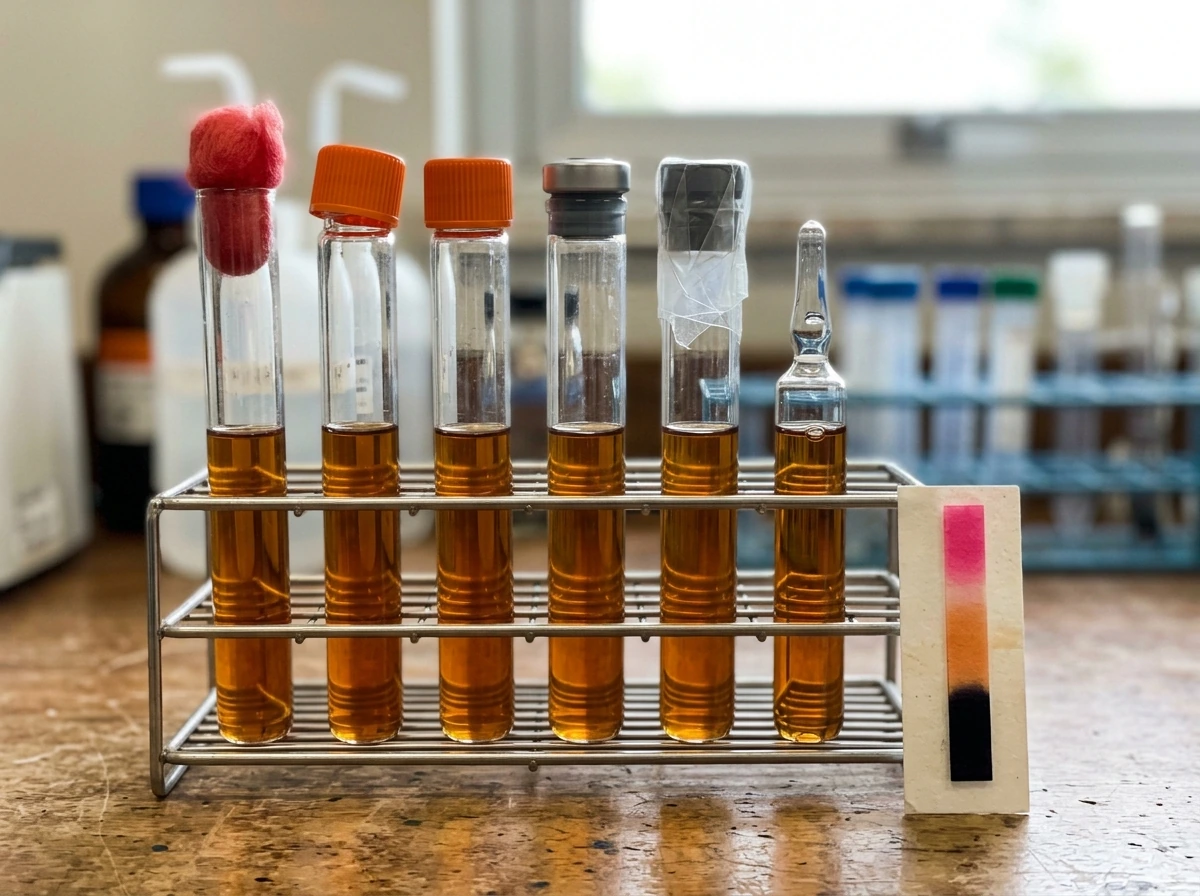
Oxygen requirements in microbiology are not binary. There is not just 'needs oxygen' and 'does not need oxygen.' There is a full spectrum, and placing a microorganism correctly on that spectrum tells you a lot about where it will thrive, where it will die, and what kind of environment it has adapted to. The four main categories are aerobic, microaerophilic, anaerobic, and facultative anaerobic.
| Category | Oxygen Relationship | Where They Grow in a Lab Culture Tube | Key Point |
|---|---|---|---|
| Obligate aerobe | Requires oxygen to survive and grow | Top of the tube (highest O2) | Cannot function without O2 for energy production |
| Microaerophile | Needs some oxygen, but less than atmospheric (roughly 1–10% O2) | Just below the surface | Harmed by the full 21% O2 in air |
| Facultative anaerobe | Can grow with or without oxygen, but prefers it | Throughout the tube, denser at top | Switches between aerobic and anaerobic metabolism |
| Aerotolerant anaerobe | Does not use oxygen but is not killed by it | Evenly throughout the tube | Ignores oxygen rather than using or being harmed by it |
| Obligate anaerobe | Cannot survive in the presence of oxygen | Bottom of the tube (lowest O2) | Killed by even brief oxygen exposure in some species |
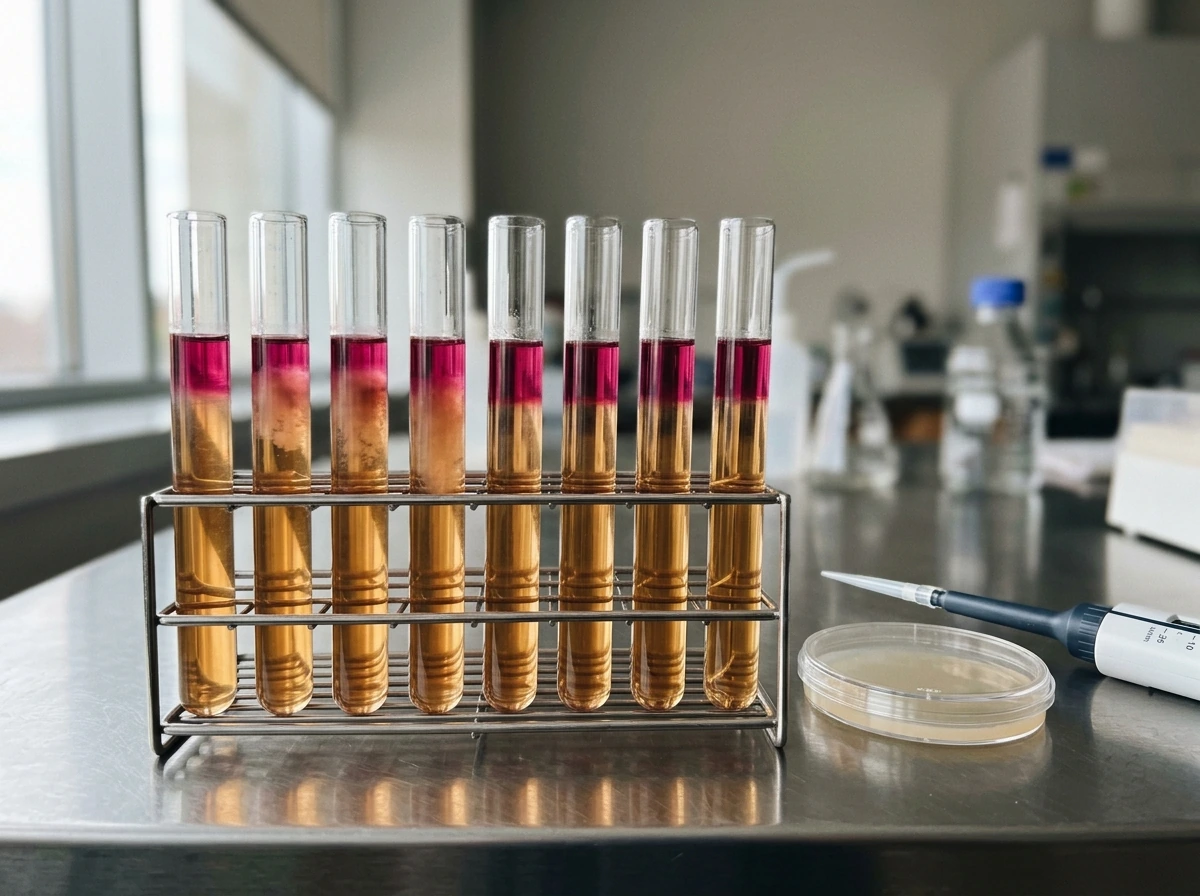
A classic teaching tool for visualizing this is the thioglycolate broth tube. Thioglycolate is a reducing agent that creates an oxygen gradient from top to bottom. When you inoculate different organisms and watch where growth concentrates after incubation, you get a clear picture of each organism's oxygen preference. Obligate anaerobes settle at the bottom where almost no oxygen diffuses, while obligate aerobes crowd the top. Facultative anaerobes grow everywhere but put on their thickest growth near the surface because aerobic respiration is more energy-efficient than fermentation. It is a simple setup that reveals a lot.
What 'Grow Best Without Oxygen' Actually Means
Here is where a common misconception trips people up. Not every organism that grows in low-oxygen environments is a true anaerobe. The word anaerobe specifically means the organism does not use oxygen for energy production, but within that category there is an important split: obligate anaerobes versus aerotolerant anaerobes.
Obligate (or strict) anaerobes are killed by oxygen. Not just slowed down, actually killed. Even short exposure to atmospheric oxygen can be lethal for the most sensitive species. The reason comes down to biochemistry: obligate anaerobes have little to no activity of the protective enzymes catalase and superoxide dismutase. These enzymes normally neutralize blank" rel="noopener noreferrer">reactive oxygen species, which are toxic byproducts that form whenever oxygen is present. Without those defenses, reactive oxygen species accumulate and inactivate the organism's enzyme systems, essentially poisoning it from within. the organism's enzyme systems, essentially poisoning it from within. organisms which do not require oxygen to grow and survive
Aerotolerant anaerobes, by contrast, can tolerate oxygen's presence without being harmed by it. They still do not use oxygen for growth, but they have just enough of those protective enzymes to survive in air. Think of them as anaerobes with a bit of chemical armor. They grow anaerobically no matter what, but they will not die on you if oxygen gets in. This distinction matters enormously in clinical and food safety contexts, as we will get to later.
So when someone asks which microorganisms grow best without oxygen, the most precise answer is: obligate anaerobes grow exclusively without oxygen and are outright harmed by it. Aerotolerant anaerobes also grow without oxygen but can tolerate its presence. Facultative anaerobes can go either way, adapting their metabolism to whatever oxygen conditions they encounter, though they typically grow more robustly when oxygen is available. If you are comparing this group with organisms on the other end of the spectrum, the contrast with obligate aerobes (which require oxygen entirely) is sharp and instructive. If you are comparing this group with organisms on the other end of the spectrum, the contrast with obligate aerobes (which require oxygen entirely) is sharp and instructive an organism that cannot grow without oxygen is a an.
Common Anaerobic Bacteria and Where You Find Them
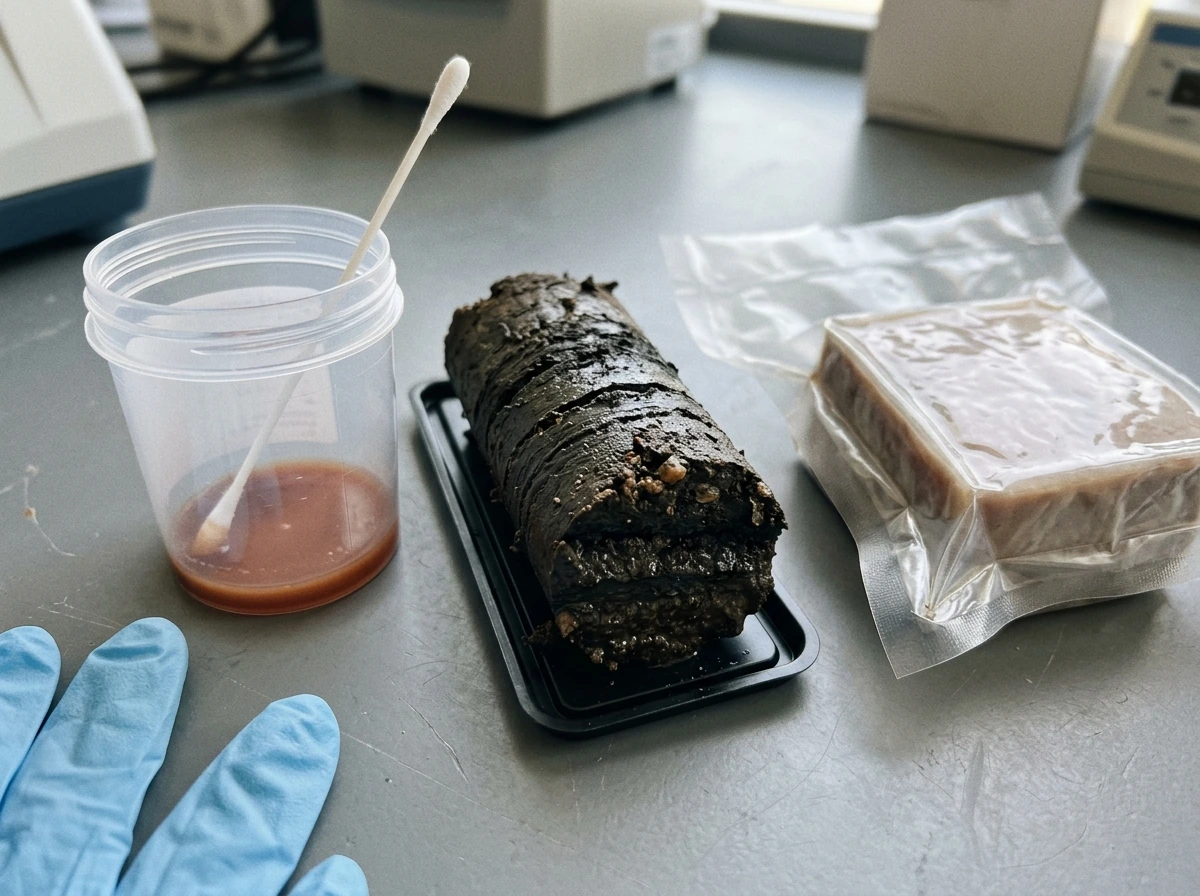
Obligate anaerobic bacteria are not rare or exotic. They are everywhere that oxygen is excluded, and several of them are significant in human health and everyday environments.
In the Human Body
The human gut is one of the richest anaerobic environments on the planet. Deep in the large intestine, oxygen levels drop to near zero, and obligate anaerobes from genera like Bacteroides, Fusobacterium, and Peptostreptococcus thrive there as part of the normal microbiome. They help with digestion and compete against harmful pathogens. When these organisms end up somewhere they do not belong, though, such as in a wound or an abdominal cavity after perforation, they can cause serious infections.
Clostridium species are probably the most well-known anaerobic bacteria in clinical contexts. Clostridium tetani causes tetanus, Clostridium perfringens causes gas gangrene and some foodborne illnesses, and Clostridium botulinum produces the botulinum toxin. What all of these share is that they thrive in conditions where oxygen has been excluded: deep puncture wounds, improperly canned foods, necrotic (dead) tissue. Necrotic and damaged tissue is a classic anaerobe habitat because the blood supply, and therefore the oxygen supply, has been cut off. This is why anaerobic infections often develop in areas of tissue injury rather than healthy, well-perfused tissue.
In Soil and the Environment
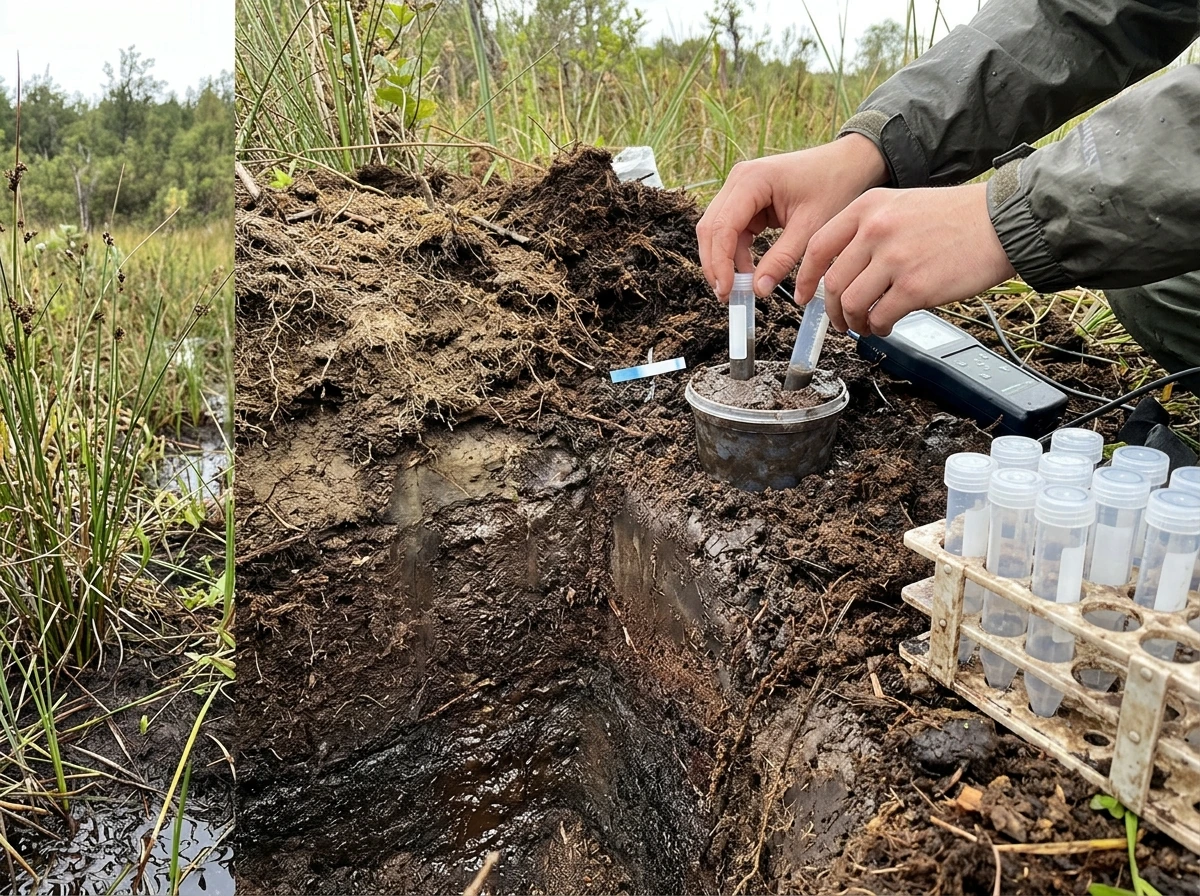
Deep soil layers, waterlogged sediments, and decomposing organic matter are natural homes for obligate anaerobes. Methanogenic archaea (technically not bacteria, but microorganisms that also grow strictly without oxygen) live in swamp sediments and the digestive tracts of ruminants, producing methane as a metabolic byproduct. The spores of Clostridium species persist in soil and can survive for years, which is one reason soil contamination of wounds is taken seriously in emergency medicine.
In Food Environments
Vacuum-packed foods, improperly canned goods, and sealed fermented products all create conditions where obligate anaerobes can flourish if the product is contaminated. The interior of a dense food product like a sealed meat pack or a home-canned jar of low-acid vegetables can become anaerobic quickly, which is exactly the environment Clostridium botulinum needs to produce toxin. This is why home canning protocols are so specific about acidity, temperature, and processing time: they are engineered to kill anaerobic spore-formers.
Anaerobic Fungi, Yeasts, and Other Non-Bacterial Microorganisms
When people think about anaerobes, bacteria tend to dominate the conversation, but the picture is broader than that. Fungi and yeasts also have oxygen requirements that fall along a similar spectrum, and understanding where they land helps round out your mental model of microbial oxygen needs.
Yeasts are the classic example of facultative anaerobes among fungi. Saccharomyces cerevisiae, the yeast used in baking and brewing, can respire aerobically when oxygen is present and switch to fermentation (producing ethanol and carbon dioxide) when oxygen runs low. This flexibility is exactly why it is so useful in both breadmaking, where CO2 causes dough to rise, and brewing, where ethanol accumulates under anaerobic fermentation conditions. Yeasts are not killed by oxygen; they simply shift metabolic gears.
True anaerobic fungi are less commonly discussed in introductory microbiology, but they exist. Fungi in the phylum Neocallimastigomycota are obligate anaerobes found in the digestive tracts of herbivores, where they help break down plant material (particularly cellulose and lignocellulose) in the absence of oxygen. These are fascinating organisms but are rarely encountered outside of specialized research or veterinary contexts.
Most molds you encounter in everyday life, the fuzzy growth on bread or fruit, are obligate aerobes. They require oxygen for growth, which is why mold typically develops on food surfaces exposed to air rather than in sealed, oxygen-depleted environments. Controlling oxygen exposure (vacuum sealing, modified atmosphere packaging) is one practical tool for slowing mold growth on food. So while some fungal microorganisms can operate without oxygen, the majority of common molds are not anaerobes.
How to Figure Out a Microorganism's Oxygen Requirement in Practice
You do not always need a fully equipped lab to make a reasonable inference about where an organism falls on the oxygen spectrum. There are observable clues and straightforward lab approaches that help.
Environmental Clues
Ask where the organism was isolated from. Deep wounds, abscesses, the gut lumen, decaying organic matter under water, or sealed food containers are all low-oxygen environments. If an organism was recovered from one of these sites, you have a strong prior reason to suspect anaerobic or at least aerotolerant metabolism. Organisms from skin surfaces, respiratory tracts exposed to air, or food surfaces, on the other hand, are more likely to be aerobes or facultative anaerobes.
Lab-Based Approaches
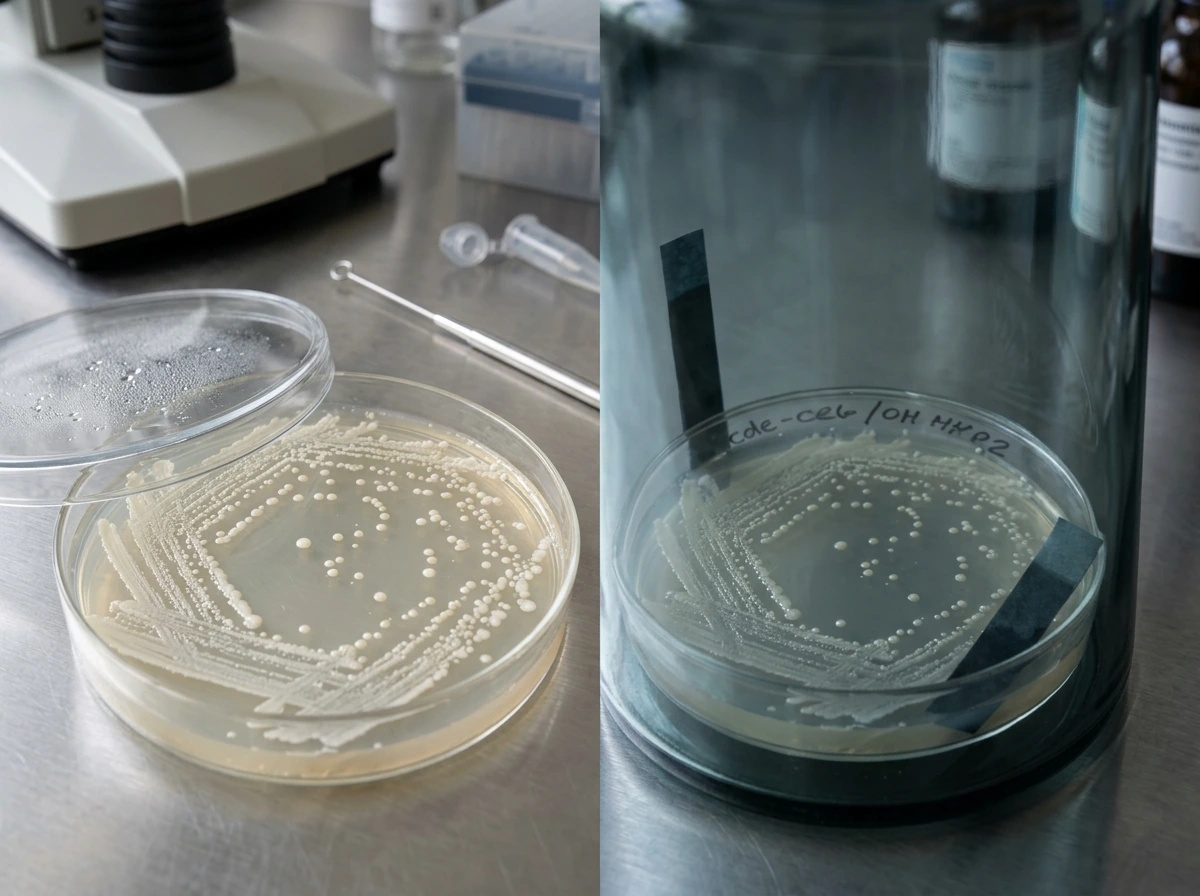
The thioglycolate broth tube described earlier is the simplest and most visually intuitive method. Inoculate and incubate, then observe the growth pattern. Beyond that, you can test for the presence of catalase (bubbling when hydrogen peroxide is added to a colony) and superoxide dismutase activity. Obligate anaerobes will typically show no or minimal catalase activity, consistent with their inability to detoxify reactive oxygen species. Anaerobic culture chambers and jars that remove oxygen using chemical packets (GasPak systems are a common example) allow growth of strict anaerobes that would not survive on an open plate.
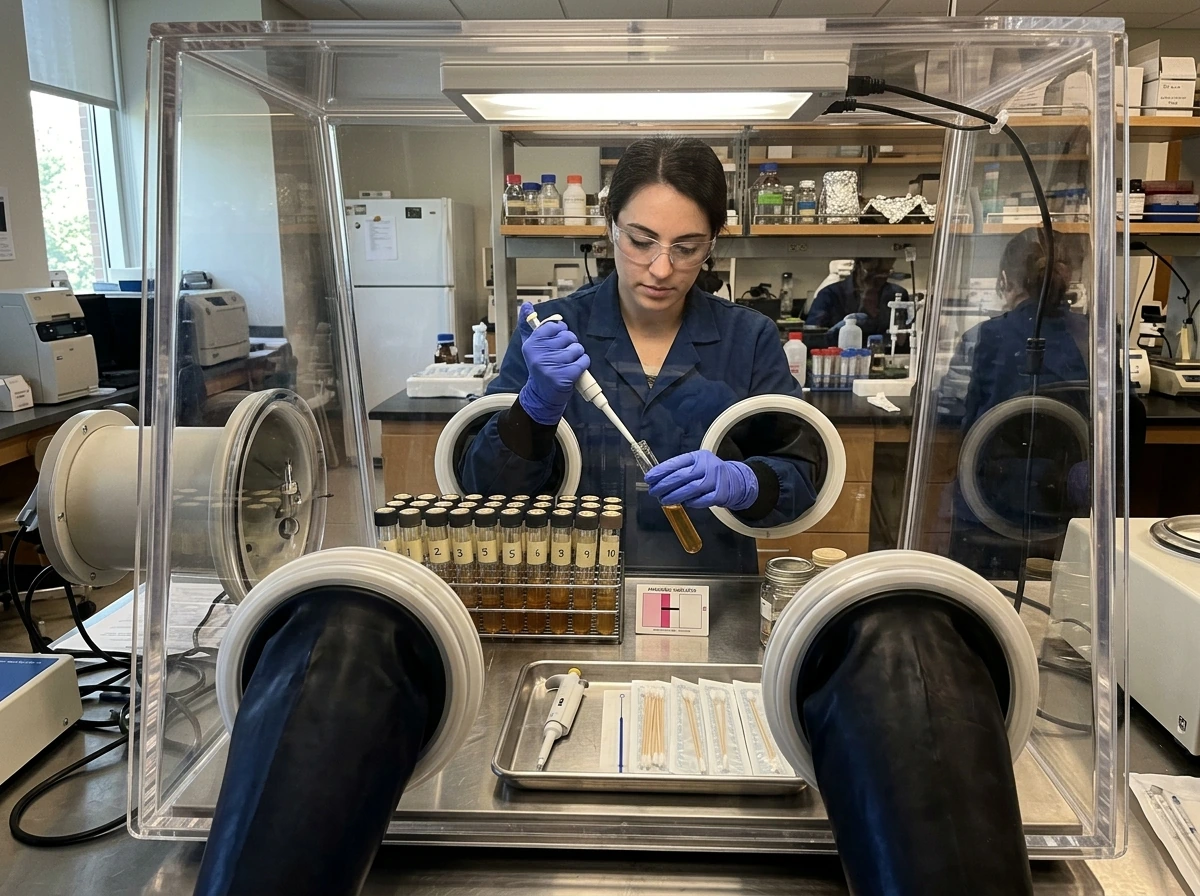
In a clinical or food safety context, the specimen handling itself is a clue. If a lab receives a sample with instructions to culture anaerobically, that signals the clinician or investigator already suspects anaerobic organisms. Anaerobic clinical specimens should be processed quickly and transported in oxygen-free conditions, because even brief air exposure can kill the most sensitive obligate anaerobes before they ever reach the culture plate. This is a known challenge in diagnostic microbiology and one reason clinical labs use special transport media.
Oxygen Is Just One Piece: Other Conditions That Control Microbial Growth
It is tempting to treat oxygen requirement as the defining factor for an organism's behavior, but it always works in combination with temperature, pH, moisture, and nutrient availability. Focusing on oxygen alone can lead to mistakes, both in a classroom setting and in practical applications like food safety.
Temperature
Even a strict anaerobe will not grow if the temperature is wrong. Most human-associated anaerobic pathogens are mesophiles, preferring temperatures around 35 to 37 degrees Celsius (close to body temperature). Clostridium botulinum spores in a sealed can of food will not produce toxin if the food is stored at refrigerator temperatures around 4 degrees Celsius. This is a great reminder that eliminating oxygen does not make food automatically safe: you need oxygen exclusion plus temperature control together.
pH
Most bacteria, including anaerobes, prefer a near-neutral pH around 6.5 to 7.5. This is why low-acid foods (vegetables, meats, beans) are at higher risk for botulism in home canning: Clostridium botulinum cannot grow and produce toxin below a pH of about 4.6. High-acid foods like tomatoes and fruits are safer precisely because the acidity suppresses anaerobic growth even when the oxygen is excluded. This is foundational food safety reasoning.
Moisture and Water Activity
Microorganisms need available water to grow. Water activity (aw) is the measure of free water in a food or environment, on a scale from 0 to 1. Most bacteria, including anaerobes, need a water activity of at least 0.91 to grow. Dried foods, heavily salted or sugared products, and foods with low water activity are protected not because oxygen is present but because there is simply not enough free water for microbial metabolism. This is why jerky, hard cheeses, and heavily salted meats have longer shelf lives.
Nutrient Availability
Anaerobes, like all microorganisms, need carbon, nitrogen, phosphorus, and various micronutrients to grow and reproduce. In nutrient-poor environments, growth is limited regardless of oxygen status. In rich environments, such as necrotic tissue packed with proteins and lipids, anaerobes can proliferate rapidly as long as the other conditions (temperature, pH, moisture) are favorable. This is one reason why deep, contaminated wounds are so much more dangerous than superficial ones.
Why This Matters: Health, Infection Risk, Food Safety, and Safe Handling
Understanding which microorganisms thrive without oxygen has direct, practical implications across several areas of daily life and professional practice.
Infection Risk and Clinical Settings
Anaerobic bacteria proliferate in damaged tissue precisely because injured areas lose their blood supply and oxygen delivery. Gas gangrene, dental abscesses, peritoneal infections, and certain lung abscesses are all conditions where the local oxygen concentration drops low enough for obligate anaerobes to gain a foothold. Understanding this helps explain why debridement (removing dead tissue) and restoring circulation are critical components of treating these infections, not just giving antibiotics. Restoring oxygen to the tissue environment directly undermines the anaerobe's growth advantage.
Handling clinical specimens suspected of containing anaerobes requires speed and proper anaerobic transport containers. Even a few minutes of air exposure can kill the most sensitive obligate anaerobes, leading to false-negative cultures. This is a recognized source of diagnostic error in microbiology, and it underlines why the oxygen requirement is not just academic: it shapes how samples are collected, transported, and processed.
Food Safety
The most dangerous foodborne anaerobic threat is botulism from Clostridium botulinum. The toxin it produces in anaerobic, low-acid, moist, and warm food environments is one of the most potent biological toxins known. The practical takeaway for food safety is that removing oxygen from food (vacuum sealing, canning) does not make food safe on its own. You need to pair oxygen exclusion with sufficient acidity, low water activity, refrigeration, or heat processing to ensure safety. This is also why you should never taste-test home-canned food to check for safety: botulism toxin can be present in food that looks, smells, and tastes completely normal.
Hygiene and Everyday Awareness
The mouth, particularly the gum pockets around teeth, is a low-oxygen environment that supports a rich community of anaerobic bacteria. Poor dental hygiene allows these organisms to accumulate in oxygen-depleted crevices, contributing to gum disease (periodontal disease) and bad breath (from volatile sulfur compounds produced by anaerobic metabolism). Regular brushing and flossing disrupt these anaerobic pockets, literally introducing more oxygen into the environment and making it less hospitable for strict anaerobes.
For anyone working in food production, healthcare, or even home cooking and preservation, the practical rule is this: if you are creating or encountering an oxygen-free environment, consider what anaerobes could thrive there and whether the other growth-limiting factors (temperature, pH, water activity) are controlled. The same logic applies to other specialized microbes, like halophiles, which grow best in salty conditions rather than standard freshwater environments. Oxygen exclusion alone is not a safety measure; it is only one variable in a system where multiple conditions work together to either permit or prevent microbial growth.
Putting It Together
Obligate anaerobes are organisms that can grow with or without oxygen present are harmed or killed by it because they lack the enzymes to neutralize toxic reactive oxygen species. organisms that can grow with or without oxygen present are Aerotolerant anaerobes also grow without oxygen but can survive in its presence. Facultative anaerobes and microaerophiles occupy the middle of the spectrum, adjusting to oxygen conditions flexibly. Most common molds are obligate aerobes, while yeasts like Saccharomyces cerevisiae are classic facultative anaerobes that switch between respiration and fermentation depending on what oxygen is available.
If you are trying to figure out where a specific organism falls, start with where it was found, look for catalase activity, and use a thioglycolate tube to observe growth patterns. Then zoom out and remember that oxygen is just one variable: temperature, pH, water activity, and nutrients all have to line up for any microorganism to grow. Getting comfortable reasoning across all of those conditions at once is what separates surface-level memorization from genuine understanding of microbial growth.
FAQ
If an organism grows in low-oxygen conditions, does that automatically mean it is an obligate anaerobe?
Not always. Some organisms are “low-oxygen tolerant” without being strict anaerobes, and oxygen can still affect growth rate or virulence. A thioglycolate tube pattern plus catalase testing helps distinguish strict anaerobes (typically no growth when oxygen is present) from aerotolerant anaerobes (growth despite oxygen exposure).
How long can a suspected anaerobic specimen sit in air before culture results become unreliable?
Yes, but the timing matters. If you suspect strict anaerobes, samples should be protected from air as soon as possible, because even brief oxygen exposure can be lethal for the most sensitive species, leading to false-negative cultures. This is one reason many clinical setups use oxygen-free transport media.
What is the practical difference between an organism that dies with oxygen and one that simply grows slower?
Look for oxygen inactivation, not just slower growth. Strict anaerobes are generally killed by oxygen because they lack sufficient defenses against reactive oxygen species, commonly associated with minimal catalase and superoxide dismutase activity. “Survival with reduced growth” often indicates aerotolerant or facultative behavior rather than obligate anaerobiosis.
Do obligate anaerobes always form spores that let them survive outside the body?
Many strict anaerobes are spore-formers, but not all are. For example, Clostridium species can persist via spores in soil, which is why wound contamination remains a concern long after exposure. However, other obligate anaerobes may not rely on spores and can be less environmentally persistent.
Why can thioglycolate broth tube results be misleading if the experiment is done carelessly?
Test the whole oxygen gradient outcome, not a single observation. A thioglycolate tube can show where growth concentrates, but if the inoculum was too small or incubation conditions were off, you may misread the oxygen preference. Using a proper anaerobic indicator and consistent incubation helps reduce interpretive errors.
Can a wound still contain enough oxygen to affect which anaerobes dominate?
Yes, oxygen can be “present” in the real world even when a site looks anaerobic, for example, along wound edges or in partially perfused tissue. Strict anaerobes tend to thrive where oxygen diffusion is nearly absent, while aerotolerant anaerobes tolerate oxygen but still prefer anaerobic metabolism.
If debridement increases oxygen delivery, why does it also matter for treatment beyond stopping anaerobes directly?
Infectious anaerobes are not defined only by lack of oxygen, they also need nutrients, suitable temperature, and a supportive pH and moisture level. In practice, clinicians prioritize removing devitalized tissue, improving perfusion, and using appropriate antibiotics, because oxygen exclusion alone does not guarantee rapid anaerobic growth.
How can home canners or cooks avoid relying on visual cues when assessing botulism risk?
Do not use smell, color, or “normal appearance” to judge safety. Botulinum toxin can be present without obvious signs in low-acid, moist, sealed foods where oxygen is excluded. Taste-testing is unsafe because toxin exposure can occur even if food looks and smells unchanged.
Are anaerobic infections always associated with a distinctive odor or gas formation?
Yes, anaerobes may affect odor and symptoms, but the mechanism differs by organism. In the mouth, anaerobic metabolism can generate volatile sulfur compounds that drive halitosis, while in deeper tissues oxygen restriction supports other pathogenic anaerobes that can cause abscesses or gas formation depending on species.
Does vacuum sealing or canning automatically prevent microbial growth even if other conditions are not controlled?
You can create a false sense of safety if you assume “no oxygen equals no growth.” Growth also depends on temperature, pH, and water activity, so refrigerated storage, acidic formulation, or water activity reduction can matter as much as oxygen exclusion. For low-acid foods, correct processing time and temperature are essential.
Why do yeasts behave differently from strict anaerobic bacteria when oxygen is removed?
Yeasts are often discussed differently from anaerobic bacteria. Many yeasts are facultative, they can respire when oxygen is available and switch to fermentation when it is not, so the oxygen level changes product formation (ethanol, CO2) rather than simply turning growth “on” or “off.”
If a lab uses only aerobic plates, can it still detect anaerobic microorganisms?
Yes. Some organisms that are not “strict anaerobes” can still be recovered using anaerobic techniques, and some strict anaerobes may be missed if the lab uses only aerobic culture conditions. Proper specimen handling and the right culture plan together determine what you detect.