Obligate anaerobes grow in thioglycollate medium because the medium is specifically engineered to remove oxygen from its lower regions, creating an anaerobic zone where these oxygen-sensitive organisms can safely grow. The chemical reducing agents in the medium, primarily sodium thioglycollate and L-cystine, consume dissolved oxygen and slow any new oxygen from diffusing down through the broth. Obligate aerobes, on the other hand, need oxygen as their terminal electron acceptor, so they are restricted to the top of the tube where oxygen is still present. That's the core of it. Everything else, the color-changing indicator, the tiny bit of agar, the careful handling rules, exists to protect and reveal that oxygen gradient.
Why Will Obligate Anaerobes Grow in Thioglycolate?

Marcus Holloway
8 Jun 2026
What thioglycollate medium is actually designed to do
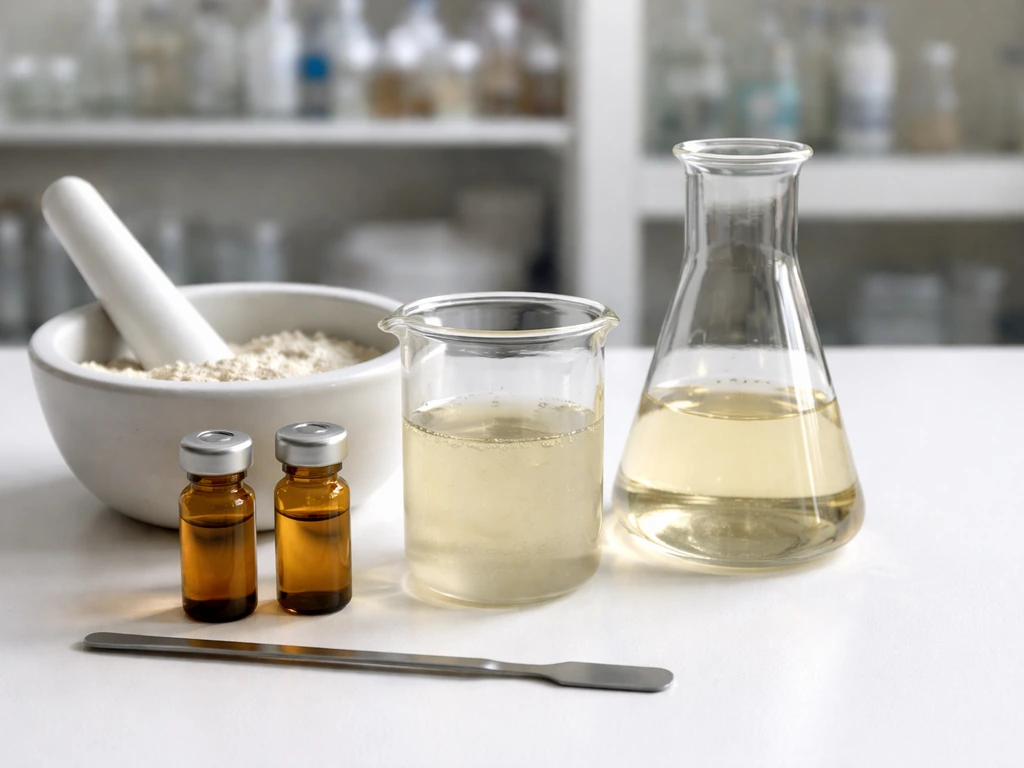
Fluid Thioglycollate Medium (often abbreviated FTM or FTG) is a differential medium, meaning its job is not just to feed bacteria but to reveal something about them. Specifically, it tells you where along an oxygen gradient a microorganism prefers to grow, which directly reflects its oxygen requirement category. The FDA's Bacteriological Analytical Manual lists it as a sterility-testing medium, and it shows up in the United States Pharmacopeia (USP <71>) for exactly this kind of controlled oxygen-gradient testing.
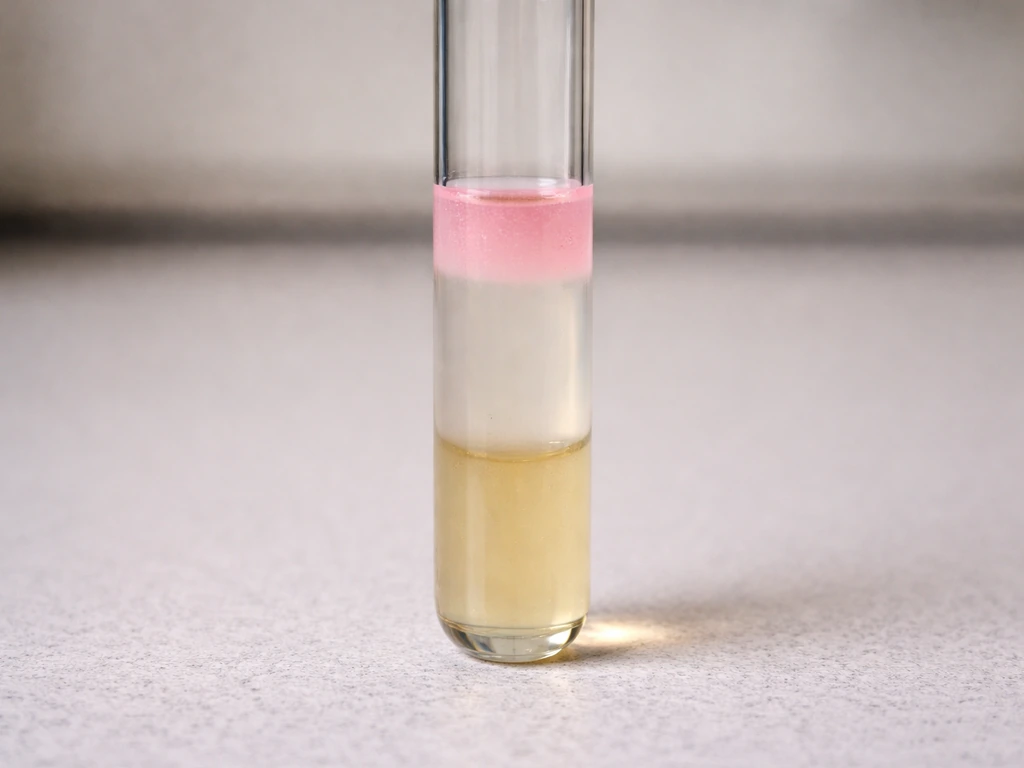
The key components in a standard formulation are: yeast extract and pancreatic digest of casein for nutrients, glucose as a carbon/energy source, sodium thioglycollate as the primary oxygen-reducing agent, L-cystine as a secondary reducing agent, a small amount of agar to slow convection and maintain stratification, and resazurin as a visual redox indicator. Each of those ingredients earns its place. The nutrients keep organisms alive and growing. The reducing agents scavenge oxygen. The agar limits mixing. And the resazurin dye tells you at a glance how far oxygen has penetrated into the tube, turning pink or red in oxidized (oxygen-present) zones and remaining colorless or amber deeper down where oxygen has been consumed.
The oxygen gradient: how the tube sets up zones
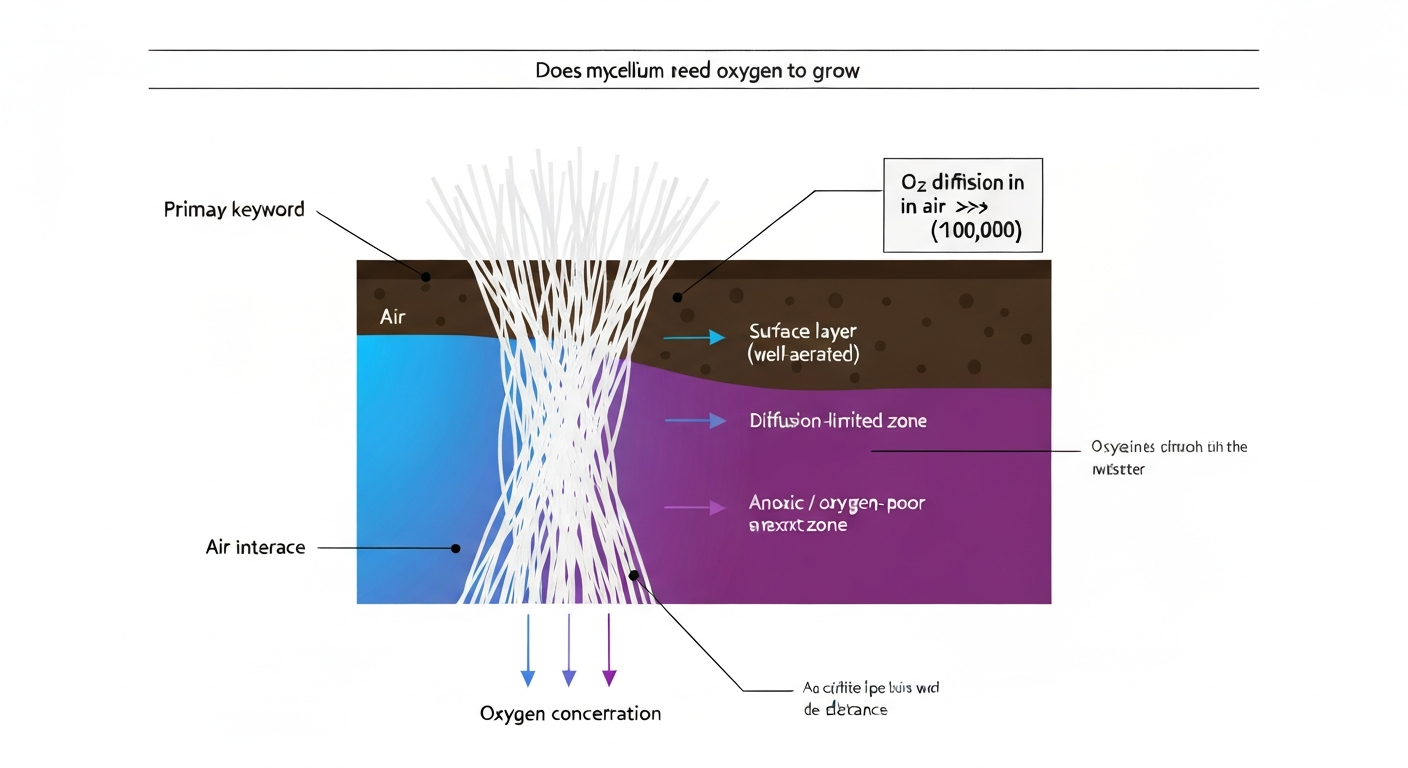
When you pour thioglycollate medium into a tube and let it sit undisturbed, something predictable happens over time. Oxygen from the air slowly diffuses into the top of the liquid. The reducing agents in the medium react with and neutralize that oxygen, but they can only do so much so fast. The result is a gradient: the top portion of the tube stays relatively aerobic (oxygenated), the middle becomes progressively more oxygen-depleted, and the bottom of the tube becomes essentially anaerobic. The small amount of agar in the formulation is not enough to solidify the medium, but it does increase viscosity and slows convection currents, which helps keep those zones stratified and stable.
The resazurin indicator makes this gradient visible. In the aerobic upper zone, resazurin shifts toward its oxidized (pink) form. In the anaerobic lower zone, it remains reduced and colorless or pale amber. USP <71> actually specifies a quality check based on this: if more than the upper half of the medium has turned pink before you even start using it, the gradient has been compromised and the medium needs to be reheated or discarded. That single rule tells you how important maintaining the gradient is to the whole experiment.
Think of the tube like a layered drink where the densest layer stays at the bottom. Shake it and you destroy the separation. The same thing happens with thioglycollate, which is exactly why every reputable lab protocol warns you: do not shake these tubes after inoculation. Agitation mixes oxygen back through the medium, collapses the gradient, and makes any growth-pattern interpretation meaningless.
Why obligate anaerobes can actually thrive down there
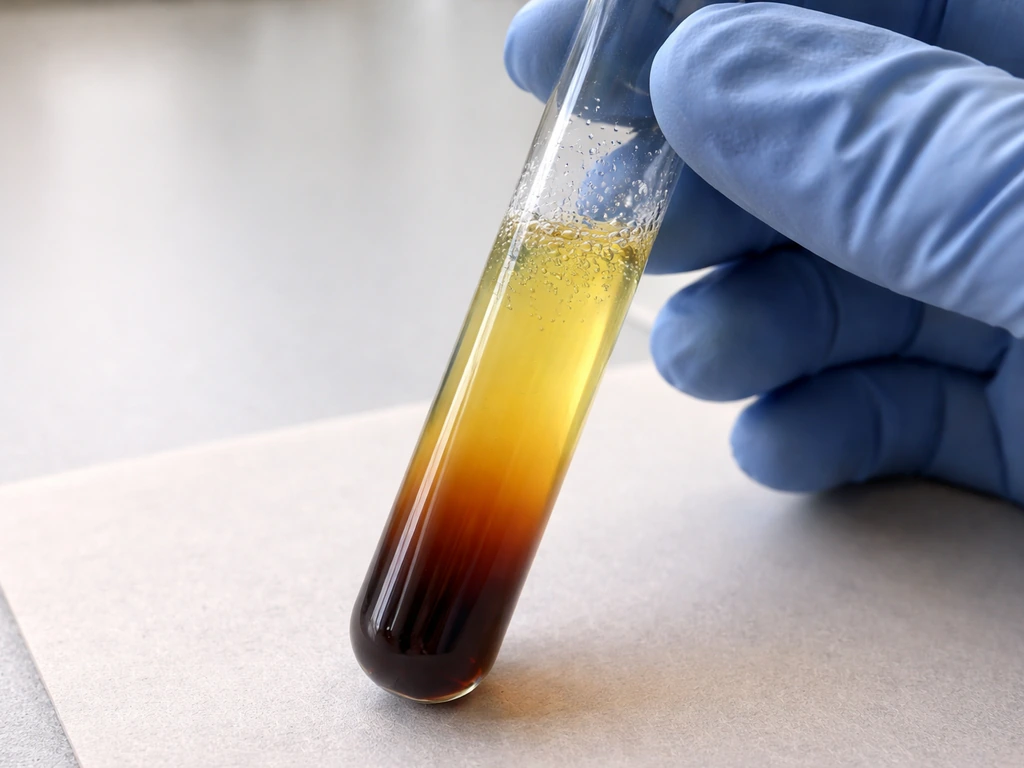
Obligate anaerobes are not just organisms that happen to prefer low-oxygen environments. They are organisms that are genuinely damaged, often fatally, by oxygen exposure. The main reason comes down to reactive oxygen species (ROS), molecules like superoxide radicals and hydrogen peroxide that form when oxygen interacts with cellular chemistry. Most aerobic organisms have evolved enzymes, specifically superoxide dismutase (SOD) and catalase, to neutralize these toxic byproducts. Obligate anaerobes typically lack these defenses entirely, or produce them at such low levels that they offer little protection.
On top of the ROS problem, obligate anaerobes rely on metabolic enzymes that are chemically incompatible with oxygen. These are low-potential metalloenzymes and radical-based catalysts that simply stop working, or get permanently inactivated, when exposed to even small amounts of oxygen. So oxygen does not just slow down an obligate anaerobe, it actively breaks the machinery the organism needs to generate energy and grow. Research published in Nature Reviews Microbiology has emphasized that the full picture of oxygen toxicity in anaerobes is complex and involves both the ROS pathway and the direct inactivation of these oxygen-sensitive enzymes. The PMC-hosted Nature Reviews Microbiology discussion emphasizes that anaerobic metabolism depends on low-potential chemistry and repeatedly highlights oxygen-sensitive metalloenzymes and radical chemistry as key reasons oxygen impairs anaerobic growth.
In the anaerobic zone of a thioglycollate tube, none of that damage happens. The reducing agents have consumed the oxygen. The low-redox environment is exactly what these organisms need for their enzymes to work. They get nutrients from the medium, they have no toxic oxygen to contend with, and they grow. The gradient is not a workaround or a trick. It is a faithful recreation of the anaerobic microenvironments where obligate anaerobes naturally live, such as deep in intestinal mucus, inside wound tissue, or at the bottom of sediment.
Why obligate aerobes should stay near the top (and when they seem not to)
Obligate aerobes require oxygen as the terminal electron acceptor in aerobic respiration. Without it, they cannot run their electron transport chain efficiently enough to grow. In a thioglycollate tube, the only place with enough oxygen to support obligate aerobe growth is the upper portion, close to the air-liquid interface. That is exactly where you should see growth for a true obligate aerobe, and only there.
So when you see what looks like growth deeper in the tube from an organism you labeled as an obligate aerobe, one of a few things has gone wrong, and it is worth thinking through each one carefully.
The organism may not actually be an obligate aerobe
This is the most common explanation. Some organisms are described as aerobes in casual usage but are really facultative anaerobes or aerotolerant anaerobes, meaning they can survive and even grow with little to no oxygen. A true obligate aerobe cannot grow in the absence of oxygen, full stop. If the organism in question shows any growth in the anaerobic zone, it almost certainly belongs to a different oxygen-requirement category, and the thioglycollate result is actually doing its job correctly by revealing that.
The oxygen gradient may have been disrupted
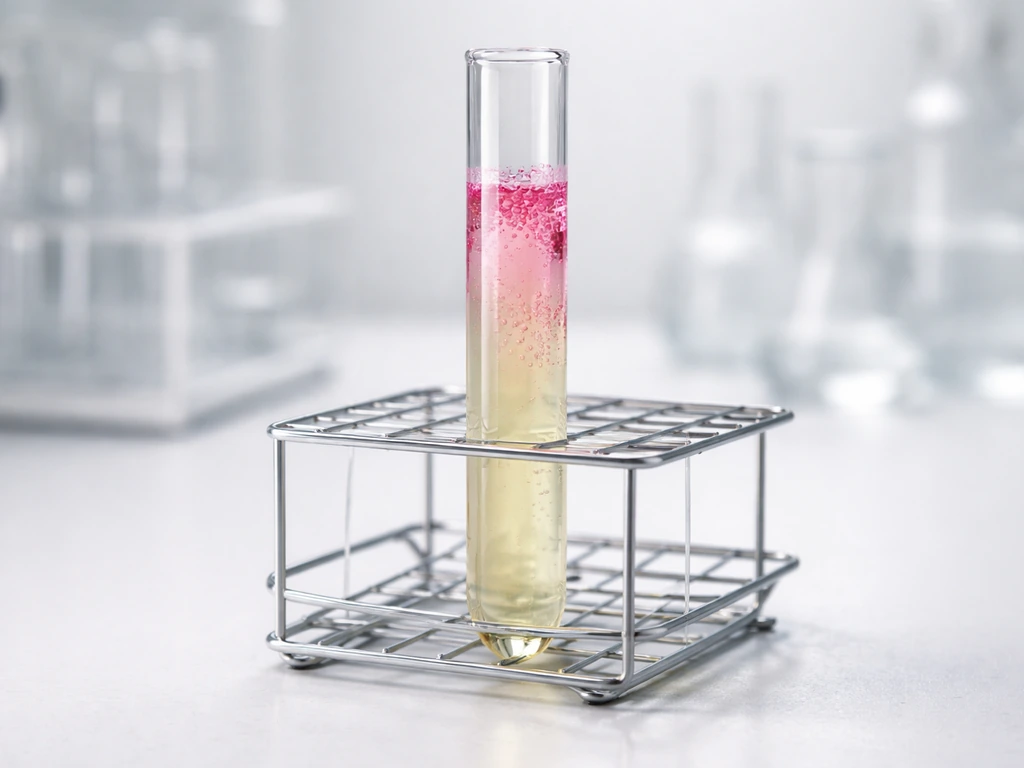
If the tube was shaken, stored improperly, or if the medium was heavily oxidized before inoculation (more than roughly 30% of the medium showing pink resazurin color), oxygen could have penetrated much deeper into the tube than expected. An aerobe could then grow in what appears to be the middle or lower zone simply because oxygen reached that far. This is a medium-quality or handling failure, not a biological anomaly.
The inoculum may have carried oxygen-rich broth deep into the tube
If you inoculate by simply dropping the loop from the top rather than inserting the inoculating needle all the way to the bottom of the broth, aerobes can concentrate near the surface. But if you introduce a large inoculum or add oxygenated broth from another culture, you may inadvertently introduce dissolved oxygen into the lower zone, temporarily allowing aerobe growth there before the reducing agents can compensate.
Practical troubleshooting: getting clean, readable results
Getting thioglycollate tubes to give you accurate, interpretable results is mostly about discipline in preparation and handling. The chemistry of the medium does the heavy lifting, but you have to give it a chance to work. Here is a practical checklist to run through before and after your experiment.
Before inoculation
- Check the resazurin color before use. If more than roughly the upper one-third to one-half of the medium appears pink, the medium has absorbed too much oxygen. Per standard IFU guidance (including Merck and BD formulations), you can reheat the medium once, loosening the caps slightly in a steam bath or boiling water to drive off absorbed oxygen, then cool and use it. Do not reheat more than once.
- Use freshly prepared or recently stored medium whenever possible. Tubes that have been sitting open or loosely capped absorb oxygen over time, undermining the gradient.
- Confirm the medium was autoclaved correctly (typically 20 minutes at 121°C) and that it was stored sealed and upright after preparation.
During inoculation
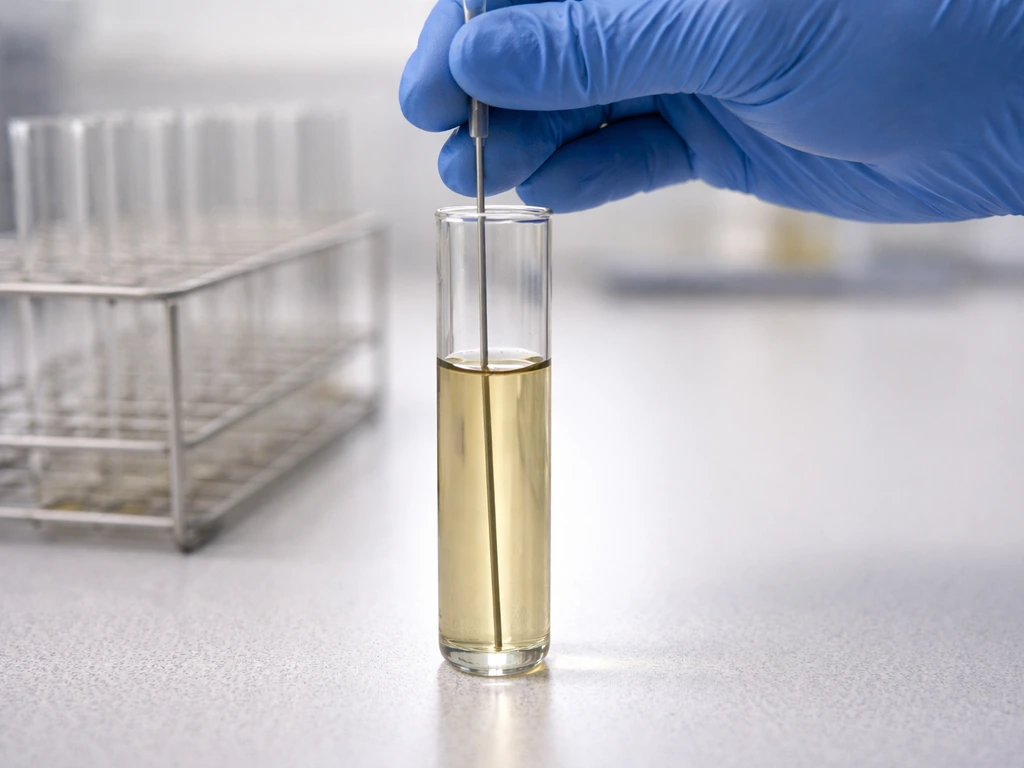
- Inoculate by inserting the inoculating loop or needle all the way to the bottom of the broth. This places the organism throughout the medium depth and lets it migrate to its preferred oxygen zone during incubation.
- Use a small, consistent inoculum. A massive inoculum can alter the local oxygen chemistry and give misleading results.
- After inoculating, do not shake the tube. This cannot be overstated. Shaking mixes oxygen through the broth and destroys the gradient you just preserved.
During and after incubation
- Incubate at the appropriate temperature for your organism, typically 35 to 37°C for human pathogens, without agitation.
- Read the tubes at the recommended incubation endpoint (commonly 24 to 48 hours, though some slow-growing anaerobes may need longer) without moving them from the incubator until ready to read.
- Look at the tube straight on without tilting or swirling it, and record where turbidity (cloudiness from growth) is concentrated.
Variables that cause unexpected growth patterns
Even experienced microbiologists run into confusing results. Here are the most common culprits and how to think about each one.
| Variable | What goes wrong | How to fix it |
|---|---|---|
| Oxidized medium (pink throughout) | Oxygen has penetrated too deep; aerobes can grow lower than expected | Reheat once per IFU instructions; replace if pink is extensive |
| Shaking after inoculation | Gradient is destroyed; growth location becomes uninterpretable | Never shake; handle tubes gently at all times |
| Inoculum too large | Introduces dissolved oxygen or overwhelms reducing capacity locally | Use a small, standard inoculum loop |
| Wrong organism classification | Organism is labeled aerobe but is actually facultative or aerotolerant | Re-examine oxygen requirement category using multiple tests |
| Cap left loose during incubation | Excess oxygen diffuses in from the headspace, oxidizing deeper into the tube | Keep caps tightened during incubation; loosen only briefly when reheat-rehydrating |
| Contamination | A second organism with different oxygen needs grows alongside the target | Use pure cultures; check streak plates before inoculation |
| Reading too early | Slow-growing anaerobes have not yet produced visible turbidity in the lower zone | Extend incubation and re-read before concluding no growth |
How to read the growth patterns and what they mean
The location of turbidity (visible cloudiness) in a thioglycollate tube is your primary readout. After undisturbed incubation, hold the tube up against a light source or white background and observe where growth has concentrated. The pattern maps directly onto oxygen-requirement categories.
| Growth pattern | Oxygen requirement category | What it means biologically |
|---|---|---|
| Growth only at the top of the tube | Obligate aerobe | Requires oxygen as terminal electron acceptor; cannot grow without it |
| Growth only at the bottom of the tube | Obligate anaerobe | Cannot tolerate oxygen; grows only where reducing agents have created an anaerobic zone |
| Heavy growth at top, some throughout | Facultative anaerobe | Prefers oxygen but can switch to fermentation; grows anywhere but best where O2 is present |
| Uniform growth throughout | Aerotolerant anaerobe | Does not use oxygen but is not killed by it; grows equally regardless of O2 level |
| Dense growth in the upper-middle region | Microaerophile | Requires oxygen but at low concentrations; concentrates where O2 is reduced but still present |
That last category, microaerophiles, is worth a quick note. Microaerophiles can often grow when oxygen is present at reduced levels rather than being completely absent, which is why oxygen gradients matter for reading growth patterns. Microaerophiles grow best at oxygen concentrations well below atmospheric levels, roughly 2 to 10% rather than the 21% in air. They cluster in the zone of the thioglycollate tube where oxygen has partially diffused in but is still at a low concentration. This is a different concept from obligate anaerobes, which need oxygen to be effectively absent, and it is a useful comparison to keep in mind when interpreting ambiguous growth patterns. If you want to grow methanotrophs, you can apply the same oxygen-requirement thinking that guides thioglycollate gradient interpretation obligate anaerobes, which need oxygen to be effectively absent.
If your growth pattern does not match what you expect for your organism, work through the troubleshooting table above before concluding the organism has changed its behavior. Medium quality and handling errors account for the overwhelming majority of unexpected results in thioglycollate testing. The chemistry of the medium is reliable when handled correctly; the weak link is almost always procedural.
The bigger picture: why this matters beyond the lab exercise
Understanding why obligate anaerobes grow in thioglycollate is not just about passing a microbiology practical. Sergei Winogradsky famously used enrichment approaches and careful oxygen management to grow and study lithotrophs, showing how different electron donors shape microbial growth. It reflects a deeper principle: oxygen is not a neutral backdrop for life, it is an active chemical force that some organisms have conquered and others remain completely vulnerable to. The same logic that explains growth at the bottom of a thioglycollate tube also explains why Clostridium species thrive in deep wound tissue, why dental anaerobes cause infection in the oxygen-poor spaces between teeth and gums, and why food-safety protocols around vacuum sealing and modified-atmosphere packaging matter so much. The medium recreates, in miniature, the chemical reality of environments where these organisms naturally live and cause harm.
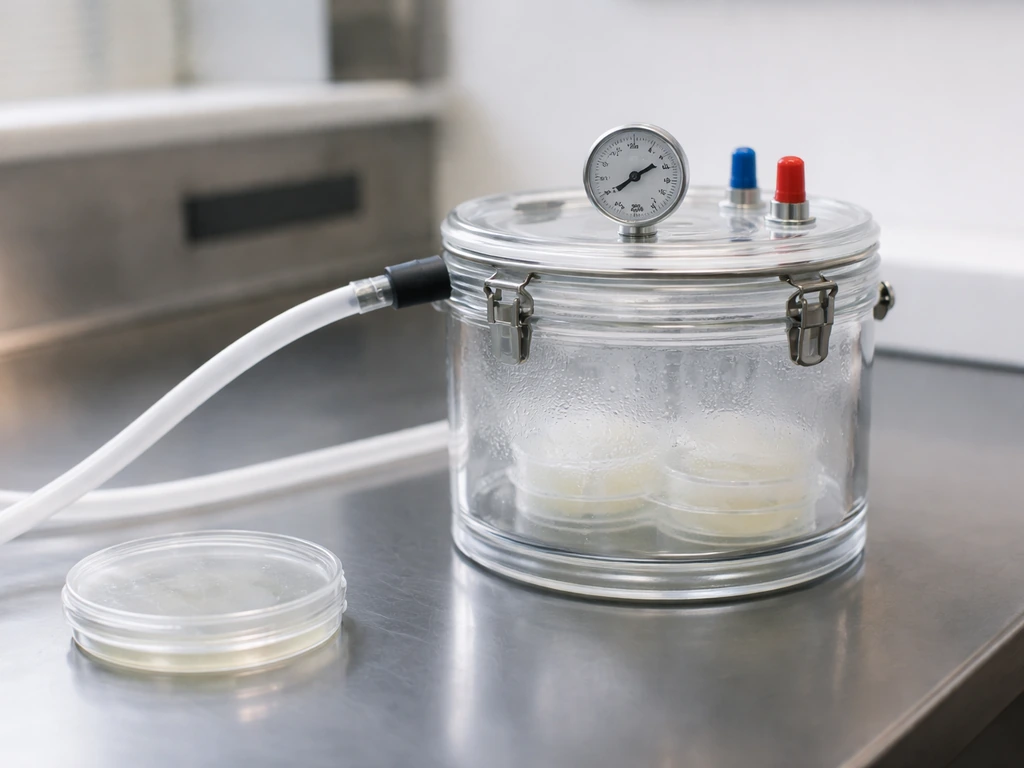
If you are working through other oxygen-requirement topics alongside this one, it is worth noting that anaerobic jars (used to grow strict anaerobes on solid media) solve the same fundamental problem as thioglycollate broth but through a different mechanism: they remove oxygen from the entire chamber rather than creating a gradient within a liquid. Anaerobic jars are commonly used to grow strict anaerobes on solid media where oxygen must be kept extremely low. Each method has its place, and understanding thioglycollate deeply makes the logic of those other tools easier to grasp.
FAQ
How long does thioglycollate take to form a reliable oxygen gradient after pouring?
If the tube sits undisturbed, the gradient develops over time, but the exact interval depends on how warm it is, how long it stood open to air, and the batch. For best consistency, use tubes that were prepared and quality-checked the same way each time (for example, confirm the resazurin/pink level is within the acceptable range before inoculation).
Why do I sometimes see a faint haze or slight turbidity in the lower part of the tube even with a known obligate anaerobe?
Very low-level turbidity can come from inoculum size (too much biomass carrying micro-oxygen), slow oxygen scavenging in the specific tube, or minor agitation during handling. Treat it as borderline until you compare the pattern to an expected growth depth for that organism and ensure the medium was not already over-oxidized before inoculation.
Does the incubation temperature affect whether obligate anaerobes grow in the anaerobic zone of thioglycollate?
Temperature mainly affects growth rate, but it can indirectly affect the gradient if warmer tubes allow faster diffusion or more rapid chemical reactions. If you shift temperatures between runs, the oxygen profile may change slightly, which can move where growth begins to concentrate.
Can I use thioglycollate medium for organisms labeled “anaerobic” but that are actually aerotolerant?
Yes, but interpretation changes. Aerotolerant organisms may still grow throughout the tube even though they are not harmed by oxygen, so growth in the upper zone does not automatically mean the medium failed. The key is whether oxygen affects growth inhibition, not just whether the organism can survive.
What if my thioglycollate tube is clear after quality control, but I still get growth deeper than expected for an obligate anaerobe?
Recheck handling steps that can locally increase oxygen even when the starting tube looked fine. Common culprits are shaking, inserting the inoculating needle only partway, using an oxygenated inoculum, or adding too large an inoculum that brings trapped oxygen into the lower zone.
Why is “don’t shake” so important, and what level of movement counts as shaking?
Even brief mixing can disrupt stratification by moving liquid (and oxygen) from the upper zone downward. Practically, avoid any inversion or vigorous motion after inoculation, and instead handle gently and consistently, aiming for the smallest disturbance needed to load and label the tube.
If an obligate aerobe grows in the middle or bottom of the tube, does that always mean it is not truly obligate?
No. Medium oxidation, excessive inoculum, or improper inoculation technique can introduce enough dissolved oxygen to permit transient growth away from the surface. Before concluding the organism is mislabeled, confirm the resazurin state at the time of inoculation and review whether the inoculating needle reached near the bottom.
How should I interpret growth that forms a thin band versus a uniform haze throughout the tube?
A thin band usually indicates a narrow oxygen tolerance window, often consistent with microaerophilic behavior or a gradient that was only partially neutralized. A uniform haze across zones suggests oxygen tolerance beyond strict anaerobes, mixing of the gradient, or a handling/quality issue that reduced stratification.
Does changing the tube volume or how full the tube is alter oxygen gradients and growth patterns?
Yes. Oxygen diffusion distance and the steepness of the redox gradient depend on how much broth is present. If tube fill levels vary between experiments, organisms can appear to grow “deeper” or “shallower” simply due to altered gradient geometry, not a biological change.
What are safer ways to inoculate the tube to avoid contaminating the lower zone with oxygen?
Inoculate using the intended sterile technique that delivers inoculum to the correct depth, minimize time the tube remains uncapped, and avoid introducing oxygenated material from other cultures. Also, use consistent loop or needle volume so you do not add more oxygenated biomass than the reducing system can neutralize promptly.