Microaerophiles generally cannot grow under true anaerobic (completely oxygen-free) conditions. They need oxygen, just not much of it. The typical sweet spot is somewhere between 2% and 10% O₂, which is well below the 21% found in normal air, but it is still a real, measurable amount. Remove oxygen entirely and most microaerophiles will either stop growing or die, because their respiratory enzymes depend on at least a small oxygen supply to function. That said, there are nuances: a handful of microaerophilic strains can survive brief anoxic exposure or squeeze out limited growth by switching to alternative electron acceptors, but this is the exception and it almost always still requires trace oxygen. If you are trying to grow a microaerophile right now and getting no growth, the most common culprit is not too little oxygen but rather the wrong oxygen concentration, a missing CO₂ boost, or a redox problem in your medium.
Can Microaerophiles Grow Without Oxygen? How to Test It

What microaerophilic actually means
The word microaerophilic literally means "loves a little air. This matters for classic microaerobes like lithotrophs, including the work by Sergei Winogradsky on how they could be cultivated by tuning the oxygen environment microaerophilic. " These organisms are classified by their oxygen requirement falling somewhere below atmospheric levels but above zero. Broadly, any organism that grows better with less oxygen than the 21% in normal air qualifies as microaerophilic. In practice, though, the useful working range is 2–10% O₂, and many classic examples like Campylobacter jejuni and Helicobacter pylori thrive specifically around 5% O₂ paired with elevated CO₂ (usually about 10%), with the rest of the atmosphere filled out by nitrogen.
Within the microaerophilic category, there is an even stricter subset. Some strains are defined as strict microaerophiles because they tolerate only 0.5% O₂ or less. These organisms sit right on the edge of anaerobic conditions, but even they still need that tiny sliver of oxygen. The distinction matters practically: the gas mixture that works for C. jejuni (5% O₂) could be toxic to a strict microaerophile adapted to near-anoxic niches.
It is also worth separating microaerophiles from capnophiles, which are organisms that simply grow better with elevated CO₂ rather than reduced O₂. H. pylori is both: it has an obligate O₂ requirement and is CO₂-dependent, which is why it can actually grow at atmospheric oxygen levels if you supply more than 10% CO₂. This kind of overlap confuses a lot of students into thinking the CO₂ is the main variable, when oxygen is still the non-negotiable ingredient.
Can microaerophiles grow anaerobically?
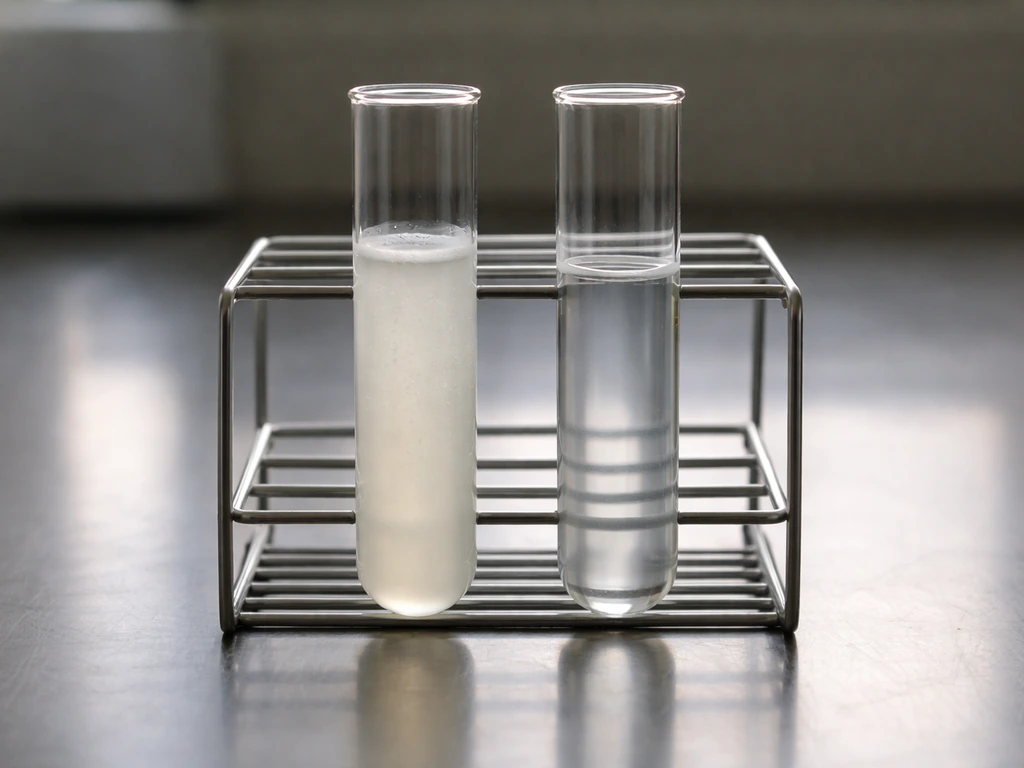
The honest answer is: rarely, and usually not well. The Merck Manual puts it plainly: microaerophiles grow very poorly under anaerobic conditions. The reason is biochemical. Microaerophiles rely on oxygen-dependent electron transport chains to generate energy. Strip away the oxygen and those respiratory pathways shut down. Unlike facultative anaerobes, which have metabolic backup plans (fermentation, anaerobic respiration), most microaerophiles have not evolved robust alternatives.
C. jejuni is the best-studied example of where the nuance lives. It can respire alternative electron acceptors, including fumarate, nitrate, nitrite, trimethylamine-N-oxide (TMAO), and dimethyl sulfoxide (DMSO), which might sound like a ticket to anaerobic growth. But research published in the Journal of Bacteriology showed clearly that even when C. jejuni uses these alternative acceptors, it still requires oxygen. Putting it in a strictly anaerobic cabinet (a CO₂/H₂/N₂ atmosphere with O₂ below 0.5%) stopped growth entirely. The alternative acceptors only help under oxygen-limited microaerobic conditions, not under true anaerobiosis.
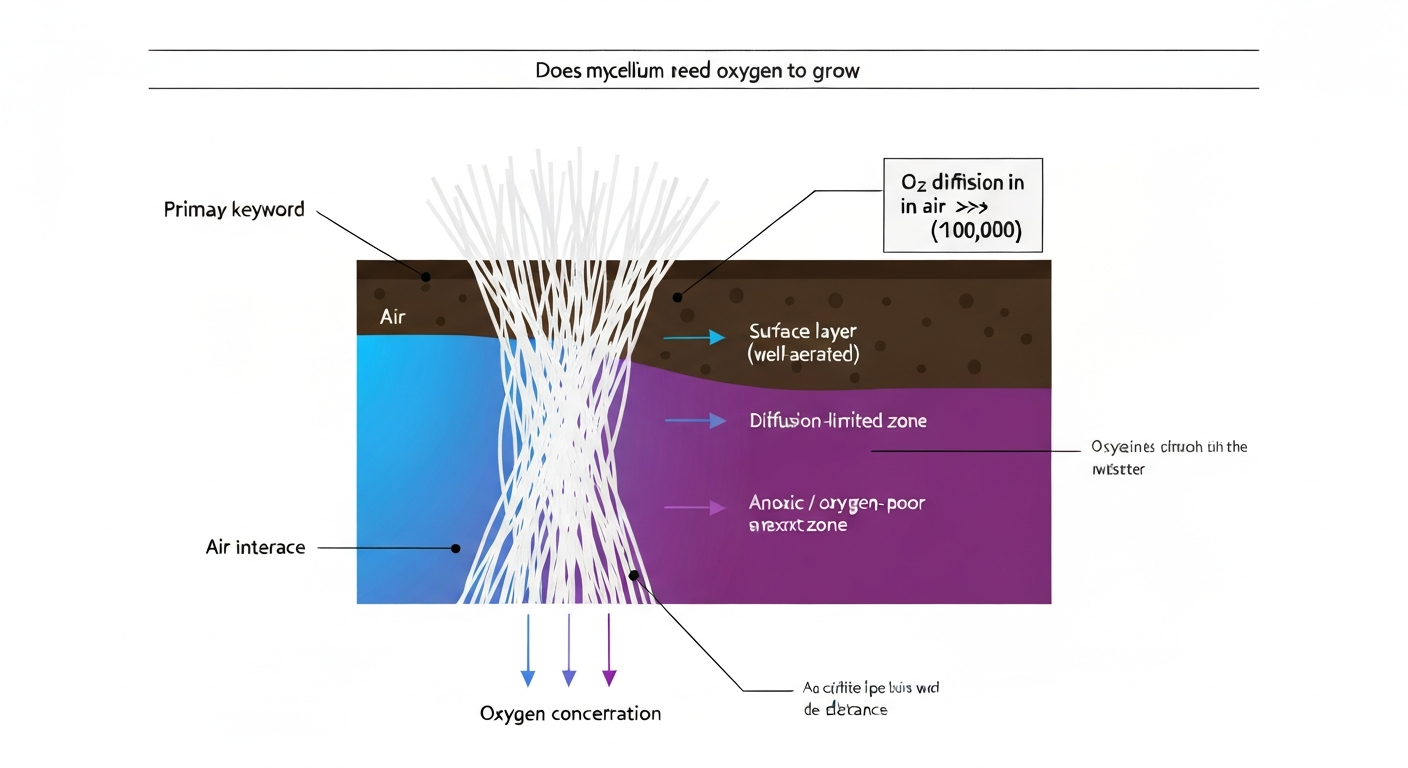
There is one scenario where limited anaerobic survival shows up: high cell densities or dense biofilm-like populations where oxygen consumption creates a microaerobic microenvironment even inside what looks like an anaerobic setup. This is an experimental artifact more than true anaerobic growth. It can mislead you into thinking a strain tolerates anoxia when really the cells are generating their own micro-pocket of oxygen-depleted but not oxygen-free conditions. Always use low inocula when you want a clean answer about oxygen requirements.
Setting up the right oxygen conditions in the lab
If your goal is to confirm whether your strain is a true microaerophile or to rule out anaerobic growth, you need to run at least two parallel conditions side by side: a true anaerobic setup and a microaerobic setup. Comparing them directly is the only way to get a reliable answer.
Option 1: Anaerobic jar with gas packs
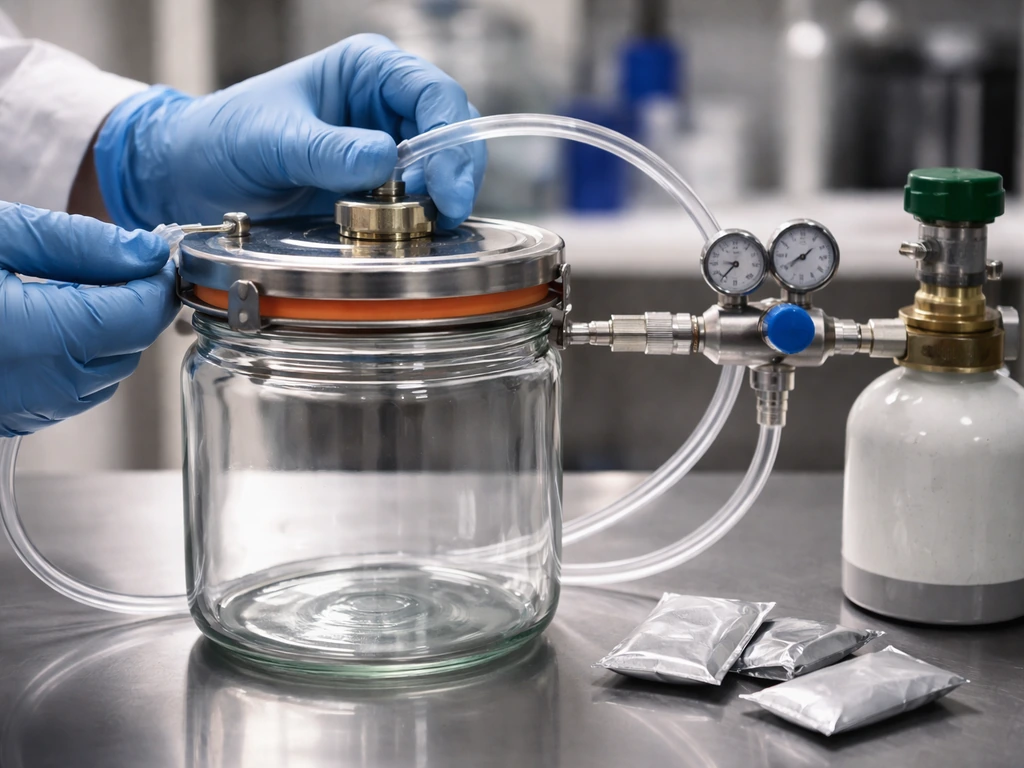
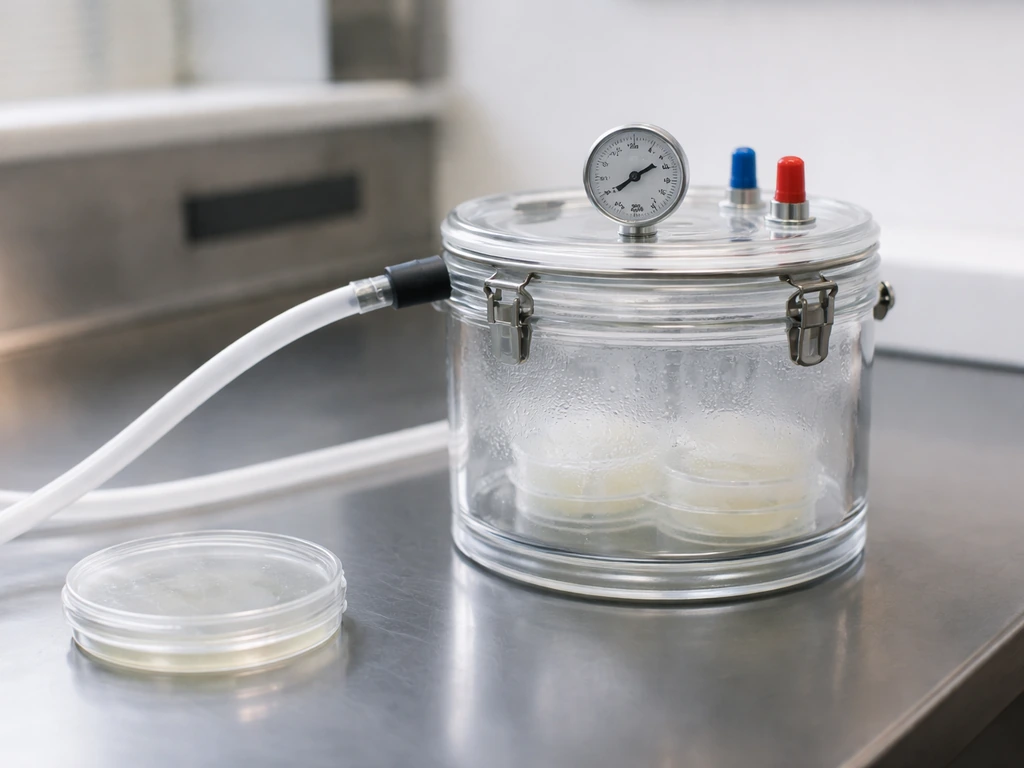
An anaerobic jar fitted with a commercial gas-generating sachet (like a GasPak or Anaerocult) is the most accessible route for a teaching lab. The sachet consumes O₂ and produces CO₂, creating an oxygen-free, CO₂-enriched atmosphere inside the sealed jar. For a microaerophile, this setup will likely produce no growth, which is exactly the result you want to document. Always include an anaerobic indicator strip (methylene blue strips like blank" rel="noopener noreferrer">Anaerotest will decolorize when truly anaerobic, or resazurin-based indicators turn colorless below about -110 mV redox potential) so you can confirm the atmosphere actually became anaerobic and the failure to grow is not just a failed jar.
Option 2: Microaerobic jar or controlled gas mixture
For microaerobic conditions, the standard protocol for organisms like Campylobacter and Helicobacter uses a defined gas mixture of 5% O₂, 10% CO₂, and 85% N₂. You can achieve this with a pre-mixed cylinder and a microaerobic jar, a CampyGen-type sachet (which generates reduced O₂ and elevated CO₂ rather than eliminating O₂ entirely), or a specialized gassing apparatus that delivers a controlled flow of the premixed gas. The sachet approach is easiest for student labs; the premixed cylinder is more reproducible for research.
Option 3: Thioglycollate broth as a quick screen
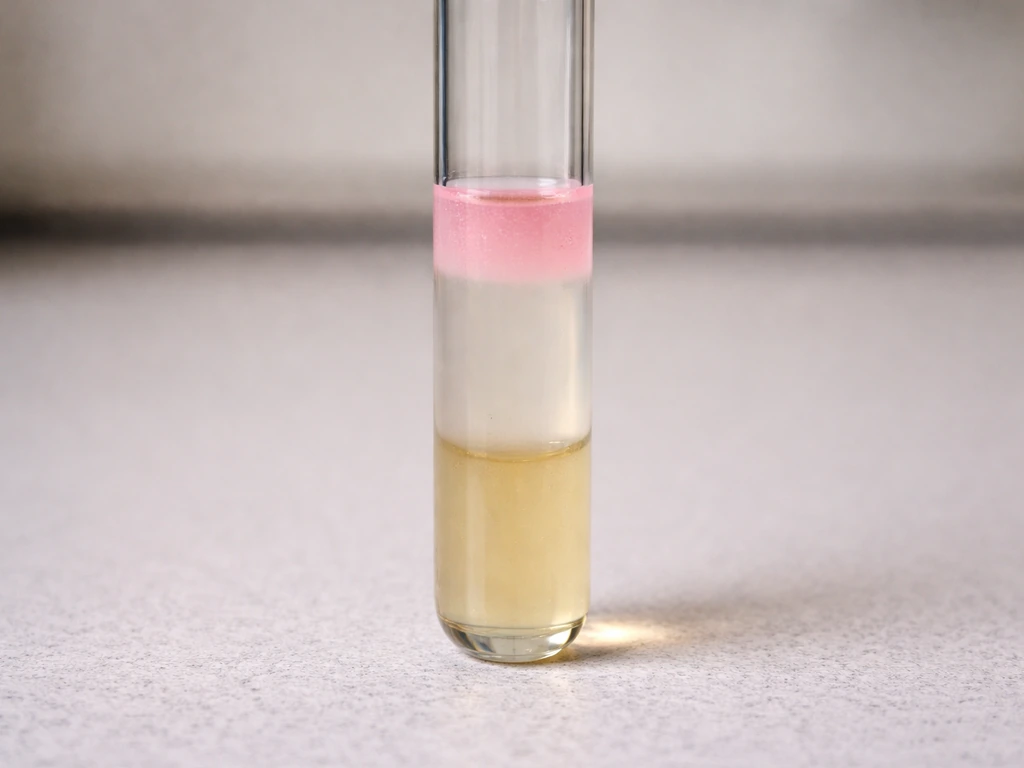
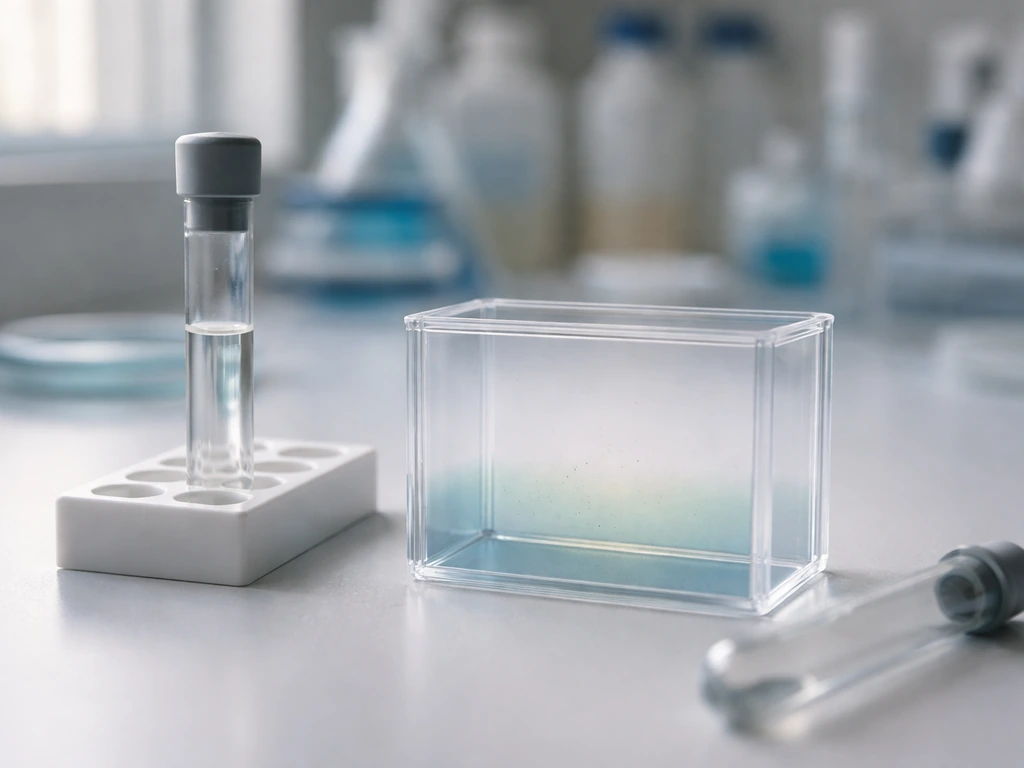
Fluid thioglycollate medium creates an oxygen gradient by depth, with aerobic conditions at the top and reducing (near-anaerobic) conditions at the bottom. It contains resazurin as a built-in oxygen indicator: the top of the tube stays pink (oxidized, oxygen-present) while the reducing zone stays colorless. Microaerophiles typically show a band of growth just below the surface, in the low-oxygen zone, which is a very visible and satisfying result for a classroom setting. No growth throughout the tube, or growth only at the very bottom, tells you something important about whether your organism truly avoids or requires O₂.
Verifying your anaerobic conditions
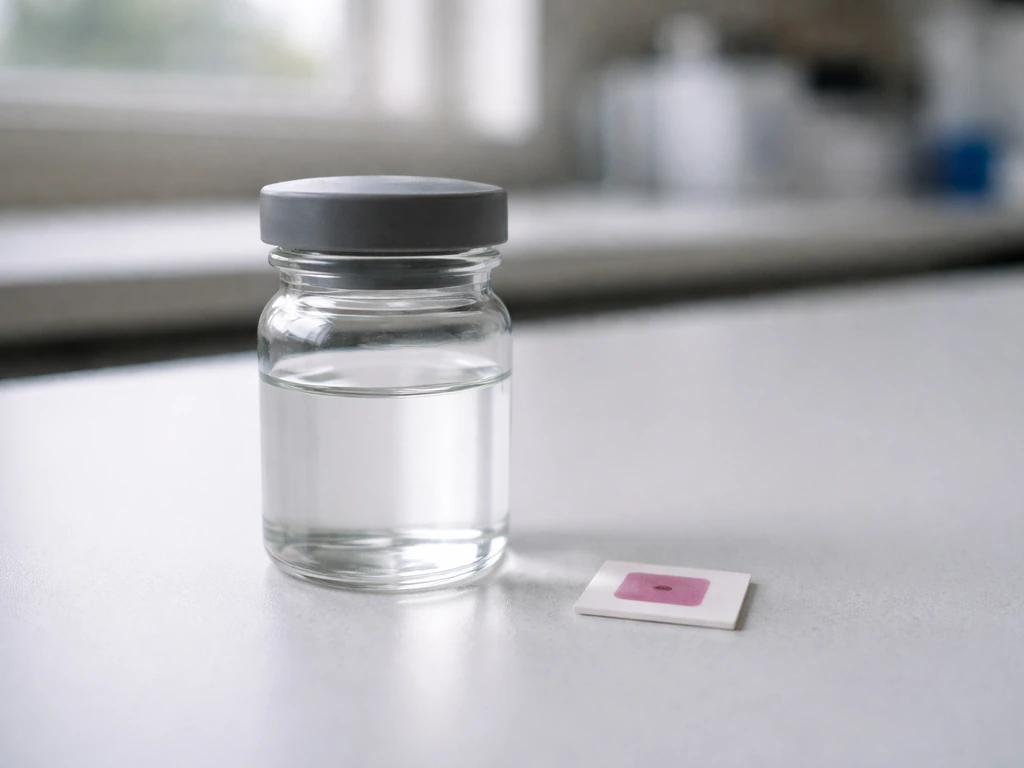
Do not skip verification. A jar that looks sealed is not necessarily anaerobic. Resazurin indicator strips or methylene blue strips should change color within about two hours of sealing if the atmosphere is correctly reducing. If you are working in liquid medium, you can use a dissolved oxygen meter or probe to confirm that dissolved O₂ in your medium has dropped to the target level. For a stricter anaerobic workstation like a Whitley A35, the unit is designed to reach below 0.5% O₂ inside the jar before initial incubation.
What your results should look like
Once you have your conditions set up and verified, here is what to expect over a standard incubation period.
| Condition | Expected result for a typical microaerophile | What it tells you |
|---|---|---|
| Anaerobic (0% O₂, CO₂/H₂/N₂) | No visible growth or only trace survival at very high inocula | Organism requires O₂; is not a true anaerobe |
| Microaerobic (5% O₂, 10% CO₂, 85% N₂) | Good growth; colonies appear within 24–72 hours depending on species | Confirms microaerophilic requirement |
| Atmospheric air (21% O₂) | Poor growth or none; oxidative stress may be visible (cell death/slow colonies) | Organism is sensitive to high O₂ |
| Thioglycollate broth | Growth band just below the surface (low-O₂ zone) | Classic microaerophile pattern |
Expect a noticeable lag phase, especially if your inoculum was stressed or stored. Campylobacter and Helicobacter both have reputations for being finicky after freezing or cold storage. The lag phase under correct microaerobic conditions is typically a few hours to a day, but it can stretch longer if the culture was stressed. Under anaerobic conditions, you should see essentially no exponential growth phase at all, just a flat or declining curve.
Factors beyond oxygen that change your results
Oxygen is not the only variable at play. If you get no growth under what you believe are correct microaerobic conditions, work through this checklist before concluding something strange is happening with your strain's oxygen requirements.
- CO₂ concentration: Many microaerophiles, especially H. pylori and Campylobacter, need elevated CO₂ (around 5–10%) alongside the reduced O₂. Using nitrogen alone to displace oxygen without adding CO₂ can be enough to kill growth. CO₂ affects pH buffering in the medium and is also metabolically important for these organisms.
- Redox potential (Eh): The overall reducing environment in your medium matters independently of O₂ levels. Reducing agents like L-cysteine or thioglycollate lower the redox potential of your medium (targeting around -110 mV or lower for strict anaerobes). For microaerophiles, a moderately reduced medium helps, but heavily over-reduced medium can also impair growth. Resazurin color gives you a quick read.
- Temperature: Most clinically relevant microaerophiles like C. jejuni are thermophilic, growing best at 42°C rather than the standard 37°C. Using the wrong incubation temperature is a very common and entirely avoidable source of failure.
- pH: Microaerophiles vary in their pH tolerance. H. pylori is adapted to a stomach-like acidic environment and uses urease to buffer its immediate surroundings. Your medium pH should match the organism's niche, typically 6.5–7.5 for most species.
- Nutrient richness: Rich, complex media like blood agar or chocolate agar are standard for fastidious microaerophiles. Minimal or defined media may not supply the amino acids, vitamins, or growth factors these organisms cannot synthesize themselves.
- Moisture and humidity: Sealed jars with plates inside can dry out over long incubations. A small dish of water inside the jar helps maintain humidity and prevents agar drying, which can look like poor growth when the problem is actually dehydration.
Common mistakes and what to do when nothing grows
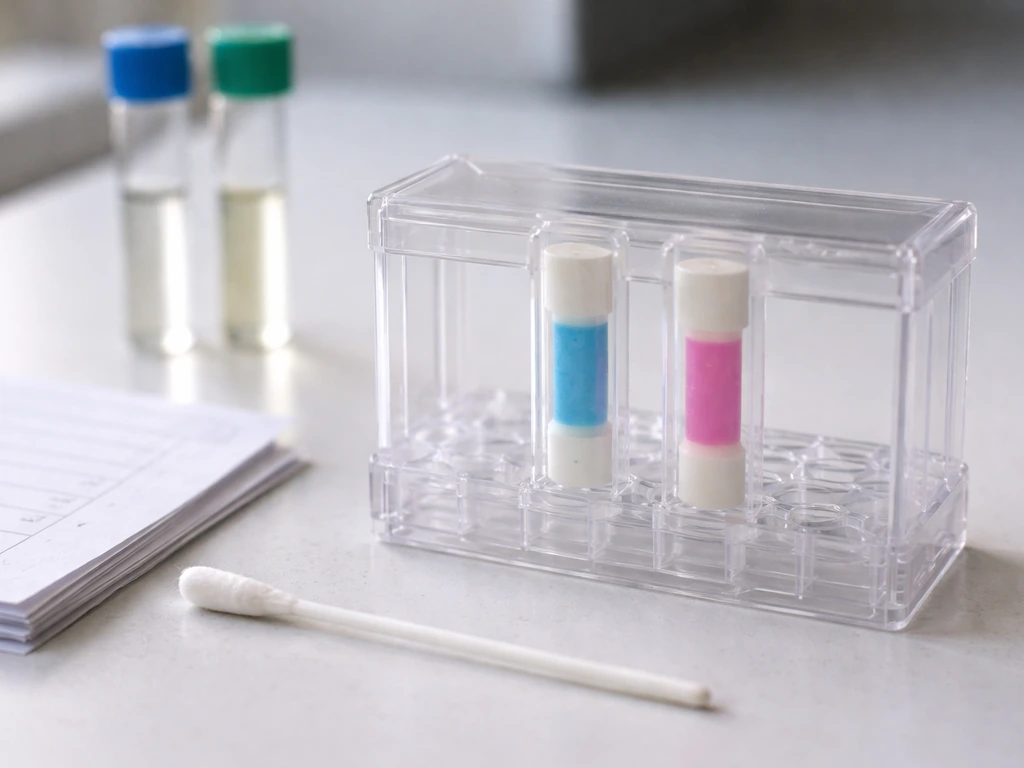
No growth after an anaerobic or microaerobic incubation is frustrating, but it is almost always diagnosable. Run through these in order before changing your experimental design.
- Check your indicator first. If the anaerobic indicator did not change color, your jar was not actually anaerobic or microaerobic. A leaking lid or an expired gas pack is the most common culprit. Replace the sachet and re-seal before assuming a growth problem.
- Confirm the organism you think you have. Misidentified stock cultures happen. A strict anaerobe accidentally labeled as a microaerophile will not grow at 5% O₂. Run a quick oxygen tolerance screen by comparing growth in three conditions (anaerobic, microaerobic, aerobic) simultaneously.
- Use a positive control. Include a strain you know grows under your conditions, such as a reference C. jejuni ATCC strain for microaerobic setups. If your positive control fails too, the problem is your setup, not your organism.
- Do not skip CO₂. If you are using plain N₂ gas to displace O₂ without adding CO₂, add it. A standard premixed cylinder of 5% O₂, 10% CO₂, and 85% N₂ eliminates this variable entirely.
- Reconsider your inoculum size. Very low inocula under anaerobic conditions can fail to grow even for organisms with some anaerobic tolerance, because the bacteria cannot reach the density needed to modify their local microenvironment. Try increasing inoculum density for troubleshooting purposes.
- Check medium age and preparation. Pre-reduced media must be stored correctly and used within a defined window. Oxidized thioglycollate (indicated by a pink color throughout the tube, not just the top third) should be re-boiled to drive off oxygen and cooled before use.
One deeper misconception worth addressing: because microaerophiles use alternative electron acceptors like fumarate or nitrate, students sometimes assume these organisms can respire anaerobically in the same way some facultative anaerobes do. The critical distinction is that for well-studied microaerophiles like C. jejuni, those alternative acceptors only extend growth under oxygen-limited (microaerobic) conditions, not under true anaerobiosis. Oxygen is still required, even when alternative acceptors are present. This is a genuinely useful thing to understand if you are also exploring why obligate anaerobes behave so differently in thioglycollate medium, or why an anaerobic jar is set up the way it is.
Your next concrete steps
If you want to confirm whether your strain is a true microaerophile or test whether it can survive without oxygen, here is the practical path forward. Set up three conditions in parallel: strictly anaerobic (confirmed with an indicator), microaerobic (5% O₂, 10% CO₂, 85% N₂ or a CampyGen sachet), and aerobic (normal air). Use the same medium, temperature, inoculum size, and incubation time for all three. After 48–72 hours, the pattern should be unambiguous: growth in the microaerobic jar, no growth in the anaerobic jar, and poor or no growth in open air. That three-way comparison is the cleanest way to answer the oxygen question for any strain, and it also teaches you something valuable about the range of microbial oxygen strategies that exists well beyond the simple aerobe versus anaerobe split. If your interest is specifically methanotrophs, you can apply the same oxygen-requirement logic and tune the atmosphere to match their microaerobic needs.
FAQ
Can microaerophiles grow in a “low-oxygen” setup, like 1% O₂, without technically going anaerobic?
Sometimes, yes. Many microaerophiles tolerate lower-than-typical microaerobic levels, but some strict microaerophiles stop below about 0.5% O₂. If you are testing, include a gradient (for example 5% O₂ and 1% O₂) rather than assuming “less is better.”
If my microaerophile grows in an anaerobic jar, does that mean it is truly anaerobic?
Not necessarily. Growth can appear from incomplete oxygen removal, seal leaks, or “oxygen pockets” caused by dense inocula or biofilms that consume oxygen faster than it can be replenished. Confirm with an anaerobic indicator strip (and ideally dissolved O₂ measurements) and use a low inoculum to avoid misleading microenvironments.
Do I need CO₂ for all microaerophiles to answer the oxygen question correctly?
CO₂ can be essential for several classic microaerobes, so leaving it out can make a strain look oxygen-restricted when the real problem is missing CO₂. For clean interpretation, match all non-oxygen variables across conditions (same CO₂ level, same medium, same inoculum size).
How long should I incubate to tell the difference between “no growth yet” and “no growth due to oxygen limitation”?
Use the organism-specific timing, but in general microaerophiles can show a lag phase that is hours to a day under correct conditions. A practical approach is to run a parallel microaerobic positive-control bottle or plate, so you can distinguish oxygen failure from general slow recovery.
Will shaking versus leaving cultures still change oxygen availability enough to affect results?
Yes. In liquid media, shaking increases oxygen transfer from the headspace, potentially shifting conditions toward higher O₂ exposure and masking an oxygen requirement. For comparability, keep mixing identical across aerobic and microaerobic tests, or rely on thioglycollate gradients where the oxygen pattern is built into the medium.
Is “no growth” in anaerobic conditions always due to oxygen absence?
Oxygen absence is the most common cause, but other changes accompany anaerobic setups, especially altered redox state and CO₂ levels produced by gas sachets. That is why the article’s verification step (indicator strips and redox indicators) matters, and why you should keep medium and gas composition consistent as much as possible.
Can I use an oxygen probe to set the target oxygen level for microaerobic growth instead of relying on gas sachets?
You can, but remember that headspace oxygen and dissolved oxygen can differ, especially in viscous or gradient media. If you use a probe, measure dissolved O₂ in the actual culture and document the value at the time of incubation, not just immediately after sealing.
What is the easiest mistake that makes microaerophile experiments fail even when the gas mix is “right”?
Using the wrong inoculum state. Stressed or cold-stored cells can have a longer lag or fail entirely under borderline conditions, so a negative anaerobic result and a negative microaerobic result become hard to interpret. Include an aerobic and a properly configured microaerobic positive control prepared from the same inoculum batch.
If a strain is both CO₂-dependent and oxygen-dependent, how should I avoid confusing the roles of O₂ and CO₂?
Do not vary CO₂ and oxygen independently in a single comparison. Use a matrix design if needed, or at minimum keep CO₂ fixed at the known requirement (for example around 10%) in both microaerobic and anaerobic setups, so any failure is attributable to oxygen rather than carbon dioxide supply.