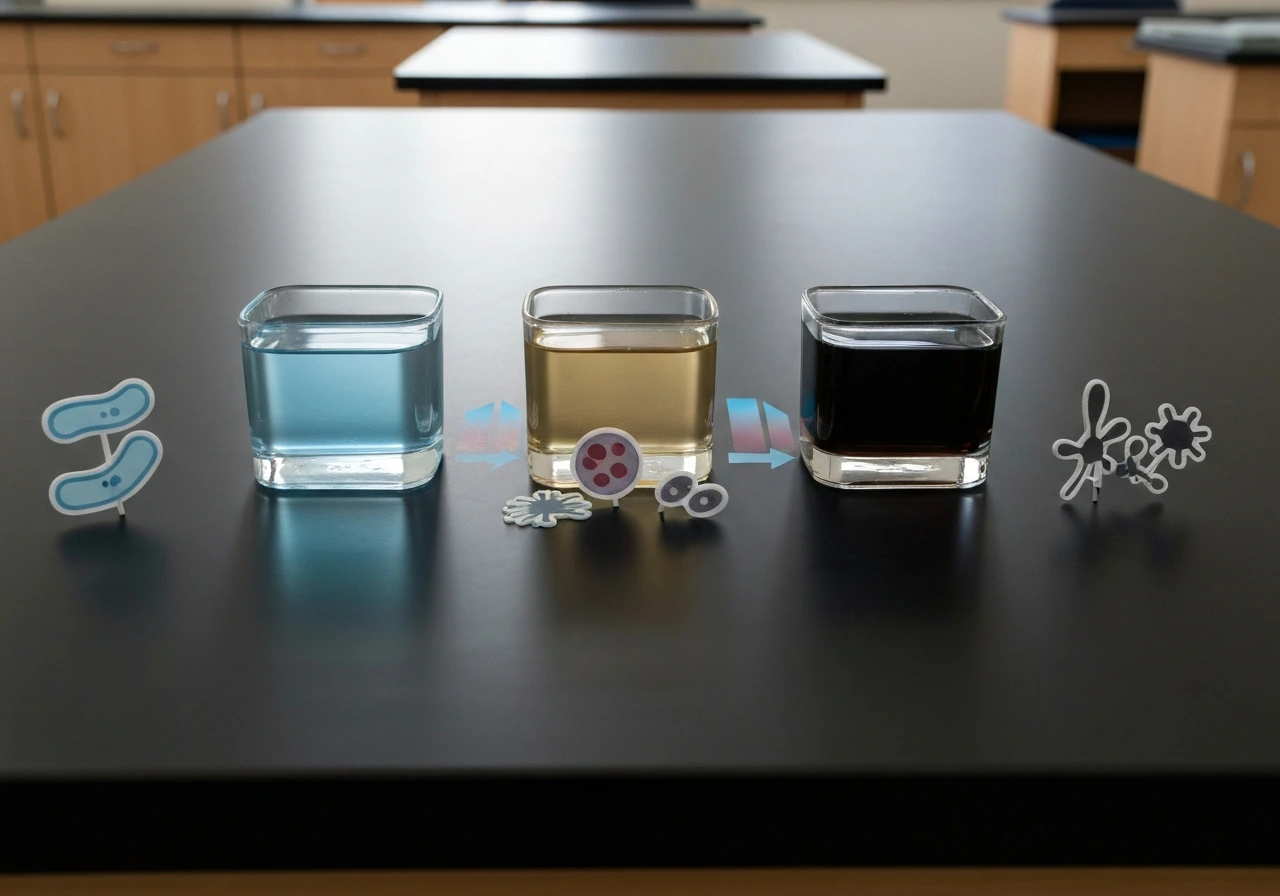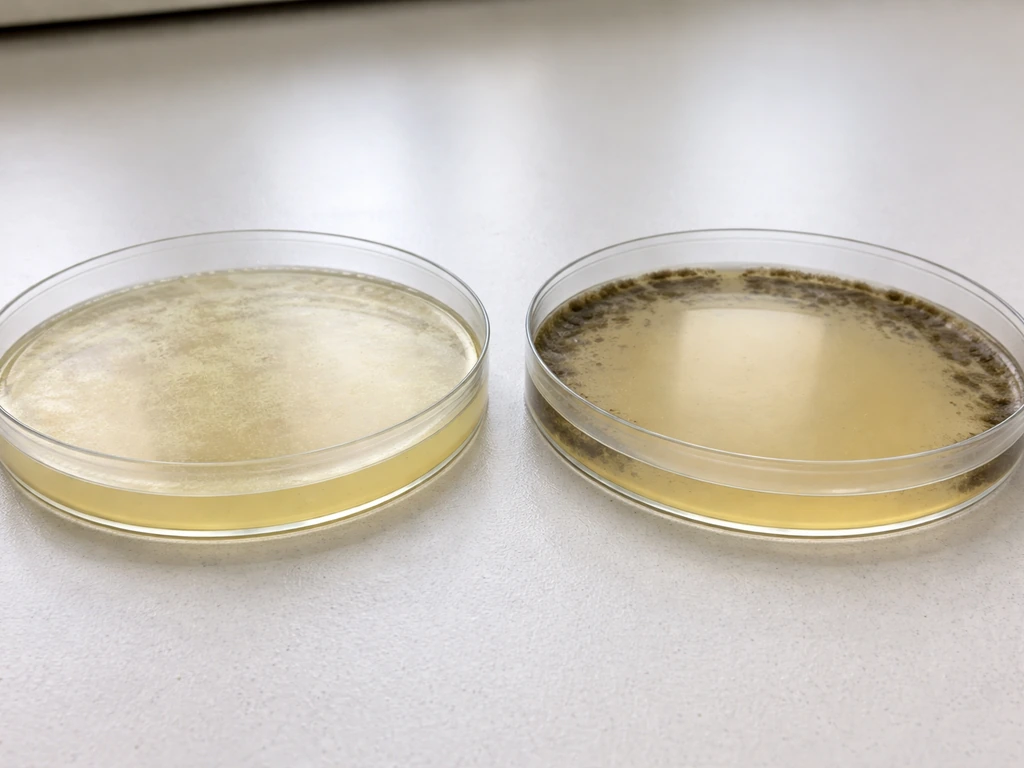
Microaerophiles are microbes that grow best at low oxygen levels, specifically in atmospheres containing roughly 2 to 10% O₂, well below the 21% oxygen found in normal air. blank" rel="noopener noreferrer">They still need oxygen to survive, which is what separates them from anaerobes, but too much of it actually inhibits or kills them. Merriam-Webster Medical defines microaerophiles as organisms blank" rel="noopener noreferrer">requiring very little free oxygen. The 'low' in 'low oxygen' refers to the partial pressure of oxygen in their environment, and getting that distinction right is the key to understanding everything else about these organisms.
Microaerophiles Are Microbes That Grow Best at Low O₂

Marcus Holloway
11 May 2026
What microaerophiles are (and what 'low' actually means)
The word 'microaerophile' breaks down neatly: 'micro' means small or reduced, and 'aerophile' means oxygen-lover. So these are organisms that love oxygen, just in smaller amounts than what surrounds us. Normal atmospheric air is about 21% oxygen. Microaerophiles thrive at somewhere between 2% and 10% O₂. Put them in regular air and their growth slows or stops. Put them in a completely oxygen-free environment and they do just as poorly, because they depend on oxygen for their metabolism.
When microbiologists talk about 'low oxygen' here, they mean the partial pressure of O₂ in the surrounding atmosphere. Partial pressure is just the share of total atmospheric pressure that one specific gas accounts for. At sea level, normal air has an O₂ partial pressure of about 0.21 atm. Microaerophiles do best when that figure is below 0.1 atm, typically in the 0.02 to 0.10 atm range. This is not a minor detail. It explains why these organisms colonize specific microenvironments in nature and why growing them in a lab requires deliberately engineered atmospheres.
Many microaerophiles also have an elevated CO₂ requirement alongside that reduced O₂. A standard cultivation atmosphere for organisms like Campylobacter jejuni is 5% O₂, 10% CO₂, and 85% N₂. The elevated CO₂ is not just a convenience, it supports their biochemical pathways. Organisms with this combined need are sometimes called capnophilic microaerophiles, though in most textbooks and lab protocols you will simply see them labeled microaerophilic.
Low oxygen vs. no oxygen: a distinction that actually matters
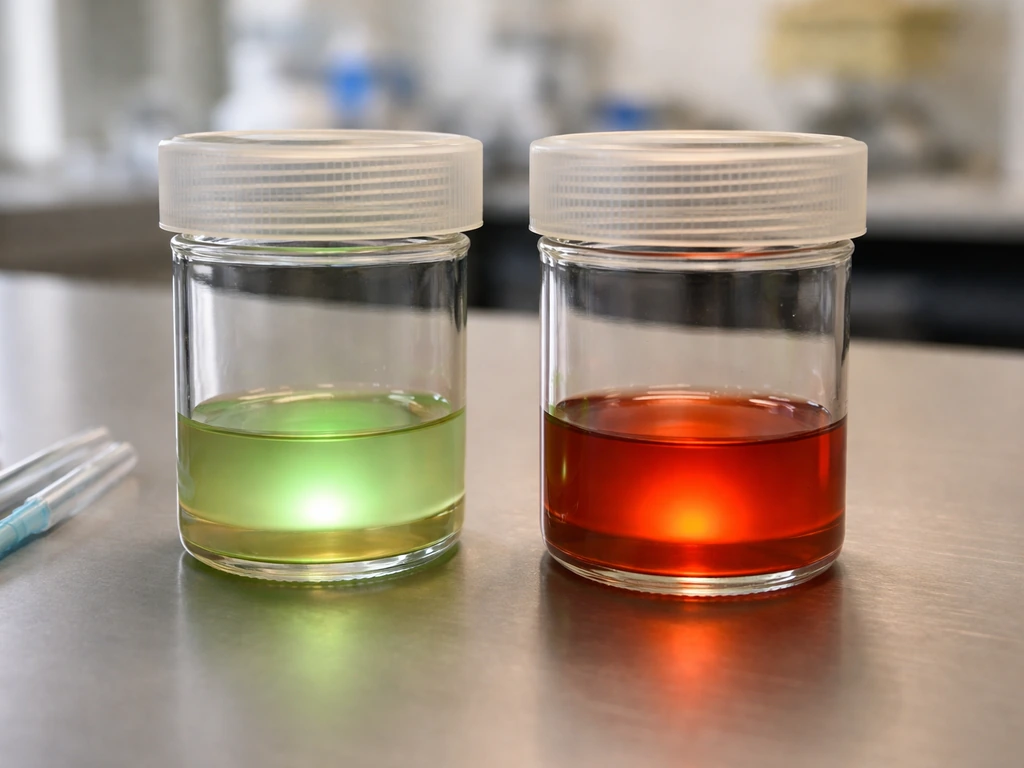
Students often lump microaerophiles together with anaerobes because both avoid atmospheric oxygen. That is a mistake worth correcting early. Anaerobes, especially obligate anaerobes, are not just avoiding high oxygen, they are genuinely harmed by it. Oxygen is toxic to their metabolism, and many are killed by brief exposure to air. Microaerophiles are the opposite: they require oxygen for growth and 'grow very poorly anaerobically,' to quote the clinical literature directly. Remove oxygen entirely and a microaerophile stalls just as surely as if you flooded it with regular air.
Aerotolerant anaerobes add another layer of nuance here. These organisms do not use oxygen but can survive in its presence for a limited time without being killed. That is different from a microaerophile, which actively uses oxygen but only at low concentrations. The practical consequence: if you are preparing an oxygen-free transport medium with pre-reduced components (the approach used for obligate anaerobes), that same preparation would not support a microaerophile properly. A microaerophile needs a carefully dialed-in low-oxygen atmosphere, not an oxygen-free one.
| Organism type | Oxygen requirement | Grows without O₂? | Harmed by atmospheric O₂? |
|---|---|---|---|
| Obligate aerobe | Requires ~21% O₂ | No | No (needs it) |
| Microaerophile | Requires 2–10% O₂ | No (grows poorly) | Yes, inhibited |
| Facultative anaerobe | Prefers O₂, tolerates without | Yes | No |
| Aerotolerant anaerobe | Does not use O₂ | Yes | Tolerates briefly |
| Obligate anaerobe | Cannot use O₂ | Yes (requires it) | Yes, often killed |
How microaerophiles are cultivated and identified in the lab
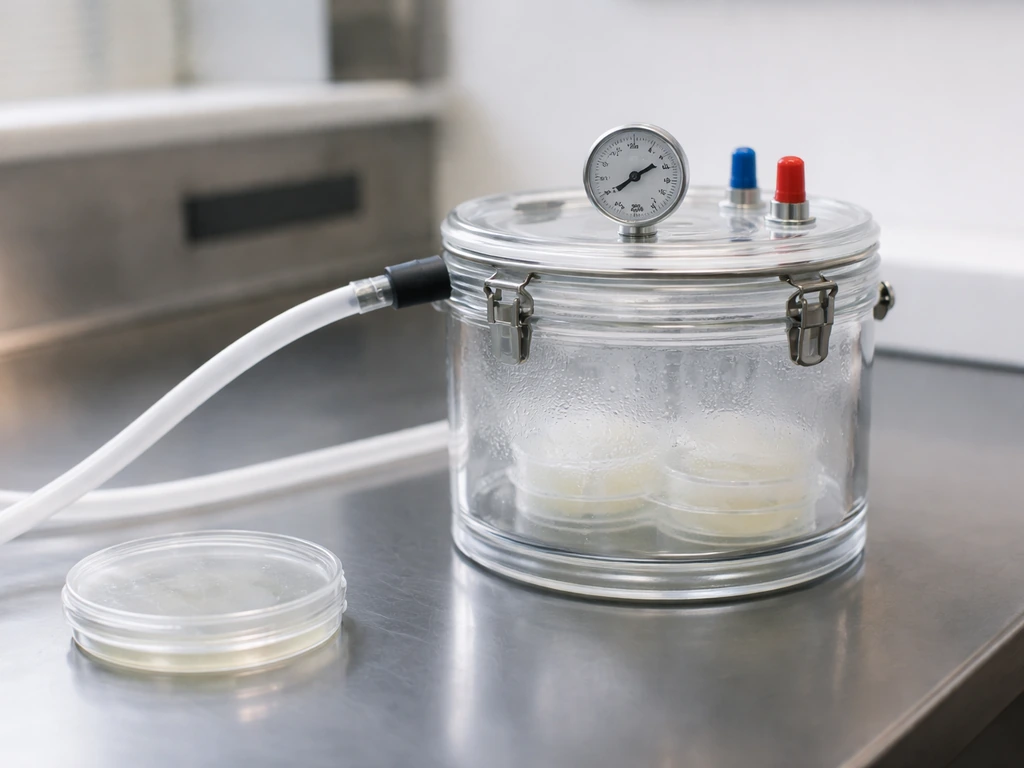
Growing microaerophiles successfully means replacing normal air with a controlled gas mixture. The same basic principle applies when culturing methanotrophs, where you must match the low-oxygen conditions that these methane-oxidizing microbes require how to grow methanotrophs. In modern labs, that usually means using a gas-generating sachet or pack (products like CampyGen or CampyPack) inside a sealed jar. In an anaerobic jar, however, the atmosphere is oxygen-free, which is why it is used to grow obligate anaerobes rather than microaerophiles sealed jar. These systems consume oxygen and generate CO₂ to bring the atmosphere to roughly 5–10% O₂ and 8–10% CO₂. A historical but still functional method is the candle jar, where a lit candle burns inside a sealed container until it consumes enough oxygen to reach about 8–10% O₂ and produces 3–5% CO₂ as a byproduct. It is low-tech but it works in a pinch.
For research-grade work with organisms like Campylobacter jejuni, the standard is to use a precisely prepared gas mixture: 85% N₂, 10% CO₂, and 5% O₂, delivered through a controlled atmosphere incubator or a sealed chamber with gas flow. Some labs use gas-tight boxes with atmospheric gas generation packs (CampyGen) for routine clinical or food-safety work. Helicobacter pylori, another important microaerophile, is typically incubated the same way, though published experiments show some variability in its optimal O₂ range, with some studies using 6% O₂ and others working at up to 10% O₂ depending on cell density and CO₂ levels.
In teaching labs, one of the most useful tools for visualizing oxygen requirements across all categories is thioglycollate broth. The medium contains sodium thioglycolate, which reacts with and removes dissolved oxygen, creating a natural gradient: oxygen-rich at the surface, oxygen-depleted at the bottom. Microaerophiles grow in a band just below the surface, not at the very top (where strict aerobes cluster) and not at the bottom (where obligate anaerobes live). Seeing that band in person makes the concept click in a way that reading about partial pressures alone usually does not. It is also worth knowing that the reason obligate anaerobes can even survive in thioglycollate broth relates to how that medium is designed, which connects to a broader discussion of anaerobe cultivation. It is also worth knowing that the reason obligate anaerobes can even survive in thioglycollate broth relates to how that medium is designed, which connects to a broader discussion of anaerobe cultivation.
Common microaerophiles and where they actually live

The two organisms that come up most often in both clinical and food-safety contexts are Campylobacter jejuni and Helicobacter pylori. Campylobacter is a leading cause of bacterial foodborne illness globally and thrives in the intestinal tracts of poultry, where oxygen levels are naturally reduced. Helicobacter pylori colonizes the human stomach lining, tucked beneath the mucus layer where oxygen tension is low and CO₂ from tissue metabolism is relatively elevated. Both organisms live in body compartments that happen to match the atmospheric conditions microbiologists try to recreate in the lab.
Beyond those two, microaerophiles show up in soil, aquatic sediments, and along the oxygen-gradient zones in stratified water columns, anywhere the transition between oxygenated and oxygen-free zones creates a low-oxygen niche. This includes niches at the edges of biofilms, deep in wound tissue, and in certain areas of the gastrointestinal tract. Nature essentially builds the candle jar for them.
How to quickly tell microaerophiles from the other oxygen groups
If you are looking at a classification question or a lab result and need to sort out where a microaerophile fits, use this mental framework. Ask two yes/no questions: first, does this organism require oxygen at all? If no, it is an anaerobe of some type. If yes, ask: does it grow best at normal atmospheric oxygen (21%) or at reduced oxygen? If it needs the full 21%, it is an obligate aerobe. If it grows best at around 5–10% and is inhibited by normal air, it is a microaerophile. If it grows in both conditions but just prefers one, it is a facultative anaerobe.
One practical shortcut: a facultative anaerobe will grow throughout a thioglycollate tube (heavier growth near the top, lighter growth throughout). A microaerophile grows in a distinct band just below the oxygen-rich surface layer, not throughout the tube. A strict aerobe clusters right at the top. An obligate anaerobe grows only at the bottom. That spatial pattern is the clearest visual summary of the concept.
It also helps to remember that the word 'microaerophile' is a growth-condition label, not a phylogenetic one. It tells you about what atmosphere the organism needs, not what kind of organism it is taxonomically. Historian and microbiologist Sergei Winogradsky helped lay the groundwork for understanding how specialized bacteria grow under different oxygen conditions, including lithotrophs growth-condition label. That is why you can have microaerophilic bacteria in completely different genera (Campylobacter and Helicobacter, for example) sharing the same cultivation requirements.
Practical next steps: reading lab descriptions and planning experiments
If you encounter the phrase 'microaerophilic conditions' in a lab protocol or textbook question, translate it immediately to a specific range: 2–10% O₂, typically 5% O₂, often paired with 8–10% CO₂. If a protocol just says 'reduced oxygen,' check whether it specifies a percentage. If it says 5% O₂ and 10% CO₂ with N₂ as the balance, that is the standard microaerophilic atmosphere used for Campylobacter and H. pylori.
For exam or coursework contexts, watch for answer choices that describe microaerophiles as anaerobes or as not requiring oxygen. Both are wrong. The defining feature is that they need oxygen, just at a partial pressure well below normal atmospheric levels. If a question asks what condition microaerophiles grow best at, the complete answer is 'low oxygen partial pressure (approximately 2–10% O₂), not absent oxygen and not atmospheric oxygen.'
If you are planning a lab exercise or experiment, the most accessible setup is a sealed jar with a CampyGen sachet and a plate of your target organism. Let the sachet react for the recommended time before incubating. If you are in a resource-limited setting, a candle jar gets you to roughly 8–10% O₂ and works well as a demonstration tool. For any experiment involving strict anaerobes as a comparison group, remember that the atmosphere preparation is fundamentally different: anaerobes need an oxygen-free environment, not a low-oxygen one, and pre-reduced media matter there in a way they do not for microaerophiles. The distinction between how you would cultivate a microaerophile versus an obligate anaerobe is a useful thinking exercise on its own.
The simplest way to internalize all of this: microaerophiles are not halfway between aerobes and anaerobes on a sliding scale. They have a specific, narrow oxygen window they need to hit, and missing that window in either direction, too much O₂ or too little, results in poor growth or no growth. That precision is what makes them interesting biologically and what makes them a genuine challenge to work with in the lab.
FAQ
If a protocol just says “reduced oxygen,” what exactly should I set for microaerophiles?
Usually you need to specify both the percentage of O2 and the balance gases (typically N2) because “reduced oxygen” can mean different mixtures. If the protocol does not give exact numbers, assume it is asking for the standard microaerophilic setup (about 5% O2 with elevated CO2) and confirm with the lab’s reference conditions before you start.
Do microaerophiles need CO2, or is oxygen the only variable that matters?
Yes, for many microaerophiles, CO2 strongly affects growth even if O2 is correct. A common mismatch is using the right O2 percentage but incubating with normal air, which can reduce growth because the organism’s metabolism is adapted to the higher CO2 environment.
Can I culture a microaerophile in the same anaerobic setup used for obligate anaerobes?
Avoid using an anaerobic jar or oxygen-free sachet for microaerophiles. Even if oxygen is “removed,” microaerophiles still require oxygen for growth, so oxygen-free conditions typically lead to stalled growth rather than just slowed growth.
My microaerophile band in thioglycollate broth is weak or smeared, what could cause that?
Thioglycollate gradient bands can shift depending on how long the tube sits at room temperature, how it was handled, and the initial oxygen content of the medium. If you are troubleshooting a “fuzzy” band, standardize timing, use fresh prepared tubes, and compare against a known control organism grown under the same conditions.
Why do different sources report different optimal O2 percentages for the same microaerophile?
Cell density can change the apparent “best” oxygen range. Some organisms like Helicobacter pylori have reported variability in optimal O2 levels depending on conditions, and one major contributor is how dense the culture is and how CO2 and nutrients accumulate over time.
How sensitive are microaerophiles to oxygen exposure while loading tubes or plates?
Do not rely only on growth success at one point in time, because microaerophiles can be sensitive to exposure during setup and early incubation. For reliable results, minimize time outside the controlled atmosphere (for example, prepare quickly and start incubation promptly after loading).
What goes wrong if I incubate microaerophile plates in a regular incubator without a sealed system?
If you plate them and then store the plates in a normal incubator with normal air, most microaerophiles will show little or no growth. Plan the workflow so plates are inside the sealed jar/chamber during incubation, not just during preparation.
How can I troubleshoot slow growth that might be due to oxygen being off-target?
Some microaerophiles can tolerate brief low-oxygen deviations better than severe mismatches. If growth is delayed, verify you are not accidentally running too high O2 (for example, leaky seals) and ensure the chamber actually reaches the target mixture before you count colonies.
How do I distinguish a microaerophile from a facultative anaerobe using thioglycollate?
A safe decision rule is: microaerophiles require oxygen, but not at 21%, so they should not grow throughout a thioglycollate tube like facultative anaerobes. Instead, expect a distinct growth band below the surface, unless the tube is disturbed or conditions were not standardized.
Does “microaerophilic” tell me what organism it is, or only how to grow it?
If a culture is labeled “microaerophilic,” treat it as an atmosphere requirement, not an identification. That means two unrelated organisms can both be microaerophilic because they share the same preferred O2 (and often CO2) conditions, so you still need the organism name for correct handling.