Protoctists (more commonly called protists) need the same core resources as most living things: water, a carbon source, nitrogen, phosphorus, trace minerals, an appropriate temperature and pH, and either light or organic food depending on how they feed. Bacteria need key nutrients such as nitrogen, phosphorus, trace elements, and a carbon source to build biomass and energy for cell division. What makes protists interesting is how much variety there is within the group. A photosynthetic alga like Chlamydomonas reinhardtii needs bright light and dissolved CO2, while a heterotroph like Paramecium caudatum needs bacterial prey and a temperature in the 24–28 °C range. Get the right combination of conditions for the type of protist you are studying, and growth follows quickly. Get even one variable badly wrong, and cells stall, shrink, or die.
What Resources Protists Need to Grow Well

Core resources protoctists need to grow
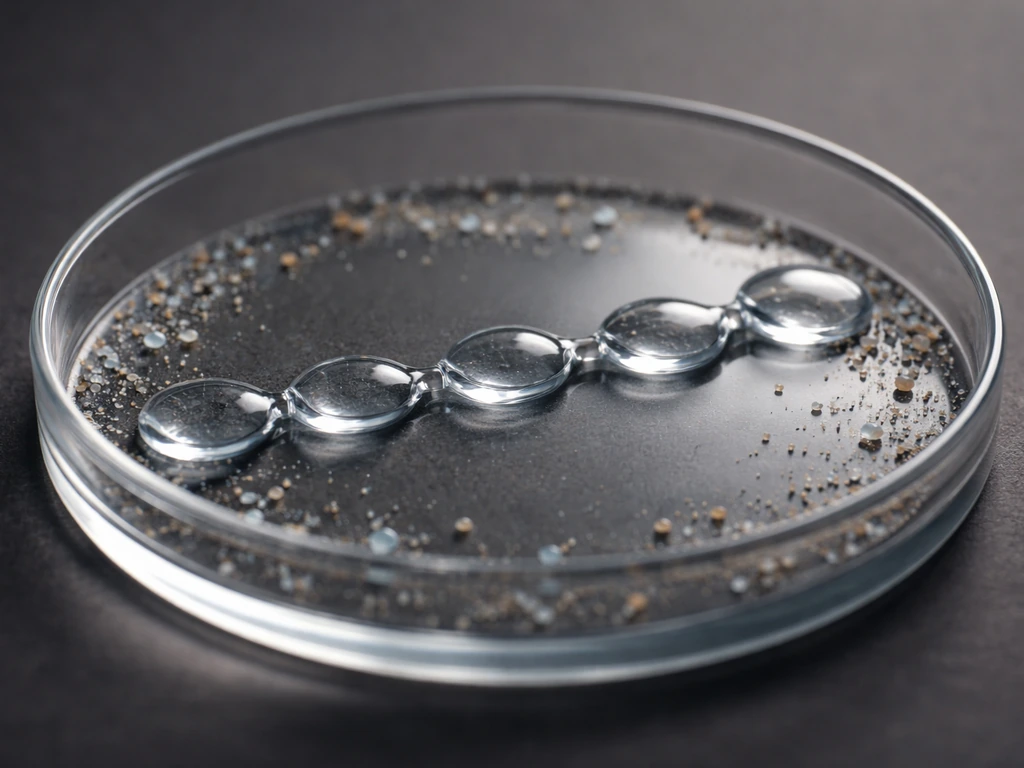
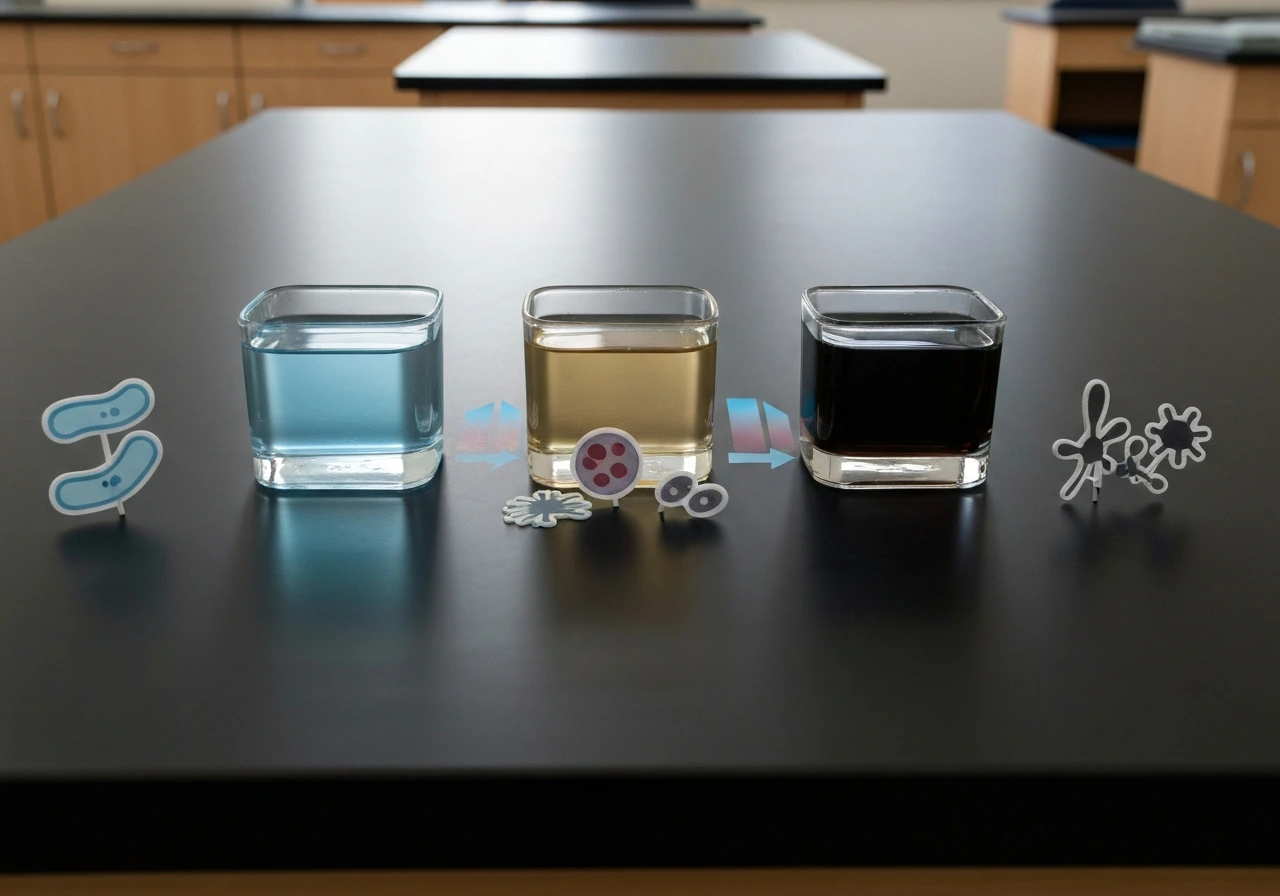
Think of protist growth requirements in two layers. The first layer is universal: every protist needs liquid water, a usable carbon source, nitrogen and phosphorus compounds, trace metals, and a temperature and pH that keeps enzymes working. The second layer is lifestyle-specific: photosynthetic protists (algae, euglenoids, dinoflagellates) additionally need light and inorganic carbon, while heterotrophic protists (ciliates, amoebae, many flagellates) need organic food such as bacteria or dissolved organics. Mixotrophs like Euglena gracilis can do both, which makes them more forgiving in culture but also means their growth shifts dramatically depending on which resource you give them more of.
A useful mental model is to treat protist growth as a chain: every link in that chain must hold. If light is saturating but phosphorus is exhausted, a photosynthetic protist will stop growing just as surely as if you turned the lights off. This is why diagnosing poor growth always means checking all the variables, not just the obvious one. The sections below walk through each link in that chain.
Temperature and pH ranges that enable growth
Most protists are mesophiles, meaning they grow best in a moderate temperature range. For microalgae, the commonly cited optimum is 15–30 °C, and Chlamydomonas reinhardtii can be cultured productively up to about 35 °C in controlled experiments. Paramecium caudatum, one of the most studied ciliate protists, divides up to three times per day at its optimum, which sits between 24 °C and 28 °C. Outside that window, division slows and population crashes follow. Euglena gracilis is routinely maintained at around 22 °C in laboratory studies. The practical takeaway: if you are working with a protist from a temperate freshwater pond, aim for the low-to-mid 20s Celsius as a safe starting point, then adjust from there based on your observations.
pH shapes protist growth in two ways: directly, by affecting membrane transporters and enzyme activity, and indirectly, by controlling the chemistry of dissolved nutrients. Chlamydomonas reinhardtii grows well across a pH range of roughly 6.5–8.0. Euglena gracilis cultures are often held at pH 6.0, adjusted with dilute phosphoric acid or sodium hydroxide. A pH that drifts too high does more than stress the cells directly; it can cause trace metals like iron to precipitate out of solution, making them unavailable even if you added the right amount to the medium. This is a commonly missed indirect effect. Aim to check and stabilize pH before troubleshooting nutrients.
| Protist | Type | Temperature optimum | pH range |
|---|---|---|---|
| Chlamydomonas reinhardtii | Photosynthetic (green alga) | Up to ~35 °C (typical 15–30 °C) | 6.5–8.0 |
| Euglena gracilis | Mixotroph | ~22 °C (lab cultures) | ~6.0 |
| Paramecium caudatum | Heterotrophic ciliate | 24–28 °C | Neutral to slightly alkaline |
Oxygen and redox conditions (aerobic vs low-oxygen protists)
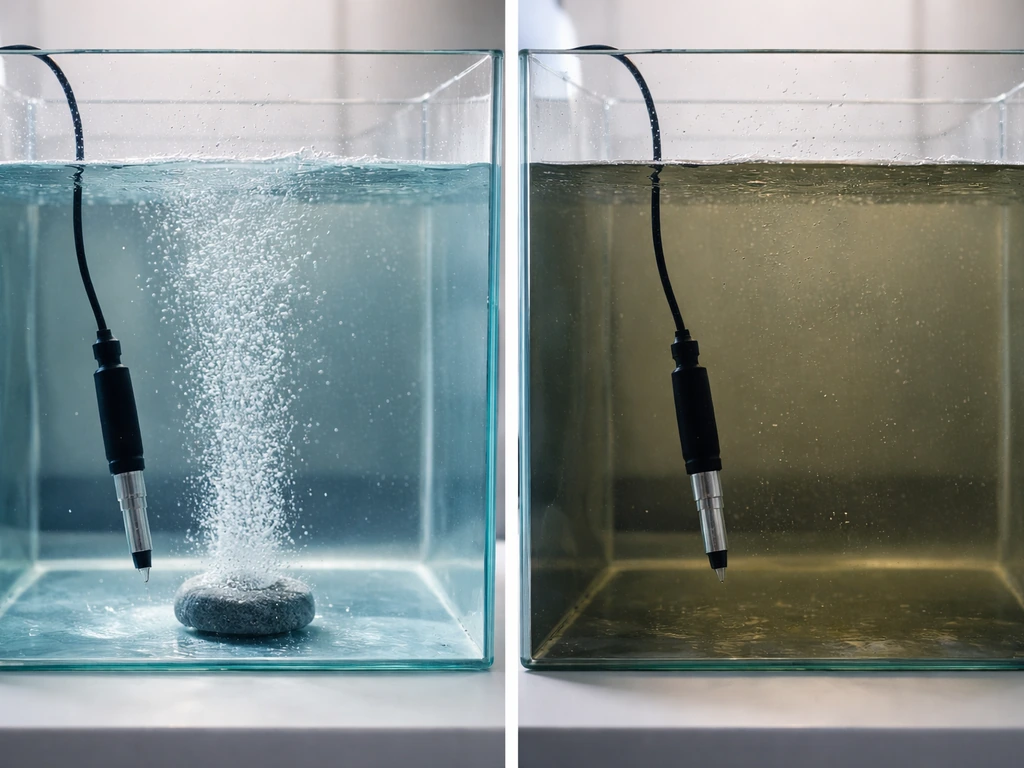
Most familiar protists are aerobic: they need dissolved oxygen for respiration. Photosynthetic algae actually produce oxygen as a byproduct of photosynthesis, so in a well-lit, actively growing culture, oxygen is rarely the limiting factor. The issue arises in dense or stagnant cultures where cells consume oxygen faster than it can diffuse in. Euglena gracilis cultures in research settings are aerated at 0.1 volumes of air per volume of culture per minute, often with CO2-enriched air, precisely to keep both oxygen and carbon dioxide balanced.
Not all protists are strictly aerobic, though. Entamoeba histolytica, the parasitic amoeba responsible for amoebic dysentery, tolerates gas phases as low as 5% O2 and has biochemical tools to handle the byproducts of partial oxygen reduction. Paramecium caudatum shows measurable behavioral changes at different oxygen levels: under low-oxygen conditions it displays strong negative gravitaxis (swimming upward, away from oxygen-depleted sediment), which becomes random when oxygen tension rises. Both extremes, too little and too much oxygen, can stress protist cells. One study found that P. caudatum is sensitive to high oxygen tensions, with ion modifiers like cobalt and manganese altering that sensitivity. The practical rule: for most common protists, gentle aeration or regular mixing keeps oxygen adequate; for anaerobic or low-oxygen protists, sealed or oxygen-controlled chambers are necessary.
Light and carbon supply for photosynthetic vs non-photosynthetic protists
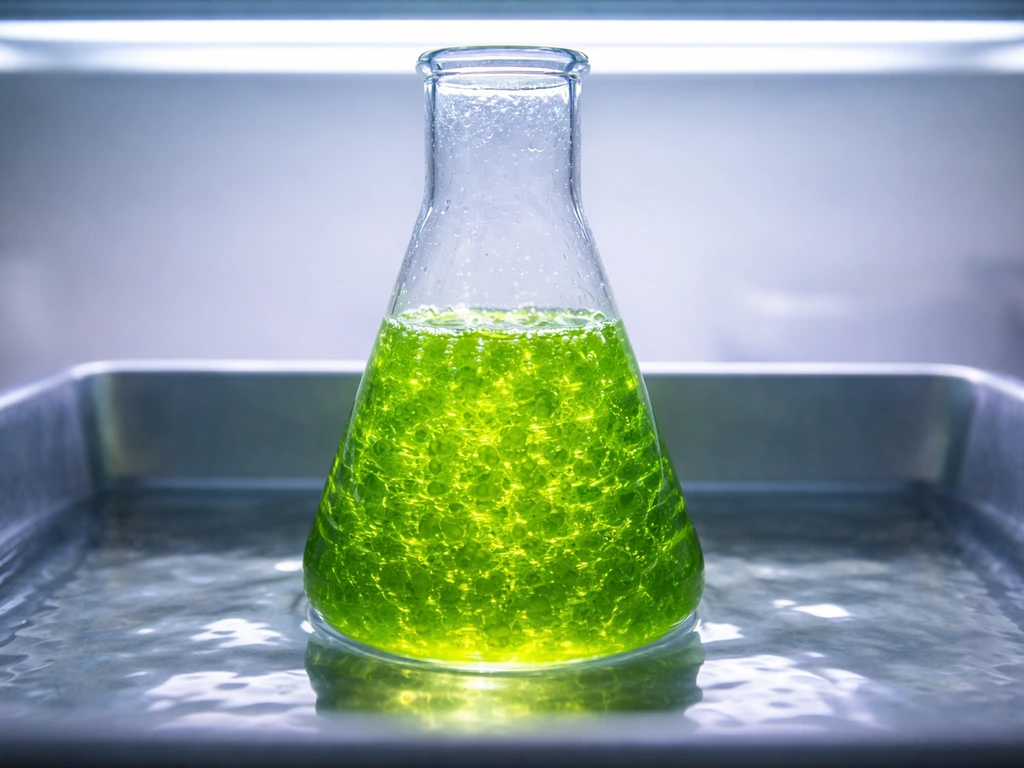
This is where protist types diverge most sharply. Photosynthetic protists (green algae, diatoms, euglenoids in autotrophic mode) convert light energy into chemical energy and fix inorganic carbon (CO2) into organic compounds. Light intensity and CO2 availability are both essential, and they interact closely. Research on Chlamydomonas reinhardtii found that CO2 availability and light intensity jointly determine whether CO2 or light is the primary bottleneck for growth. At very low irradiance around 41 µmol photons per square meter per second, even high CO2 (5% in the gas phase) cannot fully compensate. Conversely, without adequate CO2, high light intensity stresses photosystems. A practical light target for Chlamydomonas in the lab is 80–400 µmol photons m⁻² s⁻¹ depending on the experiment, with CO2 in the gas stream typically at 0.15–5% to saturate carbon uptake. At pH 6.9, as little as 0.15% CO2 in the air supply (about 11 µM CO2 in solution) is enough to suppress carbon-limitation responses in Chlamydomonas.
Heterotrophic protists like Paramecium have no photosynthetic machinery at all. They get their carbon entirely from consuming other organisms, usually bacteria or yeast, or from dissolved organic compounds in the medium. If you are culturing Paramecium or similar ciliates, you do not need to worry about light as a resource, but you do need to provide a reliable bacterial food source. If you are culturing a heterotrophic protist that depends on bacteria, you may wonder whether you need an incubator to grow those bacteria first reliable bacterial food source. ATCC's protistology culture guides specifically recommend bacterizing the medium with defined bacterial strains before inoculating many heterotrophic protists for exactly this reason. Without prey, population growth stops almost immediately regardless of how well every other condition is met.
Mixotrophs like Euglena gracilis sit in the middle. In the light with CO2 available, they photosynthesize. In the dark or when organic carbon is abundant, they switch to heterotrophic feeding. In general, bacteria tend to grow better in light or dark depending on their energy source, so the right conditions are species-specific. This flexibility makes them resilient but also means you need to decide which growth mode you want before setting up your culture, because the ideal conditions for each mode differ considerably.
Nutrients and dissolved minerals (N, P, trace elements)
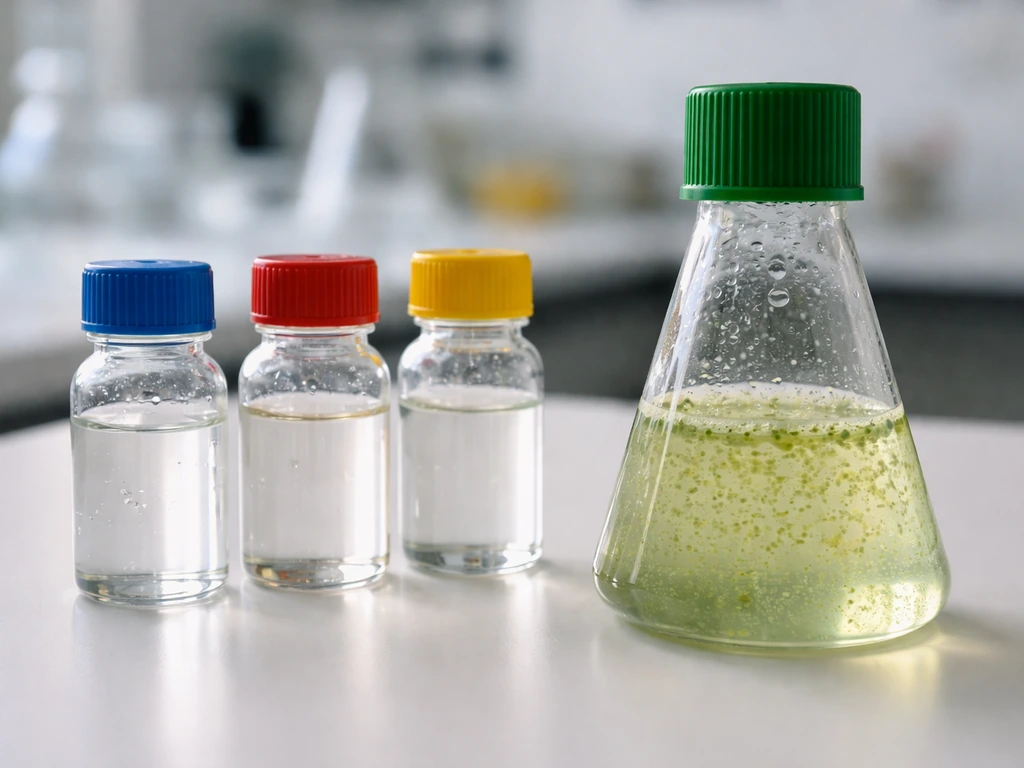
After carbon, the most important macronutrients are nitrogen and phosphorus. Nitrogen is typically supplied as nitrate or ammonium salts. For Chlamydomonas, research shows a sharp optimal growth window at around 2 mM ammonium, but only when light intensity is in the 80–100 µmol m⁻² s⁻¹ range. Push the ammonium concentration higher or lower, or change the light, and you shift that optimum. This is a good example of why protist growth resources cannot be optimized one at a time in isolation: light and nutrients genuinely interact.
Trace metals including iron, copper, manganese, and zinc are needed in small but non-negotiable amounts. Iron is typically supplied in culture media as an EDTA chelate at around 18–20 µM, specifically because EDTA keeps iron in solution and bioavailable. At higher pH values, iron precipitates rapidly, which is why pH control and trace metal supplementation are linked. Research directly comparing trace element supplements for Chlamydomonas found that a revised formulation including Cu, Fe, Mn, and Zn measurably increased biomass and growth rate compared to older recipes. Diatoms have an additional and often forgotten requirement: dissolved silica. If you are culturing diatoms, use a silica-containing medium like f/2. A CSIRO-hosted f/2 (and fE2) recipe modification PDF standardizes an f/2-based approach for marine phytoplankton and diatoms culture, including the trace-metal and silica media design elements needed for diatom growth use a silica-containing medium like f/2. Silica is not needed by other protist groups, but for diatoms, leaving it out prevents cell wall formation and stops growth entirely.
Standard media for photosynthetic protists include TAP (Tris-Acetate-Phosphate) medium for Chlamydomonas and f/2 medium for marine phytoplankton and diatoms. Both contain defined nitrogen, phosphorus, and trace element components. For heterotrophic protists, media are typically richer, often including peptones, amino acids, and carbohydrates, in addition to trace elements. A chelating agent like EDTA or citrate is commonly included in both types to keep trace metals dissolved and usable, especially at pH values above 7.
Water chemistry and salinity/osmotic balance
Protists are single cells surrounded by a membrane, which makes them extremely sensitive to the osmotic strength and ion composition of their environment. Freshwater protists like Chlamydomonas and Paramecium live in hypotonic environments, meaning the surrounding water has lower solute concentration than the cell interior. To avoid bursting, they use contractile vacuoles: small pumping organelles that expel excess water. Research on Chlamydomonas shows that the rate of contractile vacuole contraction directly tracks changes in medium osmolarity. Mess with the osmolarity of your freshwater culture medium, and you slow down those pumps, cause cell swelling, and impair growth.
Marine and brackish protists work in the opposite direction: they are adapted to higher salinity and can face osmotic stress if the medium becomes too dilute. Some halophilic (salt-loving) protists cannot even divide at salt concentrations below about 9%, which is roughly three times the salinity of normal seawater. When hypoosmotic stress occurs in a marine protist, the cell rapidly loses ions including sodium, chloride, and potassium to try to equalize pressure. That ion loss disrupts cell chemistry and stalls growth. The lesson here is that salinity matching is not just about adding the right amount of salt: it is about matching both the total osmolarity and the specific ion composition of the medium to the protist's natural environment.
For students setting up basic cultures, the simplest rule is: use the medium that matches the protist's habitat. Freshwater protists get freshwater-based media with low dissolved solids, marine protists get synthetic seawater-based media, and soil-dwelling protists often need slightly more complex media that approximate soil pore water chemistry.
Practical troubleshooting: what to check and how to adjust conditions step-by-step
If your protist culture is not growing as expected, the best strategy is to check variables in order of likelihood and ease of correction. Resist the temptation to change multiple things at once: adjust one variable, wait a growth cycle or two, then evaluate. Here is a practical sequence to follow.
- Check temperature first. Measure the actual water temperature, not just the room temperature, and compare it to the known optimum for your organism. For most common protists, a target of 22–28 °C is a good starting point. Even a 5 °C deviation from optimum can halve growth rates.
- Measure pH and correct if needed. Use a calibrated pH meter (litmus paper is not precise enough here). Target pH 6.5–7.5 for most freshwater protists, or species-specific values where known. Adjust slowly with dilute acid or base to avoid pH shock. If pH is drifting upward in an algal culture, that can indicate CO2 depletion from photosynthesis.
- Assess oxygen and mixing. For aerobic protists in a stagnant container, try gentle stirring or intermittent aeration. For photosynthetic species, CO2 depletion is often a bigger issue than oxygen: try bubbling air or enriched CO2 air through the culture. Even 0.15% CO2 in the gas stream is enough to prevent carbon limitation in Chlamydomonas.
- Evaluate the light supply for photosynthetic protists. If the culture is pale or yellowish rather than green, light may be limiting. Aim for at least 80 µmol photons m⁻² s⁻¹ as a minimum starting light level. Avoid direct sunlight, which can cause photoinhibition. If you can measure photosystem health with a fluorometer, check the Fv/Fm ratio: values below about 0.6 indicate photosystem stress.
- Check the food or carbon source for heterotrophic protists. If culturing ciliates or amoebae, confirm the bacterial food supply is alive and dense. A culture that looks clear rather than turbid likely lacks sufficient prey. Re-bacterize the medium if needed.
- Review your nutrient medium. Has it been freshly prepared? Old media can lose dissolved CO2, see trace metals precipitate, or become depleted in nitrogen or phosphorus if the culture has been running for a while. When in doubt, transfer a small inoculum to fresh medium and compare growth rates.
- Check salinity and osmolarity if growth is sluggish but all other variables look correct. If using tap water for a freshwater species, excessive chlorine or variable hardness can be a hidden stressor. Use dechlorinated or distilled water made up to the correct ionic strength with a defined salt solution.
- Adjust trace elements last, after macronutrients and physical conditions are ruled out. If you suspect trace metal deficiency (very slow growth with otherwise good conditions), try adding a small volume of a standard trace element stock that includes iron, manganese, copper, and zinc in chelated form. Watch for a response over several days.
A few growth indicators are worth monitoring even without specialized equipment. Cell color in photosynthetic protists tells you a lot: deep green usually means healthy; pale green or yellow-green often signals nitrogen, iron, or light deficiency. For ciliates like Paramecium, watch swimming behavior. Sluggish, slow-spiraling cells or cells clustering at the surface can indicate low oxygen. Cells clustering at the bottom can indicate the opposite, or could signal toxicity from excess salts or a pH extreme. Population doublings (how long it takes your culture to visibly double in density) give you a practical growth-rate proxy without needing a spectrophotometer.
It is also worth connecting protist growth principles to broader microbiology concepts. The same resource-based framework that governs protist growth, temperature, pH, oxygen, carbon source, water activity, and nutrients, also governs bacterial and fungal growth. Food poisoning bacteria also need suitable nutrients, temperature, pH, and oxygen levels to grow, which is why good food handling helps prevent their multiplication bacterial and fungal growth. The big difference is that bacteria are prokaryotes with much simpler internal organization, while protists are eukaryotes with organelles like mitochondria, chloroplasts, and contractile vacuoles that add extra layers of environmental sensitivity. Understanding what resources protists need is genuinely foundational for understanding microbial ecology, aquatic food webs, and even food safety contexts where protists like Cryptosporidium or Giardia survive in water supplies precisely because their environmental tolerances are broad enough to outlast basic treatment steps.
FAQ
If I provide light for a photosynthetic protist, do I still need to add CO2 or bicarbonate?
Yes. Even with the same temperature, pH, and nutrient ratios, protists can be limited by the form of carbon you supply (for example, dissolved CO2 versus bicarbonate for photosynthetic species). If growth stalls, try adjusting the carbon delivery method, not just the concentration, and re-check CO2 availability after changing aeration or mixing.
I’m culturing a heterotrophic protist, can I just add any bacteria as food?
Not necessarily, because many heterotrophic protists depend on prey in a specific size range and growth stage. If you add bacteria but growth is poor, try changing the bacterial strain or the prey density, and let the bacterial culture reach the right phase before inoculating (otherwise the protist may encounter low-quality or insufficient prey).
What’s the safest way to prepare media so trace metals stay available?
Often, you should not sterilize at the same time for every component. Heat-sensitive trace metals (and some carbon sources) can degrade, and pH adjusters can shift metal solubility. A common approach is to sterilize separately, then combine under the target pH, and verify that iron chelation and other metals remain soluble in the final medium.
How can I tell whether poor growth is caused by salinity versus some specific ion imbalance?
Because protists are sensitive to osmotic stress, the “right salinity” depends on both total osmolarity and ion mix. If you swap brands of salts, use different water sources, or add buffers, you can change ion composition without realizing it. Measure or at least standardize salinity and the specific salt formulation, then avoid multiple ad hoc additives.
Can too much of a nutrient make protists grow worse, not better?
If you add too much nitrogen or trace metal, you can get toxicity or altered uptake that looks like “nutrient deficiency.” The practical fix is to reduce changes to one variable at a time and use dilution or a fresh medium batch to rule out toxic oversupply, especially with ammonium and concentrated metal supplements.
Why does my culture do well at first and then suddenly slow down?
For many cultures, the biggest hidden driver is time and mixing. Cells can deplete oxygen and CO2 in the same vessel even if the setup seems aerated or lit, particularly at higher density. If growth is uneven, increase mixing gently (or adjust aeration) and confirm gas exchange conditions rather than assuming nutrients are the only limiting factor.
My pH reads correctly, but the protist still isn’t growing. What else should I check?
Watch for indirect pH effects. A pH that is slightly too high can make iron (and sometimes other metals) precipitate, so you end up with “enough added nutrients” but not enough bioavailable ones. Stabilize pH continuously where possible, and confirm that the medium still looks chemically consistent after aeration and during the growth period.
If my algae are pale, how do I know whether it’s nitrogen, iron, or light limitation?
Yes, and it can be decisive for photosynthetic species. Too little light, not enough CO2, and suboptimal pH together can produce the same visual outcome (pale cells, slow division). Change one variable at a time, and when adjusting light also verify CO2 delivery, since high light can increase carbon demand quickly.
Can mixotrophs be grown with the same settings in light and in the dark?
Sometimes, but it depends on the protist’s lifestyle flexibility. For mixotrophs, switching carbon mode (inorganic carbon reliance versus organic carbon feeding) changes their ideal light, CO2, and even nitrogen demand. If you want consistent growth, explicitly decide which mode you are running and keep the associated conditions stable.
I’m using a protist from soil, can I culture it using freshwater or marine media as a starting point?
Typically, the medium’s osmolarity and the water activity matter as much as the solute recipe. If you move a soil-dwelling protist to a standard freshwater or marine recipe, you may break osmotic balance even if pH and nutrients look “close.” Keep the medium closer to habitat-derived chemistry and adjust osmolarity gradually rather than in one step.