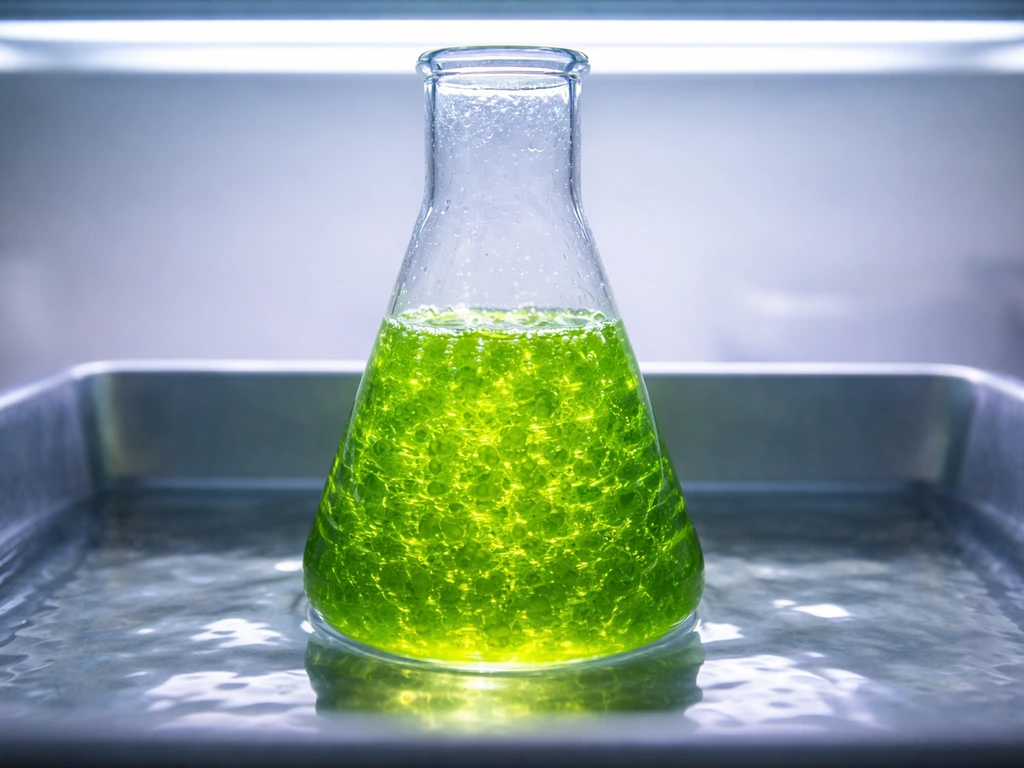
You do not strictly need a laboratory incubator to grow bacteria, but you do need to replicate what an incubator does: stable temperature, adequate moisture, the right nutrients, and the correct oxygen environment. Without a dedicated incubator, many attempts fail not because of missing equipment but because one of those conditions drifts out of range or gets ignored entirely. Get those conditions right and bacteria will grow. Miss even one and you will get slow growth, contamination, or nothing at all.
Do You Need an Incubator to Grow Bacteria? Conditions Explained

Marcus Holloway
6 Jul 2026
What an incubator actually does for bacteria
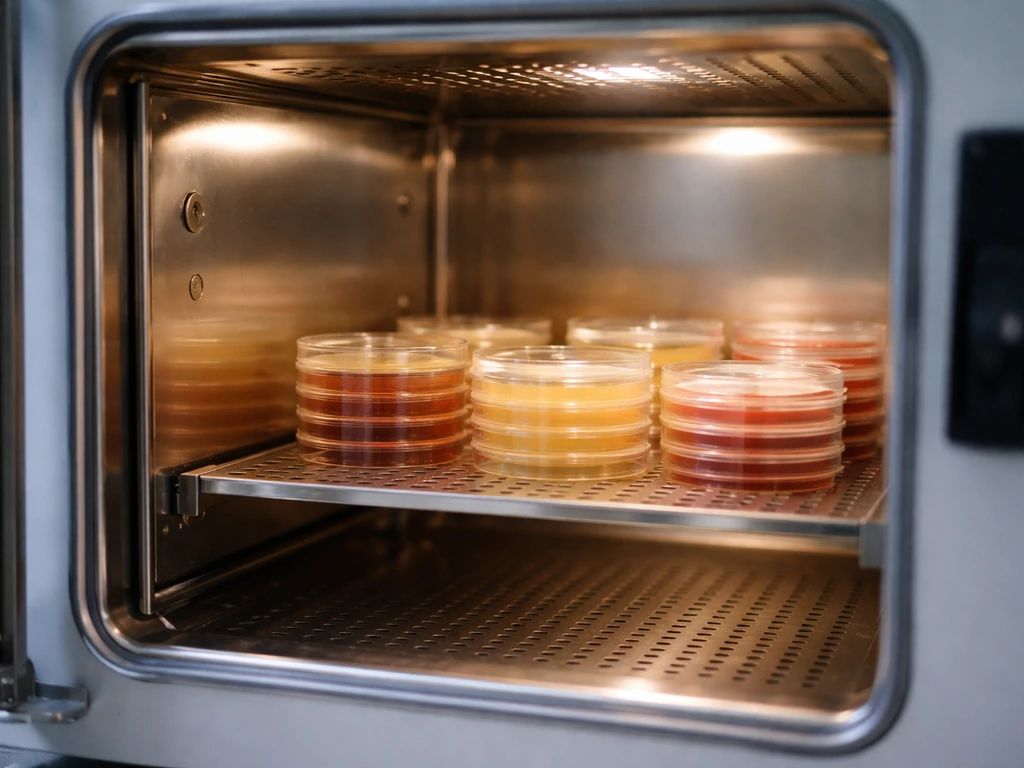
A laboratory incubator is essentially a precision climate box. Its core job is to hold temperature at a set point with very little variation, typically within about plus or minus 0.5°C, and maintain that stability for hours or days on end. More advanced incubators also regulate humidity (to prevent samples from drying out), gas atmosphere (CO₂ for mammalian cell work, or reduced oxygen for microaerophilic bacteria), and air circulation so every shelf experiences the same conditions. Without circulation, temperature can vary by a degree or more between the top and bottom of the chamber, which sounds small but can meaningfully shift growth rates.
The reason all that precision matters is that bacteria are extremely responsive to their physical environment. A mesophile like E. coli grows fastest around 37°C. Drop it to 25°C and it grows much more slowly. Drop it to 15°C and it may barely grow at all, while a completely different class of bacteria (psychrotrophs) would be perfectly comfortable. An incubator removes the guesswork by holding one organism at exactly the temperature where it thrives. When you work without one, you are taking on the job of recreating those stable conditions yourself.
Can bacteria grow without an incubator?
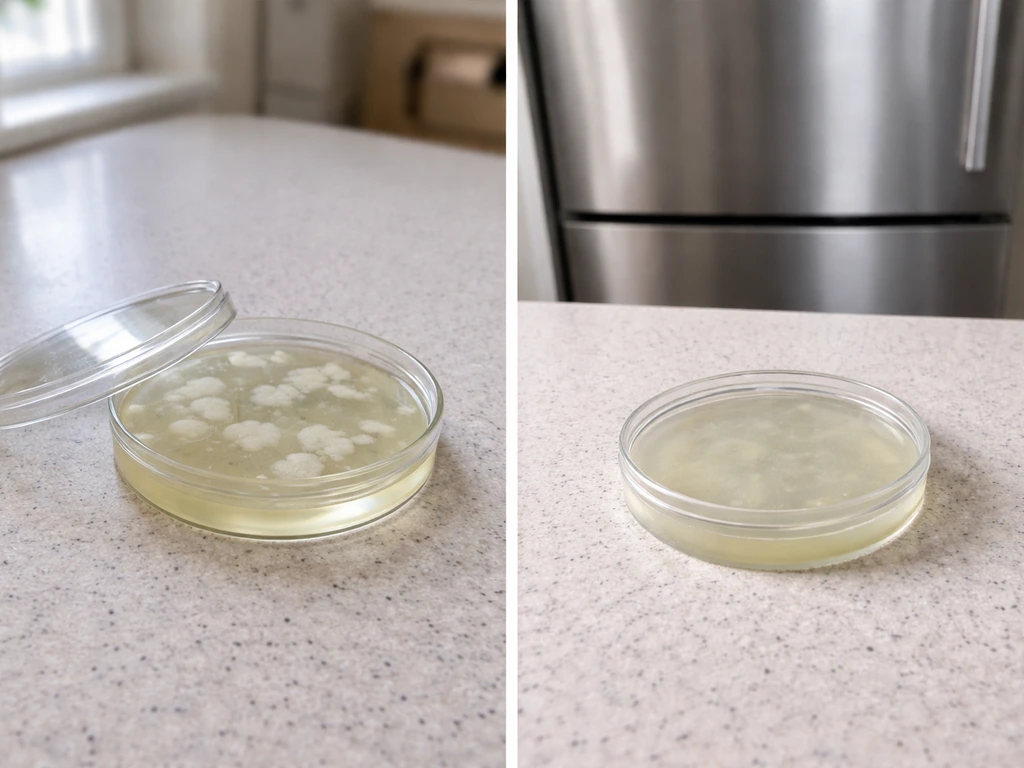
Yes, absolutely, and they do it all the time. Bacteria grow on your kitchen counter, in your refrigerator (slowly), in your gut, and in warm soil. An incubator does not grant bacteria the ability to grow; it just makes growth faster, more predictable, and more reproducible. Whether you can skip one depends heavily on which organism you are working with and what you are trying to achieve.
When skipping an incubator works
- You are working with mesophilic bacteria that thrive between roughly 20°C and 45°C, and your room temperature already sits in that range.
- You have a stable warm spot (not fluctuating by more than a couple of degrees) and can leave cultures undisturbed for 24 to 48 hours or longer.
- You are observing growth from a pre-established culture like a fermentation starter, where the target bacteria already dominate the environment.
- Your goal is qualitative (did anything grow?) rather than a precise, reproducible result.
When you really do need controlled equipment
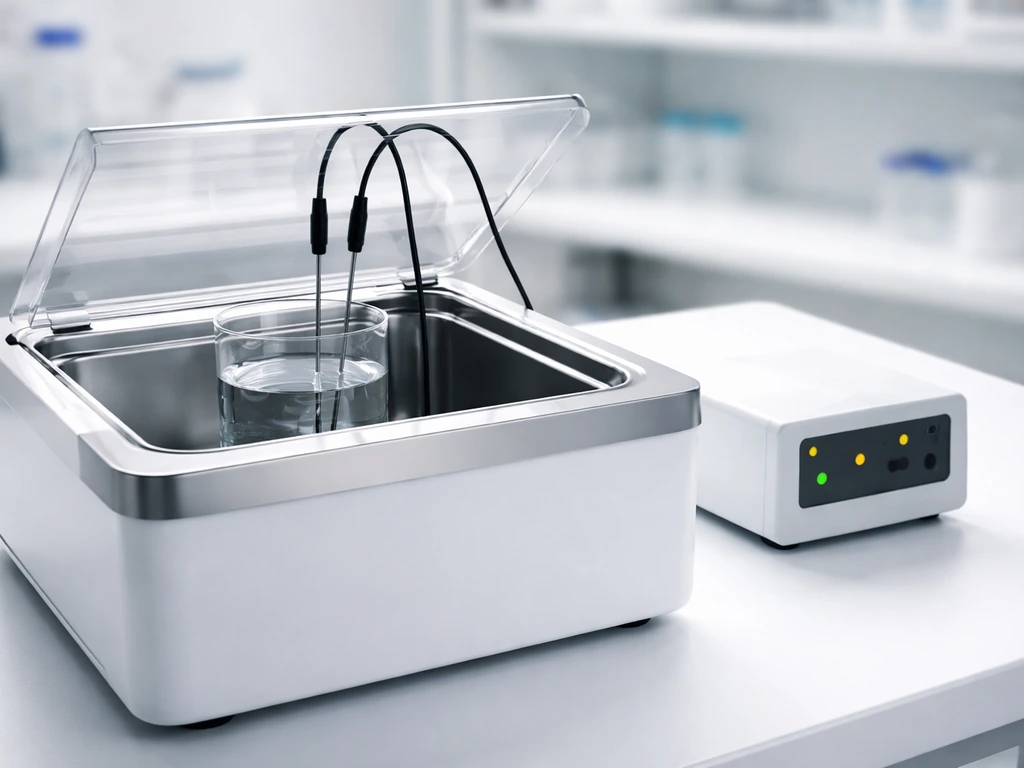
- You are working with thermophiles (optimal growth above 50°C) or strict psychrophiles (optimal near 0–15°C), which room temperature will not support correctly.
- You need reproducible, quantitative results for science class, coursework, or any comparison experiment.
- Your target organism is a microaerophile or obligate anaerobe that requires a non-standard oxygen atmosphere you cannot easily create.
- You are attempting to culture an unknown environmental sample, which carries safety risks that controlled lab settings are designed to manage.
Key growth conditions you must match
Think of bacterial growth as a combination lock. Temperature is the most obvious dial, but there are four others. All of them have to be in the right position at the same time. Here is what each one means in practice.
Temperature
Most bacteria studied in educational settings are mesophiles, comfortable between about 20°C and 45°C, with a sweet spot around 35–37°C. Psychrotrophs (the ones responsible for refrigerator spoilage) can grow from about 4°C up to 25°C, which is why your fridge only slows them down rather than stopping them. Thermophiles need above 50°C, which is genuinely hard to maintain safely without purpose-built equipment. Matching the right temperature class to your organism is the single most impactful thing you can do.
Time
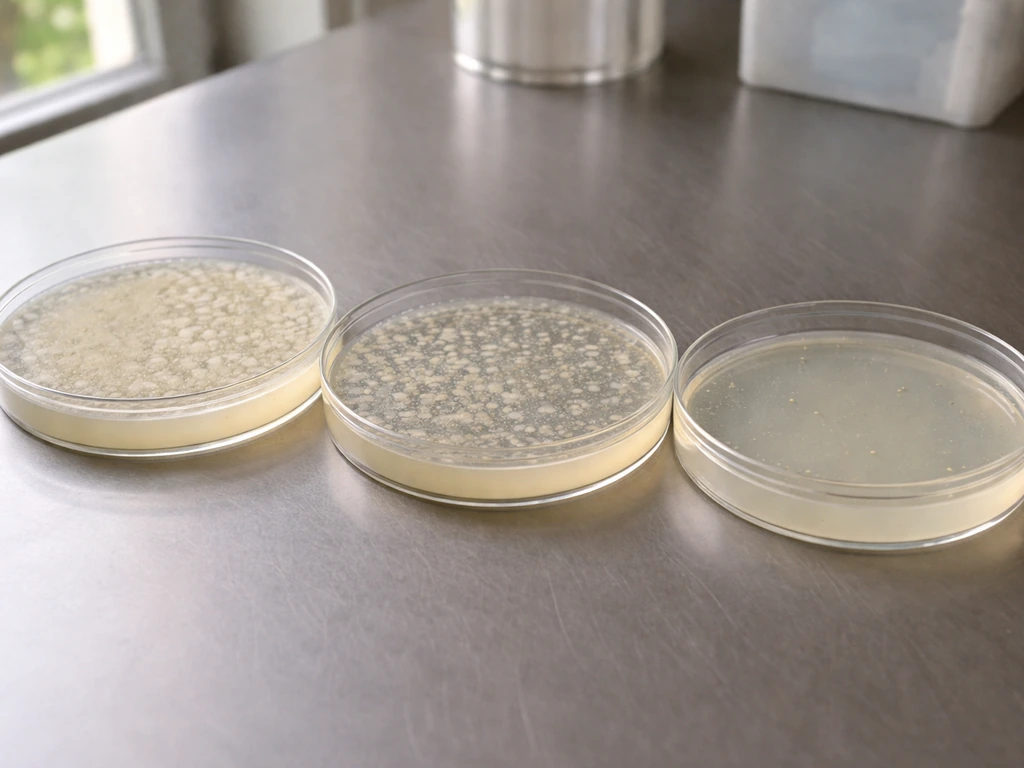
Bacteria need time to build up numbers large enough to see or measure. At optimal temperature, many mesophiles can double every 20 to 30 minutes, so visible growth on agar might appear in 12 to 24 hours. At cooler, sub-optimal temperatures that doubling time stretches considerably, and you may need to wait 48 to 72 hours or more. Lactic acid bacteria in kefir fermentation, for example, work well at room temperature (20–25°C) but typically need a full 24 hours to produce noticeable curd, compared with faster results at warmer temperatures. The takeaway: if you are not using an incubator at optimal temperature, just plan for longer incubation.
Moisture and water activity
Bacteria need available water to grow, and scientists measure this with a value called water activity (written as aw), which runs from 0 to 1. Pure water is 1. 0. Most bacterial pathogens cannot grow below about aw 0.
The Virginia Department of Agriculture and Consumer Services (VDACS) notes that some pathogens can still be able to grow at relatively low water activity, with one example given at aw as low as 0. 86 [water activity (written as aw)](https://www. vdacs. virginia.
gov/pdf/wateractivity. pdf). 86, and virtually no microorganism grows below 0. 60.
In practical terms, this means your growth medium or substrate needs to stay moist. Agar plates left uncovered, or cultures stored in open containers, will dry out and growth will stop. If you are working without the humidity control of an incubator, wrapping plates with parafilm or storing them in a loosely sealed humid container helps maintain adequate moisture.
pH
Most bacteria prefer a near-neutral pH, somewhere between 6.5 and 7.5. Strongly acidic conditions (pH below 4.5) are generally hostile to most pathogens, which is why pickling works as a preservation method. If you are using a prepared growth medium, pH is usually already adjusted. If you are improvising a nutrient source (broth from beef, sugar water, etc.) it is worth checking with basic pH strips. An acidic improvised medium is one of the quieter reasons home culture attempts fail.
Nutrients
Bacteria need a carbon source for energy, a nitrogen source for building proteins, and trace minerals. Standard laboratory media like nutrient broth or LB broth are formulated to supply all of this. Without a proper medium, bacteria can still grow on nutrient-rich surfaces (meat, dairy, cooked starch), but the results are unpredictable and contamination with competing organisms is far more likely. If you are curious about what bacteria specifically need at the molecular level, the nutrient requirements of bacteria is a topic worth exploring on its own.
Oxygen needs and why your setup may fail without thinking about this
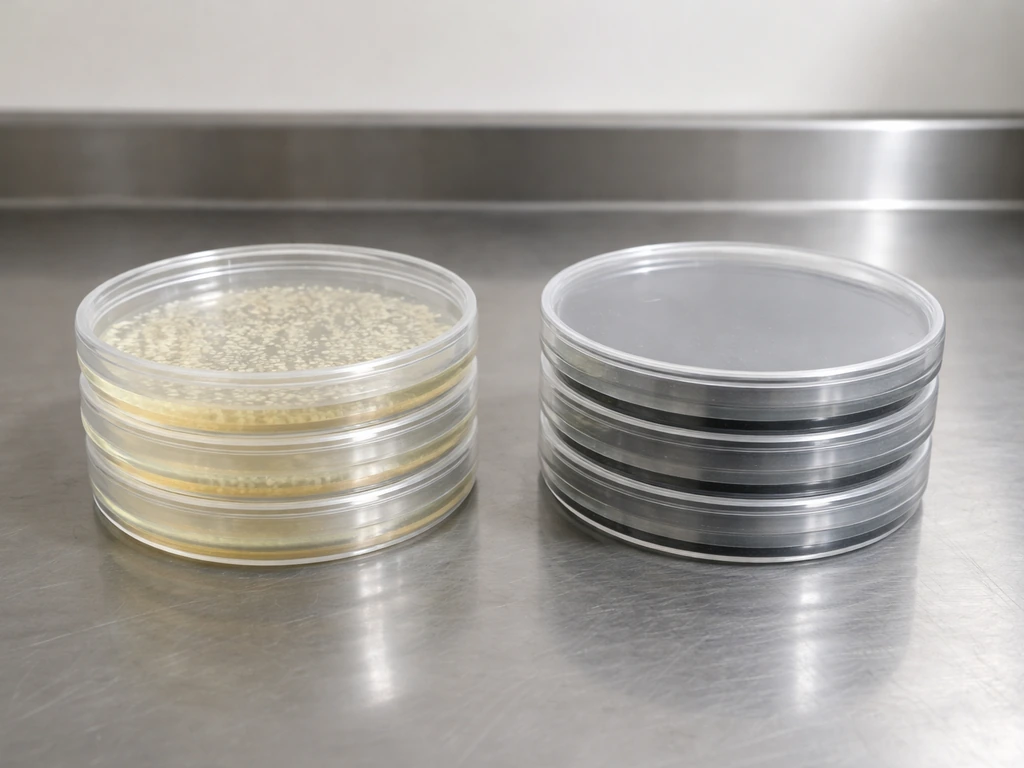
Oxygen requirements are probably the most overlooked variable when people try to grow bacteria outside a lab. Oxygen needs are only one part of the setup, and light versus dark conditions can also change how well some bacteria grow. Bacteria fall into four functional groups based on oxygen tolerance, and if you set up the wrong oxygen environment for your target organism, you will get little or no growth regardless of how perfectly you matched the temperature.
| Type | Oxygen relationship | Practical implication |
|---|---|---|
| Obligate aerobe | Requires oxygen to grow | Open container or loosely covered plate works fine |
| Facultative anaerobe | Grows with or without oxygen (better with) | Most forgiving; will grow in most setups |
| Microaerophile | Needs reduced oxygen, not zero | Needs a special setup like a candle jar to deplete some O₂ |
| Obligate anaerobe | Dies in the presence of oxygen | Requires sealed, oxygen-free environment; very difficult without lab equipment |
The most common bacteria in educational settings (E. coli, Bacillus subtilis, Lactobacillus species) are either facultative anaerobes or obligate aerobes, so an open or loosely covered container is usually fine. Problems arise when someone tries to culture microaerophiles like Campylobacter, which need a reduced but non-zero oxygen environment. A classic workaround in teaching labs is a candle jar: place a lit candle inside a sealed container with your culture, and the candle burns down oxygen until it self-extinguishes, creating a microaerophilic atmosphere. It is a simple trick but it illustrates that oxygen control matters and there are low-tech ways to address it for certain organisms.
Practical alternatives to an incubator
The goal of any incubator substitute is temperature stability, not just warmth. A warm spot that swings between 20°C and 35°C over the course of a day is worse than a cooler spot that stays steady. Here are realistic options, roughly ordered from most to least precise.
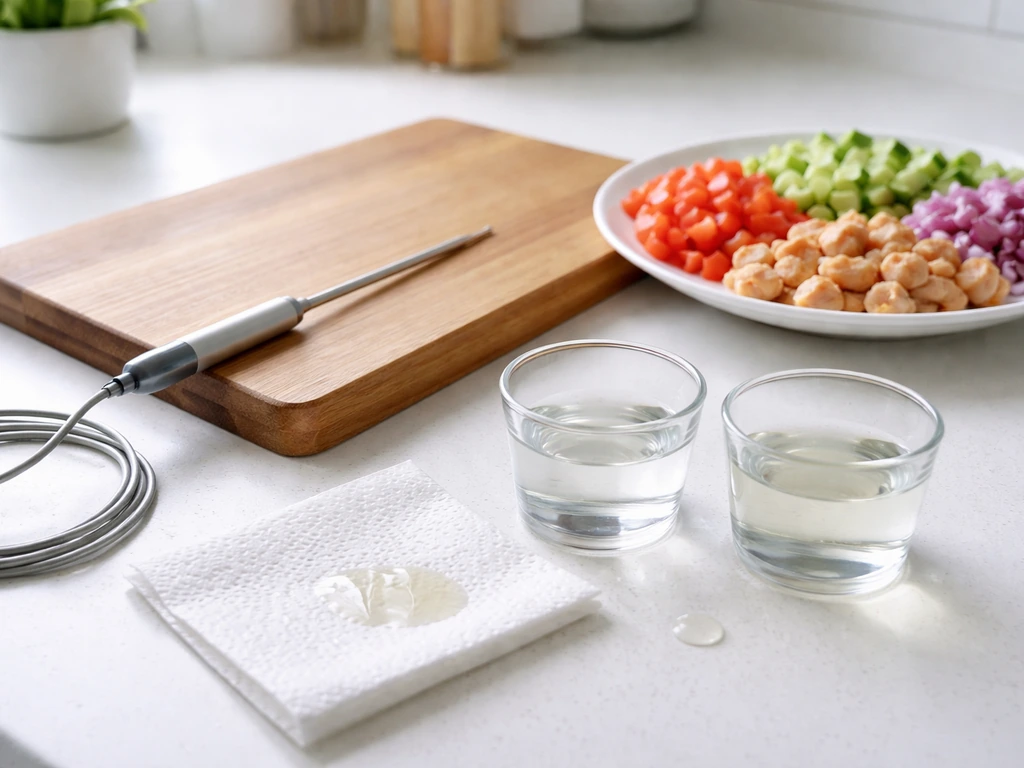
- Sous-vide water bath: These kitchen devices hold water temperature to within about 0.1°C and can run for days. Sealed culture tubes or bags can sit in the water bath at a precisely set temperature. This is genuinely close to lab-grade performance and is used in academic chemistry education as a low-cost alternative to precision water baths. The limitation is volume and the fact that agar plates do not fit in them.
- Yogurt maker or proofing box: These hold temperatures in the 35–45°C range for extended periods and are designed to run continuously. They are purpose-built for lactic acid bacteria fermentation and work well for educational demonstrations with safe mesophilic organisms.
- Warm water bath on a stovetop or hot plate: Usable but requires active monitoring to prevent overheating. Better suited for short incubation periods where you can check frequently.
- Consistently warm indoor location: A spot on top of a refrigerator (heat from the motor), inside a closed oven with just the light on, or near a heating register can provide steady warmth around 30–35°C in many homes. Check the actual temperature with a thermometer before committing. An oven light method typically holds around 28–32°C and works for many mesophilic setups.
- Room temperature fermentation: For organisms like mesophilic lactic acid bacteria that grow at 20–25°C, a stable room temperature during summer months or in a warm climate is genuinely sufficient, as long as the room does not get cold at night.
Whatever method you use, check the actual temperature with a thermometer (not your hand) and monitor it at different times of day. Fluctuation is the enemy. A consistent 28°C is more productive than an average of 37°C with swings between 25°C and 45°C.
Safety, contamination, and responsible handling
This section is not optional reading. Growing bacteria, even for educational purposes, carries real responsibilities. The most important principle is to know your organism before you culture it.
Microorganisms are classified by biosafety level (BSL). BSL-1 organisms are not known to cause disease in healthy adults and are the only appropriate choice for home or unsupervised educational use. BSL-2 organisms can cause disease and require additional containment and training. You should not attempt to culture any organism above BSL-1 outside a properly equipped laboratory. The American Society for Microbiology explicitly cautions that at-home and DIY microbiology should be limited to very low-risk (Risk Group 1) organisms with clearly defined procedures.
Culturing unknown environmental samples is a particular risk. Swabbing a doorknob, toilet, or outdoor surface and growing whatever comes up is appealing as a demonstration but genuinely risky, because you do not know what you are growing. An unknown culture might contain opportunistic pathogens. Leave environmental sampling to supervised lab settings.
Beyond organism choice, standard safe practices apply regardless of setting: wash hands before and after handling cultures, disinfect work surfaces with 70% ethanol or 10% bleach solution, sterilize or safely dispose of used materials (autoclaving is ideal; if unavailable, soak in 10% bleach for at least 30 minutes before disposal), and never eat or drink near your cultures. These are not bureaucratic rules; they are the practical foundation that prevents accidents.
Contamination control is also about your results, not just your safety. Open agar plates, touching the medium surface, or using unsterilized containers will introduce competing organisms that overgrow your target bacteria. If you see multiple differently colored or textured colonies where you expected one type, contamination has occurred. Start over with clean technique rather than trying to interpret the results.
How to decide your next steps based on your goal and organism
Before you set anything up, ask yourself these questions in order. Your answers determine whether a no-incubator approach is viable and, if so, what it looks like.
- What organism am I working with, and what is its biosafety level? If the answer is BSL-2 or higher, or if you do not know, stop here and work through a supervised lab or use a known-safe commercial culture kit instead.
- What temperature class is it? If it is a mesophile (20–45°C), room temperature or a simple warm setup will work. If it is a thermophile or strict psychrophile, you need purpose-built equipment.
- What are its oxygen requirements? Facultative anaerobes and obligate aerobes are easy. Microaerophiles need a candle jar or equivalent. Obligate anaerobes are not practical without lab anaerobic chambers.
- Do I have a proper growth medium? A prepared nutrient broth or agar is strongly preferred. If you are improvising, understand that your results will be inconsistent and contamination risk is higher.
- Can I maintain stable temperature for the required duration? Check your setup with a thermometer over 24 hours before committing cultures to it. If temperature swings more than 3–4°C, find a more stable option.
- How will I handle and dispose of cultures safely? Have a plan for decontamination before you start, not after.
If you work through that list and the answers are: BSL-1 organism, mesophile, facultative anaerobe or aerobe, prepared medium, stable warm spot, and a clear disposal plan, then you have a genuine path to growing bacteria without a lab incubator. For food poisoning bacteria, growth depends on matching conditions like temperature class, available water, nutrients, oxygen level, and pH. Many useful educational demonstrations fit exactly that profile. Lactic acid fermentation with mesophilic starter cultures is the classic example, reliably performed at kitchen temperatures with predictable results.
If any of those answers come back uncertain or unfavorable, that is genuinely useful information. It tells you either to change your method, choose a different organism, or move into a supervised setting with proper equipment. Understanding why the conditions need to match is more useful than any specific shortcut, because it applies every time you ask whether a particular microorganism will grow in a particular place.
That same thinking is exactly what food safety professionals use when they assess whether bacteria can grow in a food product, connecting directly to questions about what bacteria need to grow and what specific organisms like food poisoning bacteria require to reach dangerous levels. The same idea applies to protoctists, too: you need the right resources for their specific needs in order for them to grow well what resources protoctists need to grow well.
FAQ
If I do not have an incubator, what “warm spot” options actually work at home?
Use an approach that can hold temperature steadily, not just feel warm. Common options are a water bath with a cheap aquarium heater plus a thermometer, or a tightly insulated box with heat from a thermostat-controlled source. Whatever you choose, place a thermometer at the level of the culture and record readings several times a day to confirm stability.
Can I replace an incubator with a normal oven or microwave?
Usually not. Ovens can cycle temperatures and often overshoot, and microwaves heat unevenly and create hot spots. If you use any heat source, you still need a way to verify the culture temperature directly with a thermometer and to prevent wide swings over hours.
How important is humidity if I’m using agar plates?
Very. Agar plates dry out even if the temperature is right, which slows or stops growth. If you cannot control humidity, keep plates in sealed bags or a loosely sealed humid container and handle them quickly, after you incubate, check condensation or dryness as a quick indicator.
Do I need to control CO2 or light if I’m just growing typical classroom bacteria?
For many common educational organisms, CO2 and strict lighting are usually not the main limiting factors, oxygen and temperature are. CO2 control matters more for certain cell cultures than for many basic bacteria. Light can still affect some bacteria, so if growth is inconsistent, keep your incubation conditions consistent (same darkness or same setup each run).
What oxygen setup should I use if I do not know whether my bacteria need aerobic or anaerobic conditions?
If you truly do not know, do not guess from container openness alone. Oxygen tolerance is species specific, and a wrong oxygen environment can yield no growth even when temperature and nutrients are perfect. Start with a known BSL-1 educational organism and matched technique, otherwise choose a supervised lab where the oxygen condition is controlled.
Why does growth sometimes appear, but not in the expected time window?
If temperature is slightly off or fluctuates, doubling time changes, so colonies can take longer than expected. Also consider that media preparation, moisture level, and inoculum size affect visible colony timing. If results are late, verify actual temperature at culture level and check whether plates dried out.
Is it ever safe to culture bacteria from the environment, like soil or a doorknob, without an incubator?
No. The safety risk is from the identity of the organism, not from whether you have an incubator. Unknown environmental samples can contain opportunistic pathogens. If you cannot confirm the organism is BSL-1 and follow an approved protocol, avoid environmental culturing.
What contamination signs mean I should throw it out and restart?
Multiple colony morphologies (different colors, textures, or shapes) when you expected one dominant type is a strong sign of contamination. Also discard if you see widespread fuzzy growth across the plate, excessive spreading, or anything that grows in the negative-control condition where you expected none. Do not try to “salvage” mixed cultures.
If my culture is not growing, what is the fastest troubleshooting order?
First confirm you matched the temperature class for the target organism and that the actual temperature stayed stable. Next check moisture (plate dryness), then medium adequacy (prepared medium versus improvised nutrient sources), then oxygen condition and pH. If all those are reasonable, wait longer because sub-optimal temperature can dramatically extend incubation time.
Does using a prepared growth medium reduce the need for incubation precision?
It helps with predictability, but it does not replace stable temperature. Prepared media can reduce failures caused by missing nutrients, but if temperature drifts, growth rates still change. Think of incubation precision as controlling the biggest switch, media quality as removing another major source of variability.
How should I dispose of cultures if I do not have access to an autoclave?
Use a consistent, time-based disinfection step and follow safe disposal rules for your location. A commonly used approach is soaking contaminated materials in a 10% bleach solution for at least 30 minutes before disposal, but you should ensure containers are compatible with bleach and that the material is fully submerged or well covered.