Food poisoning bacteria need six things to grow: nutrients (from the food itself), moisture, a temperature between roughly 40°F and 140°F, a near-neutral pH, an appropriate oxygen environment, and time. Remove even one of those conditions and bacterial growth slows dramatically or stops entirely. That's the entire logic behind refrigeration, pickling, drying, and vacuum sealing, and it's the reason understanding these factors is so much more useful than memorizing a list of "dangerous foods."
What Does Food Poisoning Bacteria Need to Grow?

Marcus Holloway
30 Jun 2026
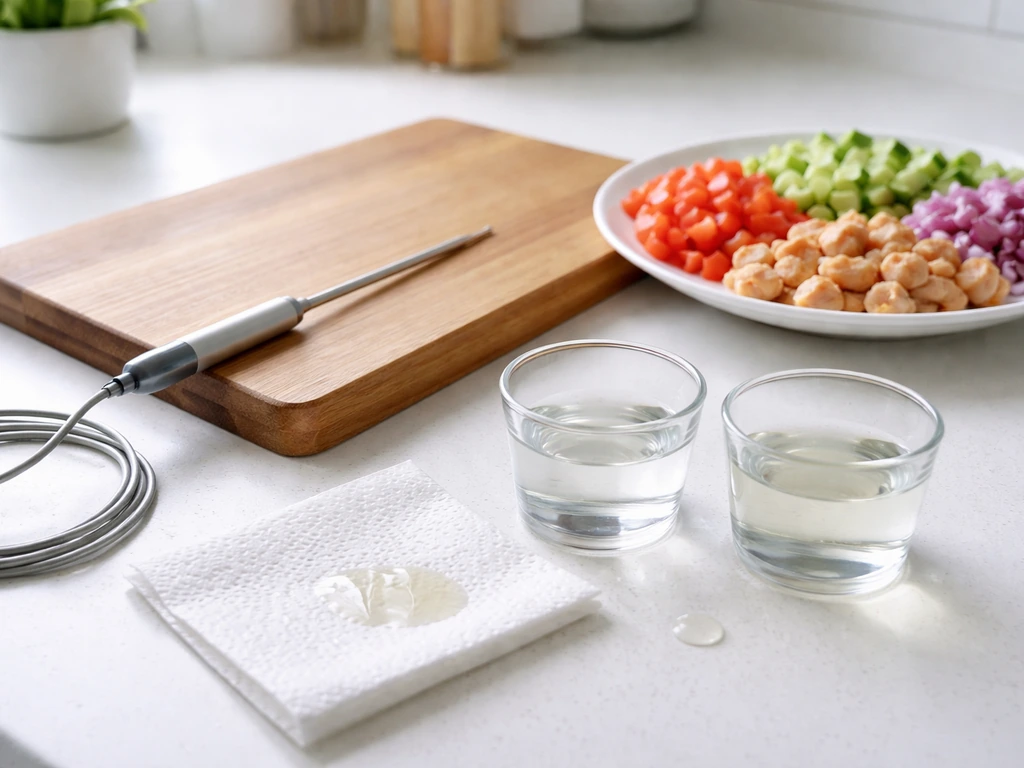
The core growth requirements in food
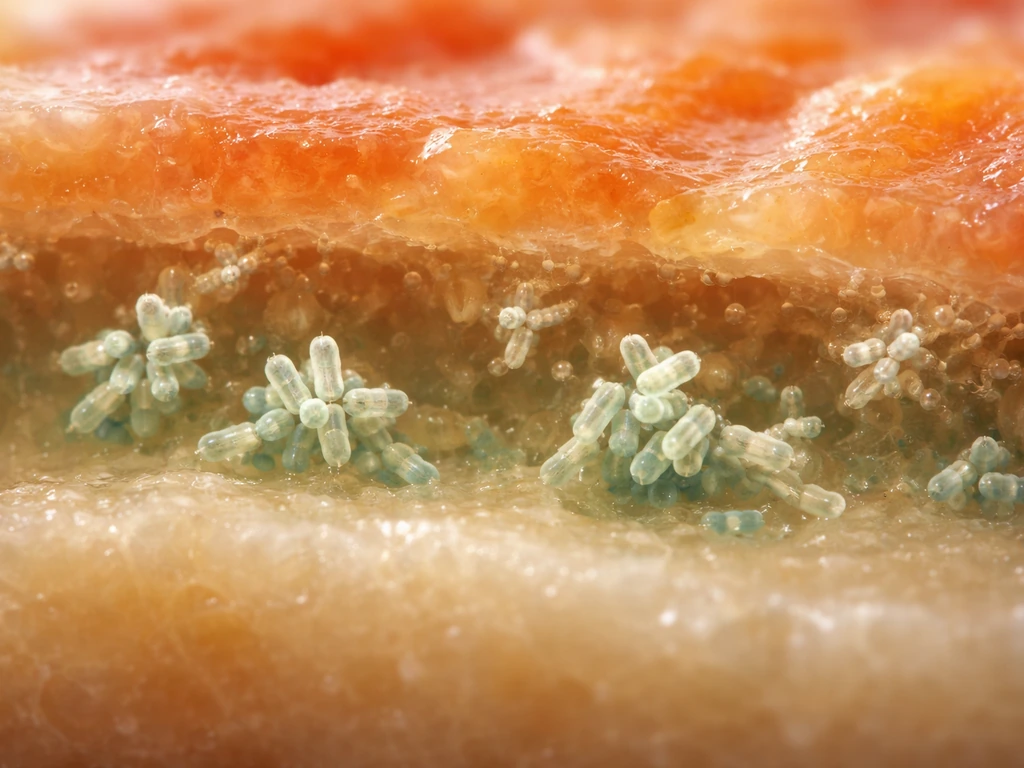
Bacteria are not picky in the way we sometimes imagine. They don't seek out particular foods the way a predator hunts prey. Instead, they simply multiply wherever the right combination of conditions exists simultaneously. Scientists often call this the "hurdle" concept: each unfavorable condition is a hurdle the bacteria have to clear. Stack enough hurdles and growth is effectively blocked, even if no single condition is lethal on its own. The six key hurdles relevant to food poisoning bacteria are temperature, water activity (moisture), pH (acidity), oxygen availability, nutrient supply, and time. Each one interacts with the others, which is why a food that seems "borderline" on two factors might actually be quite safe.
Temperature ranges and why refrigeration works
Temperature is probably the most powerful lever you have at home. The USDA defines the "danger zone" as 40°F to 140°F (4°C to 60°C): inside that range, bacteria can double in as little as 20 minutes under ideal conditions. A single bacterium can theoretically become millions in just a few hours if food sits on a warm counter. That's not a scare tactic, it's basic exponential math.
Different pathogens have slightly different temperature ranges, but most share that same broad sweet spot. Salmonella and E. coli O157 thrive around 37°C (body temperature), with growth possible anywhere from about 7°C to 50°C. Staphylococcus aureus grows between 7°C and 48°C, peaking near 37°C. Listeria monocytogenes is the scary outlier: it can grow from as low as -2°C up to 45°C, which means it can actually multiply slowly inside a refrigerator set to normal temperatures. Campylobacter, on the other hand, won't grow below about 30°C, which is why it's less of a fridge risk but is particularly dangerous at body temperature.
Refrigeration at or below 40°F (4°C) doesn't kill most bacteria, it just slows their metabolism to a near-standstill. Freezing slows growth even further, essentially pausing it. That's why the FDA recommends refrigerating or freezing perishables like meat, poultry, and eggs within 2 hours of cooking or purchasing (or within 1 hour if the ambient temperature is above 90°F). For cooked foods, the FDA Food Code specifies cooling from 135°F to 70°F within 2 hours, and then down to 41°F within 4 more hours. That two-stage protocol exists specifically to push food through the danger zone as quickly as possible.
| Pathogen | Min growth temp | Optimum temp | Max growth temp |
|---|---|---|---|
| Listeria monocytogenes | -2°C (28°F) | 30–37°C | 45°C (113°F) |
| Salmonella spp. | ~5–7°C (41°F) | 37°C (98.6°F) | ~47–50°C (118°F) |
| E. coli O157 | ~7°C (45°F) | 37°C (98.6°F) | ~50°C (122°F) |
| Staphylococcus aureus | 7°C (45°F) | 37°C (98.6°F) | 48°C (118°F) |
| Campylobacter jejuni | ~30°C (86°F) | 37–42°C | 45°C (113°F) |
| Bacillus cereus | 5°C (41°F) | 28–35°C | 55°C (131°F) |
Moisture and water activity: how dehydration stops growth
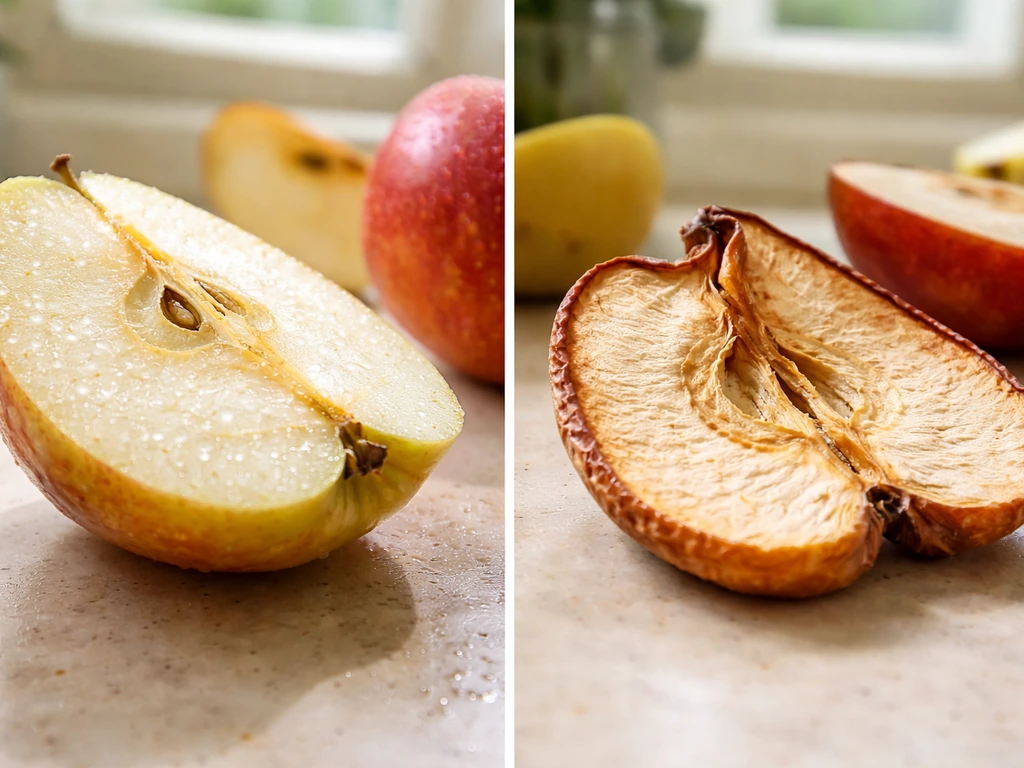
Bacteria need free water to carry out cellular processes. The relevant measurement isn't total moisture content but water activity (abbreviated aw), which is a scale from 0 to 1 representing how much water is actually available to microorganisms rather than bound up by salts, sugars, or other solutes. Pure water has an aw of 1.0. Most fresh foods sit above 0.95, which is more than sufficient for bacterial growth. Dried foods, heavily salted foods, and sugary preserves have much lower water activity, which is precisely why they have longer shelf lives.
Each pathogen has a minimum aw below which it cannot grow. E. coli O157 needs an aw of roughly 0.95 or higher. Listeria can grow down to about 0.92, and the FDA specifically notes that an aw at or below 0.92 can prevent Listeria growth in ready-to-eat foods. Bacillus cereus has a minimum of roughly 0.912–0.95 depending on conditions. The real standout is Staphylococcus aureus, which can grow at aw as low as 0.83–0.86 under otherwise optimal conditions, making it unusually tolerant of salty or dried environments and explaining why it shows up in cured meats and salty snack foods.
Practically speaking, drying, salting, and adding sugar all lower water activity. That's the science behind jerky, dry-cured sausages, jams, and honey. The key takeaway is that moisture control works by physically depriving bacteria of the water they need, not by poisoning them.
pH and acidity: why pickles don't go bad the same way fresh cucumbers do
pH measures acidity on a scale from 0 (very acidic) to 14 (very alkaline), with 7 being neutral. Most food poisoning bacteria prefer conditions close to neutral, around pH 6.5 to 7.5. As pH drops (more acidic) or rises (more alkaline), their enzymes stop working efficiently and cell membranes become stressed.
Salmonella can technically grow across a pH range of about 3.8 to 9.5, but it thrives near neutral. Listeria has a minimum growth pH of roughly 4.0–4.3, which is why the FDA identifies pH at or below 4.4 as a condition that prevents Listeria growth in ready-to-eat foods. Campylobacter is more sensitive to acidity and generally won't grow below pH 4.9. Bacillus cereus tolerates a range of about pH 4.3 to 9.3. What this tells you is that no single pH cutoff eliminates all pathogens, but dropping a food's pH well below 4.5 creates a meaningful barrier against most of them.
This is why acidification is such a reliable preservation technique. Pickling with vinegar, fermenting with lactic acid bacteria, and adding citric acid all work by lowering pH into a range that most pathogens can't tolerate. In an FAO risk assessment framework for Listeria in fish products, limiting conditions include formulations where Listeria growth is not supported, such as pH at or below about 5.
0 and/or sodium chloride at or above about 8%, alongside illustrative water activity and pH combinations used in the analysis limiting-condition “semi-preserved” formulations that restrict Listeria growth.
The hurdle concept applies here too: a food with both low pH and low water activity (think certain acidified deli salads) creates a double barrier that's significantly more effective than either condition alone.
Oxygen needs: aerobic, anaerobic, and facultative bacteria
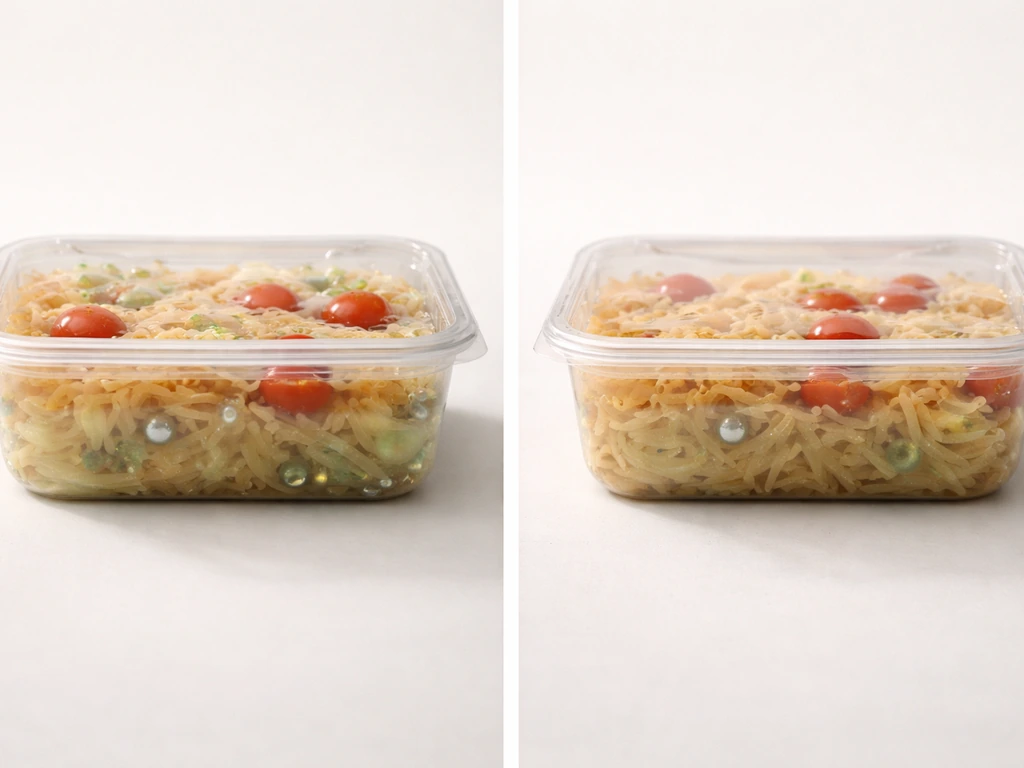
One of the most misunderstood aspects of food safety is the role of oxygen. Many people assume vacuum sealing or removing oxygen from packaging automatically makes food safer. Sometimes it does, but it depends entirely on which bacteria you're concerned about, because different pathogens have very different relationships with oxygen. Light and dark conditions can affect some bacteria, but the biggest drivers for food safety are still temperature, moisture, pH, oxygen, and time does bacteria grow better in light or dark.
- Aerobic bacteria require oxygen and cannot grow in its absence. If oxygen is removed (vacuum sealing, modified atmosphere packaging), aerobic spoilage bacteria are suppressed, which is one reason vacuum-sealed food looks fresher longer.
- Anaerobic bacteria grow only without oxygen. The most dangerous example in food is Clostridium botulinum, which produces the botulinum toxin in low-oxygen environments like improperly home-canned foods.
- Facultative anaerobes can grow with or without oxygen. Most common food poisoning culprits fall here: Salmonella, E. coli O157, Listeria, and Staphylococcus aureus are all facultative anaerobes, meaning vacuum sealing or modified atmosphere alone will not stop them.
- Microaerophilic bacteria need oxygen but at reduced levels (around 5–10%), well below the roughly 21% found in normal air. Campylobacter jejuni is the key example: it thrives in low-oxygen conditions like the gut and is actually inhibited by full atmospheric oxygen, which makes it an unusual pathogen from an oxygen standpoint.
The practical implication is that oxygen manipulation is only one tool, and it needs to be paired with temperature control and other hurdles. Vacuum-sealing cooked food and leaving it in the danger zone doesn't make it safe. It just means spoilage bacteria (the kind that make food smell bad) are suppressed while pathogens like Listeria can still quietly multiply.
Nutrients: what in food actually feeds bacteria
Bacteria need a carbon source for energy and building cellular structures, a nitrogen source for making proteins and DNA, minerals, and often specific vitamins and growth factors. Most foods provide all of this abundantly, which is why foods are such good bacterial growth media. This connects directly to a topic explored in more depth in articles about what nutrients bacteria need to grow in general: the principles are the same whether we're talking about lab cultures or your kitchen. You also do not need an incubator to grow food poisoning bacteria, because the same kitchen conditions like temperature, moisture, time, and nutrients can be enough for them to multiply lab cultures or your kitchen.
High-protein foods (meat, poultry, seafood, dairy, eggs, cooked legumes) are particularly rich bacterial substrates because proteins provide both carbon and nitrogen in highly accessible forms. Cooked starchy foods like rice and pasta are also excellent growth media because cooking breaks down cell walls and gelatinizes starches, releasing nutrients that are easy for bacteria to digest. Raw produce can support growth too, though intact skin and natural antimicrobial compounds in some plants provide a degree of protection.
The term used in food safety regulations is "TCS food" (Time and Temperature Control for Safety food), which broadly covers any food moist and nutrient-rich enough to support pathogen growth. Understanding why TCS foods are in that category is more useful than memorizing the list, because it helps you recognize the risk in any given situation rather than relying on a checklist.
Time: the factor people forget
Even with all the right conditions in place, bacteria still need time to multiply to dangerous levels. At optimal conditions, many food poisoning bacteria can double every 20 minutes. That means a small initial contamination can become a serious problem within 2 to 4 hours in the danger zone. This is exactly why the FDA's 2-hour rule exists: it's not arbitrary, it's based on how quickly bacterial populations can reach levels that cause illness. Time-temperature abuse, leaving food in the danger zone for extended periods, is behind the vast majority of foodborne illness outbreaks.
What to do today to prevent bacterial growth in food
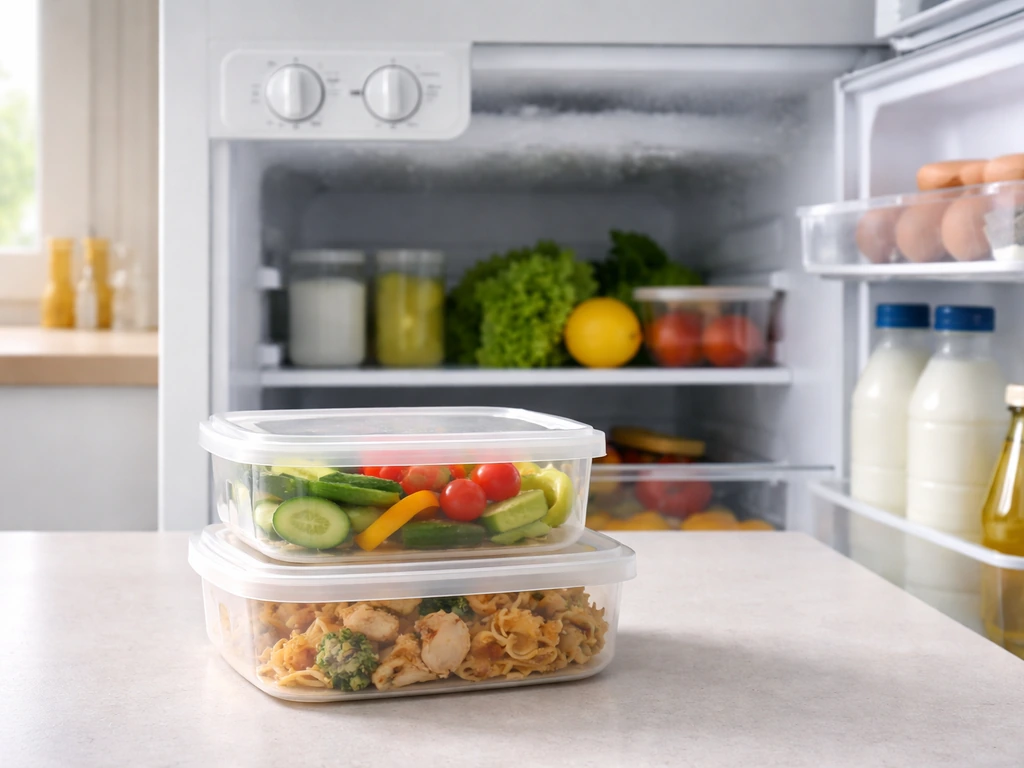
Knowing the biology makes the food safety rules feel logical rather than arbitrary. Here's how to apply each growth factor directly in your kitchen:
- Control temperature aggressively. Keep your fridge at or below 40°F (4°C) and your freezer at 0°F (-18°C). Refrigerate or freeze perishables within 2 hours of cooking or purchasing, or within 1 hour if the ambient temperature is above 90°F. When cooling large pots of soup or stew, split them into shallow containers to speed cooling through the danger zone.
- Respect the 2-hour rule. Don't let perishable foods sit at room temperature for more than 2 hours total, including prep time and serving time. If you're hosting a buffet, use chafing dishes and ice trays to keep foods above 140°F or below 40°F respectively.
- Understand your refrigerator's limits with Listeria. Unlike most pathogens, Listeria can grow slowly in the fridge. For ready-to-eat deli meats, soft cheeses, and pre-packaged salads, don't assume refrigeration alone provides unlimited protection. Eat them before their use-by date and don't let them linger.
- Use acidity and water activity in preservation. If you're making pickles, fermented vegetables, or acidified sauces, understand that achieving a pH well below 4.5 and/or substantially lowering water activity (through salting, drying, or adding sugar) provides genuine microbial barriers, not just flavor.
- Don't rely on vacuum sealing as a safety measure. It helps with spoilage and oxidation but doesn't stop facultative anaerobes like Salmonella, Listeria, or E. coli. Always pair reduced-oxygen storage with proper refrigeration.
- Practice cross-contamination prevention. Raw meat, poultry, and seafood carry bacteria that can transfer to ready-to-eat foods through shared surfaces, utensils, and hands. Use separate cutting boards, wash hands between tasks, and store raw proteins below ready-to-eat foods in the fridge so drips can't contaminate lower shelves.
- Cook to safe internal temperatures. Heat is the most reliable way to kill pathogens already present in food. Cooking doesn't substitute for safe storage, but it does reset the microbial clock if food has been handled correctly.
The big picture is this: food poisoning bacteria are not mysterious or uniquely powerful. They're just organisms doing what all organisms do, growing when conditions support it and stopping when conditions don't. Once you understand the specific conditions they need (warm temperatures, available moisture, near-neutral pH, adequate nutrients, appropriate oxygen, and enough time), every food safety recommendation makes immediate logical sense. Protists that grow well also depend on similar basics like suitable temperature, available water, appropriate pH, and the right nutrients specific conditions they need. You're not following arbitrary rules; you're systematically removing the conditions bacteria depend on.
FAQ
If my food was only in the danger zone briefly, will bacteria still grow?
It depends on the specific microbe and the starting contamination level. Many pathogens can grow fast in the 40°F to 140°F range, but some (notably Listeria) can multiply slowly even in the fridge. That is why “it stayed cold” is not always the same as “it was safe,” especially if the food sat for a long time or was later warmed.
Does freezing kill food poisoning bacteria or just stop their growth?
No. Freezing mainly stops growth, it does not reliably eliminate bacteria already present. When you thaw, bacteria that survived can resume multiplying, so safe handling is still about minimizing time at warm temperatures during thawing and afterward.
How long does refrigeration have to work before food is considered safe?
Refrigerating slows bacterial growth, but it does not make food instantly safe. Growth can continue at reduced rates, and some pathogens can persist or even increase over time. Follow strict cooling and refrigeration timing, and do not treat an extra few hours on a warm counter as harmless if the food is TCS.
Is vacuum sealing enough to prevent food poisoning bacteria from growing?
Oxygen control changes which microbes can grow. In low-oxygen conditions, spoilage organisms may decline, but certain pathogens that tolerate low oxygen, like Listeria, can still grow if temperature and moisture are favorable. So vacuum sealing is not a substitute for keeping the food out of the danger zone.
If a food looks dry, does that automatically mean bacteria cannot grow?
Yes, because “moisture” matters as water activity, a_w, not just how wet something looks. For example, jam or honey can be sticky and still have low a_w that makes growth difficult. Conversely, some foods that seem dry can still have enough available water due to formulation or added ingredients.
Once food is cooked, do the “needs to grow” conditions still matter?
Cooking reduces or kills existing bacteria, but it does not protect against new contamination afterward (from hands, utensils, surfaces, or returning cooked food to dirty containers). After cooking, the growth factors that remain relevant are time, temperature, moisture, pH, and handling conditions.
If one growth factor is slightly controlled, is the food safe anyway?
Yes. A food can be “borderline” on one hurdle and still be safe if another hurdle is strong enough, but the safety margin depends on the exact pathogen and the actual conditions. This is where the hurdle concept matters, don’t assume a single factor like “a little lower pH” guarantees safety.
What’s the biggest risk factor people underestimate, time or temperature?
Generally, you should expect the highest risk when a food is both time and temperature abused, because rapid multiplication can occur in the danger zone before you notice changes in smell or appearance. The first line of defense is preventing time-temperature abuse, since you cannot count on sensory cues.
Can food poisoning bacteria grow without making food taste or smell spoiled?
You can have pathogens without obvious spoilage. Many bacteria do not necessarily make food smell bad right away, and some pathogens can grow while spoilage organisms are suppressed. That is why timing and temperature rules exist, not because the food always looks or smells spoiled.
What’s the most practical way to control growth factors at home?
For many households, the practical “lever” is temperature. Small changes near the danger zone can meaningfully affect how fast bacteria multiply, so the goal is minimizing time warm and ensuring even cooling. Use shallow containers and refrigerator access to reduce how long the inside stays warm.
Can I trust food safety just because a food is labeled pickled, fermented, or preserved?
A key mistake is assuming the package label or “natural” preservation makes a food safe regardless of storage. Even preserved foods can have risk if kept warm too long, stored incorrectly, or if they are not truly within the preservation targets (for example, insufficient acidity or improper moisture reduction).
Why isn’t there one single pH or water activity number that prevents all food poisoning bacteria?
Different bacteria can respond differently to oxygen, acidity, and water activity. That means there is no single universal cutoff that guarantees safety for every pathogen. The best approach is stacking hurdles (for example, correct refrigeration plus appropriate pH or water activity, where applicable) rather than relying on one number alone.
Why is cooling cooked food properly so important if I will refrigerate it afterward?
Yes, but it still needs the growth hurdles. If you refrigerate appropriately but the food takes a long time to cool, the interior can spend time in the danger zone, allowing rapid growth. Cooling protocols focus on pushing the core temperature through the danger zone quickly.