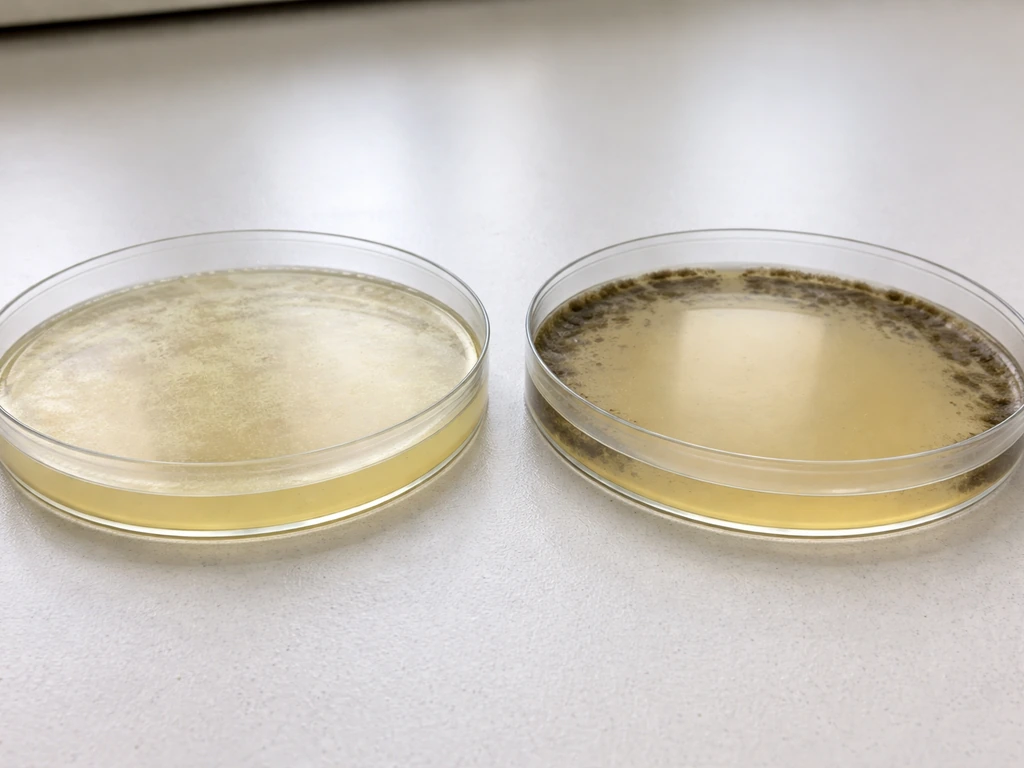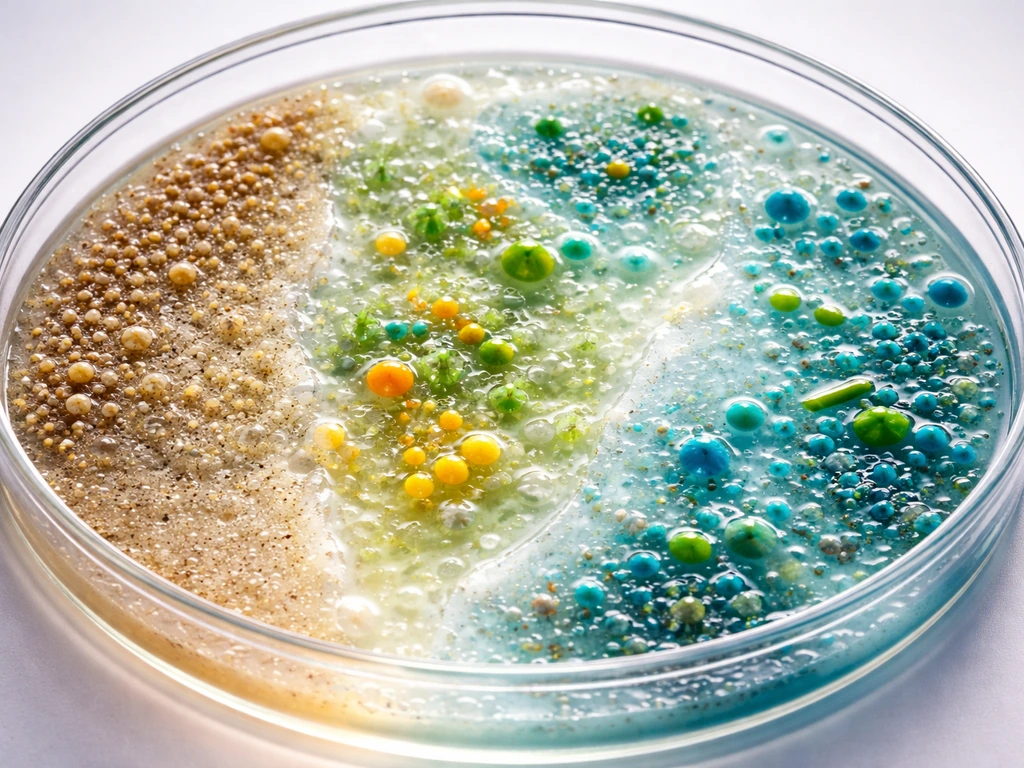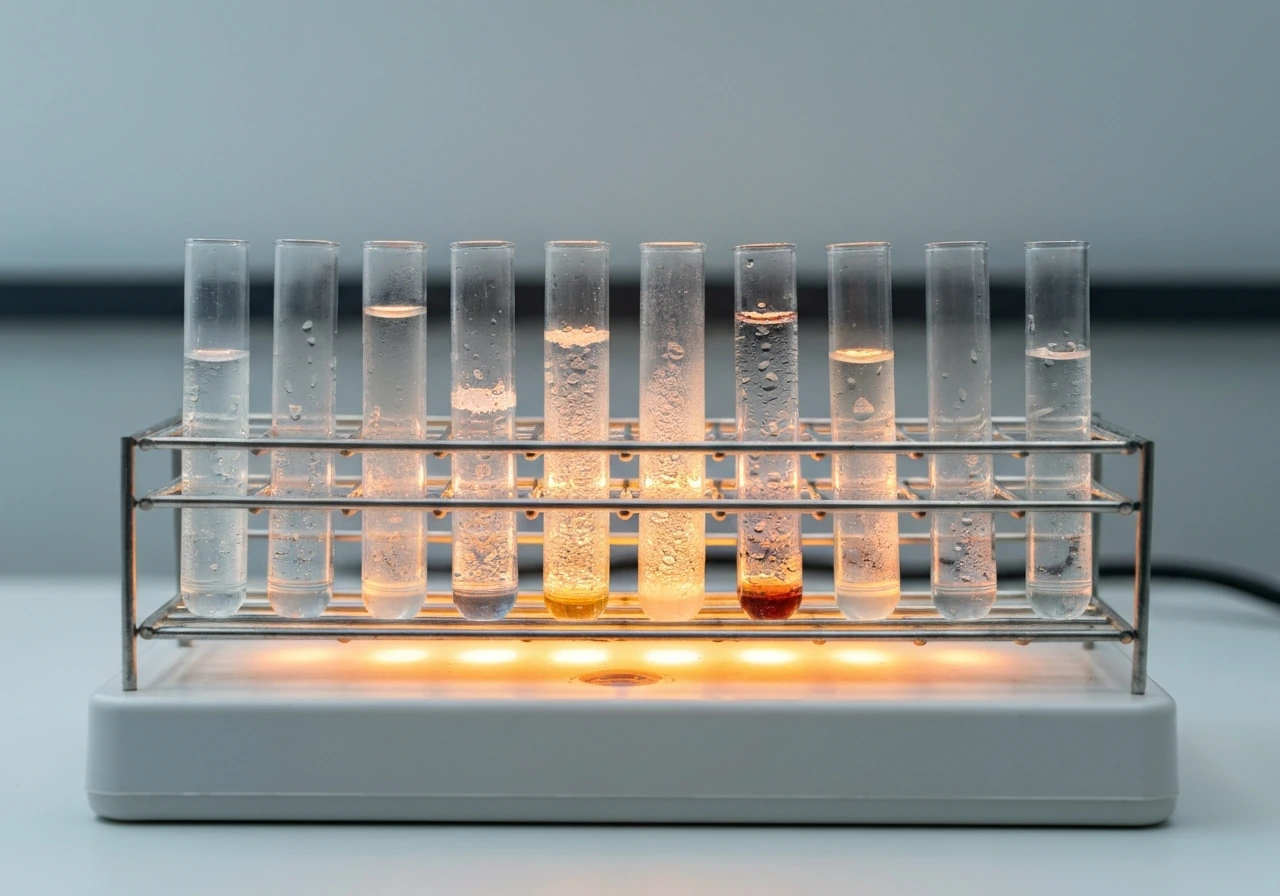
No, not all pathogens need oxygen to grow. Some absolutely require it, some are killed by it, some thrive whether oxygen is present or not, and some need just a tiny amount to survive. Oxygen availability is one variable in a much bigger equation, and understanding how pathogens differ in their oxygen needs is one of the most useful conceptual tools you can have in microbiology. Different bacteria also differ in whether they require oxygen to grow, whether oxygen kills them, or whether they can grow in both conditions do bacteria require oxygen to grow.
Do All Pathogens Need Oxygen to Grow? The Real Answer

Marcus Holloway
26 Apr 2026

The four oxygen categories every microbiology student should know
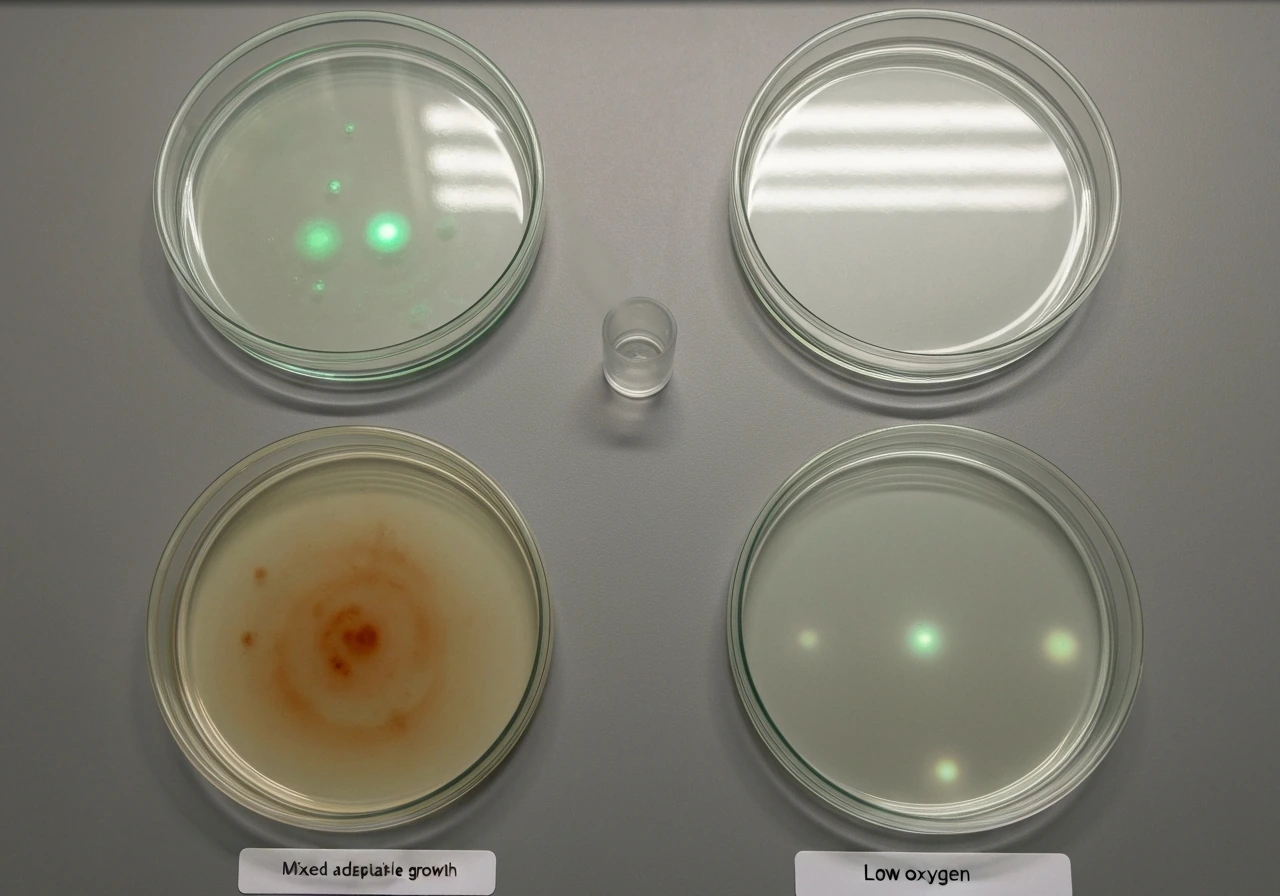
Microbiologists classify organisms by how they respond to oxygen, and there are four main groups you need to understand. Each one reflects a fundamentally different metabolic strategy, not just a preference.
- Obligate aerobes: These organisms must have oxygen to grow. They use it as the final electron acceptor in aerobic respiration, and without it their metabolism essentially stalls. They will only grow where oxygen is accessible.
- Obligate anaerobes: These organisms cannot perform aerobic metabolism and are variably tolerant of oxygen exposure. Many lack the enzymatic defenses (like superoxide dismutase) needed to neutralize reactive oxygen species, so oxygen is toxic rather than just unhelpful. They thrive only in environments with low oxidation-reduction potential, like deep wounds, necrotic tissue, or the gut lumen.
- Facultative anaerobes: These are the versatile ones. They can grow in the presence or absence of oxygen, switching metabolic strategies depending on what's available. Given a choice, many prefer aerobic conditions because it yields more energy, but they manage just fine without it.
- Microaerophiles: These organisms require oxygen but at concentrations well below atmospheric levels, typically around 2–10% O2. Normal air (about 21% O2) is actually toxic or severely inhibitory to them, and fully anaerobic conditions are also too hostile. They occupy a narrow oxygen sweet spot.
That range from 'needs lots of oxygen' to 'oxygen will kill it' tells you right away that oxygen can't be treated as a simple on/off switch for controlling microbial growth.
Which pathogens fall into which category
Putting real pathogen names to these categories makes everything much more concrete. Here's how some well-known pathogens map onto the oxygen classification system.
| Pathogen | Oxygen Category | Key Oxygen Requirement | Relevant Context |
|---|---|---|---|
| Mycobacterium tuberculosis | Obligate aerobe | Requires atmospheric O2 to grow | Preferentially infects the oxygen-rich upper lung lobes |
| Clostridium botulinum | Obligate anaerobe | Grows only in low/no-oxygen environments | Vacuum-packaged foods, improperly canned goods, wounds |
| Clostridioides difficile | Obligate anaerobe | Grows in hypoxic gut conditions; spores survive O2 exposure | Gut infection after antibiotic disruption; spores are environmentally resilient |
| Bacteroides fragilis | Obligate anaerobe (aerotolerant) | Cannot proliferate in O2 but can survive exposure longer than most anaerobes | Intra-abdominal infections; has catalase and superoxide dismutase defenses |
| Campylobacter jejuni | Microaerophile | Requires ~3–15% O2; inhibited by normal atmospheric levels | Leading cause of food-borne illness; poultry processing environments |
| Escherichia coli | Facultative anaerobe | Grows with or without oxygen | Gut pathogen; survives across highly varied environments |
| Staphylococcus aureus | Facultative anaerobe | Grows with or without oxygen | Skin, nasal passages, food surfaces, wounds |
Notice that the obligate anaerobes aren't all the same. Bacteroides fragilis has meaningful oxidative stress defenses including catalase and superoxide dismutase, which let it survive in oxygenated environments longer than organisms like C. difficile vegetative cells, which are far more sensitive to O2 exposure. The label 'obligate anaerobe' covers a spectrum of oxygen tolerance, not a single fixed behavior. The Merck Manual Professional Edition distinguishes obligate anaerobes as organisms that cannot use aerobic metabolism, though they may tolerate oxygen to varying degrees.
What actually happens to pathogens when oxygen disappears
This is where things get interesting, because 'no oxygen' doesn't automatically mean 'no pathogen.' Organisms respond to oxygen deprivation in different ways depending on their category and their tools.
Obligate aerobes stop growing but may survive briefly
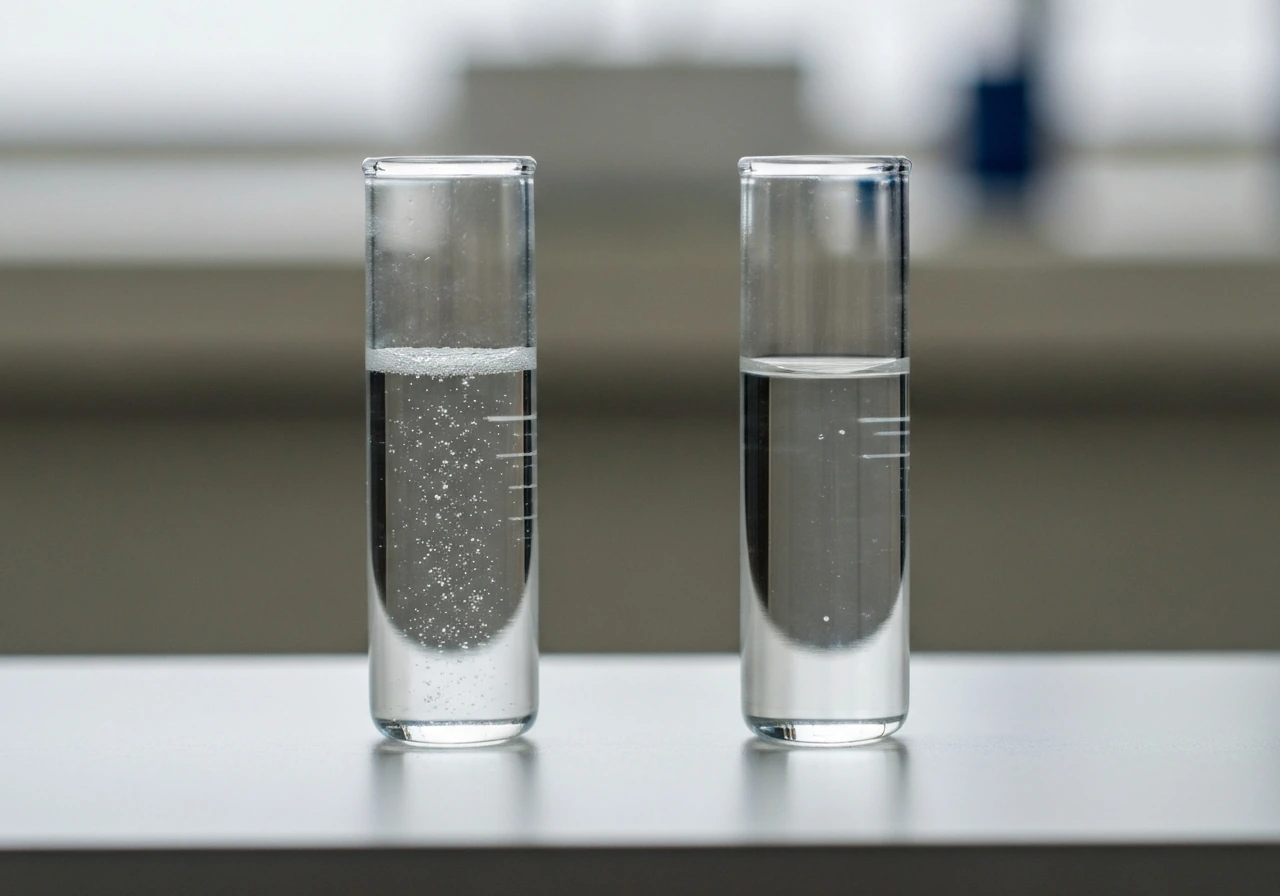
An obligate aerobe like M. tuberculosis simply cannot replicate without oxygen. Remove O2 and growth halts. The organism may remain viable for a period, but it isn't actively multiplying or producing toxins. This is useful to know from an infection-control perspective: oxygen-rich tissue is genuinely the environment this pathogen needs.
Facultative anaerobes keep going, just differently
Facultative anaerobes like E. coli shift to fermentation or anaerobic respiration pathways when oxygen runs out. In practice, that question comes down to whether E. coli is behaving as a facultative anaerobe under the available oxygen conditions does E. coli grow better with or without oxygen. Growth may slow (anaerobic energy production is less efficient), but it doesn't stop. This is exactly why vacuum-packaged food doesn't automatically become safe from pathogens like E. coli just because you've removed the air.
Obligate anaerobes come alive in oxygen-poor environments
For obligate anaerobes, removing oxygen is what lets them grow in the first place. Many bacteria can grow without oxygen, especially obligate anaerobes that use oxygen-free metabolism grow in oxygen-poor environments. C. botulinum spores can persist in normal environments and then germinate and produce botulinum toxin once conditions become anaerobic, low-acid, and nutrient-available, as in vacuum-packaged or improperly home-canned food. C. difficile takes a similar approach: it forms metabolically dormant, oxygen-impervious spores that survive transit through oxygenated environments and germinate once they reach the hypoxic conditions of the gut. The vegetative cells that cause disease are sensitive to oxygen; the spores are not. That's a sophisticated survival strategy.
Microaerophiles need a narrow oxygen window
Campylobacter jejuni illustrates the microaerophile challenge well. It needs oxygen, but the concentration in normal air (21%) is inhibitory or toxic. A peer-reviewed PMC review notes that Campylobacter jejuni is microaerophilic and requires roughly 5, 10% oxygen to grow under microaerobic culture conditions Campylobacter jejuni is microaerophilic, requiring roughly 5–10% oxygen. In poultry processing environments, C. jejuni survives in biofilms and can enter a viable-but-non-culturable (VBNC) state when conditions get hostile, including under oxygen stress. It's not growing, but it hasn't necessarily died either. This makes it harder to eliminate than a simple aerobe or anaerobe.
Oxygen is just one piece of the growth puzzle
One of the biggest misconceptions in microbiology (and food safety) is treating individual growth factors as independent controls. They aren't. Temperature, pH, water activity (moisture), and nutrient availability all interact with oxygen requirements to determine whether a pathogen actually grows in a given environment.
| Growth Factor | How It Interacts with Oxygen Requirements | Practical Example |
|---|---|---|
| Temperature | Even anaerobes have optimal temperature ranges; cold slows C. botulinum growth even in anaerobic conditions | Refrigeration + oxygen removal together slow non-proteolytic C. botulinum better than either alone |
| pH | Low pH inhibits most pathogens regardless of oxygen status; pickling adds acid as an additional hurdle | Acidified canned tomatoes inhibit C. botulinum even if oxygen is absent |
| Water activity (moisture) | Drying limits growth of all oxygen categories; spore formers can survive desiccation but can't grow without available water | Dried meats resist anaerobic pathogens not just because of reduced moisture but often salt content too |
| Nutrient availability | All pathogens need usable carbon/nitrogen sources; nutrient-poor environments slow growth regardless of oxygen | Sterile broth with no nitrogen can be anaerobic but still won't support anaerobe growth long-term |
The CDPH's guidance on C. botulinum makes this point directly: it's low oxygen combined with low acid and low sugar that creates the real risk. Change any one of those variables and you reduce the threat. This is the 'hurdle concept' in food safety, and it applies across all pathogen types.
How to figure out a pathogen's oxygen needs in practice
In a lab setting, the classic tool for determining oxygen requirements is thioglycollate broth. The medium contains sodium thioglycolate as a reducing agent that consumes dissolved oxygen, and because oxygen diffuses from the surface down, a gradient forms along the length of the tube. Where an organism grows in that tube tells you its oxygen category: obligate aerobes grow at the top, obligate anaerobes at the bottom, facultative anaerobes throughout (often denser at the top), and microaerophiles form a band slightly below the surface where oxygen is low but present.
Beyond thioglycollate broth, a few other clues help narrow down oxygen classification in real lab work. A catalase test (adding hydrogen peroxide to a colony and watching for bubbling) tells you whether an organism can break down H2O2, a toxic byproduct of aerobic metabolism. Obligate anaerobes typically lack catalase or have very limited activity, while aerobes and facultative anaerobes usually test positive. Bacteroides fragilis is a notable exception among anaerobes because it does have catalase, which partly explains its aerotolerance.
Outside the lab, you can reason about oxygen needs from context clues: where in the body or environment does a pathogen typically cause infection? Deep wound infections, gut infections, and intra-abdominal abscesses are low-oxygen niches associated with anaerobes. Upper respiratory or lung infections often favor aerobes. Food-borne illness linked to vacuum packaging or canned goods points toward anaerobes or facultative anaerobes. The ecological niche gives you a strong first hint even before you run any tests.
- Check where growth occurs in thioglycollate broth: top, bottom, middle, or throughout
- Run a catalase test: bubbling with H2O2 suggests aerobic/facultative metabolism
- Consider the infection site or food environment: is it oxygen-rich or oxygen-poor by nature?
- Look at whether spore formation is involved: spore formers (like Clostridium species) often have oxygen-independent survival strategies
- Review whether the organism requires CO2 elevation (common in microaerophiles like Campylobacter) in culture
Why you can't just control oxygen and call it safe
If you take one practical lesson away from all of this, let it be this: oxygen control is a tool, not a solution by itself. Removing oxygen from a food package eliminates aerobic spoilage organisms and slows surface molds, but it creates an environment where anaerobic pathogens like C. botulinum can grow if temperature, pH, and water activity don't also stay in check. Vacuum packaging actually shifts microbial risk rather than eliminating it.
Similarly, you can't assume that exposing a surface to air kills all pathogens. Facultative anaerobes survive fine in oxygen. Aerotolerant anaerobes like B. fragilis handle short oxygen exposure. Microaerophiles like C. jejuni enter dormant states and can remain viable. And spore-forming obligate anaerobes like C. difficile laugh at ambient oxygen because their spores are specifically designed to survive it.
Effective hygiene and food safety require layered controls: the right temperature, appropriate pH, controlled water activity, and yes, managed oxygen levels too, along with physical disinfection and sanitation steps. No single environmental variable is a silver bullet, and oxygen is no exception. The more you understand the specific pathogen you're dealing with, the better you can stack the hurdles against it. Whether oxygen helps you or not is different from how insects handle oxygen, including whether they grow larger as oxygen availability changes do insects grow larger with more oxygen.
If you want to go deeper on specific organisms, exploring how bacteria differ individually in their oxygen use, or how fungi like mycelium handle oxygen, reveals just how diverse microbial strategies really are. If you are wondering whether mycelium needs oxygen to grow, the answer depends on the fungus and its growth conditions mycelium handle oxygen. That broader view makes the oxygen question much richer than a simple yes or no.
FAQ
If oxygen stops growth, does that mean a pathogen dies immediately?
No. “Oxygen need” is about the ability to generate energy and replicate, not about instant death. Some pathogens remain viable for a while under oxygen deprivation (especially spore-formers), so samples can still contain infectious organisms even if growth stops temporarily.
Can a pathogen’s oxygen category change depending on the lab setup?
Testing conditions can shift the apparent oxygen category. For example, an organism may look anaerobic in one medium but show aerotolerance in another because nutrients and reducing agents affect oxygen availability. It’s why oxygen tests are interpreted alongside medium chemistry and incubation conditions.
Does oxygen level in the real world act like a uniform on/off condition?
Yes, because oxygen is not evenly distributed in real tissues and foods. A gut lumen or deep wound can be hypoxic while the surface is oxygenated, allowing different phases of the same organism to persist or become active. So “average oxygen level” can be misleading.
Is vacuum packaging enough to prevent all dangerous pathogens?
Don’t rely on visible spoilage or “freshness” cues. Aerobic spoilage organisms can be reduced by vacuum packaging, yet anaerobic pathogens may still survive and later grow if temperature and acidity are not controlled. The absence of spoilage odors does not equal safety.
Can oxygen availability change how dangerous a pathogen is, even if it grows poorly?
Yes. Oxygen can affect not only growth rate but also virulence expression. A pathogen might grow slowly under oxygen stress but still produce toxins or other harmful factors depending on regulatory pathways and environmental cues.
Why doesn’t exposing something to air reliably eliminate spore-forming pathogens?
In many cases, spores are the key caveat. Spore-forming organisms can persist through oxygen exposure, then germinate when oxygen is low and other “hurdles” are met (temperature, pH, moisture, nutrients). This is why “aeration” alone usually doesn’t eliminate spore-formers.
How do temperature and pH interact with oxygen to affect growth?
Yes. Temperature and pH change dissolved oxygen dynamics and the organism’s metabolism at the same time. A pathogen that is inhibited by low oxygen at one pH might tolerate it at another, which is why food safety relies on combined hurdle controls rather than oxygen alone.
What’s a common mistake when testing oxygen requirements in mixed samples?
For anaerobe testing, you need to control oxygen exposure during handling, not just incubation. Even brief contact with air before inoculation can reduce recovery of oxygen-sensitive organisms or bias results toward more aerotolerant members of a mixed sample.
Is the catalase test enough to classify oxygen needs?
A negative catalase result suggests limited ability to detoxify oxidative stress, but it is not a complete identifier. Some anaerobes can be catalase positive, and enzyme expression can vary with conditions, so catalase is best treated as a narrowing tool, not a final answer.
If a pathogen is not growing on culture plates, does it mean it is gone?
Yes. Some bacteria enter a viable-but-non-culturable state under hostile conditions, meaning they may remain infectious even if they don’t grow on routine culture plates. Oxygen stress can contribute to VBNC behavior, complicating “no growth” interpretations.