Bacteria grow best on surfaces that stay moist, carry nutrient residue, and sit in warm temperatures, think your kitchen sponge, a wooden cutting board, bathroom grout, and the screen of your phone. But the honest answer is a little more nuanced than a simple list: 'best' depends on the specific bacterium, and the surface itself is only part of the story. What really matters is the combination of conditions that surface creates, how long it holds water, what organic material clings to it, how warm it stays, and whether it has tiny grooves or pores where bacteria can hide from cleaning. Once you understand those conditions, you can look at any surface in your home and immediately know whether it's a high-risk spot.
What Surfaces Do Bacteria Grow Best On and Why

Marcus Holloway
25 Jun 2026
Why surface type matters: porous vs non-porous
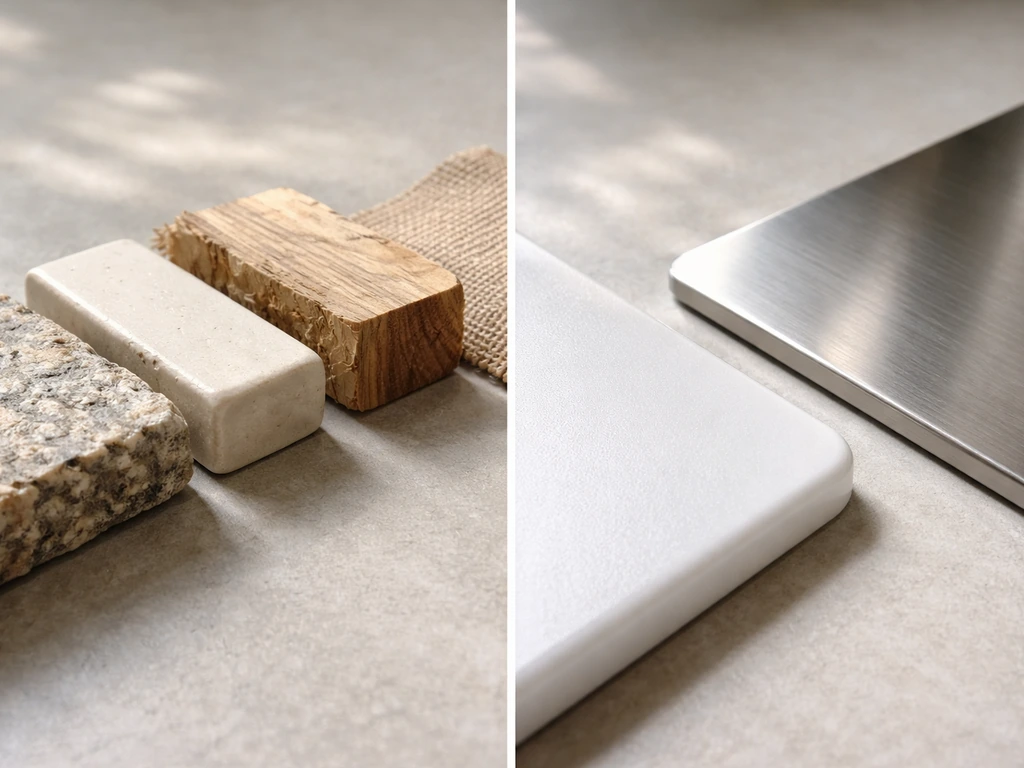
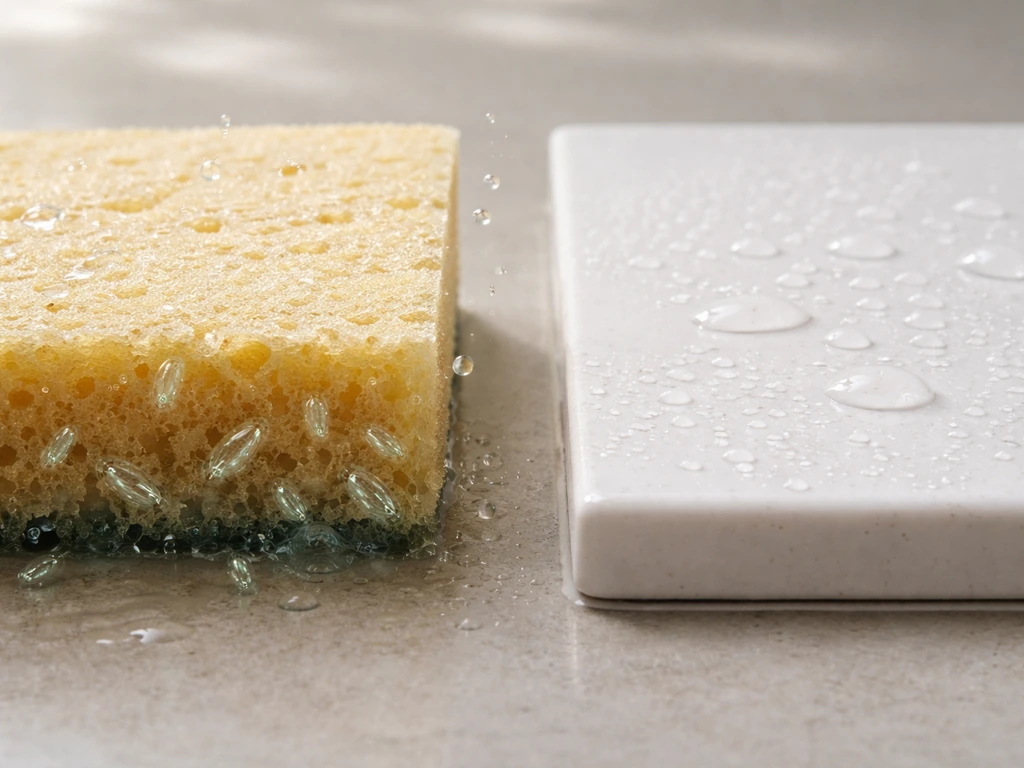
The single most important surface characteristic for bacterial growth is porosity. Porous surfaces, wood, fabric, grout, sponges, unglazed ceramic, and natural stone, have microscopic channels, pits, and fibers that trap moisture and organic matter. Bacteria don't just sit on top of these surfaces; they work their way into the structure, where cleaning products can't always reach them. A wooden cutting board, for example, can draw bacteria down into the grain when meat juices are pressed into it during chopping.
Non-porous surfaces like stainless steel, glass, sealed countertops, and glazed ceramic are much easier to clean because bacteria can't burrow in. They still support bacterial growth when they're wet and dirty, but a proper wipe-down can actually reach and remove the organisms.
Plastic cutting boards sit in an interesting middle ground. New plastic is technically non-porous, but after repeated use, knife marks create micro-grooves that function just like pores, trapping food particles and bacteria in channels that a sponge can't scrub out. This is why both wooden and heavily scored plastic boards are considered higher risk than smooth, hard surfaces in food-safety contexts. The takeaway: porosity creates persistent microenvironments, and that changes everything about how a surface supports bacterial life.
Moisture and water activity: which surfaces stay wet enough
Bacteria need water to grow. The danger zone for bacteria to grow is essentially where water activity stays high enough and moisture remains available. More precisely, they need what microbiologists call 'water activity' (aw), a measure of how much freely available water is in a material, on a scale from 0 to 1. Most pathogenic bacteria need a water activity above 0.91 to grow, and many prefer 0.97 or higher. On a practical level, this means any surface that stays visibly or persistently damp is a growth-friendly environment.
Kitchen sponges are probably the single highest-risk item in most homes by this measure. A sponge holds enormous amounts of water in its structure, never fully dries out between uses, and constantly picks up food residue. Grout lines in the shower stay wet after every use. Shower curtains, especially fabric or vinyl ones, collect water droplets and don't dry quickly. Under-sink areas with slow drips, refrigerator drip pans, and condensation zones around windows also maintain moisture long enough to allow significant bacterial colonization. Conversely, a stainless steel countertop that gets wiped dry after use drops its water activity rapidly and becomes much less hospitable, drying out is one of the most effective passive defenses against growth.
Nutrients and residue: food, body oils, soap scum, and grime
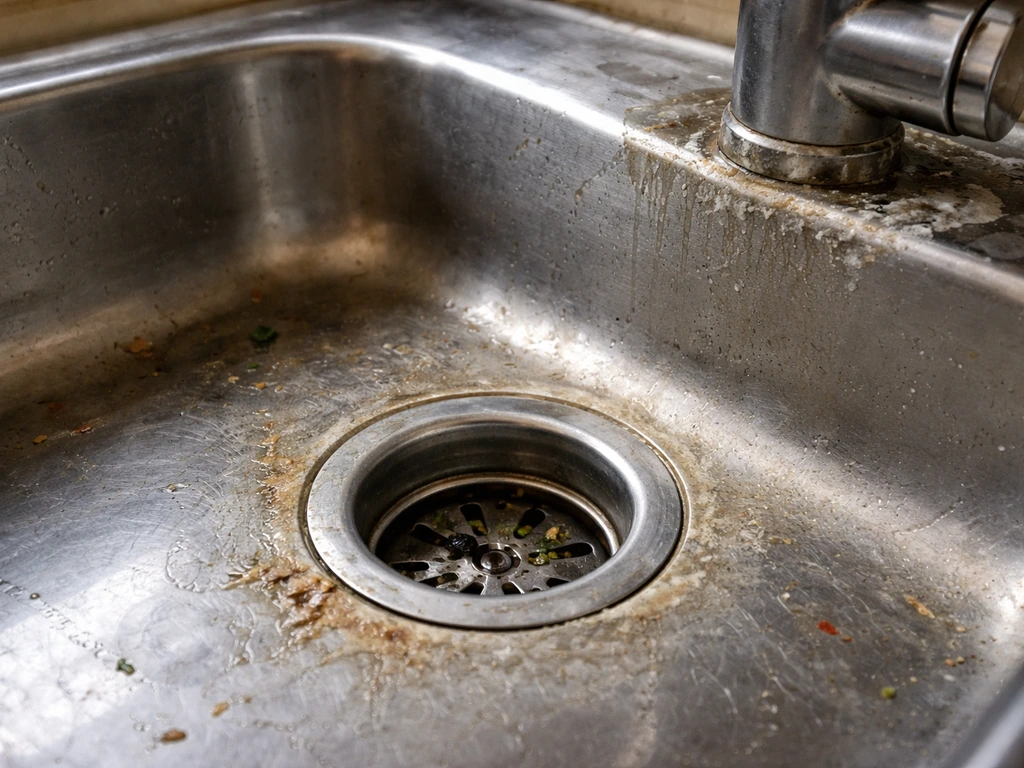
Water alone isn't enough, bacteria also need a carbon and nitrogen source to build cell structures and fuel metabolism. In a home environment, those nutrients come from food residue (proteins, fats, sugars), body oils and skin cells on hand-contact surfaces, soap scum (which still contains organic compounds), and general grime that accumulates on floors and walls. Surfaces that regularly receive these inputs without thorough cleaning become excellent growth media.
Your kitchen sink is a perfect example. It receives food scraps, proteins from raw meat, fats from cooking, and warm water dozens of times a day. The drain rim and faucet base accumulate a slick biofilm (more on that shortly) that is rich in nutrients. Bathroom sinks accumulate soap residue, toothpaste, and shed skin cells. Your phone screen and TV remote have a surprisingly nutritious coating of skin oils, dead skin cells, and occasional food transfer every time you handle them after eating. Even a doorknob carries hand oils and moisture from dozens of touches per day, creating a low-level but real nutrient film.
This is also why simply spraying a disinfectant on a dirty surface often doesn't work as well as expected. The organic load, that layer of grime, grease, or food residue, physically shields bacteria from the disinfectant and can chemically neutralize it. The CDC explicitly recommends cleaning with soap and water first, before applying any sanitizer or disinfectant, for exactly this reason. Removing the nutrient residue is step one, and it does double duty: it strips away the food supply for bacteria and lets the disinfectant actually reach them.
Temperature and pH on common household surfaces
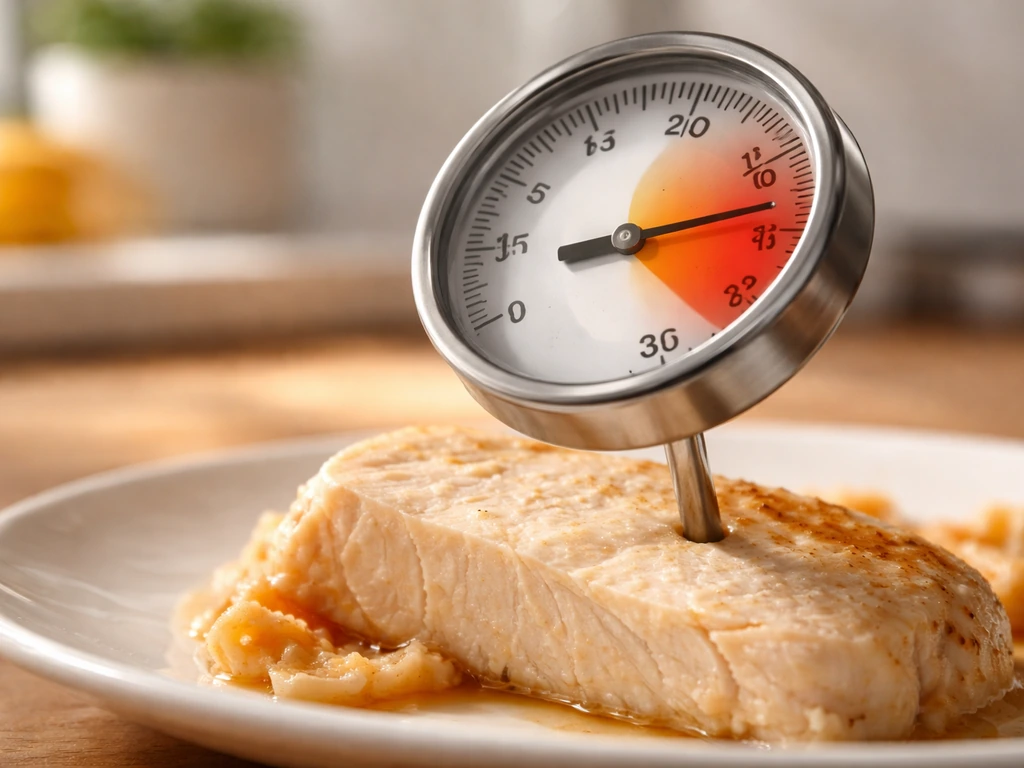
Most disease-causing bacteria are mesophiles, meaning they grow fastest between about 20°C and 45°C (68°F to 113°F). Room temperature is comfortably within that range, which is why leaving contaminated surfaces at standard indoor temperatures allows bacteria to multiply steadily. Surfaces near heat sources, the warm underside of a laptop, areas near stoves, or the inside of a closed cabinet above the refrigerator, can actually be warmer than ambient room temperature and may accelerate growth if moisture and nutrients are also present.
pH matters too, though it's less variable across household surfaces than temperature. Most common surfaces (sealed countertops, plastic, metal) are near neutral pH, which suits most bacteria fine. Soap scum creates a slightly alkaline microenvironment that some bacteria actually prefer. Bathroom surfaces after cleaning with acidic cleaners (like vinegar-based products) temporarily shift the pH to a range that's less hospitable, but this effect fades quickly as surfaces are rinsed or dried. The most stable pH control comes from choosing the right cleaning product for the material, acidic cleaners for mineral buildup, alkaline cleaners for fats and proteins, because a cleaner that works chemically on the soil leaves less organic residue for bacteria to feed on later.
It's also worth noting that bacterial growth on surfaces connects to the broader question of what conditions bacteria need in general. These factors, including moisture, temperature, and nutrients, are the best conditions for bacteria to grow on many household surfaces. The same principles that govern growth in food or in the human body apply on surfaces: temperature, pH, moisture, and nutrients are always working together, not in isolation.
Oxygen and microenvironments: biofilms and hidden niches
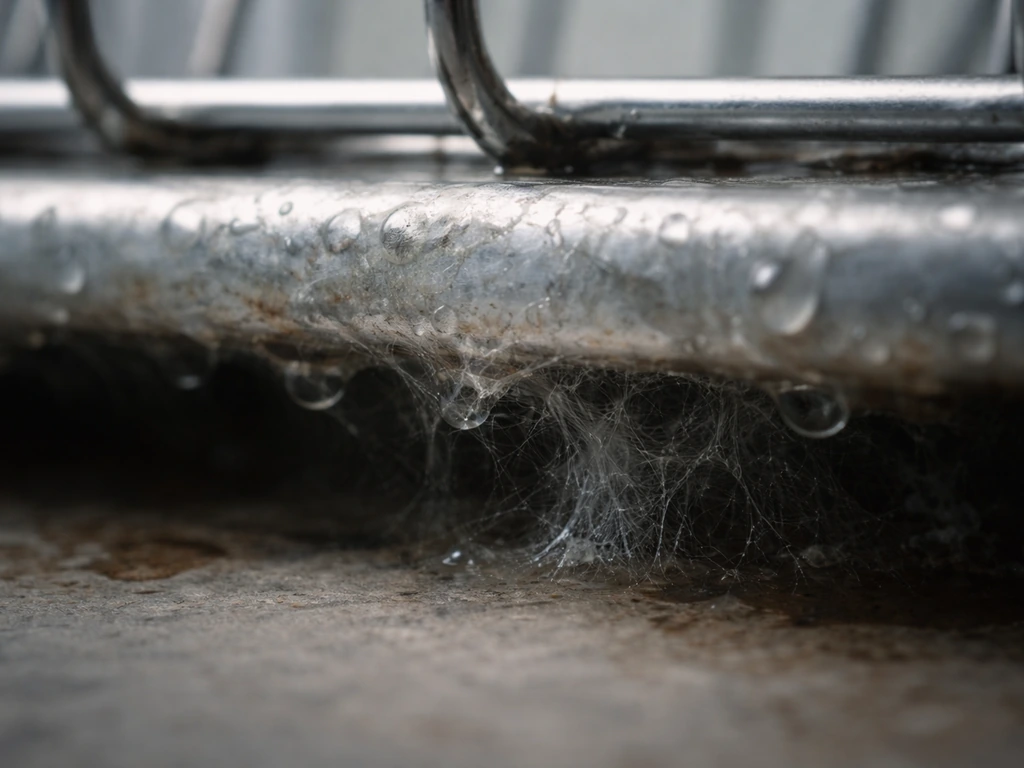
Most of the bacteria you're trying to prevent on home surfaces are aerobic, they need oxygen and grow on exposed surfaces. But here's where things get interesting: many surfaces create what microbiologists call microenvironments, tiny zones with conditions very different from the surface's surroundings. Grout lines, the underside of a toilet rim, the seal of a refrigerator door, the interior of a drain trap, and the threads of a faucet aerator all create sheltered, often anaerobic (low-oxygen) conditions that support different bacterial communities than open surfaces.
The most important microenvironment concept for home surfaces is the biofilm. A biofilm is a structured community of bacteria enclosed in a self-produced matrix of polysaccharides, proteins, and other compounds, essentially, bacteria that have cemented themselves to a surface and to each other. Biofilms form on drain interiors, showerheads, the base of soap dispensers, toilet rims, and anywhere there is persistent moisture and organic matter. Once established, a biofilm is dramatically harder to remove than free-floating bacteria: the matrix physically blocks disinfectants, and the bacteria inside can be up to 1,000 times more resistant to antimicrobial agents than the same species in free-floating form. This is why mechanical scrubbing, physically breaking up the biofilm, is so critical before disinfection.
High-risk home areas: a practical checklist
Kitchen
- Kitchen sponge: highest bacterial load of virtually any household item; holds moisture, traps food, rarely dries fully
- Sink drain rim and faucet base: constant moisture, food residue, and biofilm formation
- Cutting boards (especially wooden or scored plastic): porous or grooved surfaces trap proteins from raw meat and produce
- Refrigerator drip pan and door seal gaskets: cool, damp, and rarely cleaned — ideal for slow-growing cold-tolerant bacteria
- Dish towels: stay damp and absorb food and hand residue across multiple uses before washing
Bathroom
- Toilet rim underside and rim jets: flushing aerosolizes bacteria; rim jets stay moist and are rarely scrubbed
- Shower grout and caulk: persistently wet, porous, and accumulates soap residue and skin cells
- Shower curtain (especially fabric or non-mold-resistant vinyl): slow to dry, accumulates soap scum and skin debris
- Bathroom sink drain and overflow hole: warm, constantly wet, often full of toothpaste and soap residue
- Hand towels: high-contact, stay moist, and pick up skin flora with every use
High-touch and electronics
- Smartphone screens: warm from use, covered in skin oil, touched hundreds of times daily — often by hands that have touched food, faces, or other surfaces
- TV remote and game controllers: textured surfaces trap grime in button crevices; rarely cleaned
- Doorknobs and light switches: high-contact and coated in hand oils, but typically non-porous and dry — risk is moderate but they act as transfer points
- Keyboard and mouse: warm, textured, and accumulate food crumbs and skin cells in hard-to-clean crevices
How to actually prevent bacterial growth on surfaces
Understanding why bacteria grow on certain surfaces translates directly into a logical cleaning approach. The goal isn't just to kill bacteria, it's to remove the conditions that let them establish and multiply in the first place. Here's how to think about it systematically.
Clean before you disinfect
Always remove physical soil before applying a disinfectant. Soap and water (or an appropriate detergent) break up the organic load, fats, proteins, grime, that shields bacteria and inactivates disinfectants. This isn't optional; it's a fundamental step. A surface that looks clean may still have a thin film of grease or residue that will dramatically reduce disinfectant effectiveness. Scrub visibly soiled areas, then rinse, then apply your disinfectant.
Respect dwell time, and actually let surfaces stay wet
This is probably the most commonly skipped step in home disinfection. Disinfectants need time to kill bacteria, this is called contact time or dwell time, and it varies by product and target pathogen. If a product label states a 10-minute contact time, the surface needs to stay visibly wet for a full 10 minutes. Spraying and immediately wiping off gives you a fraction of the kill. The EPA is clear on this: the surface must remain wet for the full listed contact time. Most people spray and wipe in under 30 seconds, which is fine for cleaning but not for meaningful disinfection. Check your product label, apply enough product to keep the surface wet, and set a timer.
Target the high-risk spots with the right tool
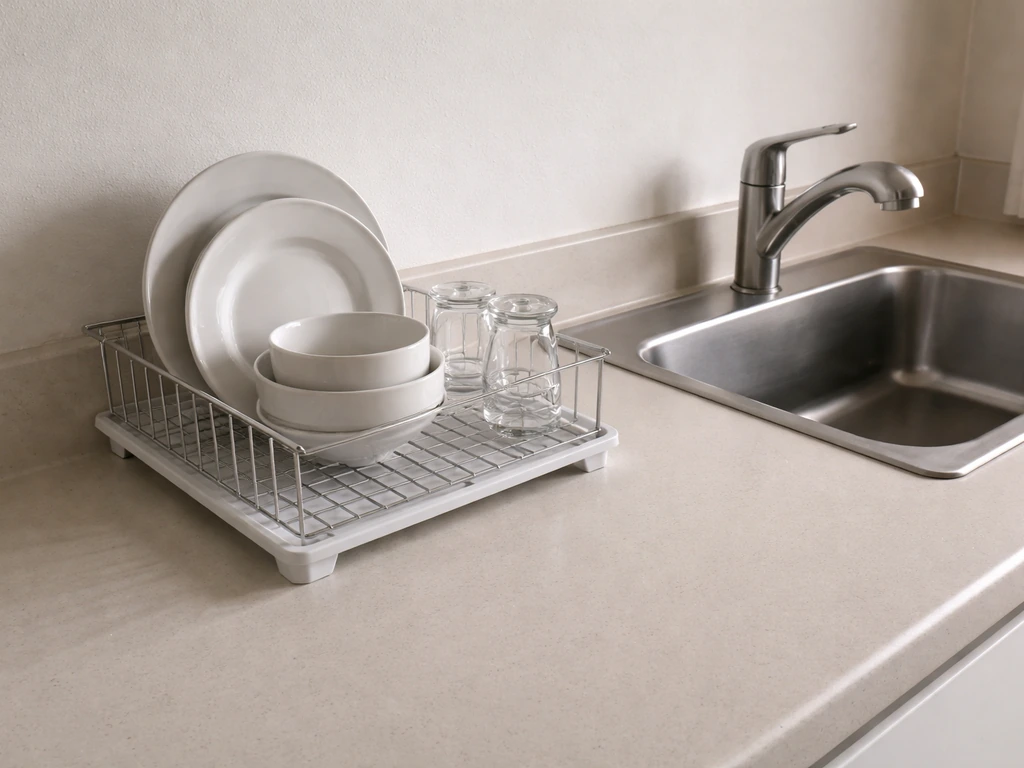
Flat, non-porous surfaces respond well to standard disinfectant wipes or sprays. Porous surfaces need a different approach: mechanical scrubbing to physically dislodge bacteria from pores and grooves, followed by the appropriate disinfectant or sanitizer for that material. Grout needs a brush, not just a spray. Cutting boards benefit from scrubbing with a stiff brush rather than just wiping. Biofilm-prone areas like drain rims and toilet jets need physical scrubbing to break up the matrix before any disinfectant can reach the bacteria inside.
Dry surfaces are your passive defense
After cleaning, drying is not cosmetic, it's microbiology. Without moisture, bacterial growth halts. Wiping surfaces dry after cleaning, hanging dish towels and sponges to air dry between uses, running a bathroom fan after showering, and replacing or rotating sponges frequently are all simple interventions that exploit bacteria's dependence on water. A stainless steel sink that's wiped dry after use is a fundamentally different environment than the same sink left wet, the second one begins recolonizing almost immediately.
Practical surface-by-surface quick reference
| Surface | Primary Risk Factor | Key Action |
|---|---|---|
| Kitchen sponge | Persistent moisture + food residue | Microwave damp sponge for 1-2 min daily; replace weekly |
| Wooden cutting board | Porous grain traps proteins | Scrub with hot soapy water; sanitize with dilute bleach solution; dry upright |
| Plastic cutting board (scored) | Knife grooves act as pores | Scrub thoroughly; discard and replace when heavily grooved |
| Kitchen sink and drain rim | Biofilm, food residue, constant moisture | Scrub rim with brush; disinfect with appropriate product after cleaning |
| Shower grout | Persistent wetness + skin/soap residue | Brush scrub + mold-and-mildew cleaner; run fan after showers |
| Toilet rim (underside) | Moisture + aerosolized contamination | Brush under rim jets regularly; close lid before flushing |
| Smartphone screen | Skin oil + warmth + high contact | Wipe with 70% isopropyl alcohol wipe; avoid moisture near ports |
| Remote/keyboard | Crevices trap grime + frequent contact | Compressed air + disinfectant wipe on exterior; avoid excess liquid |
| Dish towels and hand towels | Moisture + organic transfer | Wash every 1-2 days; hang separately to dry fully between uses |
| Refrigerator drip pan | Persistent moisture, rarely cleaned | Clean and disinfect every 3-6 months; check for standing water |
A note on 'natural' cleaners
Vinegar, baking soda, and essential oils are popular home cleaning choices, and some have genuine antimicrobial properties in the right concentration and contact conditions. But here's the realistic picture: most natural cleaners work as cleaners (removing soil and residue) rather than true disinfectants at the concentrations typically used at home.
Vinegar's acetic acid does have antimicrobial effects, but it's not registered as a disinfectant against the most serious pathogens, and its effectiveness varies greatly depending on contact time, concentration, and the surface soil load. The most important step, removing nutrient residue and moisture, actually benefits from any good cleaning agent, natural or conventional. If your goal is disinfection of genuinely high-risk surfaces (cutting boards after raw meat, toilet surfaces), use an EPA-registered disinfectant and follow the label's contact time instructions.
For day-to-day maintenance cleaning, a good soap-and-water scrub combined with drying does most of the real work.
FAQ
What surfaces should I treat as highest-risk for bacteria in my home?
Focus on spots that combine moisture, nutrient residue, and sheltered micro-gaps, like kitchen sink drain rims, faucet aerators, shower grout, sponges, and the underside of items that stay damp (toilet rim area, fridge door seals, condensation-prone window ledges). These are the areas most likely to support biofilms and repeated recolonization.
Do bacteria grow on smooth surfaces like stainless steel just as well as on wood or grout?
They can grow when the surface stays wet and dirty, but smooth non-porous materials generally release water and allow cleaning agents to reach organisms. The biggest practical difference is that wiping and drying can quickly drop water activity, while porous surfaces trap moisture and residues in tiny channels.
Is a “clean-looking” surface enough if I only wipe, not scrub?
Often no, especially on porous or textured areas (grout, scored plastic, faucet bases, drain edges). A thin film of grease or soap scum can remain even when the area looks spotless, shielding bacteria from disinfectants and providing nutrients, so mechanical agitation (scrub/brush) matters.
How long does disinfectant actually need to stay wet to work?
Follow the product’s dwell or contact time, for many products it is around 10 minutes, and the surface must remain visibly wet for that entire period. If you spray and immediately wipe, you are mainly cleaning rather than disinfecting, so set a timer and reapply if the surface dries early.
What is the best approach for disinfecting plastic cutting boards with knife marks?
Use stiff scrubbing to physically break up micro-grooves and remove food residue, then disinfect if the board was used for higher-risk tasks like raw meat. If the board is heavily scored and smells persistently, replacement is often more reliable than repeated attempts to disinfect deeply trapped residue.
Can I rely on vinegar or baking soda for disinfection on high-risk surfaces?
For everyday cleaning, they can help remove residue, but they are not consistently reliable as true disinfectants on the most serious pathogens at typical household concentrations. If you are disinfecting after raw meat handling or on toilet areas, use an EPA-registered disinfectant and keep to the label contact time.
Why do bacteria seem to come back quickly around drains and toilet rims?
Because biofilms and microenvironment pockets form inside drains, toilet jets, and aerators, and biofilm bacteria can be far more resistant than free-floating ones. Break up the matrix with scrubbing first, then disinfect, and consider targeting the exact sheltered parts (rim, jets, aerator threads, drain trap areas).
Should I avoid using disinfectant on dirty surfaces before cleaning?
Yes. Disinfectant sprayed onto heavy soil can underperform because organic material shields microbes and can chemically reduce effectiveness. Clean first with soap or detergent, then apply disinfectant, ideally after rinsing or wiping to remove the nutrient residue layer.
Do bacteria grow faster on warm electronics and near appliances?
They can, because many household bacteria grow best in moderate warmth, and warm areas near stove surfaces, laptop undersides, or enclosed cabinets can raise local temperatures. If those areas stay moist or collect skin oils and food residue, growth risk increases, so drying and regular cleaning of touchpoints is key.
How can I reduce bacterial growth without using disinfectants every day?
Use a “clean then dry” routine. Wipe wet surfaces dry, hang towels to fully air dry, and rotate or replace high-water-holding items like sponges on a schedule. Drying interrupts bacterial water availability and prevents the microenvironments that enable persistent growth.