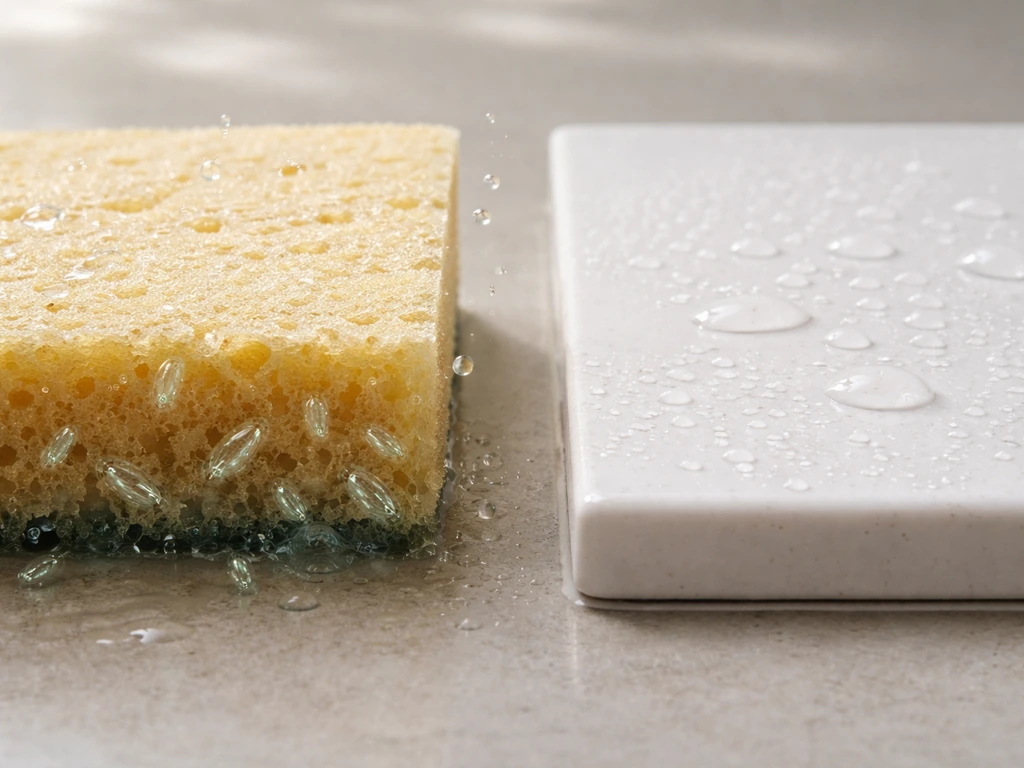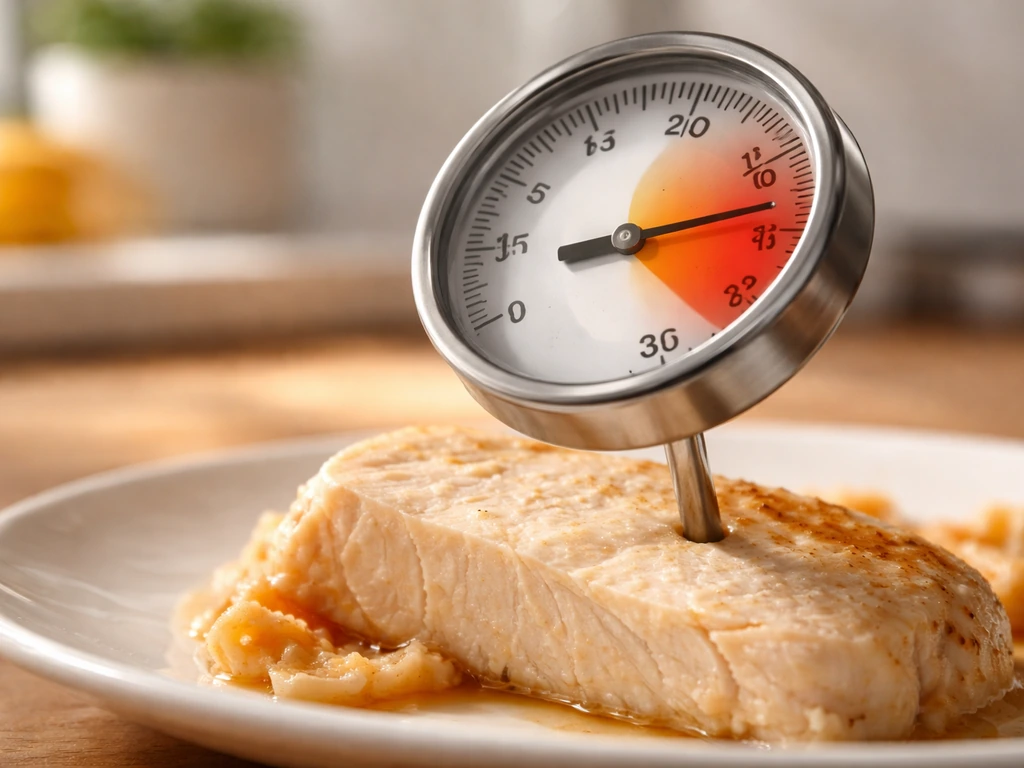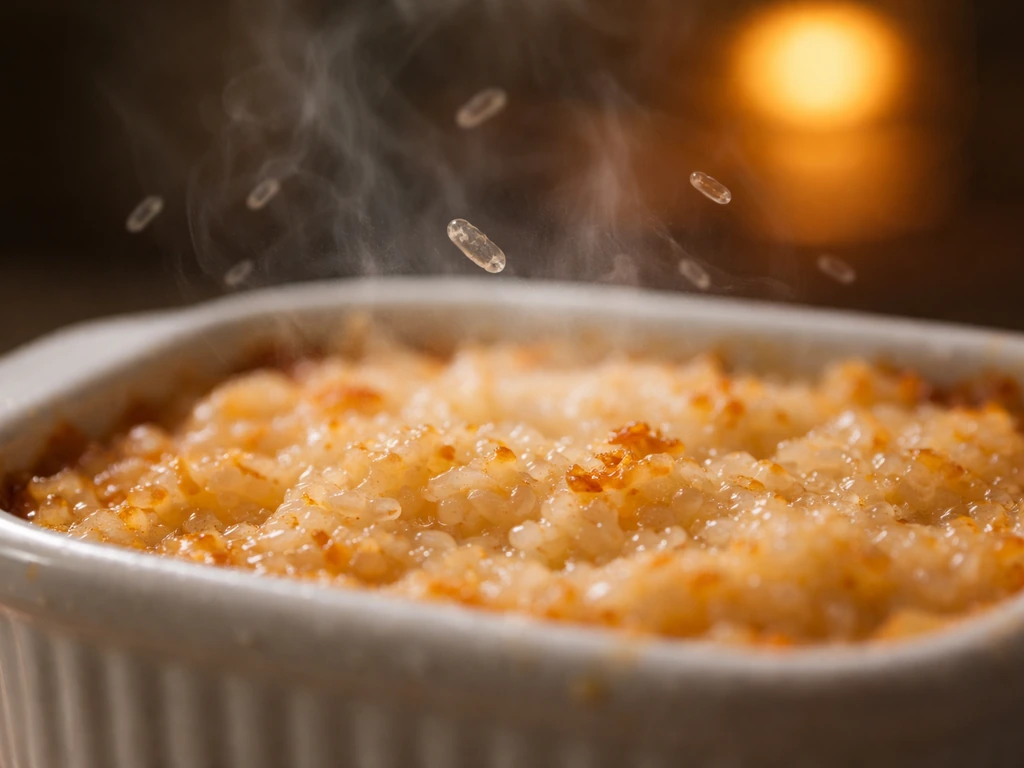
Bacteria grow best when they have warm temperatures (roughly 98–113°F / 37–45°C for most human pathogens), a near-neutral pH around 6. That’s also why bacteria grow best in warm dry food warm temperatures. 5–7.5, plenty of available moisture, accessible nutrients like sugars and proteins, and enough oxygen for those species that need it. Nail all those conditions at once and a single bacterium can become millions in just a few hours. The good news is that disrupting even one of those factors is usually enough to slow or stop growth entirely.
Best Conditions for Bacteria to Grow: Key Factors and Controls

Marcus Holloway
1 Jul 2026
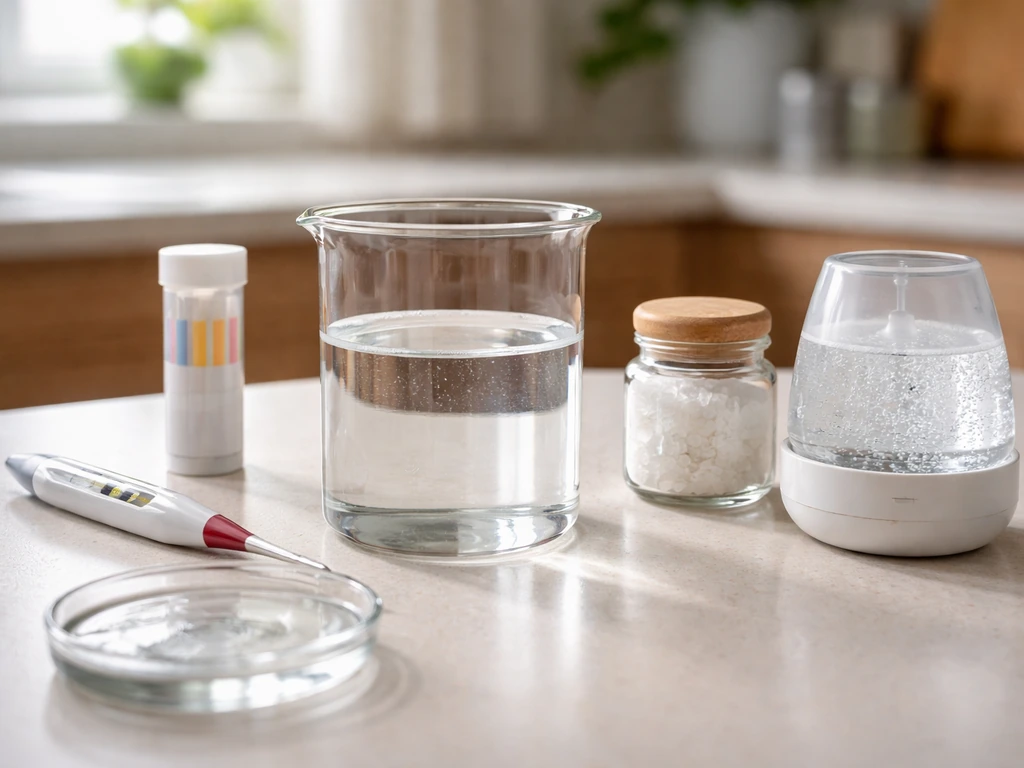
What 'best conditions' really means for bacteria
Here's the thing people often get wrong: there is no single universal 'best' condition that applies to all bacteria. What's ideal for Salmonella in a warm kitchen is lethal for Clostridium botulinum spores trying to germinate in an acidic pickle jar. When scientists talk about optimal growth conditions, they mean the conditions that produce the fastest doubling time for a specific species. That said, the vast majority of bacteria you'll encounter in everyday life, especially the ones that matter for food safety and human health, share a pretty consistent set of preferred conditions. Think of the rules below as the defaults that apply to most heterotrophic bacteria (organisms that eat organic compounds rather than making their own food), with the understanding that specialist groups like extreme acidophiles or thermophiles play by different rules.
It also helps to understand that 'growth' means something specific in microbiology: it refers to an increase in cell numbers through binary fission (one cell splitting into two), not just survival. A bacterium can be alive, dormant, and waiting for conditions to improve without actively multiplying. That distinction matters a lot when thinking about food safety and hygiene, because your goal is usually to prevent growth, not just to avoid killing every single cell.
Temperature: the factor that matters most in everyday life
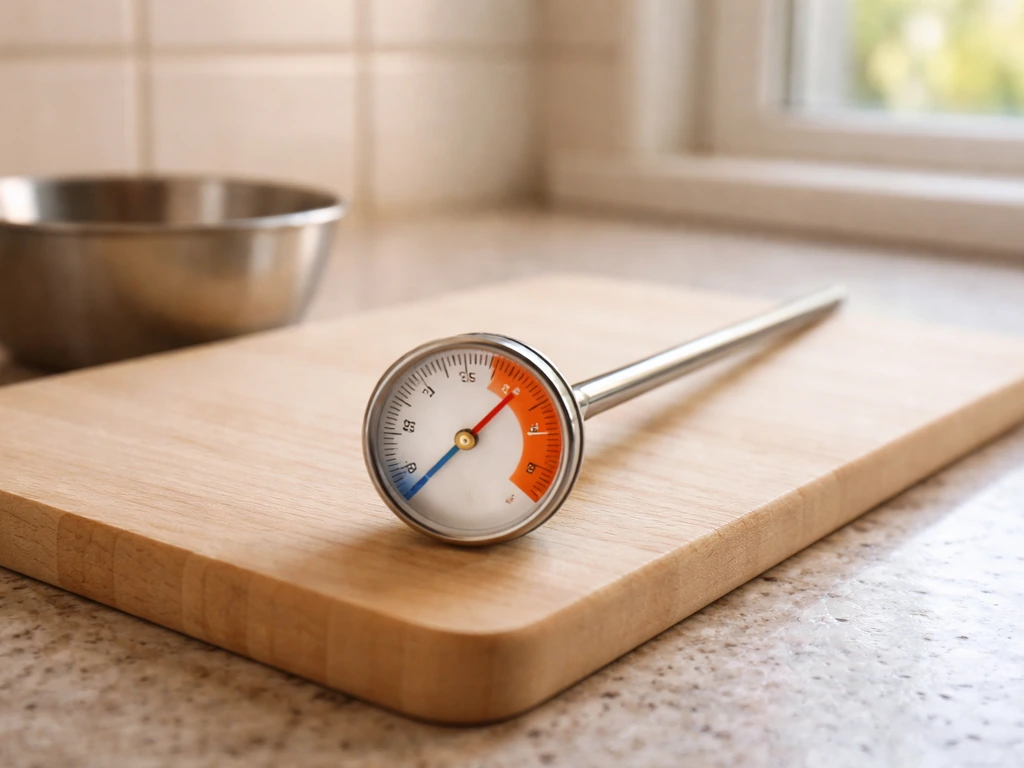
Temperature has a bigger practical impact on bacterial growth rate than almost anything else, which is why it's the first lever food safety systems pull. Most pathogenic bacteria, the ones capable of making people sick, grow fastest between about 98°F and 113°F (37–45°C). In general, bacteria grow best on nutrient-rich surfaces and foods, especially when temperature, moisture, pH, and oxygen line up where does bacteria grow best. That range is no coincidence: it overlaps almost perfectly with human body temperature, which is why our bodies are such comfortable environments for pathogens.
For real-world food safety, the FDA defines the 'danger zone' as 40°F to 140°F (4°C to 60°C). Keeping bacteria out of the danger zone by controlling time and temperature helps prevent rapid growth and foodborne illness danger zone for bacteria to grow. Inside that range, bacteria can double in number as quickly as every 20 minutes under ideal conditions. The CDC recommends refrigerating perishable food within 2 hours of cooking or serving, or within 1 hour if the ambient temperature is at or above 90°F (about 32°C), such as at an outdoor event on a hot day. A Reddit r/foodsafety discussion similarly emphasizes that TCS leftovers should not be left out long enough to accumulate beyond about 2 hours in the danger zone blank" rel="noopener noreferrer">within 2 hours of cooking or serving. At refrigerator temperatures (40°F / 4°C or below), most pathogens either stop growing or grow so slowly the risk drops dramatically. Above 140°F (60°C), most vegetative bacterial cells (the actively growing, non-spore form) begin to die off.
Where students often get tripped up is assuming that refrigeration kills bacteria. It doesn't, it just stalls them. Pull that food back out into room temperature, and growth resumes right where it left off. That cumulative time in the danger zone is what matters, not just the most recent stretch.
| Temperature Group | Range | Typical Examples |
|---|---|---|
| Psychrophiles (cold-loving) | Below 20°C / 68°F optimum | Some Listeria strains, Pseudomonas in refrigerators |
| Mesophiles (moderate, most common) | 20–45°C / 68–113°F optimum | E. coli, Salmonella, Staphylococcus, most pathogens |
| Thermophiles (heat-loving) | 45–80°C / 113–176°F optimum | Bacillus stearothermophilus, some food spoilage organisms |
| Hyperthermophiles (extreme heat) | Above 80°C / 176°F optimum | Archaea like Pyrolobus; not relevant to food safety |
pH: how acidity and alkalinity shut growth down
Most bacteria prefer a pH close to neutral, somewhere between 6.5 and 7.5 on the 0–14 scale. At neutral pH, enzyme systems work efficiently and the bacterial cell membrane stays stable. Stray too far in either direction and you start disrupting those systems.
Acidity is the more practically useful lever. The FDA and WHO both point to pH 4.6 as a critical threshold: Clostridium botulinum, the bacterium responsible for botulism toxin, will not grow and will not produce toxin in foods with a pH at or below 4.6. That's exactly why properly acidified foods like pickles and well-made hot sauces are shelf-stable without refrigeration. The FDA defines acidified foods as those with a finished equilibrium pH of 4.6 or less, and that single number drives an enormous amount of food preservation science.
There are exceptions worth knowing. Extreme acidophiles, bacteria adapted to volcanic springs and acid mine drainage, can maintain an internal (cytoplasmic) pH around 6.0 even while living in external environments at pH 1.0 to 3.0. They achieve this through specialized membrane pumps. But these organisms are not human pathogens and are not the ones you'll find on a cutting board. For the bacteria that matter in everyday hygiene and food safety, keeping pH at or below 4.6 is a reliable growth barrier.
High alkalinity (pH above 9 or 10) also inhibits most bacteria, but it's harder to apply as a practical food-safety tool. It does explain why certain industrial cleaning agents and some soaps are bacteriostatic, meaning they stop growth rather than necessarily killing all cells outright.
Water activity, moisture, and why food is such a perfect growth medium
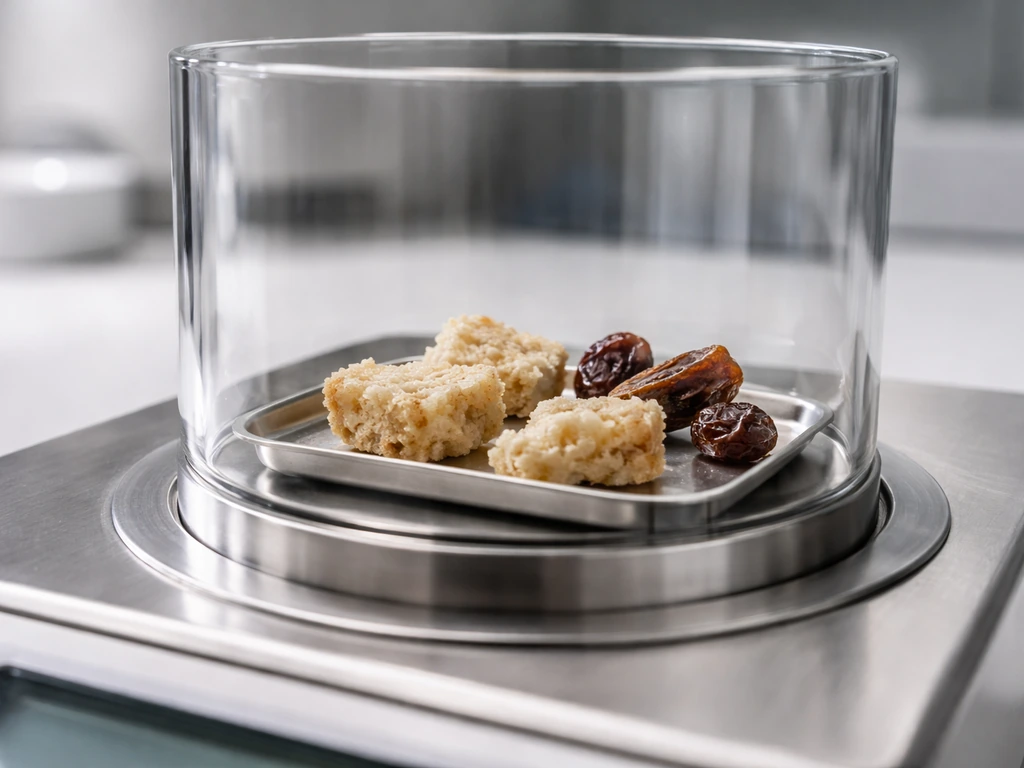
This is where food science gets interesting. Scientists don't just measure water content in food; they measure water activity (abbreviated aw), which is the amount of free, unbound water available for microbial use. Pure water has an aw of 1.0. Most fresh foods like raw chicken or cut fruit sit at aw 0.98 to 0.99, which is close to ideal for bacterial growth. Dry foods like crackers or dried beans might be at aw 0.60 or below, where virtually nothing can grow.
For most pathogenic bacteria, the minimum aw for growth is roughly 0. AQUALAB similarly explains that most pathogenic bacteria have a minimum water activity for growth around aw 0.90 and that combining multiple hurdles can prevent growth even when aw is higher minimum water activity for growth is roughly 0.91 to 0.95 for many pathogens. 91 to 0.95. Salmonella and E. coli, for example, need at least about aw 0.95 to grow well, while hardier bacteria like Bacillus subtilis can push down to around 0.91. The FDA uses aw 0.85 as a regulatory threshold: foods with a water activity at or below 0.85 are generally not considered to support pathogen growth on their own, which is why that number appears in rules about acidified and low-acid canned foods.
Nutrients are the other half of the food equation. Bacteria need carbon sources for energy, nitrogen for building proteins, and trace minerals for enzyme function. Foods rich in proteins and simple carbohydrates, think cooked meat, dairy, cooked rice, cut fruits, and egg dishes, are classified as TCS foods (Time/Temperature Control for Safety foods) precisely because they tick every nutrient box bacteria care about. High-sugar environments like jams or honey bind water and lower aw, which is one reason honey has such a long shelf life despite containing sugars bacteria would otherwise love.
Oxygen requirements: not all bacteria want the same air supply
Oxygen is one of the most misunderstood growth factors. A lot of people assume bacteria need oxygen to grow, the same way we do. In reality, bacteria span the entire spectrum from 'oxygen is essential' to 'oxygen is toxic.' Understanding those categories helps explain why vacuum-sealing food doesn't automatically make it safe, and why some infections happen in low-oxygen body cavities.
- Obligate aerobes: must have oxygen to grow. They use it as the final electron acceptor in respiration. Examples include Mycobacterium tuberculosis and most soil Pseudomonas species.
- Obligate anaerobes: oxygen actually damages or kills them because they lack enzymes to neutralize toxic oxygen byproducts. Clostridium botulinum and Clostridium perfringens are classic examples, which is why improperly canned (low-oxygen) foods are where botulism risk lives.
- Facultative anaerobes: the most adaptable group. They grow better with oxygen but can switch to fermentation or anaerobic respiration when oxygen is absent. E. coli and Staphylococcus aureus fall here, which is part of why they turn up everywhere.
- Aerotolerant anaerobes: don't use oxygen for metabolism but aren't harmed by its presence either. Lactobacillus species used in fermented foods are a good example.
- Microaerophiles: need oxygen but only at low concentrations. Campylobacter jejuni, a common cause of foodborne illness, is microaerophilic.
The practical takeaway: vacuum-sealing or submerging food in oil removes oxygen, which stops obligate aerobes but creates perfect conditions for obligate anaerobes like Clostridium. That's exactly why homemade garlic-in-oil is a well-documented botulism risk. The absence of oxygen isn't automatically a safety advantage.
Salt, antimicrobials, and how bacteria handle stress
Salt (sodium chloride) inhibits bacterial growth by lowering water activity and creating osmotic stress that pulls water out of bacterial cells. Most pathogenic bacteria struggle above about 6 to 8 percent salt concentration (by weight), which is well above what most foods taste good at. Highly halophilic (salt-loving) bacteria are a different story, but they're not generally human pathogens. Traditional preservation methods like brining, curing, and salt-packing all exploit this mechanism.
Antimicrobial compounds, whether natural (like the phenolic compounds in certain spices) or synthetic (like preservatives in packaged food or disinfectants on surfaces), work through a variety of mechanisms: disrupting cell membranes, blocking enzyme activity, or damaging DNA. The CDC notes that hypochlorite-based disinfectants (household bleach) are inactivated by organic matter, which is why you have to clean a surface before you disinfect it. A standard household dilution for sanitizing is about 1 tablespoon of bleach per gallon of water, but it needs to contact a clean surface to work.
One critical stress response that throws a wrench into all of this is endospore formation. Certain Gram-positive bacteria, most notably Bacillus and Clostridium species, can produce endospores when conditions turn unfavorable. An endospore is not a growing cell; it's a dormant survival structure that is extraordinarily resistant to heat, desiccation, UV radiation, and most common disinfectants. Routine sanitizers that kill vegetative bacteria often do nothing to spores. When conditions improve (warm temperature, moisture, neutral pH, available nutrients), spores can germinate back into actively growing cells. This is why sterilization and autoclaving (high-pressure steam at 121°C) are used in medical and food-processing contexts rather than just standard disinfection.
How all these factors work together: the hurdle concept
Food scientists use a framework called hurdle technology, the idea that combining multiple sub-lethal stresses creates a barrier bacteria can't overcome even if no single factor would stop them alone. A refrigerated, mildly acidic, moderately salty food might not hit any single threshold that would stop bacterial growth on its own, but stack those three factors together and you've effectively prevented it. This is how most commercially preserved foods work. It's also why a food that's only slightly below the danger zone temperature might still be risky if it's nutrient-dense, neutral pH, and moist.
The same logic applies to surfaces. Research on Listeria monocytogenes and Staphylococcus aureus shows that biofilm formation (where bacteria embed in a protective matrix on a surface) is influenced by surface type, temperature, and the presence of organic matter. A stainless steel surface at room temperature with food residue on it is far more hospitable than a clean, dry surface at the same temperature. Disrupting even one of those conditions, removing the organic matter, lowering the temperature, or drying the surface, changes the equation.
Practical next steps: how to actually reduce bacterial growth
If you're approaching this from a food safety or hygiene angle, here's how to translate the biology into real decisions.
In the kitchen and with food storage
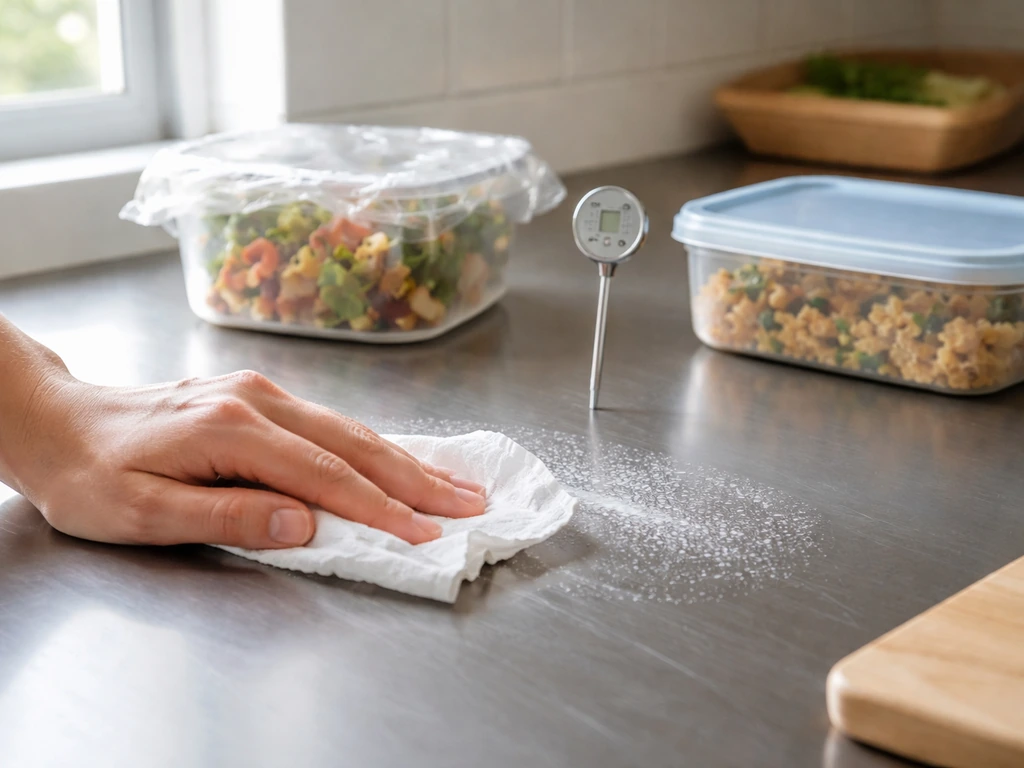
- Keep hot foods above 140°F (60°C) and cold foods at or below 40°F (4°C). The window between those temperatures is where bacterial growth accelerates.
- Refrigerate perishable cooked foods within 2 hours of serving, or within 1 hour if the environment is above 90°F (32°C).
- Track cumulative time in the danger zone, not just the last stint out of the fridge. Once TCS food has been in the 40–140°F range for 2 hours total, it's a risk.
- For preserving foods at home using vinegar or citrus, aim for a finished pH of 4.6 or below to suppress Clostridium botulinum. Use a reliable tested recipe rather than estimating.
- Understand that vacuum-sealing, sous vide cooking, and garlic-in-oil preparations create anaerobic environments. These need strict temperature control to be safe.
- When in doubt about a leftover, use the FDA Food Code standard: TCS foods should be cooled to 41°F (5°C) or below within the allowed time frames.
On surfaces and in the environment
- Clean before you disinfect. Organic matter (food residue, grease, soil) neutralizes most disinfectants before they can work. Scrub the surface first, then apply the disinfectant.
- Use an appropriate concentration of disinfectant. A standard bleach-and-water solution of 1 tablespoon per gallon of water works well for kitchen surfaces after cleaning.
- Dry surfaces after cleaning. Many bacteria, especially those responsible for food contamination, need liquid water to grow. A dry surface is a hostile surface.
- For situations involving spore-forming bacteria (like after a suspected Clostridium contamination), standard household disinfectants are not sufficient. Sporicidal agents or professional-grade treatments may be needed.
- Consider surface material when assessing risk. Research shows biofilms form more readily on certain surface types under the same temperature and nutrient conditions, which affects how rigorously you need to clean them.
For students and educators
When reviewing growth conditions for a class, resist memorizing them as a simple list. Think of them as an interconnected system where each variable either enables or limits the others. A bacterium sitting in a perfectly pH-neutral environment still won't grow if there's no available water. One growing at its ideal temperature will slow dramatically the moment you drop it into acid below pH 4.6. The connections between pH, water activity, temperature, oxygen, and nutrients explain not just how bacteria grow, but why every practical control method in food safety and clinical hygiene works the way it does. That 'why' is what makes the knowledge actually useful.
FAQ
If I keep food out of the danger zone, do bacteria still grow or just survive?
No. Even if the numbers in the danger zone are avoided, bacteria can survive. The goal is to prevent multiplication, which depends on temperature history, pH, water activity, and whether cells are vegetative or protected (for example, as endospores). A quick cooling step helps, but “stopping growth” depends on keeping conditions outside the growth-favorable ranges long enough.
Does reaching pH 4.6 or lower guarantee no bacterial growth forever?
A food can be below pH 4.6 and still be unsafe if other factors allow survival and later growth. For example, if a product is acidified but then gets contaminated after opening, spores or hardy organisms can be present and can multiply if the food is later held warm and moist. Acid control is a growth barrier, not a guarantee of sterility after handling.
How can something be “dry” but still sometimes spoil or cause illness?
Different bacteria have different water-activity limits, so “low moisture” is not automatically zero risk. Some hardy species can grow at relatively low aw, and high-fat or protein-rich foods can still support growth if enough free water is available. That’s why regulation often uses aw thresholds, and why “drying” and “properly stored” are not the same.
Why doesn’t household sanitizing usually match the effectiveness of sterilization?
Heat effectiveness depends on whether you are killing vegetative cells or inactivating spores. Many everyday sanitizing steps are designed for vegetative bacteria, so they may reduce but not eliminate spore-formers. For guaranteed spore destruction, higher-temperature, validated processes like autoclaving are used in controlled settings.
Why can washing or rinsing reduce risk but not make food “safe” on its own?
Washing doesn’t sterilize, it mostly reduces how many cells are on the surface. If contamination remains and the food is later held warm, any surviving bacteria can resume growth. This is especially important for high-nutrient foods like cooked rice, cut fruit, and dairy dishes.
Does vacuum-sealing always make food safer because it removes oxygen?
Oxygen changes which organisms can grow, but removing oxygen does not create a universal safety benefit. Low-oxygen conditions can favor anaerobes, and some toxins can be produced without visible spoilage. Vacuum packaging or oil submersion reduces oxygen, which is a reason some specific pathogens become more concerning.
If bacteria don’t die in the refrigerator, why is chilling still recommended?
That’s a common misunderstanding. Refrigeration slows growth but does not reliably kill bacteria. If the food sits long enough at refrigeration temperatures, some organisms can still increase slowly, and the risk spikes if it warms up again. The key variable is cumulative time in conditions that allow growth.
Why do some disinfectants work poorly on cutting boards or drains?
Biofilms can shield cells from disinfectants and make them harder to remove, even when the sanitizer is strong. Organic residue (food particles, grease) also inactivates some chemicals, so surface cleaning first matters. After cleaning, then applying a sanitizer typically works better than sanitizing dirty surfaces.
Does adding salt always stop bacterial growth, or can bacteria still grow in salty foods?
Salt can inhibit many pathogens by lowering water activity and stressing cells osmotically, but it is not a stand-alone guarantee at typical food concentrations. If a brine is too weak, or the food is later diluted or warmed, bacteria may grow. For safe preservation, concentration and time matter, and some salt-tolerant species can still persist.
What’s the difference between cleaning, sanitizing, and sterilizing for bacteria control?
Cleanroom-style “sterile” is a high bar. In food safety, “sanitized” usually means reducing microbes to safe levels on cleaned surfaces, not eliminating all forms, especially spores. That’s why validated procedures and proper contact time are important, not just using a product labeled as a disinfectant.