Bacteria grow best in warm, moist, nutrient-rich environments with a near-neutral pH. The sweet spot for most disease-causing (pathogenic) bacteria is a temperature between 40°F and 140°F (4°C to 60°C), a pH between 6.5 and 7.5, and water activity above 0.95. That description fits a surprising number of everyday places: your kitchen counter after handling raw meat, a bathroom surface that stays damp, or a lunch bag left in a warm car. But here is the important nuance: "bacteria" is not one thing. Different species have different optima, so the answer always depends a little on which bacteria you are talking about.
Where Does Bacteria Grow Best? Conditions That Matter

Marcus Holloway
29 Apr 2026
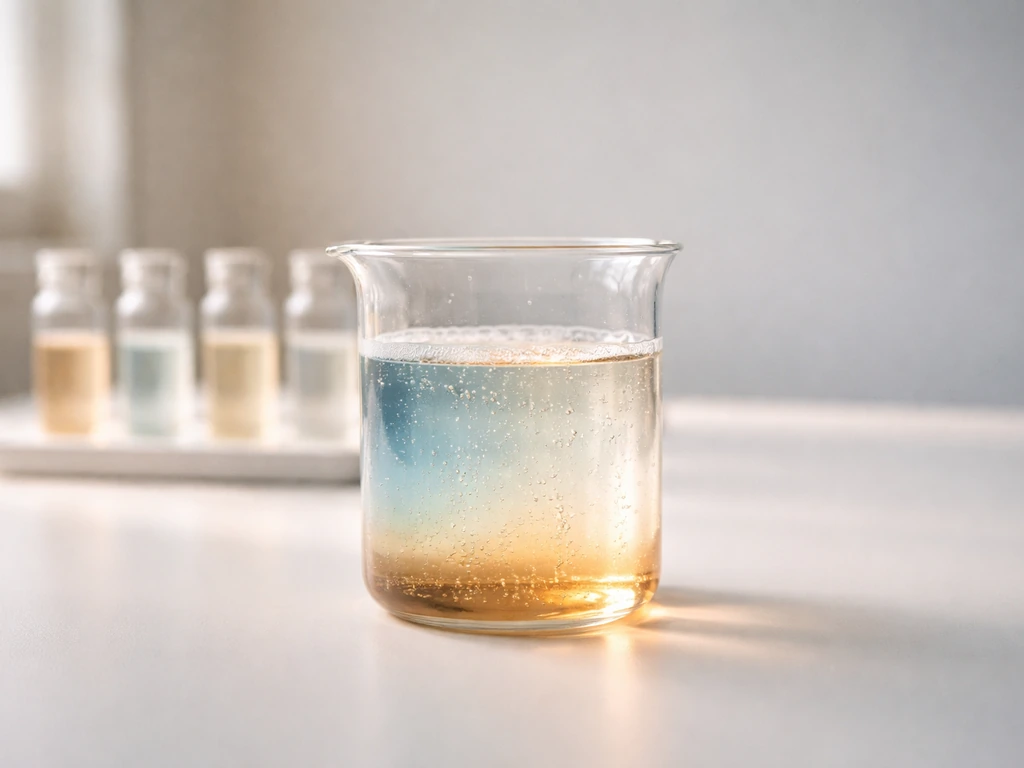
The core conditions that make bacteria thrive
Think of bacterial growth like a combination lock. Temperature, pH, and moisture all have to line up before growth really takes off. Get even one of them wrong and bacteria slow down, go dormant, or die. Get all three right and a single bacterium can become millions in just a few hours.
Temperature: the biggest lever you control
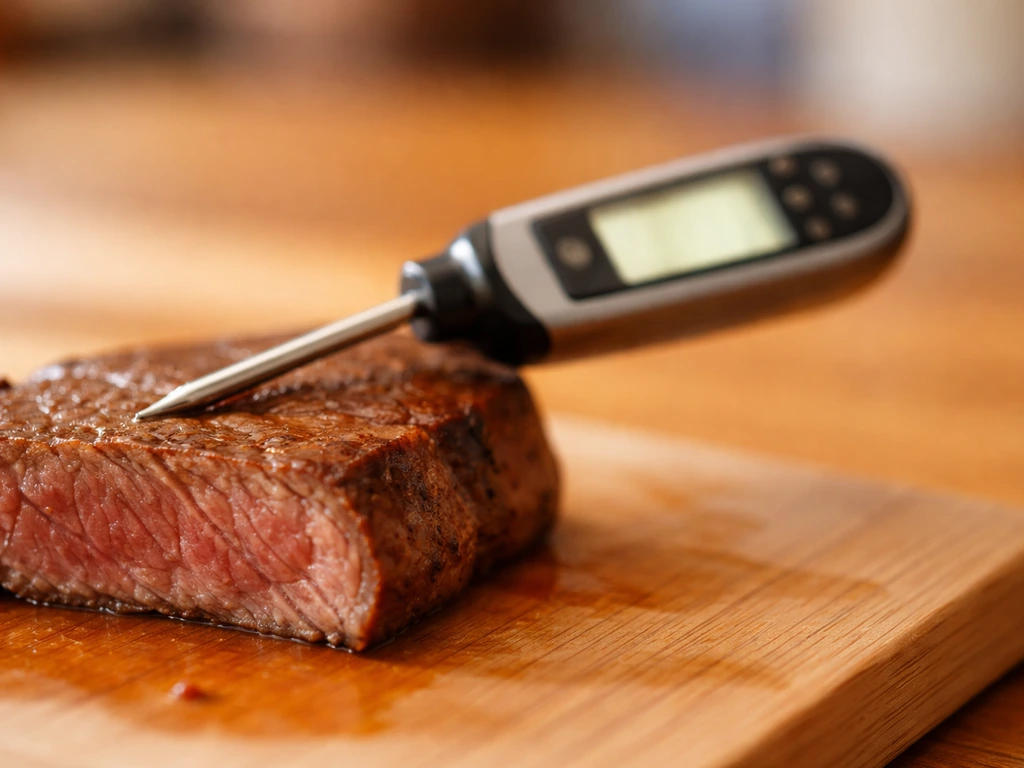
Most pathogenic bacteria grow fastest between 40°F and 140°F (4°C to 60°C). A Reddit discussion in r/KitchenConfidential also notes that people often hear blank" rel="noopener noreferrer">slightly different “danger zone” endpoints, such as 40, 140 versus other ranges, reflecting training and Food Code differences rather than one single universal number. This range is so well established in food safety that it has its own name: the temperature danger zone. Inside that window, bacteria can double in number every 20 minutes under ideal conditions. Room temperature (around 68 to 77°F / 20 to 25°C) is comfortable for humans and almost equally comfortable for many harmful bacteria. Refrigerator temperatures (below 40°F / 4°C) slow growth dramatically but do not always stop it entirely. Freezing halts growth without killing most bacteria. Cooking to internal temperatures above 165°F (74°C) kills the vast majority of pathogens.
pH: bacteria prefer neutral, not acidic
Most bacteria grow best at a pH close to neutral, roughly 6.5 to 7.5 on the 0-to-14 scale. Highly acidic foods like vinegar (pH around 2.4) or lemon juice (pH around 2) are hostile environments for most pathogens. That is exactly why pickling and fermentation have been food-preservation methods for thousands of years. Foods with a pH above 4.5 are considered low-acid foods, and those carry a meaningful pathogen risk when other conditions are also favorable. The stomach's acidity (pH 1.5 to 3.5) is one of the body's main defenses against ingested bacteria, which is why some bacteria need a fairly high infectious dose to cause illness.
Moisture and water activity: it is not just about being wet
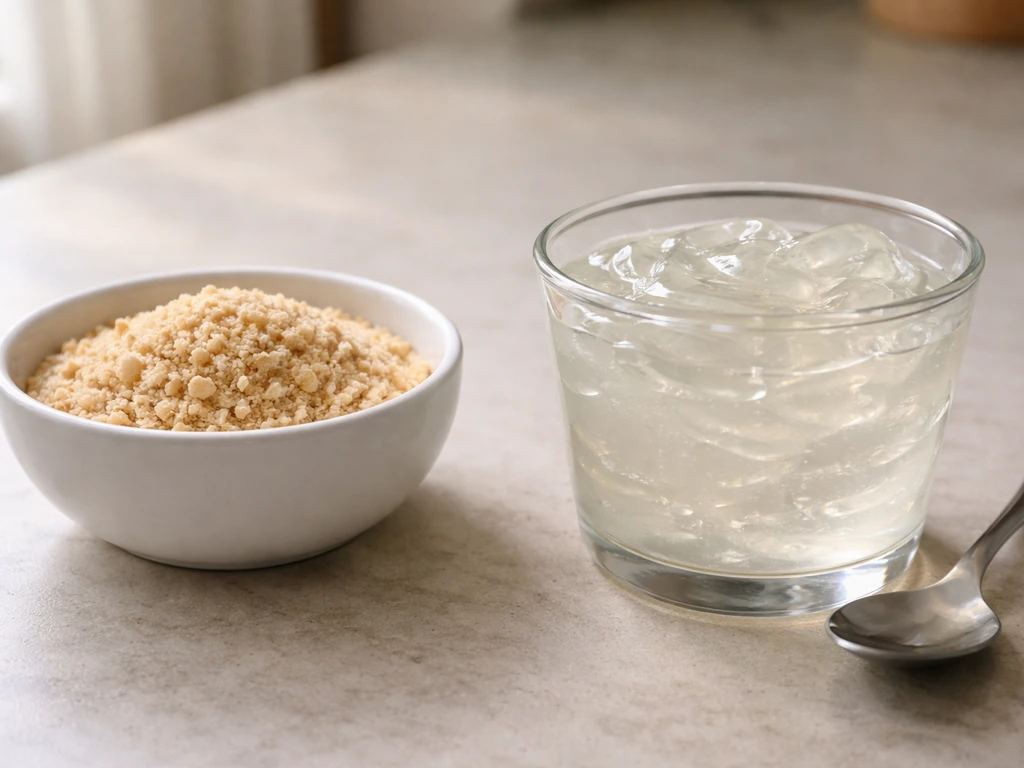
Water activity (aw) is the measure scientists use instead of plain "moisture." It runs from 0 (bone dry) to 1.0 (pure water). Bacteria need free water molecules to carry out metabolism, and most pathogens need an aw of at least 0.91 to grow. The FDA notes that most foods have a water activity above 0.95, which is enough to support bacterial growth. To put that in practical terms: fresh meat, cooked rice, soft cheeses, and most prepared foods all sit in that range. Clostridium botulinum, the bacterium behind botulism, needs a minimum aw of about 0.93. Clostridium perfringens, a common cause of food poisoning at buffets and catered events, has an even stricter requirement, with a minimum growth aw of 0.97 and an optimum around 0.95 to 0.96. The USDA flags any low-acid food (pH above 4.5) with a water activity above 0.86 as a potential pathogen risk, because some organisms can still find purchase at that level. Dried foods, crackers, and hard cheeses stay safe at room temperature largely because their aw is pushed well below these thresholds.
Oxygen and living space: not all bacteria breathe the same way
One of the most common misconceptions about bacteria is that they all need oxygen to survive. That is not true. Bacteria are divided into groups based on their oxygen relationship. Aerobic bacteria require oxygen and thrive on open surfaces like countertops, skin, and uncovered food. Anaerobic bacteria actually die in the presence of oxygen and do their best work in sealed, low-oxygen environments: vacuum-packed food, canned goods, deep wounds, and compacted soil. Facultative anaerobes, like E. coli and Salmonella, grow in either condition but often prefer oxygen when it is available. This matters practically because vacuum sealing food does not automatically make it safe. It eliminates aerobic threats but creates ideal conditions for anaerobes, including C. botulinum.
Surfaces also matter. What surfaces bacteria grow best on depends on factors like whether the surface is porous, how much organic material it collects, and how often it stays damp. Bacteria do not just float around randomly; they attach to surfaces and form biofilms, which are structured communities protected by a matrix the bacteria secrete themselves. Biofilms are notoriously harder to kill than free-floating bacteria. Porous surfaces like wood cutting boards, cracked plastic, and grout lines in tile trap organic matter and give bacteria an anchored home that is difficult to sanitize. Smooth, non-porous surfaces are much easier to clean thoroughly, which is why stainless steel is the standard in food-service kitchens. The topic of which surfaces carry the most risk is worth understanding on its own.
What actually feeds bacteria and why location matters so much
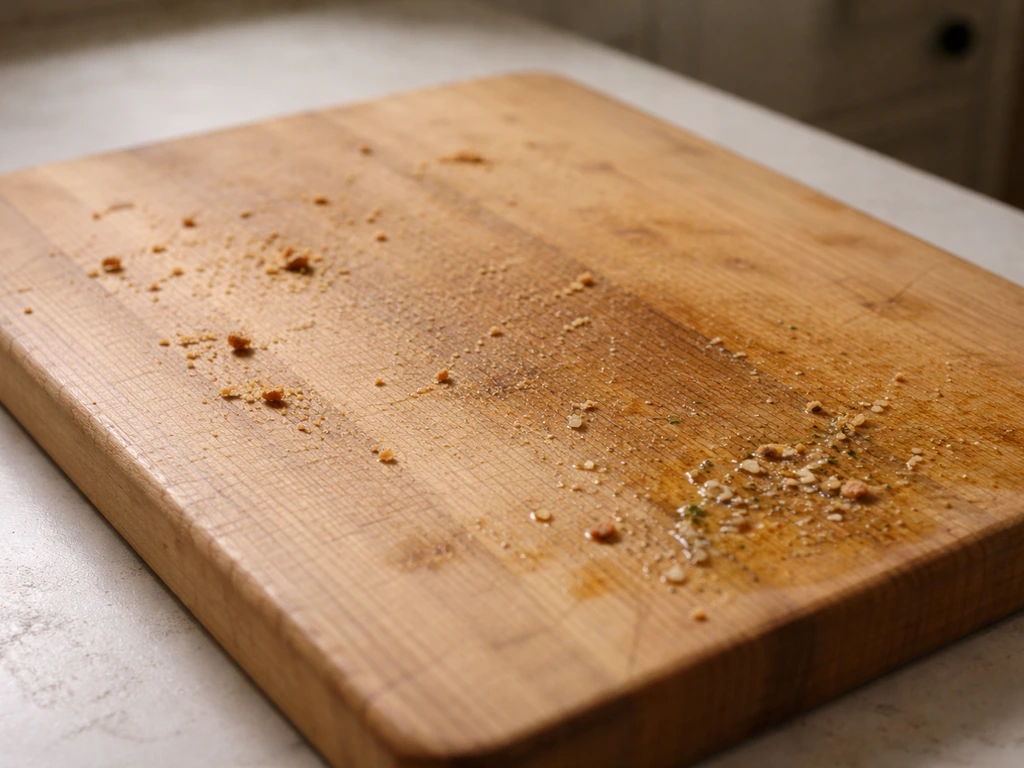
Bacteria are heterotrophs, meaning they cannot make their own food the way plants do. They need an external source of organic carbon and nitrogen to grow. In practice, that means proteins, carbohydrates, and fats from food scraps, skin cells, blood, saliva, and other biological residues. This is why bacteria grow the most in places where organic material accumulates: the inside of a kitchen drain, the surface of raw poultry sitting at room temperature, a bathroom sink where soap scum and dead skin cells mix, or the gap between your teeth. Nutrient availability is the difference between a surface that gets colonized quickly and one that stays relatively clean.
Location also determines which bacteria show up. Soil is incredibly diverse and supports billions of bacteria per gram because it is rich in organic matter and minerals. Water sources carry their own communities. The human body is a complete ecosystem: the gut, skin, mouth, and nasal passages each host different bacterial populations shaped by local temperature, pH, and available nutrients. Understanding that context helps you reason about risk. A pathogen that causes foodborne illness needs different conditions than one that causes a skin infection, and neither is the same as a soil bacterium that has never threatened a human.
When bacteria grow fastest: timing and shifting conditions
Bacterial growth follows a predictable pattern called the growth curve, which has four phases. During the lag phase, bacteria adjust to a new environment but are not yet multiplying rapidly. This can last minutes or hours depending on conditions. Then comes the exponential (or log) phase, where growth is fastest: doubling times can be as short as 20 minutes for species like E. coli under perfect conditions. Eventually nutrients run out or waste products accumulate and growth levels off in the stationary phase before bacteria begin dying in the death phase. For food safety, the key insight is that the first few hours at a dangerous temperature are not necessarily the most hazardous moment. CDC advises that perishable food kept in the “danger zone” (40°F to 140°F) should be blank" rel="noopener noreferrer">refrigerated within 2 hours (or 1 hour if the food has been at 90°F or hotter). Growth accelerates over time, so food left out for four hours is not twice as risky as two hours. For general consumer guidance on safe food handling and the idea of the “danger zone” time-temperature window, see blank" rel="noopener noreferrer">FoodSafety.gov. It can be exponentially more dangerous because bacterial numbers grow exponentially, not linearly.
Conditions also shift naturally over time. A freshly cut piece of fruit starts at an acidic pH that limits bacterial growth, but as bacteria metabolize sugars and the fruit oxidizes, the pH can rise and the environment becomes more hospitable. Cooked foods that start sterile become colonized within minutes once exposed to air, hands, or surfaces. Seasonal and daily temperature swings matter too. A garage refrigerator that cycles between 35°F and 50°F on a hot summer day is not as safe as one that holds a steady 38°F.
How to spot bacterial risk in any environment
You do not need a lab to assess bacterial risk. Run through these questions for any space or food item and you will get a reliable read on whether conditions favor rapid growth.
- Temperature check: Is it between 40°F and 140°F (4°C to 60°C)? If yes, that is the danger zone and time matters immediately.
- Moisture check: Is the surface or food visibly moist, soft, or wet? High moisture usually means high water activity and bacterial growth potential.
- pH check: Is the food or substance acidic (like vinegar, citrus, or fermented products) or closer to neutral? Neutral-to-mildly acidic foods carry higher risk.
- Nutrient check: Is there organic matter present? Protein-rich foods (meat, dairy, eggs, cooked grains) and surfaces with biological residue are high-risk.
- Oxygen check: Is it a sealed, low-oxygen environment like vacuum-packed food or a sealed container? If yes, anaerobic bacteria like C. botulinum become the concern, not just aerobic surface colonizers.
- Surface check: Is the surface porous, cracked, or rough? Those physical properties trap bacteria and make cleaning harder.
- Time check: How long have the conditions above been in place? Growth is slow at first and accelerates. Two hours in the danger zone is the practical limit for most foods.
- Cross-contamination check: Have raw proteins, soil, or bodily fluids touched surfaces or foods that will not be cooked? If so, treat everything it touched as contaminated.
Practical steps to reduce or stop bacterial growth today
Once you know what bacteria need, prevention becomes straightforward. You are essentially trying to deny bacteria one or more of their essential requirements: warmth, moisture, nutrients, and appropriate pH. Understanding these best conditions for bacteria to grow also helps you target the right prevention step bacteria are essentially trying to deny bacteria one or more of their essential requirements. Remove any one of those and growth slows significantly. Remove two or more and you can stop it almost entirely.
In the kitchen
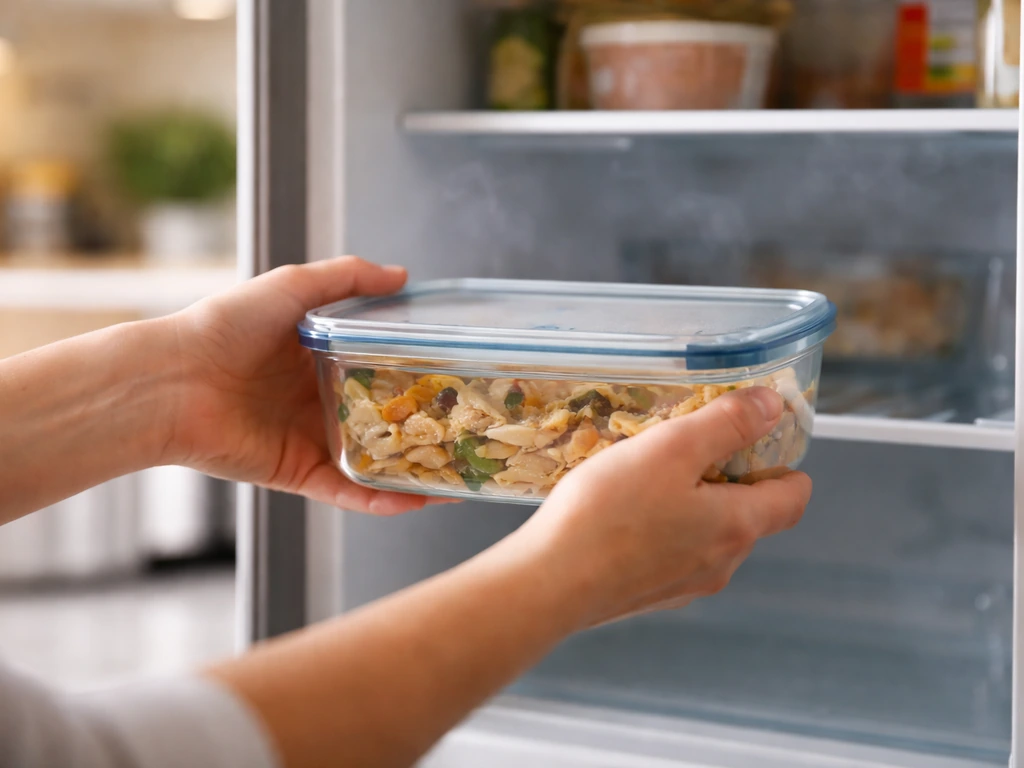
- Keep cold foods at or below 40°F (4°C) and hot foods above 140°F (60°C). Do not leave cooked food at room temperature for more than two hours (one hour if the ambient temperature is above 90°F / 32°C).
- Use a food thermometer rather than guessing. Color and texture are not reliable indicators that food is safe.
- Separate raw proteins from ready-to-eat foods at every step: shopping, storage, prep, and serving. Cross-contamination is how most kitchen-based food poisoning starts.
- Choose non-porous cutting boards (glass, plastic, or stainless steel) for raw meat and replace them when they develop deep cuts or grooves that trap bacteria.
- Wash hands with soap for at least 20 seconds before and after handling raw food, after touching your face, and after using the bathroom. Soap physically removes bacteria from skin; it does not need to kill them.
- Refrigerate leftovers promptly in shallow containers so they cool quickly and uniformly, bringing the internal temperature through the danger zone faster.
In the bathroom and other moist environments
- Ventilate bathrooms during and after showers to reduce ambient humidity and surface moisture, which limits bacterial and fungal growth on grout, walls, and fixtures.
- Replace cloth hand towels regularly or switch to single-use paper towels. Damp cloth is an excellent bacterial incubator.
- Clean bathroom surfaces with a disinfectant that is rated to kill bacteria (look for an EPA registration number on the label), not just a general cleaner that removes visible dirt.
- Do not leave standing water in sinks, trays, or containers longer than necessary. Even small puddles on countertops are enough moisture to support colony formation.
General hygiene habits that cut risk across all environments
- Dry surfaces after cleaning them. Sanitizing a surface and then leaving it wet partly defeats the purpose because moisture supports recolonization.
- Replace sponges and dishcloths frequently, or sanitize them daily. A kitchen sponge left damp and warm is one of the most bacteria-dense objects in most households.
- Understand that antibacterial soaps are not meaningfully more effective than regular soap for routine hand washing. Friction and rinsing do the work.
- When in doubt about a food's safety, throw it out. You cannot smell, see, or taste most dangerous bacterial toxins at harmful concentrations.
The foundational principle here is that bacteria are not mysterious. They follow predictable rules governed by temperature, pH, moisture, oxygen, and nutrients. Once you internalize those rules, you can look at almost any environment and make a reasonable judgment about bacterial risk. The conditions that favor the fastest and most abundant bacterial growth are also the conditions most commonly found in warm kitchens, damp bathrooms, and improperly stored food. Bacteria grow best in warm, dry food when moisture and nutrients are still available to support fast growth warm kitchens. That is not a coincidence. Those are the environments that provide everything bacteria need. Changing even one of those variables puts you back in control.
FAQ
If bacteria grow best in the temperature danger zone, is refrigerated food always safe?
Yes. Even when temperatures are below the danger zone, some bacteria can survive and slowly increase, especially in the fridge if food is kept too warm, stored for too long, or contains high starting contamination. The article’s time and doubling-rate ideas mean “slower” does not mean “no risk.”
Can cooked food become unsafe even if it was fully heated?
Do not rely on appearance alone. Many microbes do not change smell or look before they reach unsafe numbers, and cooked food can be re-contaminated after cooking by hands, utensils, or surfaces. The growth curve idea matters most early, but timing errors can still make cooked-but-left-out food unsafe.
Does vacuum sealing always prevent dangerous bacterial growth?
That depends on how the “plastic” is used. Airtight containers that truly limit oxygen and keep moisture controlled can reduce some risks, but they can also create low-oxygen conditions that some anaerobes like. Vacuum sealing lowers aerobic threats, it does not automatically make the food safe.
If a food is acidic overall, can bacteria still grow on it?
No. High-acid foods can be a problem for certain microbes only at low pH, but neutral pH and high water activity drive growth more reliably. Also, a food’s surface may differ from the inside, such as fruit near the cut surface or gravy after dilution, which can change local conditions.
If I reheat leftovers until they are steaming hot, do I eliminate all bacterial risk?
Reheating can kill many bacteria, but it does not reverse toxin problems in cases where toxins were already produced. For example, some organisms can produce heat-stable toxins, and growth timing and holding conditions are what determine whether toxins are an issue, not just the final reheating temperature.
Why do dry foods like crackers and powdered mixes usually stay safe at room temperature, and when can that change?
Often, yes, but not always in a simple way. If you can lower moisture availability or water activity, you reduce growth potential, but “dry” foods can still have localized moisture in lumps or under packaging. Storage integrity matters, cracks and condensation can create small safe-looking zones.
Is humidity alone enough to predict where bacteria will grow, or do other factors matter?
High humidity and damp surfaces matter, but the limiting factor is whether bacteria have accessible nutrients and free water. A bathroom that is cleaned regularly but stays humid may have fewer problems than a visibly clean bathroom where soap scum and biofilm residue remain and the surface stays wet between cleanings.
Why do some places seem “harder” to decontaminate even after you clean them?
Biofilms are the edge case for cleaning. Even if you sanitize the surface, leftover biofilm communities can seed regrowth, especially on porous materials and in crevices that are hard to fully contact with cleaner. That is why cleaning frequency and surface type can matter more than occasional deep scrubbing.
Does leaving a food-prep surface damp overnight really increase bacterial growth risk compared with just storing it dry?
It matters, because the microenvironment can change pH and water availability. For example, a cutting board that stays wet and collects organic residue gives bacteria both water and nutrients, while the same board after proper drying and cleaning has fewer opportunities to establish. Temperature swings also change how quickly colonization proceeds.
Why can changing food storage method (covered, uncovered, sealed) change the type of risk?
Yes, because oxygen and nutrient availability interact with storage style. Aerobic growth is favored on exposed surfaces, while low-oxygen conditions can shift risks to anaerobes in sealed packs. Storage method changes which organisms dominate, even if the total “bacteria” idea sounds the same.