Yes, books can absolutely grow mold, and they are actually surprisingly good at it. Paper, cardboard, cloth bindings, and the adhesives holding books together are all organic carbon sources that mold fungi can feed on. Add any meaningful moisture, a warm temperature, and still air, and you have nearly perfect conditions for mold to establish itself within 24 to 48 hours of a water event. The good news is that if you act fast and control moisture, you can stop mold from taking hold or spreading further.
Can Books Grow Mold? Causes, Signs, Cleaning, and Prevention

Marcus Holloway
30 May 2026
What makes books so mold-friendly
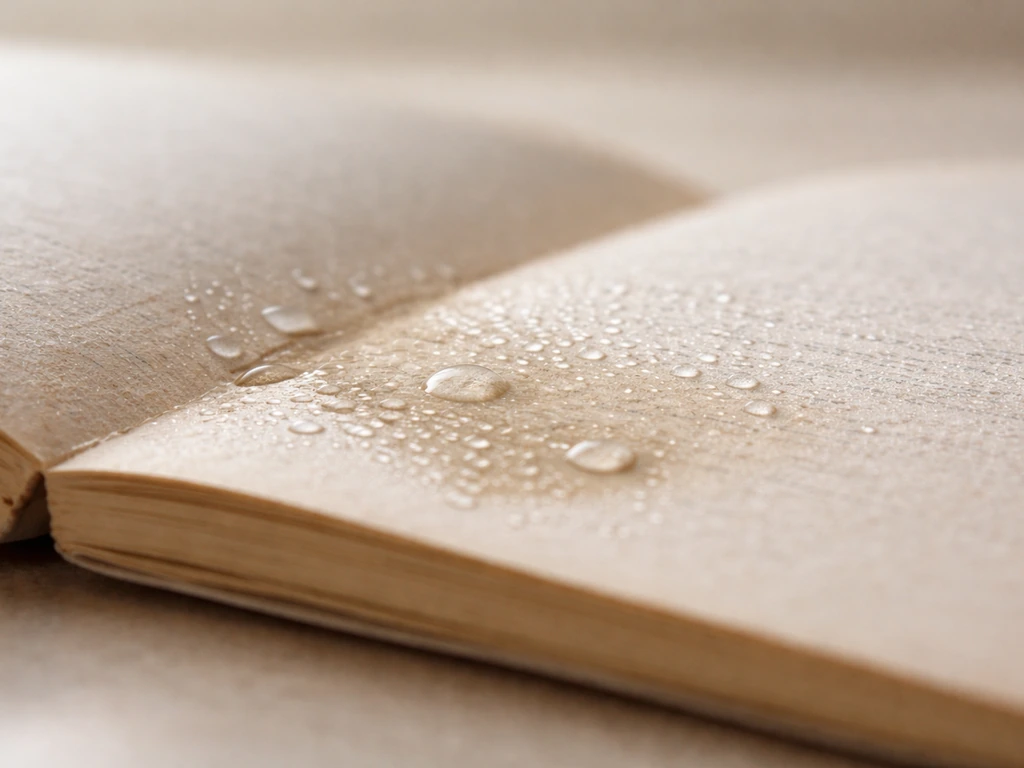
To understand why books mold, you need to think about what mold actually needs to grow: a carbon-based nutrient source, moisture, and reasonably warm temperatures. Books check every one of those boxes. Paper is made from cellulose, a carbohydrate that mold enzymes break down easily. The sizing agents (starches and gelatin) used to stiffen and coat paper add even more digestible nutrients. Book glues and adhesives, cloth or leather covers, and even the dust that accumulates on shelves all contribute additional organic material. From a fungal perspective, a neglected bookshelf is a buffet.
Paper is also highly porous, which matters a lot. Porous surfaces absorb and hold moisture rather than letting it run off, keeping water activity (the amount of available water at the material's surface) high enough for mold spores to germinate. Smooth, non-porous surfaces like glass dry out quickly. Paper stays damp much longer, giving spores time to take root. Hardcover bindings, which combine thick cardboard, cloth, and adhesives, are especially prone to retaining moisture deep inside where you cannot easily see or reach.
One misconception worth clearing up right now: books do not need to be visibly wet to grow mold. Ambient humidity alone can be enough. If relative humidity (RH) in a room consistently climbs above 60 percent, paper absorbs enough moisture from the air to support fungal growth, even without any direct water contact. This is how books stored in basements, poorly ventilated closets, or garages end up moldy even when there has been no obvious leak or spill.
Moisture, humidity, and time: the conditions that actually trigger growth
The EPA recommends keeping indoor relative humidity below 60 percent, and ideally between 30 and 50 percent, to limit mold growth. The CDC echoes this with a target of no higher than 50 percent all day long. These numbers exist because below 50 percent RH, most common mold species simply cannot maintain the water activity they need to grow. Above 60 percent RH, you are in active risk territory, and above 70 percent RH you are essentially inviting mold in.
Temperature plays a supporting role. Most household mold species thrive between about 60°F and 80°F (15°C to 27°C), which overlaps almost perfectly with normal indoor living conditions. Cold temperatures slow fungal metabolism but do not kill spores. Heat above roughly 140°F (60°C) can kill active mold, but you obviously cannot bake your books. The practical takeaway is that temperature control alone is not a reliable defense. Moisture control is the real lever.
Poor airflow is the third factor that tips the scales. Still, stagnant air allows moisture to accumulate on surfaces rather than evaporating away. This is why books packed tightly against a wall in a poorly ventilated room are far more vulnerable than books on open shelving in a well-circulated space. The wall side of the shelf can be several degrees cooler than room air, causing moisture to condense on the surfaces closest to it. Time is the last variable: the EPA's guidance is clear that if materials are dried within 24 to 48 hours of getting wet, mold will not grow in most cases. Beyond that window, the risk rises sharply.
How to recognize mold on books and gauge how serious it is
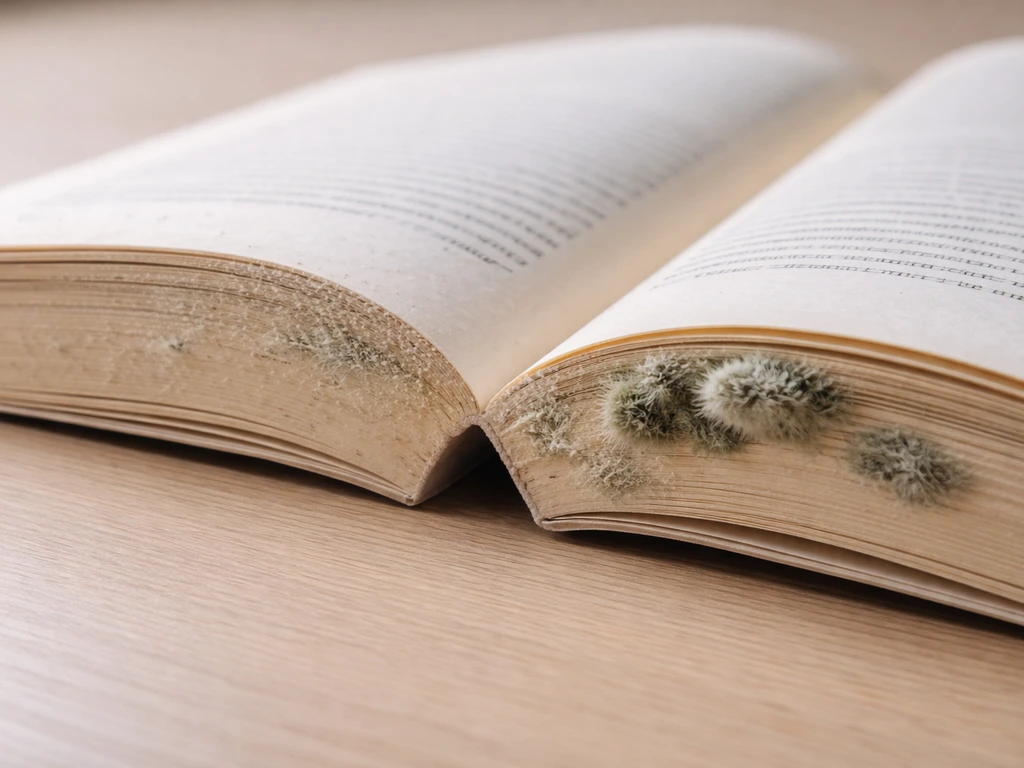
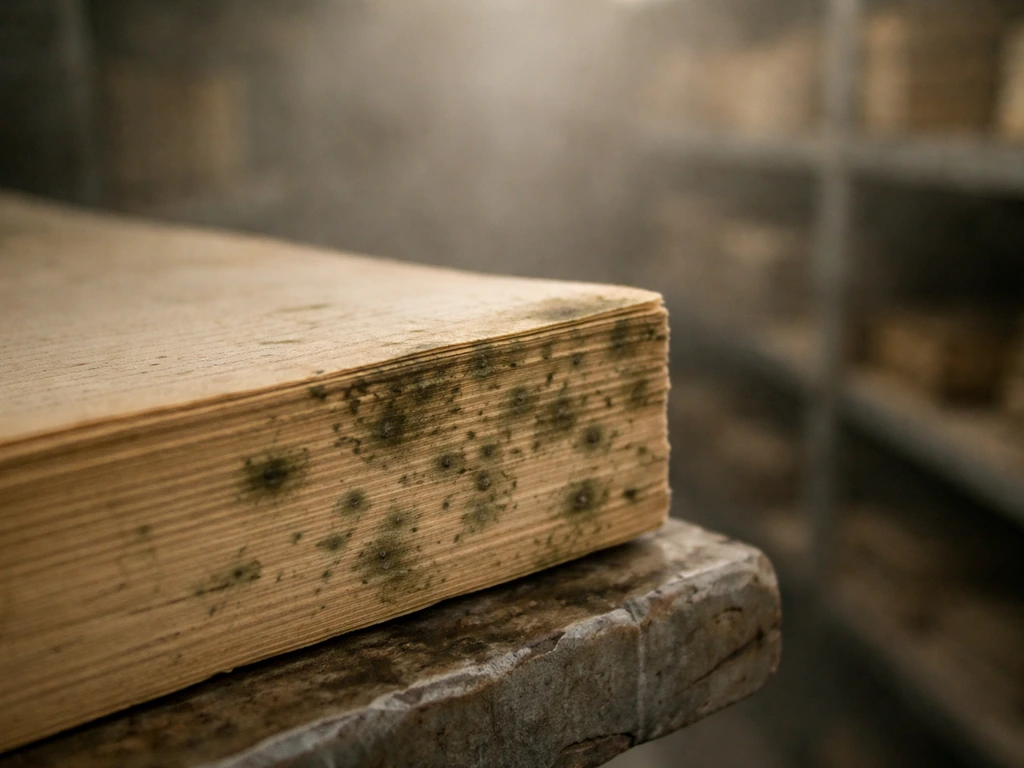
Mold on books can look several different ways depending on the species and how far growth has progressed. The most common early sign is a musty, earthy odor, which is caused by microbial volatile organic compounds (MVOCs) released during fungal metabolism. If a book smells musty, treat that as a mold signal even if you cannot see anything yet. Visible signs range from small circular spots (often gray, green, black, or white) on page edges or covers, to powdery or fuzzy surface growth, to dark tide lines from water wicking through pages.
Active mold looks fuzzy, powdery, or fluffy and may spread across a surface. Inactive or dormant mold looks flat and stained, more like a discoloration than a texture. This distinction matters for handling: active mold releases spores more readily and poses a higher immediate health risk, while dormant mold stains are more stable but can reactivate if moisture returns. Neither should be ignored.
Severity assessment is mostly about how much of the book is affected and whether the paper structure is compromised. Light surface mold on a cover or the outer page edges with pages still intact is a lower-severity situation. Mold throughout the text block, pages stuck together, paper that feels soft or breaks apart, or a book that has been wet long enough to swell significantly are high-severity situations where salvage becomes difficult or impossible. If you have a collection of books and only a few are affected, isolating the moldy ones immediately is critical to prevent spores from spreading to healthy books.
Health and safety basics before you touch anything
Mold spores are microscopic and become airborne easily when disturbed. Handling moldy books without protection means you are likely inhaling spores, which can cause respiratory irritation, allergic reactions, or worse for people with asthma, mold sensitivities, or compromised immune systems. Before you do anything with a moldy book, put on an N95 respirator (not a paper dust mask), nitrile gloves, and eye protection. Handle books slowly and deliberately rather than shaking or flipping through pages, which launches spores into the air.
Work in a well-ventilated area, ideally outdoors or near an open window, but away from other people. Never try to vacuum moldy books with a regular household vacuum, as these just redistribute spores. Only a HEPA vacuum (one with a high-efficiency particulate air filter) is appropriate, and even then, HEPA filter contents must be sealed in plastic bags before disposal. If you or anyone in your household is immunocompromised, pregnant, or has respiratory conditions, consider calling a professional conservator or remediator and staying out of the affected area.
What to save, what to toss, and how to clean safely
Deciding what is worth saving
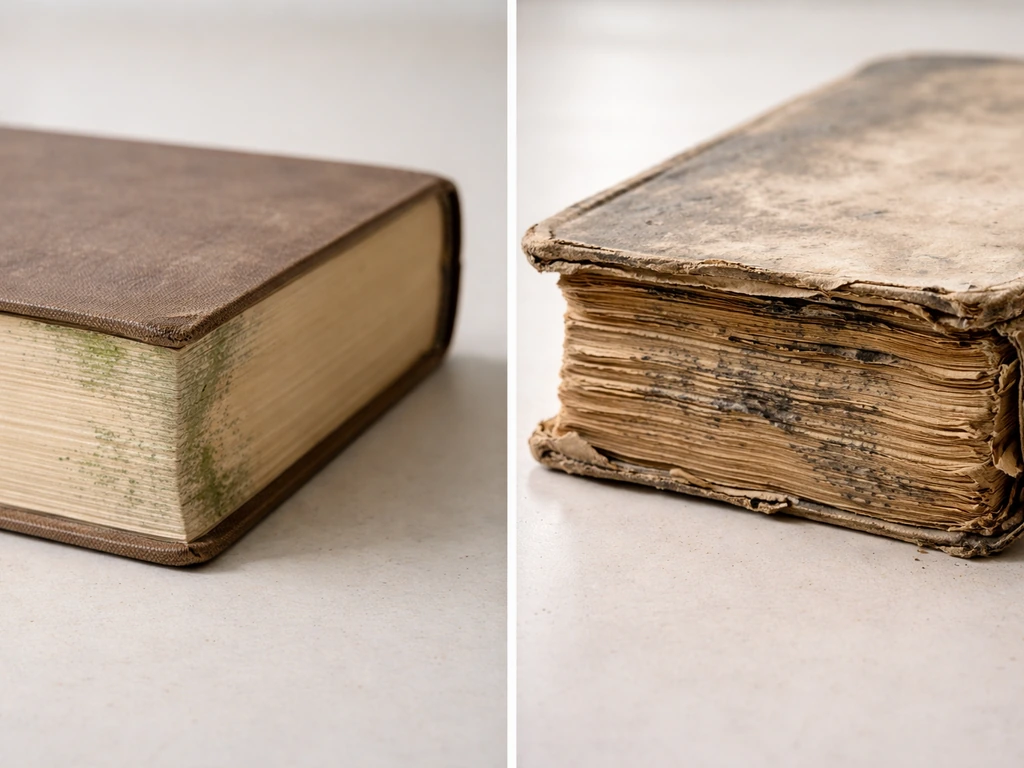
Be honest with yourself here. If a book is structurally compromised, meaning pages are falling apart, the binding has disintegrated, or mold has penetrated through the entire text block, the risk and effort of remediation usually outweighs the result. Discard those books by sealing them in plastic bags before putting them in the trash, to avoid spreading spores. Books with sentimental or monetary value, or irreplaceable items like archival documents, are worth professional evaluation. The EPA specifically recommends consulting a restoration or water damage expert for valuable materials.
Books with surface mold limited to covers or outer page edges, where the paper itself is still intact and structurally sound, are reasonable candidates for cleaning. Paperbacks with soft covers are harder to clean effectively than hardcovers because the cover material absorbs more deeply. Be realistic about partial successes: even a cleaned book may carry residual staining and a faint odor.
Step-by-step cleaning for salvageable books
- Put on your N95 respirator, nitrile gloves, and eye protection before handling anything.
- Take the book outdoors or to a well-ventilated space. Keep it away from other books and materials.
- If mold is dry and powdery, use a soft brush (a clean, dry paintbrush works well) to very gently brush surface mold off the cover and page edges. Brush away from yourself. Seal the debris in a plastic bag immediately.
- For a HEPA vacuum: hold the book over a surface and use the HEPA vacuum with a soft brush attachment to remove loose spores from the cover. Do not use a regular vacuum.
- For surface mold on hard covers, you can lightly wipe with a cloth barely dampened with plain water or a very dilute solution of water and a small amount of rubbing alcohol (70% isopropyl). Wring the cloth nearly dry before touching the book. Do not saturate. The EPA does not recommend chlorine bleach as a routine mold cleanup tool, and bleach can seriously damage paper and binding materials anyway.
- Do not attempt to clean active, fuzzy mold from paper pages directly. This spreads spores and damages paper fibers. If active mold is on the pages themselves, consult a conservator.
- Stand the book upright with pages fanned open slightly (like a tent) in a dry, well-ventilated space. Use a fan to circulate air around it. Do not place it in direct sunlight for extended periods, as UV can fade and damage paper. Short outdoor sun exposure can help surface drying but is not a reliable mold killer. The EPA notes that typical UV exposure is insufficient to reliably destroy mold and spores.
- Allow the book to dry completely, which can take 24 to 48 hours or longer for thick volumes. Do not close or shelve it until it is fully dry.
- Once dry, reassess. Remaining staining is cosmetic. Remaining odor may mean mold is still present deeper in the book.
The freezing option for delayed action
If you cannot address a wet or moldy book within the 48-hour window, freezing is a legitimate stabilization strategy used by archivists and preservation professionals. Placing damp books in a frost-free freezer (wrapped loosely in waxed or freezer paper to prevent sticking) halts active mold growth by dropping temperatures below the functional range for fungal metabolism. The NEDCC recommends emergency salvage actions like deactivating any active mold growth and notes that freezing can serve as a stabilization option when you cannot dry materials within the best-action window (within 48 hours) halts active mold growth by dropping temperatures below the functional range for fungal metabolism. Frozen books can then be thaw-dried later, ideally through air drying or freeze-drying. This buys time without making the situation worse, which is the whole point when you are overwhelmed by a larger water damage event.
Preventing mold before it starts: storage and environment
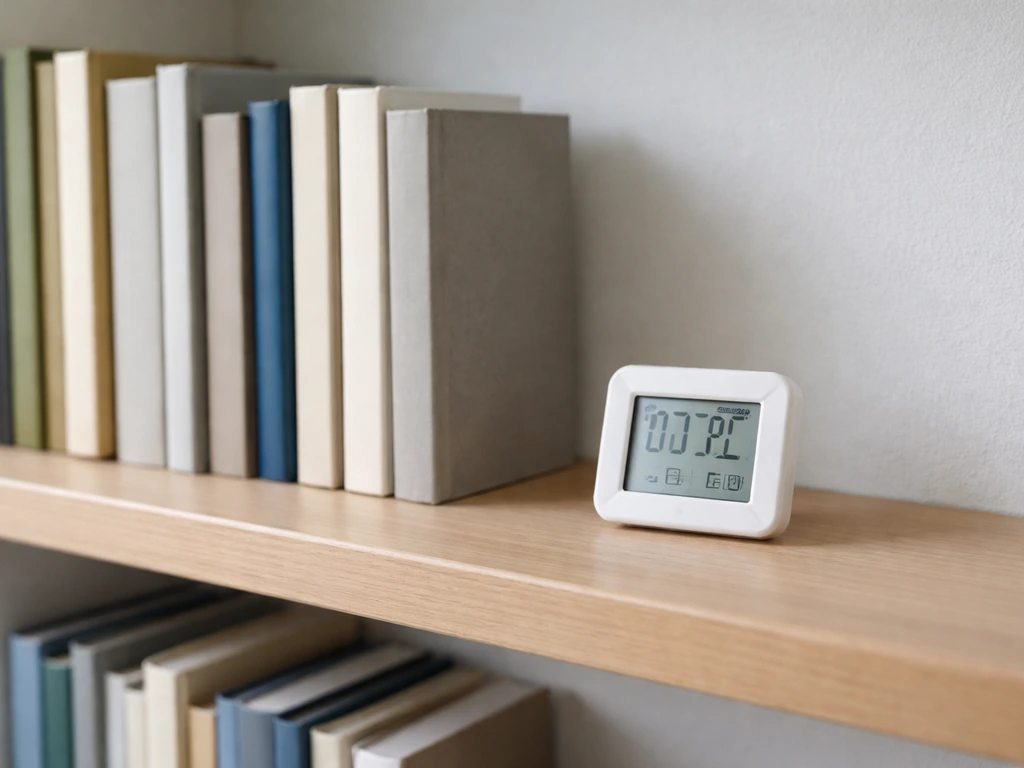
Prevention is simpler and cheaper than remediation. The single most effective thing you can do is control humidity. Keep indoor RH between 30 and 50 percent. A basic digital hygrometer (humidity monitor) costs under $15 and tells you exactly what your storage environment looks like. If you consistently measure above 50 percent, a dehumidifier is a worthwhile investment, especially for basements, closets, or rooms where books are stored.
- Store books away from exterior walls, which are cooler and more prone to condensation. Leave a few inches of space between shelving and the wall to allow air circulation.
- Keep books upright on open shelving rather than packed in sealed boxes. Airflow matters. If you must use boxes for long-term storage, choose acid-free archival boxes, and add silica gel desiccant packets to absorb excess moisture. Check and replace the desiccant periodically.
- Avoid storing books in basements, garages, or attics unless you have excellent humidity and temperature control in those spaces. These locations are the most common sources of mold problems.
- Fix leaks and water intrusion immediately. A slow drip or seasonal seepage may seem minor but creates persistent elevated humidity that mold will exploit over time.
- Dust shelves and books regularly. Dust provides an additional nutrient layer for mold and also holds moisture against surfaces.
- Do not store books in airtight plastic bins unless you are absolutely certain the contents are dry. Sealing moisture inside accelerates mold growth rather than preventing it.
- Use a fan or ensure HVAC airflow reaches storage areas. Still air is mold's friend.
One thing that does not work reliably: simply painting over a moldy wall or wiping down a shelf and replacing books. The CDC is explicit that painting over mold does not prevent it from growing back. You have to fix the underlying moisture source first, then clean properly, then prevent recurrence. Anything less is just delaying the same problem.
What to do right now after water damage or a leak
If books have just gotten wet from a leak, flood, or spill, the clock is running. Your target is to get them dry within 24 to 48 hours. Here is what to do, in order:
- Remove books from the water source immediately. Do not leave them sitting in standing water or on a wet floor.
- Put on gloves and gently blot excess water from covers with clean towels or paper towels. Do not rub, which damages wet paper fibers.
- Prioritize which books to address first: those with sentimental, monetary, or archival value take priority. Books that are already falling apart or heavily saturated may not be worth the effort.
- Stand books upright with pages fanned open in a dry area with good air circulation. Point fans at them to accelerate drying. Do not stack wet books on top of each other.
- If you cannot get to all books within 48 hours, pack them loosely in plastic bags and freeze them (wrapped in waxed or freezer paper) to halt mold growth until you can address them properly.
- Run a dehumidifier in the affected room to pull moisture from the air and surrounding materials.
- Check books every few hours during the first 48 hours. If you see or smell mold starting to develop on any of them, isolate those books immediately to prevent cross-contamination.
- Once dry, inspect every book carefully before returning it to a shelf. Do not re-shelve anything that still has a musty smell.
- Address the source of the water intrusion before replacing books. Putting dry books back into a damp environment just restarts the cycle.
It is worth knowing that the 48-hour guideline is a practical target, not a hard biological cutoff. The EPA notes that mold growth will not always occur exactly at 48 hours, since actual growth depends on temperature, the specific mold species present, and how wet the materials are. But acting as if the clock is real is the right mindset, because the longer wet paper sits, the worse the outcome in almost every case.
A few myths that are worth clearing up
Sunlight kills mold on books: partially true, but unreliable. UV radiation can damage mold on a surface, but the EPA states that effective destruction of mold and spores typically requires much higher UV exposure than casual outdoor sunlight provides. A few hours of sun will help dry a damp book and may suppress surface growth somewhat, but it will not sterilize a moldy book or kill spores embedded in the paper. Do not rely on it as your primary strategy.
Bleach is the go-to mold cleaner: the EPA actively discourages routine use of bleach for mold cleanup, and it is especially inappropriate for books. Bleach damages paper, fades ink, and weakens binding materials. Mild alcohol solutions or plain water are safer for surface treatment of covers, and paper pages should generally not be treated with any liquid. The goal is removing mold, not dousing it with chemicals.
If you cannot see mold, there is none: wrong. That musty smell is your first real warning sign, and it often appears before visible growth does. The EPA notes there is no practical way to eliminate all mold spores indoors, since spores are everywhere in the environment. What you are managing is whether conditions exist for them to germinate and grow. A book that smells musty in a humid room is a book that has mold or is very close to developing it. Even when you cannot see it yet, that musty smell is a strong sign that conditions exist for mold to grow, including on things like books and other porous materials like slime can slime grow mold.
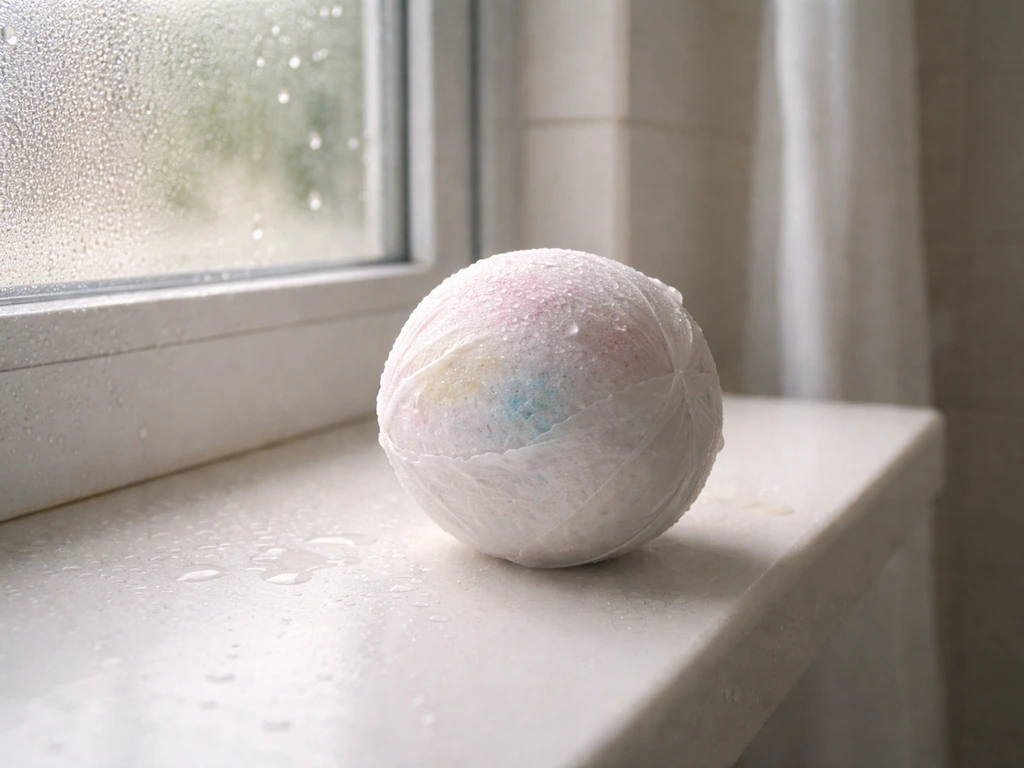
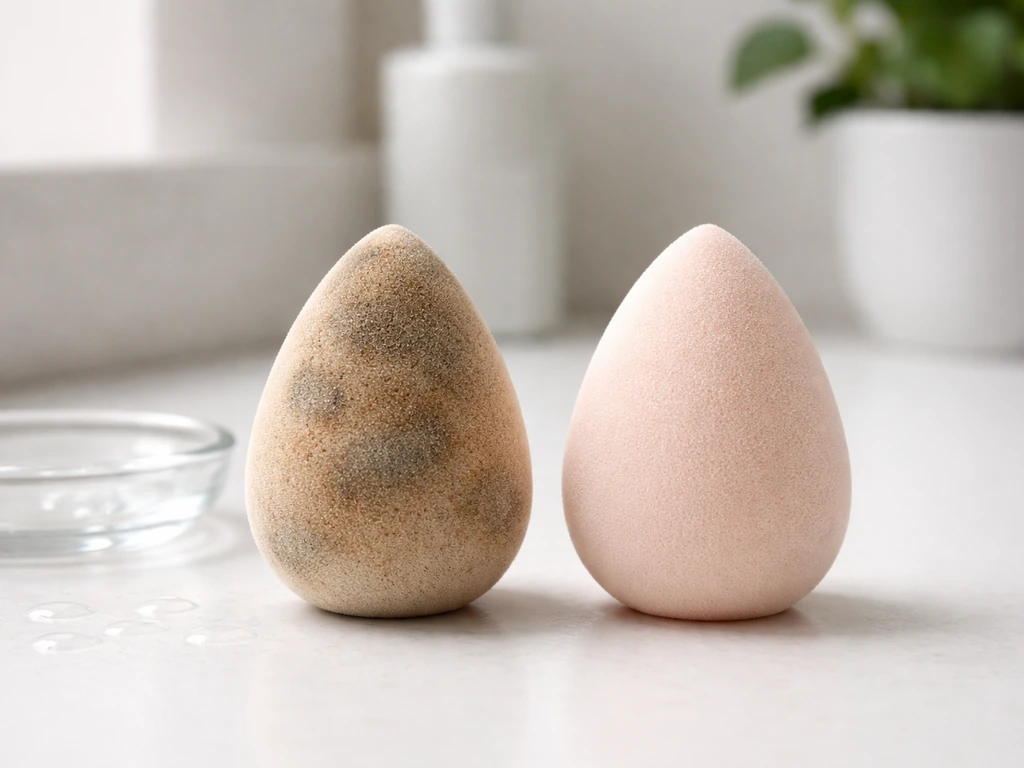
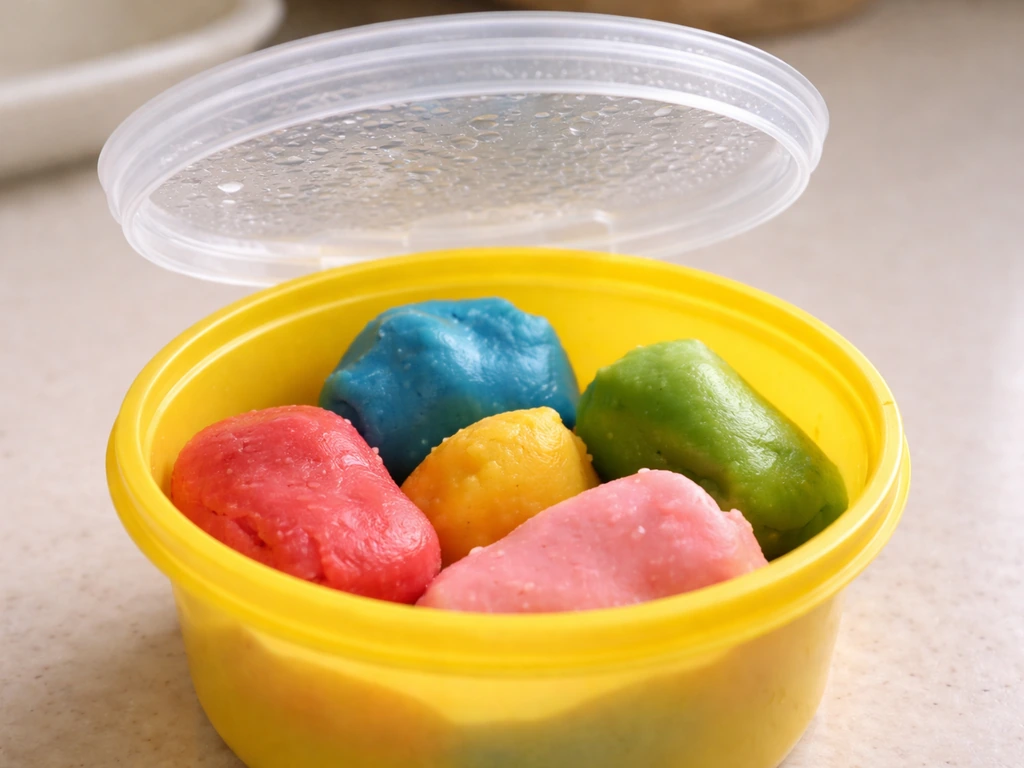
The same biological logic that applies to books applies to other porous household materials as well. Some craft items can play-doh grow mold, too, if they stay warm and moist enough for long enough other porous household materials. Items like bath products, craft materials, and personal care tools that retain moisture in everyday use face similar mold risks for the same underlying reasons: organic nutrients, available water, and the right temperature create an environment where fungal spores find everything they need to grow. Because bath products can trap moisture and organic residue, they can also face mold growth under the right humidity conditions. Can beauty blenders grow mold too? Yes, because they can trap moisture and organic residue, creating similar conditions for mold to develop.
The bottom line is that books grow mold because they are made of organic materials that hold moisture well, and mold only needs a small window of damp conditions to get started. Control the moisture, act fast when water events happen, and store books in properly ventilated, humidity-controlled spaces. Those three things eliminate most mold problems before they start.
FAQ
How can I tell if mold is on a book when I can’t see anything?
Start with odor and feel. A persistent musty smell in a specific book or shelf area, especially after a humidity rise, is a strong early indicator even before spots appear. If the paper edges feel unusually damp or the book is sticking slightly, treat it as suspect and isolate it rather than assuming it is “just dust.”
Does freezing a book kill mold or only stop it?
Freezing mainly halts active growth, it does not reliably sterilize mold already embedded in porous paper. After thawing, you still need thorough drying (air drying or freeze-drying) to prevent reactivation when temperatures rise and moisture returns.
What should I do if only part of the book got wet, like the bottom corner?
Act on the wetest portion first. Water often wicks upward through paper, so inspect page edges and the spine, not just the visible corner. Dry the book upright or propped with airflow so air reaches page edges, and isolate it if there is any musty odor.
Can I safely clean a moldy book at home, or is it better to discard it?
Home cleaning is most realistic when mold is limited to the cover or outer edges and the paper structure is intact (pages separate normally, binding is firm). If pages are swollen, stuck together, crumbling, or the mold seems to have penetrated throughout the text block, discard is often the safer and more effective option to avoid repeated spore exposure.
Is a HEPA vacuum enough, can I vacuum books that have surface mold?
Only use HEPA vacuuming as a light, careful step and avoid brushing or shaking the book first. Do not use a standard household vacuum because it can release spores back into the air. After vacuuming, keep the book isolated until it is properly dried and consider additional steps only if you can do so without disturbing growth excessively.
Will sunlight fully remove mold from books?
Sunlight can help dry and may suppress surface growth, but it usually will not sterilize paper or kill spores embedded inside. Use it only as a drying aid, and still treat musty odor as evidence that mold is present or imminent.
Does wiping with alcohol or water risk damaging the pages?
Yes, liquid exposure can stain paper, spread residues, and cause further swelling in damaged areas. For most books, avoid wetting interior pages. If you use any surface treatment, do it only on covers or outer edges and in minimal amounts, and test a small hidden area first.
How long should I isolate moldy books from the rest of my collection?
Isolate immediately and keep them separated until you have dried them fully and the musty odor has stopped. As a practical rule, if the book still smells musty after drying, keep it isolated and continue drying or seek professional advice rather than returning it to storage.
What humidity level should I target specifically for long-term book storage?
Aim for consistent relative humidity between 30% and 50% and avoid sharp swings. If you measure above 50% for extended periods, use a dehumidifier and improve ventilation rather than relying on “going down later,” because repeated damp cycles make mold more likely to establish.
Can I store books in plastic bins to prevent mold?
Plastic bins help protect from splashes and dust, but they can also trap moisture if humidity is high or if wet books are stored before fully dried. If you use bins, ensure books are completely dry first, and consider adding moisture-absorbing measures or using breathable storage when possible.
Is painting over mold ever a good fix for book shelves?
No. Covering mold without removing the moisture source does not stop the underlying problem, and conditions can still allow mold to return. Fix the leak or humidity issue, clean appropriately, then address what has already been colonized on porous materials.