Organisms which do not require oxygen to grow and survive are called anaerobes, and they are far more diverse and widespread than most people expect. Some are killed the moment oxygen touches them. Others tolerate oxygen just fine but simply never use it. And a third group can flip between oxygen-based and oxygen-free metabolism depending on what is available. Understanding which category you are dealing with matters enormously, whether you are studying microbiology, thinking through food safety risks, or trying to understand why certain infections are so hard to control.
Organisms That Don’t Require Oxygen to Grow and Survive

Marcus Holloway
24 Mar 2026
What 'Don't Require Oxygen' Really Means
The phrase 'does not require oxygen' covers three biologically distinct situations, and collapsing them into one idea is one of the most common mistakes students make in introductory microbiology. The terminology comes from how an organism handles oxygen, not just whether oxygen is present or absent.
Obligate anaerobes live only in the complete absence of oxygen. They cannot perform aerobic metabolism at all, and for many of them, oxygen is not just useless but actively lethal. Clostridium species are the classic example. Expose them to open air and they die, because they lack the defensive enzymes that neutralize the toxic byproducts oxygen creates inside cells.
Aerotolerant anaerobes are a middle category that often gets glossed over. Organisms like Lactobacillus cannot use oxygen for respiration and gain no energy benefit from it, but they can survive in its presence for a limited time. They ferment regardless of whether oxygen is around. Think of them as organisms that are simply indifferent to oxygen rather than threatened by it.
Facultative anaerobes are the most flexible of all. They can grow aerobically or anaerobically depending on what is available. When oxygen is present, they use it to produce more ATP efficiently through aerobic respiration. When oxygen drops below a critical threshold (roughly 0.3% by volume, a point known as the Pasteur point), they shift toward fermentation or anaerobic respiration instead. This shift is called the Pasteur effect, and it is a foundational concept in understanding how microbes adapt to their environment in real time. Escherichia coli is the textbook facultative anaerobe.
There is also a fourth category worth mentioning: microaerophiles, which require oxygen but only at very low concentrations, well below atmospheric levels. They do not belong to the 'no oxygen required' group, but students often encounter them nearby in textbooks and they are worth distinguishing. If you want to explore the other end of the spectrum, organisms that [require oxygen to grow and survive](/microbial-oxygen-requirements/organisms-which-require-oxygen-to-grow-and-survive) are covered separately in the context of obligate aerobes. a halophile would grow best in quizlet
| Category | Uses Oxygen? | Survives in Oxygen? | Example |
|---|---|---|---|
| Obligate anaerobe | No | No (often killed by it) | Clostridium botulinum |
| Aerotolerant anaerobe | No | Yes (tolerates it, doesn't use it) | Lactobacillus spp. |
| Facultative anaerobe | Yes, when available | Yes (prefers it for efficiency) | Escherichia coli |
| Obligate aerobe | Yes (required) | Yes (requires it) | Mycobacterium tuberculosis |
How Anaerobic Metabolism Actually Works
Aerobic respiration uses oxygen as the final electron acceptor in the electron transport chain, and it is efficient, producing up to 38 ATP molecules per glucose molecule. Anaerobic organisms solve the same energy problem with different chemistry. They have two main options: anaerobic respiration and fermentation.
In anaerobic respiration, the organism still runs an electron transport chain but uses a different terminal electron acceptor instead of oxygen. Nitrate, sulfate, and carbon dioxide are all common alternatives depending on the organism. Methanogens (a group of archaea we will come back to shortly) use carbon dioxide as their terminal electron acceptor and produce methane as a byproduct. This is why methane-producing archaea are found in swamps, animal guts, and wastewater treatment systems.
Fermentation takes a different approach entirely. It does not use an electron transport chain at all. Instead, it regenerates the electron carrier NAD+ by offloading electrons onto organic molecules, producing familiar end products like lactic acid, ethanol, and carbon dioxide. The ATP yield is much lower (only 2 per glucose) but the process works without any external electron acceptor. This is exactly what Lactobacillus does when it produces lactic acid in yogurt and sourdough, and what yeast does when it produces ethanol in bread and beer.
The reason oxygen kills obligate anaerobes comes down to defense chemistry. When oxygen is present, cells inevitably generate reactive oxygen species like superoxide radicals. Aerobic organisms (and aerotolerant ones) have enzymes like superoxide dismutase and catalase that neutralize these radicals before they can damage DNA and proteins. Obligate anaerobes have low or undetectable levels of these protective enzymes, so reactive oxygen species accumulate, damage chromosomal DNA, and inactivate essential enzyme systems. This is not a small inconvenience; it is catastrophic for the cell.
Some obligate anaerobes have developed a survival strategy that sidesteps oxygen exposure entirely: spore formation. Clostridium species produce endospores that are metabolically dormant and resistant to oxygen, heat, desiccation, and many chemical disinfectants. The spore does not 'grow' in any active sense; it simply waits until conditions become favorable (low oxygen, adequate moisture, appropriate temperature and pH) and then germinates. This is a key reason why spore-forming anaerobes are such a persistent concern in food safety.
Where Oxygen-Free Growth Is Possible
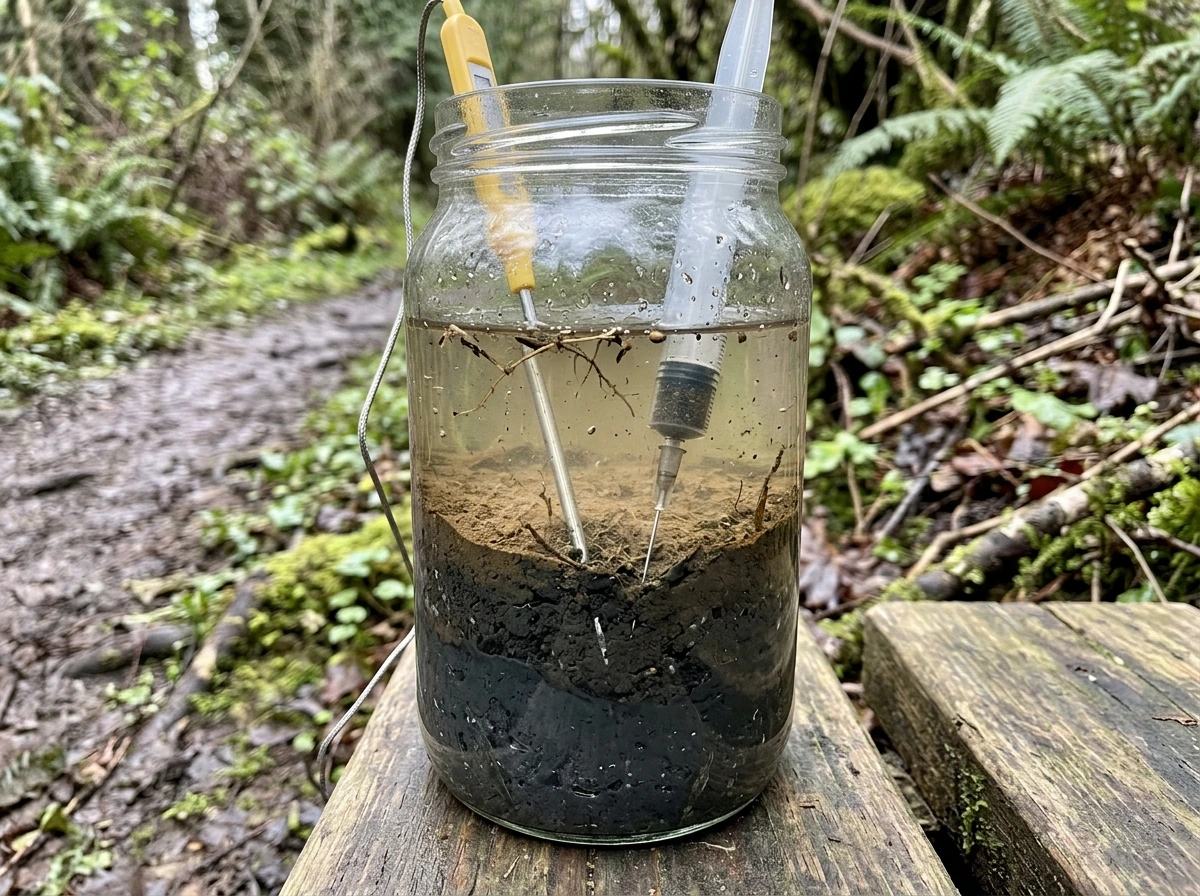
Anaerobic organisms are not rare or exotic. They thrive in any environment where oxygen is consumed faster than it can be replenished, or where it was never present to begin with.
- Deep soil sediments and waterlogged soils, where decomposition rapidly depletes oxygen and it cannot diffuse back in fast enough
- The human gastrointestinal tract, particularly the large intestine, where Bacteroides, Bifidobacterium, and many other anaerobes dominate the microbiome
- Periodontal pockets in the gums, wound sites, and abscesses, where aerobic organisms consume oxygen first and create the low-Eh (oxidation-reduction potential) environment that anaerobes need
- Improperly home-canned foods, especially low-acid vegetables and meats, where hermetically sealed containers remove oxygen and provide warm, moist, nutrient-rich conditions
- Vacuum-packed and modified-atmosphere packaged foods, where oxygen exclusion can inadvertently support anaerobic growth if other controls (temperature, acidity, aw) are not in place
- Swamp sediments, sewage systems, and the guts of ruminant animals, where methane-producing archaea (methanogens) are abundant
- Biofilms, where the outer layers of aerobic cells consume oxygen and create anoxic microenvironments at the biofilm base
What connects all these habitats is a low oxidation-reduction potential (Eh). Eh is a measure of how oxidizing or reducing an environment is. Aerobic environments have high, positive Eh values. For obligate anaerobes like Clostridium to germinate, grow, and produce toxin, the Eh typically needs to be deeply negative, around -370 to -391 mV in studied systems. Tissue damage, dead cells, and coinfecting aerobic bacteria all lower local Eh, which is exactly why mixed infections can become dangerous: the aerobes do the 'setup work' that allows anaerobes to move in.
Oxygen requirement does not exist in isolation. Temperature, pH, moisture (measured as water activity, or aw), and available nutrients all interact. A spore that survives canning at low pH may still fail to germinate if the aw is too low. A facultative anaerobe that tolerates low oxygen at 37°C may be completely inhibited at refrigerator temperatures. Oxygen is one lever among several, and managing anaerobic risk means thinking about all of them together.
How to Identify These Organisms
In a lab or classroom setting, distinguishing anaerobes from aerobes and facultative organisms comes down to observing where growth occurs relative to oxygen availability. A few practical methods make this visible.
Thioglycolate broth: the workhorse tube test
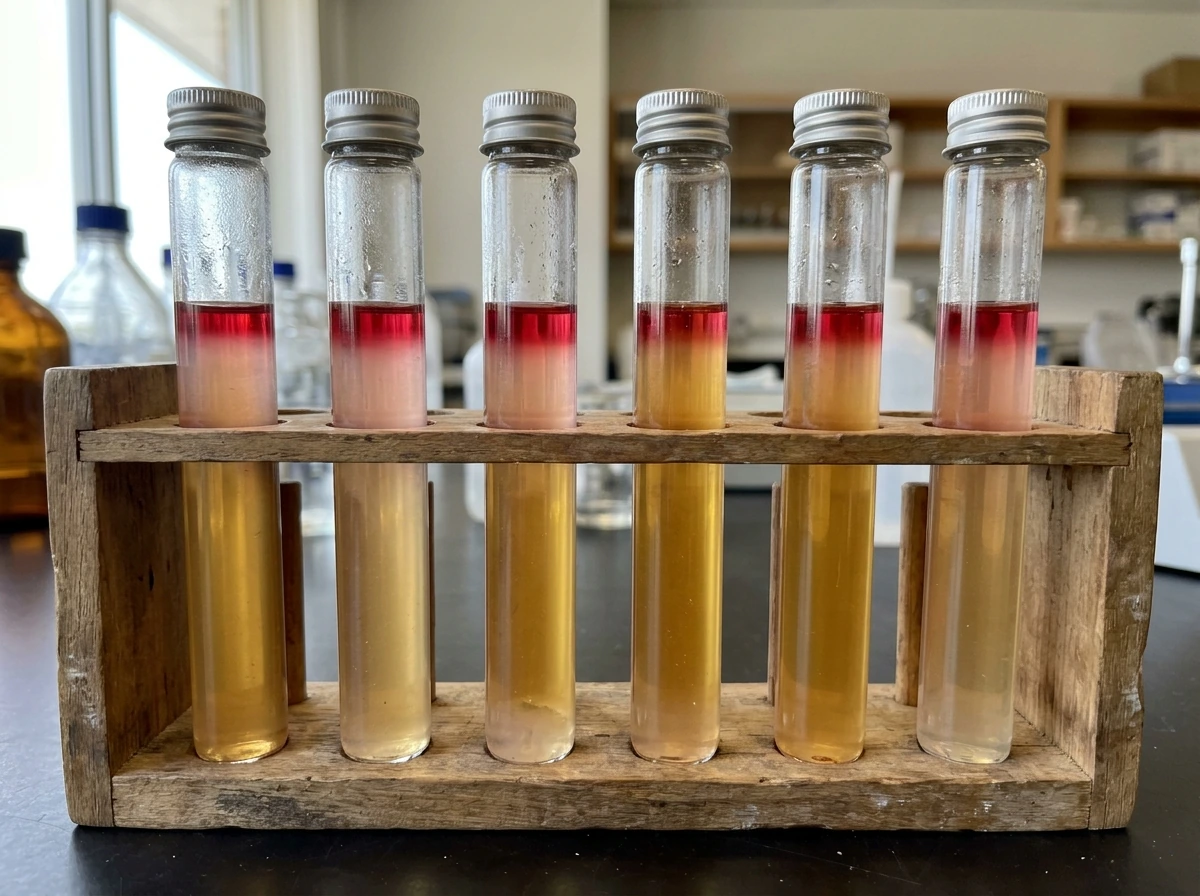
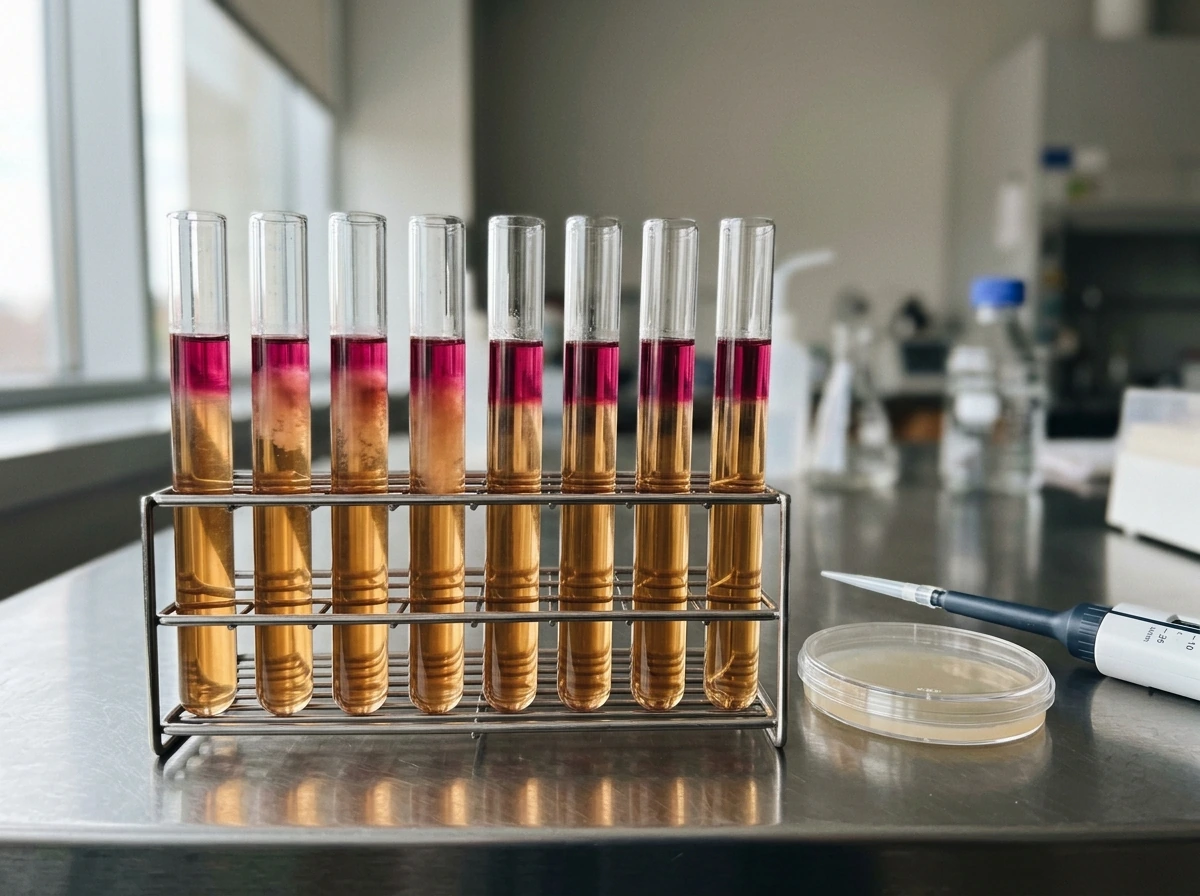
Thioglycolate broth is a semisolid medium that creates an oxygen gradient from top (most oxygen) to bottom (least oxygen). A redox-sensitive dye, usually resazurin, changes color to indicate where oxygen is present. The dye appears pink or red in oxygenated zones near the surface and colorless or reduced in the anaerobic depths. Where bacteria grow within that gradient tells you their oxygen preference: growth throughout the tube suggests a facultative anaerobe, growth only at the top suggests an obligate aerobe, and growth only at the bottom strongly suggests an obligate anaerobe. Aerotolerant organisms tend to grow evenly or near the bottom without a strong preference for the oxygenated zone.
Anaerobic chambers and jars
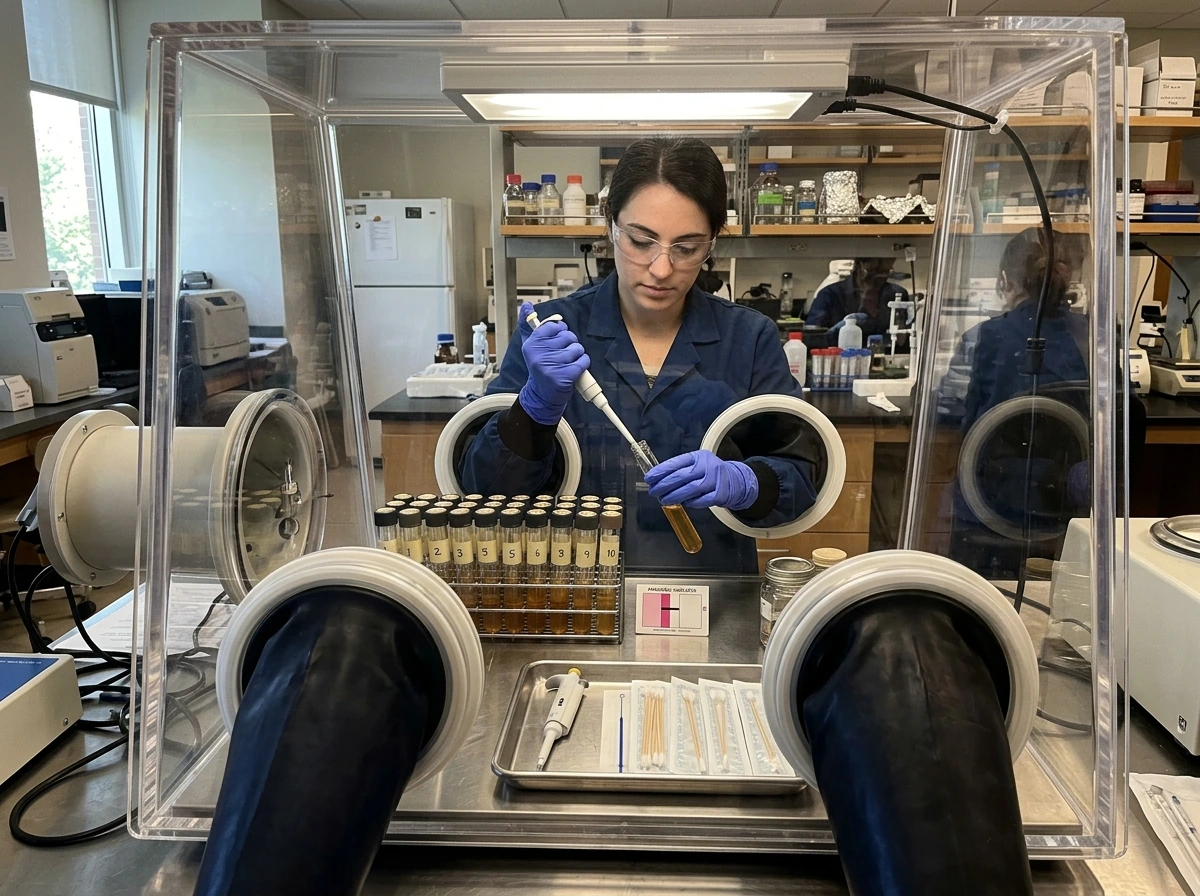
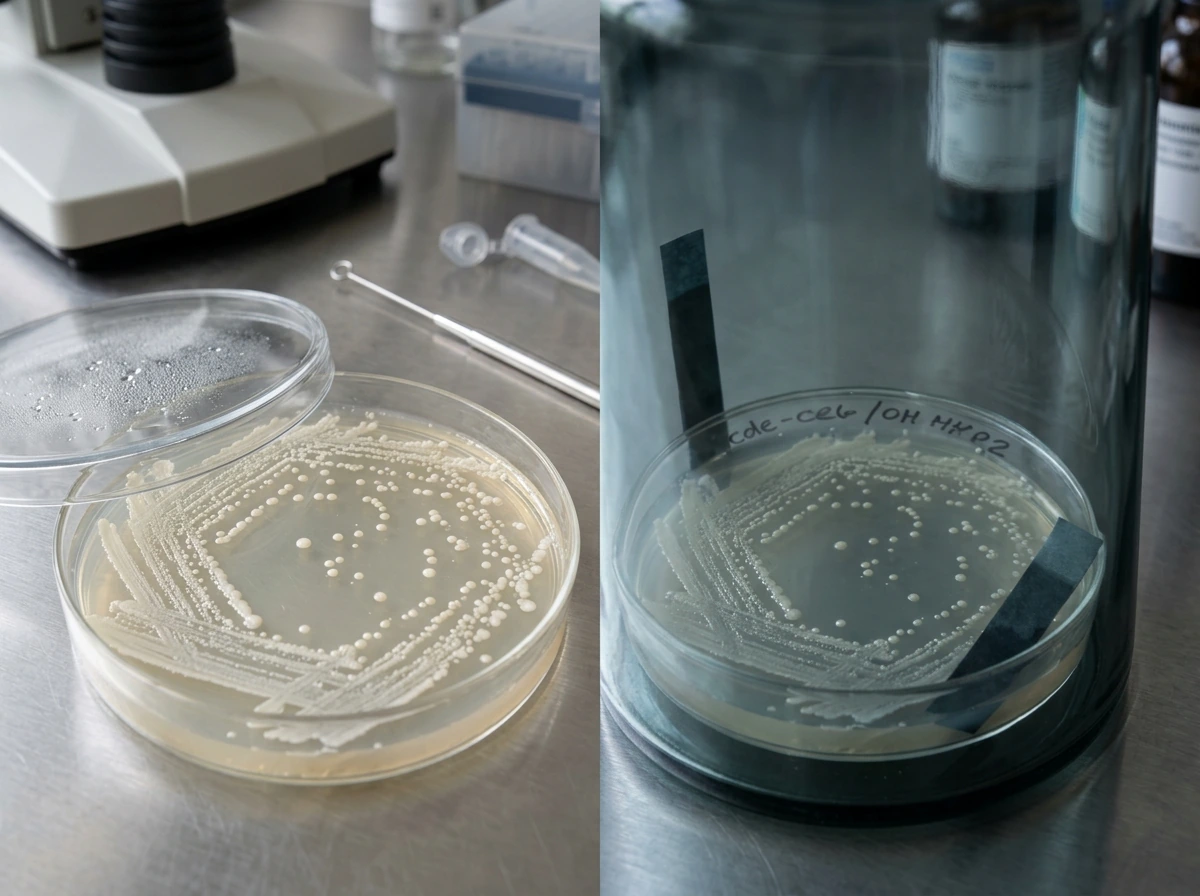
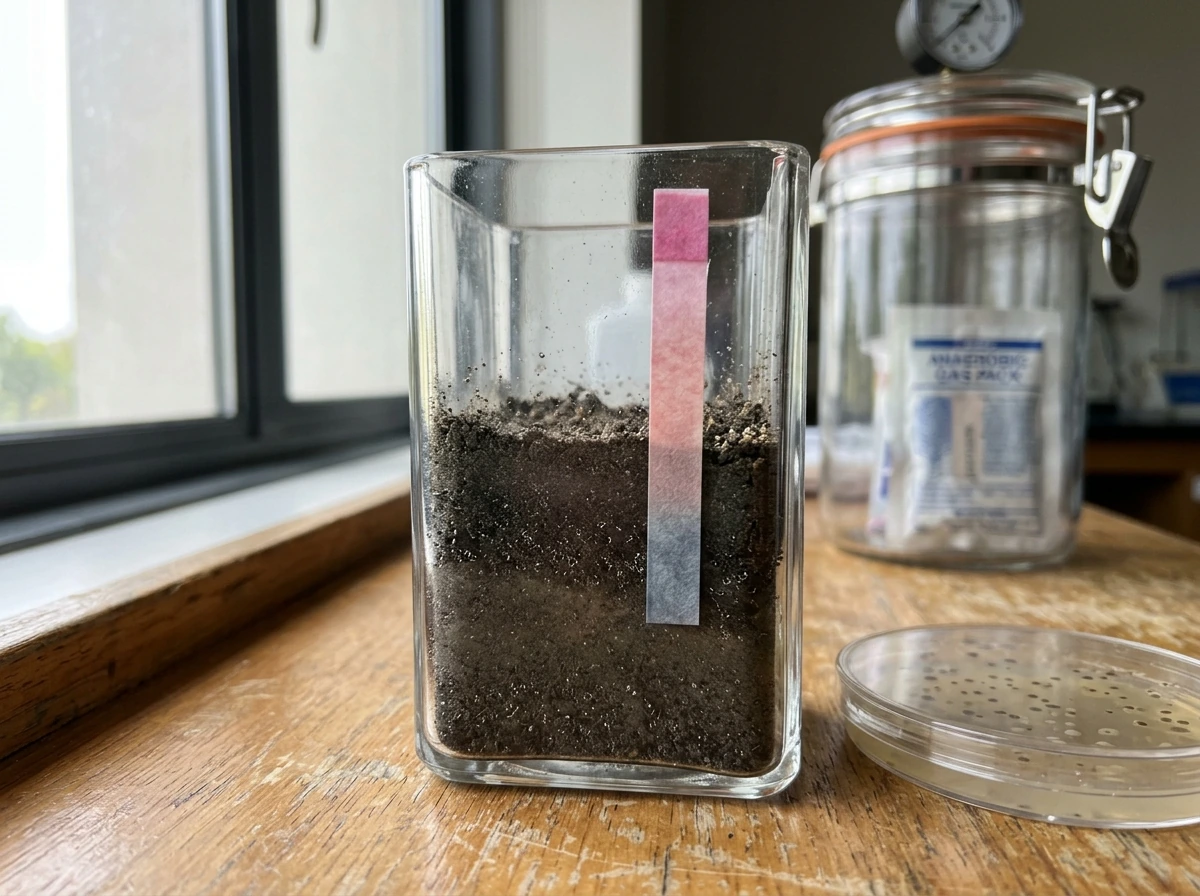
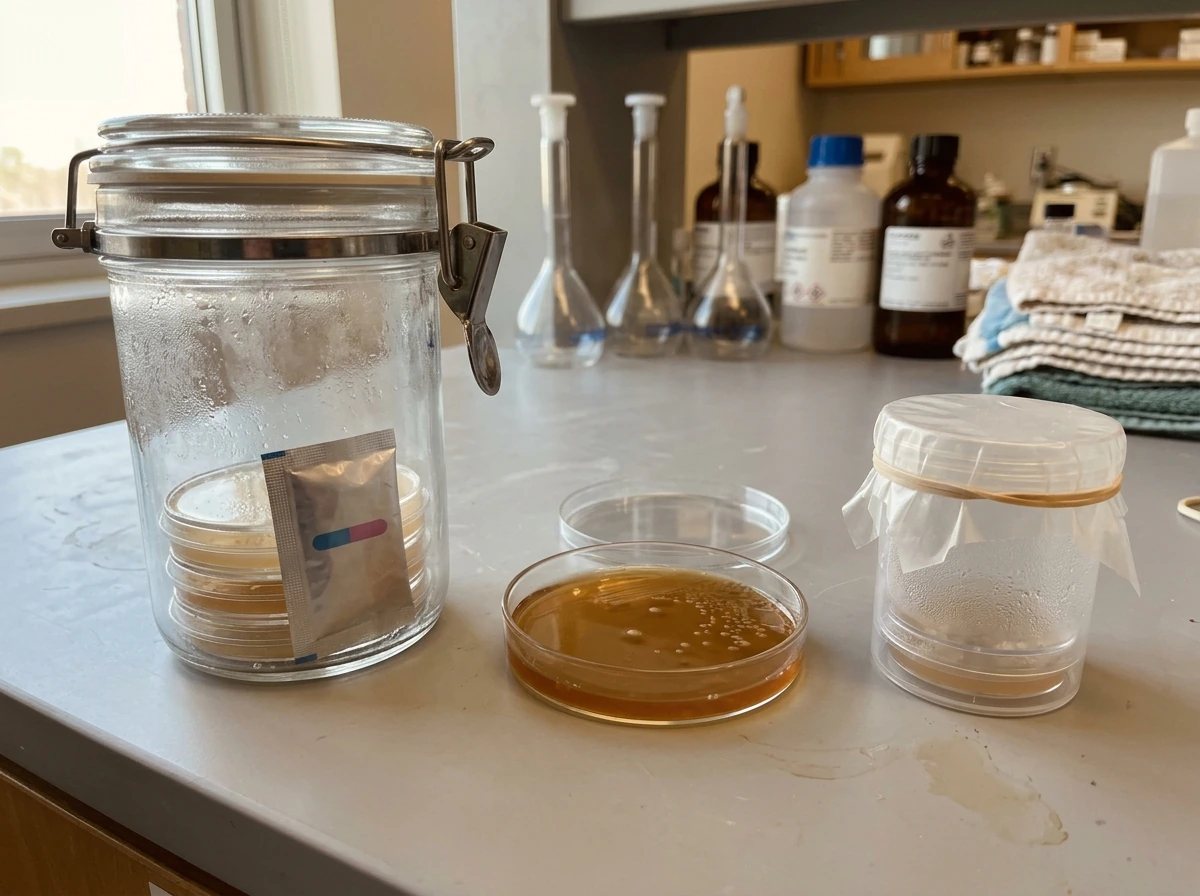
When you need to actually culture obligate anaerobes (rather than just observe their behavior), you need a truly anaerobic environment. GasPak anaerobic jars work by generating hydrogen and carbon dioxide inside a sealed container. The hydrogen reacts with oxygen on a palladium catalyst to produce water, driving oxygen levels down to near zero. McIntosh and Fildes anaerobic jars use a similar catalyst system. Resazurin-based indicator strips verify that anaerobic conditions have been achieved before and during incubation, turning colorless when the redox potential drops sufficiently (around Eh of -110 mV or lower). If the indicator stays pink, the conditions are not yet sufficiently anaerobic.
Clues from growth patterns and colony appearance
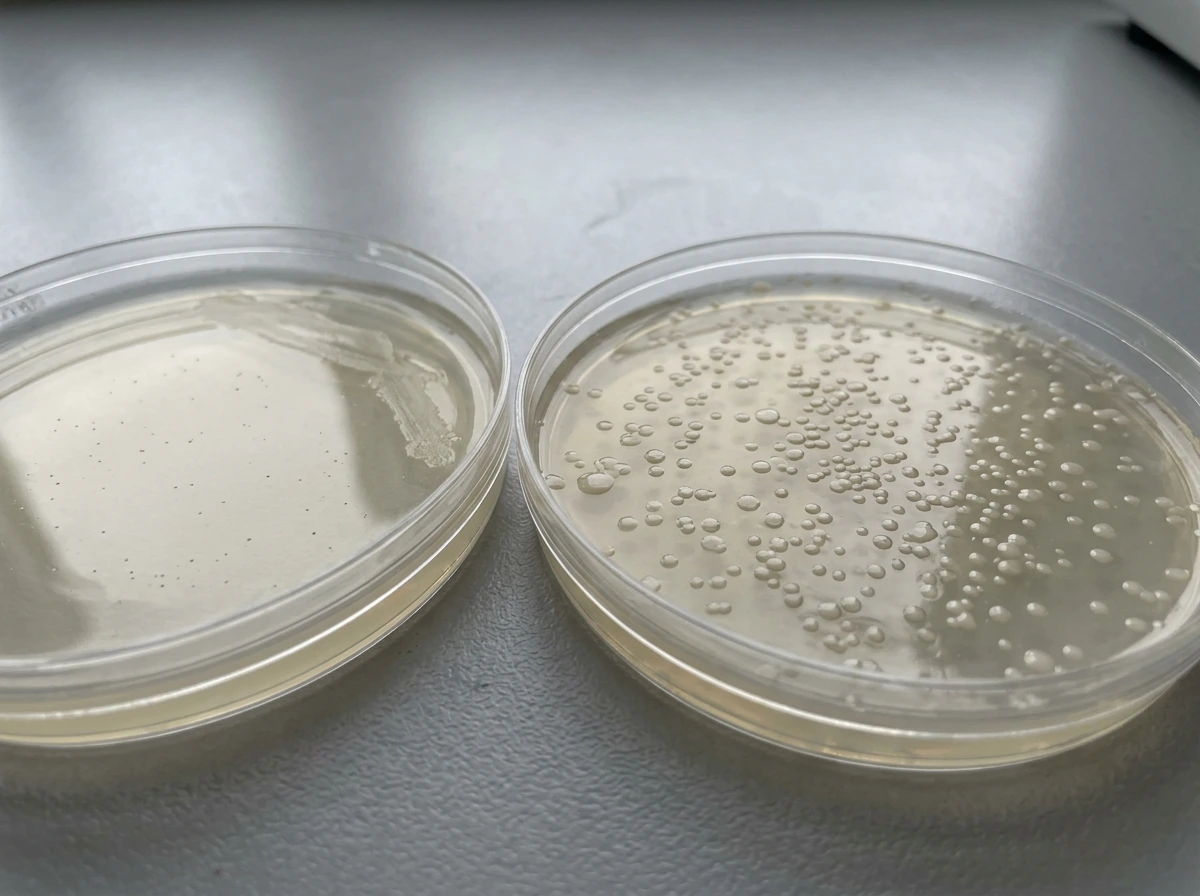
Obligate anaerobes often fail to grow at all on standard plates incubated in air. If cultures from clinical or environmental samples grow only under anaerobic conditions and not on the same medium in aerobic incubation, that is a strong indicator. Some anaerobes also produce distinctive odors from fermentation end products, have particular colony morphologies on reduced blood agar, or show characteristic Gram stain patterns (many pathogenic anaerobes are Gram-negative rods, like Bacteroides). The key distinction students need to internalize is that 'cannot use oxygen' and 'killed by oxygen' are not the same thing: aerotolerant anaerobes demonstrate that clearly.
Examples of Oxygen-Independent Microbes
Rather than a long list, it helps to know a handful of well-characterized examples that illustrate different points on the anaerobe spectrum.
Bacteria
Clostridium botulinum is the obligate anaerobe most people encounter first in a food safety context. It forms heat-resistant spores, and under anaerobic conditions (low pH above approximately 4.6 in some strains, and low Eh), those spores can germinate, the bacteria can grow, and they can produce one of the most potent toxins known. It is killed by oxygen as a growing vegetative cell, but the spore form survives air exposure and many disinfectants. This is why pressure canning, not just boiling or sealing, is the recommended method for low-acid home-canned foods.
Clostridium difficile (now officially Clostridioides difficile) is another obligate anaerobe of major health concern. It produces spores that persist in healthcare environments and can cause serious intestinal infection when the normal gut microbiome is disrupted, typically by antibiotic use. The low-oxygen environment of the gut, combined with reduced microbial competition, gives it room to establish.
Bacteroides fragilis is worth highlighting because it complicates simple definitions. Classified as a strict anaerobe, B. fragilis can actually tolerate oxygen for extended periods and has been shown to grow and even benefit from nanomolar concentrations of oxygen. This illustrates that 'strict anaerobe' is not a perfectly uniform category and that oxygen tolerance exists on a spectrum even within groups we label as obligate.
Lactobacillus species sit in the aerotolerant category. They ferment sugars to lactic acid regardless of oxygen availability, and while they tolerate atmospheric oxygen, they gain nothing metabolically from it. You will find them in yogurt, cheese, sourdough, and the human gut and vaginal microbiome. Their acid production lowers local pH, which incidentally creates an environment less hospitable to many pathogens.
Escherichia coli is the facultative anaerobe that students encounter most often. In the oxygen-rich environment of a laboratory flask, it respires aerobically. In the oxygen-poor environment of the human colon, it switches to anaerobic metabolism. This flexibility makes it a dominant member of the gut microbiome despite being fully capable of aerobic life.
Archaea
Methanogens are among the most strictly anaerobic organisms known. They belong to the domain Archaea and are found in oxygen-free environments like deep sediments, swamps, and animal digestive tracts (particularly ruminants like cattle). Their methanogenesis enzymes and the iron-sulfur clusters they use for ATP production are exquisitely sensitive to oxygen and are inactivated almost immediately on exposure. Methanobrevibacter woesei is one described example of a strict anaerobe in this group. Methanogens are not just textbook curiosities; they are responsible for significant methane emissions from livestock and wetlands, which connects microbiology directly to climate discussions.
A note on fungi
Most fungi are aerobic and require oxygen for growth, so fungi are not typically placed in the 'oxygen-independent' category the way bacteria and archaea are. However, Saccharomyces cerevisiae (baker's and brewer's yeast) is a notable exception as a facultative anaerobe. In the presence of oxygen, yeast performs aerobic respiration. In the absence of oxygen, it ferments sugars to ethanol and carbon dioxide, which is the basis of alcoholic fermentation in brewing and winemaking. This is a legitimate example of oxygen-independent growth in a fungal organism, but it is an exception rather than the rule for fungi as a group. Rumen fungi are another niche example, but for most practical microbiology discussions, oxygen-independent growth is primarily a bacterial and archaeal story.
What This Means for Food Safety, Hygiene, and Health
Understanding anaerobic growth is not just an academic exercise. It has direct, actionable consequences for food handling, packaging decisions, wound care awareness, and infection control.
Home canning and low-acid foods
Home-canned foods are responsible for over 90% of foodborne botulism cases. The combination of a sealed container (oxygen excluded), low-acid food (vegetables, beans, meats, fish), and warm storage temperatures creates exactly the conditions C. botulinum needs to germinate from spores and produce toxin. Regular boiling water canning does not reach temperatures high enough to destroy the spores (which require 121°C for at least 3 minutes under pressure). Pressure canning is the only recommended safe method for low-acid foods precisely because it addresses this anaerobic risk at its source. Acidifying foods (pH below 4.6) is the other reliable control, which is why high-acid fruits and properly pickled vegetables can be safely water-bath canned.
Vacuum and modified-atmosphere packaging
Vacuum packaging and modified-atmosphere packaging (MAP) remove or reduce oxygen to extend shelf life, primarily by suppressing aerobic spoilage organisms. This is effective at what it is designed to do, but it simultaneously creates an anaerobic environment. If temperature control fails during storage or distribution, and if the product contains C. botulinum spores (as raw fish or meat sometimes does), toxin can develop without any visible signs of spoilage. The food can look and smell normal while being hazardous. This is why temperature, pH, and water activity controls remain critical even when oxygen is excluded as one control hurdle.
Wounds, infections, and why oxygen alone does not fix the problem
Anaerobic infections often involve a mix of species. Aerobic organisms infect a wound first, consume local oxygen, and lower the oxidation-reduction potential of the tissue. This creates the low-Eh microenvironment that obligate anaerobes like Bacteroides or Clostridium require to establish themselves. By the time the anaerobes are causing damage, the tissue conditions are already suited to their growth. Simply exposing a deep wound to air does not reliably eliminate the anaerobic pockets deep in damaged or dead tissue, which is why surgical debridement (removal of dead tissue) is so important in managing serious anaerobic infections.
The gut microbiome and normal health
Not all anaerobic growth is harmful. The majority of the human gut microbiome consists of obligate and facultative anaerobes, including Bacteroides, Bifidobacterium, and many Firmicutes. They ferment dietary fiber into short-chain fatty acids that nourish intestinal cells, regulate immune responses, and compete with pathogens for space and nutrients. When this community is disrupted (by antibiotics, illness, or poor diet), the resulting ecological vacuum can allow opportunistic anaerobes like C. difficile to expand. Preserving the anaerobic gut community is, in a very practical sense, a health priority.
Your practical checklist
If you are applying this knowledge to real-world scenarios, here are the most actionable takeaways:
- Always use a pressure canner (not a boiling water bath) for low-acid home-canned foods like green beans, corn, meats, and soups
- Never assume vacuum packaging eliminates all microbial risk; temperature control is still non-negotiable
- Recognize that wound infections in deep or damaged tissue are prime conditions for anaerobic pathogens, and do not assume oxygen exposure at the surface is sufficient treatment
- When studying oxygen requirements in the lab, use thioglycolate broth and resazurin indicators as your first diagnostic tools
- Remember that the terms obligate anaerobe, aerotolerant anaerobe, and facultative anaerobe describe three distinct behaviors, not one sliding scale
- Keep in mind that organisms which can grow with or without oxygen (facultative anaerobes) are common in everyday environments like the human gut and are not inherently harmful
Oxygen is one of the most powerful levers controlling microbial growth, but it works in concert with temperature, pH, water activity, and nutrient availability. Anaerobic organisms have evolved sophisticated workarounds to thrive without it, and some of those workarounds (spore formation, fermentation, alternative respiration) make them extraordinarily resilient. Knowing how they work, where they grow, and what conditions enable or inhibit them gives you the framework to understand not just the microbiology, but the practical decisions that come from it.
FAQ
If an organism grows only in anaerobic conditions, can I assume it is an obligate anaerobe?
Not automatically. Some organisms are “anaerobe-dependent” because oxygen is damaging to them indirectly (for example, they require very low redox conditions, or they rely on other microbes to create the right environment). Confirm by testing growth across an oxygen gradient (for example, a thioglycolate tube) and by measuring whether growth stops as soon as oxygen rises, versus simply slowing due to indirect effects.
Why do some strict anaerobes still survive brief exposure to oxygen?
Many obligate anaerobes can tolerate short oxygen exposure due to time needed for reactive oxygen species to accumulate and due to antioxidant capacity that is not completely zero. The key distinction is growth, not survival. An organism may survive for a while but fail to reproduce or remain metabolically active.
Are “anaerobic” and “low-oxygen” the same thing in practice?
No. “Anaerobic” often means oxygen is absent or kept extremely low, usually in a controlled redox environment. “Low-oxygen” (microaerophiles or oxygen-limited niches) can still support growth if oxygen stays below a specific threshold. That is why an oxygen indicator alone may not be enough, you also need proper redox control and the right incubation conditions.
What is a common lab mistake when culturing organisms that do not require oxygen to grow?
Relying on sealed containers without verifying anaerobiosis. Oxygen can linger at levels that block obligate anaerobe growth even if the jar looks sealed. Use a resazurin indicator (or equivalent) to confirm the redox condition during incubation, not just at the time you set up the culture.
Does the Pasteur point mean the exact same oxygen level for every facultative anaerobe?
No. The oxygen threshold varies by species, strain, temperature, growth phase, and medium composition. The “roughly 0.3%” value is a useful reference point, but in real experiments you should determine the critical level for the specific organism and conditions you are using.
Can oxygen-free growth still be blocked by factors other than oxygen?
Yes. Anaerobes can fail to grow if temperature, pH, or water activity (aw) are outside their acceptable range. For example, spores may persist and survive harsh treatment but still fail to germinate if moisture or ionic conditions are not right, even when oxygen is absent.
How can Bacteroides fragilis tolerate oxygen yet be labeled a strict anaerobe?
“Strict” refers to how it is categorized based on oxygen use and growth behavior under standard lab conditions, not that it is chemically unable to handle any oxygen. Some organisms can tolerate low or transient oxygen and even benefit from trace amounts, so classification may hide a spectrum of oxygen responses.
Are anaerobic infections always caused by oxygen-killing organisms?
Often the story is more complex. Tissue damage and necrosis lower local redox potential, and aerobic bacteria can consume oxygen and create the low-Eh pocket anaerobes need. So the infection may be “mixed,” and the anaerobes may thrive because the environment has already been altered.
Why might a sample show no odor or no distinctive colony features even if anaerobes are involved?
Observable signs can be subtle, especially when anaerobes are present in low numbers, when mixed flora masks fermentation products, or when specimens are collected and handled in ways that change viability. That is why growth behavior under controlled oxygen and redox conditions is more reliable than odor or a single staining pattern.
If I vacuum-pack or use modified-atmosphere packaging, does that fully prevent botulism?
No. Removing oxygen reduces aerobic spoilage, but it can also favor conditions that allow spore germination if temperature control fails. Botulinum risk is managed through multiple hurdles, including correct pH, adequate water activity control, and (for low-acid foods) validated thermal processing.
Can home “quick fixes” like adding vinegar make low-acid foods safe from anaerobic spore-formers?
Sometimes, but only if the final pH reaches safe levels throughout the product (not just on the surface) and if processing is appropriate. Uneven acidification and incorrect concentration are common hazards. For low-acid foods, you generally need pressure canning or an experimentally validated preservation method, because spores can survive and toxin can develop if pH control is insufficient.
Do anaerobic microbes necessarily reduce ATP more than aerobic microbes?
Generally fermentation yields less ATP than aerobic respiration, but not all anaerobic energy strategies are the same. Anaerobic respiration can still be efficient because it uses an electron transport chain with alternative terminal acceptors. The big difference is that oxygen is not the terminal acceptor.
How do I distinguish “does not use oxygen” from “is killed by oxygen” experimentally?
Test both survival and growth. Aerotolerant organisms may survive oxygen exposure but do not gain energy from it, so growth can still occur under anaerobic metabolism patterns. Obligate anaerobes tend to show a sharp loss of growth after oxygen exposure. Using both time-limited oxygen exposure and subsequent anaerobic incubation helps separate these cases.