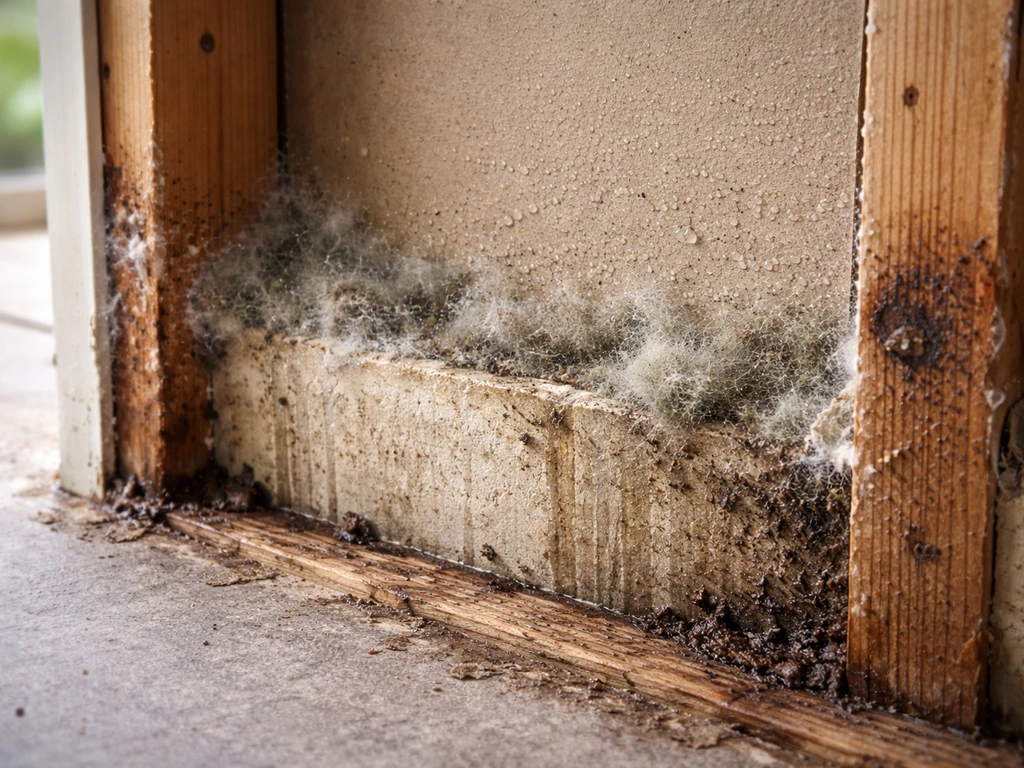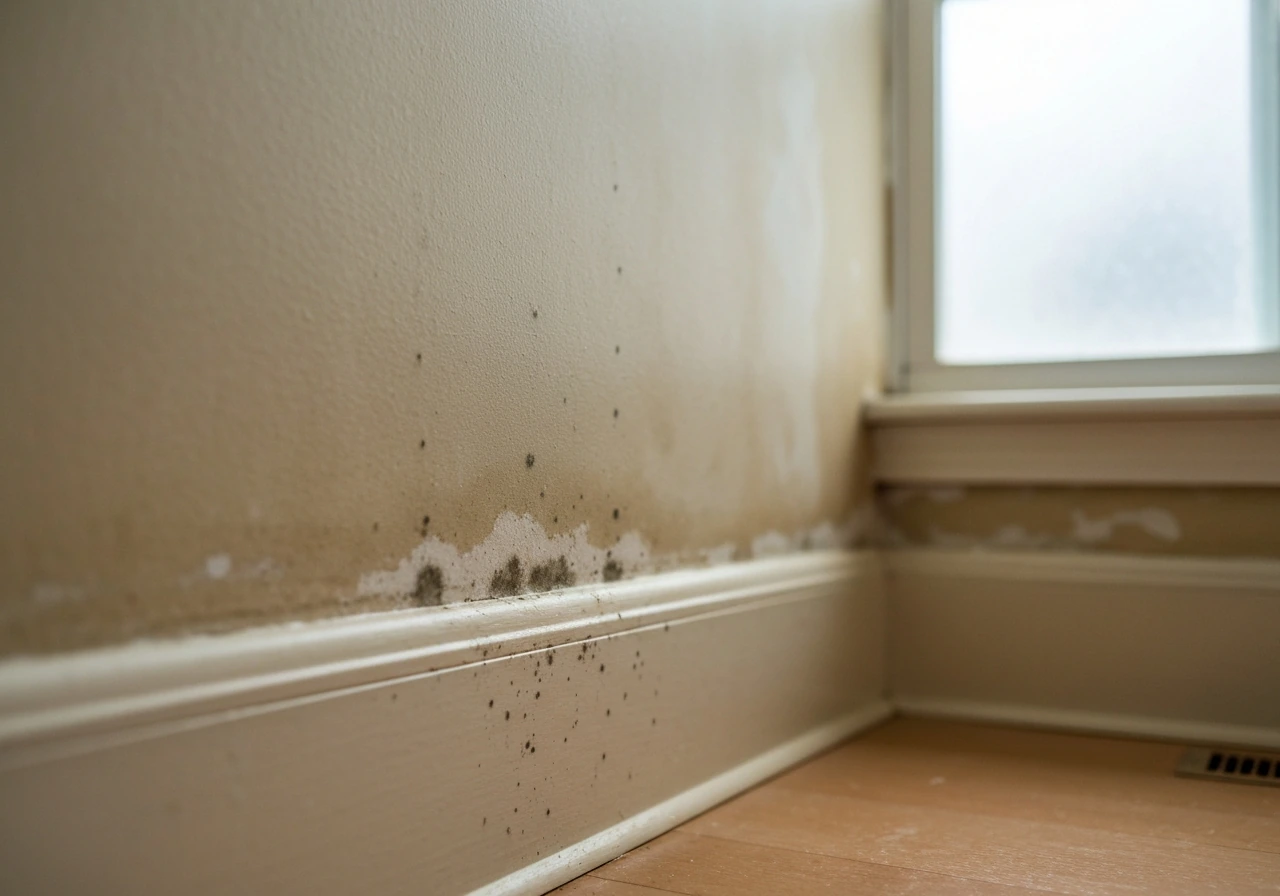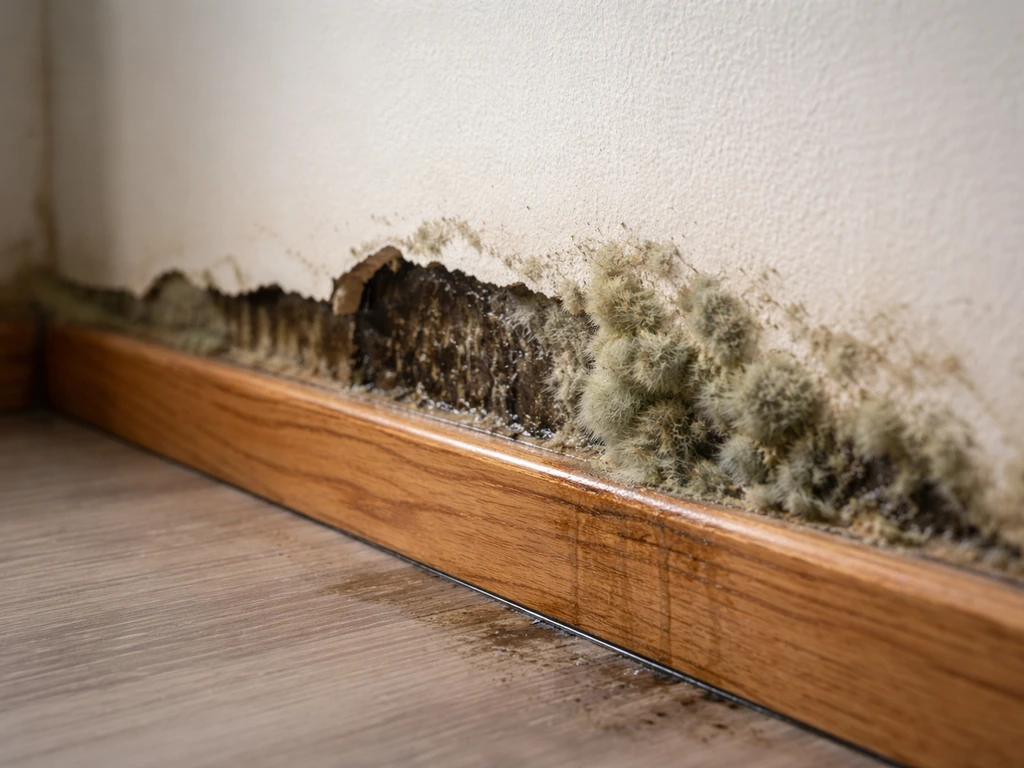
Spores grow into active, living organisms, but what that organism actually is depends entirely on the type of spore you're talking about. Fungal spores germinate into hyphae, which are the thread-like filaments that form mold colonies and, eventually, fruiting bodies. Bacterial endospores germinate back into regular vegetative bacterial cells, the fully active, dividing form of bacteria. A few other microbes, like protozoa, produce cyst-like structures that people sometimes loosely call spores, and those excyst into their active life stages. None of these happen automatically. Every type of spore stays dormant until a specific set of environmental conditions flips the switch.
What Do Spores Grow Into? Fungus, Bacteria, and Cysts

Marcus Holloway
28 May 2026
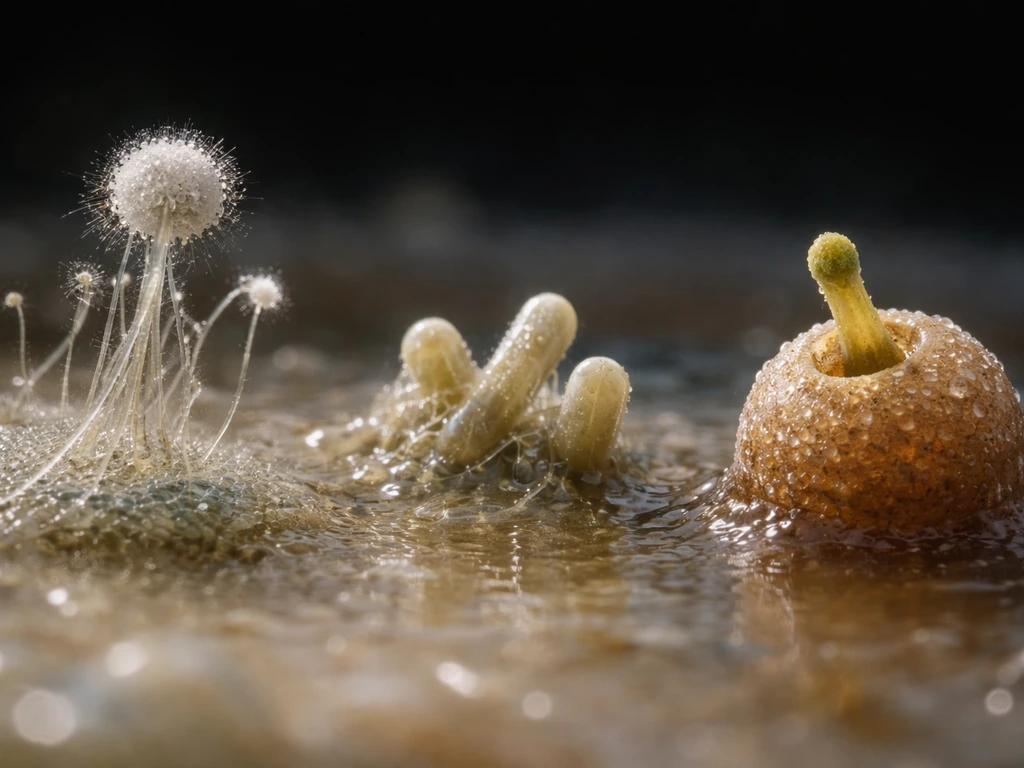
What a spore actually is (and why it's not the same as a regular cell)
A spore is a dormancy structure, not a growing cell. Think of it like a sealed emergency pod: metabolism is reduced to nearly zero, enzyme production is minimal, and the organism is essentially waiting. This is what makes spores so surprisingly durable. They can survive heat, desiccation, UV radiation, and chemical treatment that would kill an active cell almost instantly. Bacterial endospores, for example, are the most dormant form of bacteria known, with minimal respiration and near-complete metabolic shutdown.
This is the key distinction that trips people up: a spore is not passively slow-growing. It is genuinely non-growing. The biological event that changes this is called germination, followed by outgrowth. Germination is when the spore senses the right environmental signals and begins breaking down its protective structures. Outgrowth is when the organism resumes full metabolism and starts growing and dividing again. Both steps are distinct, sequential, and triggered by specific conditions.
Fungal spores: hyphae, mold colonies, and fruiting bodies
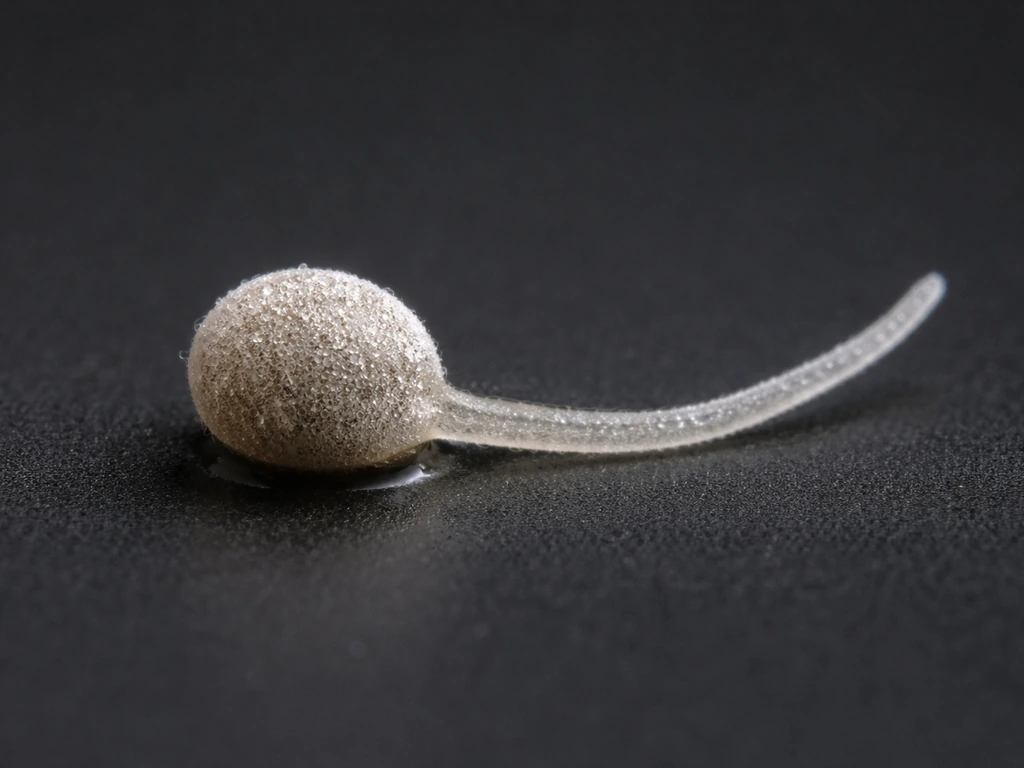
When a fungal spore germinates, the first thing it produces is a germ tube, which elongates into a hypha (plural: hyphae). Hyphae are the branching, thread-like filaments that make up the body of a fungus. As they grow and branch repeatedly, they form a tangled network called mycelium. That white or gray fuzzy growth you see on a forgotten piece of bread or a damp wall? That's mycelium. The colored patches you notice, whether green, black, or orange, are usually masses of new spore-producing structures sitting on top of the mycelium.
In more complex fungi, the mycelium can eventually organize into a fruiting body, the classic mushroom form. But in everyday mold scenarios (the kind relevant to food safety and indoor air quality), you're mostly seeing hyphae and spore-bearing structures, not mushrooms. The important takeaway is that every mold colony you encounter started from a single spore that found moisture. OSHA's guidance makes the point plainly: molds reproduce through spores, and moisture is the controlling variable.
It's also worth knowing that slime molds, which you might encounter in soil or lawn thatch after wet weather, use a different life cycle where their spores germinate into amoeba-like cells, not hyphae. Slime molds are not true fungi, which is a common misconception. Mentioning them here because people searching this topic sometimes encounter them in garden contexts and assume all spore-producing organisms behave the same way. They don't.
Bacterial endospores: back to a vegetative cell
Bacterial endospores don't grow into anything new. They return to what the bacterium was before it sporulated: an active, dividing vegetative cell. Species like Bacillus and Clostridium form endospores when conditions become unfavorable, and the germination process essentially reverses that. When favorable conditions return, specific germinant molecules (usually nutrient signals) bind to receptor proteins located at the inner membrane of the spore. This triggers a cascade where the spore's cortex, a thick protective peptidoglycan layer, gets broken down by cortex-lytic enzymes. The core rehydrates, metabolism resumes, and the cell starts growing again as a normal vegetative bacterium.
What makes this medically and practically significant is that these spores are extraordinarily resistant. One of the most well-studied examples is Bacillus anthracis (the cause of anthrax), but the broader point is that endospore-formers as a group can survive conditions that kill most organisms. In sterilization settings, spores from Geobacillus stearothermophilus are deliberately used as biological indicators to test whether a steam autoclave is actually hot enough and long enough to guarantee sterilization. If those spores survive, the sterilizer failed.
One other structure worth mentioning briefly: protozoan cysts. Giardia, for instance, produces cysts that are sometimes casually called spores in everyday language. These aren't true spores in the microbiological sense, but they function similarly as dormant, resistant survival forms. Giardia cysts excyst in the duodenum when exposed to bile, a more alkaline pH after the acidic stomach environment, and pancreatic enzymes like chymotrypsin and trypsin. This illustrates how even these cyst-like structures require very specific chemical signals to activate.
What it takes to make a spore germinate
No single factor triggers germination in isolation. Moisture, temperature, oxygen, pH, and nutrient availability all interact, and the relative importance of each depends on the organism. Here's how each one plays out:
Moisture and humidity
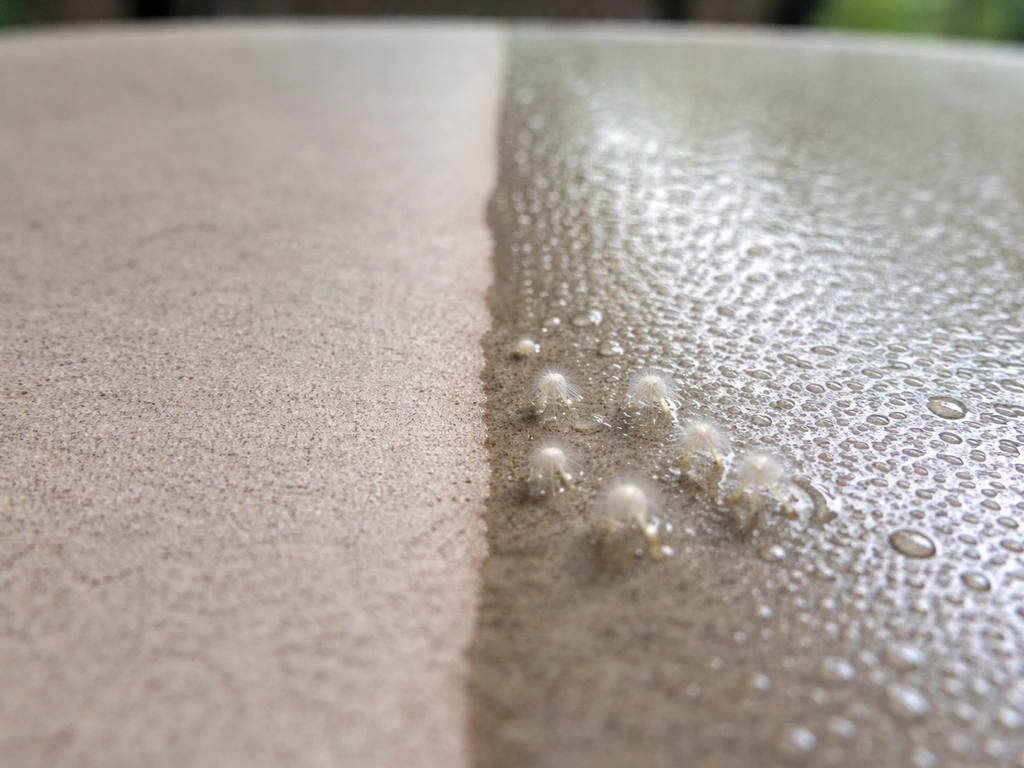
Moisture is the single most critical variable for fungal spore germination in everyday environments. For mycelium to grow, moisture is usually the main requirement, and oxygen availability matters too since mold hyphae respire. The CDC recommends blank" rel="noopener noreferrer">keeping indoor relative humidity no higher than 50% to prevent mold growth, and the EPA suggests ideally staying in the 30 to 50% RH range. WHO guidelines indicate that even if the minimum RH for germination of some fungal species is around 62 to 65%, maintaining surface humidity below 75 to 80% on building materials can prevent growth on susceptible surfaces. The practical upshot: if your walls, ceiling, or food surfaces stay dry, the spores sitting on them don't germinate, no matter how many there are.
Temperature
Most common mold species germinate in a wide temperature range that overlaps with typical indoor and outdoor conditions, which is part of why they're so pervasive. Bacterial endospores are even more flexible: some thermophilic species require higher temperatures to germinate, but many mesophilic species (those adapted to moderate temperatures, including pathogens relevant to food safety) germinate readily at room temperature once other conditions are met.
Oxygen
Most molds are aerobic, meaning they need oxygen to germinate and grow. This is why mold tends to appear on surfaces exposed to air rather than inside sealed, oxygen-deprived environments. Bacterial endospores are more variable. Bacillus species are aerobic or facultatively anaerobic, while Clostridium species are strictly anaerobic, meaning they actually germinate and grow in the absence of oxygen. This is what makes improperly canned food dangerous: the anaerobic interior of a jar is exactly the environment Clostridium botulinum endospores need to germinate and produce toxin.
pH and chemical signals
For bacterial endospores, pH and specific chemical germinants are often the key triggers. Nutrients like amino acids and sugars act as germinant signals by binding to receptor proteins in the inner membrane. There's also a well-studied non-nutrient germinant pathway involving a chelate of calcium and dipicolinic acid (Ca2+-DPA) that can trigger germination in many endospore-forming species even without nutrients. For protozoan cysts like Giardia, it's the shift from acidic (stomach) to more alkaline (small intestine) pH combined with bile and digestive enzymes that initiates excystation.
Fungal spore or bacterial endospore: how to tell what you're dealing with
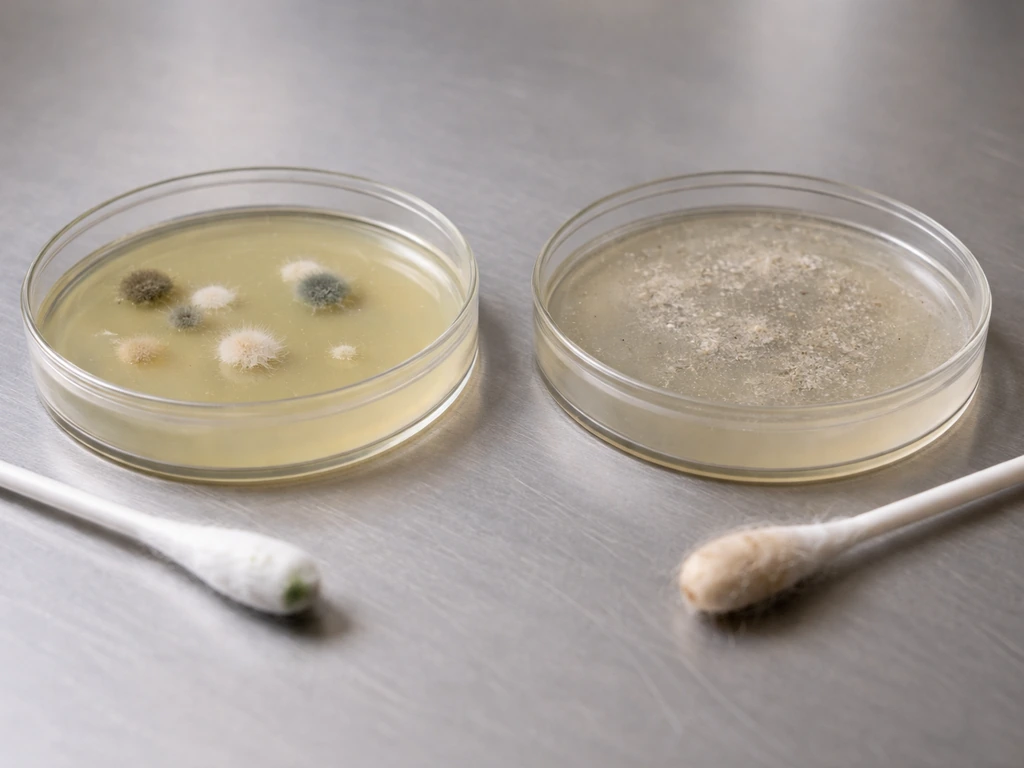
In most real-world situations, context tells you a lot before you need a microscope. Here are the practical cues to use:
| Feature | Fungal Spores | Bacterial Endospores |
|---|---|---|
| Where you find them | Surfaces, air, food, damp walls, soil | Soil, food (especially canned/low-acid), clinical environments |
| Visible signs | Colored fuzzy or powdery patches (mold colonies) | No visible growth; spores are invisible to naked eye |
| Odor | Musty, earthy smell typical of active mold colonies | No distinctive odor from the spores themselves |
| Growth structure | Hyphae and mycelium visible under basic microscopy or magnification | Rod-shaped vegetative cells under microscopy post-germination |
| Key concern environment | Damp indoor spaces, rotting food, post-flood materials | Improperly preserved food, soil, medical sterilization failure |
| Relevant organism examples | Aspergillus, Penicillium, Cladosporium | Bacillus subtilis, Clostridium botulinum, B. anthracis |
If you see visible mold growth (fuzzy, powdery, or discolored patches on a surface) and there's been a moisture event, you're almost certainly dealing with fungal spores and their resulting hyphae. If your concern is a food preservation context (home canning, especially low-acid vegetables and meats), bacterial endospores are the relevant worry. If you have access to a basic light microscope, fungal structures, especially hyphae and the spore-bearing conidiophores, are relatively easy to identify with simple staining techniques even at 100x to 400x magnification. Identifying bacterial endospore-formers typically requires a spore stain (Schaeffer-Fulton) and some microbiology experience.
Where spores survive, how to stop them from germinating, and the safety basics
Spores are essentially everywhere. Fungal spores are a normal part of outdoor air and settle continuously on indoor surfaces. Bacterial endospores are common in soil, on produce, and in many food environments. The presence of spores is not the same as active growth or an immediate health hazard. Any mold visibly growing in a building, however, is a reliable sign of a moisture problem, not just a spore problem.
Preventing fungal spore germination indoors
- Keep indoor relative humidity below 50% using dehumidifiers or air conditioning, especially in kitchens, bathrooms, and basements.
- Fix leaks and dry water-damaged materials within 24 to 48 hours. Mold can begin colonizing wet materials rapidly once germination conditions are met.
- Inspect and maintain HVAC systems to avoid moisture accumulation and prevent spreading spores through air distribution.
- Don't rely on spore counts alone to assess risk. Any active mold growth signals a moisture problem that needs fixing.
Preventing bacterial endospore germination in food and clinical contexts
- Use proper pressure canning techniques for low-acid foods. Boiling water canning does not reach temperatures high enough to destroy endospores.
- Understand that standard cooking kills vegetative bacteria but may not destroy endospores. It's the germination and growth of cells after cooking and during improper storage that causes illness.
- In medical and laboratory settings, steam sterilization (autoclaving) at 121°C for sufficient time is the standard for endospore destruction. Biological indicators using Geobacillus stearothermophilus spores are used to verify effectiveness.
- Avoid conditions that favor germination and growth of anaerobic endospore-formers: keep food outside the temperature danger zone (below 4°C or above 60°C) and avoid creating anaerobic environments in improperly sealed food.
Who needs to be especially careful
People with weakened immune systems, chronic lung conditions, or fungal allergies face higher risks from inhaled fungal spores once mold has germinated and is actively producing spores in a building. CDC guidance specifically recommends that immunocompromised individuals avoid contaminated buildings during active mold remediation. For bacterial endospore concerns, proper food handling and preservation practices are the primary practical safeguard for most people.
If you're exploring the biology of mold growth more deeply, the conditions that allow spores to germinate connect directly to questions about what mold needs to grow and what causes mold to grow in the first place, as those conditions (moisture, oxygen, nutrients, and temperature) are the same ones governing every stage from spore to colony. In other words, the key question of what mold needs to grow comes down to the environmental conditions that trigger spore germination. Understanding spores is really understanding the starting point of that entire process.
FAQ
If I find “spores,” does that mean the organism is already growing?
Not necessarily. Spores only germinate when the right combination of conditions is present, so you can have plenty of dormant spores in dust or on surfaces without any active mold or bacterial growth. Visible growth usually indicates the conditions were met long enough for germination and outgrowth.
Are moldy foods always a concern for bacterial endospores too?
Mold on food is usually fungal, not bacterial endospores. Bacterial endospores are the bigger concern for specific food preservation situations (especially low-acid canned foods, and sometimes certain improperly stored foods), because they can survive harsh conditions and then germinate when oxygen and nutrients are available in the right environment.
Do spores slowly grow over time, or do they stay inert until conditions change?
No. A spore is a survival form that does not steadily grow while dormant. What you see as “growth” after a contamination event is the result of germination, followed by outgrowth and branching for fungi, not the spore itself slowly expanding.
Are cysts the same as spores in the biological sense?
Yes, some microbes have cyst-like dormancy stages that behave similarly to spores, but they are not the same as fungal spores or bacterial endospores. For example, Giardia cysts require specific chemical triggers like bile and digestive enzymes to excyst, meaning “dormant but not identical” is the better mental model.
What’s the most practical way to prevent spores from turning into mold indoors?
Moisture control is usually the most practical lever for indoor mold. Keeping indoor relative humidity low helps prevent fungal spore germination, but if materials remain damp behind walls or under flooring, visible humidity readings may not reflect what spores are experiencing at the surface.
If a spot is somewhat oxygen-deprived, will spores automatically fail to germinate?
With many fungi, germination is moisture-dependent and they typically need oxygen to grow well, so visible mold is more common on surfaces exposed to air. However, oxygen level alone is not a guarantee, because micro-gaps, condensation, or persistent wet films can still support germination.
When bacterial endospores germinate, do they become a different organism?
For bacteria, the key difference is that spores may germinate back into the original vegetative cells rather than into a different “new type” organism. That means the hazard is often about surviving dormant periods and then regrowing under favorable conditions, rather than a totally different microbe appearing.
Can I identify whether I’m dealing with fungal spores or bacterial endospores just by appearance?
Identification at home usually cannot reliably distinguish spore types, because spores are common across multiple groups and visual appearance alone can mislead you. If you need confirmation, professional sampling and microscopy can separate fungal structures like hyphae and spore-bearing structures from bacterial forms that require specialized stains.
Does spore exposure carry the same risk for everyone, or do risks differ by health status?
Yes. If someone has a weakened immune system, chronic lung disease, or known fungal allergy, risk is higher once mold has germinated and is actively producing spores, not just because spores exist in dust. During active remediation, the safest approach is to avoid the contaminated area as recommended for vulnerable people.
If mold already appeared, is cleaning enough, or do I also need to address moisture causes?
If you see visible mold after a leak or flooding, treat it as a moisture-driven growth problem, not a one-time spore event. Reducing and fixing the moisture source prevents additional germination cycles, which is why drying and remediation are more important than trying to “kill spores” without addressing water.