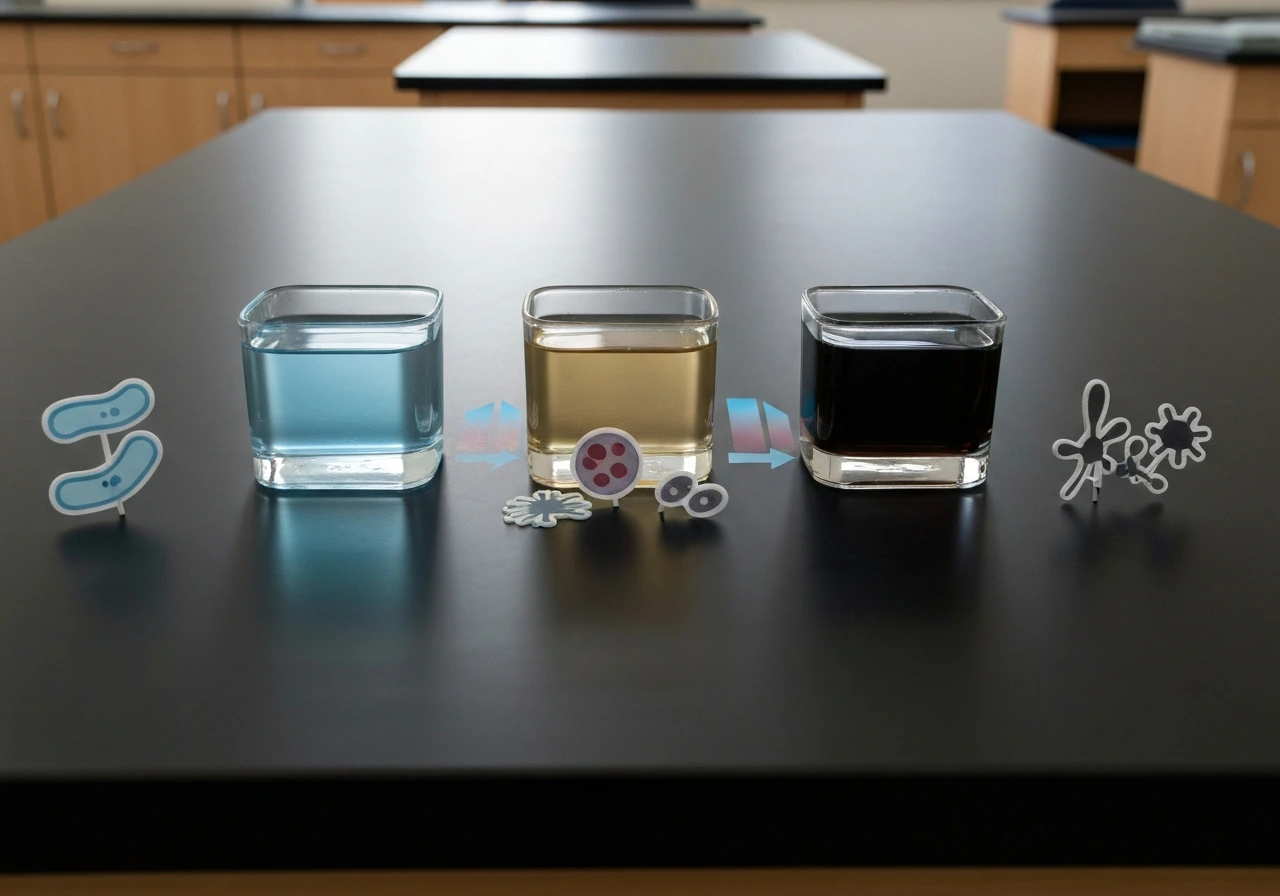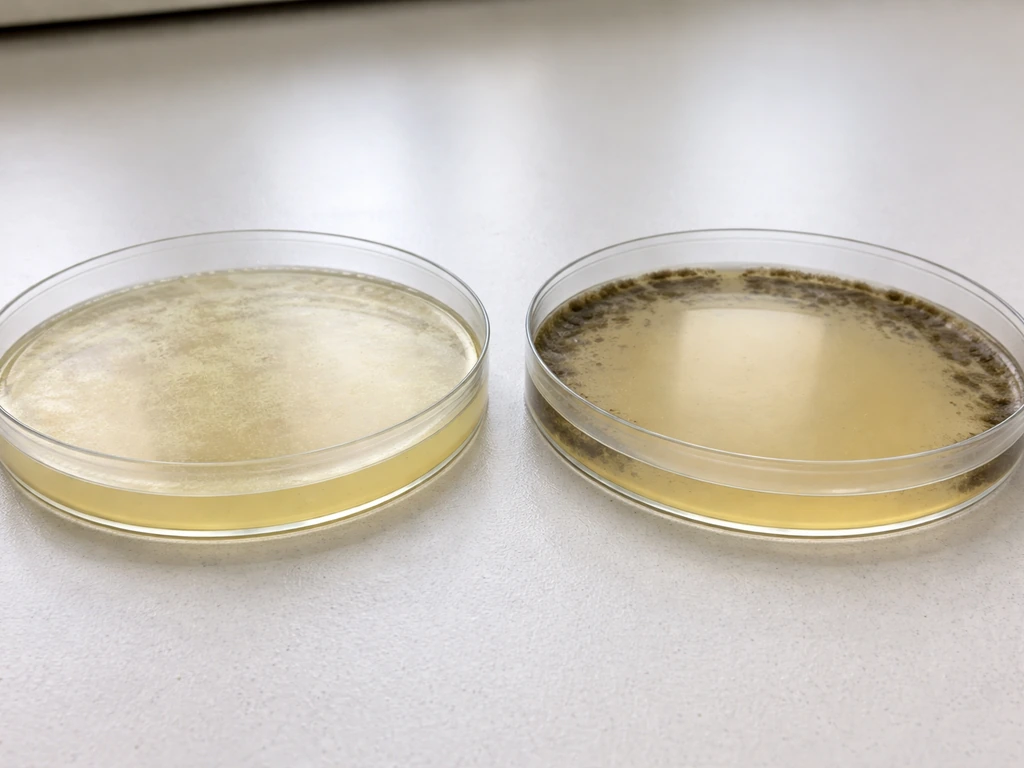
Mold needs four things to grow: moisture, a food source (organic material), suitable temperature, and oxygen. Remove any one of those, and mold either cannot get started or stops dead in its tracks. That's the short answer. But if you're dealing with mold right now, or trying to prevent it, the details matter, because in most real-world situations it's moisture that's the variable you actually control. Everything else is almost always already present.
What Does Mold Need to Grow? Moisture, Air, and More

Marcus Holloway
18 Apr 2026
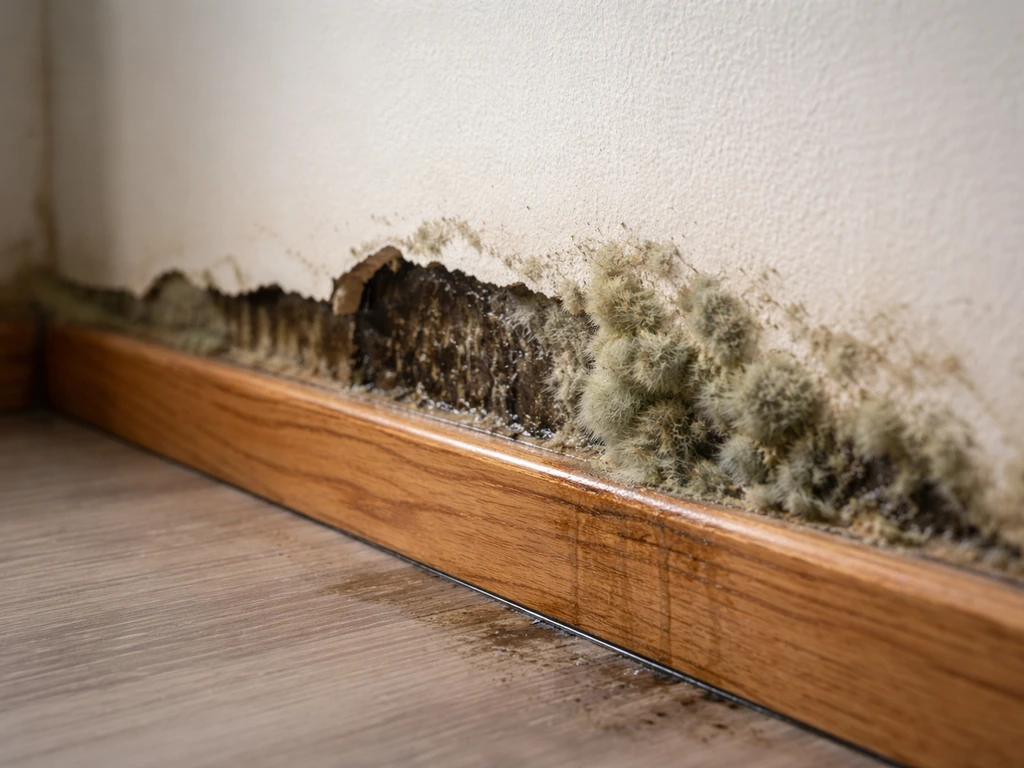
The core conditions mold needs to grow
Think of mold's growth requirements as a checklist. Every box has to be ticked before growth can happen. Knock out even one item and you've broken the chain.
Moisture: the non-negotiable one
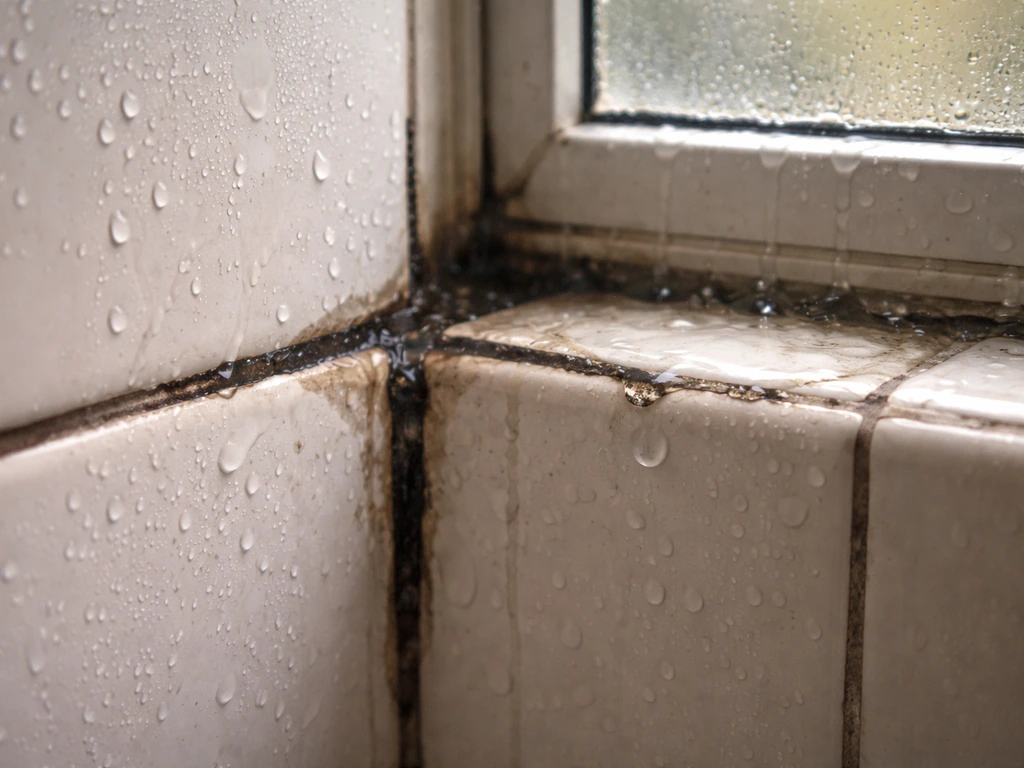
Moisture is by far the most important factor because it's the one that varies most in homes and on food. Mold cells need free water for every biological process: metabolism, spore germination, and the growth of those thread-like structures called hyphae. Scientists measure 'available water' using a value called water activity (aw), where 1. 0 means pure water and 0.
0 means bone dry. Most indoor molds need an aw of at least 0. 70–0. 80 to grow at all.
Common black mold (Stachybotrys chartarum) needs even more, with growth only beginning at aw ≥ 0. 95, which corresponds to very persistently wet building materials. In everyday terms, indoor relative humidity (RH) is the number you can actually measure. The EPA recommends keeping indoor RH below 60%, ideally between 30% and 50%.
Above 60%, condensation forms on surfaces and moisture migrates into porous materials, creating exactly the microenvironment mold needs.
Temperature: warm is better, but mold is adaptable
Most molds found indoors are mesophilic, meaning they prefer moderate temperatures. The sweet spot for peak growth is roughly 20–30°C (68–86°F), which maps almost perfectly onto normal room temperature. Aspergillus niger, for instance, grows rapidly between 25–35°C and can tolerate up to about 45°C. Penicillium expansum does best around 20–25°C.
The troublesome thing is that some species, particularly Cladosporium, can grow at temperatures right at or even slightly below freezing, which is why you sometimes see mold on cold window frames in winter. The WHO notes that indoor temperatures of 10–35°C cover almost all common mold species, which means temperature is rarely the limiting factor inside a building. The real message here: don't count on cold storage alone to stop mold unless you're below freezing consistently.
Nutrients: mold will eat almost anything organic
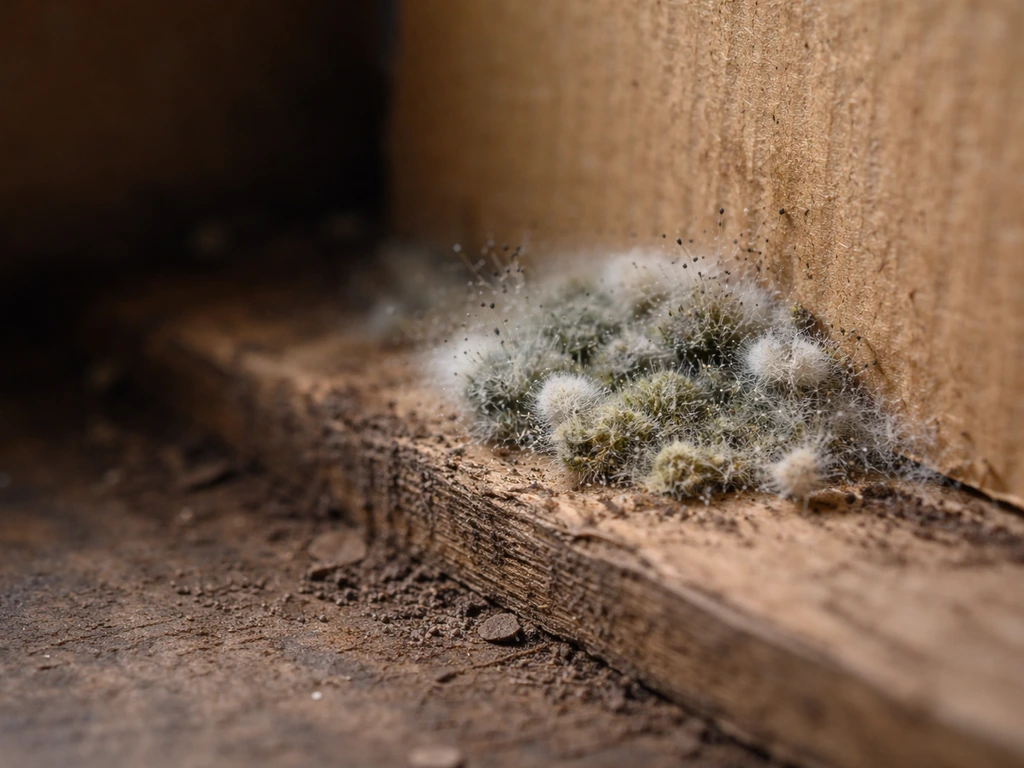
Mold is a fungus, and like all fungi it feeds by breaking down organic matter. In homes, that means drywall paper, wood framing, dust, fabric, leather, cardboard, and food. One of the most common misconceptions is that a tile or glass surface is 'safe' because it's inorganic. The WHO has noted that fungi can grow on apparently inert materials like ceramic tiles because they extract nutrients from dust particles and the soluble components of water. So a dusty, damp tile grout line is absolutely a viable food source. In food systems, the FDA points out that most foods have an aw above 0.95, providing ample moisture and nutrients for mold growth simultaneously.
Oxygen: mold is mostly aerobic
Nearly all molds are aerobic, meaning they require oxygen to grow. Nearly all molds are aerobic, meaning they require oxygen to grow, which answers the question do mold need oxygen to grow. This is why ventilation matters: stagnant, poorly circulated air creates low-oxygen pockets and, more importantly, allows humid air to sit against surfaces long enough for condensation to form.
Some mold species can tolerate very low oxygen environments, but as a rule, if you're asking whether mold needs oxygen to grow, the answer is yes. This connects directly to why improving airflow is one of the EPA's recommended remediation strategies. Nearly all molds are aerobic, meaning they require oxygen to grow, which answers the question do mold need oxygen to grow does mycelium need air to grow.
Good airflow disrupts both the oxygen-stagnation problem and, critically, it helps surfaces dry faster.
What mold spores actually need to germinate
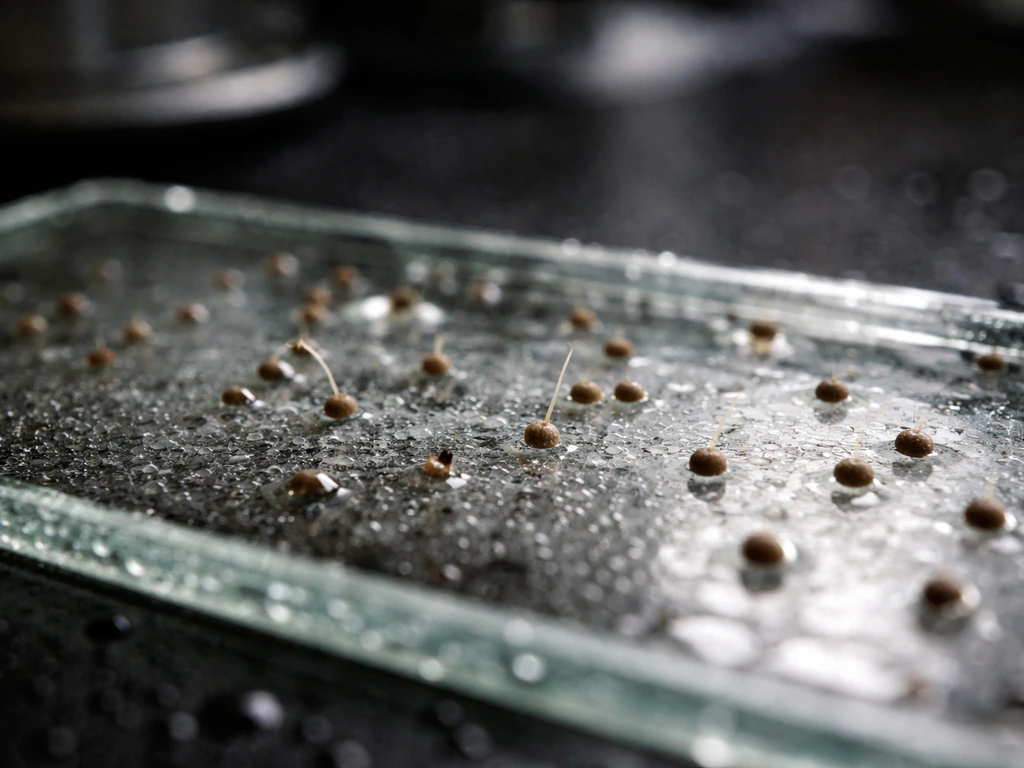
Mold spreads through spores, microscopic particles that are essentially dormant until conditions become right. The CDC makes the point clearly: no indoor space is free of mold spores. They're in the air constantly, floating in through windows, on clothing, on pets. The spores themselves aren't the problem. The problem is when they land somewhere and germinate.
For a spore to germinate, it needs all the same conditions as growing mold, but timing is critical. Most common indoor mold spores can begin germinating after as little as 24 hours of sustained wetness. That's the basis for the EPA's rule: dry wet areas completely within 48 hours to prevent mold from getting started. Stachybotrys is the exception here, needing at least 48 hours of continuous wetness just to start germinating, and it requires that persistently high aw of around 0.96–0.98. This is why black mold specifically tends to show up after flooding or chronic leaks, not after a single brief splash.
The germination process also connects to why spores can travel far and then 'wait.' A spore on a dry surface is essentially in suspended animation. The moment humidity rises, a surface gets wet from a leak, or condensation forms overnight, the biological clock starts ticking. Understanding this is why the question of what spores grow into is closely tied to the conditions described here. In other words, once mold spores find the right moisture and nutrients, they germinate into active mold growth like hyphae what spores grow into.
Why homes and buildings create perfect mold conditions
A typical home or building ticks almost every box on mold's checklist all the time. The temperature is usually in the 18–28°C range. Organic materials like wood, drywall, and dust are everywhere. Spores are always present. The one variable that fluctuates is moisture, which is exactly why almost every mold problem in buildings traces back to a moisture problem.
Common moisture sources that push conditions past the tipping point include: roof leaks, plumbing leaks behind walls, window condensation (especially in winter when warm interior air meets cold glass), flooding or water intrusion from basements and crawl spaces, and high ambient humidity from cooking, showering, or even breathing in poorly ventilated spaces.
When mold spores land on places with excessive moisture, such as after leaks, roof or pipe problems, flooding, or plant-pot spills, they can grow roof leaks, plumbing leaks behind walls, window condensation, flooding or water intrusion.
The NC Department of Public Health puts it plainly: if indoor RH stays below 60% and there are no cold condensing surfaces, there won't be enough water in materials for mold to grow. The condensation caveat is important. A room can have overall RH of 55% but still have a cold exterior wall surface where effective local RH is much higher.
Poor ventilation compounds every moisture issue. HVAC systems and fans move air, which helps surfaces dry and prevents humid air from sitting against walls and ceilings long enough to create wet microenvironments. When buildings are sealed tightly for energy efficiency without adequate mechanical ventilation, moisture accumulates fast, especially in bathrooms, kitchens, and basements.
How pH and other environmental factors play a role
pH, the measure of acidity or alkalinity on a scale from 0 (very acidic) to 14 (very alkaline), does affect mold growth, but molds are remarkably tolerant across a wide range. Most indoor molds prefer slightly acidic conditions, roughly pH 4–7, which conveniently describes most building materials, food surfaces, and organic debris. Stachybotrys chartarum, as a studied example, has an optimum pH of 5.6–6.0 but can grow anywhere from pH 3.0 to pH 9.8. That's almost the entire practical range you'd encounter on building materials. So while pH matters biologically, it's not a realistic lever for mold prevention in most home or food contexts.
Light exposure is another factor people sometimes ask about. Mold doesn't need light to grow, and UV light has been promoted as a mold-killing tool in home settings. The EPA's position on this is clear: effective destruction of mold and bacterial spores requires far higher UV exposure than typical home UV units provide. UV should not be treated as a stand-alone solution. Similarly, mold has no requirement for any specific nutrient beyond a basic carbon source, so the idea that 'natural' or 'inorganic' materials resist mold falls apart quickly once dust accumulates.
How to stop mold by removing what it needs
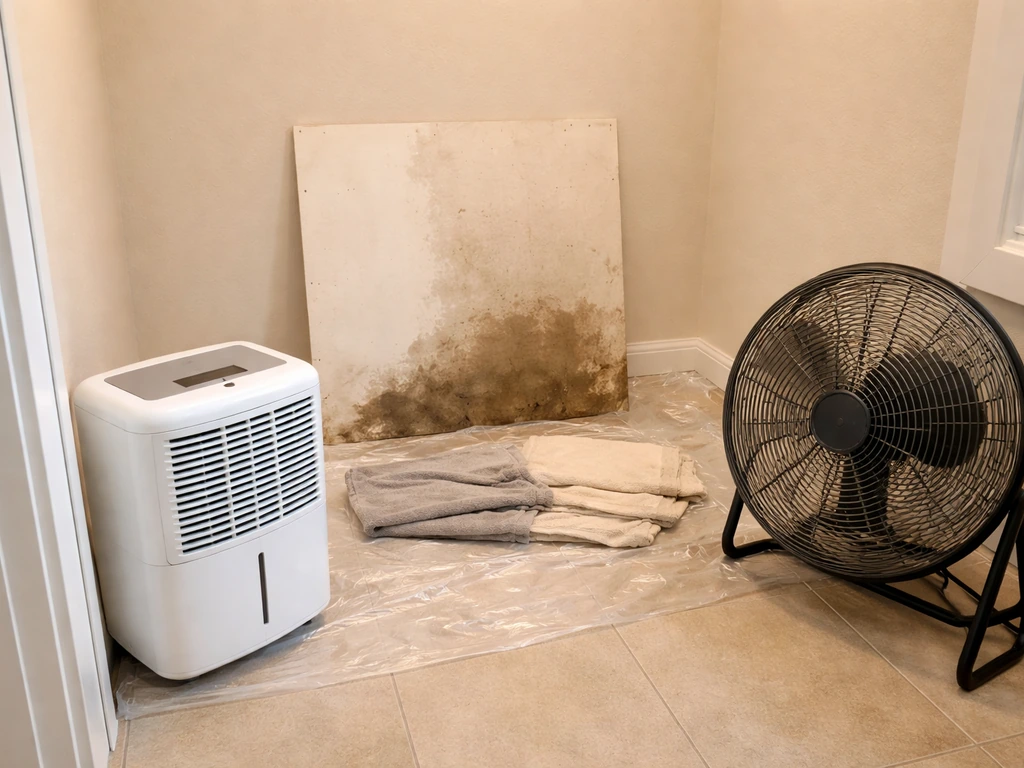
The most effective mold prevention and remediation strategies all work by targeting one or more of mold's core requirements. Because temperature, nutrients, and oxygen are nearly impossible to eliminate from a living space, moisture control is the primary target in almost every practical situation.
- Dry wet materials within 48 hours. This is the EPA's core timing rule, and it's based directly on spore germination windows. Water damage from a pipe burst, flood, or roof leak must be addressed immediately. Use fans, wet vacuums, and dehumidifiers. If porous materials like drywall or carpet haven't dried within 48 hours, they may need to be removed and discarded entirely.
- Fix the moisture source first. Cleaning mold off a surface without fixing the leak or condensation problem will result in mold returning within days or weeks. Identify whether the source is a plumbing leak, roof penetration, condensation from cold surfaces, or high ambient humidity, and address it directly.
- Control indoor humidity. Keep indoor RH between 30% and 50%. In hot, humid climates, run air conditioning or a dehumidifier. In cold climates, the EPA recommends increasing ventilation with outside air (which is typically dry in winter) rather than dehumidification, since mechanical dehumidifiers work less efficiently in cold temperatures.
- Improve ventilation and airflow. Exhaust fans in bathrooms and kitchens should vent outside, not into attic spaces. Open windows when outdoor conditions are drier than indoors. Run ceiling fans to keep air moving against walls and ceilings where stagnant humid air accumulates.
- Remove contaminated porous materials. Mold grows inside porous materials, not just on the surface. Cleaning the visible surface of mold-contaminated drywall, insulation, or carpet usually doesn't eliminate the growth. The EPA's guidance is that wet, porous materials with mold growing on them may have to be discarded.
- Clean and contain properly. For any remediation work, the EPA recommends HEPA vacuuming as part of the final clean-up process to capture spores that have become airborne. Standard vacuum filters don't capture spores effectively and can spread them further.
- Limit nutrient sources where possible. Keep surfaces clean of dust and organic debris, especially in high-humidity areas. This won't stop mold if moisture is present, but it reduces the available food source on otherwise inert surfaces.
Mold growth requirements at a glance
| Requirement | What mold needs | Typical indoor situation | How to disrupt it |
|---|---|---|---|
| Moisture | aw ≥ 0.70–0.80 minimum; RH above 60% drives condensation | Leaks, flooding, high humidity, condensation on cold surfaces | Dehumidify, fix leaks, dry wet materials within 48 hours |
| Temperature | ~10–35°C for most species; optimal 20–30°C | Normal room temperature covers almost all indoor molds | Not a practical control lever; focus on moisture instead |
| Nutrients | Any organic carbon source: wood, dust, drywall paper, food | Present in virtually every building material and surface | Remove contaminated porous materials; keep surfaces clean |
| Oxygen | Aerobic; needs oxygen for metabolism and growth | Present everywhere; poor ventilation creates stagnant humid pockets | Improve airflow and ventilation to aid drying |
| pH | Broad tolerance (pH 3–9.8 for some species); prefers slightly acidic | Most surfaces and materials fall within tolerable range | Not a practical control lever in home settings |
Quick checklist: find your mold's limiting factor
Use this checklist to diagnose which condition is enabling mold growth in your specific situation. Work through each question and focus your effort on the first 'yes' answer you find, since that's almost certainly the active driver.
- Is there an active water leak from a pipe, roof, window, or foundation? If yes: fix the leak first. Nothing else matters until the moisture source is gone.
- Is indoor relative humidity above 60%? Measure it with an inexpensive hygrometer. If yes: run a dehumidifier or air conditioner, and check that exhaust fans are working and venting outside.
- Did a surface get wet and stay wet for more than 24–48 hours? If yes: assume spore germination has begun. Dry aggressively and inspect for visible growth.
- Is there condensation on windows, walls, or pipes? If yes: this is a localized high-moisture zone. Improve insulation on cold surfaces, improve ventilation, or reduce indoor humidity.
- Is the mold on porous material like drywall, carpet, wood, or insulation? If yes: surface cleaning is not enough. That material likely needs to be removed and replaced.
- Is the space poorly ventilated (bathroom with no exhaust fan, closed basement, sealed closet)? If yes: improving airflow will help surfaces dry faster and reduce the time moisture sits in contact with organic material.
- Is mold recurring after cleaning? If yes: the underlying moisture source has not been fixed. Cleaning mold without controlling moisture is a temporary measure at best.
- Is the affected area near a food storage zone or pantry? If yes: check packaging integrity and consider that most foods have aw above 0.95, providing both moisture and nutrients simultaneously. Refrigeration slows growth but does not eliminate mold risk.
The biology of mold growth is actually quite logical once you see all the requirements together. Mold is not mysterious or random. It shows up where the conditions are right, and it keeps growing until one of those conditions is removed. In a home or building, that almost always means moisture is the variable to address. Get the humidity under control, fix the water source, dry things out fast, and remove material that can't be salvaged. That's not just cleaning advice: it's applied microbiology.
FAQ
If mold spores are always present, why doesn’t mold grow everywhere?
It does, but only indirectly. Spores are everywhere, and they become active only when moisture, a nutrient source, suitable temperature, and oxygen line up. So a room can have plenty of spores but show no visible growth if surfaces stay dry enough.
Can mold grow even if my indoor humidity is below 60%?
Use surface-focused checks. A hygrometer reading of 55% RH for the whole room can still mean condensation or dampness on a cold wall, window frame, or underside of flooring. If you want a practical next step, measure RH near problem surfaces or use a moisture meter to confirm whether materials are actually wet.
Does keeping a home cold prevent mold growth?
Freezing helps but doesn’t reliably solve it. The article notes some molds can grow at or slightly below freezing, and brief cold does not undo wetness. The decision aid is simple: if a leak or condensation is ongoing, mold conditions can still occur during thaw cycles or even while it is “cold.”
How long does a wet spot need to be wet before mold can start?
Drying “fast enough” matters, and timing is tied to continuous wetness. Most common indoor spores can start germinating after about a day of sustained wetness, which is why remediation guidance emphasizes drying within 48 hours for wet materials. For bursts like pipe failures, focus on getting affected materials dried immediately, not just cleaning visible spots.
Can I remove mold just by cleaning it off the surface?
Not always. Some surfaces look clean after wiping, but mold can be growing inside porous materials (drywall, wood, insulation, fabric). If moisture remains, spores can re-germinate quickly. The practical next step is to remove or dry porous items and verify dryness with measurements, not just visual inspection.
If I spray a mold cleaner, is the moisture problem solved?
Poorly chosen chemicals can reduce odor or discoloration while leaving growth behind. Mold control is still mainly moisture removal. If you use cleaners, treat them as a supplement to drying and source repair, and avoid assuming “kills mold” means “prevents regrowth” when a water source is still active.
How does ventilation actually help if oxygen is already present in the air?
Yes, but oxygen isn’t usually the main bottleneck in typical buildings. Most indoor molds are aerobic, so stagnant airflow can worsen things mainly because it keeps humid air near surfaces and slows drying. For practical prevention, the most effective “air” actions are dehumidifying, improving circulation, and addressing where air is trapped.
Does using fans and HVAC prevent mold even when the room has plenty of spores?
Yes, but the goal is not just “less oxygen.” It is preventing humid air from lingering and enabling faster drying. For example, using fans to move air across a wet wall or running HVAC and bathroom exhaust reduces the time surfaces stay at the moisture threshold spores need.
Is tile or glass immune to mold growth if it’s “inorganic”?
Mold growth is usually limited by moisture, but nutrients still matter once a surface is damp. Dust provides organic material, and water can mobilize soluble components. A useful next step is to reduce dust accumulation after a leak and to remove contaminated porous items rather than relying on “inorganic” claims about tiles or glass.
Why do I keep seeing mold after I clean it, especially in the same spots?
Treat it as a sign of a continuing moisture condition. For black mold-type conditions mentioned in the article, growth tends to follow chronic wetness or flooding patterns. If you are seeing it repeatedly, the next step is to track and eliminate the underlying leak or condensation source, then confirm materials are dry over time.