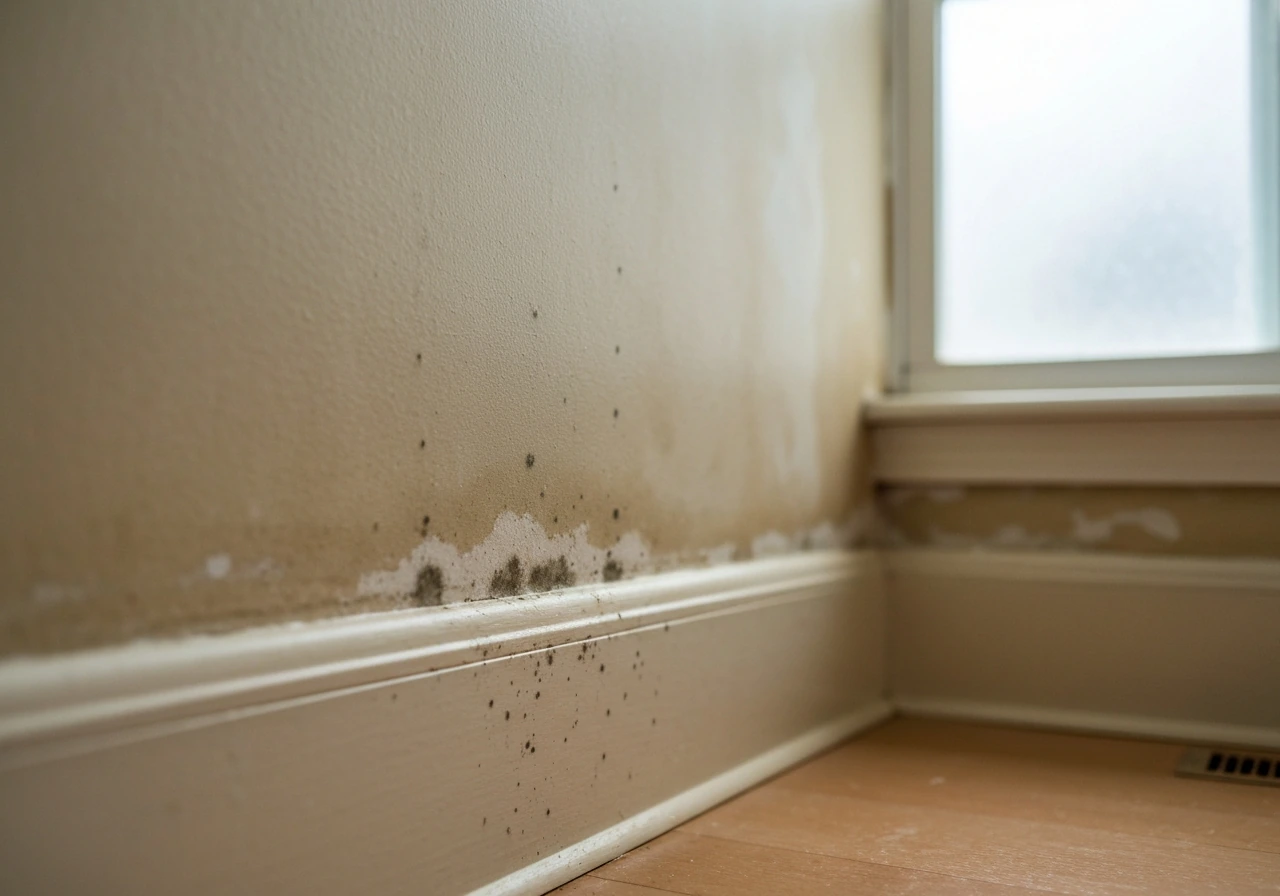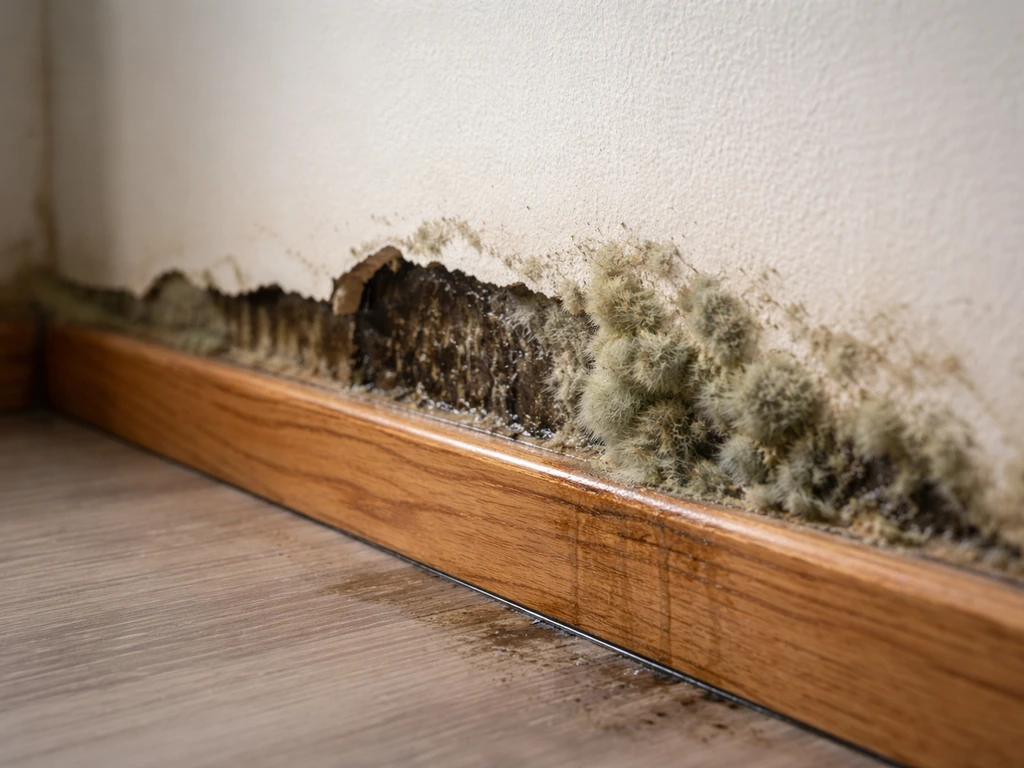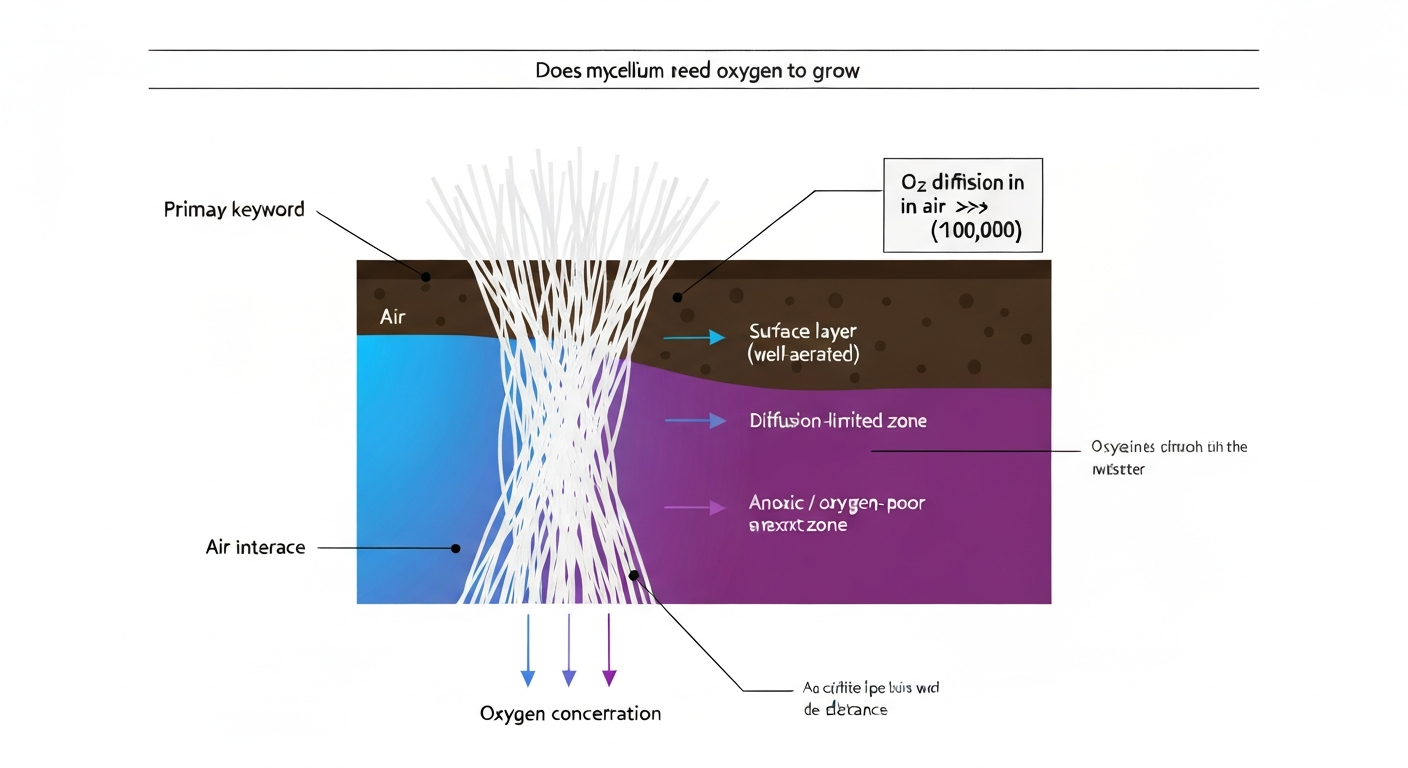
Yes, mold does need oxygen to grow, but that is almost never the limiting factor in your home. Molds are aerobic fungi, meaning they rely on oxygen for respiration, but the concentrations required are so low that virtually any space with breathable air has enough. What actually stops or starts mold growth in real life is moisture. If you are wondering what mold needs to grow, moisture is the key ingredient because it drives the water activity mold requires. Control the water, and you control the mold.
Do Mold Need Oxygen to Grow? Practical Answers

Marcus Holloway
3 May 2026
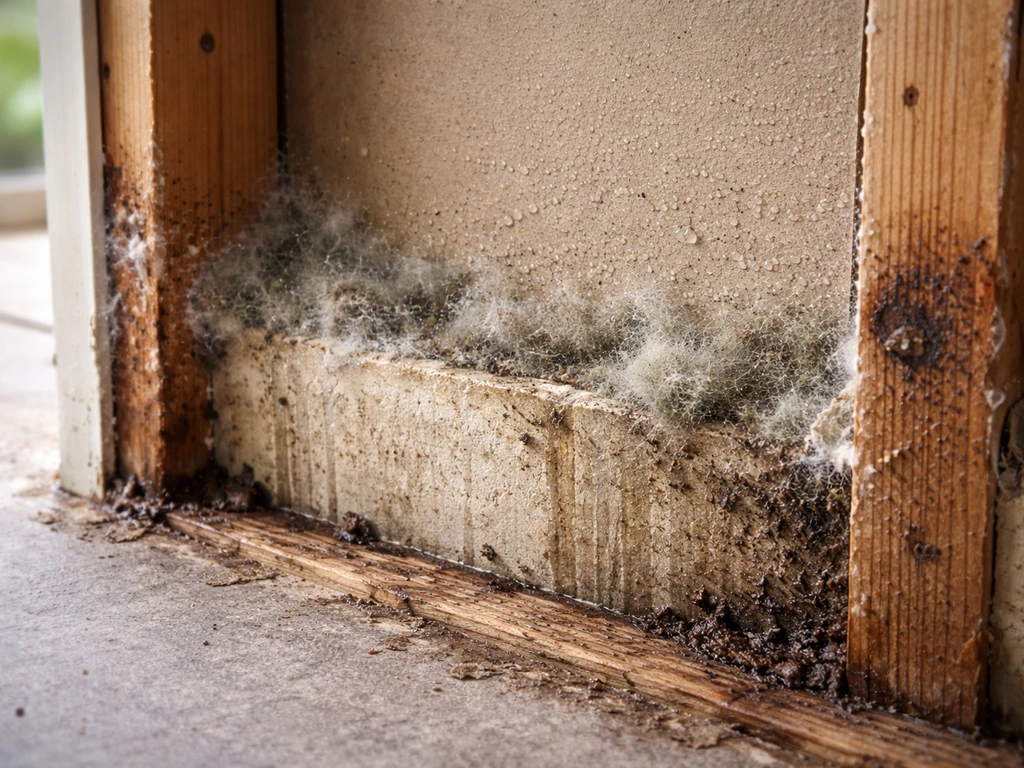
How oxygen actually affects mold growth
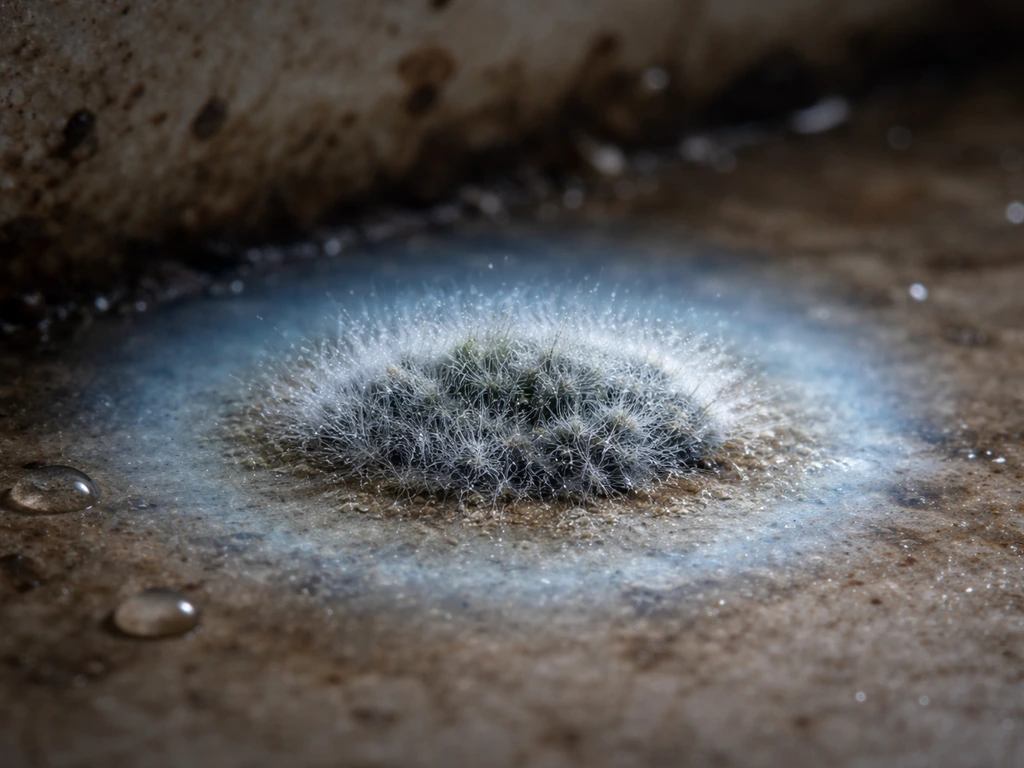
Molds are classified in microbiology as essentially aerobic organisms. They use oxygen as the final electron acceptor in cellular respiration to produce energy, which is the same basic process your own cells use. Unlike some bacteria, molds have only very limited anaerobic capabilities, meaning they cannot comfortably switch over to fermentation or anaerobic respiration the way certain bacteria can. So yes, cut off oxygen completely and mold cannot grow.
The catch is that 'cutting off oxygen completely' is almost impossible in a real building. Oxygen diffuses through tiny air gaps, around pipe penetrations, through porous materials like drywall, and even dissolves in condensation water. The concentration mold needs to sustain growth is far lower than what humans need to breathe comfortably. In practice, oxygen is almost always present in sufficient quantity wherever you find mold, which is why professionals focus entirely on moisture rather than trying to starve mold of air.
It helps to distinguish this from other microbes. Some bacteria are obligate anaerobes that are actually killed by oxygen, and others are aerotolerant, growing with or without it. Molds sit firmly in the aerobic camp, but they are not oxygen-hungry in a way that makes oxygen a practical control lever. That distinction matters because it rules out a common misconception: sealing a moldy space is not an effective remediation strategy.
Oxygen vs. what actually limits mold in real life
When researchers and regulatory agencies look at what triggers indoor mold problems, moisture is described as the major cause, consistently and across every credible source. The EPA frames moisture control as the single practical lever for preventing indoor mold and recommends keeping indoor relative humidity below 60% at all times, ideally between 30% and 50%. The CDC puts the ceiling even more concisely: no higher than 50%, all day long.
The technical reason comes down to water activity, written as aw. A PubMed review on water activity (aw) in yeasts and molds notes that microbial growth and survival depend strongly on aw, and fungal growth can occur at lower aw ranges than many bacteria [water activity (a_w) affects yeasts and molds](https://pubmed. ncbi. nlm.
nih. gov/30913613/). Water activity is a measure of how much free, usable water is available in a material, on a scale from 0 to 1. Most common indoor molds need a minimum a_w of around 0.
80 to 0. 85 to establish and grow. Stachybotrys chartarum, the species often called 'black mold,' needs at least a_w 0. 94 and grows optimally above 0.
98, which is why it appears almost exclusively on materials that have been persistently wet, not just damp. Some specialist xerophilic (dry-loving) molds like Wallemia sebi can grow at a_w values as low as 0. 69 to 0. 75, but these are exceptions.
The point is that each species has a hard water-activity floor below which growth simply stops, and that floor is determined by biology, not by oxygen availability.
Oxygen availability, by contrast, does not have a meaningful 'floor' in most indoor environments. Even inside a sealed wall cavity or behind a kitchen cabinet, there is enough residual oxygen dissolved in moisture and trapped air to allow mold to thrive if water activity is high enough. This is why drying out a space is effective and sealing it is not.
What happens in low-oxygen spaces
A few specific scenarios come up repeatedly when people wonder whether oxygen might be the limiting factor. Here is what the science actually says about each.
Sealed containers and vacuum-packed materials

Vacuum-packed foods can genuinely suppress mold because mechanical removal of oxygen brings concentrations low enough to inhibit aerobic growth. Modified atmosphere packaging uses this principle on purpose. However, perfect vacuum conditions are hard to maintain, and the moment a seal is broken, mold can resume. More importantly, this approach works for packaged goods in controlled settings, not for a moldy basement or a water-damaged wall.
Behind walls and in stagnant-air spaces
Behind drywall and inside wall cavities, air is relatively stagnant but not oxygen-free. Oxygen diffuses through drywall paper, through insulation, and along the edges of framing. If a pipe leak or condensation keeps those materials at high water activity, mold will grow. In fact, some of the most severe hidden mold problems occur precisely in these stagnant spaces because low airflow means moisture does not dry out, not because oxygen is scarce. In a discussion from r/SafetyProfessionals on confined-space mold, commenters emphasize that moisture and conditions drive mold risk more than oxygen deprivation in practice low airflow means moisture does not dry out.
Flooded or water-saturated materials
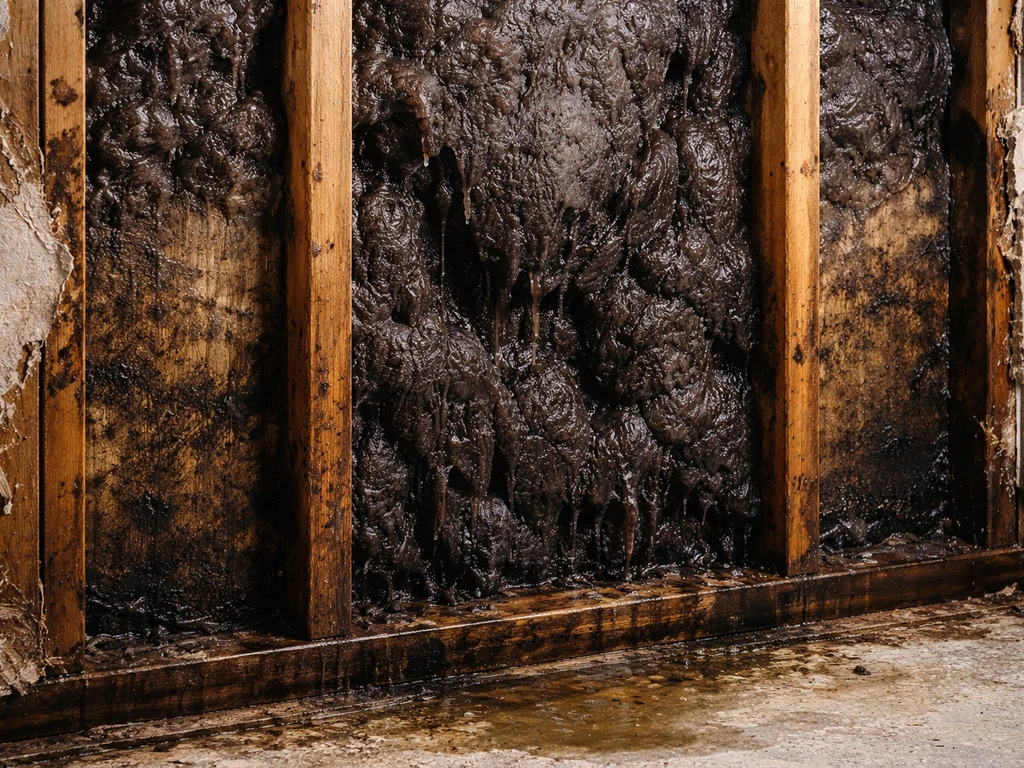
When materials are fully saturated with water, oxygen diffusion into the substrate slows down, which theoretically could limit aerobic mold growth in the deepest layers. In practice, mold colonizes the surface and near-surface of wet materials where oxygen is available, and it does so rapidly. FEMA and CDC guidance after flooding emphasizes starting mold remediation within 24 to 48 hours of water intrusion because surface mold establishes that quickly even on soaked materials.
HVAC ducts and mechanical systems
Duct systems are well-ventilated by definition, so oxygen is never a limiting factor there. The EPA explicitly notes that dirt and moisture inside ducts are what must be controlled. Ductwork operating in humid conditions (studies have examined systems in 70 to 90% relative humidity environments) shows fungal growth risk tied entirely to humidity levels, not oxygen supply. If you have mold in your ducts, the cause is excess moisture and organic debris, not too little airflow.
Moisture and humidity: the real driver
Moisture is worth dwelling on because understanding it in depth is what gives you actionable control. Mold establishment in a building requires four things working together: viable spores (which are essentially everywhere indoors and cannot be eliminated), an organic nutrient source (wood, paper, dust, drywall facing), warmth, and moisture. What causes mold to grow is the presence of moisture, along with spores, a nutrient source, and warmth. Of those four, moisture is the only one you can realistically manipulate to stop mold. You cannot sterilize the air of spores, most organic building materials cannot be replaced, and normal indoor temperatures fall within mold's preferred range.
Relative humidity above 60% creates surface condensation and raises the water activity of porous materials into the growth range for most mold species. Bathrooms after showers, basements with groundwater infiltration, and kitchens with steam from cooking are the classic problem spots. Importantly, even if ambient humidity stays under 60%, cold surfaces like exterior walls in winter can experience localized high humidity through condensation, which is why a Forest Service study found mold growth in isolated microclimates of a house that was otherwise operating at design humidity levels.
The other conditions mold needs (and how they interact)
Oxygen and moisture do not work in isolation. Here is how the other key growth factors fit in, because understanding them together gives you a more complete picture of why mold appears where it does.
| Growth Factor | What Mold Needs | Practical Implication |
|---|---|---|
| Oxygen | Aerobic levels (very low threshold); essentially always present indoors | Not a realistic control lever in buildings |
| Moisture (water activity) | Minimum a_w ~0.80–0.85 for most species; some xerophiles lower | Primary control lever; keep RH below 50–60% |
| Temperature | Most indoor molds thrive from about 15°C to 35°C (60°F to 95°F) | Normal indoor temps are within growth range year-round |
| pH | Most prefer slightly acidic conditions; Stachybotrys optimum pH 5.6–6.0 | Wood, paper, and dust are naturally in this range |
| Nutrients | Organic matter: wood, paper, dust, fabric, drywall facing | Common building materials serve as substrate; keep surfaces clean and dry |
| Surface conditions | Porous materials hold moisture and provide purchase for hyphae | Non-porous surfaces are less hospitable; porous ones need to stay dry |
Notice that temperature and pH almost always fall within mold's preferred range in a typical indoor environment without any effort on your part. Nutrients are everywhere, from the paper facing on drywall to household dust. That leaves moisture as the one factor you can actually move. The mycelium (the branching network that mold grows from, with spores being the airborne reproductive stage) cannot extend through a substrate that is too dry, even if everything else is ideal. This is also why reducing moisture to starve the mycelium is the key takeaway for whether mycelium needs air to grow. Dry the material and you stop growth.
What to do today: remediation and prevention steps
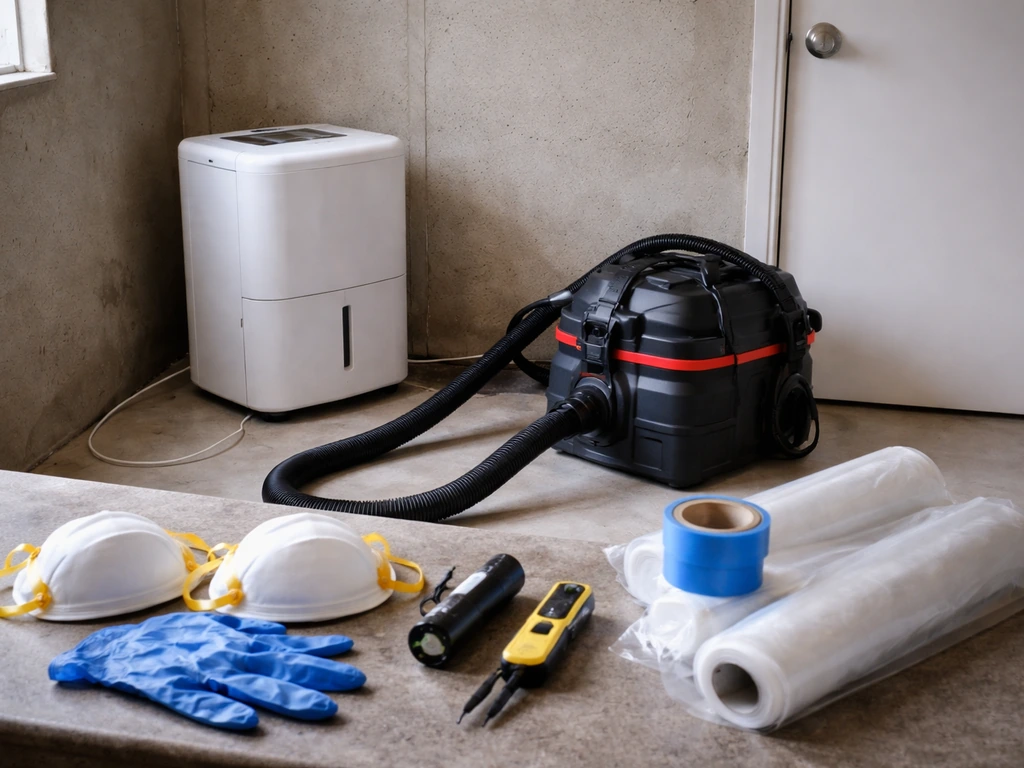
If you are dealing with visible mold right now, here is a practical sequence based on guidance from the EPA and CDC.
Find and fix the moisture source first
This is non-negotiable. Cleaning mold off a surface without stopping the moisture that caused it is like mopping while the tap is still running. Check for leaking pipes, roof leaks, condensation on cold surfaces, groundwater seeping into a basement, and inadequate ventilation in bathrooms and kitchens. Use a humidity meter (hygrometer) to confirm indoor relative humidity and aim to keep it between 30% and 50%. If you are above 60%, a dehumidifier is usually the fastest fix.
Assess the size of the problem
For small areas of visible surface mold (less than about 10 square feet, roughly a 3 by 3 foot patch), the CDC considers DIY cleanup reasonable for healthy adults. Anything larger than 10 square feet warrants calling a professional. Hidden mold behind walls or in HVAC systems also warrants professional assessment because you cannot fully see the extent of growth.
Clean without spreading spores
Disturbing mold releases spores into the air. The EPA's remediation guidance recommends HEPA vacuuming to capture spores rather than dry brushing or blowing. For hard, non-porous surfaces, cleaning with detergent and water (and drying thoroughly) is effective. Porous materials like drywall, ceiling tiles, and insulation that are visibly mold-colonized generally need to be removed and discarded rather than cleaned, because mold grows into the material and cannot be fully surface-cleaned. Do not paint or caulk over moldy surfaces; the IICRC's remediation standard is clear that source removal is required, and encapsulating alone is not adequate.
Ongoing prevention
- Run bathroom exhaust fans during and for 15 to 20 minutes after every shower; vent them to the exterior, not into the attic.
- Use a dehumidifier in basements or any space that trends above 60% RH, especially in summer.
- Insulate cold pipes and exterior walls to prevent condensation.
- Check under sinks, around appliances, and at window frames seasonally for signs of moisture or early mold.
- Keep HVAC drip pans clean and drain lines clear; replace filters regularly to reduce organic debris in the system.
- After any water intrusion (burst pipe, flooding, roof leak), dry affected materials within 24 to 48 hours to prevent mold establishment.
Safety: when to protect yourself and when to call a pro
If you are cleaning a small mold patch yourself, protect yourself properly. The CDC recommends wearing at minimum an N95 NIOSH-approved respirator (a standard dust mask is not sufficient), gloves, and eye protection when cleaning up mold. Work in a ventilated area and avoid touching your face. Bag and seal contaminated materials before carrying them through the rest of the house to avoid spreading spores.
You should contact a professional remediation company if any of the following apply: the affected area is larger than 10 square feet, you suspect mold inside walls or in your HVAC system, someone in the household has asthma, allergies, or a compromised immune system, or the mold keeps returning after you clean it (which usually means the moisture source has not been fully addressed). The IICRC S520 standard governs professional mold remediation and emphasizes physical removal of contaminated materials as the foundation of any legitimate remediation job.
One more thing worth knowing: blank" rel="noopener noreferrer">there is no practical way to eliminate all mold spores from an indoor environment. The EPA is explicit about this. The goal of remediation is not a spore-free space; it is removing growth and controlling the conditions that allow it to establish. As long as you keep moisture under control, mold spores in the air have nowhere hospitable to land and grow. That is the biology working in your favor.
FAQ
If oxygen is needed, why doesn’t “stopping airflow” prevent mold in buildings?
Because indoor air exchange is not the same as oxygen removal. Oxygen leaks through tiny gaps, porous materials, and even dissolves in condensation water, so oxygen is effectively present whenever moisture conditions allow water activity to rise. To stop growth you still need to reduce moisture and water activity, not just reduce ventilation.
Can I just seal a moldy room off instead of fixing the water problem?
Sealing can reduce spread temporarily, but it usually does not stop the underlying growth. If the hidden moisture source continues (leaks, condensation, groundwater, humid air behind surfaces), mold can colonize where you cannot easily reach it. Expect return of growth unless you address the moisture and dry the materials to drying standards.
What’s the best way to tell if my humidity problem is causing mold, even if the air feels “not that humid”?
Use a hygrometer and measure relative humidity, but also pay attention to temperature and cold surfaces. A room can read under 60% while exterior walls, window frames, or metal ducts still experience localized condensation, raising water activity at those spots. Check for condensation after showers, cooking, or in winter on cold surfaces.
Does mold grow differently on drywall versus wood, and how does that affect what I should do?
Yes. Porous materials like drywall, insulation, and some ceiling tiles allow mold to grow into the material, not just on the surface. That is why visible growth often requires removal and discard rather than “scrubbing,” while non-porous surfaces (glass, metal, tile) can sometimes be cleaned more effectively if they are thoroughly dried afterward.
How dry do things need to be to stop mold, and how can I confirm?
The practical target is keeping indoor relative humidity roughly between 30% and 50% and ensuring affected materials fully dry, not just “feel dry.” After drying, re-check humidity and inspect for recurring dampness. If you suspect a hidden leak or wet cavity, professionals may use moisture meters to verify that materials have dried to prevent dormant regrowth.
If I clean visible mold, why does it come back so quickly?
The most common reason is that the moisture source was not eliminated or the materials were not fully dried. Even if you remove surface growth, spores can seed new growth once water activity returns. Recurrence after cleanup strongly suggests a continuing leak, condensation cycle, insufficient ventilation, or poor drainage.
Is black mold different in terms of oxygen needs or only water requirements?
The key difference is water activity thresholds, not an “oxygen hunger” advantage. Species like Stachybotrys chartarum generally require persistently high water activity to establish, which is why it tends to appear on materials that have stayed wet. Fixing moisture control still solves the underlying issue regardless of the label.
What about mold in HVAC ducts, could it be caused by lack of oxygen inside ducts?
Usually not. Ductwork typically has enough oxygen for aerobic growth, so fungal growth risk is tied to humidity and organic debris. If you see mold in ducts, focus on removing debris and correcting the moisture source, like leaks, condensation, or high humidity during operation.
How quickly do I need to act after a leak or flood to prevent mold establishment?
Mold can establish on surfaces rapidly, often within 24 to 48 hours of water intrusion. That means drying and controlled remediation should start quickly, not after the drywall “dries out on its own.” The longer materials stay wet, the deeper and more costly the remediation usually becomes.
Do I need a different cleanup approach if the mold area is small versus large?
Yes. For small visible surface patches (around 10 square feet or less), DIY cleanup may be reasonable for healthy adults, but you must still prevent spore spread (HEPA vacuuming, bagging waste, protective gear). Larger areas or any suspected hidden mold inside walls or HVAC typically warrant professional assessment and removal.
If spores are everywhere indoors, can I make mold impossible by removing spores from the air?
You can reduce airborne spores during remediation, but you cannot realistically make a home spore-free. The more reliable strategy is removing growth and preventing conditions that let spores germinate and colonize, mainly by controlling moisture and humidity.