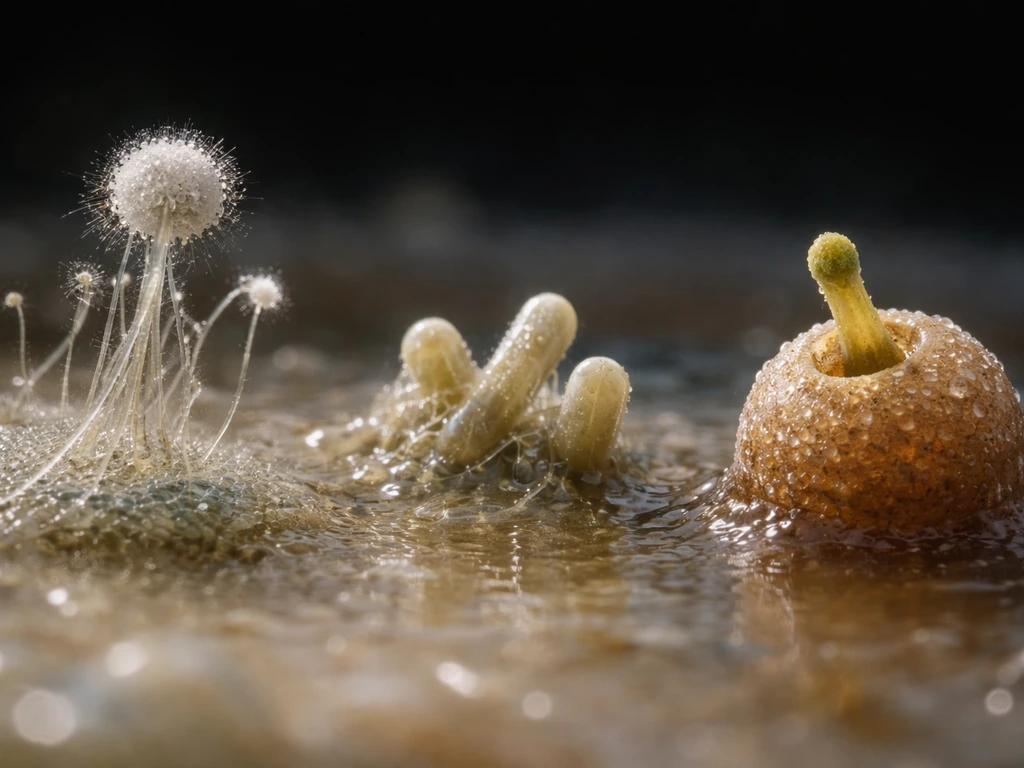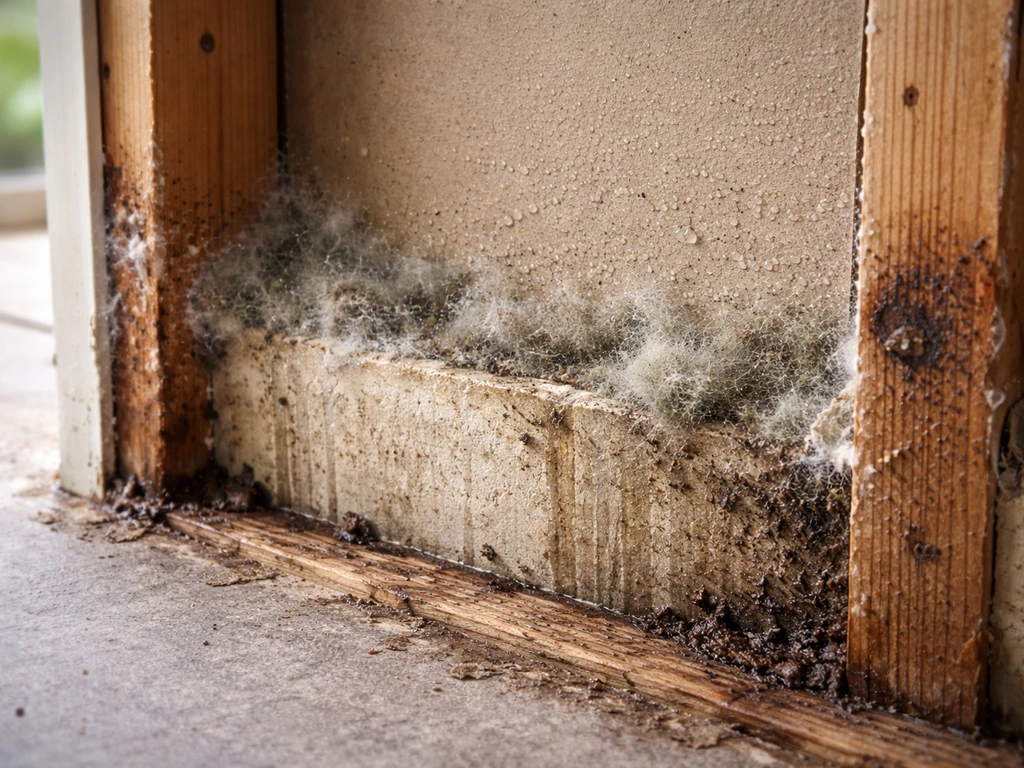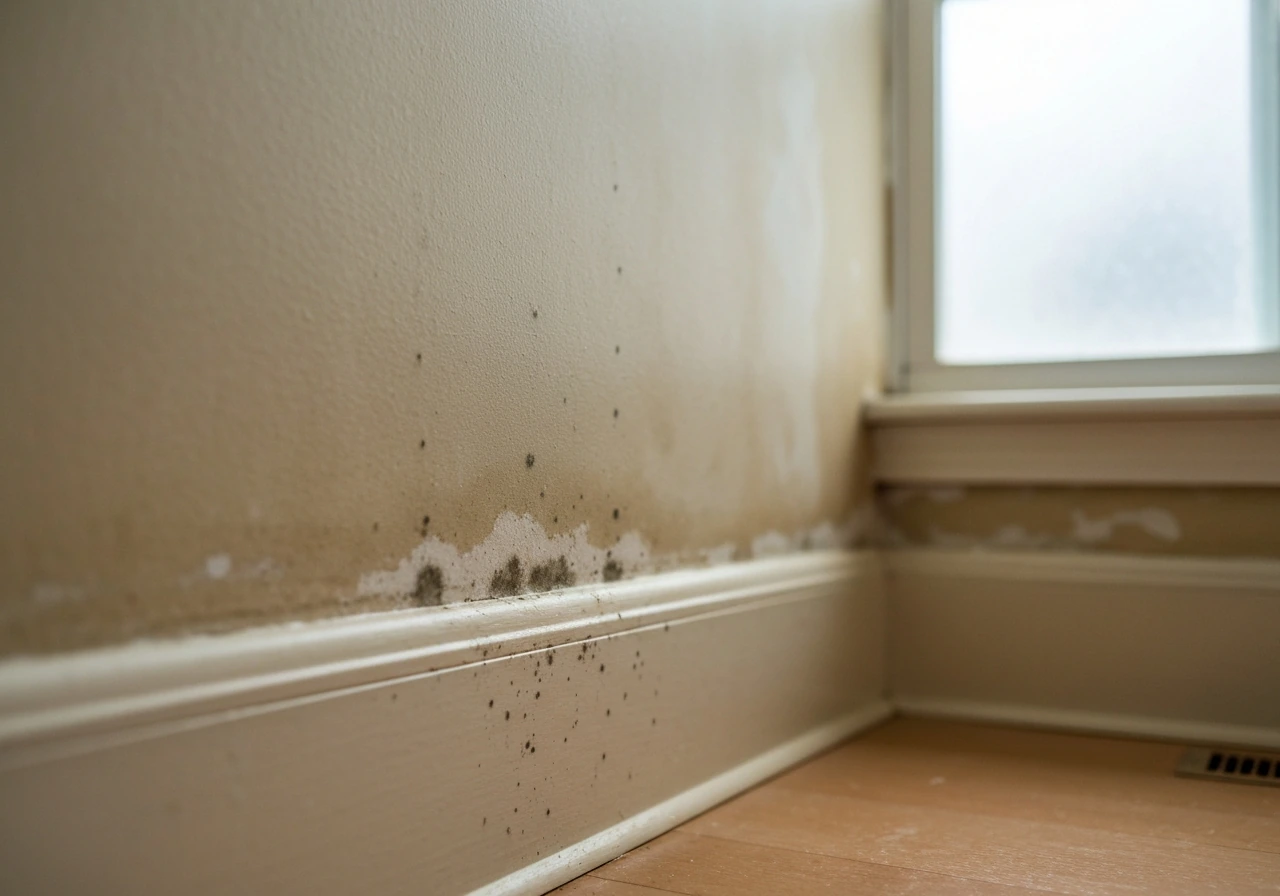
Yes, mycelium needs oxygen to grow. Most fungal species are aerobic organisms, meaning they rely on oxygen to fuel cellular respiration and push their thread-like hyphae outward through a substrate. That said, 'needing air' and 'needing fresh-air exchange' are two different things, and understanding that distinction will save you a lot of troubleshooting headaches. The amount of oxygen required, how CO₂ buildup affects growth, and whether airflow actually helps or hurts depends heavily on the species you're working with and what stage of growth you're observing.
Does Mycelium Need Air to Grow? Oxygen and CO2 Tips

Marcus Holloway
14 Jun 2026
What mycelium actually needs to grow
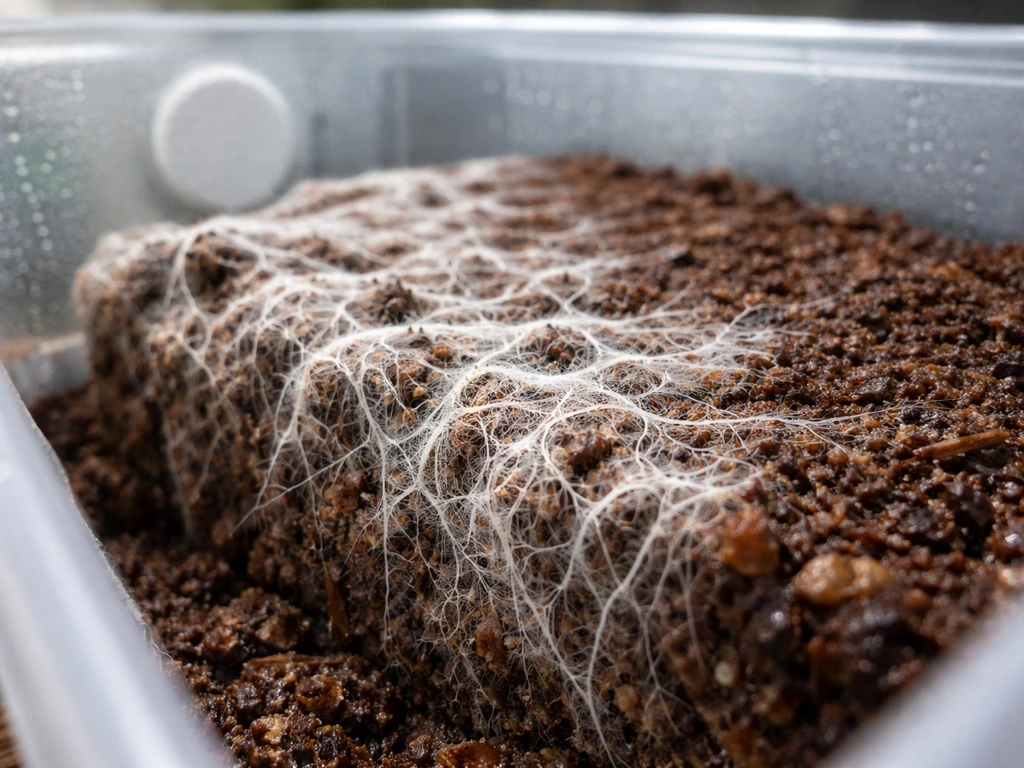
Mycelium is the vegetative body of a fungus: a dense network of hyphae (individual filaments) that spread through a substrate to absorb nutrients. Like any living organism, it doesn't have just one requirement. It has several, and they all interact. Think of them as dials you're tuning simultaneously rather than a checklist you work through one at a time.
- Moisture: Fungal hyphae need water to transport nutrients and maintain cell turgor. Substrate moisture content is one of the most critical variables, and it's often the first thing to check before blaming airflow.
- Temperature: Most common fungal species colonize best between roughly 21°C and 27°C (70°F–80°F), though optimal ranges vary by species. Outside that window, growth slows or stops entirely.
- pH: Fungi generally prefer slightly acidic conditions, somewhere in the range of pH 5 to 7. A substrate that's too alkaline will inhibit colonization even if everything else is perfect.
- Nutrients: Mycelium needs a carbon source (usually lignocellulosic material like straw, sawdust, or grain) plus nitrogen, minerals, and trace elements to build biomass.
- Oxygen (atmospheric conditions): Most fungal species are aerobic. They need oxygen for mitochondrial respiration, the process that generates the ATP energy required for growth.
These five factors are deeply interconnected. A substrate that's too wet reduces oxygen availability at the cellular level. A temperature that's too low slows the metabolic processes that consume oxygen. Getting a fix right on one axis while ignoring the others is one of the most common reasons growers (and students trying to understand microbial growth) get confused results.
Oxygen vs CO₂: does mycelium need fresh-air exchange?
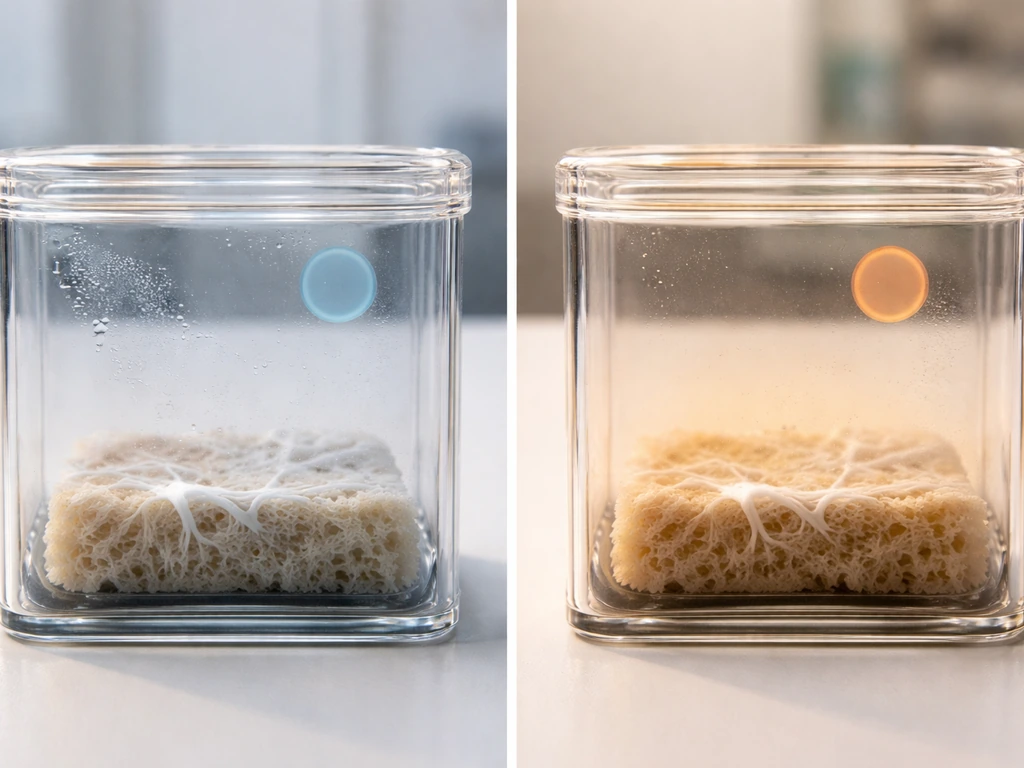
Here's where things get nuanced. Mycelium needs oxygen, but that doesn't automatically mean it needs constant fresh-air exchange. There's an important biological distinction between oxygen consumption and CO₂ tolerance.
As mycelium respires aerobically, it consumes O₂ and releases CO₂. In a sealed or poorly ventilated container, CO₂ gradually accumulates and O₂ levels drop. Elevated CO₂ doesn't just signal 'less oxygen available.' CO₂ itself is biologically active: at high concentrations it can directly inhibit enzyme activity, alter internal pH at the cellular level, and suppress certain metabolic pathways. The result is slower colonization, thinner hyphal growth, and in some species, unusual elongated or 'reaching' growth patterns as the mycelium essentially searches for better conditions.
So yes, fresh-air exchange matters, but not because mycelium is 'breathing' the way you do. It matters because without it, CO₂ accumulates to inhibitory levels and O₂ becomes limiting. A small amount of gas exchange, enough to replenish O₂ without desiccating the environment, is usually sufficient during colonization. During later productive stages the equation shifts, and many species become far more sensitive to elevated CO₂, but the colonization phase is more tolerant of elevated CO₂ than most people expect.
It varies by species and growth stage
Not all fungi behave the same way with respect to oxygen. ATCC's mycology culture guidelines note that while most fungal species are aerobic, some are obligate anaerobes (requiring the absence of oxygen), some are facultative anaerobes (able to grow with or without oxygen), and others are strict aerobes. This matters practically because the 'air problem' you're diagnosing may not apply the same way to every organism you're studying or working with.
Early colonization vs later growth
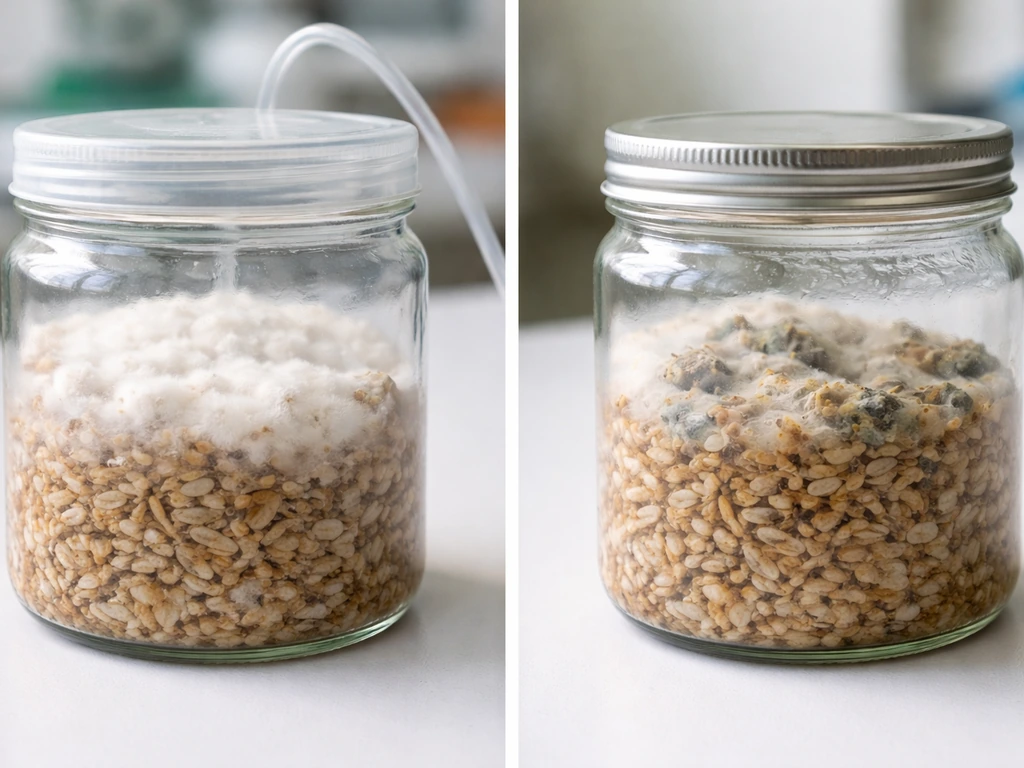
During early colonization, aerobic mycelium actively consumes oxygen as it establishes itself through the substrate. At this stage, moderate CO₂ levels (higher than ambient air) are often tolerated and can actually suppress some competing organisms. This is why some cultivation approaches deliberately limit gas exchange early on. As colonization matures and the fungus shifts toward more active metabolic output, oxygen demand increases and CO₂ tolerance often decreases. At that point, insufficient fresh-air exchange produces more visibly stunted or abnormal growth patterns.
Aerobic vs anaerobic species: a quick comparison
| Oxygen Requirement Type | What It Means | Example Relevance |
|---|---|---|
| Obligate aerobe | Must have oxygen to survive and grow | Most common filamentous molds and fungi studied in microbiology |
| Facultative anaerobe | Grows with or without oxygen, but grows better with it | Some yeasts and certain fungal species in low-oxygen niches |
| Obligate anaerobe | Cannot tolerate oxygen; it is toxic to the organism | Rare in typical fungi; more common in certain bacteria |
For the vast majority of mycelium-forming fungi you'll encounter in educational or real-world contexts, treat them as obligate aerobes and plan your setup accordingly.
How airflow affects moisture and contamination risk
This is the tension that trips up a lot of people: the same airflow that brings in oxygen also carries away moisture and potentially introduces contaminants. It's a real trade-off, not a problem with a single clean solution.
Increased airflow raises evaporation rates. If your substrate or growing environment dries out faster than moisture can be replenished, growth slows or stops not because of oxygen deficiency but because of water deficit. This is especially relevant in setups where temperature is already slightly elevated, because warmer air holds more moisture and accelerates evaporation. The practical takeaway: never increase airflow without also monitoring substrate moisture. The two variables move together.
Contamination risk is the other side. Air carries bacterial and fungal spores, and increased airflow means more opportunities for competing organisms to land on your substrate. Mold contamination, the conditions for which overlap significantly with those that favor mycelium growth (moisture, warmth, organic nutrients), becomes a greater threat when air exchange is unfiltered or poorly managed. This is why a filtered port or filter patch is a standard solution: it allows gas exchange while physically blocking most airborne contaminants.
Practical signs you need more or less air
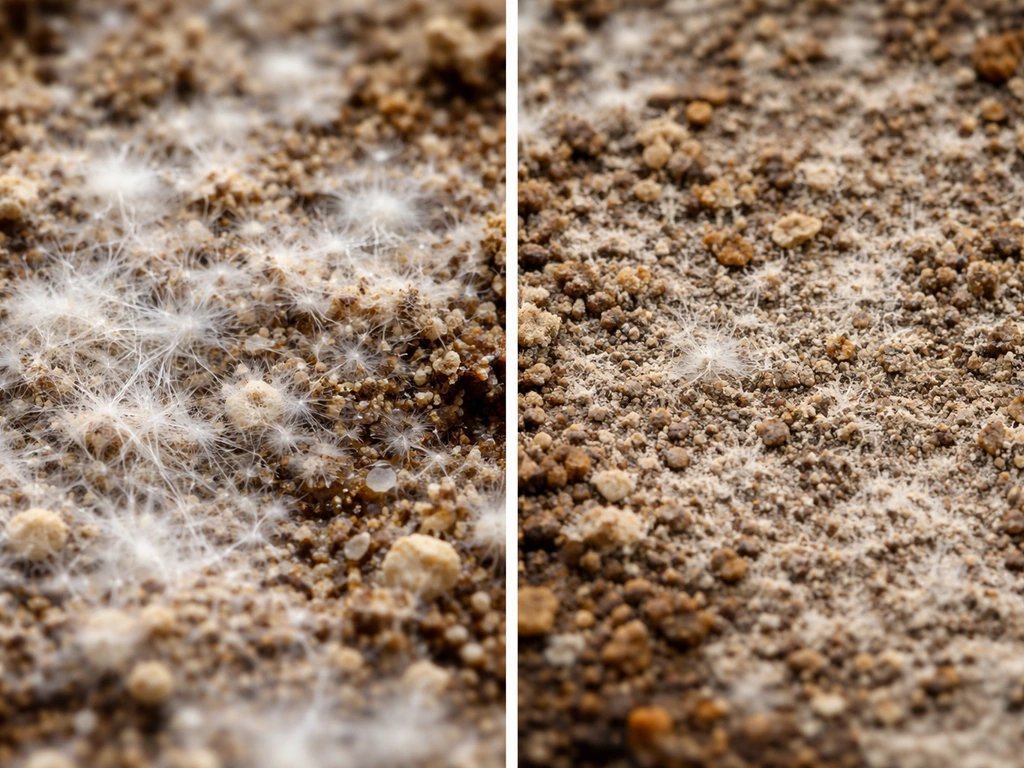
Before adjusting anything, observe first. Mycelium gives you visible cues when its environment is off. Here's how to read them.
Signs of insufficient gas exchange (too little air)
- Slow or stalled colonization despite adequate moisture and temperature
- Thin, wispy, or sparse hyphal growth instead of dense, robust mycelium
- Unusual elongated 'reaching' growth pattern, where hyphae grow upward or toward any opening rather than spreading evenly
- Visible condensation buildup inside a sealed container with no visible contamination, suggesting CO₂ and humidity are accumulating without exchange
- Substrate smells stale or off, a sign of anaerobic metabolic byproducts
Signs of excessive airflow (too much air)
- Substrate surface is visibly dry, cracked, or pulling away from the container walls
- Colonization proceeds only in the interior of the substrate while the surface dries out
- Growth rate drops and the exposed mycelium looks desiccated or brittle
- Increased contamination events, especially from environmental molds being pulled in by air movement
Common setup mistakes and quick fixes
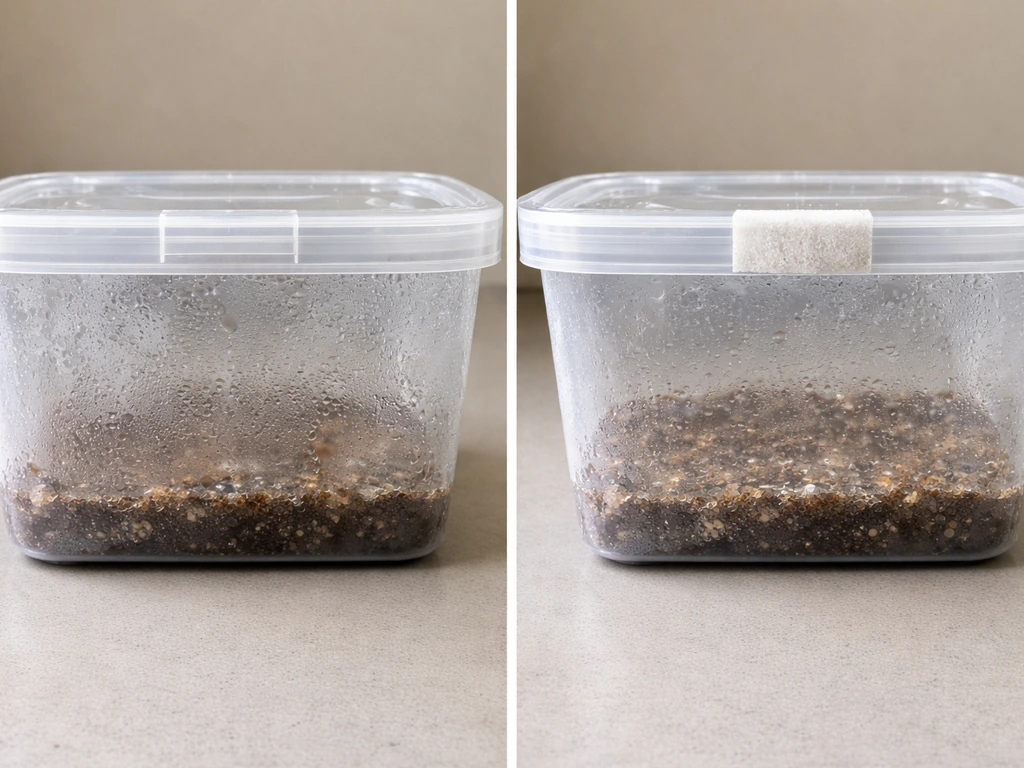
Most 'air problems' are actually multi-factor problems. Here are the mistakes I see most often and what to actually do about them.
Mistake 1: Completely sealed containers
A completely airtight container will deplete available oxygen and allow CO₂ to accumulate to inhibitory levels. do mold need oxygen to grow. Even a small filtered port, a polyfill fiber plug, or a microporous filter patch allows adequate gas exchange without significant contamination risk. If you're working in an educational setting using sealed glass jars or bags, adding a filtered exchange point is the single highest-impact fix.
Mistake 2: Blaming air when moisture is the real problem
Slow growth is almost as often a moisture issue as an air issue. Before increasing ventilation, check your substrate's field capacity. Properly hydrated substrate should feel damp but not dripping; if you squeeze a handful, only a few drops should fall. If it's too dry, adding more air makes things worse. If it's too wet, oxygen availability at the substrate level is already impaired because waterlogged substrate displaces the air pockets that mycelium relies on.
Mistake 3: Ignoring temperature and pH
Temperature and pH affect how efficiently mycelium can use available oxygen, not just whether it can grow at all. ATCC's mycology culture guide similarly emphasizes that fungal growth depends on moisture, temperature, and pH, among other environmental factors Temperature and pH affect how efficiently mycelium can use available oxygen. A setup running 5°C below the optimal range will produce sluggish colonization that looks identical to an air-deprivation problem. Similarly, a substrate with the wrong pH can inhibit enzyme function at the cellular level, making the organism appear oxygen-starved when the actual problem is biochemical. Always rule out temperature and pH before adding or reducing ventilation.
Mistake 4: Unfiltered airflow in a contamination-prone environment
Pointing a fan directly at an open substrate is not ventilation: it's an invitation for contamination. The fix is always filtered exchange. Polyfill, microporous surgical tape over small holes, or purpose-built filter patches all allow O₂ in and CO₂ out while blocking spores and bacteria. If you see green, black, or orange patches appearing alongside your mycelium, airflow is almost certainly carrying contaminants rather than solving an oxygen deficit.
Quick diagnostic checklist
- Check substrate moisture first: squeeze test should yield only a few drops.
- Verify temperature is within the optimal range for your species (typically 21°C–27°C for common molds).
- Confirm your container has at least one filtered gas exchange point, not a fully sealed lid.
- Observe growth pattern: even spread suggests balanced conditions; elongated or sparse growth suggests CO₂ buildup.
- Check for contamination: unexpected colors (green, black, orange) suggest airborne competitors, not an oxygen deficit.
- Test substrate pH if growth remains stalled after moisture, temperature, and air are corrected. Aim for pH 5–7 for most fungal species.
Understanding why mycelium needs air, rather than just knowing that it does, puts you in a much stronger position to diagnose what's actually wrong with a given setup. Oxygen, moisture, temperature, and pH don't operate in isolation: they form a system. Adjusting one without considering the others is why so many well-intentioned fixes create new problems instead of solving the original one. If you're also exploring related questions about what conditions drive mold growth more broadly, or how oxygen requirements differ across fungal and microbial species, the same foundational principles apply: these organisms follow biological rules, and understanding those rules is always more useful than guessing. Spores also need the right conditions, and that brings us to what spores grow into after germination. Those same principles of moisture, warmth, and available nutrients are what conditions drive mold growth. Mold growth depends on several factors beyond oxygen, including moisture, warmth, and available nutrients.
FAQ
How can I tell the difference between low oxygen and too much CO₂ in my setup?
Low oxygen usually pairs with slowed spread from the edges and a generally “stalled” look, while CO₂ buildup often shows abnormal or elongated, reaching growth patterns. The fastest way to confirm is to improve gas exchange slightly using a filtered exchange point, then compare moisture stability before and after for 24 to 72 hours.
Do I need an exhaust fan, or is passive gas exchange enough?
Passive gas exchange is often enough during colonization if the container is not airtight and the exchange is filtered. An exhaust fan can work, but it increases drying and can pull in unfiltered spores, so if you use one, keep substrate moisture in the target range and use filtration on any intake or exchange path.
Is more airflow always better for mycelium?
No. Higher airflow can reduce surface moisture faster than the substrate can replenish it, which limits growth even when oxygen is available. Treat airflow as a tuning knob, increase it only in small steps, and re-check moisture after each change.
What is the safest way to introduce fresh air without increasing contamination?
Use a filtered exchange point such as a microporous filter patch or a polyfill plug designed for clean gas exchange. Avoid open holes without filtration, because those bypass the main barrier that keeps airborne bacteria and spores from landing on the substrate.
Can mycelium grow in fully sealed jars or bags if I wait longer?
Usually not reliably. Even if some oxygen remains initially, oxygen consumption and CO₂ accumulation will eventually inhibit enzyme activity and slow or distort growth. If you need sealed storage, the better approach is a setup designed for limited, filtered exchange rather than a completely airtight container.
Do CO₂ levels matter more during colonization or during fruiting/production stages?
CO₂ tolerance is often higher during early colonization and tends to decrease as metabolic output increases later. In practice, that means you may manage with modest gas exchange early, then become stricter about controlling CO₂ later for many species.
Should I increase ventilation if growth looks thin or “stringy”?
Not immediately. Thin or reaching growth can be a CO₂ issue, but it can also reflect dryness, temperature being off, or substrate hydration problems. First verify moisture (damp, not dripping, few drops when squeezed) and temperature, then adjust gas exchange with filtration rather than simply increasing airflow.
Does mycelium need oxygen at all depths, or just near the surface?
Oxygen must be available where active growth is happening, but diffusion is limited. If the substrate is waterlogged, air pockets collapse and oxygen availability drops at the cellular level even if the container has some fresh air.
How do I avoid drying out when I add filtered airflow?
Increase exchange gradually and pair it with careful humidity control of the surrounding environment. Also monitor substrate field capacity, because the moisture deficit can appear before you notice visible surface drying, especially at slightly elevated temperatures.
What if my organism is an anaerobe or facultative species, does the oxygen advice change?
Yes. Obligately anaerobic species require oxygen absence, and facultative species have more flexibility. If you do not know the species, follow the oxygen guidance as a default for common mycelium-forming fungi, but confirm the organism’s category from your culture source before changing ventilation aggressively.