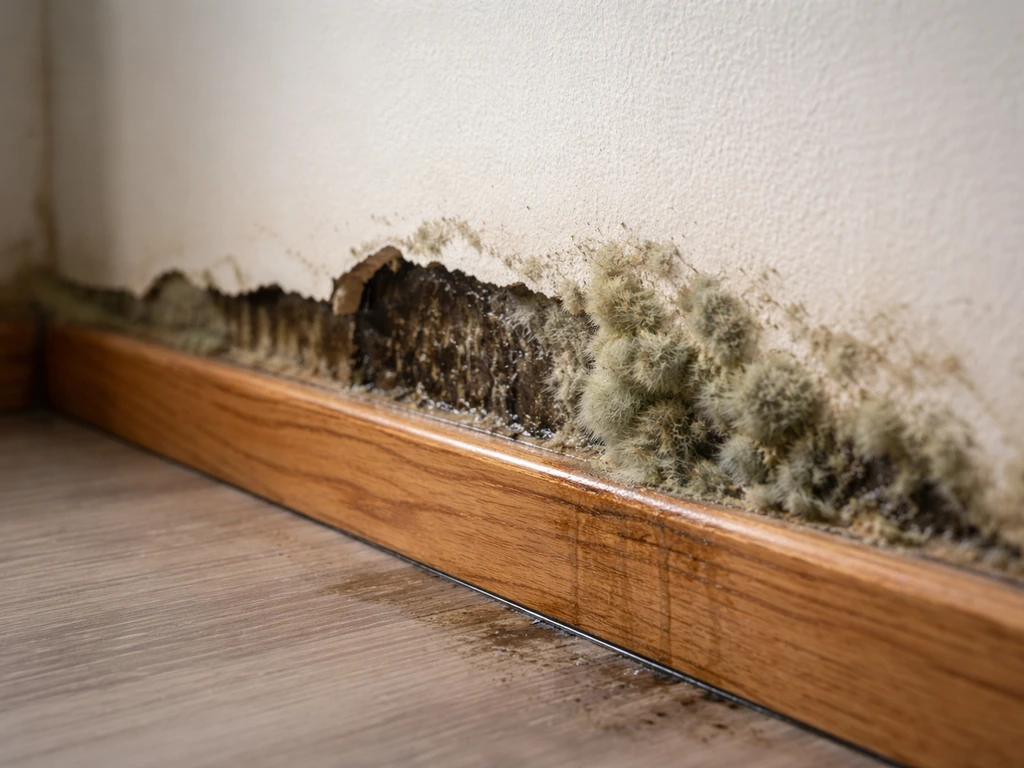
Mold grows because a microscopic fungal spore landed somewhere that gave it exactly what it needed: moisture, a surface to feed on, the right temperature, and enough air. Of those four factors, moisture is by far the one that matters most indoors. Remove it, and mold almost never takes hold. Let it linger, and mold can appear in as little as 24 to 48 hours. That single fact, confirmed by EPA guidance, is the foundation of everything else in this article.
What Causes Mold to Grow? Moisture and Conditions Explained

Marcus Holloway
19 Apr 2026
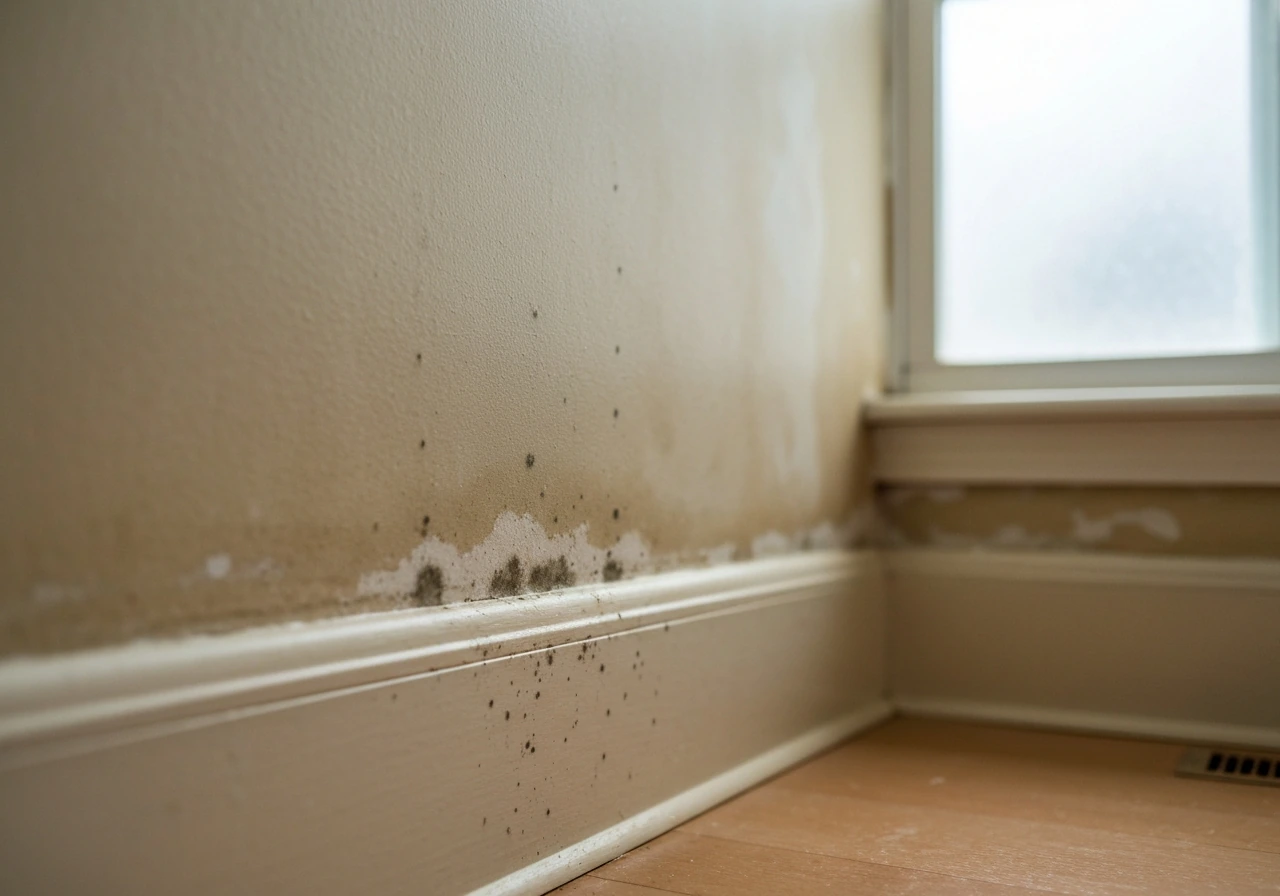
The core conditions mold needs to grow
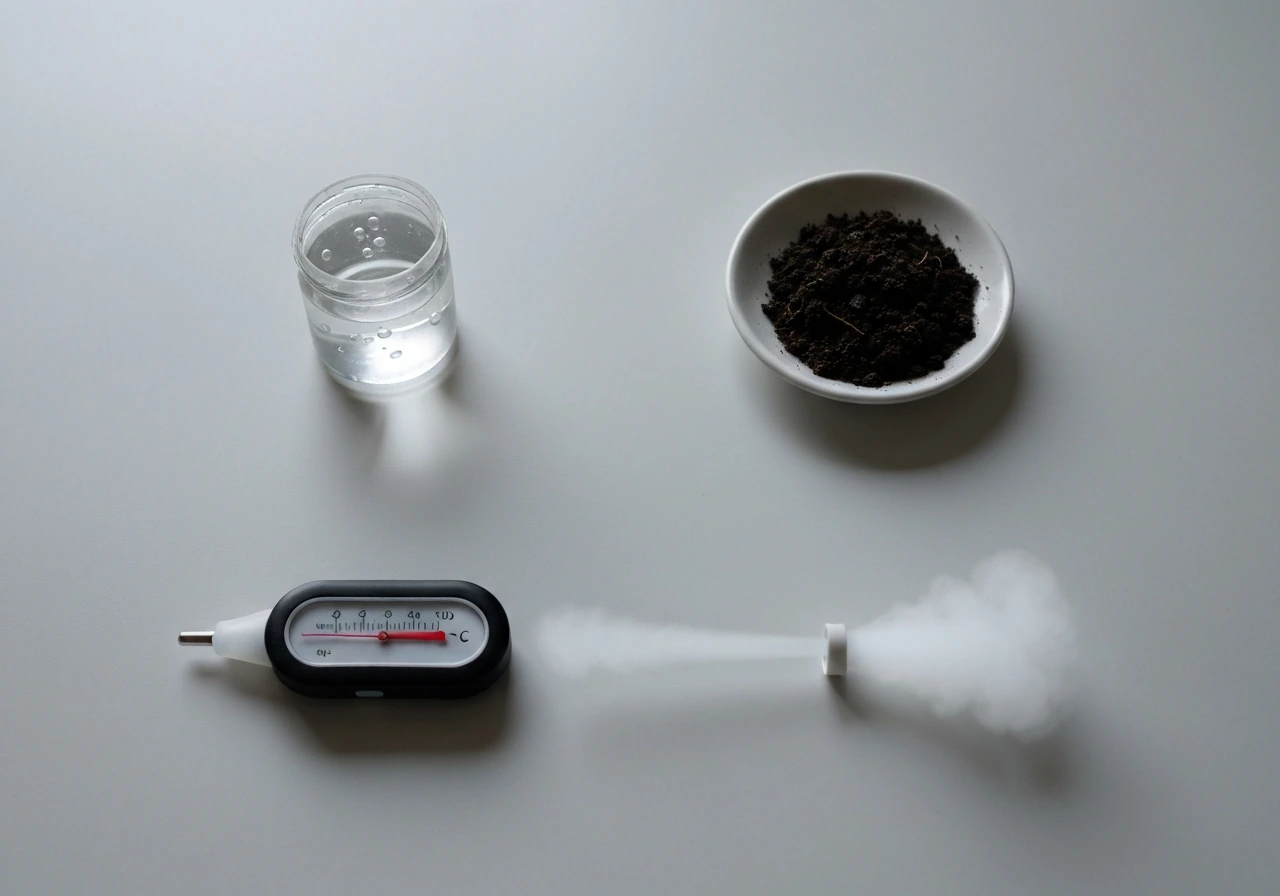
Mold is a fungus, and like all living organisms it needs resources to survive and reproduce. Indoors, four conditions work together to make that possible. Think of them as an "on" switch: flip enough of them at once, and active mold growth begins.
Moisture: the non-negotiable one
Excess moisture is generally the major cause of indoor mold growth, and the science behind that is straightforward. Mold spores are everywhere in the air around you right now, but a spore sitting on a dry drywall surface cannot absorb water, germinate, or send out the thread-like structures (called hyphae) that form a mold colony. It just sits there, dormant. Add enough moisture to that surface, and the biology kicks in fast.
The EPA recommends keeping indoor relative humidity (RH) below 60%, ideally between 30% and 50%. North Carolina's Department of Public Health puts it this way: if RH stays below 60% and there are no cold surfaces causing condensation, there simply won't be enough water in building materials for mold to sustain growth.
Nutrients: what mold is actually eating
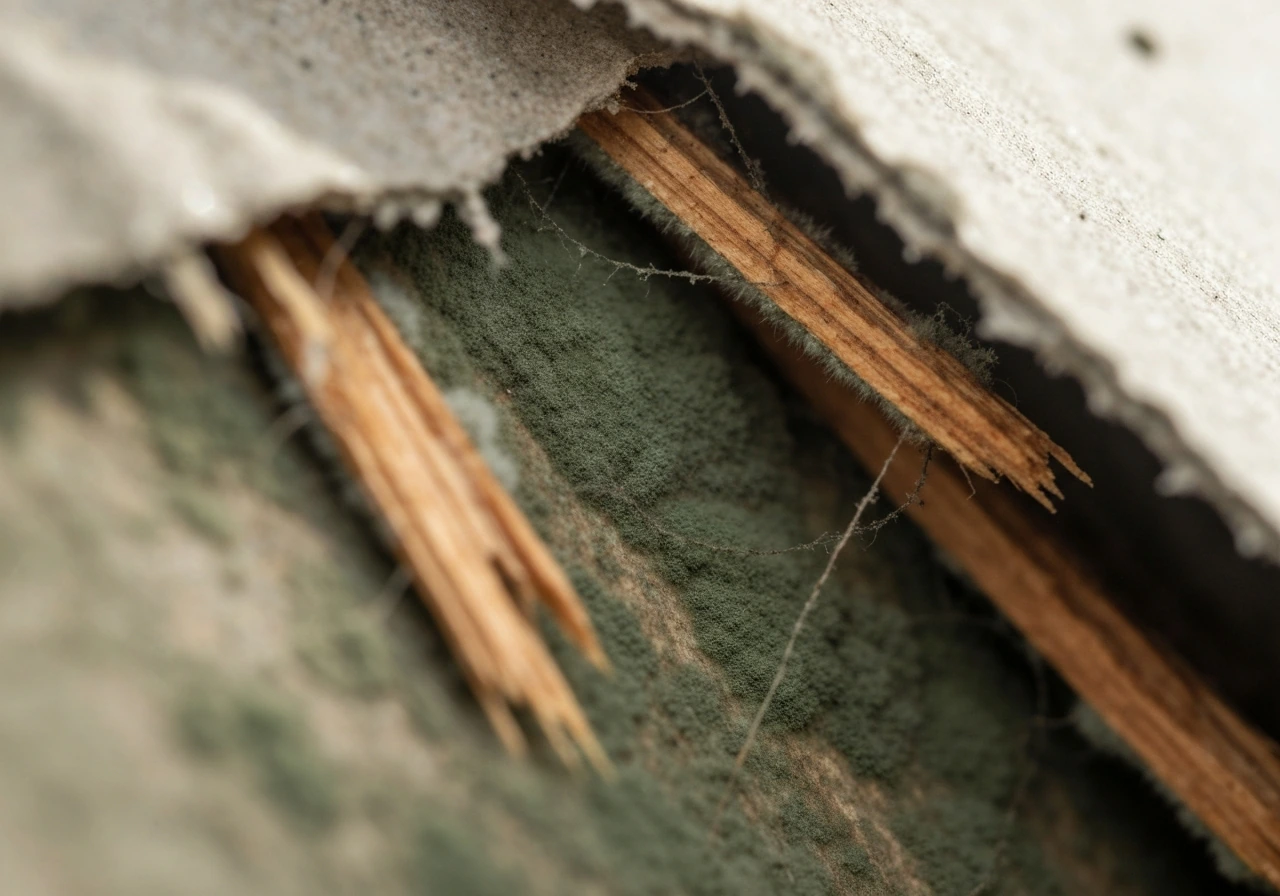
Mold does not need food in the way you and I do. It needs a carbon source, which is basically any organic material. Inside a home that means drywall paper, wood framing, ceiling tiles, carpet fibers, dust, even the adhesive behind wallpaper. The building itself is the buffet. This is why mold can grow on what looks like a clean wall surface: the organic compounds bonded into the material are enough. You don't need spilled food or visible dirt. This also connects to a topic covered separately on this site about what mold needs to grow more broadly, since nutrients and moisture work together as a package deal.
Temperature: a wide, comfortable range
Most indoor molds grow comfortably between about 40°F and 100°F (roughly 4°C to 38°C). That range covers most livable indoor spaces, which means temperature is rarely a limiting factor inside a home. You can't simply heat a moldy room and expect growth to stop, the way you might kill bacteria with high cooking temperatures. Mold slows in colder spaces but picks right back up when conditions warm again.
Oxygen and airflow: more connected than people realize
Most common indoor molds are aerobic, meaning they need oxygen to grow. There's a separate discussion on this site about whether mold needs oxygen to grow, and the short answer is yes for the vast majority of household species. The practical upshot is that stagnant, poorly ventilated air is a problem for two reasons: it keeps moisture from evaporating (which feeds mold) and it maintains the oxygen-rich, still environment mold colonies prefer. Mold also depends on airflow and oxygen, which is why drying and ventilation matter when you're trying to stop it oxygen and airflow. Good airflow through exhaust fans, open windows, or HVAC systems helps carry moisture away before it can accumulate.
Indoor moisture sources that lead to mold
Understanding what causes mold to grow really comes down to understanding where indoor moisture comes from. There are four main categories, and most mold problems trace back to at least one of them.
| Moisture Source | How It Causes Mold | How Fast Risk Builds |
|---|---|---|
| Leaks (roof, pipes, windows) | Water soaks into building materials and stays hidden, often behind walls or under floors | Within 24–48 hours if not dried |
| Condensation | Warm humid air hits a cold surface (windows, pipes, exterior walls) and liquid water forms on or inside the material | Days to weeks of repeated cycles |
| Flooding or major spills | Large volume of water saturates porous materials quickly | Within 24–48 hours; often faster |
| High indoor humidity | Moisture is drawn into permeable materials (drywall, wood, insulation) over time, no single event needed | Weeks to months of sustained high RH |
Leaks are the most dramatic, but condensation is arguably the sneakiest. A single-pane window in winter, a cold water pipe running through a warm basement, or an uninsulated exterior wall can all collect liquid water repeatedly every day for months without anyone noticing until the mold is already visible. The EPA explicitly calls out condensation and moisture on windows, walls, and pipes as something to address quickly by drying the surface and eliminating the moisture source.
High ambient humidity is the background threat. If your home consistently sits above 60% RH, even materials that have never had a leak can accumulate enough moisture to support mold. This is especially common in humid climates, in poorly ventilated homes, or during summer months when outdoor humidity is high and air conditioning is the only barrier.
Where mold typically grows in homes and apartments
Kitchens, bathrooms, and basements are the three most consistently mold-prone areas in any home, according to CDC and HUD guidance. Each has its own moisture profile, but the biology is the same in all three: frequent or sustained moisture plus a carbon-containing surface equals mold risk.
Bathrooms
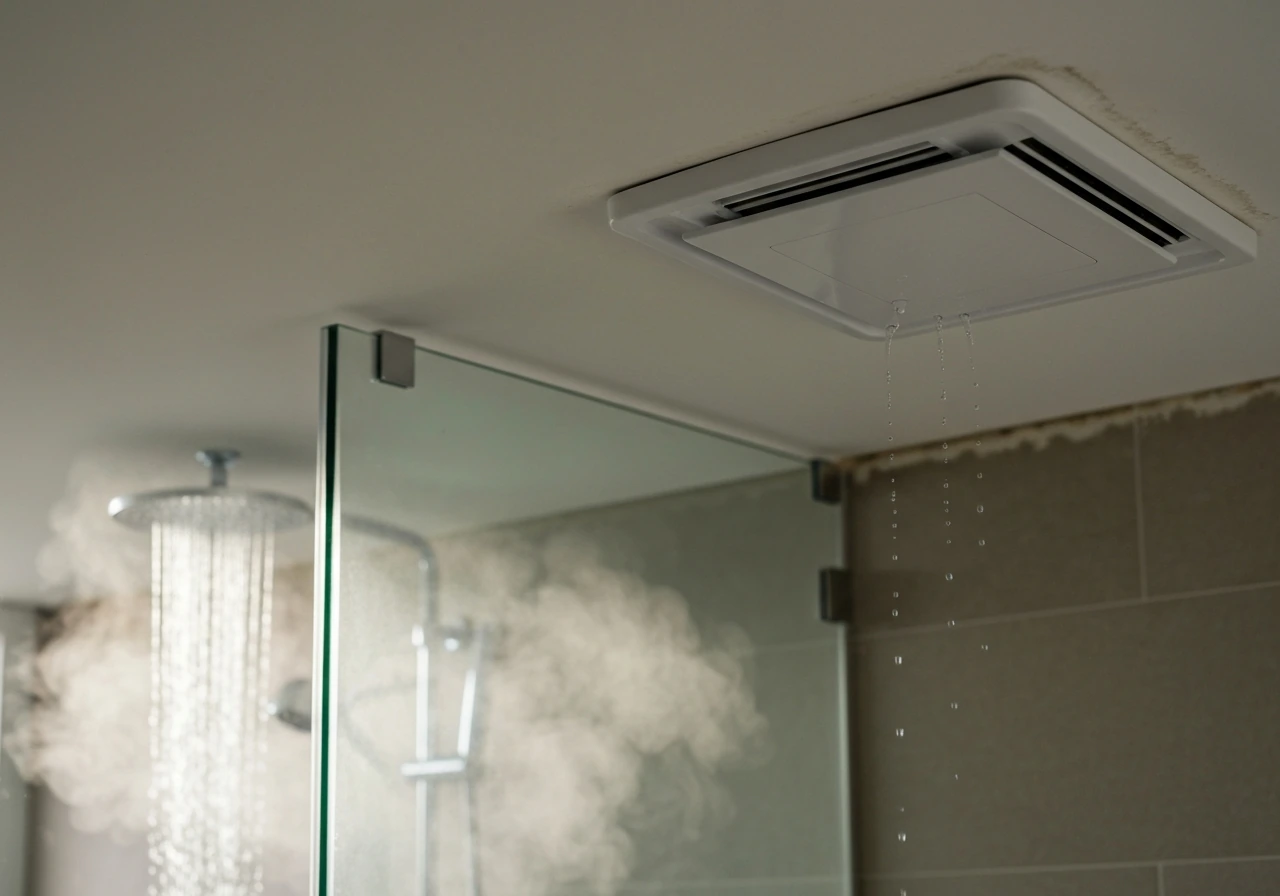
Steam from showers and baths raises humidity dramatically in a short time. Without an exhaust fan that actually vents to the outside (not just into an attic or wall cavity), that moisture lands on grout, caulk, drywall, and ceiling tiles. Leaks around toilet bases, under sinks, and behind tub surrounds add liquid water to the equation. Grout between tiles is porous and provides a carbon source. This is why bathroom mold is so common: it's almost the ideal environment.
Kitchens
Cooking generates steam, and dishwashers, refrigerators, and sink plumbing all have failure points that can leak slowly for months. The EPA's interactive mold house tour specifically flags leaking pipes under a kitchen sink as a common cause of mold in walls and cabinets, because the inside of a cabinet is dark, warm, and rarely inspected. The same hidden moisture risk applies to the space behind and underneath refrigerators.
Basements and crawl spaces
Basements sit below grade, surrounded by soil that holds moisture. Ground water seeps through foundation cracks, condensation forms on cool concrete walls, and humidity from the soil rises through a dirt crawl space floor. Finished basements add drywall and carpet, both excellent mold substrates, over surfaces that are naturally damp. Without a dehumidifier and proper sealing, basement RH can stay above 60% for months at a time.
Bedrooms and living areas
Bedrooms feel like an unlikely spot, but mold there is more common than people expect. Condensation forms on exterior walls behind furniture that blocks airflow. The EPA's remediation guidance specifically notes behind-furniture condensation as a hidden mold risk. In bedrooms with poor ventilation, the moisture from breathing and sleeping alone can raise localized humidity enough to cause issues on walls that stay persistently cool.
Hidden zones that get missed
CDPH guidance points out that mold often goes undetected beneath wallpaper, behind baseboards, inside walls, under flooring, and inside ceilings, exactly the places where a slow pipe leak or roof seepage ends up. If you smell mold but can't see it, those are the first places to suspect. The EPA is clear that when there are signs of a past water leak, hidden mold is likely present even if the surface looks clean.
When mold grows indoors: timing and triggers
Mold doesn't follow a calendar, but there are two distinct patterns worth understanding: event-driven growth after a specific water incident, and seasonal growth tied to ongoing humidity cycles.
After a water event
The blank" rel="noopener noreferrer">24 to 48 hour rule is the most important number to know. EPA and NIOSH guidance consistently states that if wet or damp materials are dried within that window after a leak, spill, or flood, mold growth can usually be prevented. Once that window closes, growth is likely underway in any porous material that stayed wet. This means a burst pipe, a roof leak during a storm, or even a slow drip behind a wall that finally soaks through all carry a tight clock for response.
Seasonal patterns
In humid climates, late summer is often the worst time for indoor mold because outdoor humidity is high, and any gap in air conditioning performance allows humid air to infiltrate. In colder climates, winter creates condensation problems on windows and exterior walls because of the temperature difference between inside and outside air. Spring flooding and snowmelt add basement and crawl space risk. If you're noticing mold problems at a particular time of year, the pattern itself is a diagnostic clue about which moisture source is driving growth.
Why mold can grow so fast in your house
If mold keeps coming back or spreads faster than you expect, the answer is almost always that the underlying moisture source hasn't been fixed. Cleaning visible mold without addressing the dampness that caused it is like bailing a boat without plugging the hole. If you are wondering what spores grow into, the answer is that they can germinate and develop into active mold colonies when moisture, nutrients, and the right conditions are present what do spores grow into. There are a few specific building-level factors that accelerate how fast mold can establish itself.
- Hidden dampness: water trapped inside wall cavities, under flooring, or in insulation stays wet long after the surface feels dry, giving mold an undisturbed environment to colonize
- Poor ventilation: stagnant air keeps moisture from evaporating and maintains the warm, humid microclimate mold prefers, especially in bathrooms, kitchens, and basements without exhaust fans vented to the outside
- Thermal bridging and cold surfaces: poorly insulated walls or single-pane windows create cold spots where warm interior air condenses repeatedly, even when the rest of the room feels comfortable
- High background humidity: homes with consistently elevated RH (above 60%) essentially never fully dry out between events, so mold never loses its moisture supply
- Building materials: modern drywall paper and older cellulose-based materials are particularly good carbon sources, and once mold colonizes inside the material it can persist even after surface cleaning
- HVAC problems: a leaking duct, a clogged condensate drain, or a system that circulates air without adequately dehumidifying can spread moisture and even mold spores throughout the entire home
Buildings inevitably get wet at some point, inside and out. The EPA's framing on this is useful: it's not about keeping water out forever, it's about making sure wet materials can dry quickly. Homes that trap moisture rather than releasing it are the ones where mold becomes a recurring problem.
How to pinpoint the cause in your home today
If you're trying to figure out why you have mold, or whether you're at risk, a systematic room-by-room check is the most practical starting point. You don't need professional equipment for most of this, though an inexpensive hygrometer (humidity meter) and a basic moisture meter are worth having. OSU Extension's home inspection guidance suggests a moisture meter can flag material moisture levels that correlate with mold risk even before mold is visible.
Bathroom checklist
- Run the exhaust fan and confirm it actually moves air out of the house (hold a tissue near the vent; it should be pulled toward the fan)
- Check grout and caulk around the tub, shower, and toilet base for discoloration, gaps, or soft spots
- Open the cabinet under the sink and look for water stains, soft wood, or a musty smell
- Check the wall at the base of the toilet and behind the toilet tank for condensation or staining
Kitchen checklist
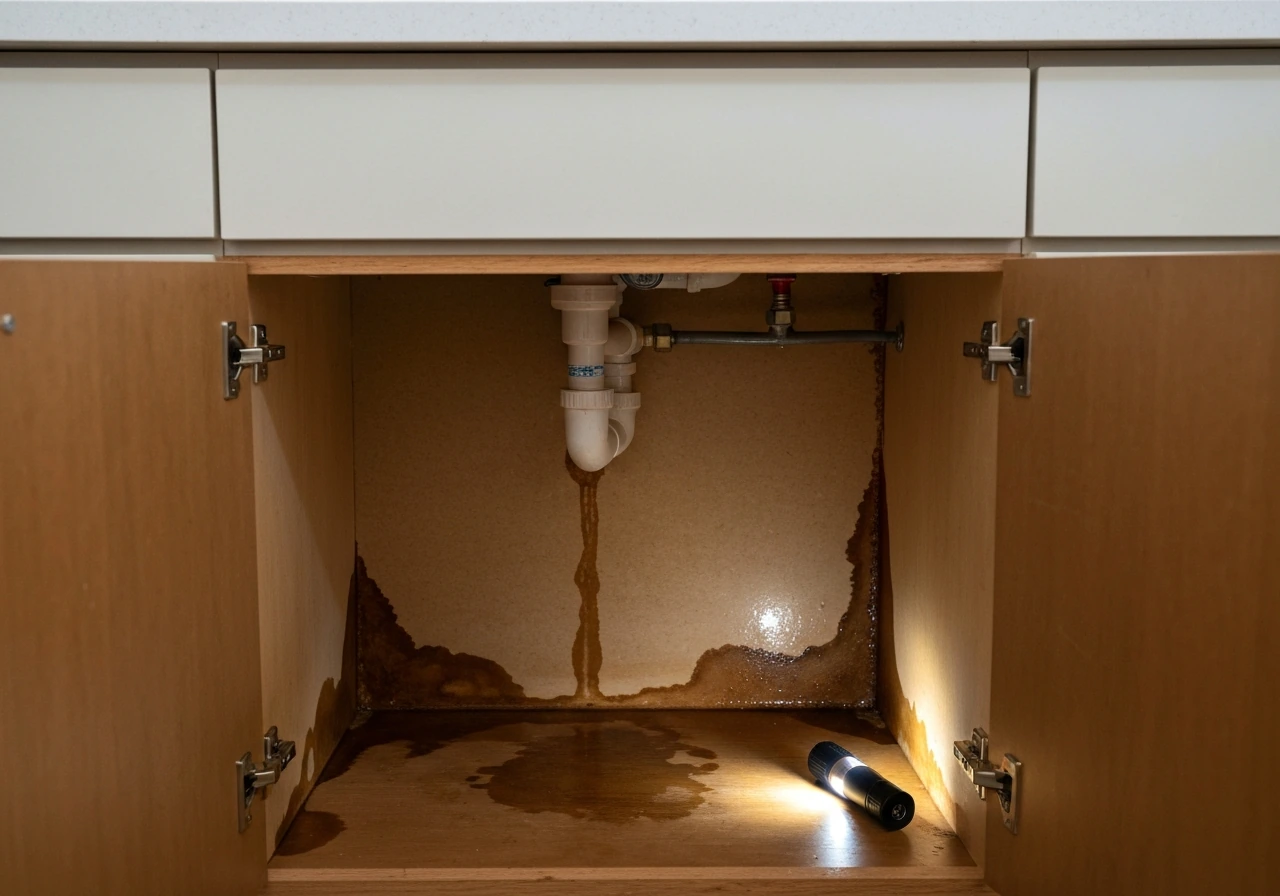
- Open the cabinet under the sink and inspect the back corners and the floor of the cabinet for moisture or staining
- Pull the refrigerator out from the wall and check the floor and wall behind it
- Look at the ceiling and wall above and beside the dishwasher for any soft spots or discoloration
- Verify that the kitchen exhaust hood vents outside, not just through a filter back into the kitchen
Basement and crawl space checklist
- Measure humidity with a hygrometer; if RH is consistently above 60%, a dehumidifier is needed
- Look for white mineral deposits (efflorescence) on concrete walls, which indicate water has been moving through the wall
- Check the floor along the base of all walls for staining or dampness, especially after rain
- In a crawl space, check whether a vapor barrier covers the ground and whether there is adequate ventilation
Bedroom and living area checklist
- Pull furniture away from exterior walls and inspect the wall surface and baseboard behind it
- Check window frames and the wall beneath windows for condensation staining or soft drywall
- Look at ceiling corners, especially on exterior walls, for discoloration
- Check behind and under any wallpaper that is peeling, bubbling, or has a musty odor
Whole-home checks
- Check the attic for signs of roof leaks: stained or dark rafters, insulation that looks compressed or discolored
- Inspect window frames throughout the home for condensation lines or soft wood
- Walk the perimeter of the roof after rain and look for damaged flashing, missing shingles, or clogged gutters that could allow water entry
- Check HVAC air handler and drain pan for standing water or visible growth, and confirm the condensate drain line is clear
Once you find a moisture source, the priority is to fix it and dry everything affected within 48 hours if at all possible. If materials have been wet longer than that, assume mold is present even if you can't see it yet, and plan remediation accordingly. Controlling indoor humidity to stay below 60% RH after that is the long-term defense. EPA guidance advises keeping indoor relative humidity below 60%, ideally between 30% and 50% if possible keeping indoor humidity to stay below 60% RH. It's not complicated biology, but it does require consistent attention to how moisture moves through your home.
FAQ
Does mold grow because it is warm, or does temperature really matter?
Warmth alone rarely causes mold, but it speeds up growth once moisture is present. If the surface stays damp, mold can still establish even when you lower the room temperature slightly, so the critical move is drying and fixing the water source, not just changing the thermostat.
What causes mold to grow if I do not see any leaks or obvious water damage?
Not always. Mold can start on porous materials like drywall, ceiling tiles, carpet, and wood framing even when the leak is invisible. For hidden leaks, watch for clues like recurring damp spots, musty odor, peeling paint that bubbles from moisture, or water staining that appears and disappears.
If I run fans and improve ventilation, will mold stop growing?
Air movement is helpful, but it must target drying. Running a fan without removing moisture can spread humidity to other areas. The most effective approach is local exhaust to the outdoors for bathrooms and kitchens, plus dehumidification if indoor RH is staying high.
Can mold grow from small moisture problems, like a little condensation?
Yes. Even a small amount of recurring moisture can support mold, especially if it happens repeatedly (for example, condensation on windows each winter or a slow drip behind a wall). Mold growth often follows a cycle, not a single big event.
How reliable are humidity readings, and what RH level is actually a concern?
A hygrometer that reads low or poorly placed can mislead you. Measure in the living area you occupy, away from exterior walls, windows, and direct airflow, then compare readings across rooms. If RH is near or above 60% for long periods, that is usually enough moisture for risk.
Why does mold often come back in rooms with carpets after a cleanup?
Carpeting can be a hidden mold driver because it holds water and dries slowly. If water affected carpet padding, baseboards, or subfloor, drying may need to include removal of wet padding or more aggressive drying to prevent mold from reappearing later.
Will cleaning mold with bleach prevent what causes mold to grow in the first place?
Bleach is not a reliable solution for prevention. It can kill surface mold, but it does not remove moisture and it often does not penetrate porous materials, meaning regrowth is likely if the underlying dampness remains.
If the wet area dries on its own, can mold still develop later?
If materials stayed wet longer than the typical 24 to 48 hour window, assume mold may already be developing inside materials even if it is not visible. In that case, focus on removal and drying appropriate materials, and treat the water source, not just the staining.
Why do I notice mold more in certain seasons?
Some mold problems are driven by seasonal humidity cycles. In winter, condensation on cool surfaces like windows and exterior walls is common, while in late summer, outdoor humidity can push indoor RH up and overwhelm air conditioning performance.
What is the best way to find hidden moisture before mold spreads?
Use a moisture meter to verify which materials are still wet, but interpret it carefully. A reading can be falsely reassuring if the surface is dry while the inside remains damp, so check suspect materials behind baseboards, under flooring edges, and within drywall corners.