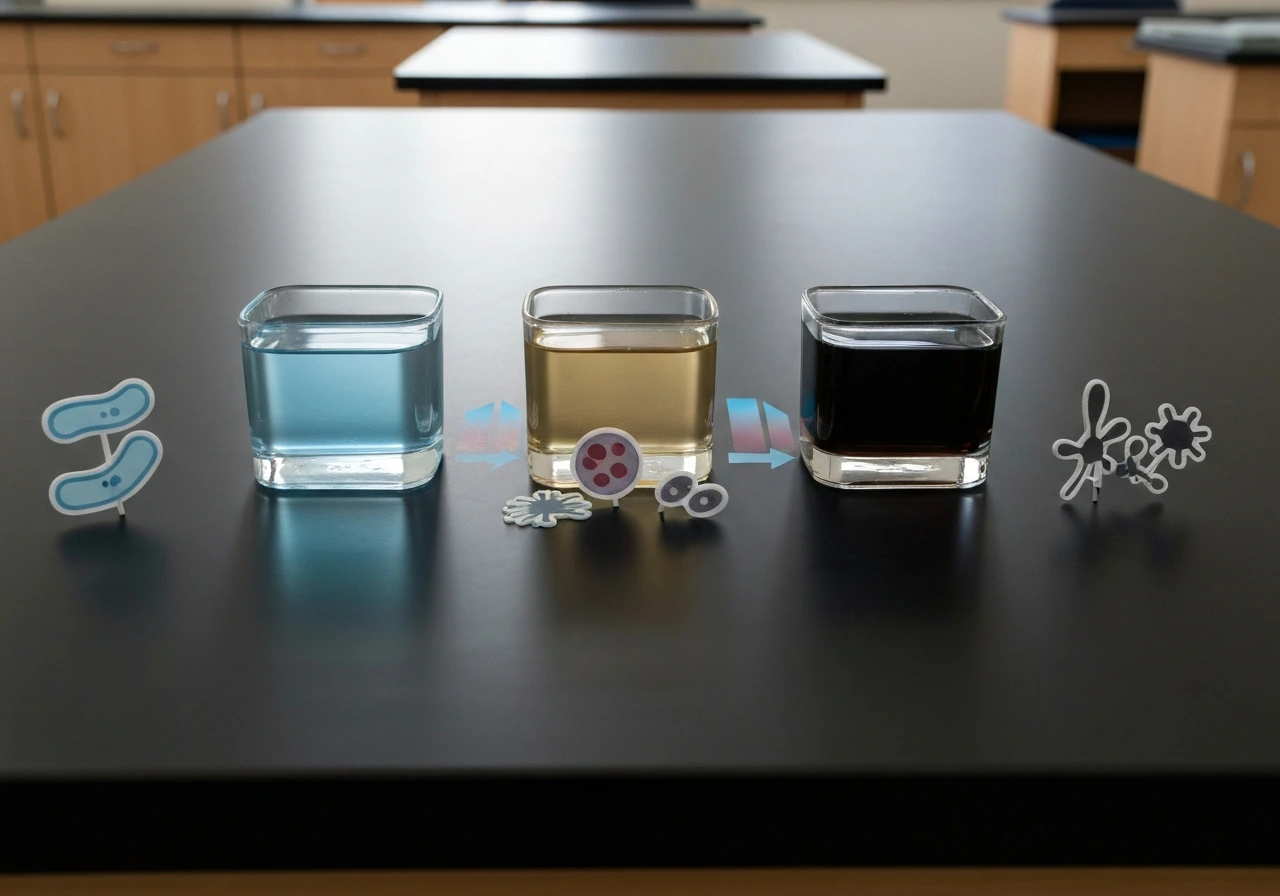
Under favorable conditions, many beneficial bacteria can show early signs of activity within just a few hours, but meaningful, established growth typically takes anywhere from 15 to 24 hours for fast strains like Bifidobacterium and Lactobacillus species. That said, this number is not fixed. It shifts dramatically depending on temperature, pH, oxygen exposure, available nutrients, and where the bacteria are starting from. If conditions are off even slightly, you might be waiting days and seeing nothing, not because the bacteria are dead, but because they're stuck in a lag phase, the quiet warm-up period before visible growth begins. After you prepare a liquid culture, the total time to noticeable growth depends on the strain and how long it stays in lag phase under your specific temperature, pH, and oxygen conditions how long does liquid culture take to grow.
How Long Does Beneficial Bacteria Take to Grow?

Typical timelines for beneficial bacteria growth
The most useful way to think about bacterial growth is through the classic growth curve: lag phase, exponential phase, stationary phase, and eventually decline. For beneficial bacteria, especially lactic acid bacteria and bifidobacteria, the lag phase is the most misunderstood part. This is where cells are essentially adjusting to their new environment, synthesizing enzymes, and preparing to divide. Nothing looks like it's happening, but the bacteria are very much alive and working.
For Bifidobacterium animalis subsp. lactis B94 grown in a probiotic pulp matrix, the lag stage persisted until roughly 15 hours. After that, exponential growth kicked in between about 15 and 21 hours, with the stationary phase beginning around 21 to 24 hours. For Lactobacillus plantarum isolates grown under favorable matrix conditions, lag phases can be as short as 0 to 3 hours, with active fermentation detectable very quickly. And for several Bifidobacterium strains grown on prebiotic fibers, lag phases of approximately 3 to 5 hours have been observed before logarithmic growth begins.
| Bacteria Type | Typical Lag Phase | Active Growth Window | Notes |
|---|---|---|---|
| Bifidobacterium animalis subsp. lactis | ~0 to 15 hours | 15 to 21 hours | Stationary phase begins around 21 to 24 hours |
| Bifidobacterium spp. on prebiotic fiber | ~3 to 5 hours | 5 to 18+ hours | Varies by fiber type (FOS vs inulin) |
| Lactobacillus plantarum (favorable matrix) | ~0 to 3 hours | 3 to 18+ hours | Shorter lag under optimized nutrient conditions |
| Bacillus coagulans | Variable (spore germination required) | Several hours post-germination | Spore-forming; thermophilic; requires warmth to activate |
One important takeaway: a longer lag phase does not mean your bacteria are failing. It often just means they need more time to adjust. Increasing the initial amount of bacteria (the inoculum size) has been shown to shorten the lag phase and compress the time to reach stationary phase, because more cells means the population hits a critical density for measurable activity much faster.
What conditions control how fast they grow
Think of temperature, pH, oxygen, and moisture as the four dials on a control panel. Turn any of them to the wrong setting and the whole system slows down, or stops entirely. These factors do not work in isolation. A bacteria that thrives at 37°C might still grow poorly if the pH is off, even if every other condition is perfect.
Temperature
Most lactic acid bacteria, including common Lactobacillus strains, grow best around 30 to 37°C. Lactobacillus plantarum has shown optimal biomass production near 30°C and pH 6.5 to 7.0 in controlled experiments, while other Lactobacillus strains favor 37°C. Bacillus coagulans is an outlier here, with an optimal growth temperature reported in the 35 to 50°C range, which is why it behaves differently from most probiotic bacteria. Drop the temperature toward room temperature (around 20 to 22°C) and growth slows dramatically. Storage temperatures like 4°C essentially put most beneficial bacteria into a holding pattern rather than killing them outright.
pH
Lactobacillus plantarum generally grows over a pH range of 5.0 to 7.0, with the optimal rate falling around pH 6.0 and stronger growth rates observed between pH 5.5 and 6.5. At pH 7.5, growth essentially stops. Bacillus coagulans prefers a slightly acidic range too, with optimal growth around pH 5.5 to 6.5. This means environments that are too alkaline (like high-pH water or improperly buffered media) can suppress beneficial bacteria even when everything else looks right. The pH sweet spot varies by strain, which is why understanding which specific bacteria you're working with matters so much.
Oxygen
Oxygen tolerance varies significantly across different beneficial bacteria, and this is one of the most commonly misunderstood variables. Bifidobacterium species are strict anaerobes, meaning oxygen is toxic to them. Bifidobacterium longum, for example, shows stress responses even at low oxygen concentrations around 3% v/v. Some Bifidobacterium strains cannot even form colonies without CO2 present in the environment. Lactobacillus species are generally more tolerant, classified as facultative anaerobes or aerotolerant anaerobes. They produce more lactic acid and grow differently depending on whether oxygen is present or absent, which affects both growth rate and metabolic output. Limosilactobacillus reuteri, for instance, shows changes in cell growth and lactic acid yield based on oxygen transfer rates in culture. The practical implication: exposing an anaerobic beneficial bacterium to open air is not just suboptimal, it can be genuinely damaging.
Moisture and water activity
Water activity (aw) is a measure of available water in an environment, not just total water content. Beneficial bacteria need sufficient water activity to grow and maintain viability. Bacillus coagulans spores, for example, are moderately hygroscopic, and significant viability loss has been reported when water activity exceeds 0.5 in dry storage conditions. In fermentation or growth contexts, adequate moisture is simply non-negotiable. Osmotic stress from high salt concentrations, for example, can suppress Lactobacillus growth substantially, with L. rhamnosus showing notable sensitivity to NaCl-induced osmotic stress.
What beneficial bacteria actually feed on
Beneficial bacteria are not all eating the same thing, and what you give them to feed on changes not just the final amount of growth but the entire kinetic profile including lag phase length and how quickly they transition to stationary phase. Kinetics and modeling work on Lactobacillus plantarum lactic acid production in cucumber juice shows that significant lactic acid production occurs during both growth and stationary phases, not only within the exponential window kinetic profile including lag phase length. Lactic acid bacteria primarily ferment carbohydrates, producing lactic acid (and sometimes other short-chain fatty acids) as metabolic byproducts. This is the whole basis of fermentation in foods like yogurt, kefir, kimchi, and sauerkraut.
For Bifidobacterium species, the type and chain length of prebiotic carbohydrate genuinely matters. Research comparing growth on fructooligosaccharides (FOS) and inulin has shown that substrate type changes growth-phase dynamics, not just final biomass. Some strains show faster, shorter logarithmic phases on FOS compared to longer-chain inulin. In laboratory-grade growth media, nutrients like peptones, yeast extract, and glucose work together as carbon, nitrogen, and vitamin sources to support rapid growth. Citrate is often included in media like MRS agar to selectively favor lactobacilli while inhibiting competing organisms. If you want to understand how growth media composition shapes bacterial kinetics, the interplay between available saccharides and Lactiplantibacillus plantarum metabolism has been well characterized in fermentation research.
An optimal prebiotic combination of inulin, FOS, and galactooligosaccharides (GOS) at a ratio of approximately 1.33%:2.00%:2.67% w/v has been associated with the highest stimulated growth for Lacticaseibacillus rhamnosus and Bifidobacterium animalis subsp. lactis, based on total short-chain fatty acid output. The point is: substrate quality and diversity matter, and feeding beneficial bacteria generic sugars is not the same as providing the specific prebiotic fibers they ferment most effectively.
How to tell whether they're actually growing

This is where a lot of confusion happens. Beneficial bacteria growing in a food, supplement, or fermentation context do not announce themselves with a visible colony the way mold does. You have to read indirect signs, and some of those signs require understanding what active fermentation looks like in your specific context.
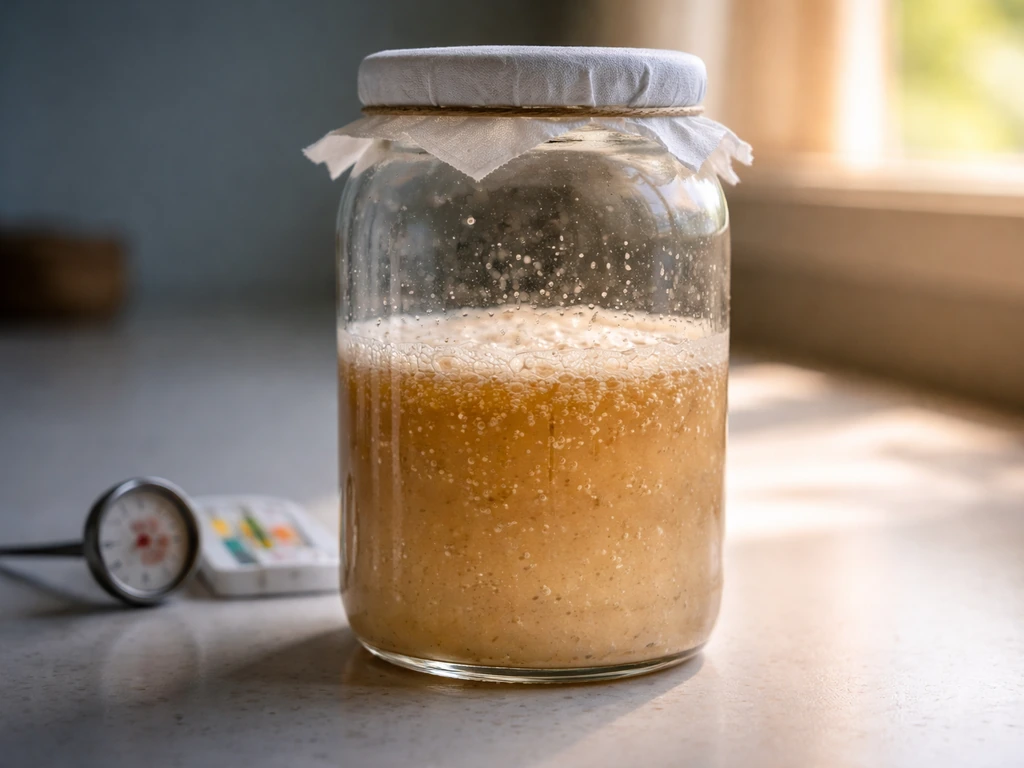
- pH drop: Lactic acid bacteria produce acid as they ferment carbohydrates. A measurable drop in pH over time is one of the clearest functional signs that active fermentation is occurring. A yogurt or kefir culture that is actually working will acidify the substrate noticeably within hours.
- Turbidity or cloudiness: In liquid cultures, growing bacteria increase cell density, making the liquid visibly cloudier. This is used routinely in lab settings as a proxy for growth.
- Gas production: Some beneficial bacteria produce CO2 as part of fermentation. Bubbling in a fermented drink or fermentation lock activity can indicate live, active cultures.
- Texture and taste changes: In food applications, beneficial bacteria actively transform the texture and flavor of their substrate. Thickening in yogurt, sourness in fermented vegetables, and effervescence in kefir are all signs of metabolic activity.
- Absence of change after expected time: If none of the above signs appear after 24 to 48 hours under appropriate conditions, the culture may be inactive, dead, or the conditions may be too far outside the growth range.
In research and commercial settings, membrane integrity staining (such as LIVE/DEAD BacLight assays) and flow cytometry can distinguish live from dead cells far more precisely, since membrane integrity, enzyme activity, and respiratory function all serve as viability indicators. A minimum viable count of around 10^7 CFU per milliliter is cited as a recommended threshold for functional probiotic foods, though commercial products often contain far higher labeled counts (on the order of 10^10 CFU per gram or more). The takeaway for a practical learner: if a product or culture shows no functional signs of activity and is well past its lag phase window, it is worth questioning whether the bacteria are still viable at all.
What slows or stops growth entirely
Several conditions can push beneficial bacteria into a prolonged lag phase, suppress growth significantly, or kill cells outright. Knowing these kill conditions and stress factors is just as important as knowing the growth conditions.
- Temperature extremes: High heat is the clearest kill condition. Baking temperatures around 205°C sharply reduce viability for many probiotic strains, though spore-forming bacteria like B. coagulans are more heat-tolerant. Even mild heat (above 45 to 50°C for most lactic acid bacteria) causes rapid cell death.
- Wrong pH: As noted above, pH outside the acceptable growth range (roughly below 4.0 or above 7.5 for many strains) suppresses or stops growth. Very low pH from accumulated lactic acid can even cause self-inhibition toward the end of a fermentation batch.
- Oxygen exposure for anaerobes: For strict anaerobes like Bifidobacterium species, direct exposure to ambient air is a significant stressor. Even at 3% oxygen, measurable oxidative stress responses are documented.
- Osmotic stress: High salt or sugar concentrations reduce water activity and inhibit growth. NaCl stress is strain-dependent but consistently documented across Lactobacillus species.
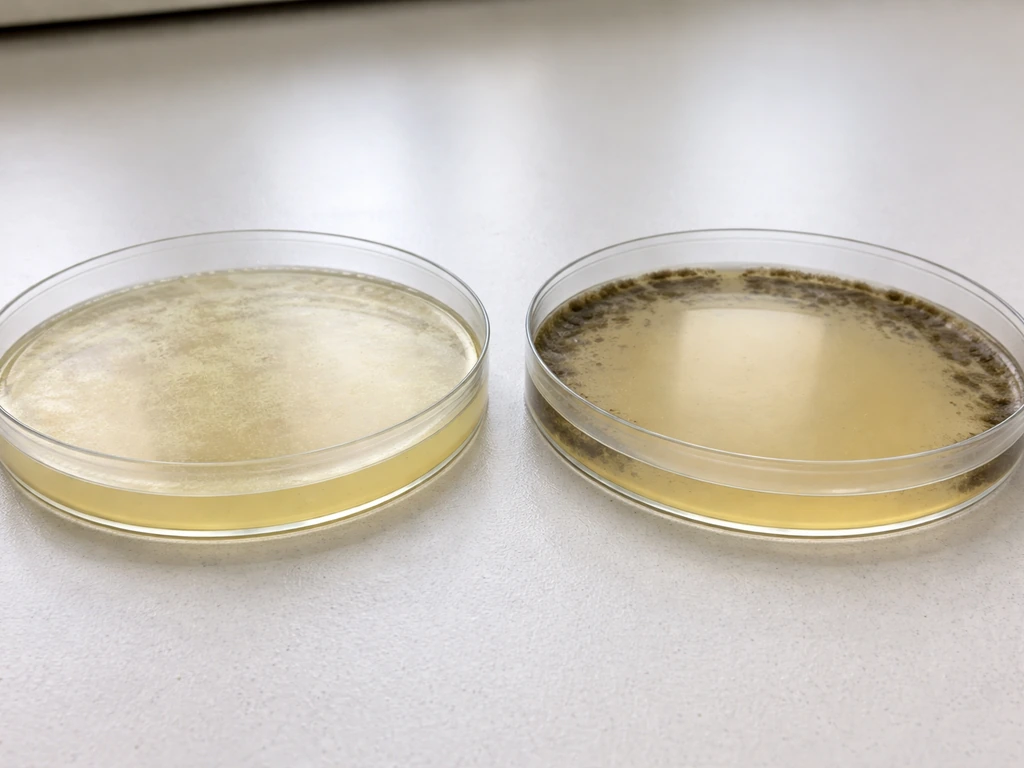
- Competition from other microorganisms: In a non-sterile environment, beneficial bacteria compete with other microbes for nutrients. Faster-growing or more aggressive organisms can outcompete beneficial strains if conditions favor them.
- Chlorine and disinfectants: Chlorine and quaternary ammonium compound (QAC) treatments cause substantial membrane damage in Lactobacillus cells, which is relevant when considering surface or equipment hygiene in fermentation contexts.
- Low inoculum: Starting with too few cells extends the lag phase significantly and increases the risk that environmental stressors will kill the culture before it establishes itself.
- Extended lag phase without adaptation: Some strains transferred abruptly from one environment to another experience prolonged lag phases as they adapt enzyme systems to new substrates or temperatures.
Practical steps to get faster, healthier growth
Getting beneficial bacteria to grow reliably is largely about removing obstacles rather than doing anything exotic. Most failures come from one or two conditions being slightly off, and fixing those usually unlocks the growth you were expecting. If you are wondering how does beneficial bacteria grow, start by correcting the specific condition that is closest to off.
- Match temperature to the strain. For most Lactobacillus and Bifidobacterium species, aim for 30 to 37°C. Use a thermometer, not just a feel. Even a few degrees off can noticeably lengthen the lag phase or reduce maximum growth rate.
- Check and adjust pH before you start. Most beneficial bacteria want a slightly acidic to near-neutral environment, roughly pH 5.5 to 6.5. If you're fermenting in a substrate with an unknown pH, test it. Adding a small amount of buffering agent can stabilize pH and prevent premature inhibition from acid accumulation.
- Control oxygen according to the strain. Bifidobacterium species need anaerobic conditions. Lactobacillus species are more flexible, but limiting oxygen often improves lactic acid production. Covering fermentation jars, using airlocks, or working in low-oxygen conditions makes a real difference for sensitive strains.
- Feed them the right substrate. Generic sucrose is not the same as the prebiotic fibers that Bifidobacterium strains ferment most efficiently. If you want robust growth, match the substrate to the strain's preferred carbohydrate source.
- Start with a sufficient inoculum. A larger starting population shortens the lag phase and gives beneficial bacteria a head start against environmental stressors and competing microorganisms. Do not assume a tiny amount will eventually catch up under poor conditions.
- Maintain consistent moisture. Avoid exposing cultures or probiotic preparations to high humidity during storage (which can compromise water activity stability) or desiccating conditions that starve bacteria of water.
- Be patient during the lag phase. The most common mistake is assuming nothing is happening when bacteria are in their lag phase and either abandoning the culture or overcorrecting conditions. Give the culture a full 24 hours under correct conditions before drawing conclusions about failure.
- Recognize inactive or dead cultures. If pH has not dropped, texture has not changed, and no other signs of activity are present after 24 to 48 hours under appropriate conditions, the culture may be dead or the starting material may have been inactive to begin with. Check storage history, expiration, and whether the preparation was exposed to a kill condition before use.
Understanding how beneficial bacteria grow connects directly to broader principles you'll find discussed across related microbiology topics, including how specific strains establish themselves in gut environments and what it takes to culture bacteria safely and ethically. The same fundamental variables, temperature, pH, oxygen, moisture, and nutrients, appear every time, because they are the universal constraints all microorganisms operate within. If you want to grow healthy gut bacteria, focus on matching these core conditions to the specific strains you are working with temperature, pH, oxygen, moisture, and nutrients. Getting those conditions right is not complicated, but it does require precision. Approximate conditions produce approximate results, and in microbiology, approximate often means no visible results at all.
FAQ
Why do my beneficial bacteria show no growth even though I waited longer than 24 hours?
It depends on the starting state. If you begin with fresh, active cells and use an optimized strain-specific medium, you are more likely to see exponential growth within the same 0 to 24 hour window described for many probiotic strains. If you start with stressed, previously frozen, dried, or old cultures, the lag phase can stretch out because cells need time to repair membranes and restart metabolism, even when temperature and pH look correct.
How can I tell if beneficial bacteria are alive if there are no visible changes?
A better check is to look for indirect activity that fits your context. For fermented foods, monitor acidification (drop in pH) and, if applicable, gas or texture changes consistent with fermentation. For lab work, viability readouts like membrane integrity or metabolic activity are far more informative than visual turbidity or odor, since some cultures can remain optically clear while still being metabolically active.
If I keep incubating longer, will beneficial bacteria keep increasing in number?
Don’t assume “more time” means “more growth” in every case. If cells reach stationary phase and nutrients become limiting, measurable growth can plateau, and prolonged incubation may only increase dead or damaged cells. The practical move is to sample multiple timepoints (for example at early, mid, and near the expected transition) rather than waiting only once.
Which single condition most commonly causes the lag phase to last too long?
Yes, especially at the extremes of pH, oxygen exposure, and moisture. High oxygen can be damaging to strict anaerobes like Bifidobacterium, so you might see no meaningful growth even though other conditions are fine. Similarly, low water activity (for dry systems) or high salt (osmotic stress) can prevent cells from exiting lag phase, which looks like “nothing is happening.”
Will storing beneficial bacteria at 4°C prevent them from growing after I revive them?
Storage at refrigerator temperatures mainly slows metabolism, putting many cells into a holding state rather than instantly killing them. However, prolonged cold storage can still reduce viability over time, especially if the product is exposed to humidity swings or temperature cycling. When you restart growth, you may need extra time because a fraction of cells must recover.
Do all beneficial bacteria tolerate the same oxygen level?
Even within a “genus,” oxygen and pH preferences can differ by strain. For example, some Bifidobacterium strains show stress even at low oxygen, while many Lactobacillus strains tolerate oxygen better and shift metabolism depending on oxygen availability. If you use the wrong oxygen handling for the specific strain, lag phase and growth yield can change dramatically.
Should I increase the inoculum to reduce the time it takes for growth to start?
In general, higher inoculum size can shorten lag phase by reaching a measurable activity threshold faster, but it does not fully override poor conditions. If temperature or pH is off, a bigger inoculum may produce delayed or lower overall viability. The best approach is to adjust one factor at a time so you can tell whether inoculum or the environment is the limiting step.
How does prebiotic or food ingredient selection affect how long growth takes?
If you are culturing to match fermentation outcomes, substrate choice affects not just final counts but how quickly the culture produces fermentation acids. Some strains ferment particular prebiotic fibers faster than others, so the time to activity can differ even when total “food sugar” seems sufficient. This means two media with similar sweetness or carbohydrate totals can still yield different lag times.
How can I estimate growth timing for my specific product or fermentation setup?
Don’t use generic “bacterial growth” expectations from one context. A probiotic product, a yogurt starter, a prebiotic fiber fermentation, and a lab medium all differ in buffering capacity, available nitrogen, oxygen exposure, and water activity. If your goal is to estimate timing, you should align your setup with the same type of system you are trying to replicate, not just the same strain name.
Is lag phase the same thing as when I first see bubbling or cloudiness?
In many systems, the first visible sign of fermentation is not the first sign of growth. You can see early metabolic activity before turbidity or colony-like visibility, especially when acids alter clarity. If you only check for “growth” visually, you can mistake late visibility for late growth, so consider using pH tracking or timepoint sampling in parallel.