You can start supporting healthy gut bacteria today by eating more diverse plant fiber, adding fermented foods like yogurt or kefir, reducing ultra-processed foods, and getting consistent sleep. These steps change the chemical environment inside your gut, which is exactly what beneficial microbes need to grow, multiply, and outcompete the less helpful ones. Noticeable shifts in how you feel can start within two to four weeks, though building a genuinely diverse microbiome takes a few months of consistent effort.
How to Grow Healthy Gut Bacteria: Diet, Habits, Timeline

Marcus Holloway
5 Jul 2026
What healthy gut bacteria actually are (and why they matter)
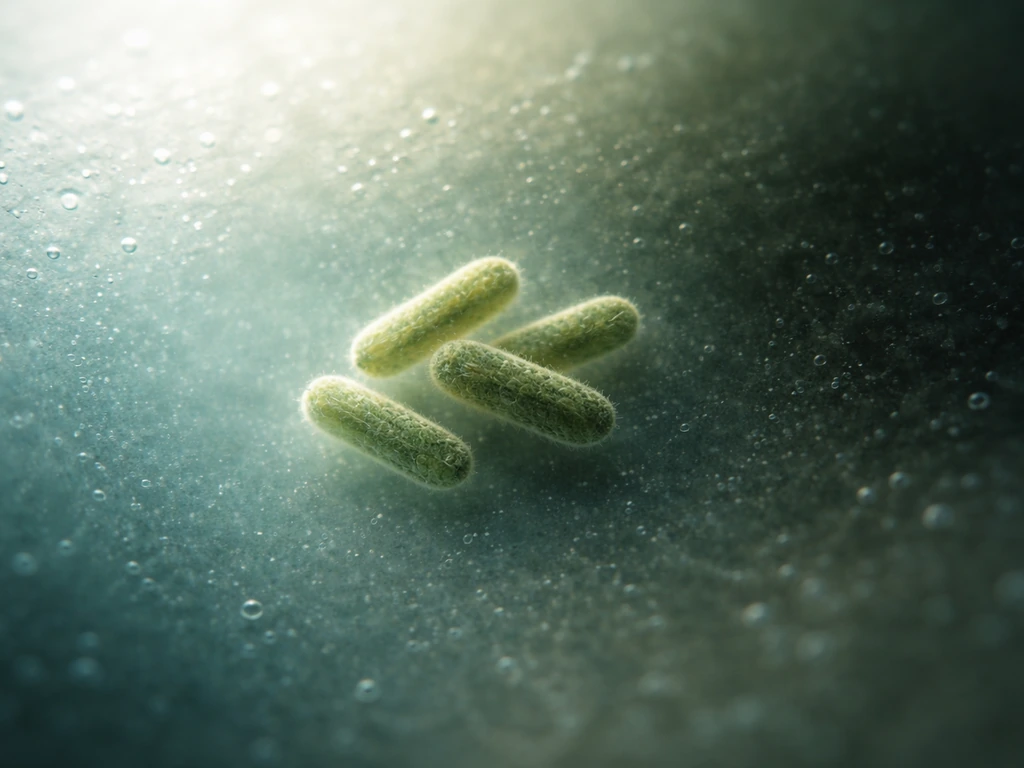
Your gut is home to trillions of microorganisms, mostly bacteria, that live along the lining of your digestive tract. When microbiologists talk about a 'healthy' gut microbiome, they are really talking about two things: diversity (many different species present) and function (those species actively producing useful compounds). A gut with high alpha diversity, meaning a wide variety of species types, tends to be more resilient when it gets disrupted by illness, a course of antibiotics, or a change in diet.
The reason diversity matters so much comes down to what these bacteria produce. When beneficial species like Faecalibacterium prausnitzii and Roseburia intestinalis ferment dietary fiber, they produce short-chain fatty acids (SCFAs), especially butyrate, acetate, and propionate. Butyrate is the primary energy source for the cells lining your colon and plays a documented role in regulating inflammation and supporting insulin sensitivity. Research consistently links SCFA production, via signaling pathways on enteroendocrine and immune cells, to better metabolic health outcomes including glucose regulation. In plain terms: the bacteria eat fiber, make SCFAs, and your body uses those SCFAs as signals and fuel. That is the core 'why' behind almost every piece of diet advice you will read here.
It is also worth understanding that even in a healthy person, core gut species can vary quite a bit in their individual abundance. What matters more than having exactly the 'right' bacteria is maintaining ecosystem-level stability, where no single disruptive species dominates and the collective function of the community stays intact. Think of it like a classroom where a healthy discussion requires many different voices, not just a few loud ones.
Feed your microbes: fiber, prebiotics, and diet variety
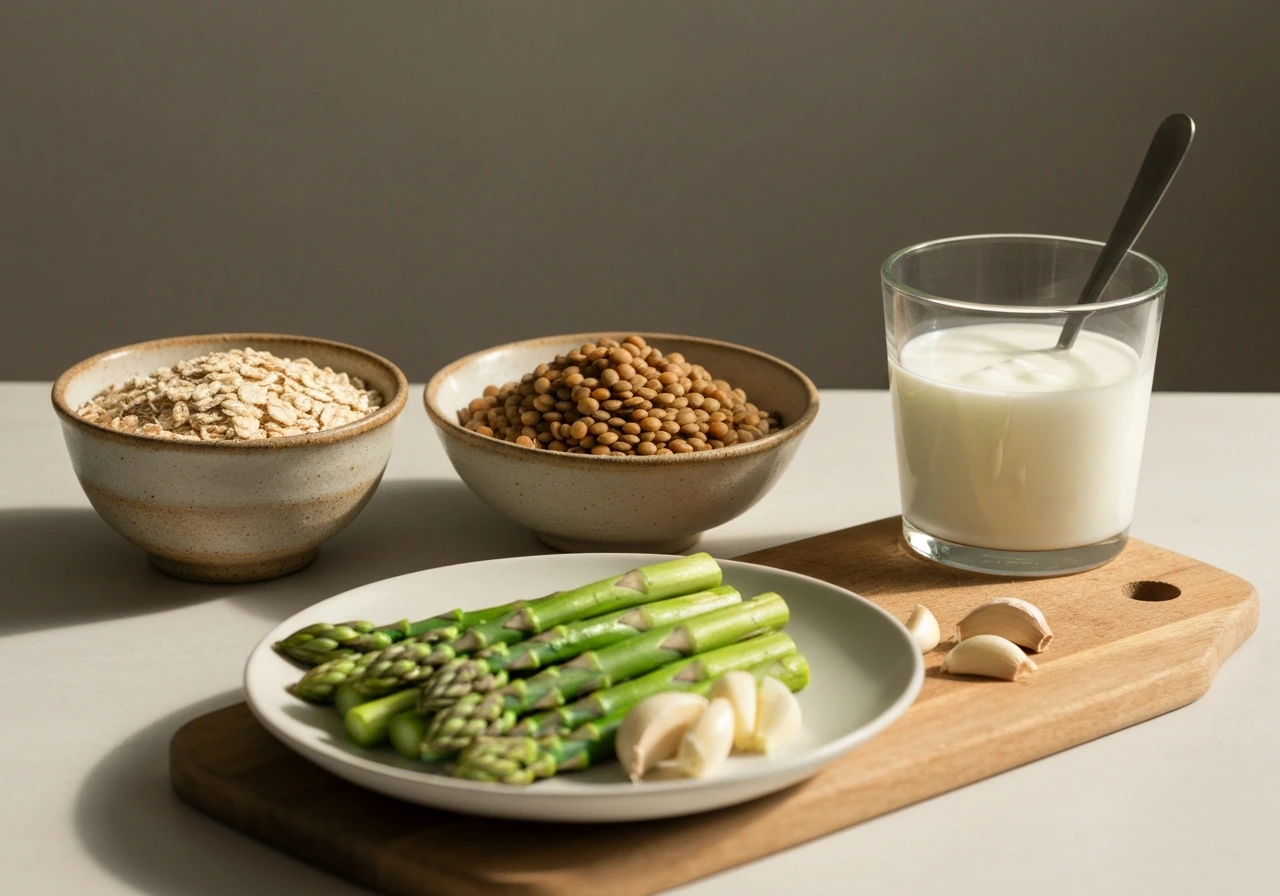
If bacteria are the students in your gut classroom, fiber is the curriculum they thrive on. Dietary fiber (the indigestible carbohydrate portions of plant foods) passes through your small intestine largely intact and arrives in the large intestine, where gut bacteria ferment it. This fermentation is the primary driver of SCFA production. The more types of fiber you eat, the more diverse the species you can support, because different bacteria specialize in breaking down different fiber structures. In other words, you can directly support how beneficial bacteria grow by feeding them more fiber and a wider range of plant foods over time.
Prebiotics are a specific subcategory of fiber. These are compounds (like inulin in garlic and onions, fructooligosaccharides in bananas, and beta-glucan in oats) that selectively feed beneficial bacteria. Adding a range of prebiotic-rich foods is one of the most direct things you can do to support microbial growth. The key word is range. Eating the same two vegetables every day is less effective than rotating through 20 to 30 different plant foods per week, which is a target supported by gut microbiome research.
- Oats and barley: rich in beta-glucan, a well-studied prebiotic that supports Bifidobacterium and Lactobacillus species
- Garlic, onions, and leeks: contain inulin and fructooligosaccharides that selectively feed beneficial bacteria
- Green bananas and cooked-then-cooled potatoes: high in resistant starch, a particularly potent fermentation substrate
- Legumes (lentils, chickpeas, black beans): combine multiple fiber types and support butyrate-producing species
- Diverse vegetables and fruits: vary the types weekly to expose your microbiome to different fiber structures
- Whole grains over refined grains: more intact fiber structure reaches the large intestine for fermentation
A practical approach: instead of overhauling your diet overnight, add one new plant food each week. Your microbiome adjusts over time, and dramatic sudden increases in fiber can cause temporary bloating as bacteria populations shift. Gradual expansion of variety is easier on your system and more sustainable.
The gut environment: pH, transit time, and oxygen zones
This is where the microbiology gets genuinely interesting, because the conditions inside different parts of your digestive tract determine which microbes can survive where. Your gut is not one uniform environment. It is a series of distinct zones with different oxygen levels, pH values, and nutrient concentrations, and each zone selects for very different types of bacteria.
The stomach is highly acidic (pH roughly 1.5 to 3.5), which kills most incoming bacteria before they can establish. As food moves into the small intestine, pH rises toward 6 to 7.4 and some oxygen is still present near the intestinal wall, which allows facultative anaerobes (bacteria that can tolerate some oxygen) to survive. By the time contents reach the large intestine (colon), oxygen is essentially absent. The colon is a strict anaerobic environment, and this is precisely where most of your beneficial microbiome lives and ferments fiber. Bile acids secreted in the small intestine to digest fats also play a role here: only a small fraction (roughly 200 to 800 mg per day) escapes recycling and enters the colon, where it shapes which species can survive and compete.
Transit time, how long food takes to move through your system, is another underappreciated variable. Too fast (diarrhea) and bacteria do not have time to ferment substrates effectively. Too slow (constipation) and fermentation products accumulate, pH shifts, and the environment becomes less favorable for beneficial species. Adequate hydration (roughly 2 liters of water daily for most adults) and consistent fiber intake both help normalize transit time, which in turn stabilizes the fermentation environment your beneficial bacteria depend on.
The pH of the colon itself is partly set by microbial activity. When beneficial bacteria ferment fiber and produce SCFAs, those acids lower the local pH slightly (to around 5.5 to 6.5 in a healthy colon), which actually inhibits some harmful bacteria that prefer a more neutral environment. This is a self-reinforcing loop: feed beneficial bacteria fiber, they acidify the environment, the acidified environment suppresses competitors, and beneficial bacteria grow more easily.
Lifestyle factors your gut bacteria actually respond to

Diet is the biggest lever, but it is not the only one. Several lifestyle factors directly change the gut environment in ways that matter for microbial growth.
Sleep
Your gut microbiome follows circadian rhythms. Microbial activity, including fermentation and SCFA production, fluctuates with your sleep-wake cycle. Chronic poor sleep or irregular sleep schedules are associated with reduced microbiome diversity. Aiming for 7 to 9 hours of consistent sleep is not just about rest; it also helps keep the gut environment stable and predictable for the microbial communities living there.
Stress
Chronic psychological stress triggers the release of hormones like cortisol and adrenaline, which affect gut motility (how fast things move through), intestinal permeability, and the composition of gut secretions. All of these changes alter the local conditions that bacteria live in. Stress also tends to drive poorer food choices, compounding the dietary effect. Stress management techniques, whether that is exercise, meditation, or simply having consistent downtime, have measurable effects on gut environment markers.
Exercise
Regular moderate exercise is consistently linked to higher gut microbiome diversity in human studies. The mechanisms are not entirely settled, but exercise affects intestinal transit time, bile acid cycling, and systemic inflammation, all of which feed back into the gut environment. You do not need intense workouts: 30 minutes of brisk walking most days appears to be enough to see a benefit. Interestingly, the effects of exercise on the microbiome seem to be partly independent of diet, meaning both matter and neither cancels out the other.
Probiotics and fermented foods vs. prebiotics: how to use each
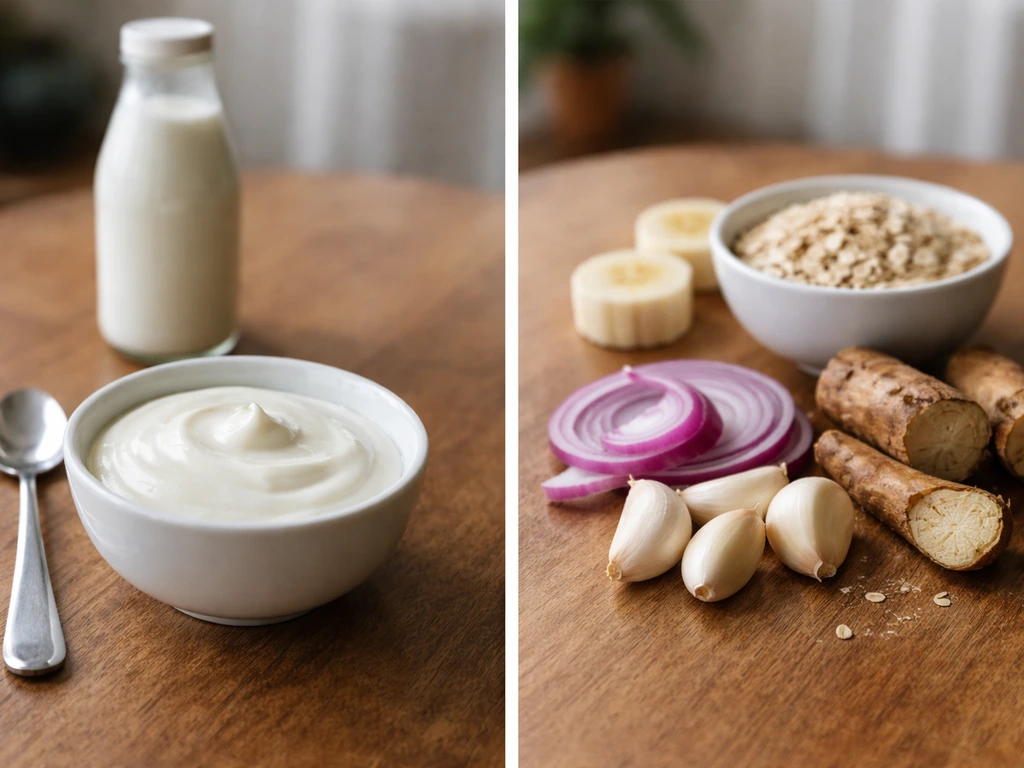
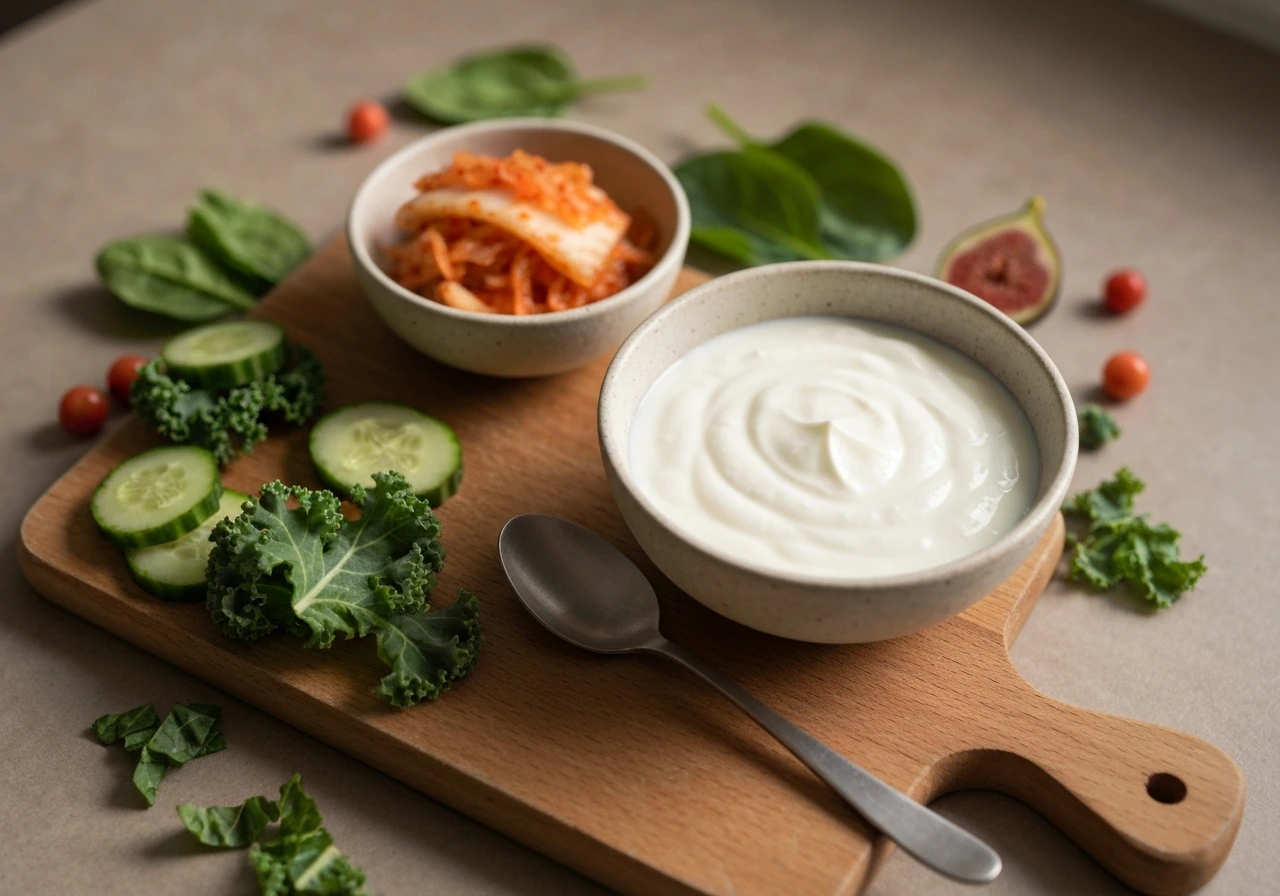
This is a common point of confusion, so it is worth being precise about what each approach actually does. Probiotics (found in supplements and fermented foods like yogurt, kefir, kimchi, sauerkraut, and miso) introduce live microorganisms into your gut. Prebiotics (found in specific plant foods and some supplements) provide substrates that feed bacteria already living in your gut. These are genuinely different strategies, and understanding the difference helps you choose the right tool for the situation.
| Approach | What it does | Best used for | Limitations |
|---|---|---|---|
| Probiotic supplements | Adds specific live bacterial strains temporarily | After antibiotics, acute digestive upset, targeted conditions | Most strains are transient; they rarely colonize long-term |
| Fermented foods (yogurt, kefir, kimchi) | Delivers live microbes plus bioactive compounds (organic acids, enzymes) | Everyday microbiome support, diversity top-up, gut environment benefit | Strain diversity varies by product; pasteurized versions lack live cultures |
| Prebiotic foods (fiber-rich plants) | Feeds existing beneficial bacteria, supports SCFA production, shifts pH | Foundation of long-term microbiome health | Needs existing beneficial bacteria to work; slow-acting |
| Prebiotic supplements (inulin, FOS, beta-glucan) | Concentrated prebiotic effect | When diet alone is difficult to improve quickly | Can cause gas and bloating if dose is too high too fast |
The honest recommendation: prioritize prebiotic-rich foods as your foundation, because they change the gut environment in a lasting way. Add fermented foods regularly (daily if possible) as a practical way to introduce microbial diversity without relying on supplements. Use probiotic supplements strategically, particularly after a course of antibiotics or during travel when diet quality drops, rather than as an everyday replacement for good food. For most people, the combination of varied plant fiber and regular fermented foods does more for microbiome health than any supplement protocol.
One misconception worth clearing up: eating fermented foods does not mean those bacteria will permanently move in. Most probiotic strains are transient residents. But even transient microbes can produce useful compounds during their brief stay and help crowd out less beneficial species temporarily. The benefit is real, but it requires consistency, not a one-time effort.
What disrupts your gut bacteria (and why)
Understanding what kills or displaces beneficial bacteria is just as important as knowing how to support them. Most disruptors work by changing the gut environment in ways that shift the competitive advantage away from beneficial species.
Antibiotics
Antibiotics are the most powerful acute disruptor of the gut microbiome. Broad-spectrum antibiotics do not distinguish between harmful pathogens and beneficial resident bacteria, so they reduce diversity dramatically, sometimes within days. Some diversity recovers within weeks, but studies show that certain species may take months to return, and some individuals never fully restore their pre-antibiotic baseline. This does not mean you should avoid antibiotics when you genuinely need them. It means using them only when medically necessary, not requesting them for viral infections where they have no effect, and actively supporting your microbiome before, during (with probiotics taken a few hours away from antibiotic doses), and after a course.
Ultra-processed foods and low-fiber diets
Ultra-processed foods (packaged snacks, fast food, sugary drinks, refined grain products) tend to be low in fiber and high in emulsifiers, artificial sweeteners, and additives, some of which have been shown in research to alter gut mucus layers and microbial composition. More importantly, when your diet is dominated by these foods, the bacteria that specialize in fermenting complex fiber simply starve. Without substrate, beneficial species shrink in population. This shifts the environment toward species that thrive on simpler sugars, which tends to reduce overall diversity. Low fiber is probably the single biggest diet-driven driver of poor microbiome health in modern populations. If you want to grow bacteria safely, focus first on increasing fiber gradually and avoiding common microbiome disruptors like low-fiber, ultra-processed diets.
Alcohol and smoking
Heavy alcohol consumption is associated with increased intestinal permeability (sometimes called 'leaky gut'), which allows bacterial products to cross the gut lining into circulation and triggers inflammatory responses that further disrupt the gut environment. Even moderate regular alcohol shifts the microbial balance toward pro-inflammatory species. Smoking has similarly documented effects on gut motility and microbial composition, partly through the effects of nicotine on intestinal secretions and partly through systemic inflammatory pathways. Reducing or eliminating both improves the gut environment for beneficial bacteria.
How to tell if it is working: timelines and troubleshooting

Setting realistic expectations here matters, because microbiome changes are not always immediately obvious. Here is a rough timeline based on what research and clinical experience suggest: A review of clinical trials reports that supplementation with the butyrate-associated organism Clostridium butyricum is associated with changes in gut taxa and measured markers relevant to gut/immune-metabolic function, including follow-up reported to multiple months.
- Days 1 to 7: Early shifts in microbial activity. You may notice changes in stool consistency, gas patterns, or bloating as bacteria populations begin responding to new substrates. This is normal and usually settles.
- Weeks 2 to 4: Measurable changes in short-chain fatty acid production and early diversity shifts can occur. Some people notice improved energy, more regular digestion, and reduced bloating by this point.
- Months 1 to 3: More sustained changes in microbial composition become detectable. Clinical research, including trials following gut interventions for three months or more, shows that metabolic and immune markers related to gut health begin to shift meaningfully in this window.
- Months 3 and beyond: With consistent diet and lifestyle habits, microbiome diversity tends to stabilize at a higher level. Significant metabolic effects (better glucose regulation, improved inflammatory markers) generally require this longer timeframe.
For day-to-day tracking, pay attention to: stool consistency (Bristol Stool Scale types 3 and 4 are generally signs of healthy transit and fermentation), bloating patterns (some initial bloating when increasing fiber is normal but should not be chronic), energy levels, and any changes in mood or mental clarity, which are connected to the gut-brain axis.
If symptoms like persistent bloating, cramping, irregular bowel habits, or unexplained fatigue continue beyond four to six weeks despite consistent dietary improvements, it is worth speaking to a doctor. Some people have underlying conditions like small intestinal bacterial overgrowth (SIBO), inflammatory bowel conditions, or food intolerances that affect how the gut responds to these strategies. Gut microbiome testing (16S sequencing panels offered by various labs) can give you a snapshot of species diversity and relative abundance, though interpreting the results usefully requires guidance because there is currently no universally agreed 'healthy' microbiome profile.
The topic of how long beneficial bacteria take to grow and re-establish is genuinely complex, especially after a disruption like a course of antibiotics, and it connects closely to understanding how beneficial bacteria grow in the first place under the right environmental conditions. Both of those are worth exploring if you want to go deeper on the biology.
Your starting point for today
You do not need to change everything at once. The most effective first moves are also the simplest: add one new plant food to today's meals, swap a refined grain for a whole grain, eat a serving of a fermented food (plain yogurt, kefir, or kimchi), drink enough water to support healthy transit, and get to bed at a consistent time tonight. Each of these directly improves the conditions your beneficial gut bacteria need to grow: more substrate for fermentation, a more favorable pH environment, a steady circadian rhythm, and adequate moisture throughout the GI tract. Liquid culture growth time depends on your specific organism and incubation conditions, but it is typically measured in days rather than weeks liquid culture take to grow. Do those things consistently for a few weeks and your microbiome will respond.
FAQ
How much fiber do I need to start seeing improvement in how to grow healthy gut bacteria?
A practical starting range is about 25 to 38 grams of fiber per day for many adults, then increase gradually over 2 to 4 weeks. If you jump too fast, fermentation can cause bloating and cramping, so pair the fiber increase with steady hydration and consider adding soluble fibers (oats, beans, chia) first, since they are often easier to tolerate.
Which prebiotic foods are easiest for beginners trying to grow healthy gut bacteria?
Start with foods that combine prebiotic fiber with low “gas risk,” like oats, bananas that are slightly underripe, cooked and cooled potatoes, carrots, and chia. Cooking and cooling starches can increase resistant starch, which feeds beneficial microbes in the colon. Avoid stacking multiple high-fermentation foods at once if you are sensitive.
Can I overdo fermented foods while trying to grow healthy gut bacteria?
Yes. Even though fermented foods can help, too much too soon can worsen bloating because fermentation products and added fibers still increase microbial activity. A common approach is 1 serving most days at first, then adjust based on stool consistency and symptoms. Choose products with minimal added sugar when possible.
Do I need probiotic supplements to grow healthy gut bacteria?
Usually not as a foundation. Supplements can be useful short-term after antibiotics, during travel, or if your fermented food intake is limited, but they do not replace the main driver, which is supplying diverse substrates like fiber. If you use a supplement, give it a trial period and avoid starting it at the same time as a large fiber overhaul to see what actually helps.
If fermented foods do not permanently colonize, how do they still help me grow healthy gut bacteria?
They can still shift the gut environment while they are present, producing compounds that temporarily support beneficial functions, and they can compete with less desirable species during that window. The effect is strongest when you eat them consistently, typically daily or most days for several weeks, and when your diet provides enough fiber for those beneficial microbes to thrive.
How should I time fiber, fermented foods, and antibiotics if my goal is to grow healthy gut bacteria?
A common strategy is to take antibiotics as prescribed, then separate probiotic supplements from the antibiotic dose by a few hours, since antibiotics can reduce the survival of ingested microbes. Also, keep fiber intake gentle during the course, then ramp up after finishing, because an abrupt high-fiber change during diarrhea can make symptoms worse.
What if I get worse bloating or diarrhea when trying to grow healthy gut bacteria?
Reduce the rate of fiber increase and switch to more soluble, easier-to-ferment options. Also check timing, for example too much fiber at one meal rather than spread across meals. If diarrhea persists beyond about 1 to 2 weeks, or you have red-flag symptoms like blood in stool, fever, or severe pain, stop the self-experiment and talk to a clinician.
Can gut microbiome testing help me decide what to do to grow healthy gut bacteria?
It can help with motivation and baseline tracking, but it is easy to misinterpret. Use results mainly to guide behavior changes that already matter, like fiber variety and sleep consistency, and prefer trend-based comparisons (before vs after) rather than chasing a “perfect” microbiome profile. If you have persistent symptoms, testing should be paired with medical evaluation.
Is it better to rotate foods weekly or focus on a few high-fiber staples when I’m learning how to grow healthy gut bacteria?
Rotation generally supports diversity better, but “rotation” can be practical. Aim for a rotating set across categories, like different legumes, different whole grains, and different vegetables, rather than changing everything daily. If you are building from a low-fiber diet, add variety gradually to avoid overwhelming your system.
Does exercise help grow healthy gut bacteria even if my diet is unchanged?
Exercise can support microbiome diversity through effects on motility, inflammation, and bile acid signaling, so some benefits may occur even without major diet changes. However, for most people the biggest microbiome “substrate” lever remains fiber intake. Think of exercise as a multiplier, not a replacement for plant diversity.
How long does it take to grow healthy gut bacteria after a disruption like antibiotics or travel?
A noticeable shift can occur in 2 to 4 weeks, but full ecosystem-level recovery often takes longer. Some species may return slowly and others may not fully return in some individuals. If you are rebuilding after a disruption, prioritize consistent fiber variety and most days include fermented foods for at least a few months, and reassess if symptoms linger.
When should I see a doctor instead of trying to grow healthy gut bacteria on my own?
Get medical advice if symptoms persist beyond about 4 to 6 weeks despite consistent diet changes, or sooner if you have severe pain, blood in stool, unexplained weight loss, anemia, nighttime symptoms, or persistent fever. These can indicate conditions like IBD, celiac disease, or SIBO, which require targeted treatment beyond diet tweaks.