You can grow bacteria safely by choosing a low-risk, well-characterized strain (like E. coli K-12 or Bacillus subtilis), matching the growth conditions to that organism, working with basic containment and PPE, and properly decontaminating everything when you're done. You can apply the same basics to your goal of growing healthy gut bacteria, but you should focus on appropriate, food-grade probiotic strains rather than culturing unknown environmental microbes matching the growth conditions. That's the core of it. The biology and the safety aren't separate concerns here. Understanding why bacteria grow under certain conditions is exactly what helps you control them and prevent them from growing somewhere they shouldn't.
How Could We Grow Bacteria Safely: A Practical Guide

Marcus Holloway
22 Jun 2026
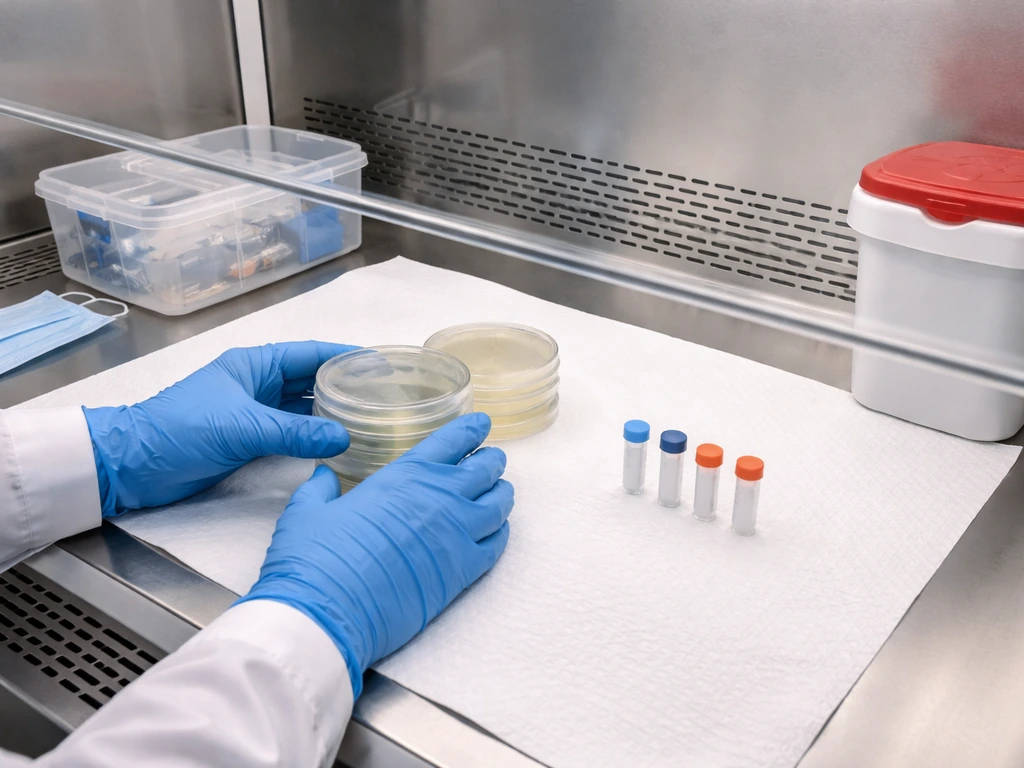
Start with safety: what does 'safe' actually mean here?
Before you touch a culture tube, it helps to define what you're protecting against. In microbiology, 'safe' means minimizing three main risks: infecting yourself, infecting someone else, and releasing organisms into the environment. These risks depend heavily on which organism you're working with, how you're handling it, and whether you're in good health.
The international framework for thinking about this is the biosafety level (BSL) system. BSL-1 is the lowest risk tier, covering well-characterized agents not known to consistently cause disease in healthy adults and presenting minimal potential hazard to personnel and the environment. This is the appropriate level for students, hobbyists, and most classroom settings. BSL-1 work happens on an open bench with standard microbiological practices, a handwashing sink nearby, and cleanable, decontaminable work surfaces. No specialized ventilation or biosafety cabinet is required for routine work at this level, though specific manipulations that generate aerosols (tiny airborne droplets) call for extra caution.
Risk assessment is the first practical step. Ask yourself: What organism am I using, and is it genuinely classified as BSL-1? Where did the culture come from? Do I have any condition that affects my immune system? Is anyone else in the space who could be exposed? Who will handle waste? Answering these honestly before you start is more valuable than any piece of equipment.
Pick the right organism and setting
Organism choice is the single most important safety decision you'll make. Not all bacteria are equal. Working with a genuinely low-risk strain removes the vast majority of the danger before you even open a tube.
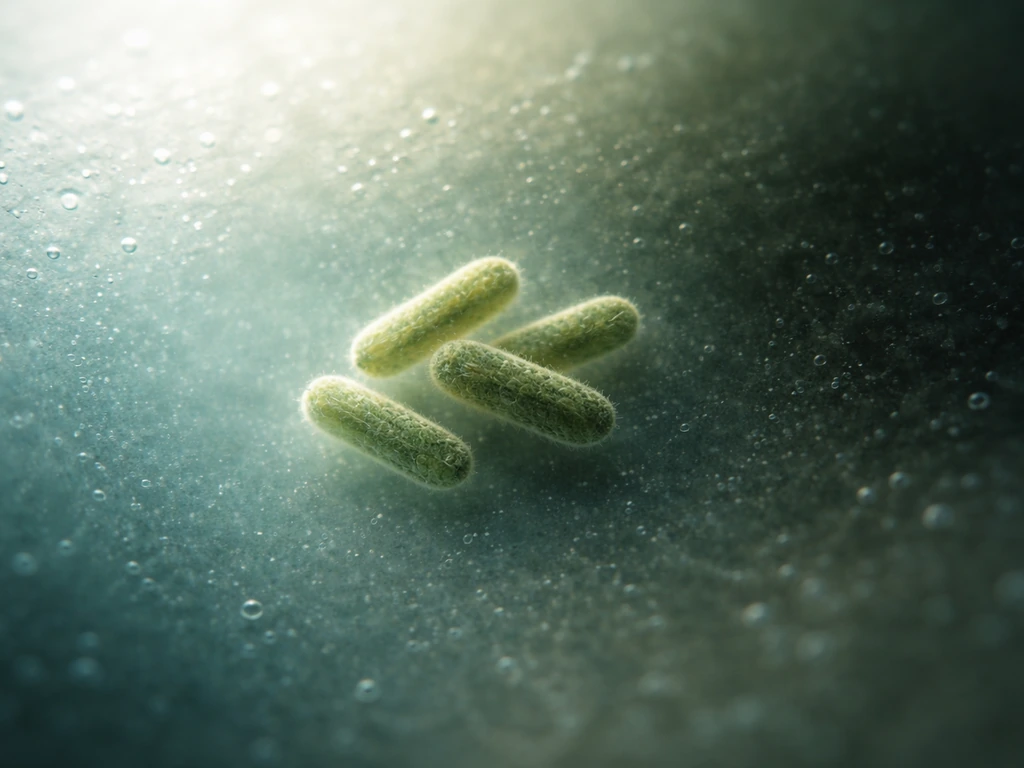
For classroom and beginner-level work, the most commonly cited BSL-1 organisms are E. coli K-12 and Bacillus subtilis (especially asporogenic strains). These have been studied for decades, their genetics are well understood, they're non-pathogenic in healthy people, and they're available from reputable scientific suppliers. Other examples frequently used in teaching labs include Staphylococcus epidermidis (in supervised settings), Bacillus thuringiensis, and the yeast Saccharomyces cerevisiae. The key word in all of these is 'strain.' A specific, lab-adapted strain of E. coli (K-12) is very different from a wild-type environmental isolate or a clinical strain. Always know exactly what you have.
Source your cultures from a reputable supplier or a supervised institutional collection. Do not collect bacteria from unknown environmental sources (soil, water, food) and attempt to grow them without institutional oversight. Environmental isolates are uncharacterized and could include pathogens. This is one of the places where beginner curiosity can outrun beginner safety. The lesson from real-world incidents, including a documented Salmonella Typhimurium outbreak linked to a teaching strain in 2010 to 2011, is that strain identity and source verification genuinely matter.
Your physical setting also matters. A dedicated workspace with a cleanable, non-porous surface, a nearby sink for handwashing, and the ability to close the door is the BSL-1 minimum. If you're working at home or in a classroom, make sure food, drinks, and personal items are removed from the area. Keep your work area separate from living spaces.
Core growth conditions: why each one matters for safety too
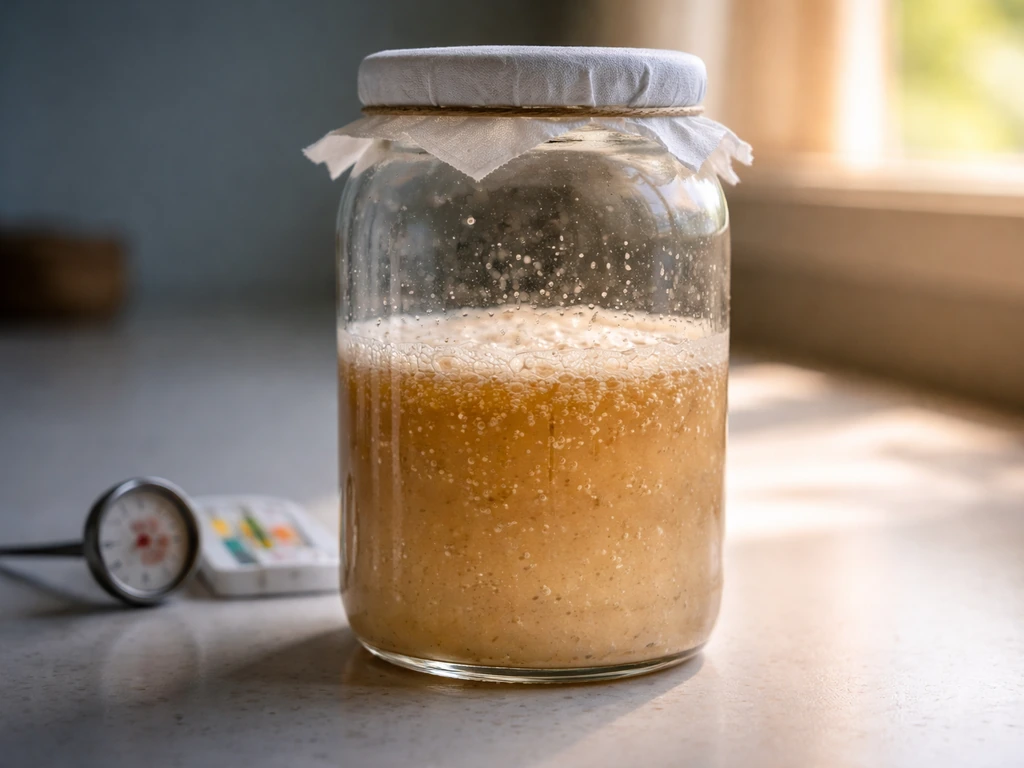
This is where the biology directly connects to the safety. Each condition that helps bacteria grow can also help you control them when you understand the relationship. Beneficial bacteria can also be grown by providing the right temperature, oxygen level, pH, and nutrients for the specific strain help bacteria grow.
Temperature
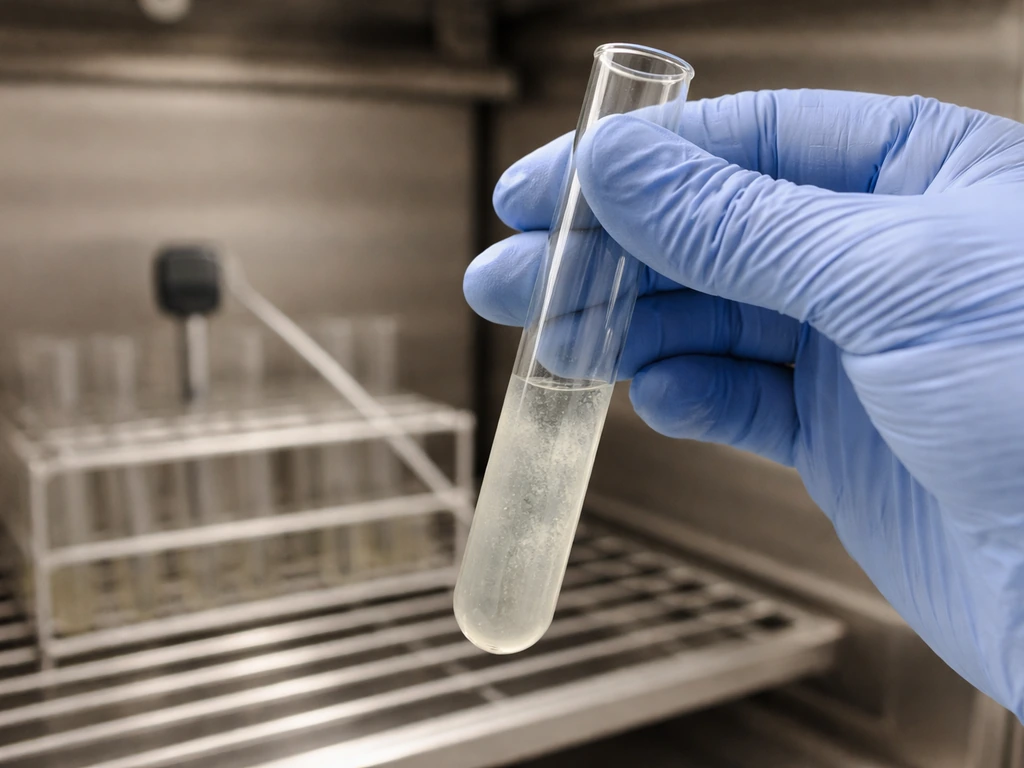
Most bacteria you'd use in a teaching context are mesophiles, meaning they grow best between roughly 20°C and 40°C (68°F to 104°F). E. coli K-12 grows well at 37°C (human body temperature), which is why many protocols use that as the standard incubation temperature. At temperatures above 60°C, most vegetative bacteria die fairly quickly. This is the principle behind pasteurization and autoclaving. From a safety perspective, incubating cultures at temperatures closer to room temperature (25°C) rather than body temperature can reduce the (already low) risk that a BSL-1 organism would establish an infection if accidentally contacted, since some pathogens rely on warm, body-like conditions to thrive.
pH
Most common lab bacteria grow best in a neutral pH range, roughly 6.5 to 7.5. Standard nutrient broth and agar are formulated to sit right in this window. Extreme pH (below 4 or above 9) inhibits most bacterial growth. This is why acidic foods resist spoilage longer. For your purposes, using standard, buffered growth media keeps conditions predictable. Making your own media from random household ingredients introduces pH uncertainty and increases your chances of getting unexpected growth.
Oxygen and atmosphere
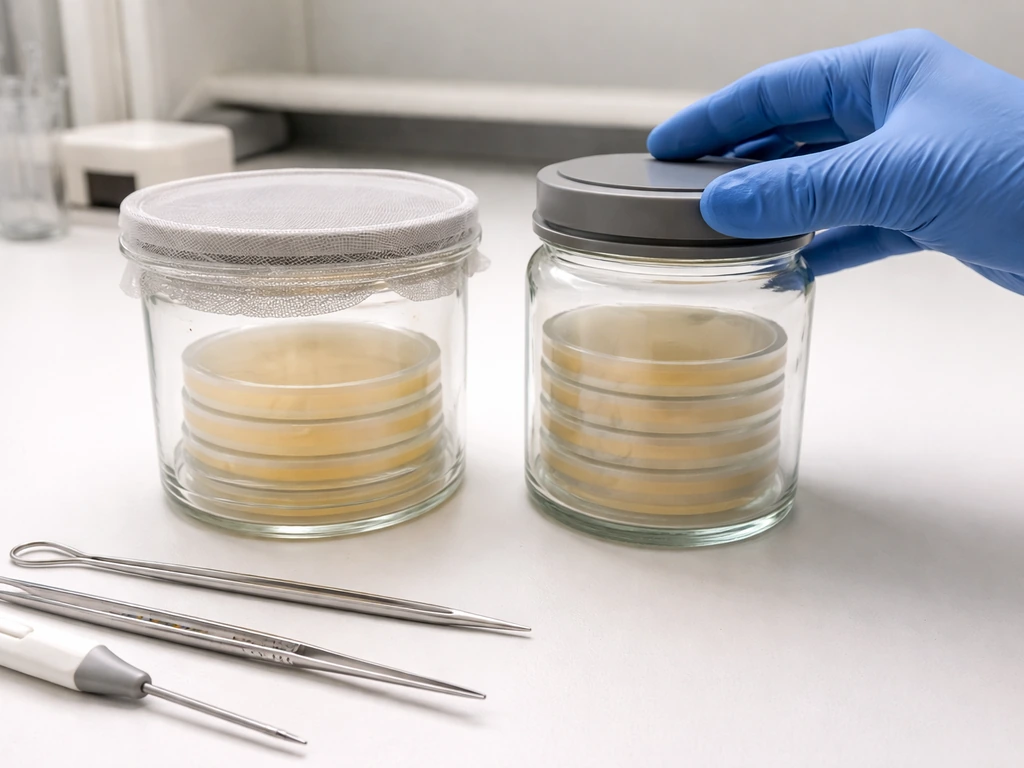
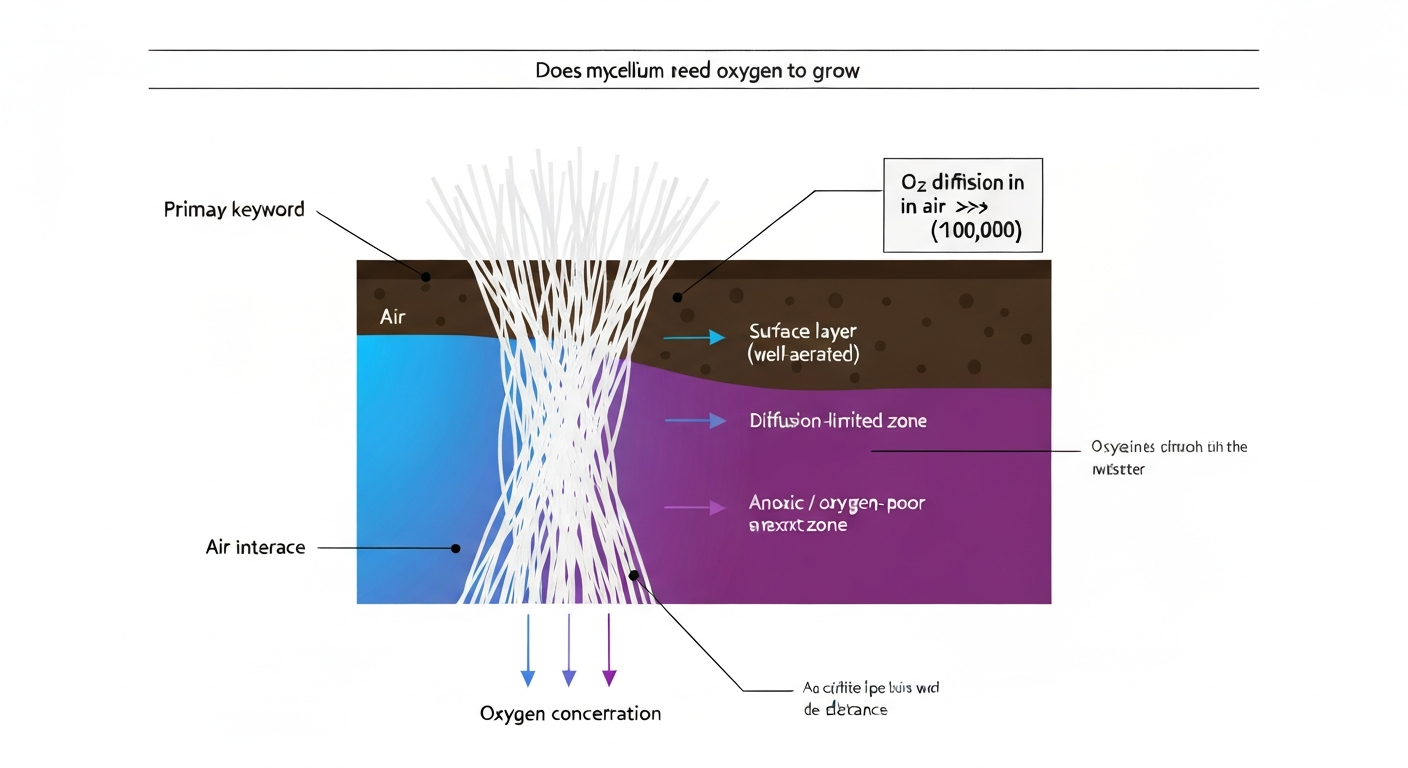
Bacteria vary in their oxygen needs. Obligate aerobes (like B. subtilis) need oxygen to grow. Obligate anaerobes actually die in oxygen. Facultative anaerobes (like E. coli K-12) can grow with or without it. For beginners, sticking with facultative anaerobes or aerobes keeps things simple: you don't need specialized anaerobic chambers or gas packs. Growing cultures in loosely capped tubes or petri dishes with standard lab agar is appropriate for most BSL-1 organisms. Sealed, airtight containers can build up gas pressure, which creates a physical hazard when opened, so avoid them for liquid cultures.
Moisture and water activity
Bacteria need available water to grow. Agar plates contain enough moisture to support growth while still keeping colonies visible and contained. Dry surfaces don't support much bacterial proliferation. This matters for decontamination: allowing spills to dry doesn't make them safe, but it does slow growth significantly. Always disinfect liquid spills immediately before they dry, because drying can trap organisms in residues that are harder to reach with disinfectant.
Nutrients
Bacteria need a carbon source, a nitrogen source, minerals, and sometimes vitamins. Standard nutrient agar or LB (Lysogeny broth) agar provides all of this in a predictable, well-studied formulation. Using defined, commercially prepared media is strongly recommended over improvised alternatives. The composition matters because richer media can allow faster, denser growth, and denser cultures can create more aerosol risk when opened or disturbed. For BSL-1 work, standard nutrient agar and broth are appropriate.
How to set up a safe culture workflow
Safe practice isn't a single step; it's a set of habits that run through the entire workflow. Here's how to build them from the start.
PPE: what to wear and why
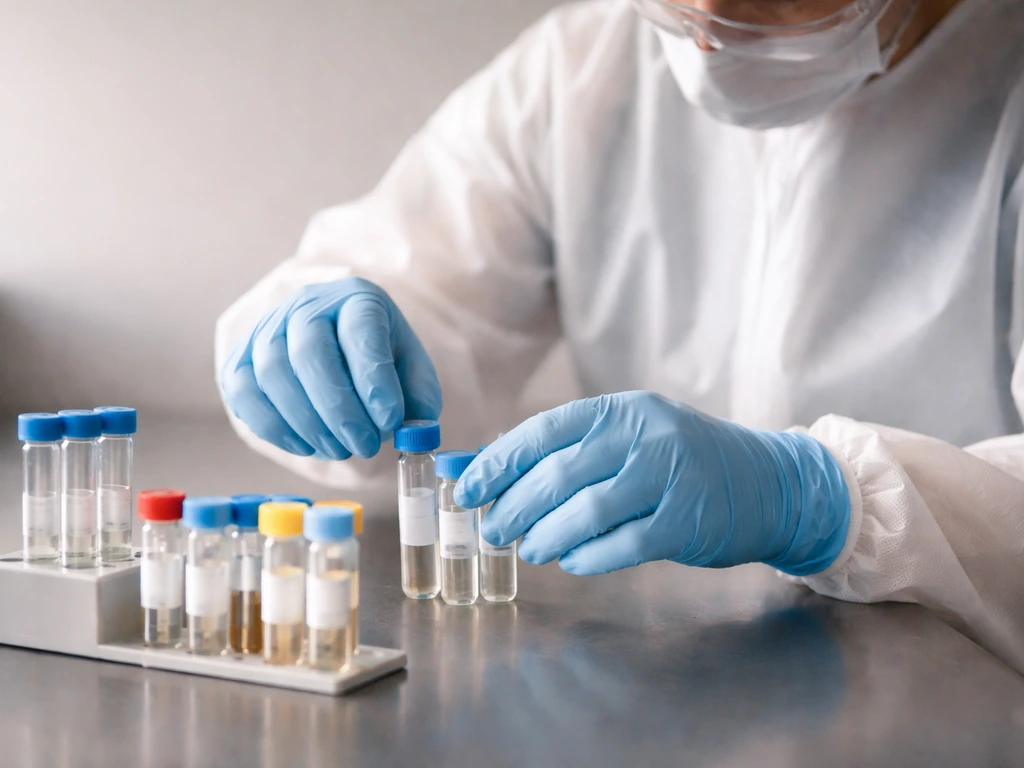
For BSL-1 work, the standard PPE is a lab coat (or dedicated long-sleeved clothing you won't wear elsewhere), nitrile gloves, and eye protection when splashing or aerosol generation is possible. These aren't bureaucratic formalities. The lab coat creates a barrier between your skin and clothing and any culture material. Gloves protect your hands, the most likely point of contact with cultures. Eye protection matters if you're opening tubes, pouring liquid media, or doing anything where a drop could reach your face. Critically, lab coats and gloves stay in the lab. You take them off before touching your phone, eating, or leaving the workspace.
Labeling and containment
Every plate and tube must be labeled with the organism name (including strain), the date, and your name. This sounds obvious, but unlabeled cultures are a real safety and science problem. If a culture is unlabeled and something unexpected grows, you have no baseline to compare against. Use secondary containment (a sealed tray or zip-lock bag) when transporting cultures from one area to another, even short distances. Never carry open plates face-up and loose; carry them in a closed container.
Preventing contamination (and why it's a safety issue too)
Aseptic technique, the set of practices that prevent foreign organisms from entering your culture, protects both the experiment and you. Flame your inoculation loop until it glows red and let it cool before touching a culture. Work near a flame (Bunsen burner or alcohol lamp) to create upward airflow that keeps environmental organisms away from open vessels, or use pre-sterilized disposable loops. Keep tubes and plates closed except during active transfers. Work quickly. The longer a plate or tube is open, the more likely airborne organisms are to land in it. Contaminated cultures aren't just scientifically useless; they can introduce organisms you didn't intend to grow.
Aerosol awareness
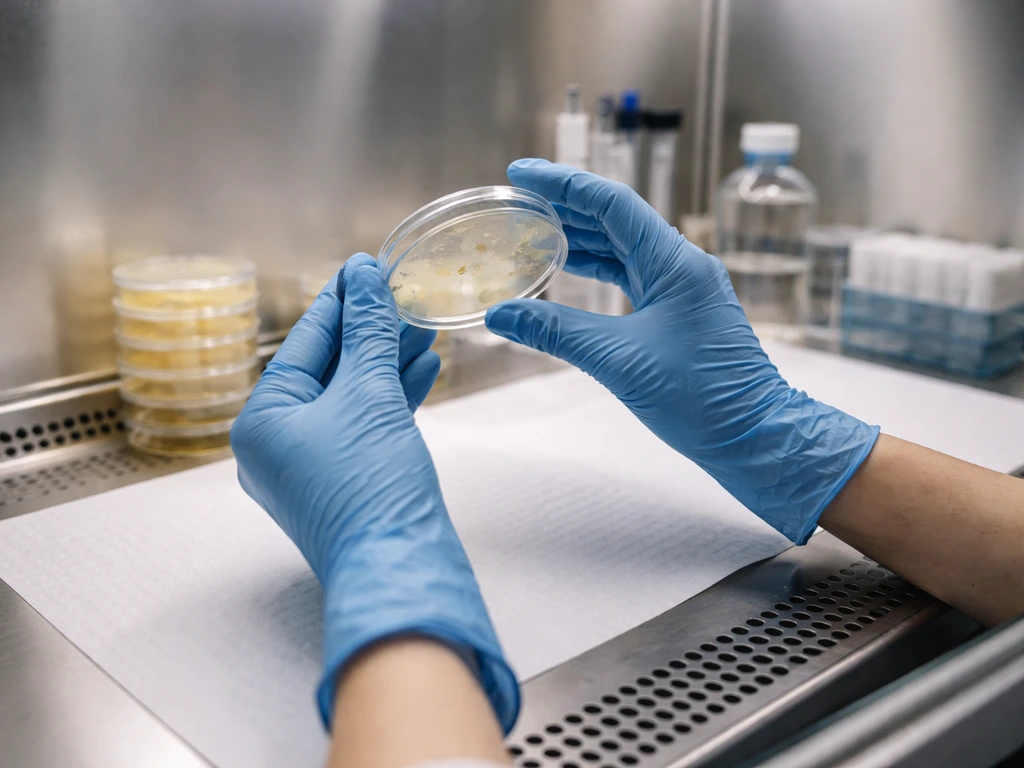
Aerosols are tiny, invisible droplets of liquid that can carry bacteria and remain airborne for extended periods. Common lab procedures that generate aerosols include vortexing, pipetting forcefully, snapping open lids, centrifuging, and pouring liquid cultures. At BSL-1, the standard approach is to simply minimize aerosol-generating steps. Don't vortex liquid cultures vigorously in open tubes.
When you open a tube of broth culture, open it away from your face and don't shake it. If you are using a centrifuge, use sealed safety cups, [wait for the rotor to fully stop before opening, and allow aerosols to settle before removing tubes. ](https://hsrm. umn.
edu/biosafety-occupational-health/biosafety/laboratorysafety-equipment/centrifuges) If your setup regularly involves aerosol-generating procedures, a biosafety cabinet (BSC), which uses HEPA filtration to contain airborne particles, is the right tool, though many basic BSL-1 teaching protocols are designed specifically to avoid needing one.
Incubation and monitoring: watching growth without increasing risk
Once your plates or tubes are inoculated, they go into an incubator set to the appropriate temperature for your organism. For E. coli K-12, 37°C gives results within 18 to 24 hours. At 25°C (closer to room temperature), you'll see visible growth in 24 to 48 hours. Don't incubate cultures longer than needed. Overgrown cultures produce large numbers of organisms, can develop moisture buildup inside the plate lid (leading to spreading and potential aerosolization when opened), and make it harder to distinguish your intended growth from contaminants.
To observe growth on agar plates, flip the plate upside down (agar side up) and look at the colonies through the closed lid. This is standard technique and keeps you from accidentally opening the plate unnecessarily. Never smell cultures by wafting or opening the container and sniffing directly. This is a classic route of aerosol exposure. For liquid cultures in tubes, observe color change and turbidity (cloudiness) through the closed tube by holding it up to light. If you need to check more closely, do it in your workspace, not at eye level.
Keep a log. Record the date of inoculation, the organism, the incubation temperature, and what you observe at each check. This documentation habit is both good science and good safety practice. If something unexpected shows up, you need a record of what was supposed to be there.
Stopping growth safely: sterilization, decontamination, and disposal
This is where a lot of beginners underestimate the work. Growing the bacteria is the easy part. Safely ending the experiment is just as important.
Chemical decontamination
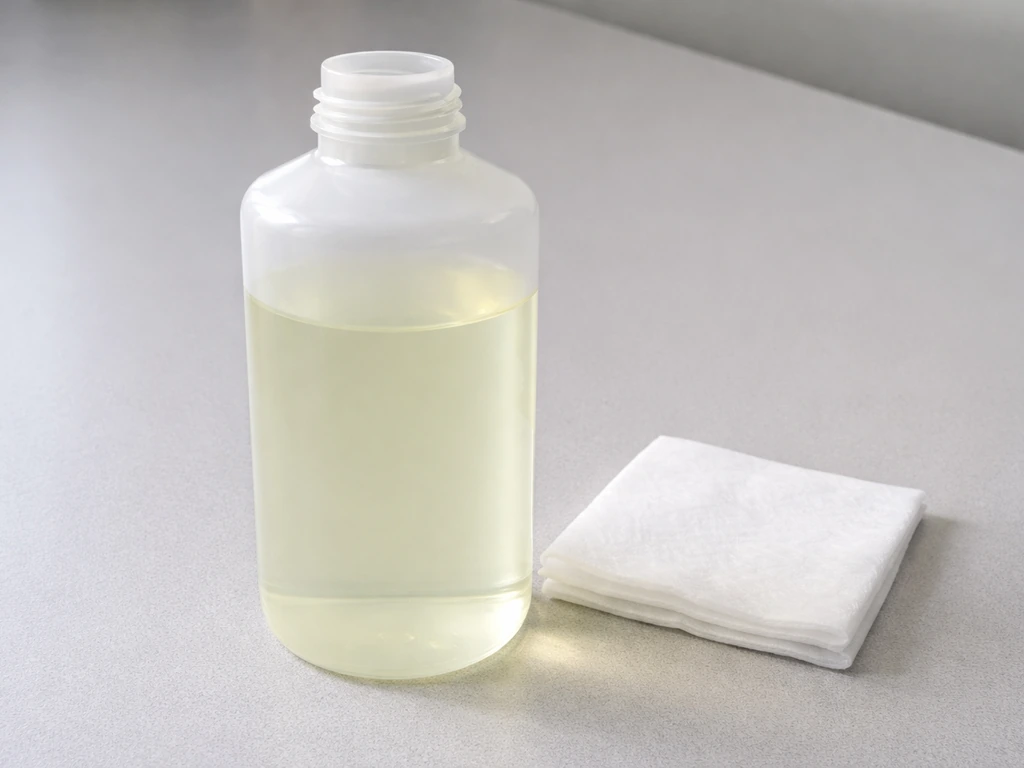
For surface decontamination and spill cleanup, a freshly prepared 10% sodium hypochlorite solution (one part standard household bleach to nine parts water) is the most widely recommended option for BSL-1 work. NIH guidance recommends making this solution fresh daily because bleach degrades quickly and loses effectiveness. Apply the solution to the contaminated surface and allow it to sit for the contact time specified on the product label, typically at least 10 to 30 minutes, before wiping. Contact time matters: chemical disinfection is not immediate, and organic material (like dried culture residue) can significantly reduce effectiveness. Clean visible soil off a surface before applying disinfectant.
Heat sterilization and autoclaving
For liquid cultures and reusable labware, autoclaving (steam sterilization at 121°C and 15 psi for a standard 15- to 30-minute cycle) is the gold standard. If you're in a school or university lab, this is the preferred method for liquid waste before disposal. To verify that an autoclave cycle actually worked, biological indicators containing spores of Geobacillus stearothermophilus are the most reliable tool. These are more sensitive to sterilization failure than chemical indicator tape (which only shows that the right temperature was reached, not that all organisms were killed). For classroom settings without autoclave access, consult your institution's biosafety officer or waste disposal guidelines before disposal.
Waste disposal
Solid biological waste (agar plates, disposable loops, gloves, and tubes that contained cultures) should go into a designated biohazard bag for proper disposal. In most institutions, this means incineration or autoclave treatment before municipal disposal. At home or in community settings without institutional support, you should not attempt unsupported bacterial cultivation in the first place, but if you have done so responsibly with genuinely BSL-1 organisms, your institution's or supplier's disposal guidance should be your reference. Never pour live liquid cultures down the drain without prior decontamination.
Troubleshooting: expected growth vs. something else
One of the most useful skills in basic microbiology is learning to tell whether what you're seeing is what you intended. This is both a science skill and a safety skill.
| What you see | Likely explanation | What to do |
|---|---|---|
| Small, uniform colonies of consistent size and color | Expected growth of your target organism | Observe and document; continue protocol |
| Fuzzy or powdery growth (often white, black, or green) | Fungal or mold contamination | Seal plate, decontaminate, do not open unnecessarily |
| Colonies of two clearly different sizes or colors | Mixed culture or contamination | Treat as contaminated; do not subculture |
| No growth after 48 hours | Inoculation failure, dead culture, or wrong conditions | Check temperature and media; replate from stock |
| Spreading film rather than distinct colonies | Motile organism or media too wet (condensation) | Check plate orientation; may still be your organism |
| Unexpected color (e.g., yellow, red, orange) | Pigment-producing contaminant or wrong organism | Seal and decontaminate; re-verify your stock source |
A contaminated culture should never be subcultered or used for additional work. It should be treated as an unknown organism with unknown risk and decontaminated accordingly. Mold contamination is very common in classroom settings because fungal spores are everywhere in room air. It's not dangerous from most common molds, but it does mean your experiment is compromised. The best prevention is fast, careful aseptic technique and sealing plates with tape (not so tight that gas can't escape, just enough to prevent lid movement) during incubation.
It's also worth knowing that even BSL-1 organisms, while low-risk to healthy adults, are not zero-risk under all circumstances. The peer-reviewed literature on teaching-lab biosafety notes that many organisms used in these settings are capable of causing infection if circumstances allow unusual exposure. This is why consistent containment and disposal habits aren't optional even for 'safe' organisms.
Your safe bacteria culture checklist
Use this as a quick-reference before, during, and after each session.
Before you start
- Confirm your organism is a verified BSL-1 strain from a reputable source (not an environmental or clinical isolate)
- Complete a basic risk assessment: organism, your health status, who else is in the space
- Prepare your workspace: clean, non-porous surface, nearby sink, no food or drinks
- Prepare fresh 10% bleach solution for spills and surface decontamination
- Gather PPE: lab coat or dedicated clothing, nitrile gloves, eye protection
During the experiment
- Label every plate and tube with organism name (and strain), date, and your name
- Use aseptic technique throughout: flame loops, work near a burner or use pre-sterilized disposables
- Minimize aerosol-generating actions: no vigorous vortexing or shaking of open containers
- Keep cultures closed except during active transfers
- Observe plates through the closed lid; never open a plate just to smell or look more closely
- Keep a log of inoculation date, temperature, and observations at each check
After the experiment
- Autoclave liquid waste before disposal (or follow your institution's biohazard disposal protocol)
- Dispose of solid waste (plates, loops, gloves) in a biohazard bag
- Decontaminate all work surfaces with fresh 10% bleach; allow full contact time before wiping
- Remove gloves properly (without touching the outer surface), then wash hands thoroughly with soap and water
- Remove and store lab coat in the lab; do not wear it outside the workspace
- Document that decontamination was completed
Practical do and don't summary
| Do | Don't |
|---|---|
| Use verified BSL-1 strains from reputable suppliers | Collect unknown environmental or clinical isolates |
| Label everything before you start | Leave cultures unlabeled or undated |
| Wash hands after removing gloves and before leaving | Touch your face, phone, or food while working |
| Decontaminate spills immediately with fresh bleach | Let spills dry and clean them later |
| Observe plates through the closed lid | Open plates to smell or examine more closely |
| Autoclave or bleach-treat waste before disposal | Pour live cultures down the drain or into regular trash |
| Make fresh bleach solution daily | Rely on old bleach solution that has lost potency |
| Minimize aerosol-generating steps | Vigorously shake or vortex open liquid cultures |
Where to go next
If you want to build on this foundation, the ASM (American Society for Microbiology) publishes freely available biosafety guidelines specifically for teaching laboratories, covering risk assessment, personal protection, and standard lab practices for BSL-1 and BSL-2 organisms. The CDC's BMBL (Biosafety in Microbiological and Biomedical Laboratories, 6th edition) is the U.S. standard reference and is available free online. The WHO Laboratory Biosafety Manual provides international guidance with a practical, risk-based approach. These aren't just for professional scientists; they're well-written and genuinely useful for anyone learning the field.
From here, natural next questions include understanding how long a given organism takes to grow and what affects that timeline, how the growth of beneficial bacteria differs from pathogenic strains, and what specific conditions the gut microbiome needs to stay healthy. Once you have that understanding, you can estimate how long does liquid culture take to grow for your specific organism and conditions understanding how long a given organism takes to grow. All of those questions connect back to the same core principles: temperature, pH, oxygen, moisture, and nutrients. Once you have the safety foundation solid, each of those topics becomes a fascinating extension of what you've already learned here.
FAQ
If I’m using a BSL-1 organism, do I still need to treat it like it could be dangerous?
Not always. Even if the organism is BSL-1, your biosafety level can effectively change based on your exact strain, the source, and what you do with it (for example, aerosol-generating steps, centrifugation, or concentrating cultures). If you are unsure that your exact strain is truly BSL-1 or you plan procedures beyond basic plating, confirm with your instructor or institutional biosafety officer before starting.
What should I do if my culture looks different than expected, but I still think it’s safe?
Don’t rely on “it smells normal” or “it looks like my prior plate.” A better practice is to compare against your expected morphology, growth timing, and labeling records, and stop if anything is inconsistent. If contamination is suspected, treat it as unknown, do not subculture, and dispose or decontaminate it using the same workflow you’d use for the original organism.
How can I be confident my cultures are actually killed, not just disinfected on the surface?
Yes, because “inactivation” is a process, not a vibe. For autoclaving, verify with a biological indicator when possible, and for chemical disinfection, follow the required contact time on the label (the solution needs time to work, not just to be applied). Also clean away visible soil before disinfectant, since dried residue can protect organisms.
When exactly is eye protection necessary for BSL-1 work?
Wear eye protection any time there is a realistic chance of splashes, including pouring media, pipetting liquids, or handling tubes that may be pressurized or cloudy. If you see droplets while doing aseptic transfers, assume aerosols could be generated and slow down your technique rather than trying to “power through.”
Is it safe to incubate plates for longer “just to see” growth?
Check two things before you incubate: the incubator temperature (use an independent thermometer if available) and the exposure time you actually need. Over-incubation increases biomass, can change colony appearance, and can create extra moisture or condensation that makes later handling riskier. A practical rule is to observe at your planned time window and then stop.
What if my protocol involves centrifugation or other aerosol-generating steps, can I still do it safely?
For BSL-1, common prevention is to avoid aerosol generation, and when you must centrifuge or disturb liquid, use sealed safety cups and only open after the rotor fully stops and aerosols have settled. If your workflow repeatedly requires higher-risk steps, upgrade your setup (for example, using a biosafety cabinet if your institution recommends it) rather than substituting with less controlled methods.
Can I do BSL-1 culturing at home in a kitchen or shared room if I’m careful?
Yes. Even when using BSL-1 strains, don’t store cultures in shared household areas, don’t bring lab items to your desk or phone, and don’t use food storage or eating utensils in the workspace. Dedicate a container for waste and keep it in the same controlled area until disposal or decontamination.
Why is using standard media and fresh disinfectant so strongly recommended?
Avoid improvised media and improvised disinfectant concentration. Use commercially prepared media for predictable pH and nutrients, and make bleach solution fresh on the day you use it because effectiveness drops over time. Also ensure the solution covers the contaminated area and keep track of contact time, since wiping immediately can leave viable material.
What’s the safest approach if I spill a liquid culture on the bench?
If you get a spill, contain it first (paper towels or an absorbent material kept within the area), then disinfect starting from the perimeter toward the center. Let the disinfectant sit for the full contact time before wiping, and assume that dried residues may require more thorough cleaning and reapplication rather than a quick wipe.
Can I just pour liquid cultures into the sink after I think they’re inactive?
Do not pour cultures down the drain unless your institution or disposal SOP explicitly allows it after verified decontamination. In most cases, treat liquid waste with the same level of inactivation you would use for reusable labware, then dispose through the appropriate regulated pathway. If you are working outside an institution, follow the disposal guidance from your supplier or local authority rather than guessing.