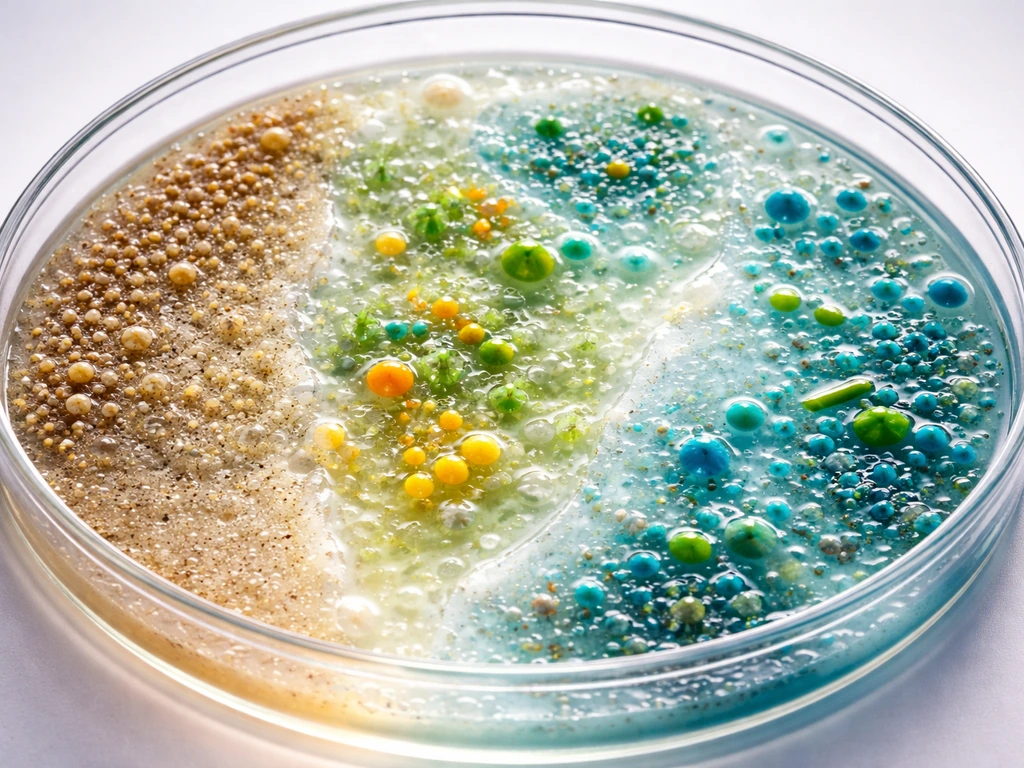
No, bacteria do not all require oxygen to grow. Some do, some absolutely cannot tolerate it, and many can swing either way depending on what's available. Bacteria can indeed grow without oxygen, depending on their species and whether they are obligate anaerobes, facultative anaerobes, or aerotolerant anaerobes can bacteria grow without oxygen. The short answer is that oxygen requirement varies by species, and understanding that variation is the key to making sense of where bacteria thrive, why certain environments favor certain pathogens, and how food safety and hygiene practices actually work.
Do Bacteria Require Oxygen to Grow? Key Types and Why

Marcus Holloway
20 Apr 2026
Oxygen vs no-oxygen bacteria: the direct answer
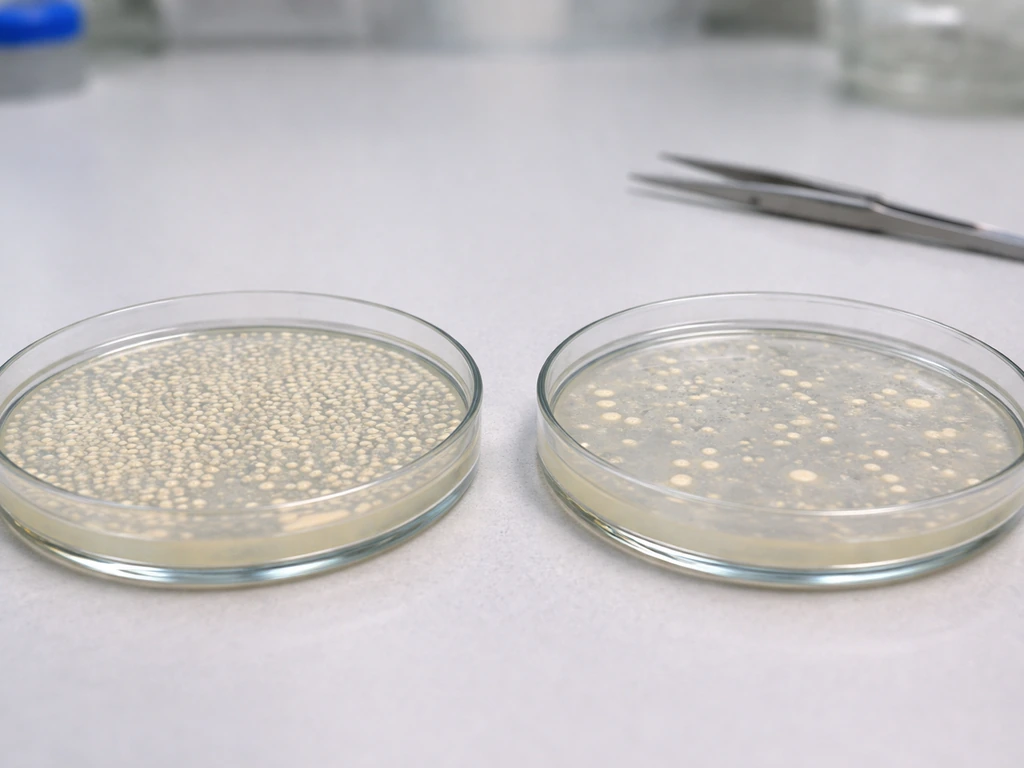
The idea that bacteria "need oxygen" is a generalization that only applies to one group. In reality, bacteria are split into distinct categories based on their relationship with oxygen. Obligate aerobes must have oxygen to survive and reproduce. Obligate anaerobes grow only in its absence and are actually damaged or killed when exposed to it. Facultative anaerobes are the flexible ones: they grow fine with or without oxygen, just switching up their metabolism depending on what's around. Because E. coli is a facultative anaerobe, it can grow both with oxygen and without oxygen depending on the conditions Facultative anaerobes are the flexible ones. Microaerophiles occupy a middle ground, needing oxygen but only at reduced levels, typically around 5 to 10 percent, well below the roughly 21 percent found in normal air. There is also a fifth group worth knowing: aerotolerant anaerobes, which don't use oxygen at all but aren't harmed by it either.
So when someone asks whether bacteria require oxygen to grow, the honest answer is: it depends entirely on which bacteria you're talking about. Knowing that these categories exist, and what they mean, is fundamental to understanding microbiology, food safety, and how the human body handles infection.
Not all bacteria need oxygen: the five key groups
Let's break down each group clearly, because the distinctions matter more than most intro courses suggest.
Obligate aerobes
These bacteria are fully dependent on oxygen for growth. They use it as the final electron acceptor in aerobic respiration, which is how they extract energy from nutrients. Without oxygen, that process breaks down and they cannot survive or reproduce. Classic examples include Mycobacterium tuberculosis, the bacterium responsible for tuberculosis, and Micrococcus luteus, a common skin and soil microbe. Because M. tuberculosis is an obligate aerobe, it preferentially infects the upper lobes of the lungs, where oxygen tension is highest. That's not a coincidence. It's biology following the rules.
Obligate anaerobes
These bacteria grow only where oxygen is absent or at negligible levels. Oxygen isn't just unhelpful to them; it's toxic. The reason ties back to reactive oxygen species (ROS): molecules like superoxide radicals, hydrogen peroxide, and hydroxyl radicals that form when oxygen interacts with cellular components. A review also discusses the debate over whether oxygen itself or reactive oxygen species are the primary in vivo toxic factor for obligate anaerobes such as Bacteroides thetaiotaomicron ongoing debate about whether oxygen itself or ROS are the primary toxic factor in vivo. Aerobes and facultative organisms carry protective enzymes like catalase and superoxide dismutase (SOD) to neutralize these. Obligate anaerobes typically lack these defenses, so oxygen exposure damages and kills them. Clostridium and Clostridioides species are the textbook examples here, including Clostridioides difficile (a gut pathogen) and Clostridium botulinum (the organism behind botulism). These bacteria thrive in environments like deep wound tissue, sediment, improperly sealed canned foods, and the lower gut, all places where oxygen doesn't reach.
Facultative anaerobes

Facultative anaerobes are the opportunists. They can grow with or without oxygen, and they switch their metabolic strategy depending on what's available. When oxygen is present, they run aerobic respiration because it produces more energy. When oxygen runs out, they shift to fermentation or anaerobic respiration. Escherichia coli is the most well-known example. This flexibility is a big reason why E. coli can live in oxygen-rich lab cultures, in food, and in the oxygen-poor environment of the gut. Facultative anaerobes consistently dominate lists of foodborne and clinical pathogens precisely because they adapt rather than die.
Microaerophiles
Microaerophiles need oxygen, but standard atmospheric levels (about 21% O2) are actually harmful to them. They grow best at roughly 5 to 10 percent oxygen, often paired with elevated CO2 levels of around 8 to 10 percent. Campylobacter species are microaerophilic, growing optimally in low-oxygen atmospheres such as around 5% oxygen with about 10% CO2 and 85% nitrogen. Campylobacter jejuni is the go-to example, and it's a significant one because it's a leading cause of foodborne illness. Helicobacter pylori, which colonizes the stomach lining and causes ulcers, is another. These organisms have highly tuned respiratory systems with multiple terminal oxidases that let them extract energy efficiently at the lower oxygen levels found in their natural niches, like the mucosal surfaces of the gut. Culturing them in the lab requires special conditions, like modified atmosphere jars or GasPak-style systems, to recreate those reduced-oxygen environments.
Aerotolerant anaerobes
Aerotolerant anaerobes don't use oxygen for metabolism at all, but they can survive its presence because they carry enough antioxidant defenses (usually SOD without catalase) to handle the oxidative stress. They grow evenly in any oxygen environment rather than congregating at a particular zone. Lactobacillus species, common in fermented foods and the gut microbiome, often fall into this category.
| Group | Oxygen requirement | Oxygen tolerance | Example |
|---|---|---|---|
| Obligate aerobe | Required | Requires it | Mycobacterium tuberculosis |
| Obligate anaerobe | None | Toxic/lethal | Clostridium botulinum |
| Facultative anaerobe | Optional | Tolerates it | Escherichia coli |
| Microaerophile | Low levels (5–10%) | High levels harmful | Campylobacter jejuni |
| Aerotolerant anaerobe | Not used | Tolerated but unused | Lactobacillus spp. |
Why oxygen matters: respiration, fermentation, and energy
The reason oxygen matters so much comes down to energy production. Bacteria, like all living things, need energy to grow, divide, and function. The primary way they get it is by oxidizing nutrients, stripping electrons from food molecules and passing them along a chain of proteins in the cell membrane. At the end of that chain, those electrons need to land somewhere. That "somewhere" is called the terminal electron acceptor.
Oxygen is the most efficient terminal electron acceptor available. When it accepts electrons at the end of the respiratory chain, it gets reduced to water. This electron transfer drives the movement of ions (protons) across the membrane, creating what's called a proton motive force, essentially a stored energy gradient the cell can tap to make ATP, the universal cellular energy currency. The result is a high yield of ATP per unit of nutrient consumed. That's why aerobic respiration is so productive and why organisms that can do it tend to grow faster when oxygen is available.
When oxygen isn't available, some bacteria switch to anaerobic respiration using alternative electron acceptors like nitrate, sulfate, or iron compounds. Others shift to fermentation, which doesn't use an electron transport chain at all. Fermentation generates far less ATP, which is why fermentative growth is typically slower. But for obligate anaerobes, it's the only option, and they've evolved very efficiently within that constraint.
The toxic side of oxygen is worth understanding too. Oxygen itself isn't the problem, but partial reduction products of oxygen are. When molecular oxygen partially reacts with cellular components, it produces reactive oxygen species: superoxide, hydrogen peroxide, and hydroxyl radicals. These molecules attack DNA, proteins, and lipids. Organisms that live in aerobic environments have enzymes like catalase (which breaks down hydrogen peroxide) and superoxide dismutase (which neutralizes superoxide) to manage this damage. Obligate anaerobes largely lack these, which is why even brief oxygen exposure can be fatal to them.
How to figure out a bacterium's oxygen requirement

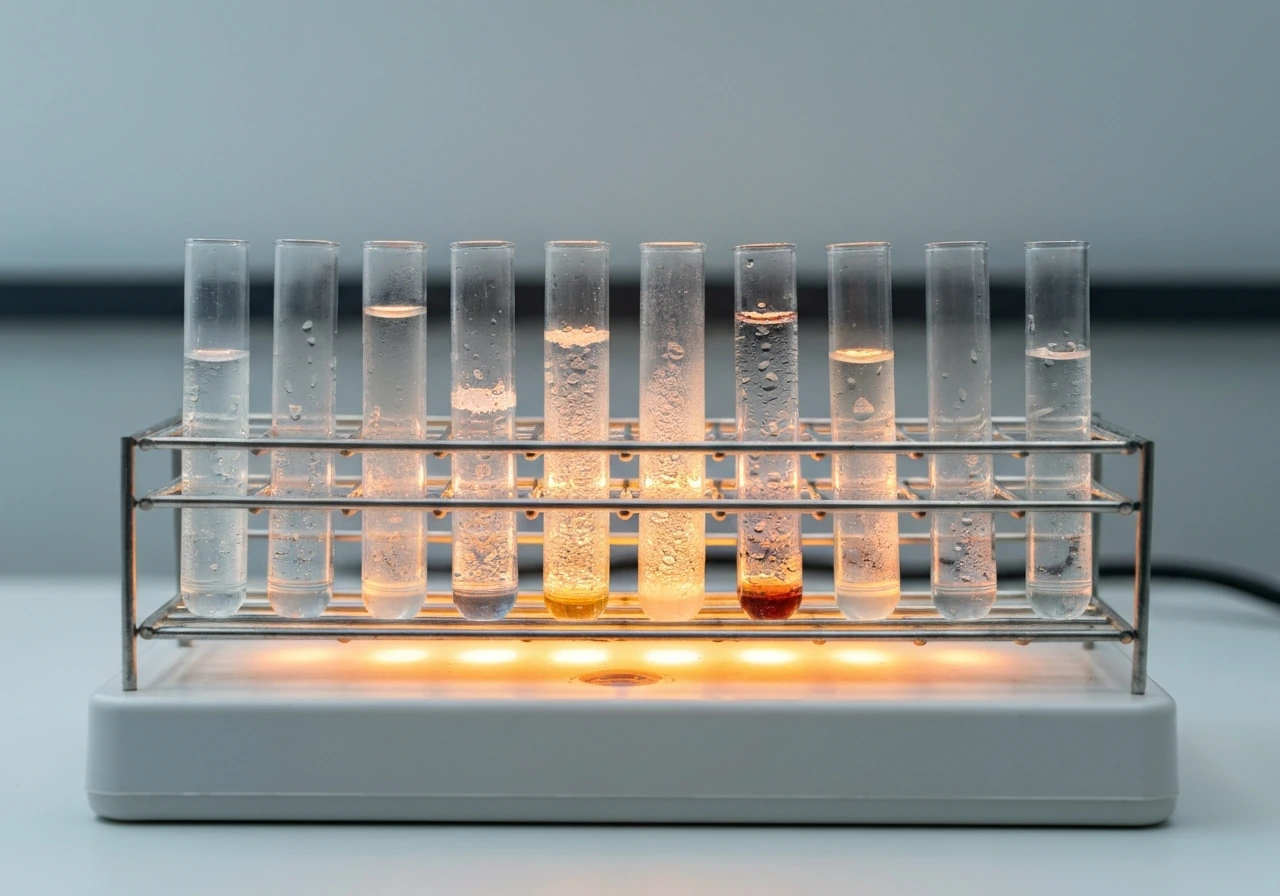
In a lab setting, the classic method for determining oxygen requirements is thioglycollate broth. This is a liquid growth medium containing sodium thioglycollate, a reducing agent that consumes oxygen and prevents it from diffusing evenly through the tube. A redox-sensitive dye, usually resazurin, turns pink near the top of the tube where oxygen is present and remains colorless below, giving you a visible gradient from about 21 percent oxygen at the surface down to essentially anaerobic conditions at the bottom.
When you inoculate bacteria into thioglycollate broth and incubate, you can read their oxygen preference by where the growth concentrates. Obligate aerobes cluster at the top, right where the oxygen is. Obligate anaerobes grow only in the lower, oxygen-free region. Microaerophiles form a narrow band just below the top, in the zone where oxygen is reduced but still present. Facultative anaerobes grow throughout the tube, but with a denser band near the top since aerobic respiration is more energy-efficient. Aerotolerant anaerobes grow evenly from top to bottom because oxygen concentration doesn't affect where they can survive.
Outside the lab, you can think about oxygen requirements in terms of environmental niches. The surface of a kitchen counter exposed to air favors aerobes and facultative species. Deep inside vacuum-packaged meat or improperly sealed canned food, oxygen is absent and anaerobes like Clostridium species become a concern. The mucosal lining of the gut or airways sits in a reduced-oxygen zone, which is why microaerophiles like Campylobacter and Helicobacter are adapted to those exact niches. It's a useful mental model: match the organism to its oxygen environment and you start to predict which bacteria become threats in which situations.
A note worth mentioning for anyone curious about related questions: while this article focuses on bacteria, the oxygen needs of fungi and mycelium follow different rules, and pathogens specifically vary in their oxygen requirements in ways that have direct clinical relevance. Mycelium is fungi, so its oxygen needs are different from bacteria, and oxygen often matters more for growth rate than survival oxygen needs of fungi and mycelium. If you also meant oxygen requirements for non-bacterial organisms, see oxygen needs of fungi and mycelium as a related comparison point. These are worthwhile angles to explore separately.
Oxygen doesn't work alone: other growth factors that matter
Oxygen requirement is one piece of a larger puzzle. In the same way that oxygen availability shapes growth in microbes, it also affects how oxygen-dependent organisms like insects develop and how large they can get. Bacteria grow (or don't) based on a combination of conditions, and oxygen interacts with all of them. Thinking about any single factor in isolation leads to oversimplified and sometimes wrong conclusions.
Temperature
Bacterial enzymes, including the respiratory enzymes that handle oxygen metabolism, function within specific temperature ranges. A facultative anaerobe might tolerate low oxygen levels at one temperature but fail to grow at all if the temperature is outside its range. Campylobacter jejuni, for example, is a microaerophile that also has a narrow optimal temperature range of about 42 degrees Celsius, which is why it thrives in the gut of warm-blooded birds and animals but grows poorly at room temperature.
pH
Most bacteria prefer a near-neutral pH, roughly 6.5 to 7.5, and extreme acidity or alkalinity disrupts the enzyme activity and membrane function they depend on for respiration. Helicobacter pylori is a fascinating exception because it's a microaerophile that has evolved to handle the acidic stomach environment by producing urease to neutralize local pH. But even there, it carves out a microenvironment at the mucosal surface where conditions are more hospitable.
Water activity and moisture
Bacteria need available water to grow, not just total moisture content. Low water activity (the measure of free water in a food or environment) inhibits growth regardless of oxygen level. Drying or salting food reduces water activity below the threshold most bacteria need. This is why dried foods can be shelf-stable even if they contain oxygen, the water activity is too low for growth to occur.
Nutrients
Bacteria need carbon sources, nitrogen, and micronutrients to synthesize the proteins and structures required for growth. Even obligate aerobes with plenty of oxygen available won't grow if nutrients are absent. In practice, nutrient-rich environments (raw meat, dairy, cooked grains) combined with the right oxygen level and temperature are where bacterial growth problems actually materialize.
The practical takeaway is this: when you're thinking about bacterial growth in any real-world context, consider all these factors simultaneously. Oxygen level determines which bacteria can be present and which strategies they use, but temperature, pH, water activity, and nutrients determine whether they actually grow fast enough to matter.
What this means for hygiene and food safety
This is where the biology becomes genuinely practical. Oxygen levels in food storage and preparation environments directly shape which bacteria survive and pose a risk.
Consider vacuum packaging and modified atmosphere packaging (MAP), both widely used to extend shelf life. By removing oxygen or replacing it with CO2 and nitrogen, these methods suppress aerobic spoilage bacteria and molds. That sounds like a good thing, and it often is. But it creates anaerobic or near-anaerobic conditions inside the package, which is exactly where Clostridium botulinum is comfortable. At oxygen levels below about 1 percent, anaerobic respiration and growth can occur, and under the right temperature and pH conditions, C. botulinum can produce its extremely potent neurotoxin. This is why MAP foods that allow little oxygen transmission carry specific guidance around refrigeration and pH control: you're trading one microbial risk for another.
Improperly home-canned low-acid foods (vegetables, meats) carry the same risk. The canning process is supposed to destroy spores through pressure and heat, but if the process fails, surviving C. botulinum spores can germinate and grow in the oxygen-free, sealed environment of the jar. The USDA is explicit about this: C. botulinum lives and grows in low-oxygen conditions, and low-acid foods processed incorrectly are a documented risk.
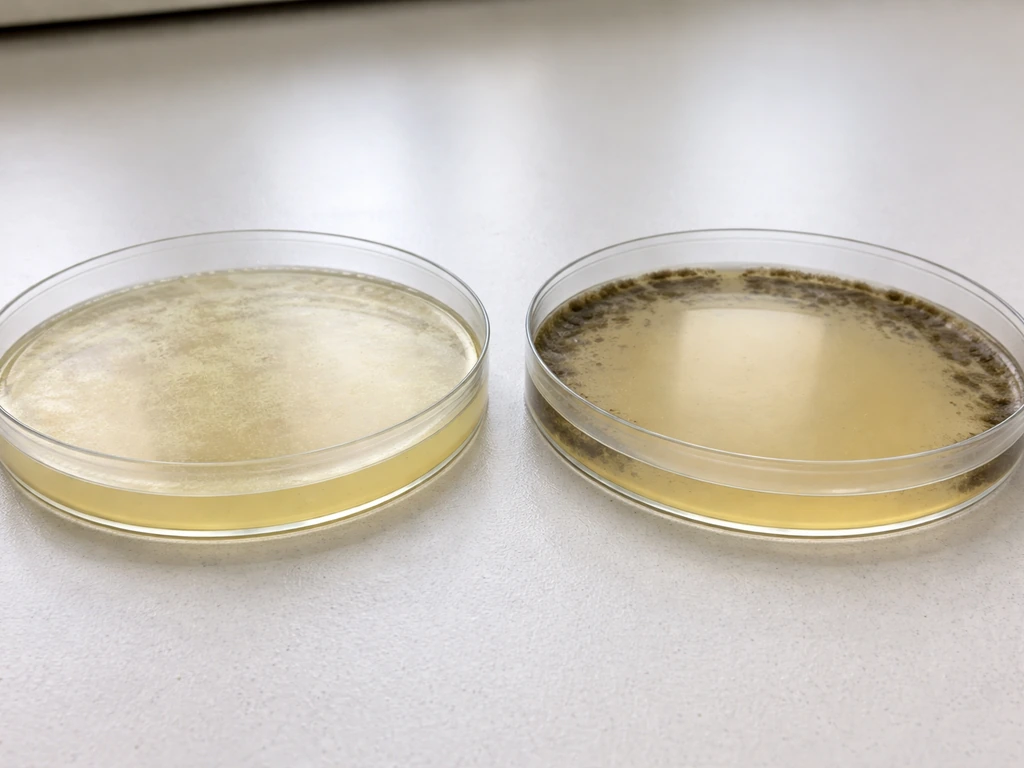
On the other side of the equation, oxygen-rich environments on food surfaces favor aerobic spoilage bacteria and molds that cause visible deterioration (sliminess, off smells, discoloration) but are often less acutely dangerous than anaerobic pathogens. The visible spoilage of aerobic bacteria is, in a weird way, a useful warning signal. The danger with anaerobes is that food can look and smell completely normal while harboring toxins, which is why proper canning and cold chain practices are non-negotiable.
From a hygiene standpoint, understanding oxygen requirements helps explain why wound infections, gut infections, and oral infections involve different bacterial communities. Deep puncture wounds, surgical sites, and necrotic tissue can become anaerobic environments where Clostridium species (including C. perfringens, responsible for gas gangrene) cause serious infections. The gut's low-oxygen interior supports enormous populations of obligate and facultative anaerobes. The respiratory tract's mucosal surfaces support microaerophiles. The biology of infection maps closely onto the biology of oxygen.
If you're a student building your understanding of microbial growth, the most useful mental model is this: before asking "will bacteria grow here?", ask "which bacteria could survive the oxygen conditions here, and do the other factors (temperature, pH, moisture, nutrients) support their growth?" That question gets you much further than any single-factor rule. Oxygen is one axis of a multidimensional space, and the bacteria that thrive in any given environment are the ones that fit all of the axes at once.
FAQ
If I leave bacteria out in air, will they always die because they do not require oxygen?
Not always. Facultative anaerobes can tolerate oxygen and often grow better when oxygen is available. Also, some bacteria survive oxygen exposure even if they cannot use it for growth, so brief exposure may reduce growth rather than instantly kill them.
How quickly can obligate anaerobes be killed when exposed to oxygen?
It varies by species and duration. Many obligate anaerobes lack strong oxidative-stress defenses, so even short exposures can be damaging, but the survival window can still be long enough for spores or protected cells (for example in wounds, sediment, or inside food particles) to persist.
Does “no oxygen” inside vacuum-packaged foods mean nothing can grow?
No. Removing oxygen creates an anaerobic environment, which can still support anaerobic growth and toxin production for organisms adapted to low-oxygen conditions, particularly in low-acid, improperly processed foods where additional factors like temperature and pH also allow growth.
Why do aerobes or facultative bacteria sometimes appear in places that seem “oxygen-free,” like deep inside food?
Oxygen can be trapped or slowly diffused into products. Even low-oxygen zones can contain a gradient, especially at edges, interfaces, or where the packaging has micro-leaks, so organisms that can grow in low-to-moderate oxygen may still establish there.
If bacteria need oxygen for faster growth, does that mean they are always harmless without oxygen?
Not necessarily. Lack of oxygen can slow growth and delay increases in population, but many bacteria (or their pre-formed toxins) can still cause disease. In addition, some anaerobes produce highly potent toxins even when growth conditions are not optimal for rapid proliferation.
Are gut bacteria all anaerobes?
The gut is generally low-oxygen, so many residents are obligate or facultative anaerobes, but not every species fits perfectly into one category. Aerotolerant anaerobes may survive across oxygen gradients, and microaerophiles can persist near mucosal surfaces where oxygen levels are slightly higher.
Does thioglycollate broth perfectly predict what will happen in real food or the body?
It predicts oxygen preference under controlled lab conditions, but real environments add complexity. Food matrices can change diffusion, and the body has immune pressures and nutrients that differ from a broth medium, so growth patterns may shift even if oxygen requirements are similar.
Could reduced oxygen levels (microaerophilic conditions) happen during cooking or storage?
Yes. After sealing, stirring into thick foods, or in low-permeability packaging, oxygen may drop to ranges that favor microaerophiles rather than full aerobes or strict anaerobes. That means “some oxygen” can be a specific growth niche, not just a binary switch.
Does pH or temperature ever override oxygen availability?
They can. Even if oxygen would allow respiration, growth may still fail if temperature is outside the organism’s viable range or if pH disrupts key enzymes. For example, a microaerophile may tolerate reduced oxygen but still not grow well at room temperature.
What is the most common mistake people make when answering “do bacteria require oxygen to grow”?
Treating oxygen as a universal requirement. The practical correction is to identify the oxygen category of the organism (obligate aerobe, obligate anaerobe, facultative, microaerophile, aerotolerant) and then confirm that other growth conditions (temperature, pH, water activity, nutrients) are also compatible.