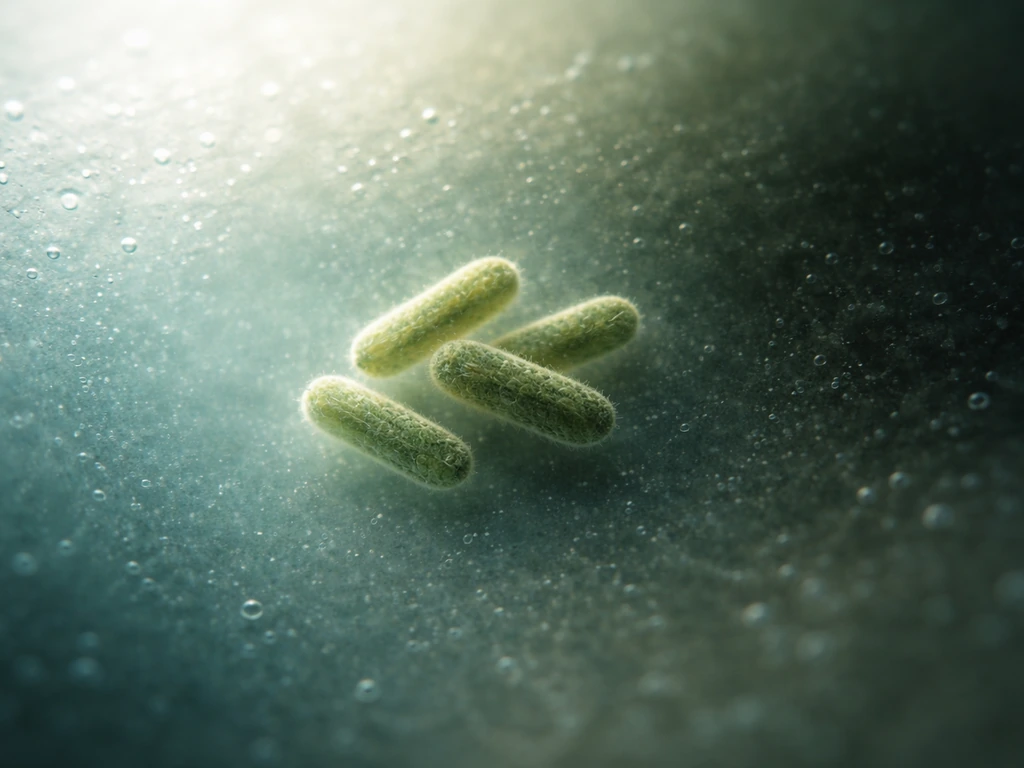
Yes, bacteria can grow on silicone. Silicone is not antibacterial, and under the right conditions, bacteria will not only survive on its surface but actively multiply and form biofilms. The good news is that growth is not inevitable. It depends entirely on whether the conditions microbes need are present, and those conditions are things you can actually control.
Can Bacteria Grow on Silicone? Conditions and Cleanup

Marcus Holloway
24 May 2026
Why silicone can host bacteria in the first place
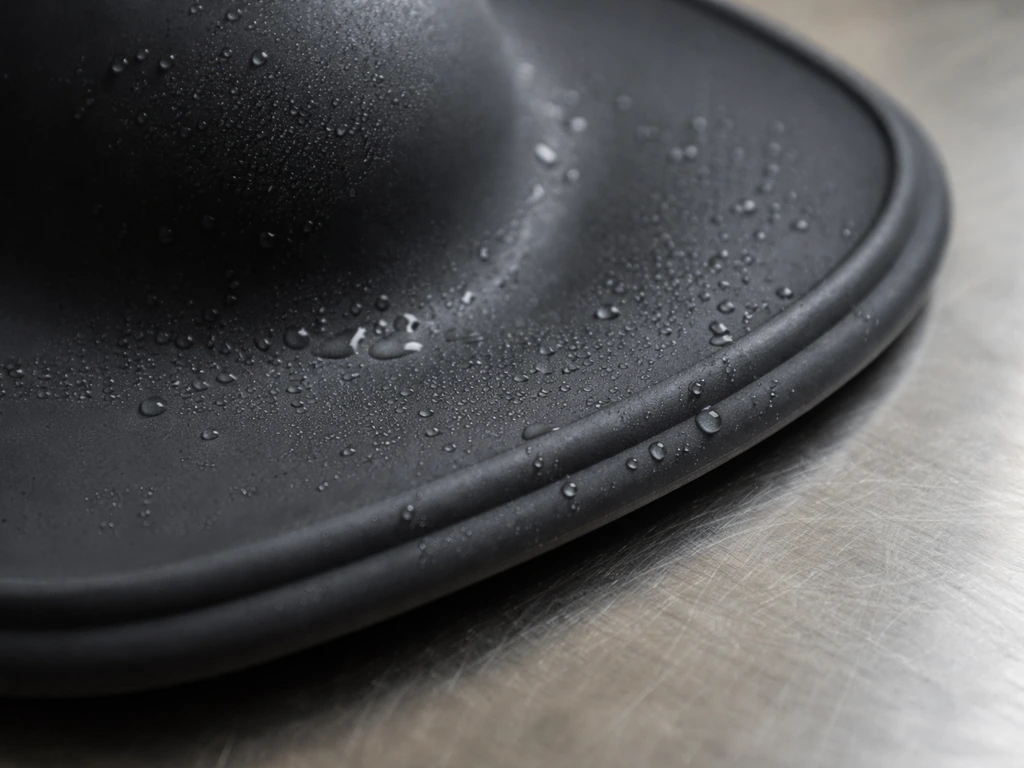
A lot of people assume silicone is safe from bacteria because it feels inert and smooth. That assumption is wrong, and understanding why helps you make better decisions about cleaning and maintenance. The problem comes down to two physical properties of silicone: hydrophobicity and surface texture.
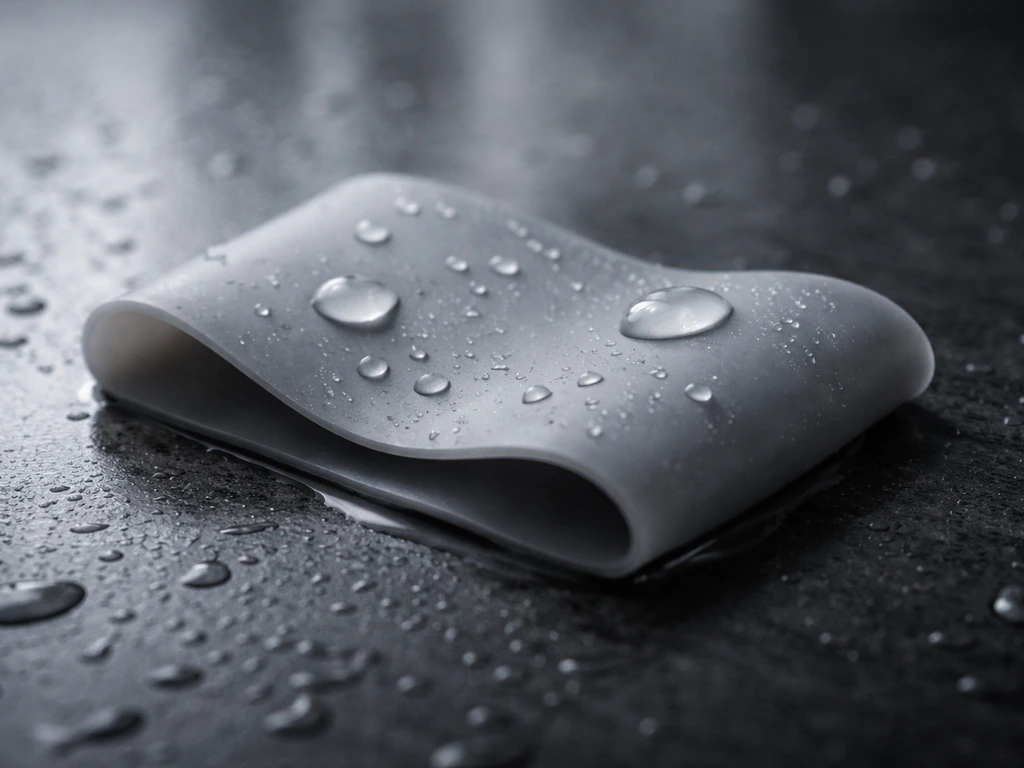
Hydrophobicity means silicone repels water, and counterintuitively, that actually makes it easier for bacteria to stick to it. Bacteria are also hydrophobic on their outer surfaces, and hydrophobic surfaces attract each other in aqueous environments. Research on polysiloxane materials (the class silicone belongs to) identifies this intrinsic hydrophobicity as a key reason why bacteria settle onto silicone efficiently and begin forming biofilms. It is a chemistry-level attraction that you cannot see but that plays out every time a silicone surface is left in a moist environment.
Surface roughness amplifies the problem. Even silicone that looks smooth develops micro-scratches over time from cutting tools, abrasive scrubbers, or general wear. Studies on Staphylococcus epidermidis adhesion to silicone confirm that increased roughness is associated with greater bacterial colonization because microscopic grooves protect bacteria from mechanical removal during washing and give them more surface area to grip. Silicone foam or porous silicone, which has internal channels and pores, compounds this further since microbes can become physically entrapped inside the structure.
The five conditions that determine whether bacteria will actually grow
Silicone being hospitable to bacteria does not mean growth is automatic. The same idea applies to PDA surfaces too, so the key question is whether the conditions that bacteria need for growth are present can bacteria grow on PDA. Every microbiology student learns early that bacterial growth requires a specific set of conditions to be met simultaneously. In the same way, bacteria can sometimes survive and even grow in extreme environments, raising the question of whether bacteria can grow in a vacuum under certain conditions can bacteria grow in a vacuum. On silicone, those same rules apply. Think of each condition as a requirement that must be checked off before bacteria can multiply.
Moisture
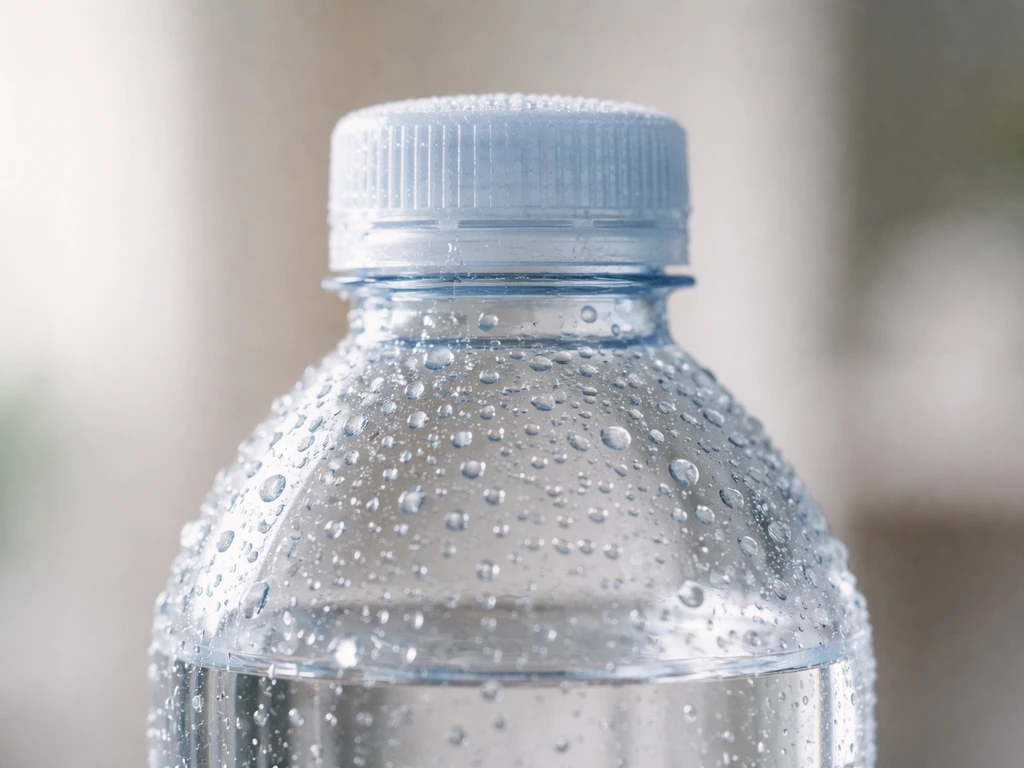
This is the single most important factor. Bacteria need water to carry out cellular processes, and without it they either die or go dormant. Distilled water does not provide nutrients, so it generally will not support bacterial growth by itself, though contamination can occur once microbes are introduced. Silicone items that are stored wet, used in humid environments, or sealed against other surfaces where water can pool are at far greater risk.
Bathroom silicone sealant is a classic example: it sits in a persistently damp environment and almost always develops visible microbial contamination over time. Silicone kitchen items that are dried properly and stored openly are in a much lower-risk situation. If you remember nothing else from this article, remember that drying silicone completely after every use cuts microbial growth risk dramatically.
Temperature
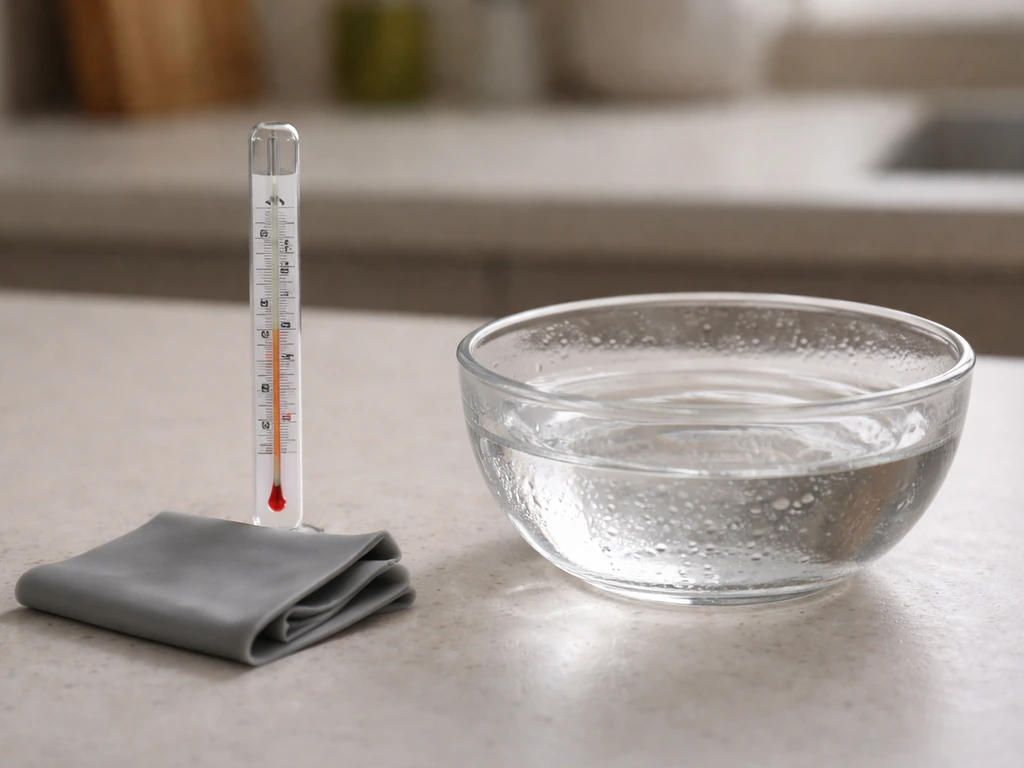
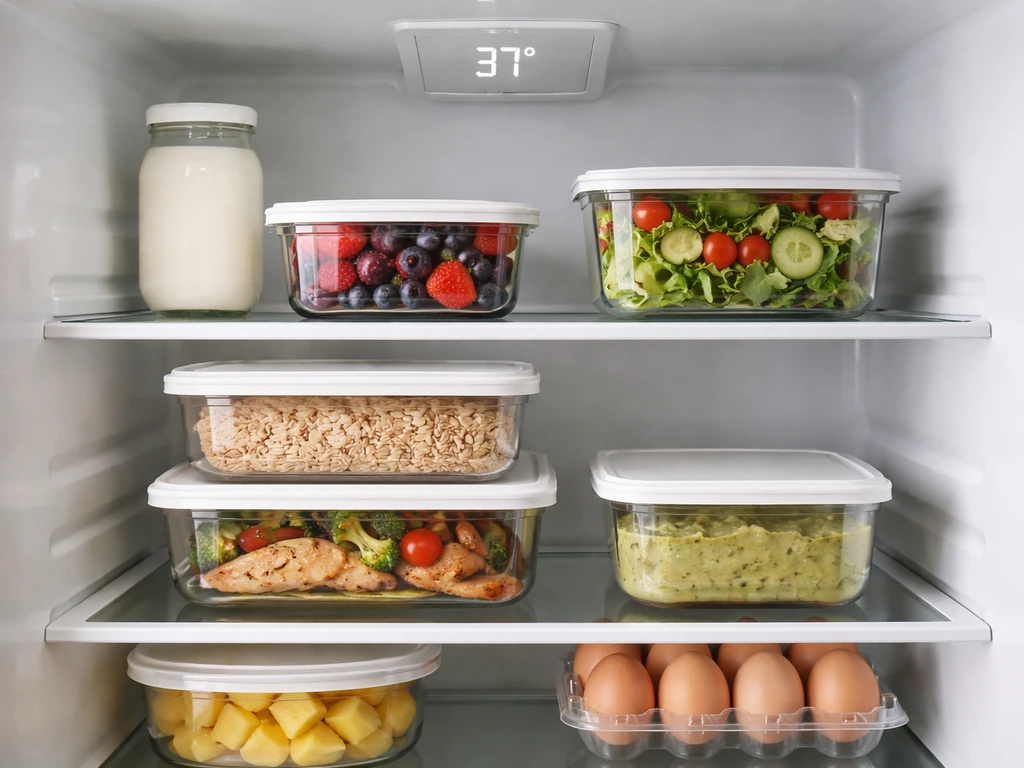
Most common bacteria that contaminate household or medical silicone grow best between roughly 20°C and 40°C (68°F to 104°F), which overlaps almost perfectly with room temperature, body temperature, and warm kitchen environments. This is why silicone items left on a counter in a warm kitchen, or silicone medical devices kept near the body, are higher-risk environments than items stored in a cool, dry cupboard. Refrigeration (below about 4°C) slows growth significantly, though it does not eliminate all risk since some organisms are cold-tolerant. Even in a fridge, bacteria can still survive and some cold-tolerant organisms may grow slowly if moisture or residues are present can bacteria grow in a fridge.
Nutrients
Silicone itself does not provide meaningful nutrition to bacteria. The real source of nutrients is whatever ends up on the surface: food residue, milk, body oils, soap scum, or organic particles from the environment. Experiments with Pseudomonas aeruginosa on silicone rubber found that adhesion increased when nutrient broth was present versus a plain buffer, confirming that nutrient availability is a direct driver of bacterial attachment and growth on these surfaces. This means that silicone items used with food, breast milk, or bodily contact carry a substantially higher contamination risk than, say, a silicone phone case that gets wiped occasionally.
pH
Most pathogenic and opportunistic bacteria prefer a pH close to neutral (around 6.5 to 7.5). The substances that coat silicone in everyday use, including food residues and body fluids, typically fall right in that range. This is not a condition you can easily control on the surface itself, but it reinforces why cleaning away organic residues matters so much. When you remove the coating, you remove the conditions.
Oxygen availability
Most bacteria that contaminate silicone household items are aerobic, meaning they require oxygen. Open silicone surfaces exposed to air provide plenty of it. However, anaerobic and facultative bacteria can also thrive in crevices, under seals, or inside foam structures where oxygen is limited. Silicone gaskets and seals in appliances are particularly prone to this because they create low-oxygen microenvironments. This connects to a broader principle: different microbial species have different oxygen requirements, and silicone can provide the right conditions for more than one type depending on its geometry and context.
Biofilms and residues: why silicone is harder to clean than you think
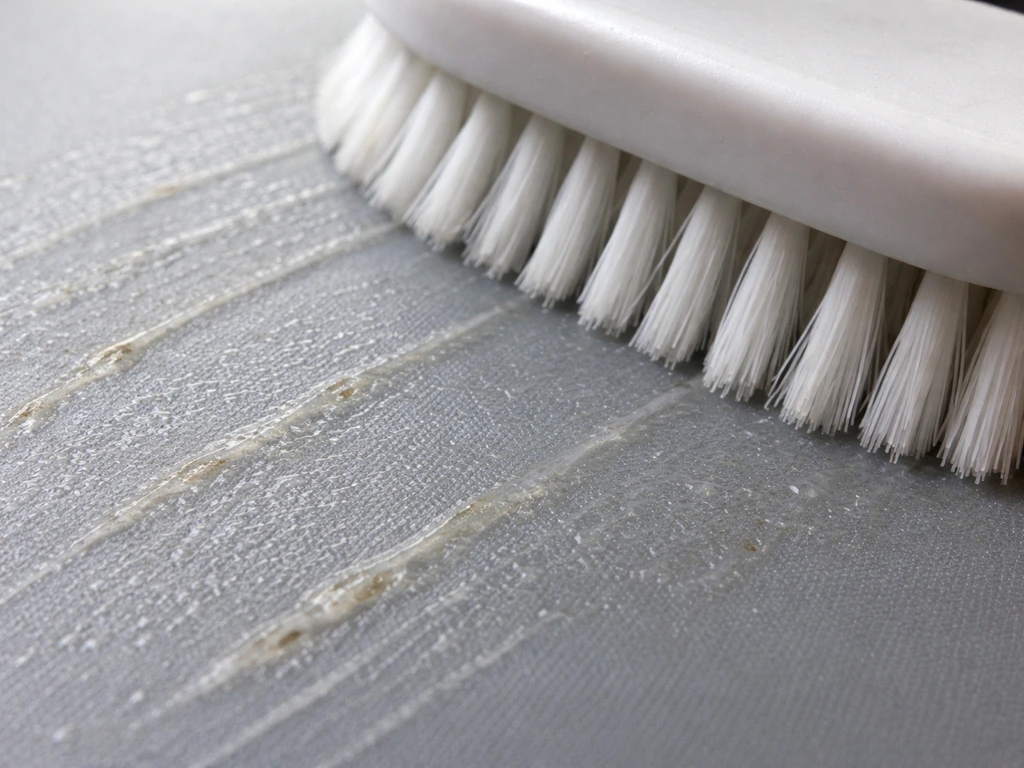
Once bacteria have adhered to a silicone surface and found sufficient moisture and nutrients, they begin transitioning from free-floating cells into a biofilm. A biofilm is a structured community of bacteria encased in a self-produced matrix called extracellular polymeric substances, or EPS. Think of EPS as a sticky protective blanket that glues the bacteria together and to the surface while shielding them from cleaning agents, disinfectants, and even immune responses.
The EPS matrix accounts for most of the biomass in a biofilm and is produced near the adhesion site as bacteria cluster together. Once a mature biofilm forms, it is genuinely harder to disinfect because disinfectants have to penetrate through the EPS matrix to reach the cells inside. This is why just rinsing silicone under the tap after use is not adequate hygiene for high-risk items. You have to physically disrupt and remove the biofilm before chemical disinfection can be effective.
Food residues, soap scum, and body oils act as a conditioning layer on silicone. This layer changes the surface chemistry and can make it even more attractive to further bacterial adhesion. Research on membrane biofouling confirms that a conditioning layer on a surface alters its hydrophobicity and roughness characteristics in ways that promote biofilm initiation. In practical terms, this means that silicone that is cleaned inconsistently or only rinsed rather than scrubbed develops a progressively worse adhesion profile over time.
How to actually clean and disinfect silicone
The CDC's foundational principle here applies directly: clean before you disinfect. CDC notes that for certain disinfection of noncritical environmental items in healthcare contexts, contact time and practical application and drying behavior matter, including keeping the disinfectant wet for about the applied time in many facilities. Organic material on a surface dramatically reduces the effectiveness of any disinfectant, including bleach, hydrogen peroxide, and alcohol. If you skip the cleaning step and just spray a disinfectant on a silicone surface with residue on it, you are largely wasting your effort.
- Wash with liquid dish soap and warm water first, scrubbing all surfaces with a brush or sponge to physically remove residue, biofilm, and organic matter. For items with crevices or pores, use a brush that can reach inside them.
- Rinse thoroughly to remove soap residue, which can itself interfere with some disinfectants.
- Choose the right disinfectant for the use case. For kitchen and food-contact silicone, a diluted bleach solution (approximately 5 tablespoons of household bleach per gallon of room-temperature water, using bleach that is 5.25% to 6.15% sodium hypochlorite) is effective. Keep the surface visibly wet for the full required contact time.
- For items that contact mucous membranes or bodily fluids, 70% isopropyl alcohol for 5 minutes or 3% hydrogen peroxide for 30 minutes are options, or immersion in a 1:50 dilution of 5.25% to 6.15% sodium hypochlorite for 3 minutes can be used. Always follow product label guidance.
- For infant feeding items and breast pump parts made of silicone, wash with liquid dish soap and warm water, then sanitize using a dishwasher with a hot water and heated drying or sanitizing cycle, or by boiling parts that are confirmed boil-safe. Air dry completely on a clean rack.
- Dry completely before storing. Use air drying on an open rack rather than wiping with a cloth towel, which can reintroduce bacteria. This step is non-negotiable.
One important caution: alcohols at 60% to 80% concentration can degrade silicone over time, particularly softer formulations or silicone tubing. If you are disinfecting silicone items regularly with alcohol, monitor them for changes in texture or flexibility and be aware that repeated use may shorten their lifespan. This is especially relevant for medical or therapeutic silicone items used repeatedly.
Prevention: keeping silicone from becoming a microbial surface
Prevention is much less work than remediation. These habits address the root conditions bacteria need and consistently cut the risk before it becomes a problem.
- Dry silicone items completely after every use and before storage. Moisture is the number-one enabler of growth.
- Store silicone items in open, ventilated spaces rather than sealed bags or drawers where moisture can be trapped.
- Avoid abrasive scrubbing pads or cutting directly on silicone surfaces. Micro-scratches increase the surface area available for bacterial adhesion and make biofilm removal harder.
- Clean immediately after contact with food, milk, or body fluids rather than letting residue sit, which gives bacteria both nutrients and time to adhere.
- Inspect silicone regularly for discoloration, staining, odor, or visible growth, all of which are signs that a microbial community has taken hold.
- For bathroom silicone sealant, ensure adequate ventilation in the room and use a disinfectant cleaner on the sealant weekly to interrupt biofilm development before it becomes visible mold or mildew.
- Avoid leaving silicone gaskets or seals in appliances (like coffee machines or baby bottle sterilizers) in contact with standing water between uses.
It is also worth comparing silicone to similar surfaces. Glass, for instance, is non-porous and less hydrophobic than silicone, making it easier to clean and somewhat less hospitable to biofilm formation. In fact, you can still get bacterial growth on glass if it stays wet and collects organic residue, just typically with less help than on more hospitable materials can bacteria grow on glass. Silicone's flexibility and heat resistance make it useful in ways glass is not, but that comes with the trade-off of being more demanding about hygiene practices.
When to replace silicone instead of cleaning it again
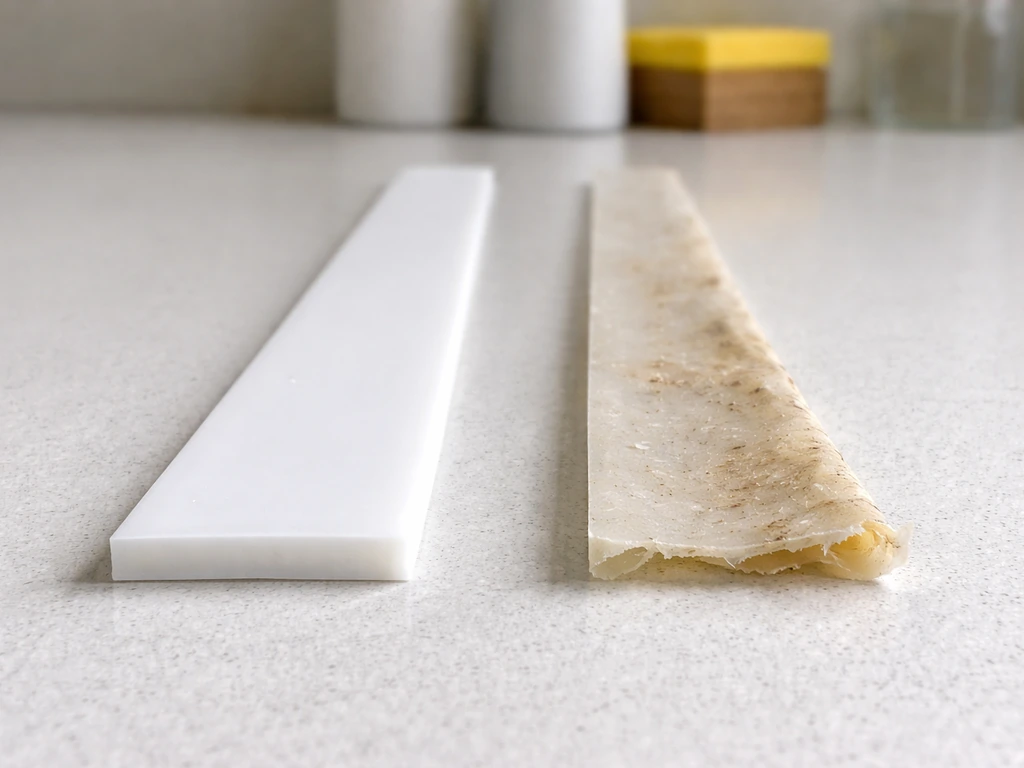
There is a point at which a silicone item is no longer safely cleanable, and recognizing it matters for food safety and personal health. The key signal is physical degradation of the silicone itself.
| Sign to look for | What it means | Action |
|---|---|---|
| Visible discoloration or staining that does not clean away | Pigment-producing bacteria or mold have colonized the surface or interior | Replace the item |
| Persistent odor after thorough washing | Biofilm or residue is trapped in micro-scratches or pores and cannot be removed by surface cleaning | Replace the item |
| Surface tackiness, stickiness, or texture change | Material degradation, possibly accelerated by repeated disinfectant exposure; compromised surface structure harbors more bacteria | Replace the item |
| Visible cracks, tears, or deep scratches | Physical damage creates reservoirs where bacteria can hide from cleaning and disinfection | Replace the item |
| Silicone sealant pulling away from the wall or tile | Gap allows moisture infiltration behind the sealant; remove and re-apply fresh sealant after cleaning the substrate | Remove and reseal |
| Any silicone item used with infant feeding after visible mold growth | Health risk is too high to manage with cleaning alone | Replace immediately |
As a general rule, silicone kitchen items used daily (spatulas, baking mats, bottle nipples) should be replaced every one to two years even without visible damage, because the cumulative wear from washing, heat, and use creates progressively more hospitable conditions for bacteria regardless of how well you clean. Medical or therapeutic silicone items should be replaced according to manufacturer guidance, which is often more frequent than people expect.
The same principles that govern bacterial growth on silicone apply wherever bacteria encounter surfaces with moisture, temperature, and nutrients available. Whether you are thinking about silicone, glass, or any other material, the underlying biology is the same: bacteria are opportunistic, and they will colonize any surface that offers them the conditions they need. Silicone is not uniquely dangerous, but it is not uniquely safe either. Treat it with the same rigorous hygiene practices you would apply to any surface in a food-contact or health-sensitive context, and it remains a safe and practical material.
FAQ
Does silicone ever prevent bacterial growth, or is it always risky?
Silicone is not inherently antibacterial, but growth risk is much lower when moisture and nutrients are absent. If the surface stays completely dry and you remove residues promptly, bacteria usually cannot multiply even though they may still survive briefly.
Is wiping silicone with a dry cloth enough after using it?
Often it is not. A quick dry wipe can remove some water but leave an oily or sticky conditioning layer (body oils, soap film, or food film), which still helps adhesion and biofilm start. For food or body-contact items, wash and physically scrub, then rinse thoroughly and dry.
Do bacteria grow on silicone when it is stored dry in a cupboard?
Dry storage greatly reduces growth because most species need water activity to replicate. However, if the silicone was contaminated and remains coated with residues, bacteria can survive longer than expected and resume growth once the item is re-wet.
How long does bacteria typically need to grow into a biofilm on silicone?
Biofilms can develop quickly once moisture, warmth, and a nutrient film are present, but the exact timeline varies by organism and surface condition. Roughness and trapped micro-debris speed up the process, which is why worn or porous silicone is harder to keep clean.
Is refrigeration safe for silicone items that were exposed to food or body fluids?
Refrigeration slows bacterial growth, but it does not sterilize. If moisture or organic residue remains, some cold-tolerant organisms may survive and can slowly increase when conditions become warmer again.
Can I rely on dishwashing alone for silicone kitchen tools?
Dishwashing helps, but it may be insufficient if residue is baked onto porous or textured silicone. Use hot water and mechanical friction (scrubbing) and confirm it is fully rinsed and dried, since leftover soap film and oils support biofilm initiation.
Are there specific cleaners that work better on silicone than plain soap?
In general, warm soapy water plus scrubbing is a strong first step because it removes the conditioning layer. For persistent residue, a degreasing step (after spot-testing) can be more effective than disinfectants alone, since disinfectants perform poorly when organic material remains.
What should I do if silicone smells, feels tacky, or has visible film after cleaning?
That often indicates ongoing residue or a mature conditioning layer, which can support re-attachment. Stop relying on light rinsing, scrub more aggressively, soak per product guidelines if safe for the item, and consider replacement if the surface stays tacky or visibly degraded.
Is using 70% alcohol the best way to disinfect silicone?
Alcohol can disinfect, but the article highlights that 60% to 80% alcohol can degrade softer silicone formulations over repeated use. Also, disinfecting without prior cleaning wastes effort because organic residue blocks chemical action.
Can silicone for medical use be safely disinfected at home?
It depends on the device and manufacturer instructions. Medical silicone often needs compatibility-specific care, because some disinfectants or repeated alcohol exposure can shorten lifespan or alter flexibility, so always follow the stated cleaning and replacement schedule.
When should I replace silicone items if there is no visible damage?
For daily-use kitchen silicone, replacement in the range of one to two years is recommended even without obvious wear, because cumulative micro-scratches and conditioning layers make surfaces more hospitable over time. For therapeutic or medical silicone, replacement should follow manufacturer guidance, which is often sooner.
Does boiling water sanitize silicone, and does it eliminate biofilms?
Heat can kill many bacteria, but biofilms and trapped residues can shield cells, so heat alone may not fully remove a mature biofilm. Cleaning and physical disruption are still key, and you must also confirm the silicone item is rated for boiling temperatures.