Yes, bacteria can absolutely grow on glass. Glass feels clean and inert, but under the right conditions, bacteria attach, multiply, and form biofilms on it just as they do on other surfaces. This same idea applies to lab media too, including PDA, where the right moisture, nutrients, and time can let microbes develop can bacteria grow on pda. The catch is that glass alone does not feed or shelter bacteria. What actually enables growth is the combination of moisture, nutrients, a suitable temperature, and time. Strip away those conditions and bacteria struggle to survive. Provide them, even accidentally, and you can get a persistent microbial community on what looks like a clean pane or bottle.
Can Bacteria Grow on Glass? What Really Happens and How to Clean It

Marcus Holloway
4 Jul 2026
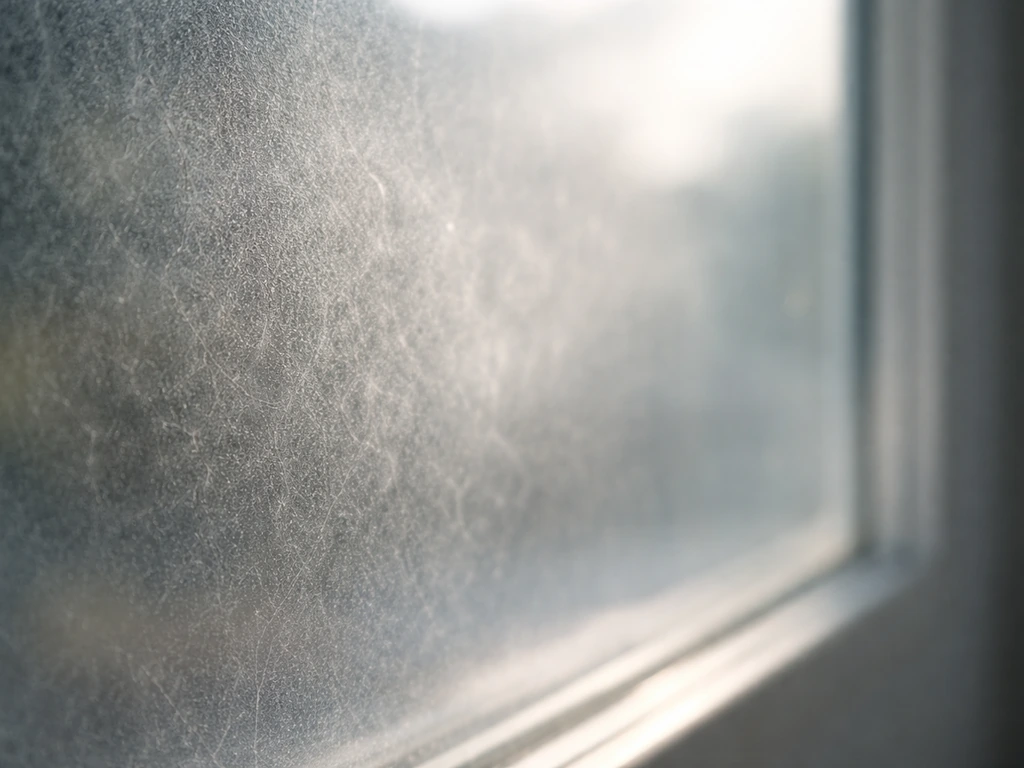
Why bacteria stick to glass in the first place
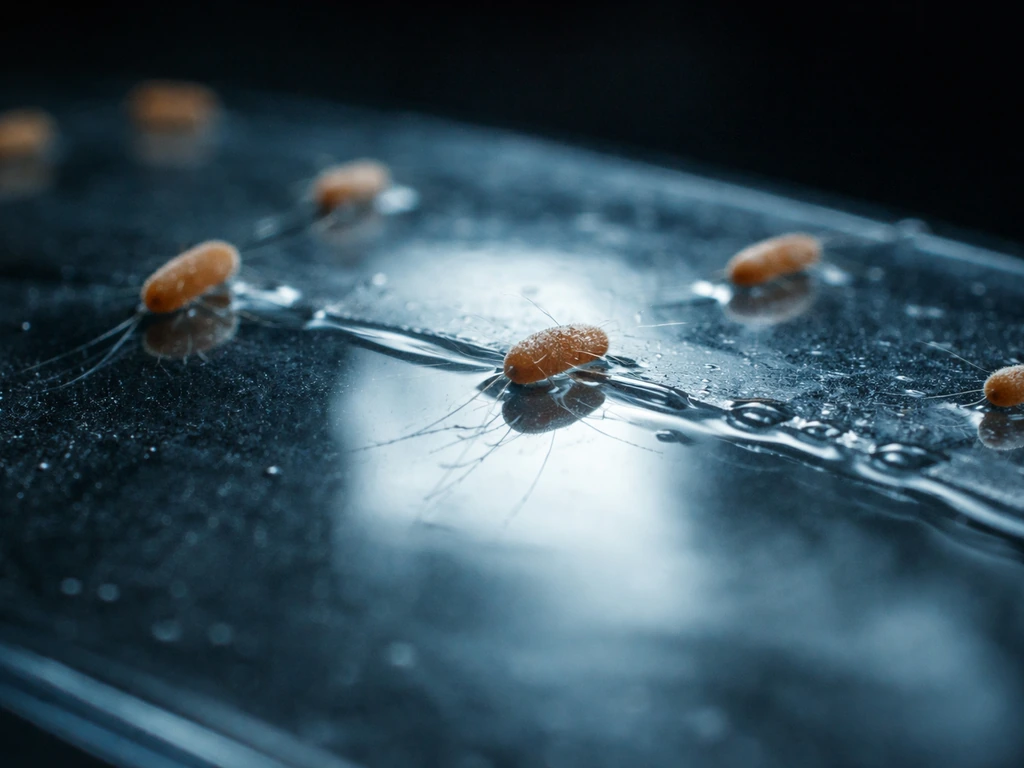
Glass is non-porous and hydrophilic, meaning it has a surface that attracts and holds thin water films. That physical chemistry actually helps bacteria make initial contact. Attachment starts with a reversible, loose association where the cell just sits against the surface. Then, if conditions are favorable, the bacterium commits, anchoring itself using appendages like pili and flagella that help overcome the natural repulsive forces between the cell and the surface. Once stuck irreversibly, the real trouble begins.
After that first attachment, bacteria start producing extracellular polymeric substances, or EPS, a sticky matrix made up of exopolysaccharides, proteins, and nucleic acids. EPS is essentially the scaffolding and glue of a biofilm. Cells get encapsulated in this matrix, build microcolonies, and eventually develop fluid-filled channels between clusters that distribute nutrients through the community. Research has shown both Pseudomonas aeruginosa and Staphylococcus aureus follow this maturation sequence on glass, and Salmonella has actually been shown to produce greater biofilm on glass than on polystyrene, which surprises a lot of people who assume plastic is the bigger problem.
One more thing worth knowing: once a biofilm matures, cells inside it can later detach and spread to other surfaces, especially when nutrients run low. This is called dispersal, and it is one of the main reasons a neglected contaminated glass surface can become a source of recontamination for the surrounding environment.
The conditions that actually allow bacteria to grow on glass
Bacteria do not grow on clean, bone-dry glass sitting in a sterile room. What tips the balance is the local environment. Think of these five factors as a checklist: bacteria need all of them to thrive, and disrupting even one can stop growth. In a vacuum, however, there is essentially no moisture for hydration and no nutrients for metabolism, so bacterial growth cannot proceed moisture and nutrients.
Moisture
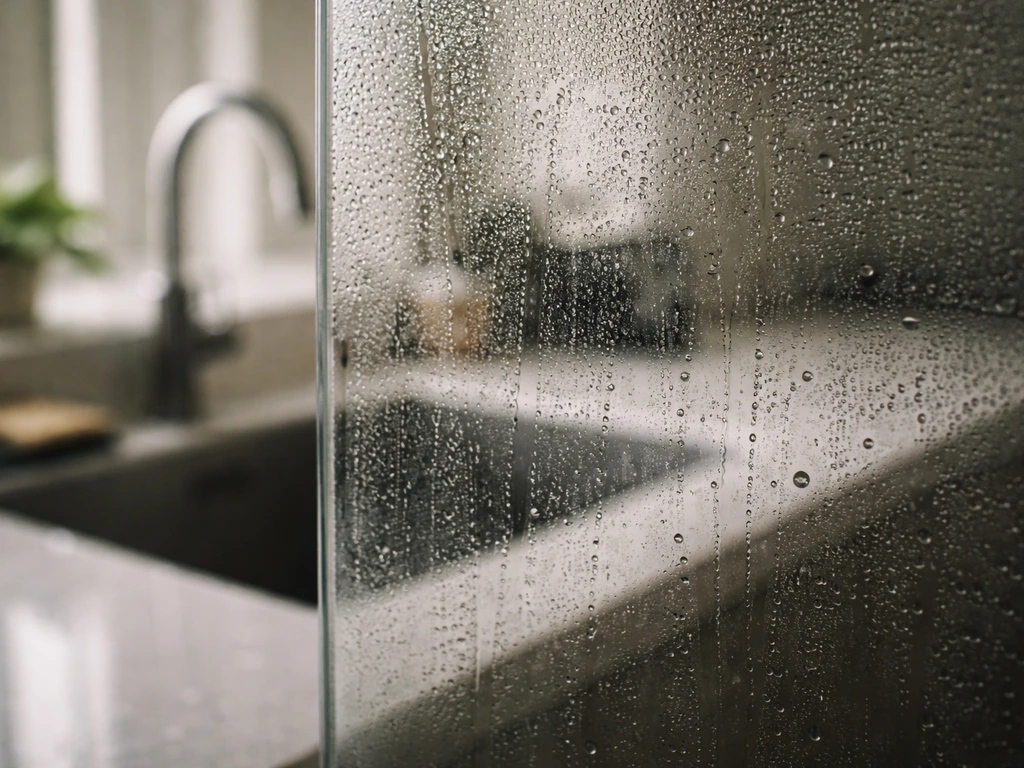
Water is the most critical factor. Glass in a humid environment, near a sink, or left wet after washing can hold a thin moisture film for hours. That film is all bacteria need to remain hydrated and metabolically active. Research on air-liquid interface biofilms with Pseudomonas aeruginosa illustrates this beautifully: at the boundary between a liquid and air, aerobic bacteria sit in a sweet spot where they can pull oxygen from the air above while drawing dissolved nutrients from the liquid below. A condensation film on a glass surface is functionally similar.
Nutrients
Glass itself provides zero nutrition. But in the real world, glass surfaces accumulate nutrients constantly. Fingerprints deposit skin oils and proteins. Residue from food or beverages leaves sugars and organic compounds. Dust that settles on a glass surface carries organic particles. Even a few micrograms of organic material is enough to support early-stage bacterial colonization. This is why your kitchen glassware is at much higher risk than, say, a glass window in a dry, rarely-touched room.
Temperature
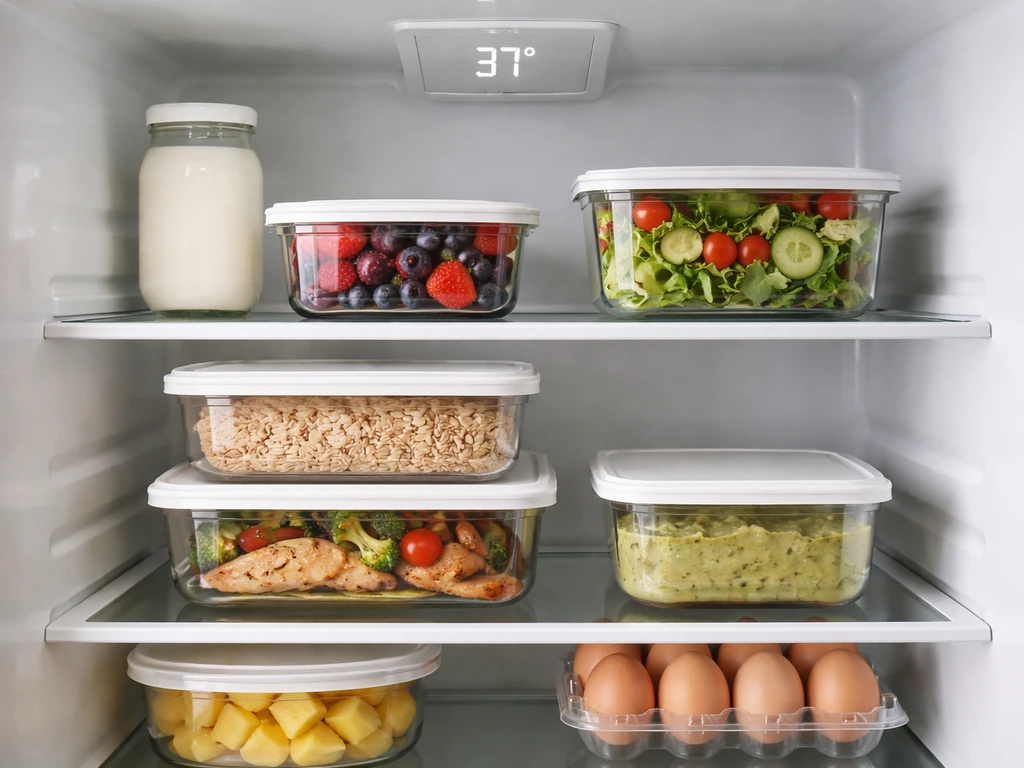
Most bacteria that matter in everyday hygiene, including pathogens like Salmonella, E. coli, and Staphylococcus aureus, are mesophiles. They grow best between roughly 20°C and 40°C (68°F to 104°F), which is essentially room temperature to body temperature. Glass in a kitchen, bathroom, or laboratory sits comfortably in that range for most of the day. Cold storage can slow or halt growth, which is why refrigerating glass containers matters (and why bacteria in the fridge behave very differently). In many cases, the cooler temperature in a fridge slows bacterial growth, but it does not always stop it entirely refrigerating glass containers matters. High temperatures will kill bacteria, but standard room conditions do the opposite.
pH
Most common bacteria prefer a pH close to neutral, around 6.5 to 7.5. Glass itself is essentially pH-neutral and does not acidify or alkalinize the thin moisture layer on its surface unless something else does. A residue from an acidic drink might create a mildly hostile environment, but for the most part, glass surfaces stay in a pH range that bacteria are comfortable with.
Oxygen
Most of the bacteria you encounter in daily life, including skin flora and common pathogens, are aerobic or facultatively anaerobic, meaning they work fine with oxygen present. Glass surfaces exposed to air present no oxygen barrier at all. Inside a thick, mature biofilm, oxygen can become limiting deep in the layers, creating microenvironments where anaerobic bacteria can also survive. So oxygen availability is rarely a limiting factor on an open glass surface, but it does shape which bacteria dominate within a well-developed biofilm.
Is that film on your glass actually bacteria, or just residue?
This is one of the most common points of confusion, and it is worth getting right before you reach for the bleach. Not every cloudy, filmy, or discolored patch on glass is microbial. Mineral deposits from hard water look like a dull, chalky haze and tend to appear wherever water evaporates repeatedly, like around a faucet or the bottom of a glass left in a drying rack. That film has a dry, powdery or crusty texture and does not smear like a biological film would. It also will not spread.
A genuine biofilm looks and behaves differently. It tends to have a slightly slimy or greasy feel when you run a finger across it. It may have a faint odor. It can appear as a thin, streaky, iridescent, or faintly colored layer, and unlike hard water scale, it does not come off easily by just rinsing with water. Under conditions of high humidity or warmth, you might also see visible microbial colonies as small dots or patches, particularly if fungal growth (mold) is involved alongside bacteria. If you see pink or orange coloration on glass in a wet environment, that is a strong indicator of actual microbial pigment production.
| Feature | Mineral/Water Residue | Bacterial Biofilm |
|---|---|---|
| Appearance | Chalky, white, or cloudy haze | Slimy, iridescent, or faintly colored film |
| Texture | Dry, powdery, or crusty | Slightly greasy or slick to the touch |
| Odor | None | Faint musty or organic smell possible |
| Removed by rinsing | Partially | No, adheres firmly to surface |
| Spreads over time | No | Yes, can expand or disperse |
| Location | Where water evaporates | Anywhere moist with nutrient residue |
How to clean and disinfect glass to remove bacteria and biofilm
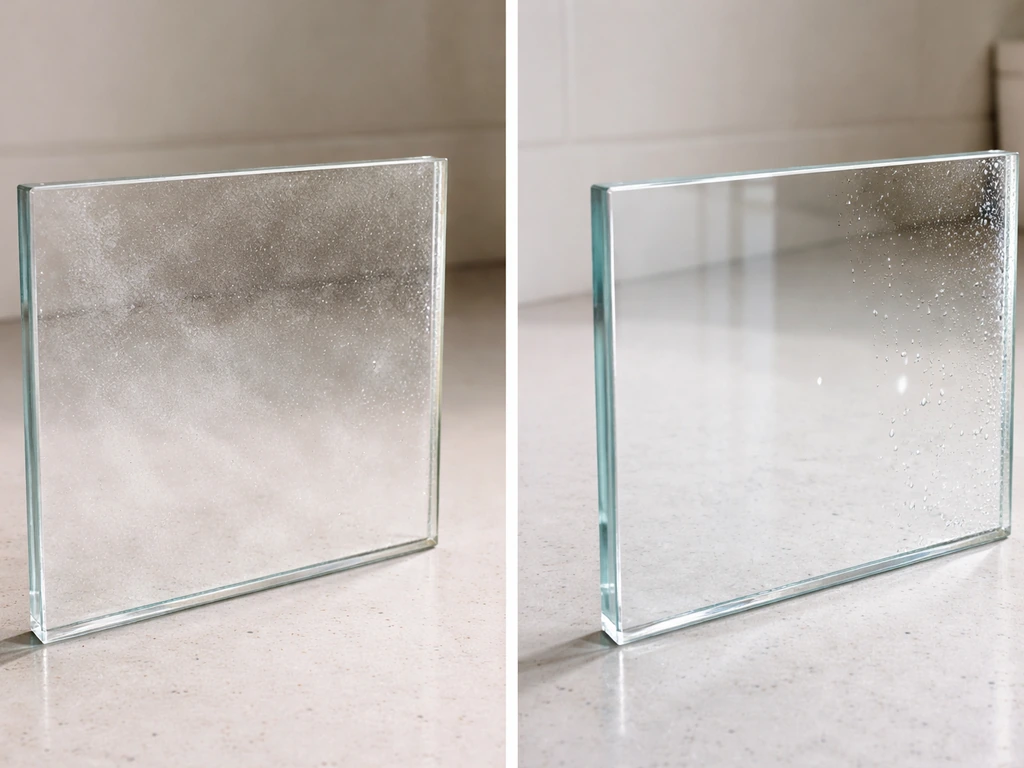
The single most important principle here is that cleaning and disinfecting are two separate steps, and you cannot skip the first. Disinfectants are not designed to cut through layers of organic soil. If a biofilm or food residue is sitting on the glass, the disinfectant gets neutralized or blocked before it ever reaches the bacteria underneath. Clean first, disinfect second, every time. The CDC’s 2008 guideline on disinfection and sterilization in healthcare facilities also emphasizes using proper protective measures such as gloves and adequate ventilation during disinfectant use, since occupational diseases have been associated with some disinfectant exposures Clean first, disinfect second, every time..
- Put on gloves before you start. Some disinfectants, including bleach and concentrated hydrogen peroxide, are irritating to skin and mucous membranes, and proper ventilation matters too, especially in small spaces.
- Wash the glass surface with warm water and a soap or detergent-based cleaner. Use a clean cloth or brush and physically scrub any visible soil, residue, or slime. This mechanical action is what physically disrupts and removes the biofilm matrix. Rinse thoroughly with clean water.
- Choose your disinfectant. For household glass, diluted sodium hypochlorite (household bleach) is effective and inexpensive. A common working dilution is roughly 1,000 ppm to 5,000 ppm (check your product label). Seventy percent isopropyl or ethyl alcohol is also effective for non-porous glass and dries quickly. Three percent hydrogen peroxide (standard pharmacy grade) works well and leaves no residue. Quaternary ammonium cleaners are another option, particularly for surfaces you want to wipe rather than soak.
- Apply the disinfectant and keep the surface visibly wet for the full contact time listed on the product label. This is the step most people rush. Contact time matters because disinfectants need dwell time to kill cells. Many EPA-registered disinfectants specify contact times of around 10 minutes for harder-to-kill pathogens. Do not wipe it off early.
- Rinse or allow to dry per the label instructions. Some disinfectants, like bleach solutions used on food-contact surfaces, require a final rinse with clean water. Alcohol-based disinfectants can be allowed to air-dry.
- Allow the glass to dry completely before storing or covering it. Moisture left after cleaning is essentially re-inviting bacteria to the table.
For particularly stubborn biofilm buildup, you may need to repeat the cleaning step more than once, or use a slightly abrasive pad to physically break up the EPS matrix before applying disinfectant. This is common in laboratory settings where biofilm-fouled glass needs thorough decontamination.
Keeping glass free from bacterial growth going forward
Prevention is genuinely easier than remediation once a biofilm is established. The goal is to deny bacteria the moisture and nutrients they need before they ever have a chance to attach.
- Dry glass surfaces after washing. Air-drying is convenient, but towel-drying and then allowing a brief air-dry removes moisture more completely, especially in humid kitchens or bathrooms.
- Minimize nutrient transfer. Rinse glasses and containers promptly after use to remove food or beverage residue. Fingerprints add organic material too, so handle clean glass by the edges or base when possible.
- Store glass items in clean, dry locations. Damp cabinets or dish racks that stay wet are common sources of recontamination.
- Establish a regular cleaning schedule. Waiting for visible dirt means biofilm has already had days or weeks to mature. A weekly wipe-down of glass surfaces in kitchens and bathrooms is a reasonable baseline.
- Control ambient humidity where practical. In spaces like bathrooms, use exhaust fans to reduce the moisture film that settles on glass surfaces after showers.
- Replace cloths and sponges used for cleaning regularly. A dirty sponge is a bacterial reservoir that can transfer organisms back onto a freshly cleaned surface.
It is worth noting that glass compares favorably to some other materials in terms of how cleanable it is. Because glass is non-porous, bacteria cannot penetrate the surface itself, which means thorough cleaning can fully remove a biofilm in a way that is harder to guarantee on porous materials. This is quite different from silicone or certain plastics, where surface texture can harbor cells in microscopic crevices. The same logic applies when you consider how bacteria behave on other non-porous surfaces versus materials with surface irregularities. Glass, when properly maintained, is actually one of the more hygienic surface materials you can use, the problem is simply that people assume its appearance tells the whole story.
The core takeaway is simple: glass does not stop bacteria, but your habits can. Remove the moisture, remove the nutrients, and clean before disinfecting. Does distilled water grow bacteria? Distilled water is low in nutrients, but if it gets contaminated or picks up organics, microbes can still grow. Do those things consistently, and glass stays as clean as it looks.
FAQ
How long can bacteria survive on glass if it dries out?
If the glass dries to a truly bone-dry state, active growth usually stops because there is no continuous moisture film for metabolism. However, some cells can remain dormant for a while on surfaces, so a quick rinse after drying is not the same as cleaning and disinfecting. If you later re-wet the same area, surviving cells can reactivate and rebuild biofilm.
Does using only disinfectant on a cloudy or slimy glass surface work?
Usually not by itself, because disinfectants struggle to penetrate or contact bacteria when organic residue and biofilm matrix are present. A practical rule is to do a mechanical clean first (soap, detergent, and scrubbing if needed), then apply the disinfectant. If the surface still feels slippery, you likely still have EPS or soil that needs more cleaning before disinfection.
What is the best way to clean biofilm from glass without damaging the surface?
Start with detergent and warm water, then use physical agitation to break the sticky EPS layer, a soft brush is often enough for thin film. For stubborn buildup, a non-scratch pad can help remove the matrix, then rinse thoroughly before disinfecting. Avoid harsh abrasives on specialty glass, like coated lenses or labware with markings, since micro-scratches can make future cleaning harder.
Can bacteria grow on glass even if I wash it with soap?
Yes, if any rinse steps leave behind a thin organic layer or if the glass stays wet long enough for a moisture film to persist. After washing, drying promptly matters, especially in humid kitchens or bathrooms. A drying rack that keeps items damp overnight can recreate the conditions bacteria need to attach and start building EPS.
Does the type of bacteria matter for how I should disinfect glass?
It matters mainly because some organisms are harder to eliminate and some biofilms are more persistent. For example, mature biofilms protect cells and can require more than one cleaning pass or stronger wet contact time. If you are dealing with suspected contamination from raw food, pets, or bodily fluids, treat it as a higher-risk soil, clean thoroughly, and ensure the disinfectant stays wet for the full recommended dwell time.
Why does cloudy glass sometimes come back after I disinfect it?
Reappearance is often from mineral scale (hard water) or from leftover organics that were never fully removed. Mineral deposits look chalky and crusty, they do not smear and will not behave like a biofilm. If it returns quickly after drying, check your water quality and drying method, and consider descaling separately from disinfection.
Is glassware more risky than plastic, or the other way around?
Glass is non-porous, so proper cleaning can usually remove biofilm more completely than on porous or textured plastics. However, bacteria can still form robust biofilms on glass when moisture, nutrients, and time are present. The difference is that with glass, thorough cleaning is more reliable, while uneven textures on some plastics can hide residue in micro-crevices.
Can bacteria grow on glass inside a refrigerator or freezer?
Cold temperatures can slow bacterial metabolism significantly, but they do not guarantee total prevention if the glass is contaminated and gets re-wetted by condensation or spills. In fridges, condensation and periodic temperature swings can create intermittent moisture films. If the glass contains organic residue, do a real clean, then dry it fully before returning it to cold storage.
How can I tell if a film on glass is biofilm versus hard-water scale?
Biofilm tends to feel slightly slimy or greasy and may smear or leave a smear-resistant film that does not rinse away easily. Hard-water scale is typically powdery or crusty, it forms where water evaporates repeatedly, and it often wipes off as residue rather than smearing. If you see colorful staining in a wet environment, that is more suggestive of biological pigments than mineral deposits.
Does boiling water sterilize glassware automatically?
Boiling can kill many microbes on contact, but it does not remove biofilm EPS or organic soil that can shield cells. If the glass has visible residue or a slimy layer, you should still clean first, then use boiling or an appropriate thermal method as the sterilization step. Also let the glass cool and dry properly to avoid recontamination after treatment.