A urine culture that 'did not grow bacteria' means the lab found fewer than the threshold number of bacteria needed to call a result positive, or found none at all. It does not automatically mean your urinary tract is healthy or that nothing is wrong. Depending on when you collected the sample, whether you had already taken antibiotics, and how the sample was handled before it reached the lab, a negative culture can easily be a false negative. And even when the negative result is genuine, bacteria are not the only thing that can make your urinary tract burn, ache, or send you sprinting to the bathroom every 20 minutes.
Urine Culture Did Not Grow Bacteria: Next Steps

Marcus Holloway
11 Jun 2026
What a 'no growth' result actually means from the lab's perspective
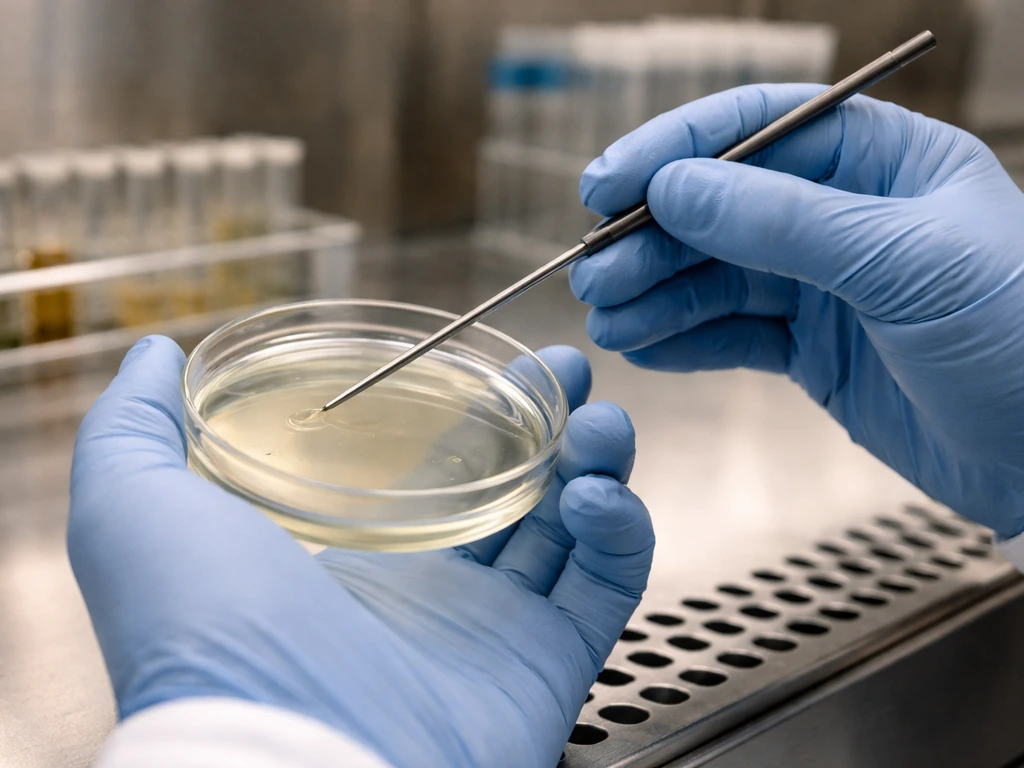
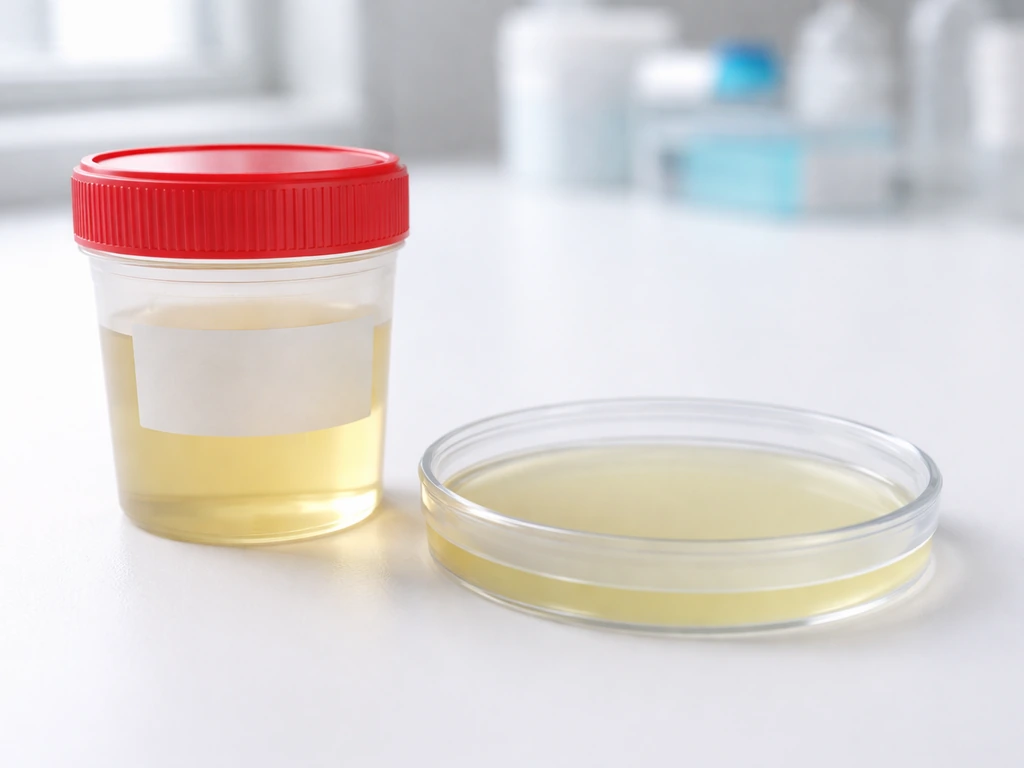
When your sample arrives at the lab, a technician uses a calibrated loop to plate a precise microliter volume of your urine onto culture media, then places those plates in an incubator set to about 35 to 37 degrees Celsius, which is close to normal human body temperature. After roughly 20 hours, a microbiologist examines the plates for visible colonies. If nothing obvious is growing, the plates may get an additional day of incubation before a final call is made. The key point here is that labs are looking for bacteria to grow, and growth requires the right conditions and enough starting bacteria to produce countable colonies.
Most labs use quantitative thresholds to decide what counts as a clinically meaningful result. The standard cutoff for a voided (clean-catch) urine specimen is around 10^5 CFU/mL (colony-forming units per milliliter), a threshold that comes from IDSA guidelines. Some labs can detect growth down to about 10^4 CFU/mL with specific workflows, but anything below that typically gets reported as 'no significant growth' or simply 'no growth.' So the report is not saying your urine was sterile in an absolute sense. It is saying bacterial counts fell below the detection cutoff. That distinction matters a lot when you are trying to figure out what happened.
The most common reasons a urine culture comes back negative
False negatives are surprisingly common, and most of them trace back to one of a handful of practical problems that happen before the sample even reaches the incubator.
You had already taken antibiotics
This is the single biggest culprit. Even a single antibiotic dose can begin suppressing bacterial counts in urine within hours. Research tracking urine culture sterilization after a first antibiotic dose found that an interval of more than 9 hours between taking the antibiotic and collecting the sample was an independent predictor of a negative culture result.
A prospective observational study quantified how urine culture sterilization timing depends on defined CFU thresholds after a first antibiotic dose, including lower detectable limits for men and women prospective observational study tracked urine culture sterilization after a first antibiotic dose.
So if you took a trimethoprim tablet on Tuesday morning and then gave a sample Tuesday afternoon because your symptoms persisted, there is a good chance the antibiotic already drove counts below the detectable threshold even if the infection was very real.
The sample sat around too long before being plated
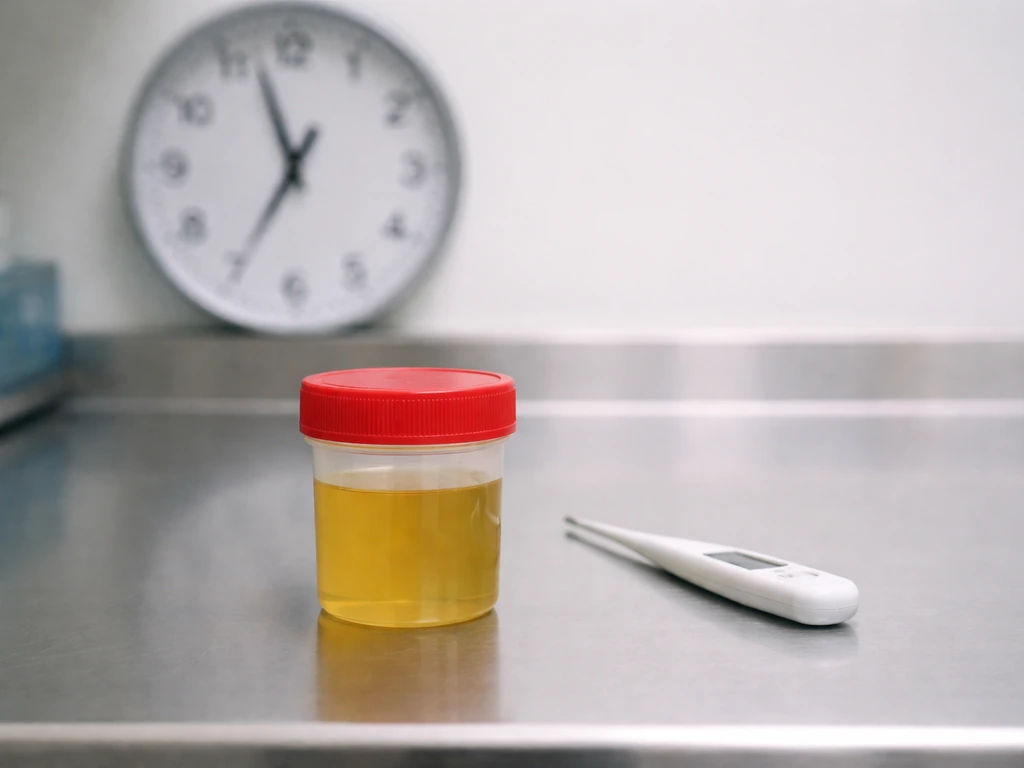
Urine left at room temperature for more than about 2 hours becomes unreliable for culture. Bacteria in the sample can multiply (inflating counts and producing false positives) or, in some cases, conditions in the tube can begin to affect viability. Some guidance recommends urine be plated within 2 hours or refrigerated immediately if transport will take longer. If you collected your sample at home and then stopped for coffee before dropping it at the lab, that delay matters. Preservative transport tubes exist precisely to prevent this, but not everyone gets them or uses them correctly.
Incorrect collection technique
Clean-catch midstream collection requires catching the middle portion of the urine stream after thorough cleaning of the urethral opening. If you did not clean properly, started collecting too early, or filled the container less than the minimum required line on the transport tube, the culture quality suffers. Under-filled tubes change the urine-to-preservative ratio, which can affect bacterial viability and growth on the plate.
Low bacterial count (below detection threshold)
Some real UTIs, especially early or mild infections, involve bacterial counts genuinely below 10^5 CFU/mL. This is more common in men, in people who drink a lot of fluids (diluting the urine before collection), and in people with early-stage infections. Some labs apply lower thresholds for certain specimen types, like catheter samples, but standard clean-catch reporting often misses these low-count infections entirely.
Fastidious or slow-growing organisms
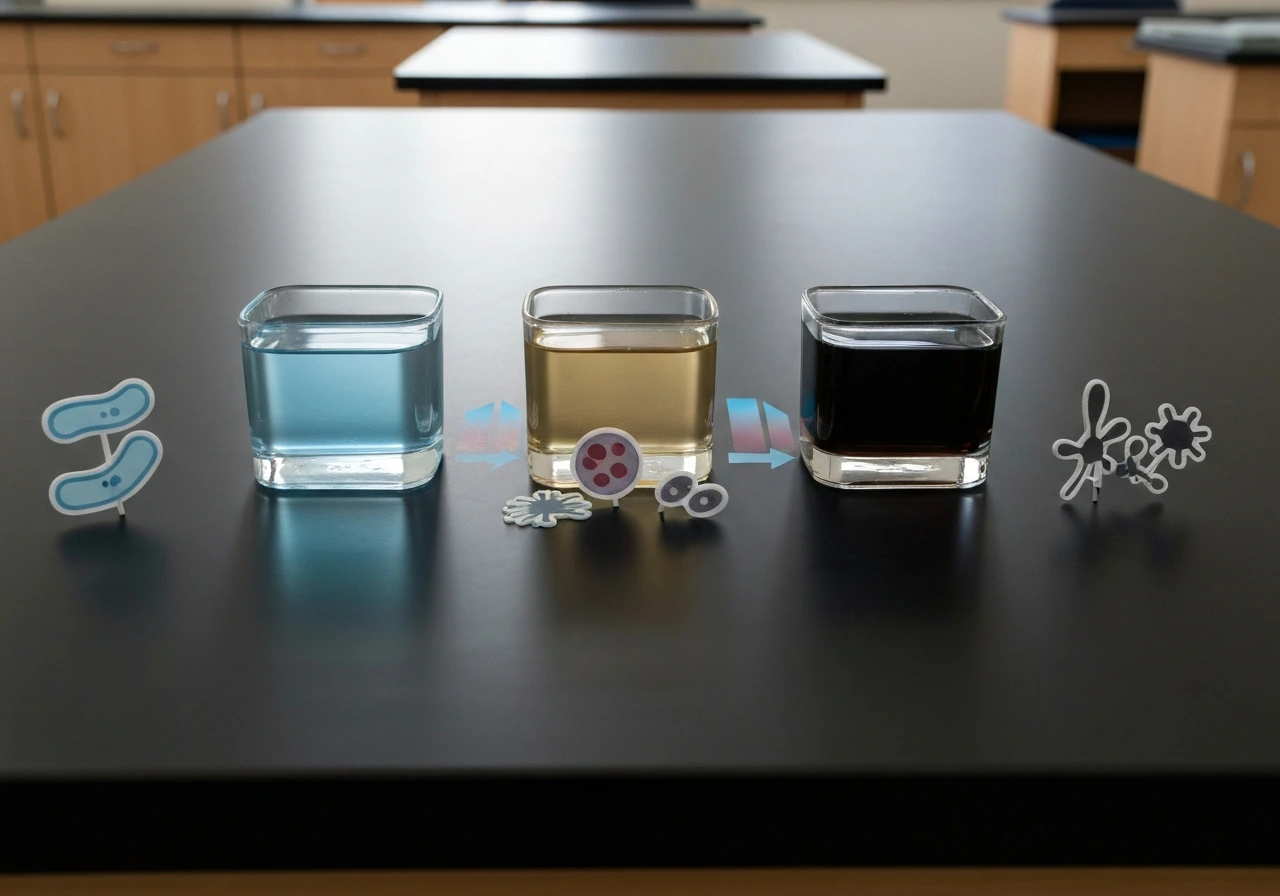
Most labs optimize their culture conditions for the common uropathogens like E. coli and Klebsiella. Organisms that are finicky about nutrients, oxygen levels, or pH, sometimes called fastidious organisms, may not grow well on standard media under standard incubation conditions. Different organisms have different nutritional requirements, so some may not grow on standard nutrient agar even if they are present standard media may not support every organism.
Bacteria like Ureaplasma, some anaerobes, and certain Lactobacillus species (which grow best in specific low-oxygen, slightly acidic environments) simply will not show up on a routine urine culture plate even when they are present. Lactobacilli grow best under specific low-oxygen, slightly acidic environments that routine urine culture plates may not replicate.
This connects to a broader principle in microbiology: every organism has its own specific growth requirements, and culture media that suits one species can be completely inhospitable to another.
How to read 'no growth' vs contamination vs mixed flora
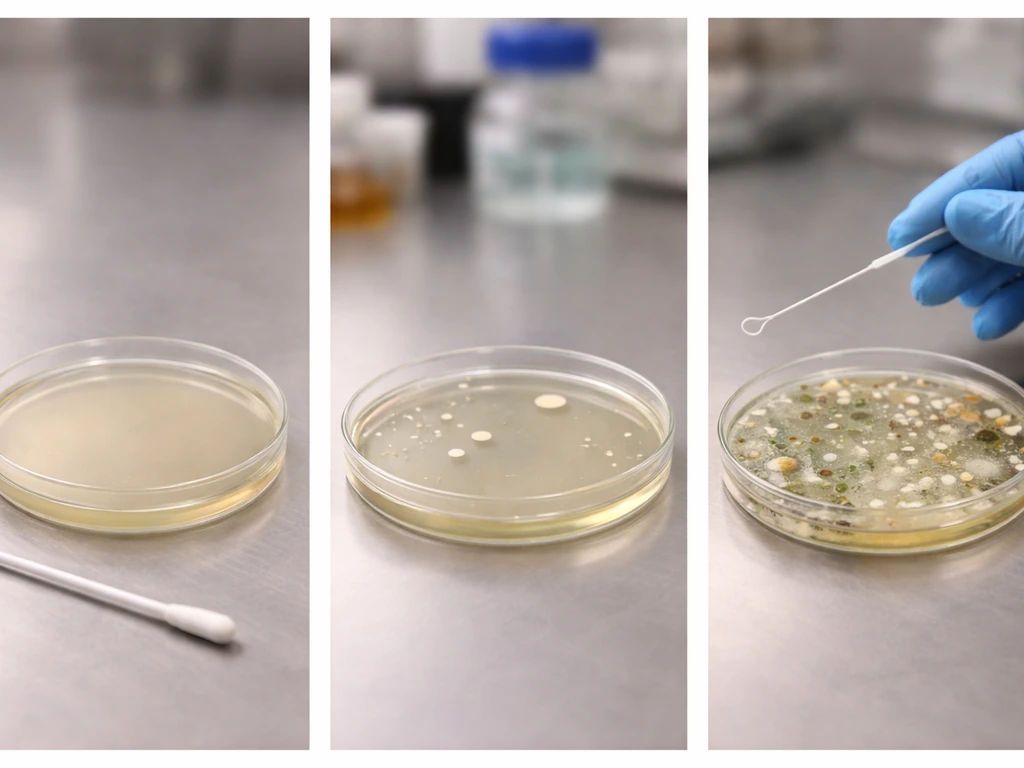
Labs do not just report 'positive' or 'negative.' They use a few distinct categories, and knowing which one applies to your result changes what you should do next.
| Lab report language | What it means | What usually happens next |
|---|---|---|
| No growth | Bacterial counts below detection threshold or truly zero | No organism identified or treated; clinical correlation needed |
| No significant growth | Some growth detected but below clinical cutoff (often <10^4 to 10^5 CFU/mL) | Generally treated as negative; low-count result flagged for clinical judgment |
| Mixed flora / mixed growth | Multiple different organisms growing, suggesting contamination from skin or vaginal flora | Culture often not acted on; repeat collection with better technique usually recommended |
| Pure culture with identification | One organism growing above threshold; identification and susceptibility testing performed | Organism named, antibiotic sensitivities reported |
Mixed flora results deserve a specific note. When a lab sees multiple species growing together, it is a strong sign that the sample was contaminated during collection, picking up organisms that live normally on skin or around the urethral opening. CDC surveillance definitions actually exclude mixed flora results from counting as positive UTI events for this reason. So a mixed flora report is not a positive culture, but it is also not a reliable negative. It is really a 'please try again with better technique' result.
When a negative culture still deserves attention
If your culture is genuinely negative and your symptoms are real, bacteria may simply not be the cause. This is not unusual. Several well-recognized conditions produce burning, urgency, frequency, and pelvic discomfort with completely sterile urine cultures.
- Sexually transmitted infections (STIs) like chlamydia and gonorrhea are among the most common mimics of UTI, especially in younger sexually active people. These organisms do not grow on standard urine culture plates. Chlamydia trachomatis and Neisseria gonorrhoeae require nucleic acid amplification testing (NAAT), not culture, for detection. Mycoplasma genitalium, another urethritis cause, is also only reliably detected by NAAT.
- Viral cystitis (most commonly from adenovirus or BK virus, especially in immunocompromised individuals) can cause significant bladder symptoms with no bacterial growth.
- Fungal infections, usually from Candida species, can cause urinary symptoms and will not grow on standard bacterial culture media. If you have been on prolonged antibiotics, are diabetic, or are immunocompromised, a fungal culture or urinalysis looking for yeast may be warranted.
- Interstitial cystitis/bladder pain syndrome (IC/BPS) is a chronic bladder condition defined in part by bladder or pelvic pain symptoms persisting with repeatedly sterile urine cultures. The AUA diagnostic process for IC/BPS actually requires ruling out infection, and their guideline notes that documented negative urine cultures for at least 6 weeks is part of the diagnostic picture.
- Urethritis from non-infectious irritants, including soaps, spermicides, latex, or hygiene products, can produce the same burning symptoms as a bacterial UTI.
- Bladder irritation from caffeine, alcohol, spicy foods, or concentrated urine is a real phenomenon, particularly in people prone to bladder hypersensitivity.
- Urinary tuberculosis is rare but worth mentioning because Mycobacterium tuberculosis will not grow on standard culture plates and produces what is called 'sterile pyuria' (white cells in the urine with no bacterial growth), and it is explicitly listed by the CDC as a cause of UTI-like symptoms that standard cultures will miss.
What to test next and when to push for more answers

The right next step depends on what your symptoms look like and who you are. Here is a practical framework for thinking through follow-up.
Repeat urinalysis with microscopy
A standard urinalysis (UA) checks for white blood cells (WBCs), red blood cells, nitrites, and leukocyte esterase. If your UA shows WBCs in the urine (pyuria) but the culture is negative, that combination is a strong signal that something is still going on, just not a standard bacterial infection. Pyuria with a negative culture should prompt further investigation, not dismissal. The CDC explicitly notes that urethritis can be supported by leukocyte esterase or 10 or more WBCs per high-power field on first-void urine microscopy.
NAAT testing for STIs
If you have any possibility of STI exposure, NAAT testing for chlamydia, gonorrhea, and mycoplasma is essential and should not be skipped just because the urine culture was negative. For men, a first-catch urine sample (the very first part of the urine stream, not midstream) is the optimal specimen for STI NAAT. For women, a vaginal swab generally performs better. CDC guidelines recommend NAAT for C. trachomatis and N. gonorrhoeae in anyone meeting urethritis criteria, even if microscopy results are unavailable.
Repeat urine culture with corrected technique
If your original sample had any collection or handling problems (you took antibiotics recently, you were unsure of the technique, or the sample sat for a while), it is worth repeating the culture with careful clean-catch technique and immediate delivery to the lab. Ask for the culture to be sent before you take any antibiotics this time.
Fungal and specialized cultures
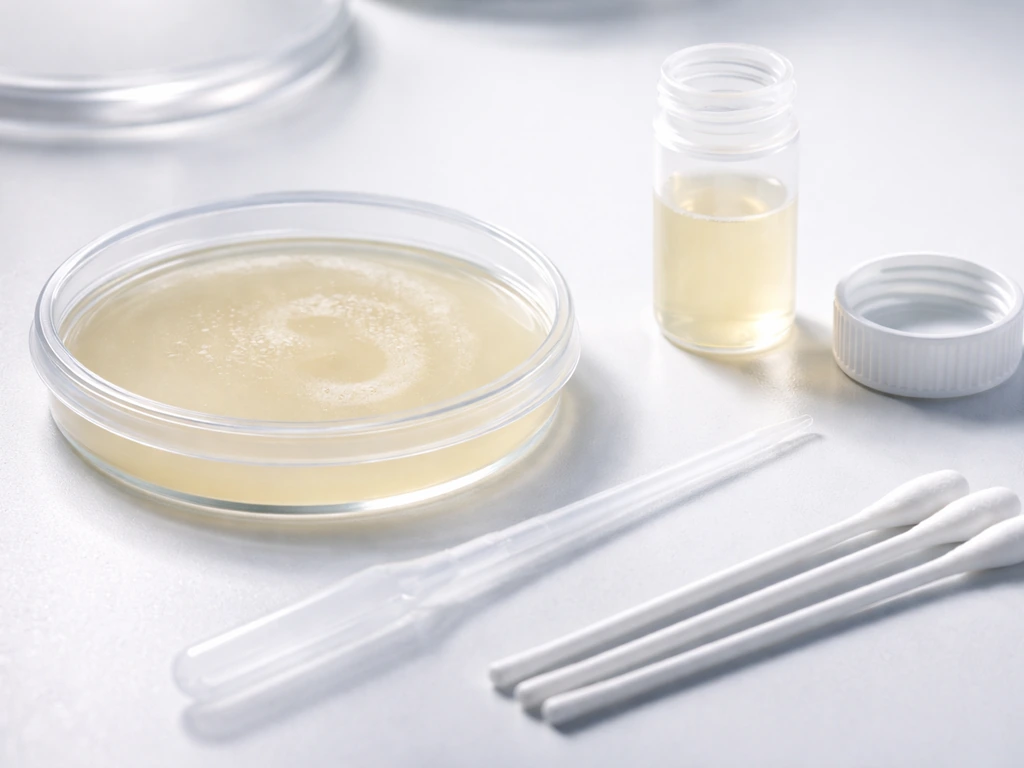
If you are immunocompromised, diabetic, or have been on broad-spectrum antibiotics for a prolonged period, ask specifically about fungal urine culture or urinalysis for yeast. Standard bacterial culture plates will not grow Candida reliably in the same workflow.
Imaging and urology referral
If symptoms have been going on for weeks, you have had multiple negative cultures, you have blood in the urine, or you have pelvic pain that does not fit a simple UTI pattern, a urology referral is the right move. Imaging (ultrasound or CT of the urinary tract) can detect structural problems, stones, and in rare cases, bladder cancer, which can also present with urinary symptoms and should not be overlooked if standard infection workup is repeatedly negative. Cystoscopy may be recommended to directly examine the bladder.
What to do about treatment when the culture is negative
This is the part where people most want a clear answer, and the honest one is that it depends on your clinical picture. Here is how the decision-making usually breaks down.
Watchful waiting and symptom relief
For mild or improving symptoms in an otherwise healthy person, watchful waiting is a reasonable starting point. Hydration, urinary analgesics like phenazopyridine (which numbs the lining of the urinary tract and turns urine orange, worth knowing), and avoiding bladder irritants can help manage discomfort while you figure out what is going on. A randomized trial found that neither dipstick nor urine culture compared with empiric antibiotic therapy improved symptom outcomes in uncomplicated lower urinary tract symptoms, suggesting that many cases resolve regardless of antibiotics.
When empiric antibiotics might still make sense
If your symptoms are severe, you had collection or timing problems that make the negative culture unreliable, or your urinalysis strongly suggests infection (lots of WBCs, positive nitrites, positive leukocyte esterase), a clinician may still reasonably start empiric antibiotics, meaning antibiotics chosen based on clinical judgment rather than culture results. This should come with a plan to reassess, and ideally a repeat culture should be obtained before starting the antibiotics.
When to avoid antibiotics
If the culture is genuinely negative, symptoms are mild, and no other signs of infection are present, taking antibiotics is unlikely to help and carries real downsides, including disrupting your normal microbiome, increasing resistance, and potentially masking an underlying non-bacterial cause. IDSA and CDC stewardship guidance is consistent here: asymptomatic bacteriuria should not be treated with antibiotics (the threshold for treatment is symptoms plus bacterial growth), and a negative culture without a strong clinical reason to suspect false negative should not automatically trigger an antibiotic course.
How to get a better urine culture result next time
If you need to repeat a culture or want to reduce the chance of another unhelpful result, these practical steps make a real difference.
- Collect before taking any antibiotics. Even one dose can suppress bacterial counts enough to produce a false negative within hours. If you have already started a course, let your clinician know so they can factor that into how they interpret the result.
- Use the first morning urine if possible. Urine sits in the bladder overnight, giving bacteria more time to multiply to detectable levels. First morning samples tend to have higher bacterial counts when infection is present.
- Follow the clean-catch midstream technique carefully. Clean the urethral opening with the provided wipes, let the first small stream go into the toilet, then collect the middle portion. Fill the transport tube to at least the minimum fill line.
- Get the sample to the lab quickly. Unpreserved urine should be plated within 2 hours of collection. If you cannot guarantee that, ask for a preservative transport tube, which stabilizes the sample for longer transport. Do not leave the sample in your car or bag for hours.
- Tell the lab if you need a low-count culture. If your clinician suspects infection with low bacterial counts (for example, in a man with UTI symptoms, or in a dilute urine sample), they can request a low-count workflow that detects growth down to 10^3 to 10^4 CFU/mL rather than the standard 10^5 CFU/mL threshold.
- Tell your clinician about recent antibiotics, supplements, or herbal preparations. Some compounds have antimicrobial activity and can suppress growth on culture even when they are not prescription antibiotics.
- If a mixed flora result comes back, repeat the sample, do not try to interpret it as a positive. Focus on strict collection technique the second time.
The microbiology behind why cultures miss things
It helps to understand why these detection limits exist in the first place. Culture-based detection requires bacteria to be present in enough numbers, with the right metabolic activity, to produce visible colonies on a plate after incubation at a specific temperature for a specific duration. Every step introduces a potential failure point.
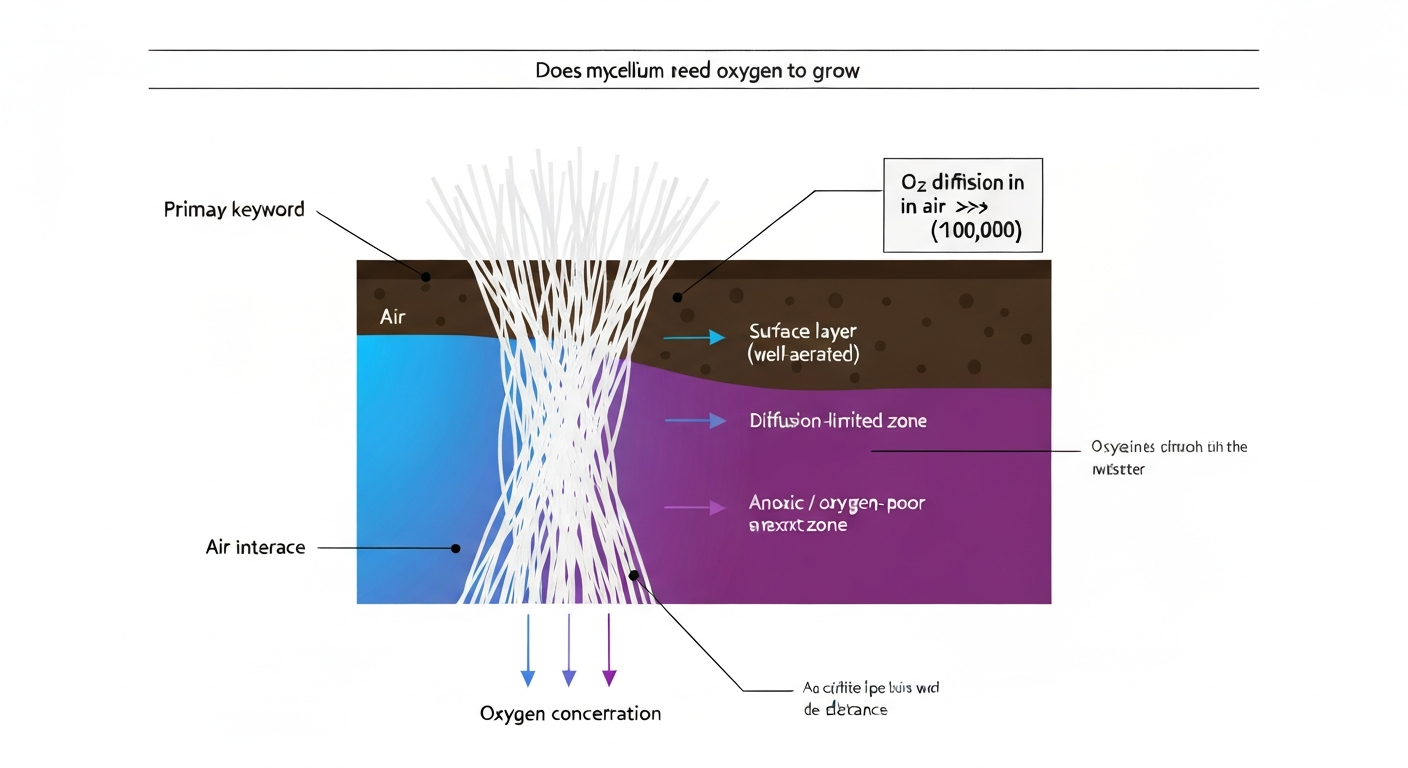
Just as bacteria in food storage fail to grow if temperature, moisture, or nutrients fall outside their required range (principles that apply equally in the lab), bacteria in a urine culture fail to grow if counts are too low, if the organisms have been suppressed by antibiotics, if the media does not suit their nutritional needs, or if the sample degrades before plating.
That is also why some organisms, including certain viruses, cannot be grown on standard agar plate media even if nutrients are present nutritional needs. Standard culture plates are designed for the most common uropathogens and their growth requirements.
Organisms with different oxygen requirements, different optimal pH, or different nutrient needs simply will not show up, much like how organisms that thrive under anaerobic conditions or very specific pH ranges will not grow on a standard plate left in open air.
That is not a flaw in the system for routine cases, but it does mean that a negative result is always a negative under specific conditions, not an absolute statement about what is or is not in your urine.
Understanding that culture is a conditional test, not a perfect detector, is the most useful reframe you can apply to a confusing 'no growth' result. It means a negative answer opens a door to further investigation rather than closing the conversation. If your symptoms are real, keep pushing for answers.
FAQ
If my urine culture shows no growth, should I still treat the symptoms as a UTI while waiting to see the clinician?
Often yes for comfort, but not automatically with antibiotics. You can use hydration and urinary pain relief as directed, and request a plan that includes repeat testing if the first sample was compromised (timing, prior antibiotics, or technique). If you have fever, flank pain, pregnancy, a kidney condition, or worsening symptoms, seek urgent care rather than waiting.
What does “mixed flora” on the report mean, and how is it different from “no bacteria grew”?
Mixed flora usually means multiple organisms grew together, which commonly points to contamination during collection rather than a single clear infection. It is not the same as true no-growth, so clinicians often recommend repeating the culture with strict clean-catch technique (sometimes using a first-catch sample if urethral symptoms suggest an STI).
My urinalysis had white blood cells but the culture was negative. Does that always mean infection is gone?
No. Pyuria with negative culture usually means something is still causing inflammation, but it may be non-bacterial (STI-related urethritis, irritation, stones, interstitial cystitis) or an organism not detected by routine culture. Ask whether the urine was “first-void” for microscopy, and whether STI NAAT and repeat urine testing were considered before antibiotics.
If I already took antibiotics, can the urine culture still come back negative even if I truly had a UTI?
Yes, antibiotic exposure can suppress bacterial growth enough to fall below detection. If antibiotics were taken recently, ask for a repeat culture using proper timing and technique, ideally before the next antibiotic dose, because a second sample can change the interpretation.
How long can I wait to deliver the urine sample before the results become unreliable?
As a rule, delays beyond about 2 hours at room temperature can reduce reliability, and earlier refrigeration or rapid delivery is preferred. If you cannot deliver quickly, ask what collection method your facility wants (for example, transport/preservative tubes) so the lab can maintain organism viability for culture.
What specimen type should be used if STI urethritis is a concern and my culture was negative?
If urethritis is possible, a first-catch urine specimen is typically preferred for NAAT in men (the initial portion of the stream). If you are female, a vaginal swab often performs better than a midstream urine sample. Confirm the specimen type with the testing site to avoid false negatives from wrong collection.
Could my symptoms be from yeast or something fungal if the bacterial culture was negative?
Yes, especially if you are immunocompromised, have diabetes, or used broad-spectrum antibiotics. Standard bacterial culture does not reliably detect Candida in the same workflow, so ask specifically whether yeast microscopy or fungal urine culture is appropriate.
If I have repeated negative cultures but persistent urinary burning, when should I push for imaging or referral?
If symptoms last weeks, repeat cultures are negative, you have blood in the urine, or pelvic pain does not match a typical uncomplicated UTI pattern, a urology evaluation is usually appropriate. Imaging can help identify stones or structural issues, and cystoscopy may be considered to directly assess the bladder lining.
Are there cases where antibiotics are still reasonable even with a negative culture?
Sometimes, a clinician may start empiric antibiotics when symptoms are severe, urinalysis strongly suggests infection, or the initial culture is suspected to be unreliable due to timing or collection issues. The key is reassessment and obtaining or repeating cultures when possible, so treatment is not continued indefinitely if another diagnosis fits better.
How can I avoid another false “no growth” result if I need a repeat culture?
Use thorough cleaning for clean-catch technique, collect the correct portion of the stream as instructed, fill the container to the required line, and deliver promptly. If the previous sample was collected after antibiotics or after a long delay, tell the clinician so they can time the repeat collection correctly and decide whether NAAT or alternative cultures should be added.