If your LB/amp plate is completely blank after incubation, the most likely culprits are degraded ampicillin, too few cells plated, a strain that never had working ampicillin resistance, or an incubation problem. Any one of those is enough to give you zero colonies, and the fix is running a simple set of controls to figure out which one actually happened. Here is how to work through it fast.
Why Did No Bacteria Grow on the LB Amp Plate? Troubleshooting

Marcus Holloway
16 Jun 2026
First, confirm what an LB/amp plate actually is
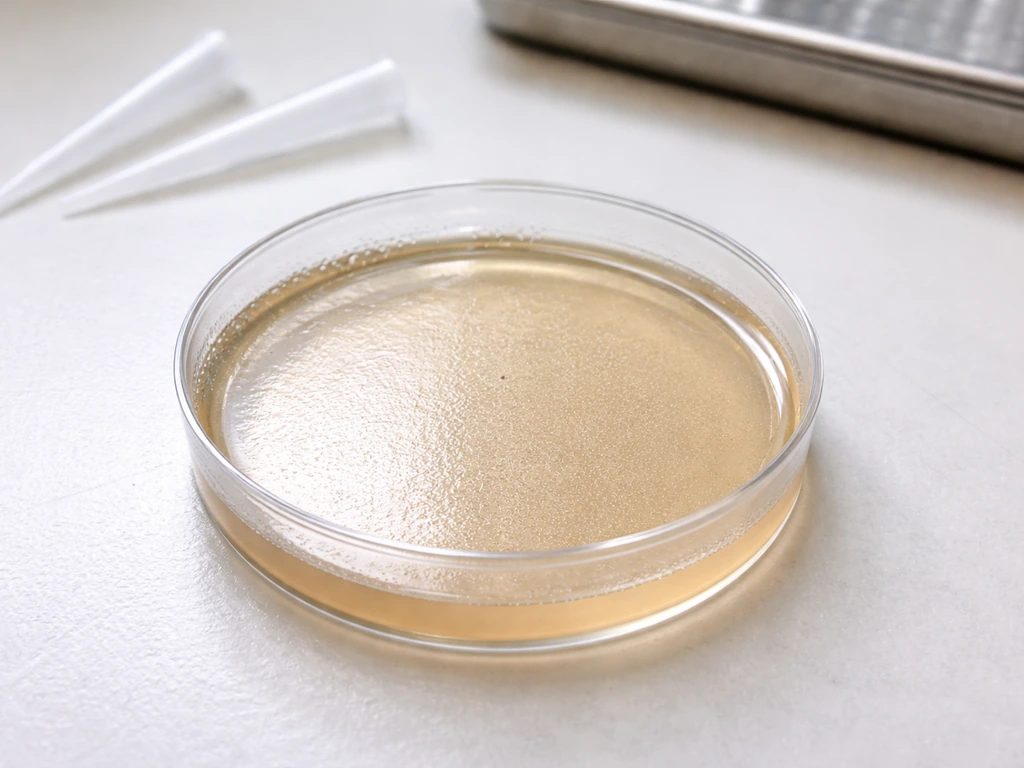
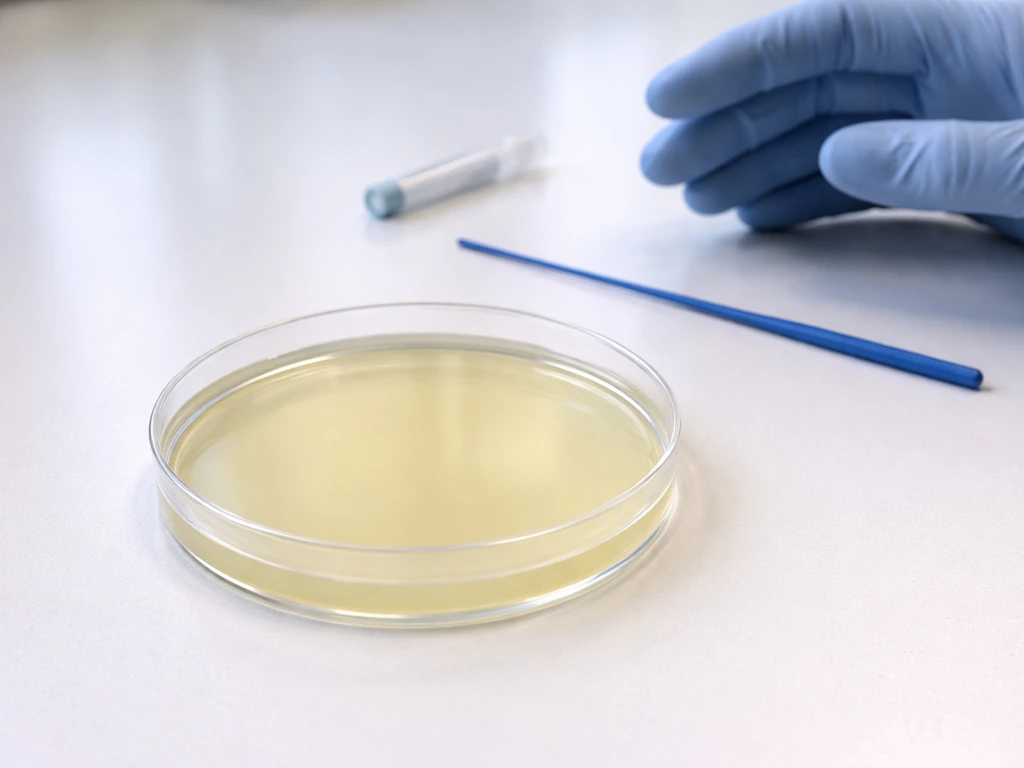
LB stands for Lysogeny Broth (sometimes called Luria-Bertani). A standard LB agar plate is made from 10 g tryptone, 5 g yeast extract, 10 g NaCl, and 15 g agar per liter of water. MCLAB also describes Miller-style LB agar as 1. 0% tryptone, 0.
5% yeast extract, 0. 5% NaCl, and 1. 5% agar [A standard LB agar plate is made from 10 g tryptone, 5 g yeast extract, 10 g NaCl, and 15 g agar per liter of water. ](https://mclab.
com/mc/lb-agar-plates/). Those nutrients support vigorous growth for most common lab bacteria like E. coli. The '/amp' part means ampicillin was added to the molten, cooled agar before pouring, at a [final concentration of 100 µg/mL](https://openwetware.
org/wiki/Fong%3AAntibiotics). That is the standard working concentration used across most molecular biology labs, made by diluting a 100 mg/mL stock solution 1000-fold (1 µL of stock per mL of molten agar, or 1 mL per liter).
So an LB/amp plate is a rich nutrient plate with a selective filter baked in. Only bacteria that can survive ampicillin exposure are supposed to grow. If nothing grows, either no suitable bacteria reached the plate, or something went wrong with the selective system, the media, or the incubation. Those are very different problems, and the rest of this article walks you through each one.
How ampicillin actually kills bacteria (and why resistance matters)
Ampicillin is a beta-lactam antibiotic. It works by interfering with bacterial cell wall synthesis, specifically by blocking the enzymes that cross-link peptidoglycan strands. Without a functional cell wall, bacteria lyse as they try to grow and divide. This means ampicillin is bactericidal and works by targeting actively dividing cells, not resting ones.
The most common resistance mechanism in lab strains is a gene called bla, which encodes beta-lactamase. This enzyme is secreted into the periplasm and actively breaks down ampicillin before it can do damage. Plasmids carrying bla allow transformed bacteria to grow on amp plates because they destroy the antibiotic in their local environment. This is also why 'satellite colonies' (tiny colonies that appear near real resistant colonies after extended incubation) exist: the beta-lactamase diffuses into the surrounding agar and protects sensitive bystander cells. If your plate was left too long, those satellites can make it look like you have more resistant colonies than you really do. If your plate has nothing at all, the problem is the opposite.
The key biological point is this: ampicillin does not just slow growth. At 100 µg/mL it kills susceptible cells efficiently, so any bacteria that lack functional bla expression will leave zero colonies. If your strain never received the resistance gene, lost the plasmid, or has a damaged bla, you will see a completely blank plate. That looks exactly the same as a plate where the antibiotic degraded, or where nothing was inoculated properly. That is why controls are so important, as covered at the end of this article.
The most common lab mistakes that cause no growth
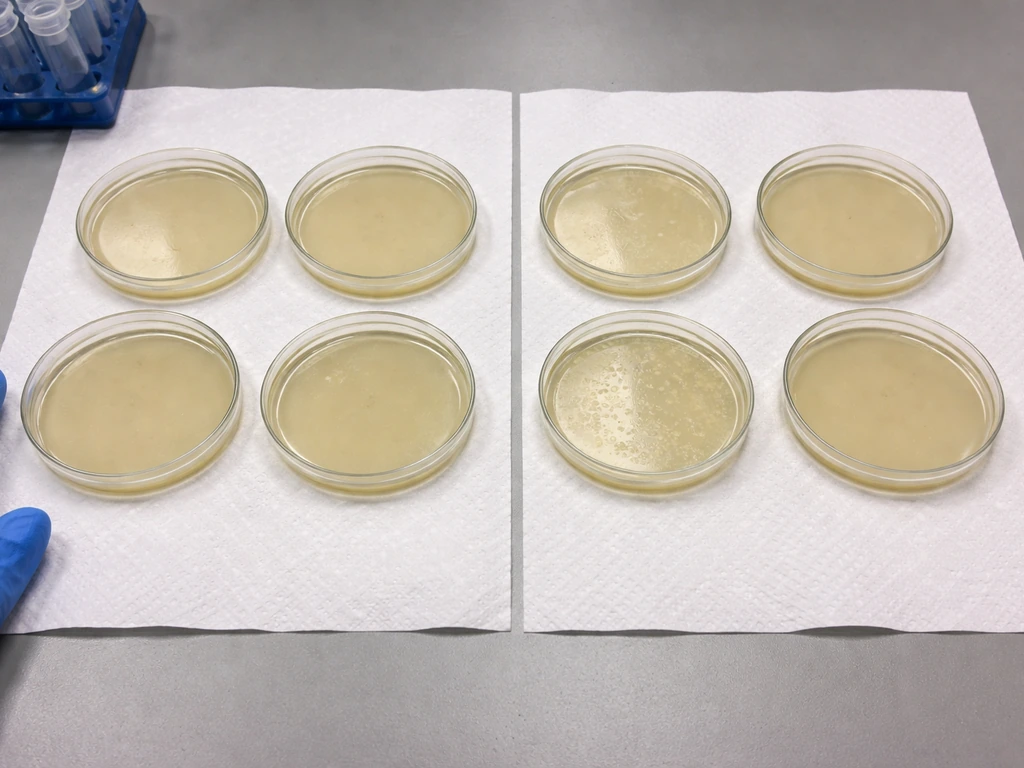
In a teaching or first-year research lab setting, procedural errors account for the majority of blank amp plates. Here are the ones that come up most often:
- Forgetting to add ampicillin: The plate looks identical whether or not ampicillin was added. If you plated a susceptible strain on a plate that accidentally had no antibiotic, you would expect a lawn of growth, not zero colonies. Blank growth on a supposedly amp-free plate points toward a different problem.
- Adding ampicillin at the wrong concentration: If you used the stock at full strength (100 mg/mL) instead of diluting it, the final concentration could be 1000-fold too high, which would kill everything including resistant strains. Double-check your dilution math.
- Adding ampicillin to agar that was too hot: Ampicillin degrades rapidly above 50°C. If you added it to agar that just came off the heat (>60°C), you may have destroyed most of the antibiotic before pouring. This usually results in no selection (a lawn grows) rather than no growth, but it can create inconsistent results.
- Too few cells in the inoculum: Transformation efficiency can be low, and if you only have 10 or 20 viable transformed cells in your entire plating volume, plating only 10% of the reaction could easily give you zero colonies purely by statistics. Plate more of the transformation mix.
- Poor resuspension or cell damage: Pipetting transformed cells too aggressively, using ethanol-contaminated tips, or vortexing a delicate cell prep can kill cells before they reach the plate.
- Streaking from the wrong colony: If you picked a colony from a contaminated plate or a non-resistant strain for a streak plate or subculture, the resulting growth (or lack of it) on LB/amp will reflect that strain, not the one you intended.
- Expired or improperly stored culture: Frozen glycerol stocks that have thawed and refrozen multiple times, or liquid cultures that sat at room temperature too long, may have very low viability.
Plate and media quality: the silent failure mode
Even if your technique was perfect, the plate itself can be the problem. LB agar has a relatively simple recipe, but mistakes during preparation or storage have real consequences.
Media preparation errors
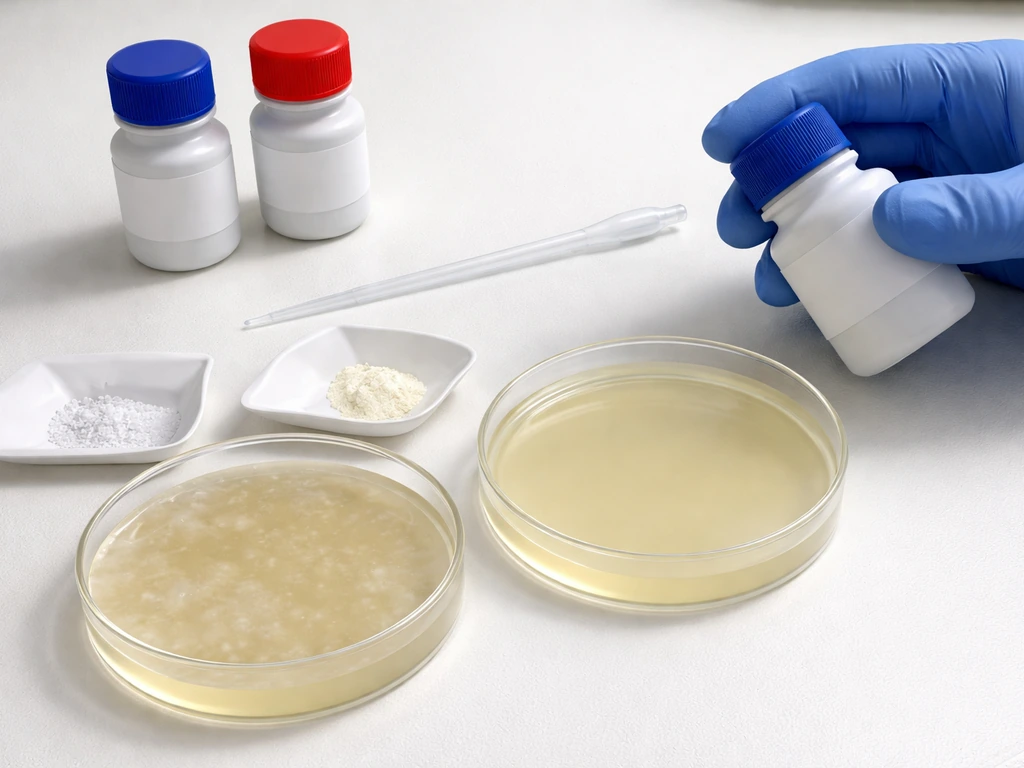
- Wrong LB recipe: Using too much NaCl, too little tryptone, or the wrong agar percentage changes the plate's supportive capacity. Check that your recipe matches standard Miller LB (1% tryptone, 0.5% yeast extract, 0.5% NaCl, 1.5% agar).
- Agar not fully dissolved: Incomplete autoclaving or insufficient mixing can leave pockets of uneven agar or incompletely dissolved components, which affects both plate consistency and nutrient availability.
- Ampicillin added unevenly: If the stock was not vortexed before use, or if the molten agar was not swirled gently after adding ampicillin, you can get hot spots of very high concentration and zones with barely any antibiotic. Neither scenario produces reliable results.
Storage and age problems
Ampicillin is one of the least stable antibiotics used in the lab. At room temperature, it degrades within hours to days. Even in agar plates stored at 4°C, ampicillin loses significant activity after 2 to 4 weeks. If your plates have been sitting in the cold room for two months, the ampicillin may be largely gone.
The result is that sensitive bacteria grow freely (you see a lawn) rather than getting killed. However, if the agar itself has dried out significantly, plate surface conditions may be hostile enough to inhibit growth entirely, giving you a false blank. Plates stored for too long at room temperature before use can also accumulate contamination or lose moisture to the point where colonies cannot form properly.
Pre-poured commercial plates (such as those sold with 100 µg/mL ampicillin confirmed) sidestep the preparation error issue, but they still have expiration dates and still need to be stored at 4°C and used within the stated window. If you grabbed a commercial plate from an unmarked bag in the back of the fridge, verify when it was manufactured.
Incubation conditions: temperature, time, orientation, and dryness
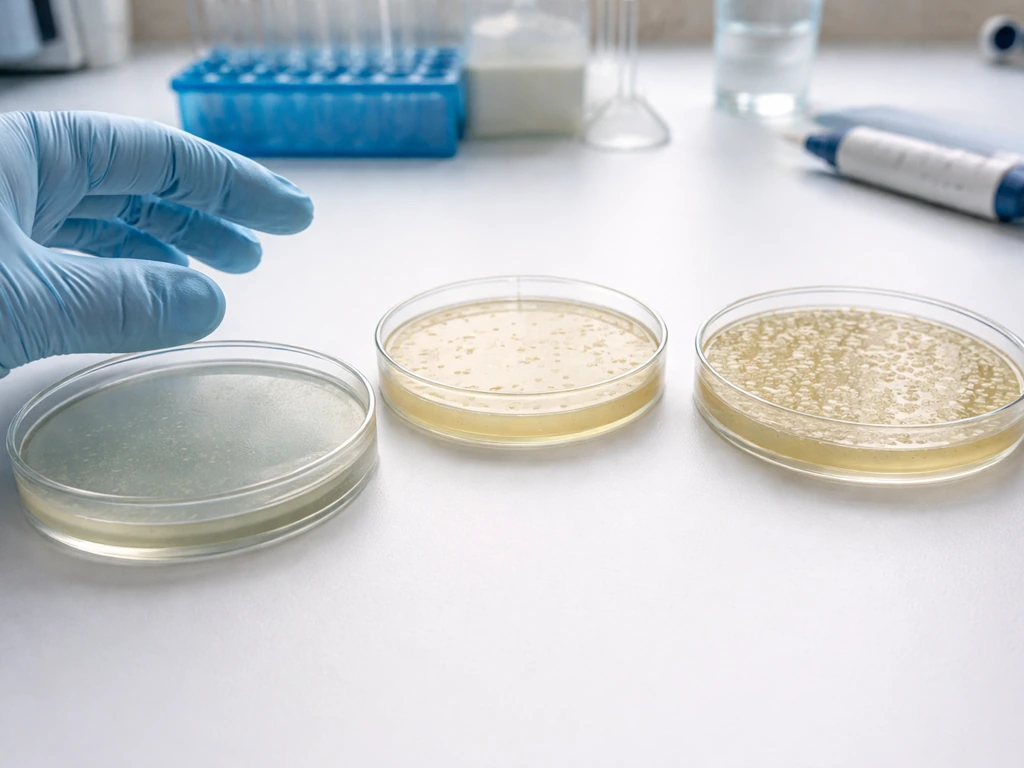
Getting the incubation right matters more than most beginners expect. The standard condition for E. coli on LB/amp is 37°C, inverted (agar side up), for 12 to 16 hours. If you are wondering about how lactobacilli grow best under different conditions like temperature, remember that incubation temperature strongly affects visible colony formation on selective plates like LB/amp 37°C. Deviating from any of those parameters can prevent visible colony formation.
| Condition | Standard for E. coli | What goes wrong if off |
|---|---|---|
| Temperature | 37°C | Too low (e.g., 25°C) slows growth dramatically; colonies may not appear in 16 hours. Too high (above 42°C) can denature proteins and kill cells. |
| Time | 12–16 hours | Under 8 hours often produces no visible colonies even from a good plate. Over 24 hours risks satellite colony explosion and media drying. |
| Orientation | Agar side up (inverted) | Agar side down causes condensation to drip onto the surface, spreading colonies or making them fail to form discrete spots. |
| Plate moisture | Slight surface dryness before use | Wet plates: inoculum pools and does not spread. Overly dry plates: colonies desiccate and fail to form. |
| Atmosphere | Aerobic (open incubator) | E. coli is a facultative anaerobe and grows well aerobically. Sealed containers without oxygen exchange can limit growth. |
One often-overlooked issue is incubating plates inside a sealed bag or container to prevent drying. While that sounds protective, it can create a low-oxygen, high-humidity environment that slows colony formation and promotes condensation on the agar surface. Standard incubators maintain adequate humidity without sealing. If you are working with an organism that has different oxygen requirements (microaerophilic or strictly anaerobic bacteria), an aerobic incubator will actively prevent growth regardless of how perfect everything else is.
Strain and inoculum mismatch: the biological root cause
This is the category that catches people most off guard, because it requires thinking carefully about what strain you actually have and whether it really carries functional ampicillin resistance.
Plasmid loss or absence
Bacteria do not maintain plasmids out of loyalty. They maintain them only when there is selective pressure to do so. If your strain was grown in LB without ampicillin for multiple passages, plasmid-free daughter cells accumulate in the culture because they grow faster (they do not have to express beta-lactamase). By the time you plate that culture on LB/amp, the majority of cells may have already lost the plasmid and will be killed. Always grow plasmid-bearing strains in selective media right up until you use them.
Wrong strain, failed transformation, or mislabeled stock
If you are plating after a transformation experiment, low or zero colonies can simply reflect low transformation efficiency. The competent cells may not have taken up the plasmid at all, or only a handful did. Plating 100% of your transformation reaction (rather than 10%) on a larger plate can recover those rare transformants. Alternatively, if you picked the wrong tube, mislabeled a glycerol stock, or used a strain that was never meant to carry the bla gene, you will get nothing regardless of how well everything else was done.
Resistance gene problems
Even if the plasmid is present, resistance fails if the bla promoter is mutated, the gene is truncated, or the plasmid has been somehow rearranged. This is rare but happens, especially with plasmids propagated under poor conditions or through multiple freeze-thaw cycles. If you have a confirmed resistant strain that suddenly stops growing on amp, sequence the resistance cassette.
How to troubleshoot this systematically
Troubleshooting without controls is guessing. The fastest path to an answer is running three parallel plates alongside your experimental LB/amp plate.
- LB plate without ampicillin (positive growth control): Plate the same inoculum on a plain LB plate. If colonies appear here but not on LB/amp, your cells are viable but not resistant, or the amp concentration is correct and working. If nothing grows here either, your inoculum is the problem: dead cells, wrong strain, or empty tube.
- LB/amp plate with a known resistant strain (antibiotic and media control): Use a strain you know is resistant (for example, a lab stock E. coli carrying a standard amp-resistance plasmid). If this strain grows but yours does not, the plate and antibiotic are fine and the issue is your specific strain or inoculum. If even this strain fails, your plates are the problem.
- LB/amp plate with no inoculum (sterility control): Just to confirm the plates are not already contaminated and that anything you see later is from your experiment.
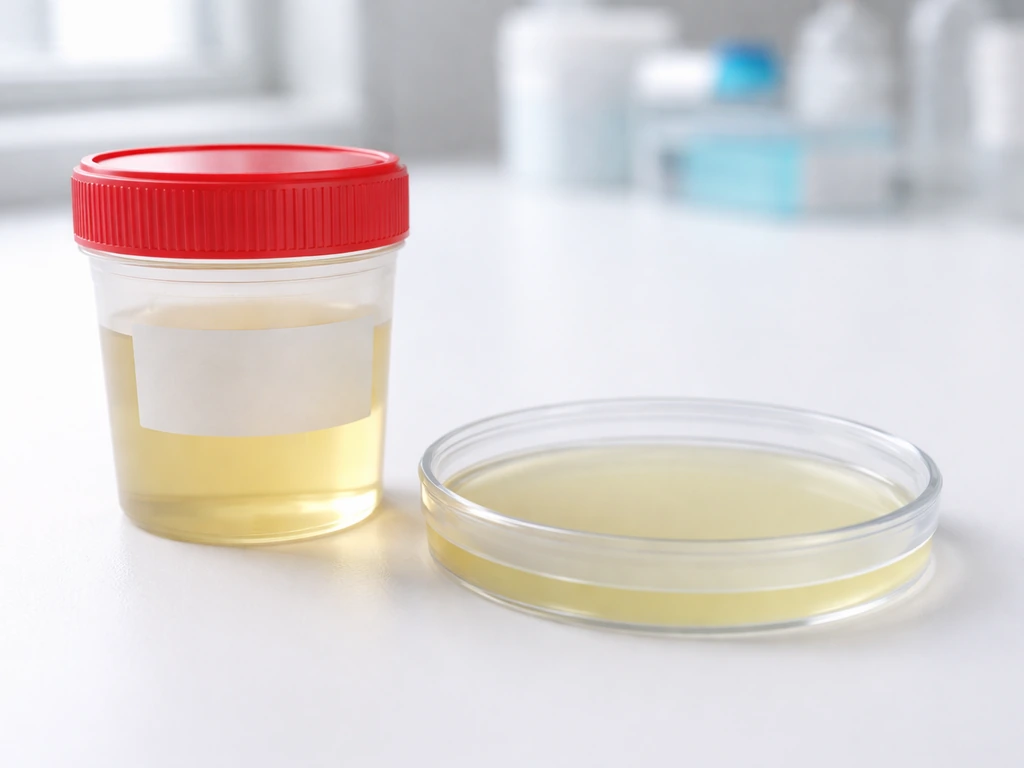
Once you have your control results, the decision tree becomes straightforward. Nothing grows anywhere: the inoculum is dead or the incubation failed. If a urine culture does not grow bacteria, it can reflect that there were no viable bacteria in the sample or that conditions prevented growth Growth on plain LB but not on LB/amp.
Growth on plain LB but not on LB/amp with a known resistant strain: the plate or ampicillin is the problem (degraded, too concentrated, or wrong preparation). Growth on LB/amp with the known resistant strain but not your sample: your strain lacks resistance or was lost. Growth on plain LB but not LB/amp for your sample, while the known strain grows fine: your cells are viable but not resistant, which points to plasmid loss, a failed transformation, or the wrong strain.
Immediate next experiments based on what the controls show
- If your inoculum is dead: make fresh competent cells or thaw a new glycerol stock, check viability by plating on plain LB, and restart.
- If the plate is the problem: prepare fresh LB/amp plates with freshly made ampicillin stock (verify the stock was stored at -20°C), confirm you added 1 µL of 100 mg/mL stock per mL of agar, and pour at 50°C or below.
- If the strain lacks resistance: re-transform with the correct plasmid, confirm the plasmid identity by restriction digest or PCR, and plate transformants on fresh LB/amp immediately.
- If transformation efficiency was low: try heat-shock optimization, use fresh competent cells with a higher efficiency rating, plate the entire transformation volume spread across two or three plates, and extend recovery time in plain LB to 1 hour at 37°C before plating.
- If incubation is suspect: verify incubator temperature with a calibrated thermometer, re-incubate plates at 37°C inverted for a full 16 hours before declaring them negative.
One more thing worth knowing: the biology of no-growth on a selective plate is fundamentally about the relationship between a microorganism's growth requirements and the conditions the plate provides. LB/amp plates work as a selection system only when every piece of that system is functioning correctly: a nutrient-rich medium supporting active growth, an antibiotic at the right concentration, a resistant strain actively expressing its resistance gene, and incubation conditions that allow the organism to divide and form visible colonies.
If any single piece fails, you get a blank plate. That is actually a useful property of the system, because it means a blank plate is informative, not just frustrating. It is telling you that something in that chain broke, and controls will reveal exactly where.
This selective plate logic applies broadly in microbiology. Just as certain media select for specific organisms based on nutrient or environmental conditions, LB/amp uses ampicillin tolerance as its filter. Understanding why organisms grow or fail to grow under particular chemical and physical conditions is the foundation of both lab troubleshooting and broader microbiology, from understanding how different bacterial species tolerate antibiotics in clinical settings to why some organisms thrive in environments where others cannot survive at all.
If you are asking whether Lactobacillus will grow on nutrient agar, its growth will depend on the media being suitable and on its specific growth requirements. If you are wondering what temperature Lactobacillus needs, its optimal growth is typically around 30 to 37°C depending on the species and strain Understanding why organisms grow or fail to grow under particular chemical and physical conditions.
FAQ
Could I be misreading a “blank” plate because colonies are too small or take longer to appear on LB/amp?
Yes. If you incubate longer than the typical 12 to 16 hours, sensitive cells can form tiny satellite colonies near resistant colonies, making the result harder to interpret. If you truly see absolutely no growth, still check whether you used the expected incubation time window and whether your controls show growth where expected.
What control should I run if I suspect the ampicillin concentration is wrong rather than the strain being non-resistant?
Plate the same transformation or culture volume in parallel on plain LB and on a known-good LB/amp control strain (a strain that you already verified grows on 100 µg/mL amp). If the known-good strain fails specifically on the amp plate while it grows on plain LB, that points to incorrect amp preparation, degradation, or wrong antibiotic concentration.
If the plate was stored at 4°C but was still blank, how can I tell whether the issue is antibiotic loss versus plate dryness or handling?
Use your controls. Antibiotic loss usually gives growth on LB/amp (more colonies than expected), whereas severe dryness or poor plate handling can inhibit colony formation even when cells are viable. A key check is whether your strain grows normally on plain LB from the same batch of plates or media lot.
Can incubation in a sealed bag or container truly cause a blank plate even when everything else is correct?
It can. Sealing can increase humidity and cause condensation on the agar surface, which can reduce colony formation or smear colony patterns. If you suspect this, compare sealed versus unsealed plates incubated side by side using the same inoculum and include the known-resistant control.
What if I plated very few cells, so the plate is blank even though the strain is resistant?
That happens with low viable counts or low transformation efficiency. If you only plated a small fraction (for example 10 percent of a transformation or dilution), plating 100 percent on a larger plate or using a less diluted sample can recover rare survivors that would otherwise give zero colonies.
How can I distinguish plasmid loss from a transformation failure when both can produce a blank LB/amp plate?
Include a plain LB plate from the same culture or transformation mixture, and include a known-resistant strain control. Plain LB growth with no growth on LB/amp suggests viable cells that are not expressing functional resistance (plasmid loss, wrong strain, or resistance cassette failure). No growth on plain LB suggests a nonviable inoculum or an incubation/media issue.
Could the plasmid be present but still not confer resistance on LB/amp?
Yes. Ampicillin resistance depends on a functional bla cassette and its expression (for example, mutations, truncations, or rearrangements). This is uncommon, but if your stock was previously confirmed resistant and then suddenly becomes blank on amp while the plain LB control still grows, sequence the resistance region or re-derive the plasmid-bearing strain.
What if my strain is supposed to be ampicillin-resistant but it never grew on LB/amp, even on fresh plates?
That points to a mismatch between the strain and the antibiotic marker. Confirm that the strain truly carries the bla gene at the expected form, and verify you are using the correct selection marker (amp versus kan or other antibiotics). If you have any doubt, test the strain against a known-resistant positive control and confirm the antibiotic identity in your workflow.