Mold can technically grow in beer, but it is genuinely rare under normal conditions. Beer contains several overlapping biological barriers that make it a hostile environment for fungi. When mold does appear, it almost always means something went wrong with contamination, storage, or oxygen exposure after the container was opened. If you are looking at something floating in your beer right now, the safest move is to discard it.
Can Beer Grow Mold? When It Happens and What to Do

Marcus Holloway
29 May 2026
Why beer usually keeps mold out
Beer is not just fermented grain water. It has a layered chemical defense system that most fungi cannot push through. Understanding those layers explains why mold is uncommon rather than inevitable, even when beer sits for weeks.
Alcohol content
Ethanol is a direct fungal inhibitor. Research into ethanol's effect on fungal growth kinetics shows that as ethanol concentration rises, it suppresses both growth rate and total biomass. Even at the relatively modest alcohol levels found in most beers (roughly 4 to 8% ABV), ethanol disrupts fungal cell membranes and interferes with metabolic activity. Higher-ABV styles like barleywines or imperial stouts push this inhibition further, which is part of why strong beers tend to store better.
Carbon dioxide and the headspace effect
Carbonated beer holds dissolved CO2 and maintains a CO2-rich headspace inside a sealed container. In beer, carbon dioxide in the headspace affects headspace volatiles and foam, and matrix factors such as CO2 and ethanol influence how compounds behave in that headspace CO2-rich headspace. That environment limits available oxygen, and most common mold species are obligate aerobes, meaning they need oxygen to grow. When the headspace is dominated by CO2, fungi have a harder time establishing a foothold at the liquid surface, which is exactly where mold would try to colonize first.
Acidity and pH
Beer sits in a pH range of roughly 3.8 to 4.5 depending on style. That acidic environment is outside the optimal growth range for many fungal species, which generally prefer pH values closer to 5 or 6. Sour beer styles push even lower, sometimes reaching pH 3.2 to 3.5, making them especially resistant. Low pH does not sterilize the beer, but it raises the energy cost for any microorganism trying to grow there.
Bitterness from hops
Hop compounds, especially the iso-alpha acids responsible for bitterness, have documented antimicrobial properties. They are particularly effective against gram-positive bacteria, but they also create a less hospitable environment for fungal growth. Highly hopped beers like IPAs have an added layer of protection that low-bitterness styles, such as wheat beers or low-IBU lagers, do not.
When those barriers break down
Every barrier above depends on conditions staying intact. Breach any one of them significantly and you create an opening for contamination. Here is what actually allows mold to get started in beer.
Oxygen exposure after opening
Once you open a beer, you dissolve the CO2-rich headspace and introduce atmospheric oxygen. If you leave that beer partially consumed and loosely covered, you have just handed airborne mold spores both oxygen and a nutrient-rich liquid to land in. A half-drunk beer left on a counter overnight is the single most common scenario where mold colonization becomes plausible.
Physical contamination
Mold spores are everywhere in the air, on skin, on surfaces, and on fruit or grain. If something physically contaminated lands in beer, or if the glass or container was not clean, you have introduced a concentrated spore load that the alcohol and acidity may not fully overcome, especially near the liquid surface where concentrations are highest.
Residual sugars and nutrients
Mold needs nutrients to grow, and sweeter, lower-alcohol beers retain more fermentable and non-fermentable sugars. Unfiltered beers also carry more yeast proteins and other organic matter that fungi can use. A low-alcohol fruit beer with residual sugar is meaningfully more vulnerable than a well-attenuated dry stout.
Water activity and moisture
Water activity (aw) measures how much water is freely available for microbial use, on a scale from 0 to 1. Beer has a high water activity, typically above 0.95, which means there is plenty of free water for microorganisms to exploit. While xerophilic molds (those adapted to dry environments) can survive at aw values below 0.8, most common molds prefer higher moisture levels, and beer provides exactly that. The other barriers in beer, particularly alcohol and acidity, matter so much precisely because the moisture level alone would otherwise be very favorable for growth.
The conditions that actually promote mold growth in beer
Microbial growth always comes down to the same interconnected variables: temperature, pH, moisture, oxygen, and nutrients. Mapping those to beer helps you understand exactly which storage situations are risky.
| Growth Factor | What Beer Provides | Risk Level When Normal | Risk Level When Conditions Break Down |
|---|---|---|---|
| Temperature | Served cold to room temp (35–75°F) | Low (cold slows growth) | High (warm, open container) |
| pH | Acidic (3.8–4.5) | Low (unfavorable for most molds) | Moderate (diluted or flat beer) |
| Moisture / Water Activity | High a_w (~0.95+) | Elevated (but offset by other factors) | High (primary driver once barriers weaken) |
| Oxygen | Low in sealed/carbonated beer | Low (CO2 excludes oxygen) | High (once opened and exposed to air) |
| Nutrients | Present (sugars, proteins, organic compounds) | Moderate (varies by style) | High (especially in sweet or unfiltered beers) |
The pattern is clear: sealed, cold, carbonated beer keeps nearly all of these factors in the low-risk column simultaneously. Open it, warm it up, or leave it sitting out and you start flipping multiple factors toward high-risk at once. Think of it like a lock with several tumblers. Beer's chemical properties hold most of them in the locked position, but you can spring them open through bad handling.
How to tell if your beer has a mold problem
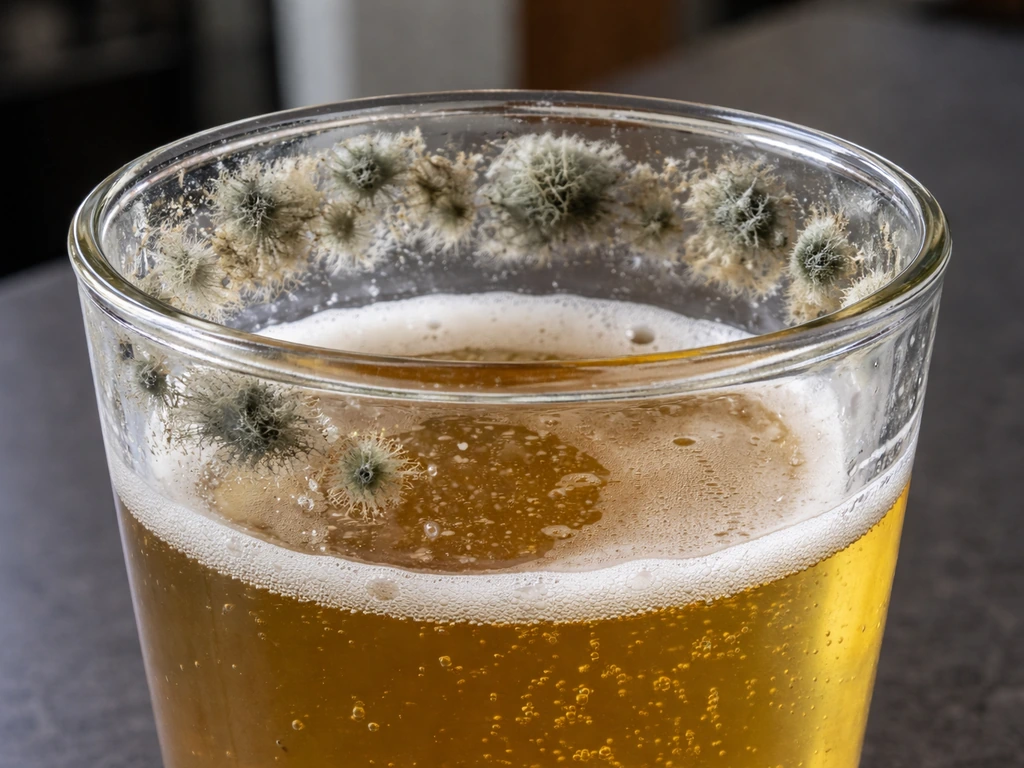
Identifying contamination in beer is usually straightforward if you know what to look for. Trust your eyes and nose more than your taste buds here.
Visual signs
- Fuzzy growth on the surface of the liquid or clinging to the inside of the glass or bottle neck. Mold typically appears as white, gray, green, or black patches with a distinctly furry or powdery texture.
- A film or floating mat that does not disperse when you swirl the container. Yeast sediment at the bottom is normal; surface growth is not.
- Discoloration inside the cap, under the crown seal, or around the bottle rim, especially combined with a compromised seal.
- Particles that look like cotton or thread floating in the liquid, as distinct from natural yeast haze, which looks cloudy but uniform.
Smell and taste (but do not taste suspected beer)
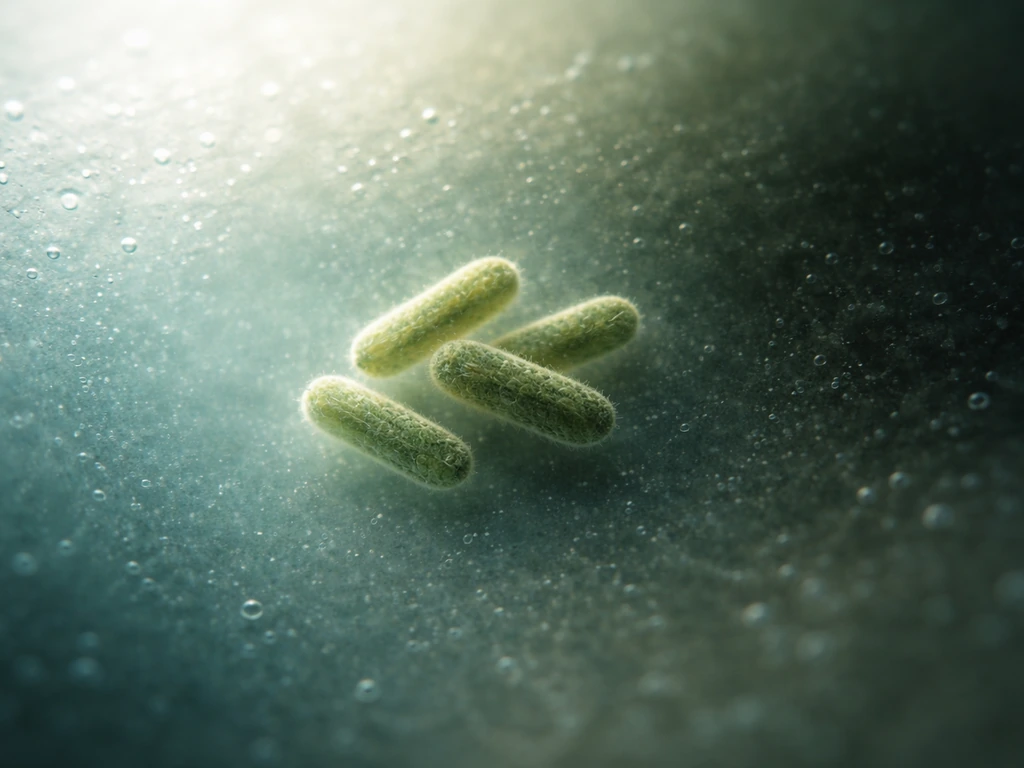
Mold-contaminated beer typically smells musty, earthy in an unpleasant way, or like wet cardboard and rot. Some contaminations produce a sharp, acrid, or chemical odor. If the smell is off in any way that does not match the expected profile of the beer style, that is a red flag. Do not taste beer you suspect is moldy. Some molds produce mycotoxins, which are toxic compounds that are not destroyed by swallowing a small amount and that you cannot evaluate just by how something tastes.
What is normal and what is not
Yeast sediment at the bottom of an unfiltered or bottle-conditioned beer is completely normal. Cloudiness in a wheat beer or hazy IPA is intentional. A thin white ring at the fill line of an old bottle can sometimes be protein residue rather than mold. If you are unsure, smell it first. True mold always carries a musty, fungal odor that yeast and protein deposits do not.
What to do right now
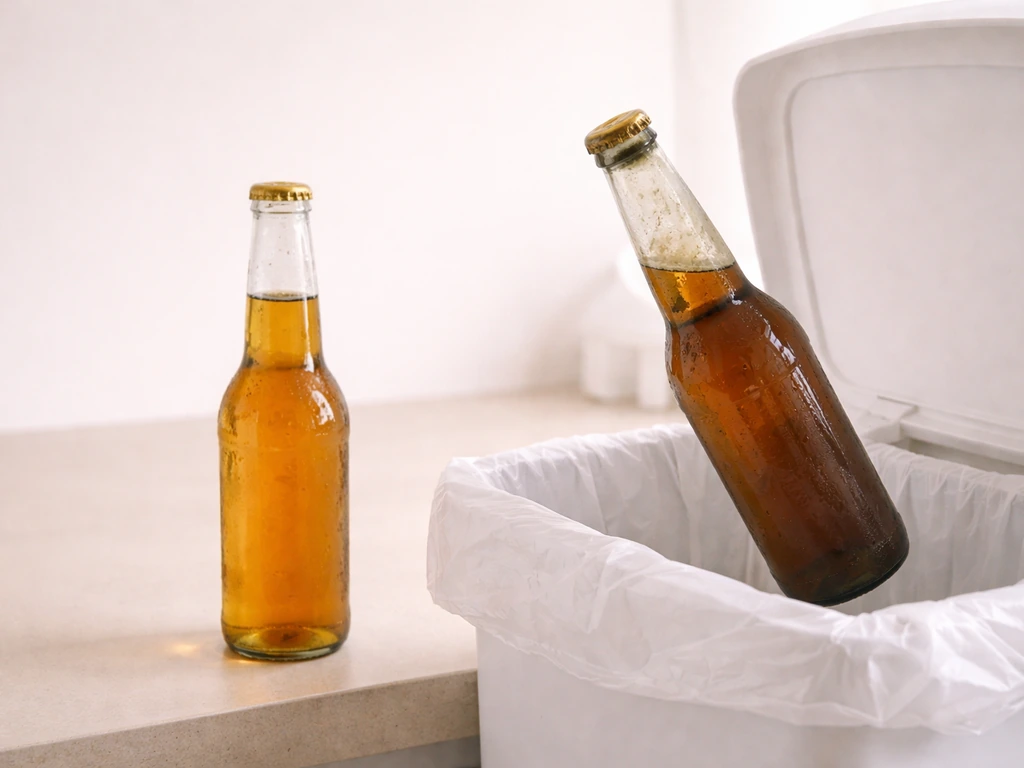
If you are dealing with a suspect beer today, here is a practical decision tree and storage checklist.
Discard or keep: making the call
- If you see any fuzzy, filamentous, or patchy growth anywhere in or on the beer container, discard the beer. There is no safe way to skim mold off beer the way you might attempt with a solid food that has firm texture. The mycotoxins mold produces can diffuse through liquid.
- If the beer smells musty, rotten, or chemically off in a way that cannot be explained by the style, discard it. Off-smell is almost always a more reliable signal than visual inspection alone.
- If the beer is simply flat, slightly stale, or tastes oxidized without any visual or odor sign of mold, it is likely safe but unpleasant. That is oxidation, not fungal contamination.
- If the beer was sealed and refrigerated and you are only questioning it because it looks hazy or has sediment, check the style. Many craft beers are intentionally unfiltered. Smell it and inspect the surface.
Storage fixes to prevent this next time
- Keep opened beer sealed as tightly as possible. Use a bottle stopper or cover tightly with plastic wrap and a rubber band if you have no stopper. Minimize oxygen exposure every time.
- Refrigerate opened beer immediately and consume within 24 hours. Cold temperatures (below 40°F / 4°C) significantly slow fungal and bacterial growth.
- Always pour beer into a clean glass and never drink directly from a bottle you plan to save, since mouth contact introduces a high spore and bacterial load to the remaining liquid.
- Store sealed bottles and cans in a cool, dark place. Light and heat degrade alcohol and CO2 integrity faster, weakening the beer's natural barriers.
- Inspect bottle caps and can seams before purchasing. A compromised seal means oxygen has likely already entered, which increases contamination risk even in an ostensibly sealed product.
- If you homebrew, sanitation of all equipment is the single highest-impact contamination-prevention step. Mold in homebrew almost always traces back to insufficiently cleaned fermentation vessels or transfer equipment.
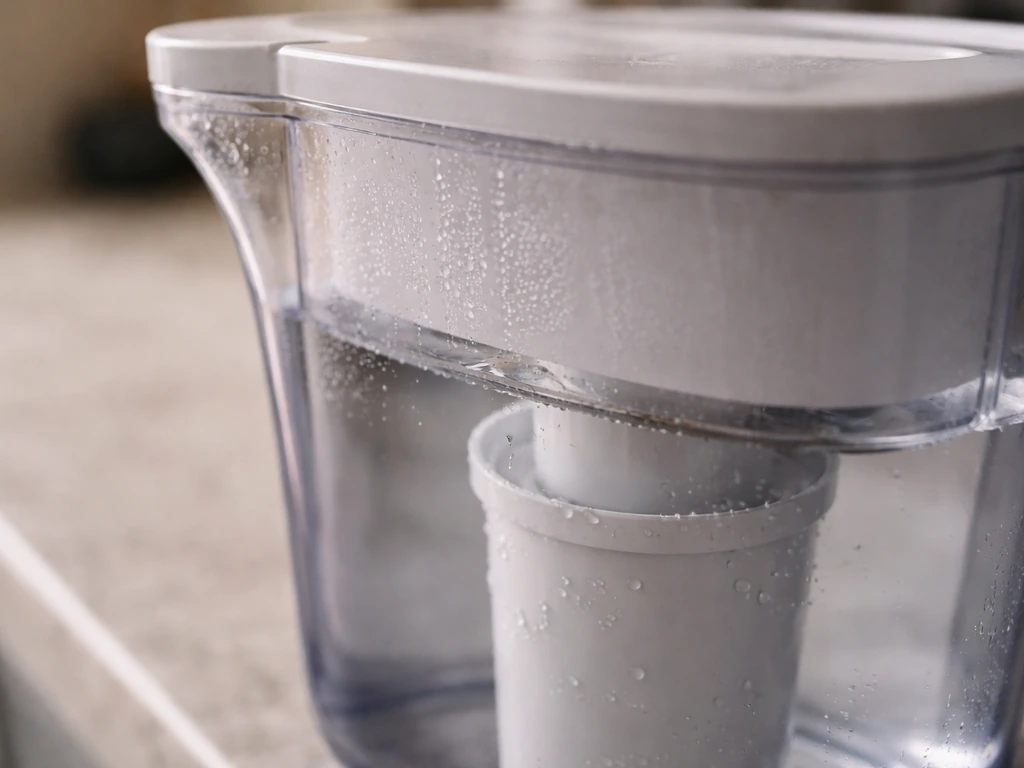
The same logic behind mold growing in beer applies broadly to any beverage where water, nutrients, and eventually oxygen are all present. You may notice parallel considerations if you think about how contamination works in other drinks and containers, from water filters to sports drinks. These same principles also apply to how long a Hydroflask stays mold-free when it is not fully cleaned and is left warm or with lingering moisture other drinks and containers. The same idea applies to sports drinks, including whether can Gatorade can grow mold if it is exposed to air and left warm. If you are wondering can brita filters grow mold, the answer depends on whether moisture and trapped organic matter get a chance to accumulate in the filter and housing from water filters to sports drinks. In every case, the core principle is the same: once oxygen enters a nutrient-rich aqueous environment at the right temperature, fungal growth becomes possible regardless of what the beverage is. Beer just happens to have more built-in defenses than most.
When in doubt, throw it out. Beer is inexpensive relative to the risk of ingesting mycotoxins, and no flavor experience is worth a gastrointestinal or toxic exposure incident. Mold and other microbes can also potentially grow in the stomach when conditions like illness, immune suppression, or unusual exposures make survival more likely grow in your stomach. The biology here is straightforward: keep the barriers intact (sealed, cold, carbonated, clean), and mold almost certainly will not be your problem. For example, the same principles that let mold grow in beer after barriers break down also determine whether kombucha can develop organisms inside your stomach kombucha grow in your stomach. Cirkul cartridges can face the same risk when they are not kept clean and dry, especially if mold spores get access to oxygen and moisture can cirkul cartridges grow mold.
FAQ
If there is a small spot of mold on the surface, can I just scoop it out and drink the rest of the beer?
No. Mold growth near the surface usually means spores and fragments have already dispersed through the headspace or onto nearby liquid. Even if the rest looks clear, you cannot reliably tell how far contamination has progressed, and some molds produce mycotoxins that you cannot assess by taste or appearance.
Does “yeast” or “sediment” look like mold, and how can I tell the difference?
Sediment from unfiltered or bottle-conditioned beer is normal and usually smells like beer, grain, or harmless fermentation. Mold is more likely to smell musty, earthy, wet cardboard, or like rot. Texture also helps, clumps of sediment sink and do not spread like a fuzzy film, while mold often looks fuzzy or forms a ring at the liquid line after contamination.
Can mold grow in an unopened, store-bought can or bottle?
It is possible but uncommon. Unopened beer stays protected by carbonation (low oxygen availability), alcohol, and acidity. Unusual cases usually involve a compromised seal (leaking can, bulging package), extreme storage heat, or manufacturing/packaging contamination that survives the protective barriers.
How long can beer sit out before mold becomes a realistic concern?
The risk rises quickly once you open it because oxygen exposure increases and the CO2 headspace drops. Leaving beer warm and loosely covered for many hours is where mold becomes plausible, with overnight half-drunk beer on a counter being a classic high-risk scenario. Exact timelines vary by temperature and sweetness, but if it was left out for a long period and smells off, discard it.
Will freezing beer kill mold spores?
Freezing can stop growth and may reduce viability, but it does not sterilize. When beer thaws, microbes can resume growing if enough oxygen and nutrients are available, especially if the container was previously opened or not clean.
Is high-ABV beer always safer if I find something floating in it?
Stronger alcohol levels reduce growth, but they do not guarantee safety if contamination already happened or if oxygen and spores were introduced. A musty or rotten odor still means discard, regardless of ABV, because the issue is contamination and potential toxins, not just whether mold can multiply.
What is the best way to store open beer to reduce the chance of mold?
Keep it cold, tightly sealed, and minimize headspace oxygen exposure. If you cannot drink it soon, use a proper cap or pour into a smaller container to reduce oxygen. Do not leave it loosely covered on a counter, and avoid warm storage.
If the beer smells fine but looks unusual, should I still throw it out?
If it looks like true fuzzy growth, forms a ring at the fill line, or the texture seems to be growing over time, discard even if the odor is only slightly off. Appearance-based uncertainty is hard to resolve, and tasting is not a reliable safety test because mycotoxins can be present without obvious taste.
Can mold survive in the fridge in a beer that is capped but has been open for days?
It can, particularly if the beer was left open long enough to seed spores and if temperature control was inconsistent. Refrigeration slows growth, but it does not remove oxygen or undo contamination. A sour, musty, or cardboard-like odor after days is a strong reason to discard.
Can I “pasteurize” or reheat contaminated beer to make it safe?
No. Heating may change flavor and kill some microbes, but it does not reliably remove or neutralize mycotoxins that certain molds can produce. The safest approach is disposal when contamination is suspected.