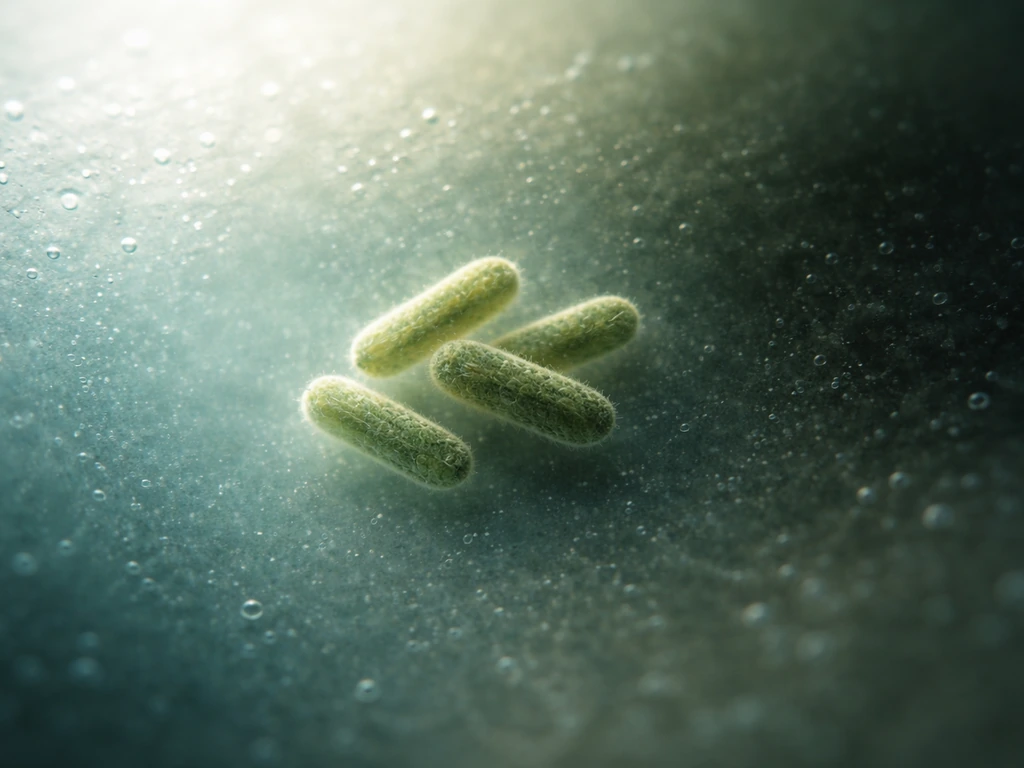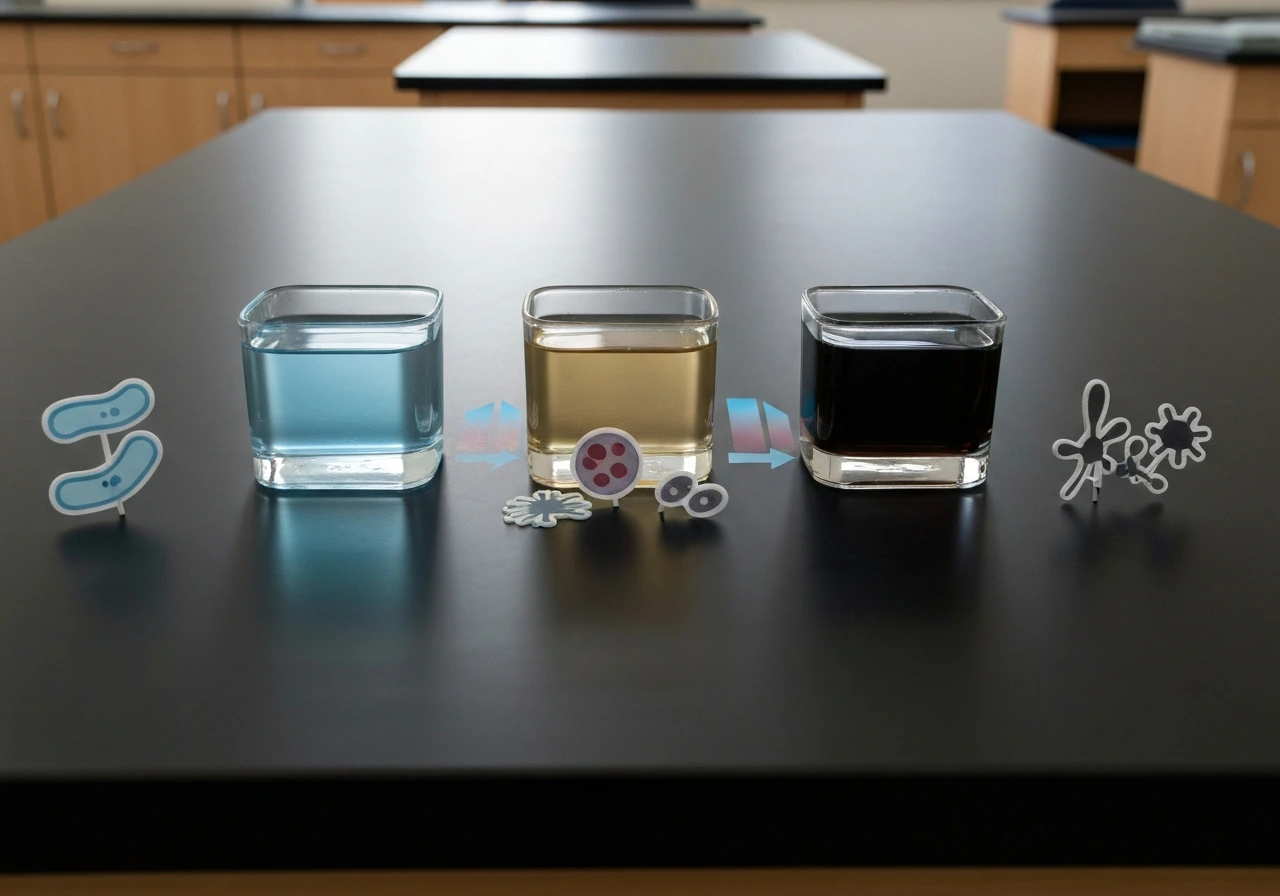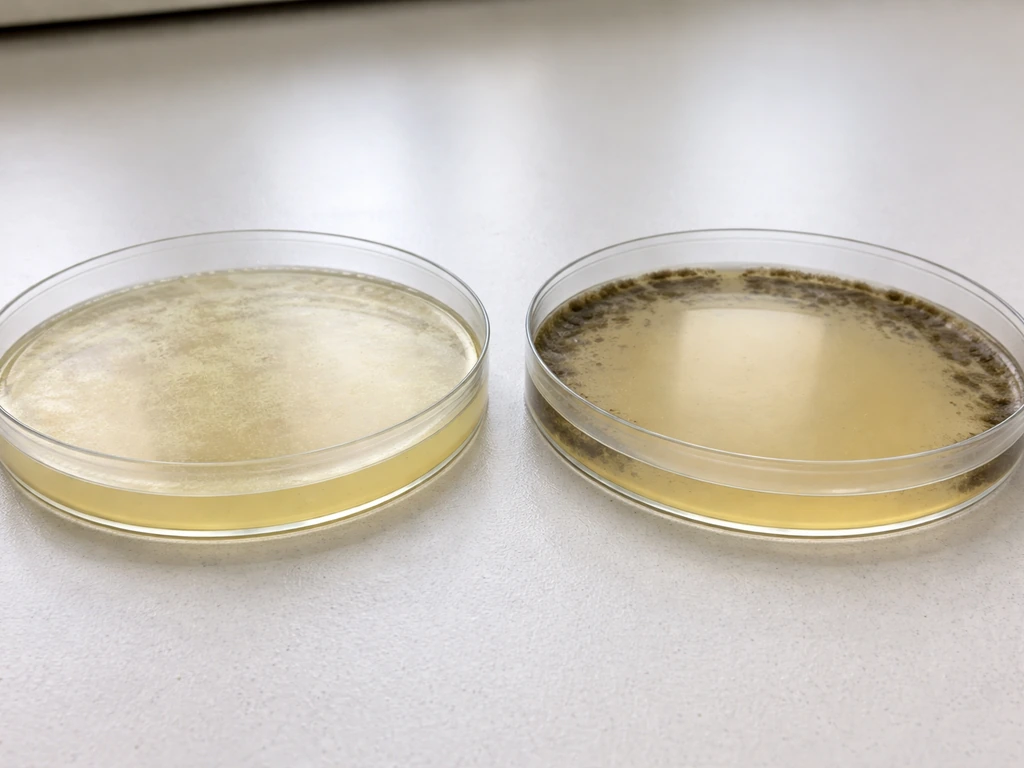
Yes, mold and other microbes can grow in and around a Brita filter, particularly on the cartridge surface, inside the filter housing, and along the splash zones of the pitcher or dispenser. It does not happen instantly, and it is not inevitable, but the conditions that favor microbial growth are built right into normal Brita use: persistent moisture, organic matter from tap water, moderate temperatures, and periods of stagnation when the pitcher sits unused. If you are seeing black or green spots, a slimy film, or smelling something musty, that is a real signal worth acting on today.
Can Brita Filters Grow Mold? What to Do Today

Marcus Holloway
20 May 2026
Why filter systems are actually good environments for microbial growth
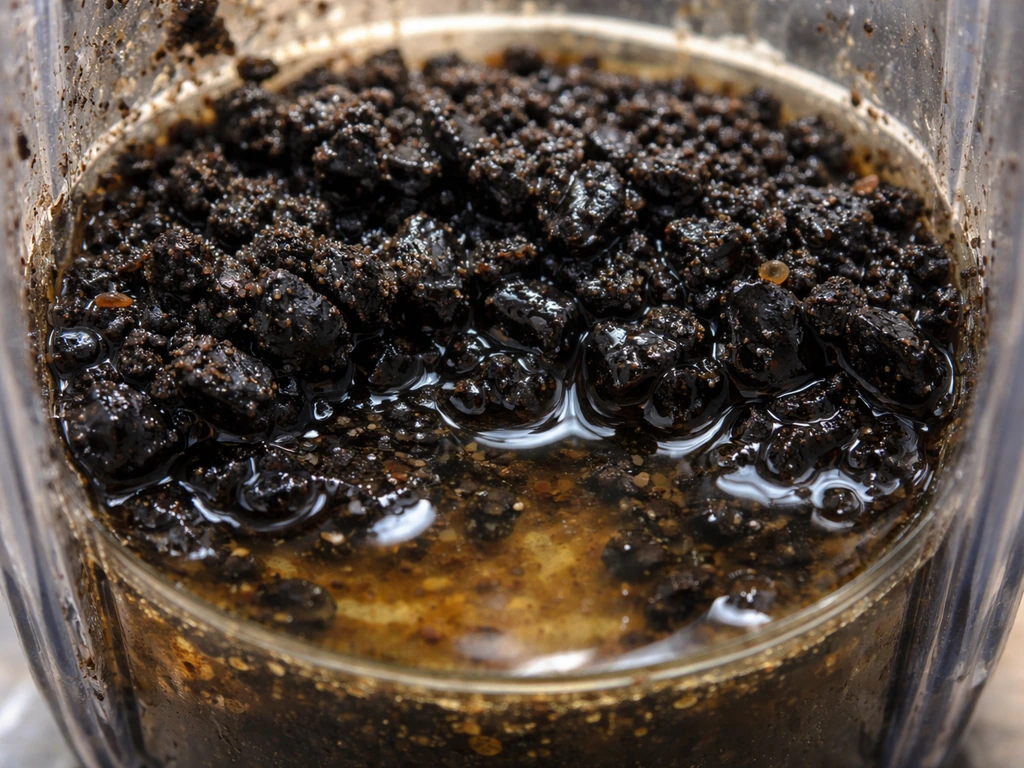
Mold, bacteria, and other microbes do not just appear randomly. They grow when four core conditions line up: moisture, a food source (organic nutrients), a suitable temperature, and enough time. Brita pitchers tick all four boxes more often than most people realize.
The activated carbon inside a Brita cartridge is extremely porous, which is exactly what makes it good at trapping contaminants. But that same porosity means it holds water and accumulates organic matter, essentially building a buffet for microorganisms. Lab studies have confirmed this: in tests of household water filters, bacterial counts in the filtered water were higher than in the original tap water after roughly one week of use, at both room temperature and refrigerated conditions.
A separate study on activated carbon filters found that standard plate count bacteria in the effluent increased steadily over three weeks and stayed elevated for the entire eight-week study period. That is not a fluke. It reflects biofilm formation, where microbes anchor themselves to the filter media, form a community, and multiply.
Stagnation makes everything worse. When a pitcher sits on the counter or in the fridge for days without being refilled and used, the water inside the cartridge and reservoir goes stale. The CDC notes that biofilms can form under both flowing and stagnant conditions, but stagnant water gives microbes extra time to colonize surfaces, feed on accumulated organics, and produce the slimy matrix that protects them from being easily rinsed away. Think of it like a damp sponge left sitting on a kitchen counter. Even without visible dirt, it will start to smell and harbor microbial growth within days.
Temperature matters too. Room temperature (roughly 20 to 25 degrees Celsius) is comfortably within the range where most mold species and common bacteria thrive. Refrigerating your pitcher does slow growth down, but it does not stop it entirely, which is why lab tests still found elevated bacterial counts even at 4 degrees Celsius.
Where mold and biofilm actually show up
Not every part of a Brita setup carries the same risk. Knowing where to look helps you catch a problem early.
The filter cartridge itself
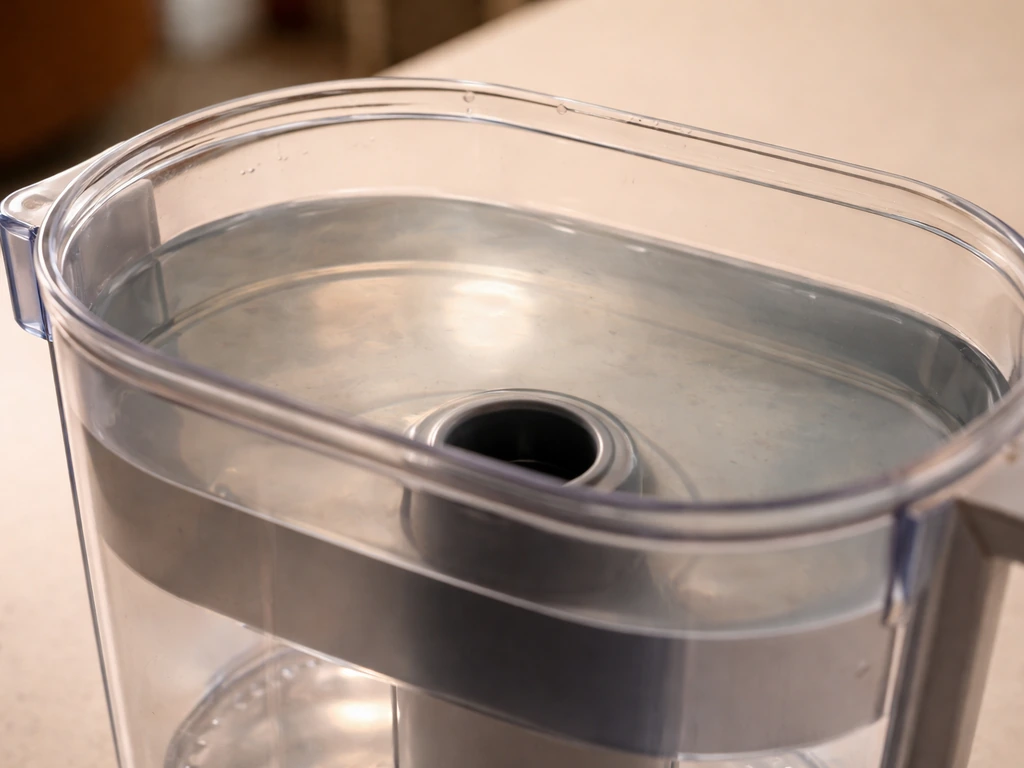
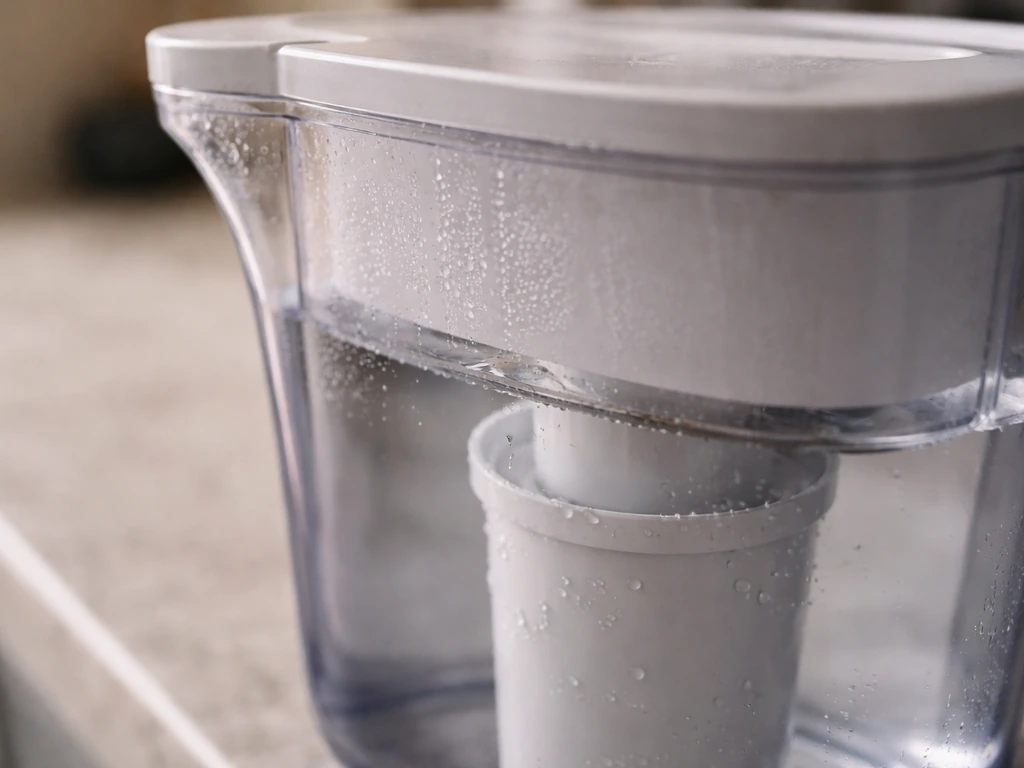
The cartridge is the highest-risk zone. The activated carbon and ion-exchange resin inside it stay wet essentially all the time it is in use, organic matter from your tap water accumulates in the media over weeks, and the dense structure creates low-oxygen pockets that some mold species actually prefer. Research on activated carbon block point-of-use filters has specifically documented microbial colonization of the filter fabric and media. Because the inside of the cartridge is not accessible for cleaning, once a biofilm establishes itself deep in the media, no amount of rinsing will clear it. This is the core reason why replacing the cartridge (rather than trying to clean it) is the right move when contamination is suspected.
The pitcher housing and reservoir
The upper reservoir, where unfiltered water sits waiting to pass through the cartridge, is a warm, wet environment with regular organic input. Any splash or drip that escapes and sits on the rim or lid adds to the risk. Mold on these plastic surfaces often appears as small black, dark green, or gray spots, sometimes accompanied by a slimy texture. This growth is usually visible and cleanable, unlike contamination inside the cartridge.
Splash zones and the lid underside
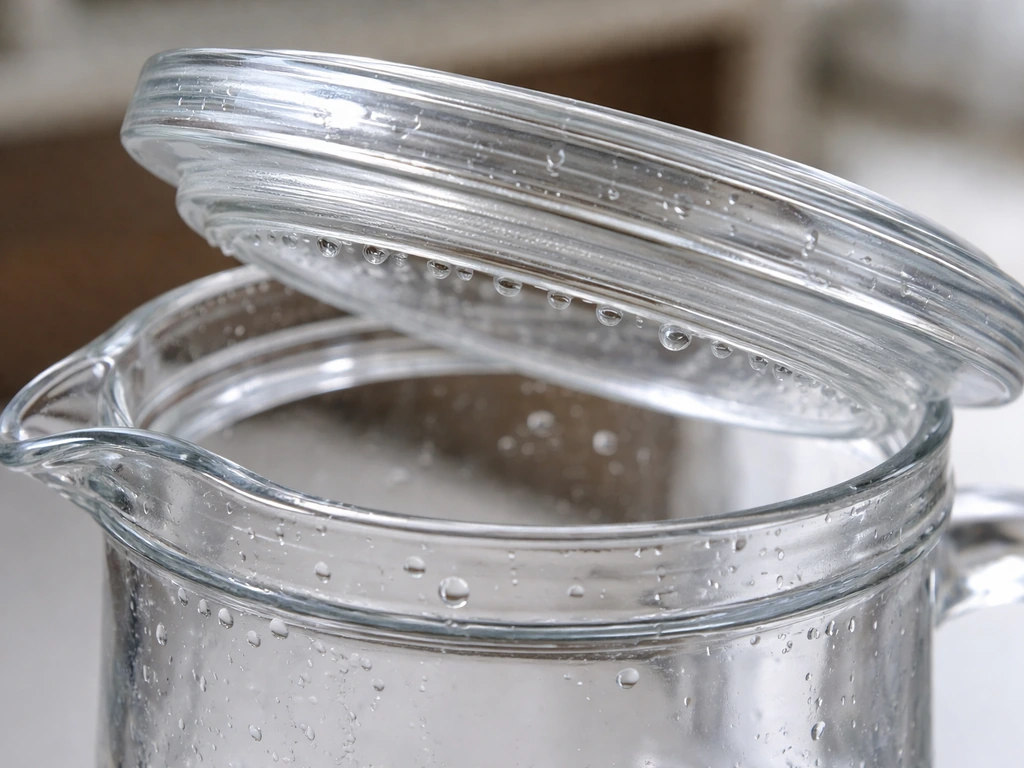
The underside of the lid and the area where the lid meets the pitcher body are easy to overlook. Water splashes up, gets trapped in grooves and seams, and never fully dries. This is a classic setup for surface mold. Even if the filter itself is fine, visible mold on the lid is a sign that your cleaning routine needs an upgrade.
How to inspect your Brita setup safely
A proper inspection takes about five minutes and does not require any special equipment. Here is how to do it systematically.
- Empty the pitcher completely and disassemble it: remove the lid, lift out the upper reservoir, and pull out the filter cartridge.
- Look at the filter cartridge closely under good lighting. Healthy activated carbon is black or dark gray with no visible surface growth. Be alert for slimy patches, fuzzy or powdery spots in green, white, or black, and any unusual discoloration that is not uniform across the carbon surface.
- Smell the cartridge. A faint earthy or musty smell is a strong indicator of mold or bacterial growth. Fresh carbon has a neutral or very faintly mineral smell.
- Check the inside walls of the upper reservoir and lower pitcher for any visible spots, film, or discoloration, especially along the seams and the area where the reservoir sits.
- Flip the lid upside down and inspect the underside, particularly around any grooves, gaskets, or vent holes.
- Check the threads or seating area where the cartridge connects to the reservoir for any slimy or discolored buildup.
A quick note on what is not mold: fine black or gray sediment that rinses away easily is usually carbon dust from the filter media, especially with a newer cartridge. This is harmless and expected. Mold will not rinse off easily, will often have a fuzzy or slimy texture, and will smell. If you are unsure, default to replacing the cartridge and thoroughly cleaning the housing. The cost of a new cartridge is far less than the risk of drinking water that has passed through contaminated media.
How to prevent mold from growing in the first place
Prevention is mostly about managing the four growth conditions: keeping organic load low, minimizing the time water stagnates, maintaining cool temperatures, and not letting surfaces stay wet and neglected.
Prime and flush every new filter correctly
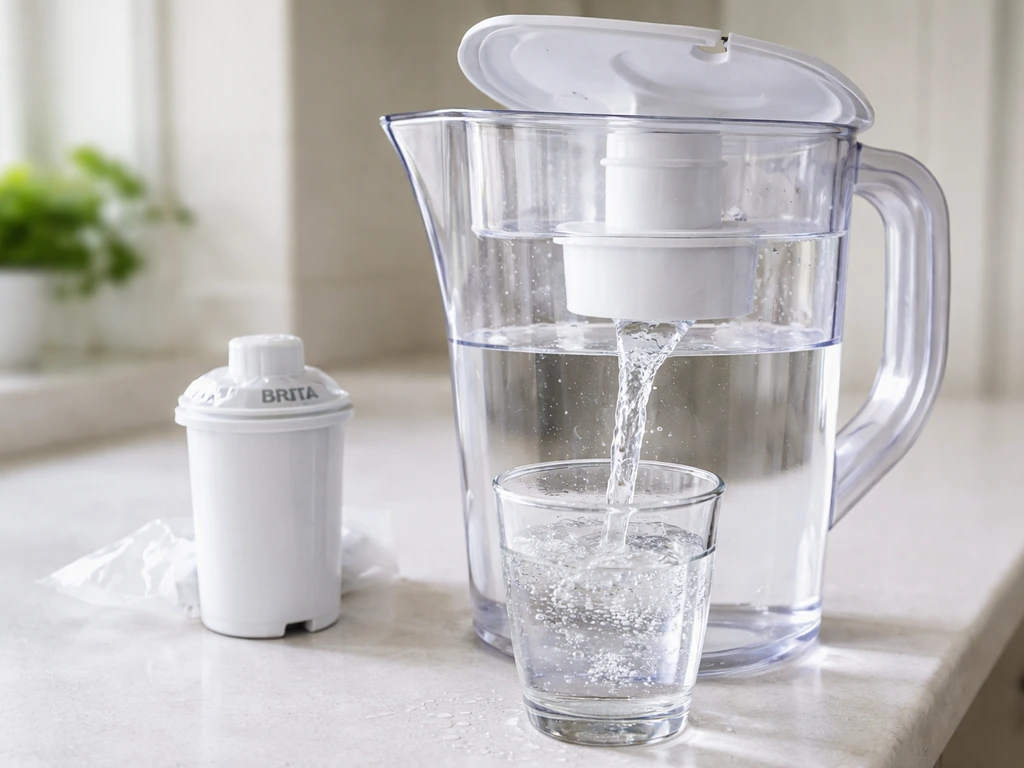
Every time you install a new cartridge, Brita's guidance is clear: run cold tap water through the filter for 15 seconds, then discard your first full pitcher of filtered water. For Brita Stream filters specifically, flush with cold water for 15 seconds before use. This priming step is not just about removing carbon dust. It also gets the flow established and clears out anything that has been sitting in the packaging or distribution chain. Skipping this step means you are starting with a higher baseline of potential contaminants.
Replace the cartridge on schedule
Brita recommends replacing standard pitcher filters roughly every two months, though the company acknowledges that your water supply affects this. The filter indicator on most Brita pitchers tracks gallons filtered rather than pure calendar time, which is a better measure. What the research makes clear is that microbial load on the filter media increases over time, not decreases. Using a filter past its replacement point is not just a performance issue. It is a hygiene issue. If you notice a musty odor or altered taste before the indicator triggers, that is reason enough to swap the cartridge early.
Store it cold and keep it in use
Keeping your Brita pitcher in the refrigerator when not actively using it is one of the single most effective things you can do. Cold temperatures slow microbial metabolism and reproduction significantly. A pitcher left on the kitchen counter in a warm house is giving any resident microbes ideal conditions to multiply. If you are going on vacation or will not use the pitcher for more than a few days, it is better to remove the cartridge, dry the pitcher completely, and store the cartridge in a sealed bag in the fridge than to leave a wet, warm, stagnant system sitting out.
Wash the housing regularly
Brita's own guidance says to hand-wash the pitcher, lid, and reservoir periodically with mild detergent and rinse well. Brita’s user guide also instructs users to blank" rel="noopener noreferrer">clean the pitcher and dispenser components with mild detergent and to rinse or hand-wash them periodically, while avoiding abrasive cleaners. Never use abrasive cleaners, which can scratch the plastic and create microscopic grooves where biofilm can shelter. A good cadence is to wash the pitcher components every one to two weeks, or at each filter change. Pay extra attention to the lid underside, the rim of the reservoir, and any rubber gaskets.
What to do today if you see or smell mold
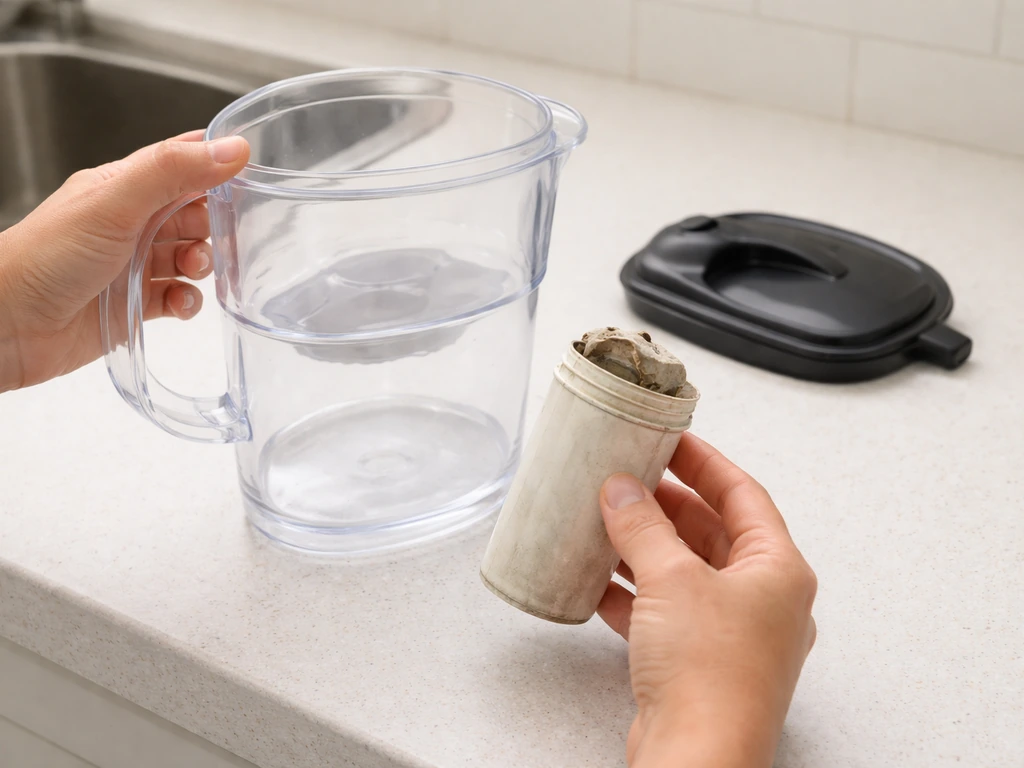
If you have already found signs of contamination, here is the practical response.
Discard the cartridge
The filter cartridge cannot be effectively cleaned or disinfected once it has been contaminated. The interior media is too dense and too porous to allow cleaning agents to reach and neutralize all the microbial growth. Research on carbon-based filters shows that bacteria can remain elevated in effluent for weeks after contamination is established, which tells you that a simple rinse will not fix the problem. Toss the cartridge and do not attempt to salvage it with bleach or boiling water. Note: Brita does offer bleach-based sanitizing kits for its reverse osmosis systems, but those instructions are specific to that system type and should not be applied to standard pitcher cartridges.
Clean and disinfect the pitcher components
Disassemble everything and wash each part thoroughly with warm water and a small amount of mild dish detergent. Use a soft brush or bottle brush to reach seams and crevices. Rinse completely until no soap remains. For deeper disinfection of the plastic housing (not the cartridge), you can wipe surfaces with a dilute solution of white vinegar and water, then rinse again. Allow all parts to air dry completely before reassembling. Installing a new cartridge into a wet, incompletely dried housing just recreates the conditions for mold to return.
Install a new cartridge with a proper flush
Once the housing is fully dry, install a fresh cartridge and run the priming flush: 15 seconds of cold water through the filter, then discard the first full pitcher of filtered water. This resets the system. Going forward, keep the pitcher refrigerated when not in use, stick to the replacement schedule, and wash the housing components on a regular basis.
Filter type vs. contamination risk: a quick comparison
| Filter Component | Contamination Risk | Cleanable? | Action if Contaminated |
|---|---|---|---|
| Filter cartridge (activated carbon/resin media) | High (porous, stays wet, accumulates organics) | No | Replace immediately |
| Upper reservoir (plastic) | Moderate (regular water contact, splash) | Yes | Wash with mild detergent, rinse, dry |
| Pitcher body (lower) | Low to moderate (filtered water only) | Yes | Wash with mild detergent, rinse, dry |
| Lid and underside | Moderate (splash, trapped moisture in grooves) | Yes | Wash with mild detergent and soft brush |
| Gaskets and seals | Moderate (moisture traps) | Yes (carefully) | Wipe with dilute vinegar, rinse, dry fully |
The bigger picture: why your water filter is not automatically safe
It is a common misconception that a water filter is inherently a sterile or self-cleaning device. Filters work by trapping contaminants, which means contaminants accumulate in them over time. The activated carbon that does the heavy lifting in Brita cartridges is also an excellent surface for microbial colonization, exactly because it is so porous and so good at holding organic material. This helps explain what can grow in your stomach if contaminated water is consumed over time.
This same issue is why can Cirkul cartridges grow mold is a common concern, especially if cartridges sit damp for days. This is the same principle that operates in other water-contact systems, whether you are thinking about water bottles, hydration systems, or beverage containers that stay damp for extended periods. can kombucha grow in your stomach.
In some cases, certain bacteria and molds can also grow in the digestive tract, which is why gut symptoms should not be ignored other water-contact systems. This same mold risk can apply to other reusable water bottles, including hydroflasks, especially when moisture and residues are trapped. This same moisture-and-organics principle also applies to other drinks and containers, so questions like can gatorade grow mold are worth taking seriously.
The biology is the same: moisture plus organics plus time equals microbial opportunity. Can beer grow mold too, especially when it is left warm or stored with residue on the container. Can beer grow mold too, especially when it is left warm or stored with residue on the container.
The good news is that the fix is not complicated. Follow the replacement schedule, store the pitcher cold, keep the housing clean, and flush new cartridges properly. Most people who find mold in their Brita do so because they used the filter well past its replacement date or left the pitcher sitting unused and at room temperature for an extended stretch. Understanding the 'why' behind microbial growth makes the 'what to do' much more intuitive, and it applies everywhere you find water sitting in contact with surfaces and organic material.
FAQ
Can I still drink water that came out of my Brita if I saw mold inside the pitcher or on the lid rim?
If you see mold on any part you can’t confidently keep separate from the water path (especially the cartridge area or splash-contact surfaces), treat that batch as unsafe and discard it. Replace the cartridge, then prime the new one (flush 15 seconds of cold water and discard the first full pitcher) after the housing is fully cleaned and dried.
Is “carbon dust” the same as mold, and how can I tell the difference quickly?
Carbon dust usually rinses away easily and looks more like fine gray/black specks from the media. Mold or biofilm tends to persist after rinsing, may feel slimy or fuzzy, and often has a musty smell. If it does not come off with gentle rinsing or you notice odor, assume contamination and replace the cartridge.
Will bleach, boiling, or disinfectant spray work on the Brita cartridge itself?
No. The cartridge media is porous and dense, and disinfectants cannot reliably reach or neutralize growth deep in the filter. Using bleach or heat on the cartridge can also leave residues or change the media performance. The correct response is to discard the cartridge, sanitize only the housing parts, then install a fresh cartridge.
How often should I wash the pitcher if I’m trying to prevent mold but I’m not seeing any visible growth?
Wash the pitcher, lid, and reservoir every one to two weeks, or at every filter change. Pay extra attention to the lid underside, rim grooves, and any rubber gaskets, because these are common “never fully dry” areas even when the cartridge itself looks clean.
What should I do if the filter indicator is still not due, but I notice a musty smell or odd taste?
Do not wait for the indicator. A musty odor or changed taste can signal biofilm buildup ahead of the replacement schedule. Replace the cartridge early, clean and dry the housing thoroughly, then prime the new cartridge before using.
Should I run water through the filter longer than 15 seconds when I install a new cartridge?
Stick to Brita’s priming guidance (about 15 seconds with cold water) unless the instructions for your specific model say otherwise. Running longer does not “sterilize” the cartridge media, and it can just increase wasted water. The key is to discard the first full pitcher after priming.
Does refrigerating the Brita pitcher always prevent mold?
Refrigeration significantly slows growth, but it does not stop it entirely, especially when there is moisture plus organic residue and the system sits unused for days. If you will not use the pitcher for several days, remove and store the cartridge separately, dry the pitcher completely, and keep the system dry until the next use.
If my sink water is very hard or tastes bad, does that make mold more likely in the Brita?
Hard water and higher mineral content can increase residue buildup on surfaces, which can add food-like material for biofilm and make cleaning harder. Even so, mold prevention still depends on moisture management, regular cartridge replacement, and keeping the pitcher and lid fully dry when not in use.
Can I store a used Brita cartridge in the fridge until the next replacement date?
It’s better to remove the cartridge and keep it dry and sealed rather than leaving it in a wet pitcher that sits for days. If you remove it early, store it in a sealed bag in the fridge, but plan to replace it soon because once biofilm starts forming, the cartridge is not reliably “fixed” by storage.
What’s the safest cleanup approach if I find mold in multiple spots (cartridge area plus lid)?
Discard the cartridge first. Then fully disassemble the pitcher, wash each removable part with mild detergent, rinse completely, and air dry until completely dry before reassembling. If needed for deeper surface disinfection, use a dilute vinegar wipe on the plastic housing only, then rinse again and dry thoroughly before installing the fresh cartridge.