Yes, Gatorade can grow mold, but it takes the right conditions to get there. An unopened bottle is very well protected by its preservatives, sealed packaging, and acidic pH. Once you open it, leave it warm, backwash into the bottle, or let it sit for days, you've changed the equation enough that mold (and other microbes) become a real possibility. If your Gatorade looks cloudy, smells off, or has any visible growth, throw it out. No taste test. Just discard it.
Can Gatorade Grow Mold? Conditions, Signs, and Prevention

Marcus Holloway
5 Jun 2026
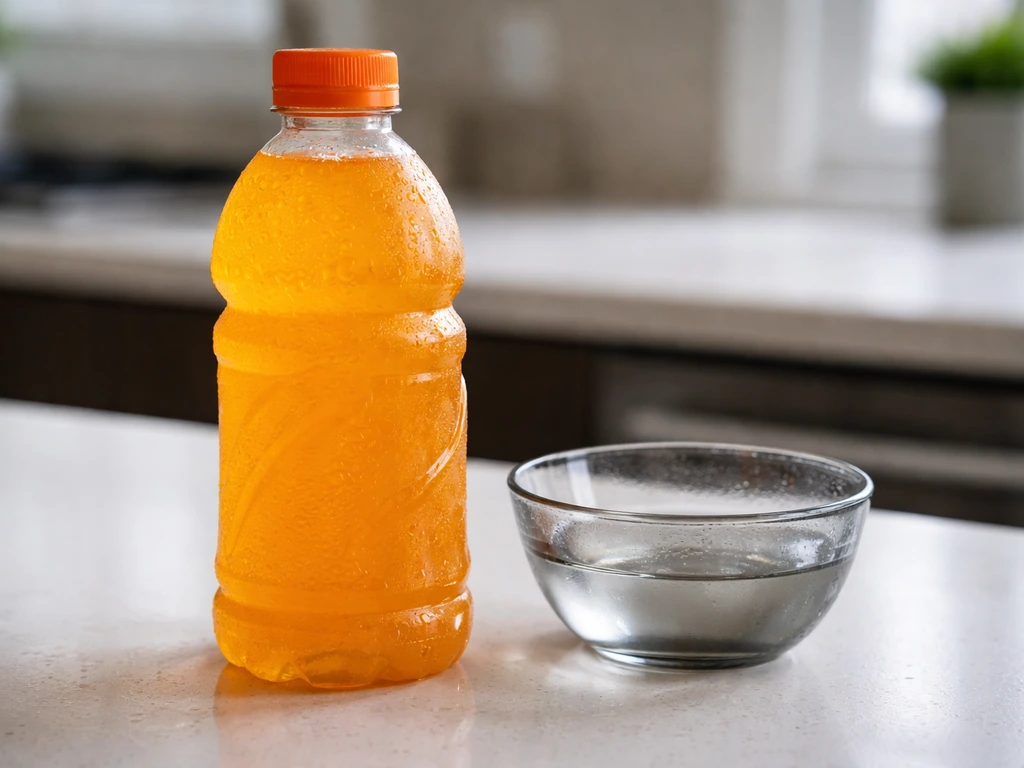
Unopened vs opened: where the risk actually lives
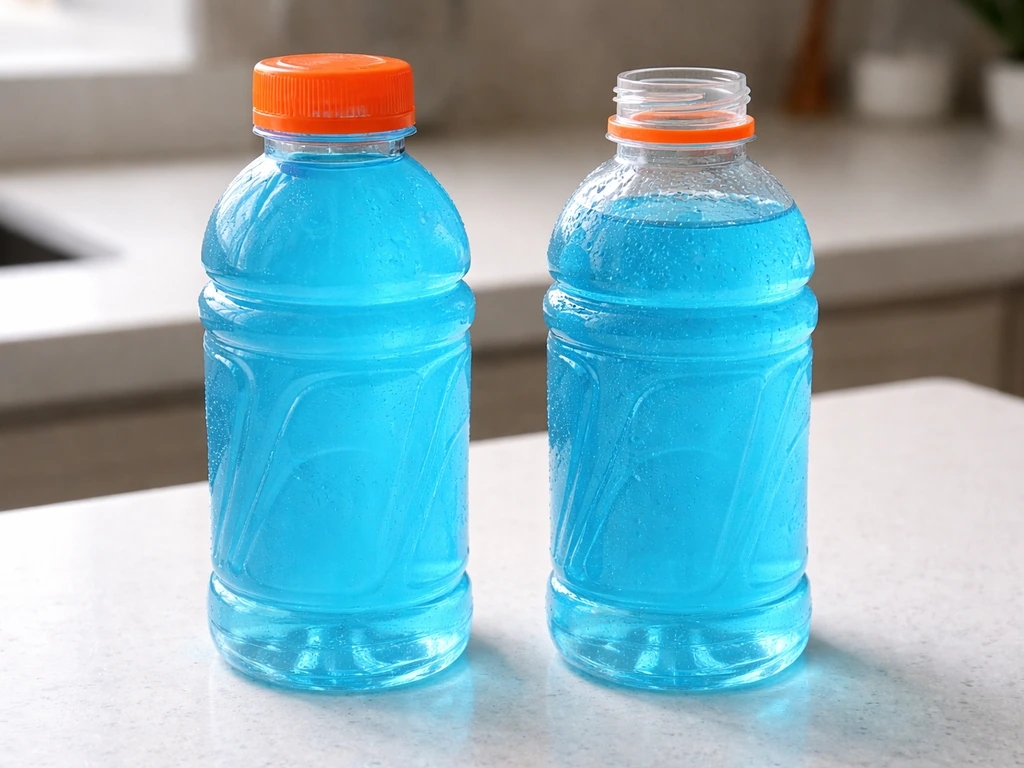
An unopened Gatorade bottle is a pretty hostile environment for mold. The drink is typically formulated with a low pH (around 3.0 to 3.5 due to citric acid), and many formulations include antimicrobial preservatives like sodium benzoate or potassium sorbate. Sodium benzoate works best at pH below 4.5 and actively inhibits mold, yeast, and certain bacteria. Potassium sorbate does the same job. On top of that, the sealed bottle limits oxygen exposure, and molds are strict aerobes, meaning they cannot grow without dissolved oxygen. The combination of acidity, preservatives, and a sealed anaerobic environment makes spoilage in an unopened bottle extremely unlikely under normal storage conditions.
Once the bottle is opened, that protection starts to erode. Oxygen enters. Every time you drink directly from the bottle, you introduce oral microorganisms and nutrients. If you leave the open bottle at room temperature for a day or more, you've created a warm, oxygenated, nutrient-rich environment that shifts the balance from 'safe' to 'risky.' Research on quantitative microbial spoilage risk in sports drinks has specifically flagged airborne mold spore contamination during and after opening as a meaningful pathway, particularly when the drink sits exposed at room temperature.
The four conditions mold needs to grow
Mold growth isn't random. It follows a predictable set of requirements, and understanding those requirements tells you exactly when Gatorade becomes vulnerable. Think of these four factors as a combination lock: all of them need to be in the right range at the same time.
Moisture and water activity
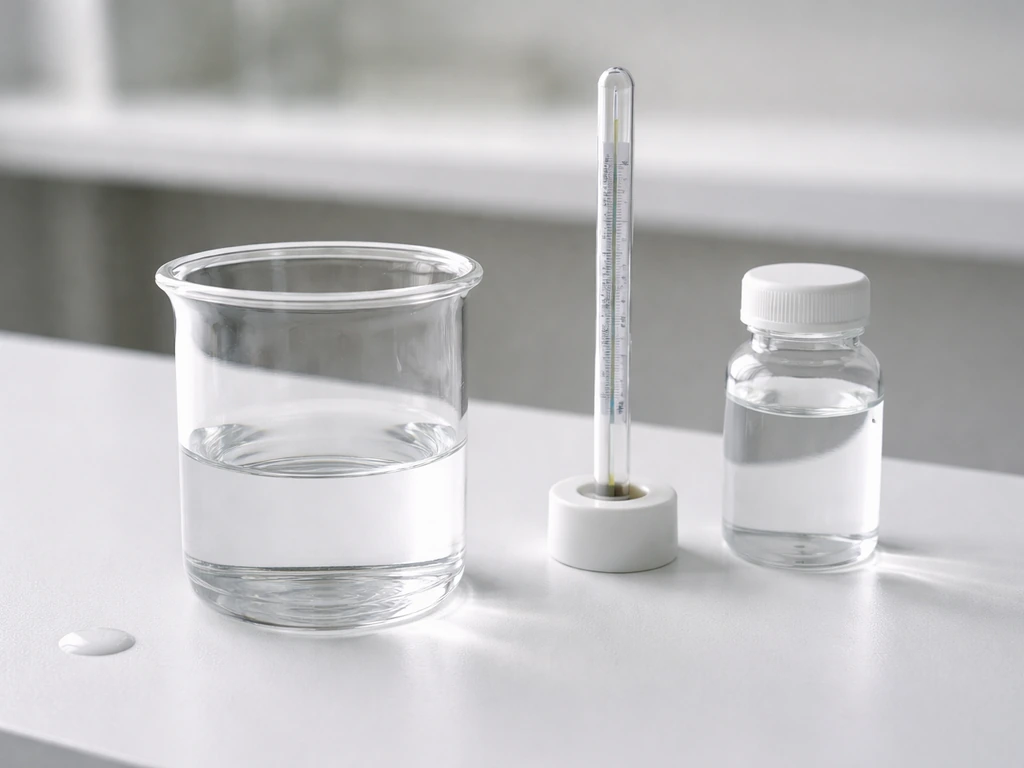
Water activity (written as a_w) is the measure of how much free water is available in a substance for microbial use. It runs from 0 to 1.0, where 1.0 is pure water. Most molds need a water activity of at least 0.80 to grow, while most yeasts need around 0.88 or higher. Gatorade, being a dilute aqueous solution, has a water activity close to 1.0, which means water availability is not limiting mold growth at all. This is an important point: unlike a jar of honey or a dry cracker, Gatorade gives mold plenty of free water to work with.
Nutrients
Molds need a carbon and energy source to grow. Gatorade contains sugars, citric acid, sodium citrate, and other organic compounds that can serve as fungal substrates. The sugars in standard Gatorade formulas are particularly attractive to acid-tolerant spoilage organisms. Even Gatorade Zero, which uses minimal sugars, still contains citric acid and sodium citrate, which certain fungi and bacteria can metabolize.
pH and acidity
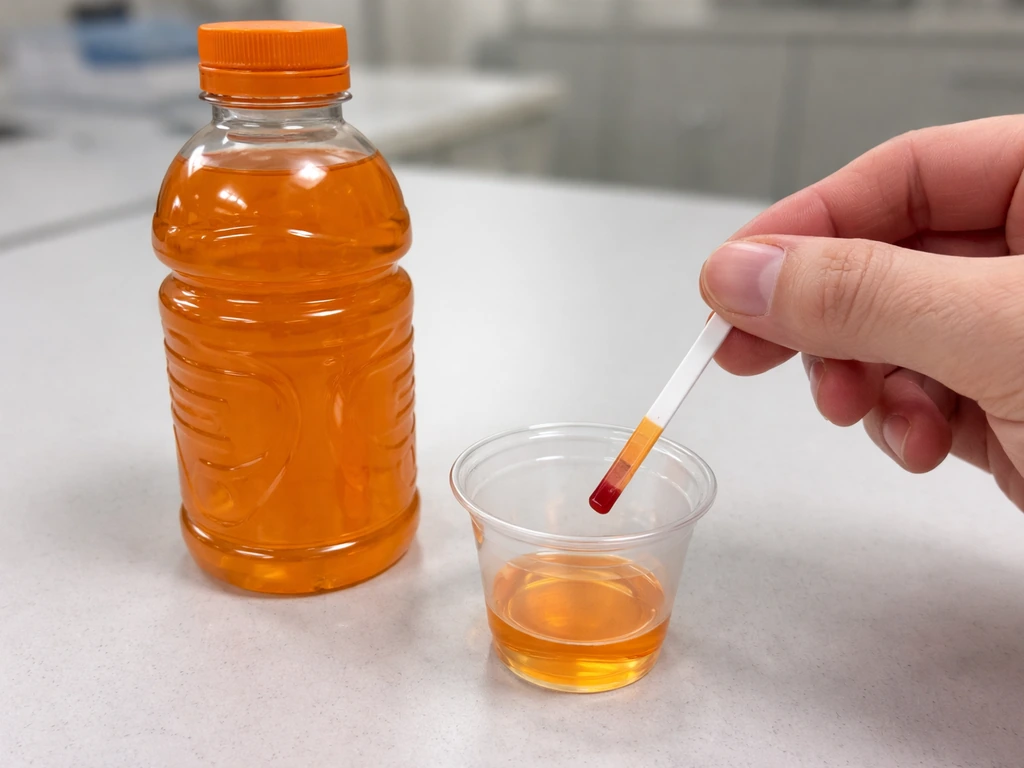
Gatorade's low pH is its strongest natural defense against mold. Most bacteria are highly sensitive to acidity and struggle to grow below a pH of around 4.5. Molds and yeasts, however, are far more acid-tolerant. Many common spoilage molds grow comfortably at pH 3 to 5, which is exactly the range Gatorade sits in. So while the acidity does suppress bacterial growth effectively, it is much less effective at stopping mold or yeast. This is a common misconception: acidic doesn't mean mold-proof.
Temperature and oxygen
Most molds grow best between 60 and 86°F (15 to 30°C), which is room temperature for most homes. Refrigeration slows growth significantly but does not stop it entirely, since some cold-tolerant fungi can grow between 32 and 50°F (0 to 10°C). On the oxygen side, molds are strict aerobes: they require dissolved oxygen to metabolize and reproduce. This is why a sealed, unopened bottle with minimal headspace is far safer than an open bottle sitting on a counter with its cap off.
How contamination actually gets into your drink
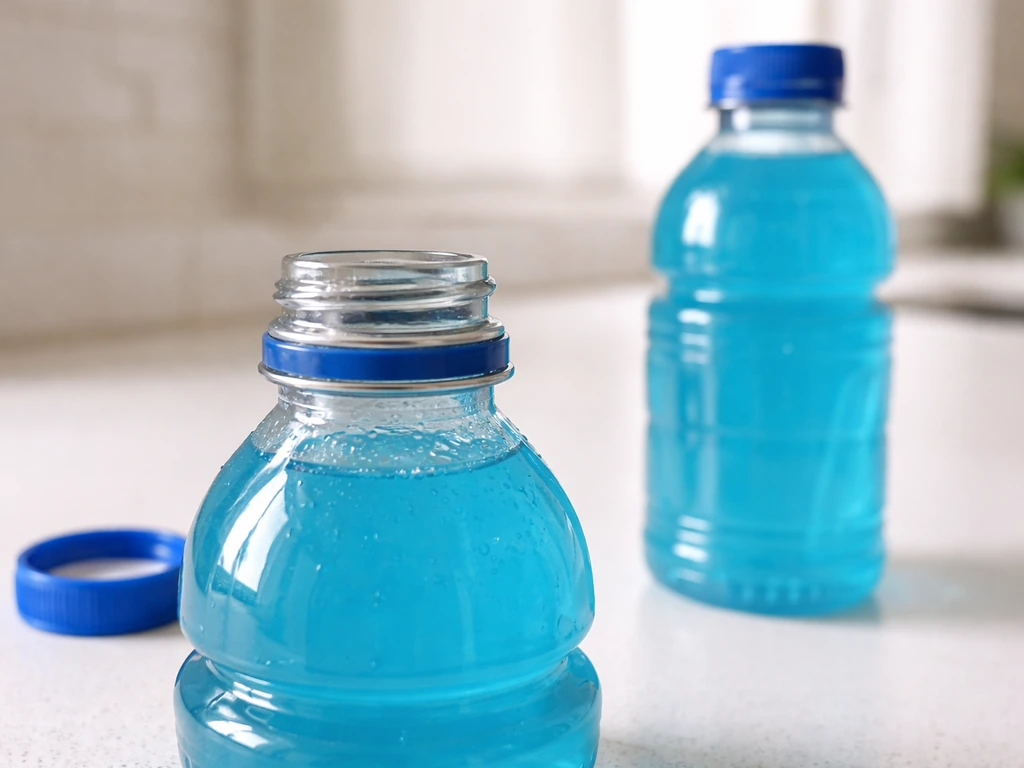
Contamination in an opened Gatorade bottle usually happens through a few consistent routes. Direct mouth contact (drinking straight from the bottle) introduces saliva, which carries microorganisms and additional organic nutrients that help spoilage organisms establish themselves. Airborne mold spores are present in most indoor environments and can settle into an open bottle within minutes of exposure. Contaminated surfaces, like a cap that was set down on a countertop or a bottle stored near other spoiled food, can transfer spores and bacteria to the bottle rim.
Time compounds all of these routes. A bottle that was contaminated through mouth contact might be perfectly fine within the first hour, but left at room temperature (say, 75°F or 24°C) overnight, the microbial population can multiply rapidly. Research on reusable bottles confirms that microbial contamination levels increase significantly with use and time, even when the original beverage is acidic. The same principle applies to a Gatorade bottle used across a full day of activity and then left on a car seat or in a gym bag.
One scenario worth flagging specifically: a bottle that was warm (left in a car, backpack, or warm room) and then recapped and refrigerated. Chilling it down slows growth but doesn't reset the clock. Whatever microbial load accumulated during the warm period is still present, and the preservative system may have been partially overwhelmed.
Signs that your Gatorade has gone bad
Gatorade is naturally a clear to lightly colored liquid with a consistent appearance. Here's what to look for that signals something has gone wrong:
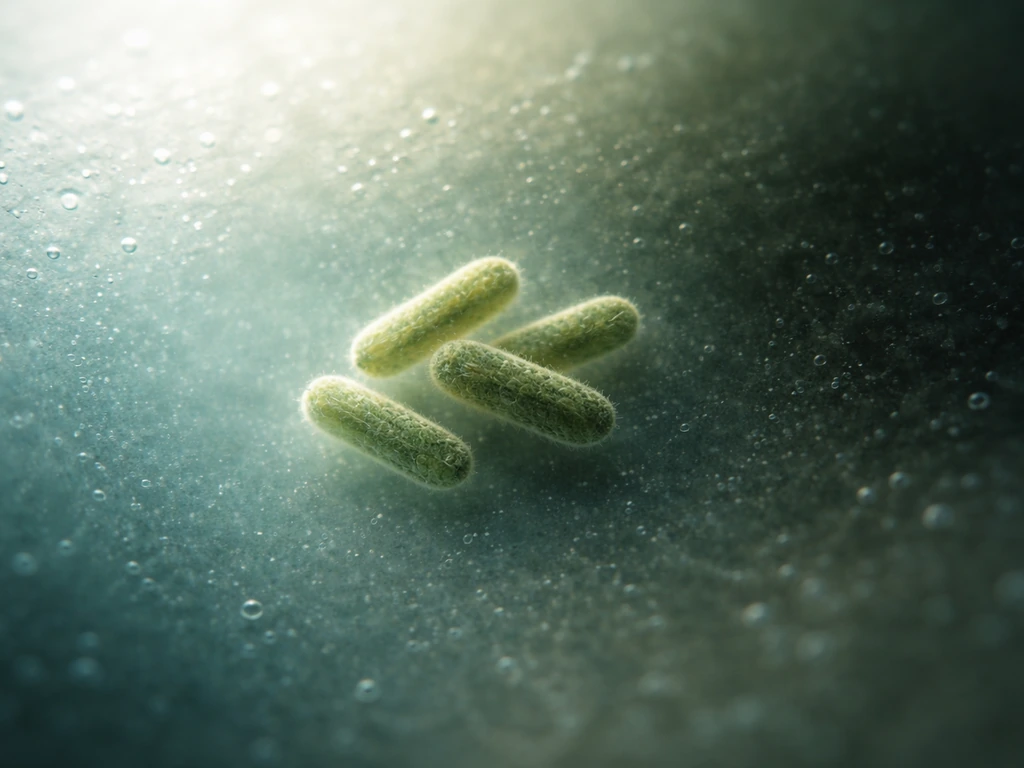
- Visible growth: any fuzzy, filamentous, or ring-like spots floating in the liquid or clinging to the inside of the bottle or cap. These are almost always mold colonies.
- Cloudiness or sediment: fresh Gatorade should be clear or uniformly colored. Unexpected cloudiness, clumping, or a settled layer at the bottom can indicate microbial growth or yeast fermentation.
- Off smell: a sour, fermented, musty, or yeasty odor that differs from the original scent of the drink. Fermentation by yeast often produces a faint alcohol or bread-like smell.
- Unusual taste (if you notice before swallowing): flat, sour beyond the usual tartness, or bitter. However, the CDC and USDA both advise clearly: never taste food or drink to determine whether it is safe. If you notice anything off, discard it without tasting further.
- Expanded or bulging cap: in rare cases, fermentation by yeast can produce CO2, pressurizing the bottle. A bottle that seems harder than usual or hisses when opened is a warning sign.
- Discolored cap or rim: mold frequently colonizes surfaces before the liquid, so check the inner cap and bottle rim, not just the liquid itself.
One important caution from food safety authorities: mold visible in a liquid is rarely the whole picture. The USDA FSIS notes that moldy foods often harbor invisible bacteria growing alongside the mold, and that mycotoxins (toxic compounds some molds produce) can be present even where you don't see growth. You cannot judge safety by appearance alone. In some people, spoiled food or drink can contribute to stomach upset and may be linked to symptoms involving what can grow in your stomach.
What to do right now if your Gatorade looks or smells off
- Do not taste it. This is the single most important rule. The CDC and USDA are explicit: never taste food or drink to determine whether it is safe.
- Discard the bottle. Pour it out and dispose of the bottle. The FDA and USDA both recommend discarding any food or drink you suspect is spoiled, full stop.
- Do not transfer the liquid to another container to 'save' it. If there is mold in one part of a liquid, contamination has likely spread throughout.
- Wash your hands and any surfaces the bottle touched, especially if there was visible mold. Mold spores can transfer easily to other surfaces.
- If you already consumed some and are feeling unwell (nausea, stomach cramps, vomiting), contact a healthcare provider or poison control. Most mold exposure from food or drink causes gastrointestinal symptoms, but some molds produce mycotoxins that can cause more serious effects.
- Check nearby bottles or drinks stored in the same location. If one was contaminated, others stored nearby in similar conditions may also be at risk.
How to store Gatorade to prevent mold growth
Prevention is straightforward once you understand what mold needs. The goal is to deny it at least one of the key conditions: warmth, oxygen, time, or a pathway for contamination. Cirkul cartridges can also be vulnerable if they are stored warm, exposed to air, or not cleaned regularly, which can create conditions mold needs to grow Cirkul cartridges can grow mold.
- Refrigerate opened bottles promptly and consistently. Cold temperatures (below 40°F or 4°C) significantly slow mold and yeast growth, even though they don't eliminate it entirely.
- Don't drink directly from the bottle if you plan to store the remainder. Use a cup or squeeze the bottle to pour. This keeps oral microorganisms out of the bottle.
- Recap tightly after each use to minimize oxygen exposure and limit the time the liquid is in contact with ambient air and airborne spores.
- Consume opened Gatorade within 3 to 5 days when refrigerated. Preservatives help, but they work within limits, especially after the seal is broken and contaminants have been introduced.
- Store unopened bottles in a cool, dry place away from direct sunlight and heat. Prolonged heat exposure can degrade the preservative system and affect the seal integrity over time.
- Always check the expiration date before drinking. An expired bottle, even if unopened, may have reduced preservative effectiveness.
- Pay attention to cap hygiene. Setting a cap down on a surface, or touching the bottle rim with dirty hands, can introduce contamination even if you never drink directly from it.
- If you are using a reusable sports bottle to mix Gatorade powder or pour Gatorade into, wash that container thoroughly between uses. Studies on reusable bottles show contamination increases meaningfully with repeated use, even with acidic beverages.
Mold vs yeast vs bacteria in an acidic sugary drink
People often assume mold is the main threat in a spoiled drink, but in acidic, sugar-containing beverages like Gatorade, yeast is frequently the more common early spoiler. Here's how the three groups compare in this specific context:
| Microorganism | Acid tolerance | Oxygen requirement | Main effect on drink | Relative risk in Gatorade |
|---|---|---|---|---|
| Mold | High (grows at pH 3 to 7) | Strict aerobe (needs oxygen) | Visible fuzzy growth, off smell, potential mycotoxins | Lower risk in sealed bottles; real risk in open, warm, oxygenated conditions |
| Yeast | High (grows at pH 3 to 7) | Facultative (can work with or without oxygen) | Fermentation, cloudiness, CO2, alcohol production, off taste | Higher risk in opened sugary drinks, even with preservatives present |
| Bacteria | Generally low (most prefer pH above 4.5) | Varies by species | Sliminess, sour odor, color changes | Lower risk due to acidity; some acid-tolerant lactic acid bacteria can still grow |
The practical takeaway here is that if your Gatorade looks fermented (cloudy, gassy, alcohol-smelling) rather than fuzzy, yeast is the more likely culprit than mold. But the safety guidance is the same regardless of which microorganism is involved: discard it. Yeast fermentation in a beverage that wasn't designed to ferment means the preservative system has failed and the drink's chemistry has changed in ways that are hard to predict without lab testing.
This same framework applies to other acidic beverages you might think about in a similar way. Kombucha is fermented, so it can seem like it might grow in your stomach, but your digestive conditions and stomach acid make that unlikely. If you are wondering can hydroflasks grow mold, the same principles apply: residual moisture, residues, and cleaning gaps can let mold establish itself.
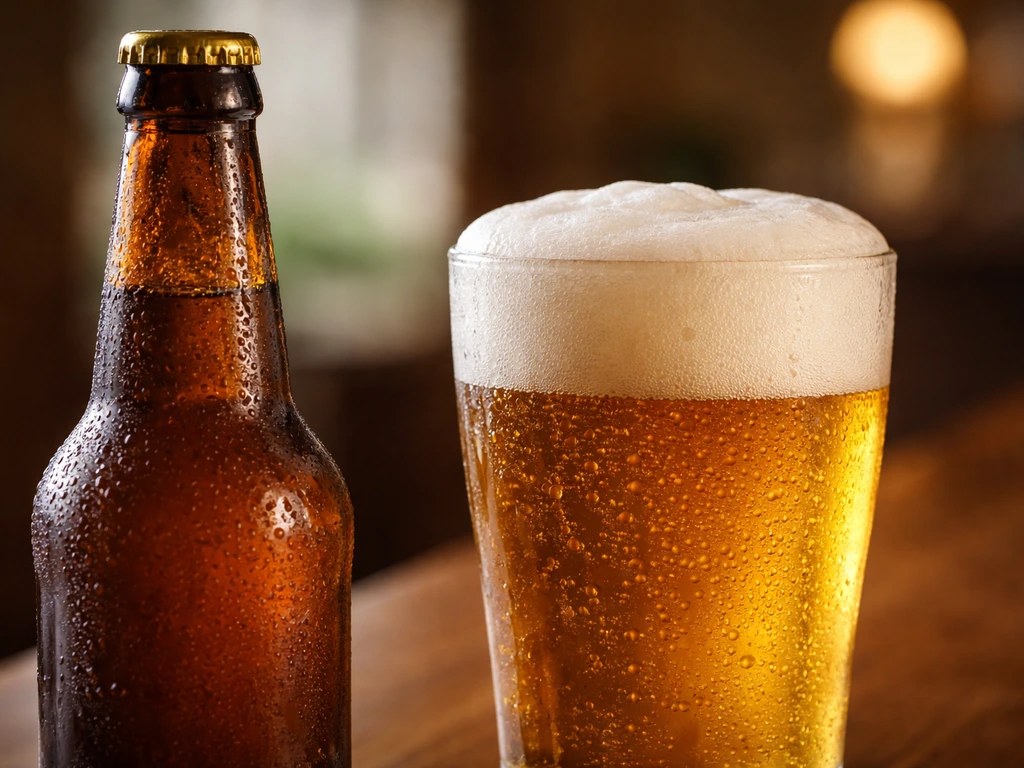
Kombucha, for example, intentionally harnesses yeast and bacteria in an acidic environment, while beer relies on controlled fermentation where wild mold contamination is still considered a spoilage problem by brewers. Beer can grow mold if it is exposed to the right conditions, especially after opening and in the presence of oxygen beer relies on controlled fermentation.
The underlying biology is consistent: acidity slows but does not stop mold or yeast, and oxygen exposure is the single biggest factor in whether mold specifically takes hold.
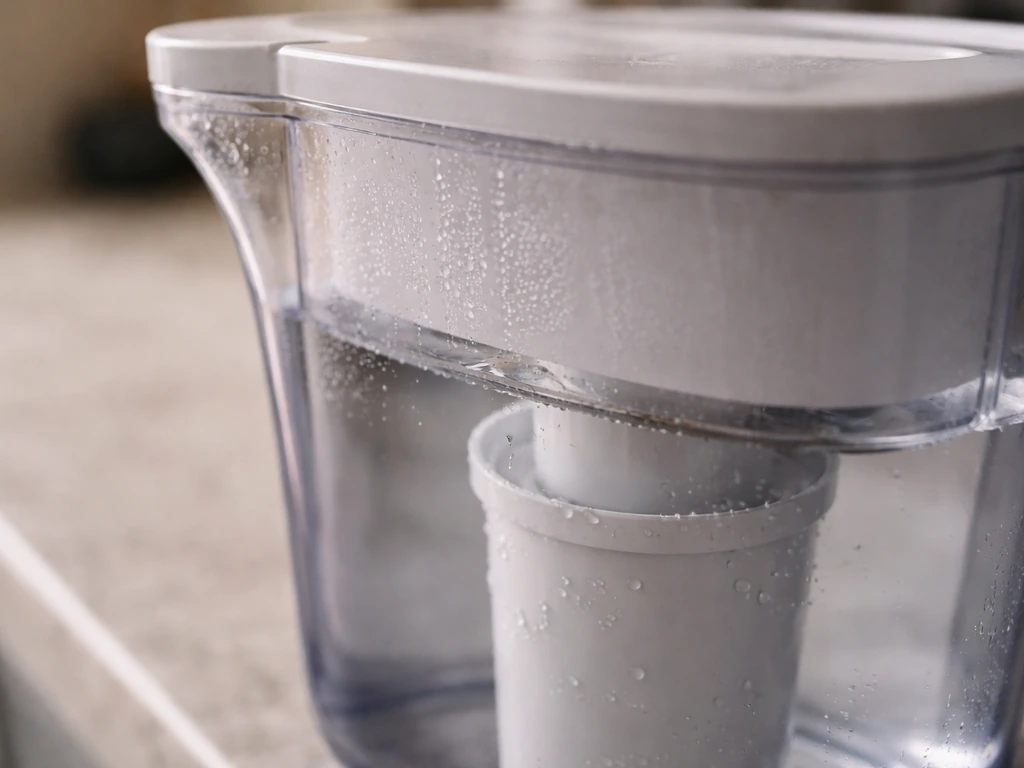
The same logic also applies to drink containers themselves. Even when a beverage is well-formulated, a contaminated vessel, like a poorly cleaned reusable bottle or a sports bottle cap with residue, can introduce mold spores directly. This same issue can affect Brita-style water filters too, especially if moisture and poor drying let biofilm build up Brita filters. The drink isn't the only variable worth monitoring.
FAQ
If I accidentally leave a sealed bottle in a hot car overnight, is it still safe from mold?
Heat can weaken a bottle’s protective conditions and accelerate spoilage, even if mold is still less likely in an unopened bottle. Check for off odors, changes in color, swelling, or leaks. If anything looks or smells wrong, discard it, since warmth also increases the chance of other microbial spoilage pathways after any tiny seal failure.
Can I rinse the bottle rim or cap and then drink the rest if I see mold on the outside near the opening?
No. Mold near the rim often means spores already had contact with the opening area or the liquid surface, and “outside” mold can be hard to separate from contamination inside. To be safe, throw the entire bottle away rather than trying to salvage only part of it.
Is it safe to scrape mold off the surface if the rest of the Gatorade looks normal?
Discard it. Visible mold can spread through a drink via microscopic contamination, and some molds can produce toxic compounds that you cannot remove by skimming. Appearance-normal does not reliably mean the microbial load is harmless.
How long after opening can Gatorade sit at room temperature before mold becomes a real risk?
There is no guaranteed safe time window because it depends on how warm it is and how it was handled (cap on or off, drinking from the bottle, exposure to air). As a rule, if it sits at room temperature overnight or for an extended day, treat it as unsafe and discard it rather than trying to judge based on “not seeing mold yet.”
Does refrigerating an opened bottle stop mold growth completely?
Refrigeration slows growth but does not reset the contamination clock. If the bottle warmed before chilling, microbes that multiplied during the warm period are still present, and some fungi tolerate cold better than most bacteria. If it is old after opening and smells off, discard it.
Can mold grow inside a bottle that never tasted “bad,” just looked cloudy?
Yes. Cloudiness can be caused by yeast, haze from dissolved components, or early microbial activity. If the cloudiness is new and accompanied by any off smell, sweetness changes, fizzing, or sediment you did not expect, discard it rather than relying on taste.
What if the cap was off briefly while I was traveling, then I recapped it right away?
A short exposure increases risk mainly through airborne spores settling into the opening. If the bottle was warm during or after that exposure, the risk is higher because time and temperature accelerate growth. When in doubt, especially if you do not know how long it was exposed, discard it.
Can a Gatorade bottle with yeast signs like gassiness still be safer than a moldy one?
Not necessarily. Yeast fermentation indicates the preservative system was overwhelmed and the drink’s chemistry changed in an unpredictable way. Even if it is “only yeast,” the safe action is the same, discard it.
How should I clean a reusable sports bottle to prevent mold the next time I use it for Gatorade?
Wash with soap and hot water, then thoroughly rinse and fully dry. Pay special attention to the threads under the cap and any gasket or seals, since moisture trapped there supports biofilm. Avoid just quick rinsing, and do not store a bottle damp or with the cap tightened.
Does water activity or acidity mean mold will never grow in Gatorade after opening?
No. Acidity and preservatives help, but once oxygen and contamination get in, molds that tolerate lower pH can still grow, especially when time and warmth allow populations to build. Water availability is high in the drink, so the key failure points are contamination route plus warmth plus oxygen exposure.
What about flavored Gatorade powder mixes or homemade versions, can they grow mold?
Yes, any aqueous sugar-containing mixture can spoil if handled the same risky way (improper storage, contamination, leaving it warm, or not using clean containers). If you made it, follow strict refrigeration timelines and discard if cloudy, smelly, or visibly altered, since homemade mixes can vary in preservative coverage.