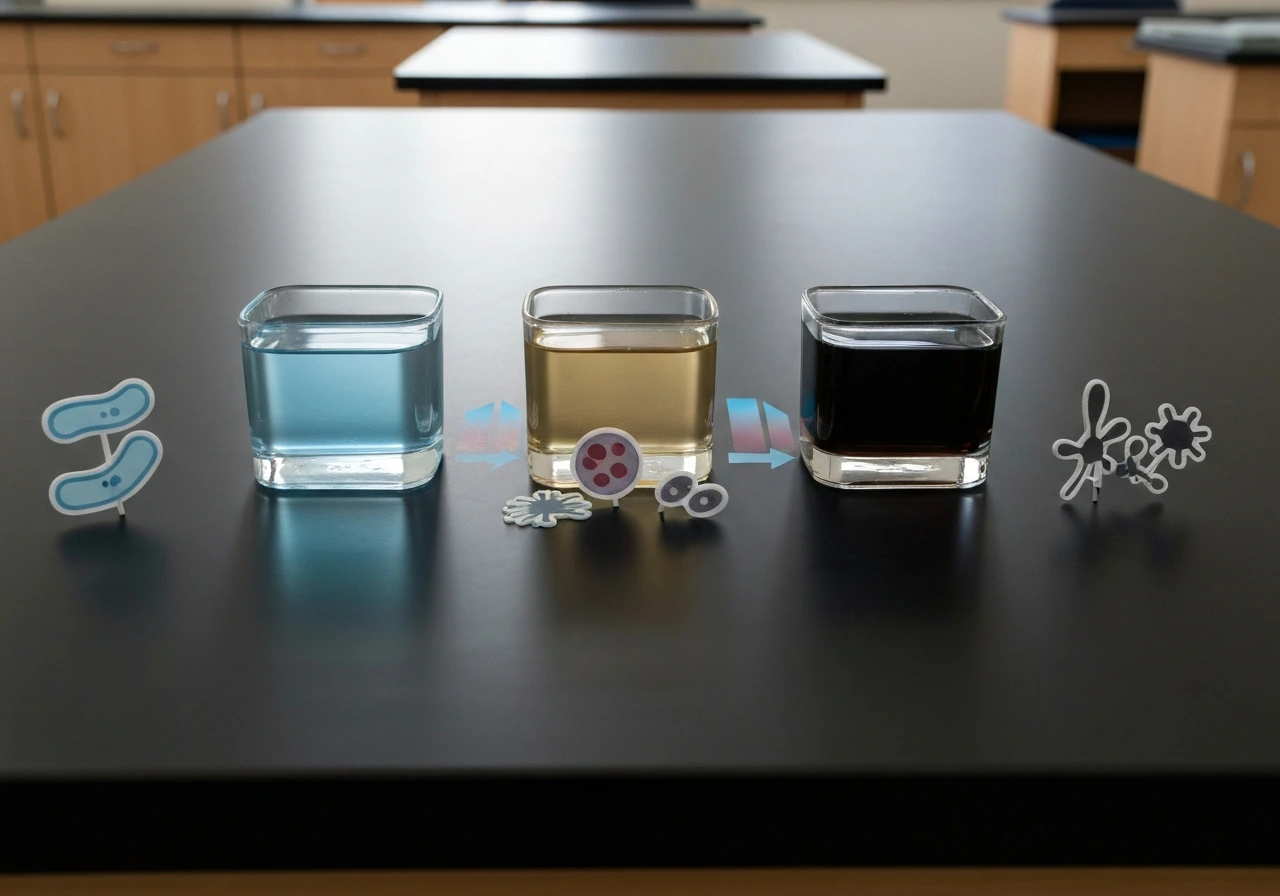
Most microorganisms grow best in warm, moist, nutrient-rich environments with a near-neutral pH. If you had to picture the single most growth-friendly setting, think of the inside of the human body: roughly 37°C (98.6°F), plenty of water, organic nutrients everywhere, and a pH close to 7. That environment is essentially paradise for the bacteria that cause most common infections. But here is the honest caveat you need to know upfront: 'best' is not the same for every microorganism. Some microbes thrive in boiling hot springs, others grow happily in your refrigerator, and still others suffocate in the presence of oxygen. Understanding why requires looking at the five key environmental factors that control microbial growth: temperature, pH, oxygen availability, moisture, and nutrients.
In Which Type of Environment Do Microorganisms Grow Best?

The quick answer: what the 'best environment' usually looks like
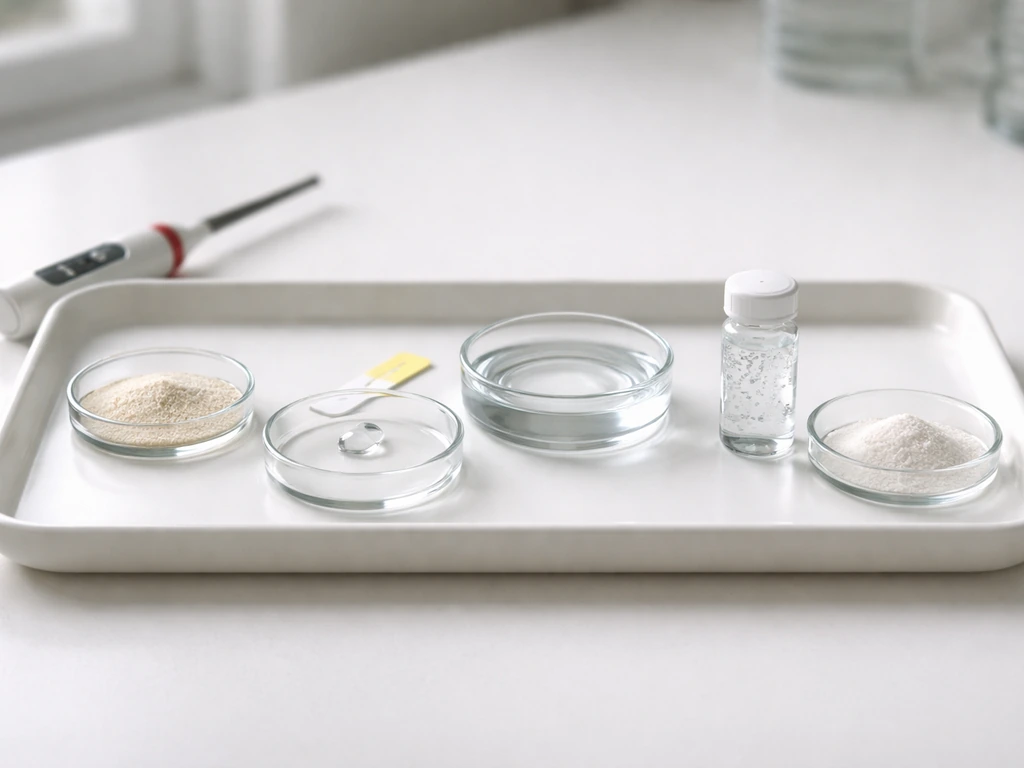
For the majority of bacteria you encounter in everyday life, the best environment is warm (roughly 25–37°C), has a water activity close to 1.0 (meaning plenty of freely available water), sits at a neutral pH around 6.5–7.5, contains enough oxygen for aerobic metabolism, and is rich in carbon and nitrogen sources. This description fits most mesophiles, the group of microorganisms that includes the bacteria most relevant to food safety, human health, and household hygiene. Fungi like molds and yeasts follow a slightly different playbook: they prefer a touch more acidity (pH around 4–6) and can tolerate drier conditions than most bacteria.
A useful study framework is to think of five dials, each of which must be set correctly for a given microbe to grow at its fastest. Turn any one dial too far in the wrong direction and growth slows or stops entirely. This is actually the logic behind most food preservation methods: refrigeration turns down the temperature dial, drying or adding salt turns down the water dial, and pickling turns down the pH dial. Understanding those dials individually is how you understand microbial growth as a whole.
Temperature: why warm is usually best (but not always)
Every microorganism has three key temperature points: a minimum below which it stops growing, an optimum where it grows fastest, and a maximum above which it dies or shuts down. Microbiologists call these the cardinal temperatures. The optimum is where all the enzymes involved in metabolism, DNA replication, and cell division work at their peak efficiency. Stray too far above the optimum and those proteins start to unfold and lose function. Drop too far below and chemical reactions slow to a crawl because molecules simply do not have enough energy to collide and react.
Microorganisms are grouped by their temperature preferences. Mesophiles, which include most bacteria associated with human disease and food spoilage, have an optimum around 30–37°C. Psychrophiles thrive at or near 0°C and can actually grow in a standard refrigerator, which is why properly refrigerating food slows but does not always stop spoilage. Thermophiles have optima around 50–60°C and are common in compost heaps and hot springs. Hyperthermophiles, found in deep-sea hydrothermal vents, can grow at temperatures between 80–110°C because their enzymes and membranes have structural adaptations that prevent them from falling apart at those extremes.
| Group | Optimum Temperature | Where You Find Them |
|---|---|---|
| Psychrophiles | Near 0°C | Arctic soils, cold ocean water, refrigerators |
| Mesophiles | 30–37°C | Human body, most foods, household surfaces |
| Thermophiles | 50–60°C (max ~80°C) | Compost piles, hot springs |
| Hyperthermophiles | 80–110°C | Deep-sea hydrothermal vents, volcanic environments |
The practical takeaway here is straightforward: keeping food in the 'danger zone' between roughly 5°C and 60°C means you are keeping it at temperatures where mesophiles grow efficiently. Refrigerating at or below 4°C dramatically slows most pathogenic bacteria, and cooking above 70°C kills most of them. Temperature is the single easiest environmental factor to manipulate in food safety and household hygiene.
pH: how acidity and alkalinity shape which microbes win
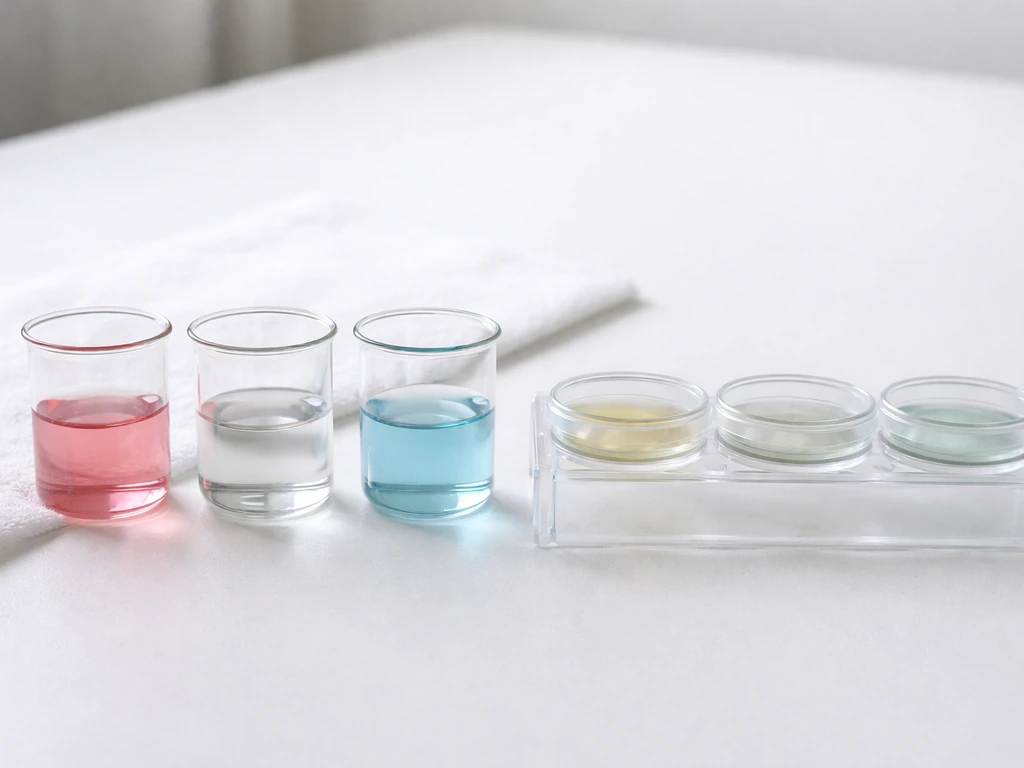
pH measures how acidic or alkaline an environment is on a scale from 0 (most acidic) to 14 (most alkaline), with 7 being neutral. For microorganisms, pH matters because it directly affects enzyme function and the transport of nutrients across the cell membrane. If the pH is too far outside a microbe's tolerance range, its cellular chemistry simply cannot operate.
Most bacteria are neutrophiles, meaning they grow best at a pH between roughly 6.5 and 7.5. This is why bacteria multiply so effectively in blood, tissue, and most unpreserved foods, all of which sit near neutral pH. Acidophiles prefer acidic environments, with some growing at pH as low as 0 to 2 (think sulfuric acid hot springs or the lining of your stomach). Alkaliphiles favor the other end of the spectrum, thriving at pH 8–11 and sometimes higher.
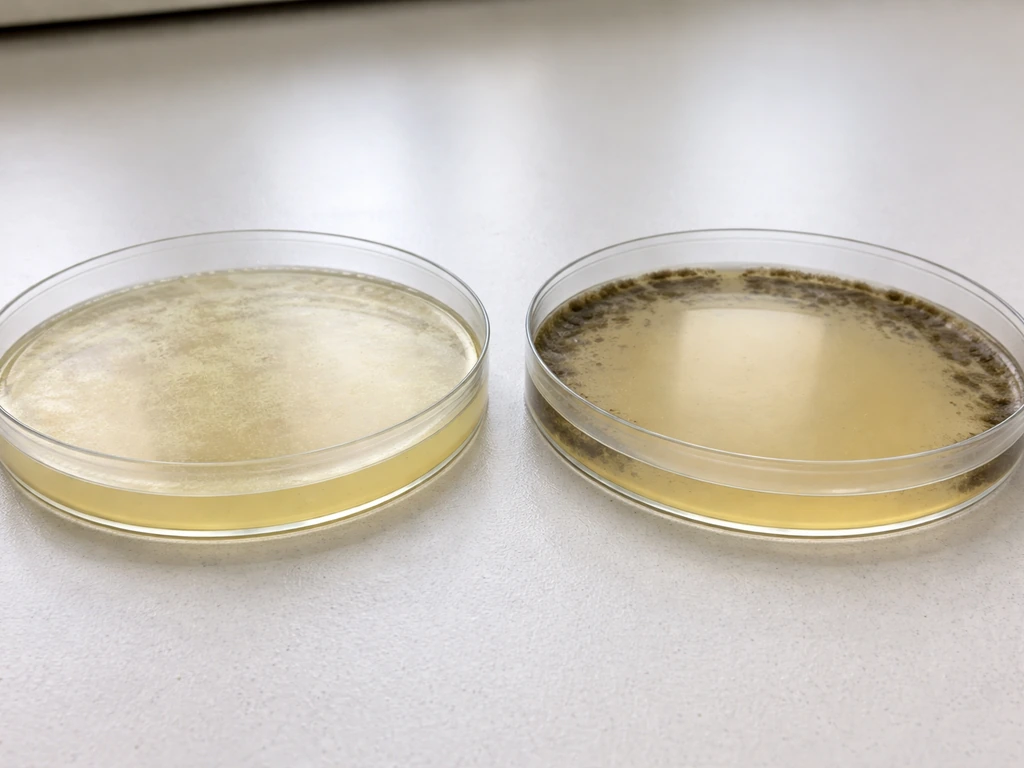
Fungi are an important exception to the 'neutral is best' rule. Most molds and yeasts prefer a slightly acidic environment, with optima around pH 4–6. This is part of why fungi tend to dominate in acidic soils or on citrus fruit, while bacteria struggle there. It also explains why bread, which is slightly acidic and often lower in available water, tends to grow mold rather than becoming overrun with bacteria. When you are trying to understand which organism is likely colonizing a given environment, pH is one of the first things to consider.
Oxygen: aerobic, anaerobic, and everything in between
One of the biggest misconceptions students have is assuming all microorganisms need oxygen to grow. That is simply not true. Microorganisms have evolved to exploit almost every possible oxygen situation, and for some, oxygen is actually toxic. The site where pathogens grow is called their habitat, and the right combination of conditions helps them thrive.
- Obligate aerobes require oxygen to grow. They use it as the final electron acceptor in cellular respiration and cannot generate enough energy without it. Most molds fall into this category, which is why vacuum-sealing food inhibits mold growth.
- Obligate anaerobes cannot tolerate oxygen and will die in its presence. They rely on fermentation or anaerobic respiration to generate energy. Clostridium botulinum, the bacterium behind botulism, is a classic example, thriving in sealed, oxygen-free canned goods.
- Facultative anaerobes are the most flexible group. They grow better with oxygen but can switch to anaerobic metabolism when oxygen is not available. Many common bacteria, including E. coli, are facultative anaerobes.
- Microaerophiles need oxygen but only at concentrations lower than the 21% found in normal air. Too much oxygen is actually harmful to them. Helicobacter pylori, which colonizes the stomach lining, is a well-known microaerophile.
- Aerotolerant anaerobes do not use oxygen but are not harmed by its presence either. They carry out fermentation regardless of whether oxygen is around.
In practical terms, the oxygen environment of a habitat is a powerful predictor of which microbes will dominate it. Helicobacter pylori is classified as a microaerophile because it requires oxygen but only at lower concentrations than are present in the atmosphere. Open wounds and skin surfaces favor aerobes. Deep tissue infections, the gut, and improperly sealed preserved foods often favor anaerobes or facultative anaerobes. Sealed cans and vacuum-packed products remove the oxygen that would otherwise suppress obligate anaerobes like Clostridium, which is precisely why acidification (lowering pH) or high-temperature sterilization is also used to make those products safe.
Moisture: why water availability is the master switch
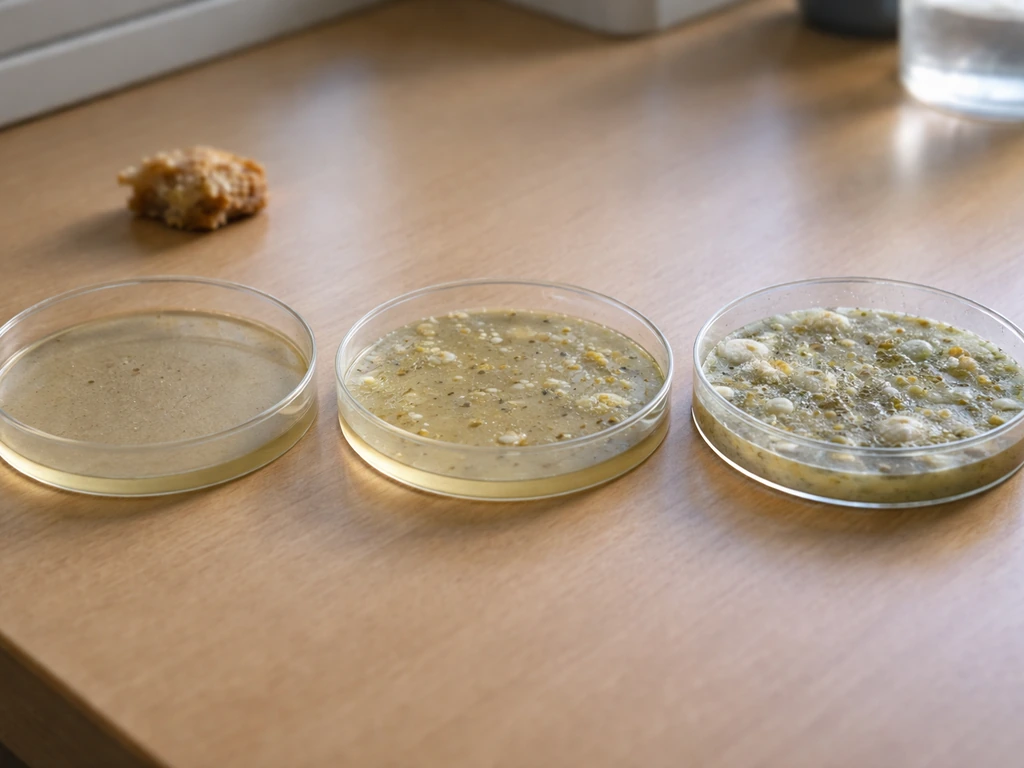
Water is not just a solvent for microorganisms, it is the medium in which virtually every biochemical reaction in the cell takes place. Without sufficient available water, microbes cannot take up nutrients, export waste products, or carry out metabolism. Even if temperature, pH, and oxygen are all perfect, a dry environment will stop most microorganisms cold.
Food scientists measure this using a concept called water activity (aw), which runs on a scale from 0 to 1. USDA ARS' Pathogen Modeling Program explains that water activity ranges from 0 (bone dry) to 1.0 (pure water) and that most molds stop growing below about aw 0.8, though some can still grow slowly blank" rel="noopener noreferrer">water activity (aw) ranges from 0 (bone dry) to 1.0 (pure water). 0. blank" rel="noopener noreferrer">Pure water has an aw of 1.0. An aw of 0.80 means the water vapor pressure in that environment is 80% of pure water. Most fresh foods have an aw above 0.95, which is high enough to support vigorous growth of bacteria, yeasts, and molds. The minimum aw for Clostridium botulinum to grow and produce toxin is about 0.93, which is why high-moisture canned foods are so carefully controlled.
Different organisms have different minimum water activity thresholds. Most gram-positive bacteria need an aw of at least around 0.90. Most molds can manage at aw values as low as 0.80. Xerophilic molds (literally 'dry-loving' fungi) are the extreme case, sometimes growing at aw values as low as 0.60 to 0.62. This explains why dried fruits, which might seem shelf-stable, can still occasionally host mold: the sugar concentration lowers water activity significantly, but xerophilic molds are adapted to exactly that niche.
In indoor environments, moisture control is the most effective mold prevention strategy. When relative humidity stays below 60%, most building materials do not hold enough water for mold to establish itself. The US EPA notes that if wet or damp materials are dried within 24 to 48 hours after a spill or leak, mold growth can usually be prevented entirely. That window exists because spores need time to germinate and begin colonizing a surface. Dry it fast enough and you cut off the growth cycle before it starts.
Nutrients and surfaces: what microbes eat and where they set up camp
Even with ideal temperature, pH, oxygen, and moisture, a microorganism still needs something to eat. Microbial nutrition typically comes down to four categories: a carbon and energy source, a nitrogen source, minerals and trace elements, and sometimes specific growth factors (vitamins or amino acids that the organism cannot synthesize on its own). Most heterotrophic bacteria and fungi, which includes the vast majority of species relevant to food safety and hygiene, get their carbon and energy from organic compounds. A leftover piece of chicken sitting on the counter provides all four categories in abundance.
Surfaces matter too, and this is something that often gets overlooked. Microorganisms in natural environments almost never float freely in liquid. They prefer to attach to surfaces and form biofilms, structured communities held together by a self-produced matrix of polysaccharides. Biofilms are found on kitchen cutting boards, bathroom tiles, dental surfaces, and inside water pipes. Once established, a biofilm is far harder to remove than a free-floating bacterium because the matrix protects the cells inside from disinfectants, drying, and immune defenses. The 'best environment' for a biofilm-forming organism is not just any wet, warm surface, it is a surface with rough texture or micro-scratches where cells can anchor and begin building that protective structure.
Nutrient-poor environments like clean air, distilled water, or bare rock do not support dense microbial communities, though some specialists (like lithotrophs that get energy from inorganic minerals) have adapted to those niches. For most microbes you will encounter in daily life, nutrient availability directly governs not just whether they can grow but how fast. A rich nutrient environment accelerates growth; a sparse one forces microbes into a slower, sometimes dormant state.
Why there is no single 'best' environment for all microorganisms
If you search for this topic in a study guide context, the answer that fits most exam questions is: warm temperature (around 37°C), neutral pH (6.5–7.5), adequate oxygen (for aerobes), high moisture (aw above 0.95), and rich organic nutrients. That describes the ideal environment for the typical mesophilic bacterium. But microbiology is the science of exceptions, and those exceptions matter enormously in the real world.
The same yogurt that is too acidic for most bacteria is a perfect home for lactobacilli, which are acidophilic and acidotolerant. The same refrigerator that slows Salmonella to an almost complete stop allows Listeria monocytogenes, a psychrotrophic mesophile, to continue multiplying slowly, which is why Listeria is a particular concern in ready-to-eat refrigerated foods. The same vacuum seal that stops mold allows Clostridium to grow unchecked if the pH and temperature conditions are also met.
This interconnectedness is the most important conceptual point in microbial growth: the five factors do not operate independently. A slight drop in pH combined with a slight drop in water activity can be enough to stop a microbe even when temperature and oxygen are ideal. Food preservation methods almost always exploit multiple factors simultaneously for exactly this reason. Understanding how these factors interact is what separates rote memorization from genuine insight into microbiology.
How to think about common real-world environments
| Environment | Temperature | pH | Moisture | Dominant Microbes |
|---|---|---|---|---|
| Cooked food left out | Warm (room temp, ~20–25°C) | Near neutral | High (aw >0.95) | Mesophilic bacteria, yeasts |
| Refrigerator | Cold (~4°C) | Varies | High | Psychrotrophs, Listeria |
| Bathroom tile grout | Room temp | Slightly alkaline (from soap) | High (humidity) | Mold, mildew (fungi) |
| Healthy human gut | 37°C | Variable (acidic to neutral by region) | Very high | Facultative and obligate anaerobes |
| Dry pantry goods | Room temp | Variable | Low (aw ~0.60–0.80) | Xerophilic molds (if any) |
| Compost pile interior | Hot (~50–65°C) | Slightly acidic to neutral | Moderate to high | Thermophiles |
Looking at microbial growth through these real-world lenses connects the abstract textbook categories to situations you can actually observe and control. By asking why microbiologists want to grow bacteria, you can see how these same factors guide everything from basic research to culturing samples for diagnosis. Whether you are studying for an exam or trying to understand why mold appeared on your bathroom ceiling after a plumbing leak, the same five-factor framework applies. Microorganisms grow best wherever their specific combination of temperature, pH, oxygen, moisture, and nutrients lines up favorably. Change even one of those factors significantly and you change which organisms, if any, can establish themselves.
It is also worth noting that understanding where microbes grow is closely tied to understanding how they grow, which involves the stages of the microbial growth cycle, including the lag phase, exponential growth, and stationary phase. The 'best environment' discussed here is specifically the environment that shortens the lag phase and sustains exponential growth for as long as possible. When environmental conditions deteriorate, microbes shift into slower growth phases or form resistant structures like spores, waiting for conditions to improve. That ability to pause and restart is part of what makes microorganisms so remarkably persistent.
FAQ
If microorganisms grow best in warm, moist, nutrient-rich conditions, why do they still survive in the refrigerator or on dry surfaces?
Because “best” refers to fastest growth, not survival. Psychrotrophs can still replicate slowly near refrigeration temperatures, and many microbes survive long periods in unfavorable conditions by entering dormancy or forming tough structures (for some groups, spores). On dry surfaces, growth usually stops first, but cells can remain viable at low levels until moisture returns.
Which factor is usually the most effective to change first to prevent microbial growth in foods?
Temperature is often the fastest lever for preventing growth, but it only works if you avoid warm-up during handling. In practice, the safest approach combines lower temperature and additional hurdles (for example, reducing water activity with drying, lowering pH with acids, or using proper sealing to control oxygen). A cold product that gets left at room temperature repeatedly can still accumulate enough growth to be unsafe.
Is oxygen required for microorganisms to grow, or does it depend on the environment?
It depends on the organism. Aerobes grow only when oxygen is present, anaerobes require little to no oxygen, and facultative microbes can switch modes. That is why oxygen exposure changes which microbes dominate, such as surface growth on open wounds versus slower, different community growth in sealed or deeply embedded sites.
Why does pH control microbial growth so strongly even when temperature and nutrients are ideal?
pH affects the chemistry inside the cell, including enzyme activity and how nutrients cross the cell membrane. Even if food is warm and has lots of nutrients, a pH outside the microbe’s tolerance range prevents cells from maintaining proper internal conditions, so growth stalls or stops.
What does “water activity” mean in practical terms for kitchens and food storage?
Water activity (aw) reflects how much freely available water microbes can actually use, not just how wet something feels. For instance, sugar in jam or salt in cured foods can lower aw enough that microbes cannot grow efficiently, even though the food still contains plenty of moisture.
If a food has high moisture, does that always mean it will spoil quickly?
Not necessarily. High moisture supports growth, but other factors can still limit it. For example, refrigeration slows mesophiles, low pH can inhibit many bacteria, and properly designed preservatives or packaging can reduce oxygen. Spoilage risk increases when multiple favorable conditions align at the same time.
Can molds grow on foods that bacteria cannot, like acidic foods or breads?
Yes. Many molds and yeasts tolerate lower pH better than many bacteria, and they can also handle lower water availability better. That is why you might see mold development on acidic or relatively low-availability water foods where bacterial overgrowth is less likely.
Why do biofilms make contamination harder to remove than free-floating microbes?
Biofilms protect cells with a self-produced matrix that can block disinfectants, slow penetration, and retain moisture. They also allow cells to communicate and behave as a community, so cleaning that only targets free-floating cells can miss the attached population. That is why mechanical cleaning and proper surface treatment matter, not just chemical exposure.
What is the “danger zone,” and is it fixed for all microorganisms?
The danger zone commonly refers to temperatures (about 5°C to 60°C) where many mesophilic pathogens grow well. It is not universal because some microbes prefer colder or hotter ranges. Still, for everyday food safety, that range is a practical risk window because it covers growth optima for many relevant bacteria.
How do scientists decide which microbe can grow in a specific habitat if all five factors matter?
They use the organism’s tolerance ranges for temperature, pH, oxygen conditions, and minimum water activity, then compare those to the habitat’s measured or estimated values. In real-world investigations, pH and moisture are often evaluated first, followed by temperature and oxygen availability, because those quickly narrow down likely candidates.