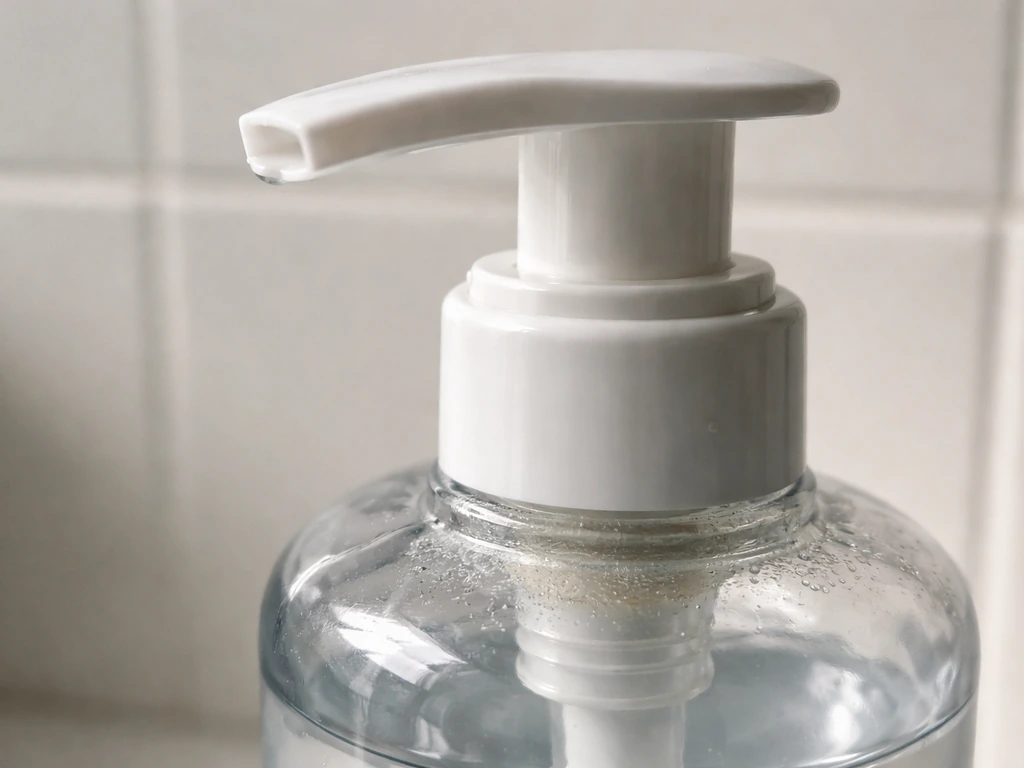
Yes, bacteria can absolutely grow in liquid soap pump containers, and it happens more often than most people expect. The pump mechanism itself, particularly the riser tube and pump head, can trap stagnant liquid, collect moisture from repeated use, and accumulate soap residue that feeds microbial growth. Researchers have recovered Gram-negative bacteria like Pseudomonas aeruginosa and Raoultella planticola from both household-style and refillable antimicrobial dispensers, which is a useful reminder that soap in the container does not mean the container is sterile. Bacteria can also grow in gasoline under the right conditions, which is why contaminated fuel is a known problem can bacteria grow in gasoline.
Bacteria Can Grow in Liquid Soap Pump Containers

Marcus Holloway
25 Apr 2026
Why soap pumps are surprisingly good at harboring bacteria
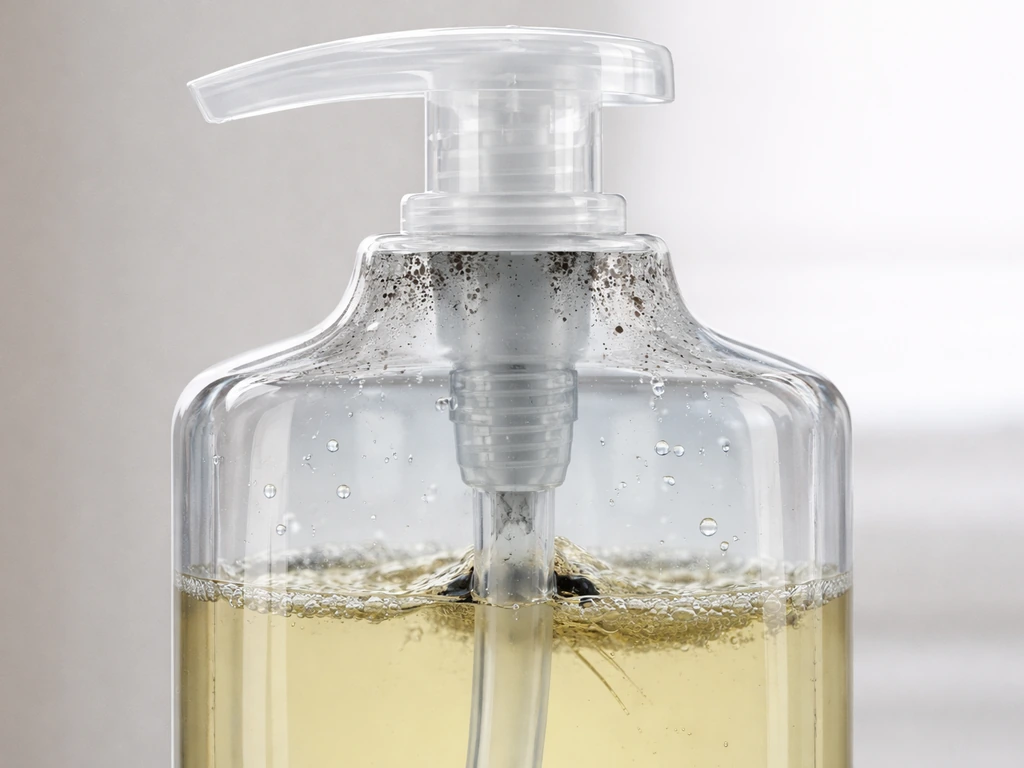
Here is the core misconception worth clearing up first: soap kills bacteria on your hands by disrupting cell membranes and washing microbes down the drain. But the inside of your dispenser is a completely different environment. Bacteria living inside a pump are not being scrubbed off or rinsed away. They are sitting in stagnant liquid, protected from interference, and slowly building a community.
The main driver of contamination is moisture accumulation. Every time you press the pump, a small amount of water (from wet hands, splashback, or ambient humidity) enters the spout or pump head. That water does not drain out efficiently because most pump dispensers have no drainage system in the mechanism. It just sits there. When you pair stagnant moisture with soap residue, which contains glycerin, surfactants, and trace organic compounds that can serve as carbon sources for some bacteria, you create a low-grade nutrient environment inside the pump components.
Over time, bacteria can form biofilms on the internal surfaces of the riser tube and pump head. A biofilm is essentially a structured colony of bacteria encased in a self-produced matrix of polysaccharides and proteins. This matrix acts like armor: once a biofilm is established, the bacteria inside it are significantly more resistant to disinfectants than free-floating (planktonic) cells. Studies on Pseudomonas aeruginosa biofilms specifically show that biofilm-protected cells can withstand concentrations of biocides that would easily kill the same organism in open liquid. This is why a quick rinse rarely solves the problem once contamination sets in.
blank" rel="noopener noreferrer">Topping off a partially empty dispenser, which means adding fresh soap on top of old soap without cleaning first, compounds the problem. Old residue at the bottom of the container can harbor microbial communities, and adding new soap does not eliminate them. It just gives them more volume to spread into. blank" rel="noopener noreferrer">Both CDC guidance and WHO technical guidelines explicitly warn against this practice for exactly this reason.
The conditions that make a pump dispenser risky (or not)
Bacterial growth in any environment comes down to a few core variables: temperature, pH, available nutrients, moisture, and oxygen. Understanding how these apply to a soap dispenser helps explain why the risk varies from one situation to another.
Temperature
Most soap dispensers sit at room temperature, typically around 20 to 25 degrees Celsius (68 to 77 degrees Fahrenheit). This range falls comfortably within the growth zone for many mesophilic bacteria, including common environmental Gram-negative species. A dispenser sitting near a heat source or in a warm bathroom is more permissive for microbial growth than one stored in a cooler spot. This does not mean you should refrigerate your soap, but it does mean that a hot, humid bathroom is a higher-risk environment.
pH
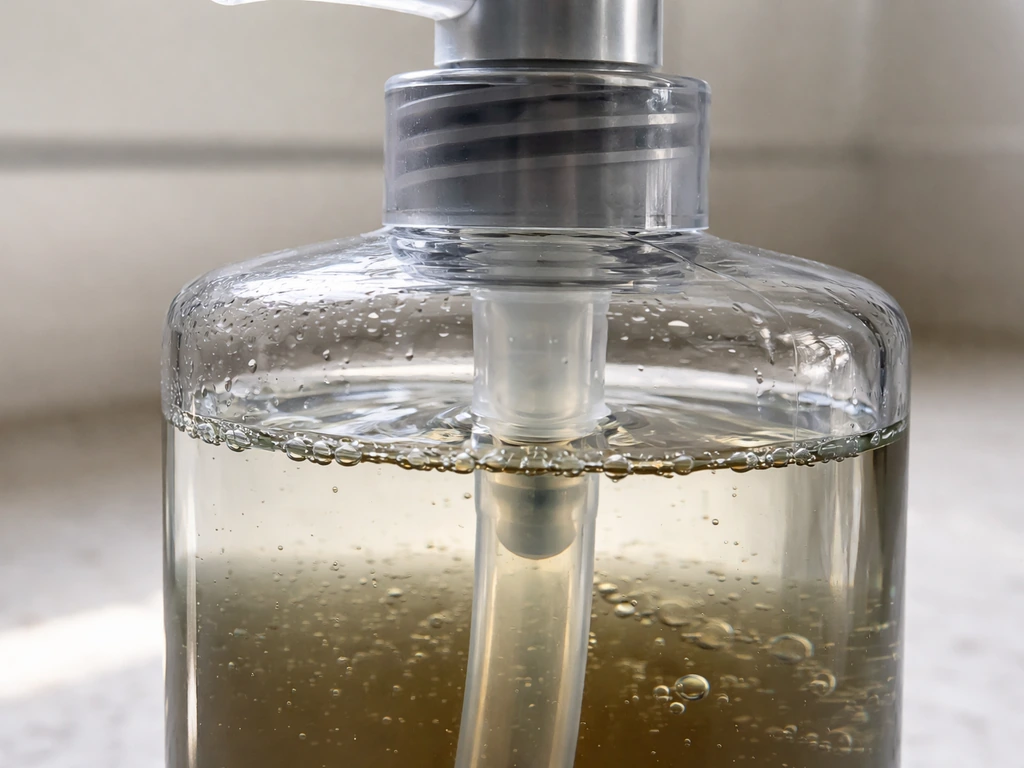
Many liquid soaps are formulated with an alkaline pH, often around 9.5 to 10.5. This range is genuinely unfavorable for a broad range of microorganisms, which is one of the reasons commercial liquid soap does not instantly become a petri dish. However, alkaline pH is not a guarantee of sterility. Some environmental bacteria are alkaline-tolerant, and dilution by incoming water during use can locally reduce the pH of liquid sitting inside the pump mechanism, making conditions gradually more hospitable.
Oxygen
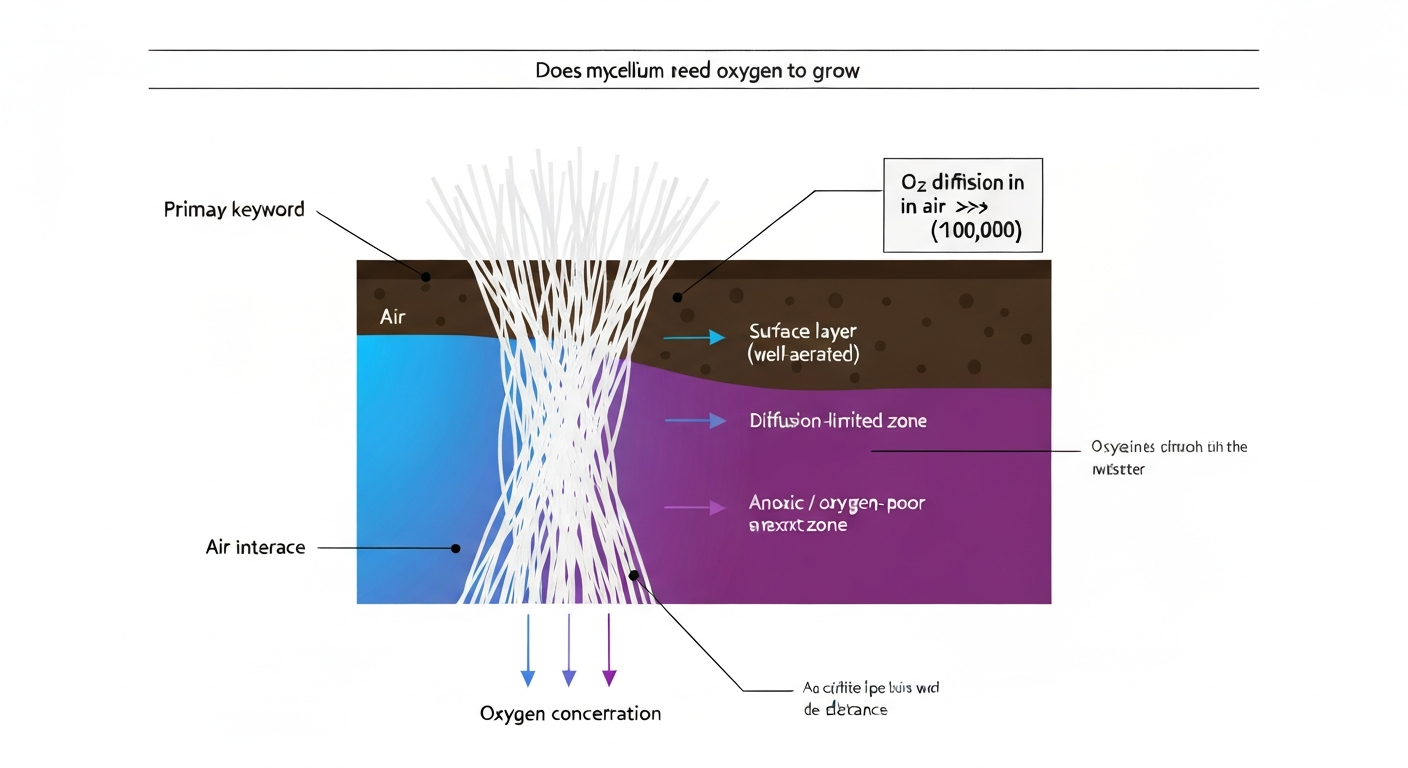
Inside a pump dispenser, oxygen availability is uneven. The bulk liquid in the bottle is partially exposed to air but the stagnant liquid trapped in the riser tube and pump head exists in a microenvironment with limited oxygen exchange. This kind of low-oxygen, nutrient-present, moist pocket is exactly the type of niche that aerotolerant and biofilm-forming species exploit. The biofilm matrix itself creates internal oxygen gradients, allowing different microbial populations to occupy different layers of the same biofilm.
Nutrients
Soap residue, organic material introduced by wet hands, and trace compounds in tap water all contribute to the nutrient pool available inside a dispenser. Even small concentrations of nutrients (researchers used 0.1% tryptic soy broth in contamination models) are sufficient to support biofilm persistence over repeated pump actuations. The bacteria are not thriving on a rich meal, but they do not need one.
How to tell if your dispenser is already contaminated
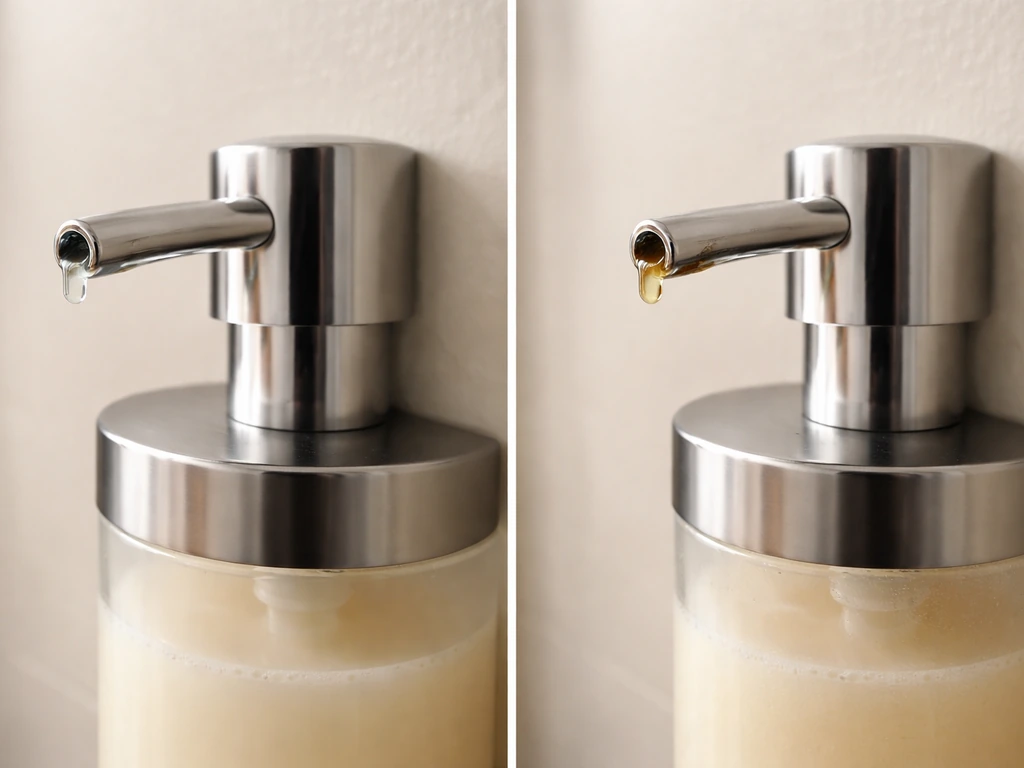
The frustrating reality is that you cannot reliably judge contamination by looking at a soap dispenser. Research confirms that dispensers carrying thousands to millions of colony-forming units per square centimeter on internal surfaces (biofilm levels reported in the range of 4 to 6 log10 CFU/cm²) can appear completely normal from the outside. That said, there are some practical signs worth checking.
- Off or sour smell: If the soap coming out smells different from the original product, especially musty, sour, or faintly unpleasant, that is a red flag. Fresh soap has a consistent scent; contaminated soap or residue can produce odor compounds from microbial metabolism.
- Change in texture or appearance: Unusual cloudiness, sliminess, or discoloration in the soap can indicate microbial activity, especially if the soap was originally clear or uniformly colored.
- Pump resistance or erratic dispensing: A pump that suddenly feels sluggish, spurts inconsistently, or releases a different volume than usual may have buildup in the mechanism. Biofilm in the riser tube or pump valve can physically impede flow.
- Visible residue at the spout: Dark, slimy, or crusty buildup around the pump nozzle or spout is a visible sign of biofilm accumulation at the outlet.
- Soap that sits unused for weeks: A dispenser that has not been used regularly is at higher risk because stagnant liquid has had more time to allow biofilm to establish without the intermittent disturbance of regular pumping.
If the dispenser is in a healthcare, food service, or communal hygiene setting, visual inspection alone is not sufficient. But for a home bathroom, the signs above are reasonable indicators to act on.
What to do right now to clean and sanitize your pump
The key principle here, one CDC emphasizes clearly, is that cleaning must come before disinfection. Soap residue and organic material on surfaces physically protect microbes from disinfectants. If you skip cleaning and go straight to spraying something antimicrobial, you are likely disinfecting a layer of biofilm matrix rather than the bacteria underneath it. For container-based handwashing stations, CDC WASH guidance describes disinfection as applying a chemical disinfectant such as a 0.1% chlorine solution after cleaning blank" rel="noopener noreferrer">proper disinfection.
- Empty the dispenser completely. Do not top off or add to whatever is left. Pour out all remaining soap.
- Disassemble what you can. Remove the pump head from the bottle. If the pump mechanism separates from the tube, take it apart. Most basic pump dispensers have a removable pump head and riser tube.
- Rinse all components thoroughly with hot water. Run water through the riser tube and pump mechanism repeatedly to flush out soap residue and any loose biofilm.
- Clean with dish soap and a brush. Use a small bottle brush or pipe cleaner to scrub the inside of the tube and any accessible internal surfaces. This physical action is what removes biofilm mechanically.
- Prepare a dilute disinfecting solution. A dilute bleach solution (sodium hypochlorite) works well for plastic components. CDC guidance and water/sanitation handwashing station protocols reference a 0.1% chlorine solution, which you can make by mixing approximately 1 part standard household bleach (roughly 5% sodium hypochlorite) with 49 parts water. For a simple version: about 2 teaspoons of bleach in 1 liter of water.
- Soak or flush the components. Submerge the pump components in the disinfecting solution for the manufacturer-recommended contact time, typically at least 1 minute for dilute hypochlorite solutions, though longer soaking (5 to 10 minutes) is more effective for any remaining biofilm.
- Rinse again thoroughly with clean water. Residual bleach inside a soap dispenser is undesirable, so flush multiple times.
- Dry completely before reassembly or refilling. This step is critical and often skipped. CDC guidance specifically states that dispensers must be thoroughly dried before refilling, because moisture left inside is what restarts the contamination cycle.
- Refill with fresh soap from a sealed source. Do not pour from another container that may itself be contaminated.
If the dispenser is old, cracked, or has visible permanent staining inside the bottle that you cannot reach or clean, replace it. Biofilm on scratched or degraded plastic surfaces is extremely difficult to fully remove, and the contamination will likely re-establish within a week or two if the reservoir is not eliminated.
Prevention habits that actually make a difference
Cleaning a contaminated dispenser is a one-time fix. The following habits are what prevent you from having to do it again in a month.
| Practice | Why it matters | How often |
|---|---|---|
| Never top off a partially empty dispenser | Old soap residue and biofilm contaminate the fresh soap added on top | Every time you refill |
| Empty, clean, and dry before every refill | Eliminates residual biofilm and moisture that would immediately recolonize new soap | Every refill cycle |
| Use sealed or disposable refill cartridges when possible | Reduces the number of internal surfaces exposed to external contamination | Every refill |
| Wipe the spout and nozzle regularly | Removes visible buildup before it progresses to biofilm inside the mechanism | Weekly minimum |
| Store backup soap in sealed, labeled containers | Prevents contamination of the source soap before it even enters the dispenser | Ongoing |
| Avoid pumping with dripping wet hands directly into the spout | Reduces moisture introduced into the pump head with each use | Every use |
| Schedule full disassembly cleaning | Routine cleaning prevents biofilm from reaching levels where it becomes resistant to removal | Monthly for high-use dispensers |
One practical tip worth emphasizing: label your refill soap containers with the date you opened them. Liquid soaps rely on preservatives and formulation chemistry (that alkaline pH, surfactant concentration, and preservative system) to inhibit microbial growth. Those constraints weaken over time, especially in a container that has been opened and resealed repeatedly. Using soap that is past its useful life undermines the very defenses the formula was designed to provide.
Dispenser design matters too. Pumps without drainage systems in the mechanism are inherently higher risk because liquid stagnates in them. If you are choosing a new dispenser and have the option, look for designs with simpler pump mechanisms and fewer dead-end zones where liquid can pool. Single-use sealed cartridge dispensers eliminate most of these risks by removing the refill process entirely.
The bigger picture: soap ingredients and microbial resistance
It is worth briefly addressing antimicrobial soaps, since many people assume these are inherently safer from a contamination standpoint. Antimicrobial agents like triclosan do exert bactericidal effects and can reduce bacterial survival in soap formulations. However, once a biofilm establishes inside a dispenser, those protections are significantly reduced. Biofilm-protected bacteria show elevated resistance to biocides across many classes of antimicrobial compounds, meaning the presence of an antimicrobial ingredient in the soap is not a reliable backstop if the dispenser mechanism is already contaminated. Studies have recovered organisms from refillable antimicrobial soap dispensers, which underlines that the antimicrobial label on the bottle refers to what it does to your hands, not to the dispenser itself.
If you find the chemistry side of this interesting, the role of specific compounds in either supporting or inhibiting microbial growth is a recurring theme across hygiene and preservation research. Related questions about how bacteria respond to different liquid environments, including glycerin-based products and other common ingredients found in soaps and personal care items, connect to the same foundational principles of pH, water activity, and nutrient availability that govern growth in dispensers. Related questions about how bacteria respond to different liquid environments, including glycerin-based products like can bacteria grow in vegetable glycerin and other common ingredients found in soaps and personal care items, connect to the same foundational principles of pH, water activity, and nutrient availability that govern growth in dispensers. Related questions about how bacteria respond to different liquid environments, including glycerin-based products like can bacteria grow in glycerol and other common ingredients found in soaps and personal care items, connect to the same foundational principles of pH, water activity, and nutrient availability that govern growth in dispensers. If you are learning how to grow bacteria from glycerol stock for a lab workflow, make sure you follow appropriate biosafety and handling procedures. This same question of whether bacteria can grow in glycerin-based liquids is closely related to whether can bacteria grow in propylene glycol.
Bottom line on soap pump safety
Liquid soap pump containers can and do harbor bacteria, including Gram-negative species capable of forming resilient biofilms in the riser tube and pump mechanism. The soap formula itself provides some resistance through alkaline pH and preservatives, but it does not sterilize the container or protect against the moisture and residue that accumulate with repeated use. If your dispenser shows signs of contamination, the fix is mechanical cleaning followed by proper disinfection and complete drying before you refill. Going forward, the single most impactful habit change is simply never topping off a partially empty dispenser. Empty it, clean it, dry it, then refill from a clean source.
FAQ
If my soap is labeled antimicrobial, why can bacteria still grow in the pump container?
Do not assume “antibacterial” on the label means the pump internals are protected. If the riser tube or pump head already has biofilm, the antimicrobial ingredient in the formulation often has less effect than people expect once microbes are encased.
Can I rely on washing my hands to clean out bacteria inside the soap pump?
A quick hand wash with the dispenser in use does not remove contamination inside the mechanism. The soap that contacts your skin is different from the stagnant liquid pocket that stays trapped in the riser tube and pump head.
What other sources of moisture can contaminate a liquid soap dispenser besides wet hands?
Yes, moisture can come from more than just wet hands. Splashback, condensation in humid bathrooms, and ambient water vapor entering through the pump head during actuations can keep the internal pocket wet enough to sustain growth.
What practical signs mean I should clean or replace my soap dispenser?
If you notice odor changes, visible residue, persistent discoloration, or the dispenser fails to dispense smoothly (often due to clogging residue), treat it as contaminated even if bacteria are not visible. These clues suggest organic buildup and possible biofilm, not just “dirty” soap.
What is the correct order of steps when cleaning a contaminated soap pump dispenser?
Cleaning needs to remove the protective organic layer first, then disinfect, then fully dry before refilling. Water left in the pump head can re-seed biofilm-regrowth quickly because the stagnant pocket returns.
Is there a safe way to add more soap without fully emptying the dispenser?
Topping off is risky because old residue can seed the system, and adding fresh soap increases the volume microbes can spread into. If you want to reduce risk, empty the container and clean it before refilling.
Do cartridge systems actually reduce the risk compared with refillable pump bottles?
Single-use sealed cartridges or dispensers that do not require opening and refilling reduce exposure to contamination during handling. If you do refill, use clean transfer practices and avoid pouring back from the sink or other containers into the pump.
Can I just replace the pump part instead of the entire dispenser?
Yes. Replacing the internal pump assembly can be a practical option when the bottle is reusable but the pump riser tube and head are difficult to fully clean. If the pump is cracked, permanently stained, or has dead-end parts that cannot be scrubbed, replacement is often more effective than trying to sanitize.
Should I refrigerate liquid soap to prevent bacteria from growing in the pump?
Generally, room-temperature storage is fine, but high heat and frequent humidity increase risk because they favor growth and help moisture persist in the pump mechanism. Storing in a cooler, less humid area lowers the frequency of “wet internal pocket” conditions.
Will pumping out soap for a while or flushing with water remove contamination?
You should not expect “shake the bottle” or run water through the pump to solve established biofilm. Biofilm can persist inside the riser and pump head, and the main issue is the internal stagnant pocket that needs thorough mechanical cleaning and drying.
Does the soap’s preservative system prevent dispenser contamination over time?
Preservatives can slow growth but they do not sterilize the container. If the dispenser is opened repeatedly, preserves can become less effective in practice, especially when moisture dilutes the soap and locally changes the conditions inside the pump.