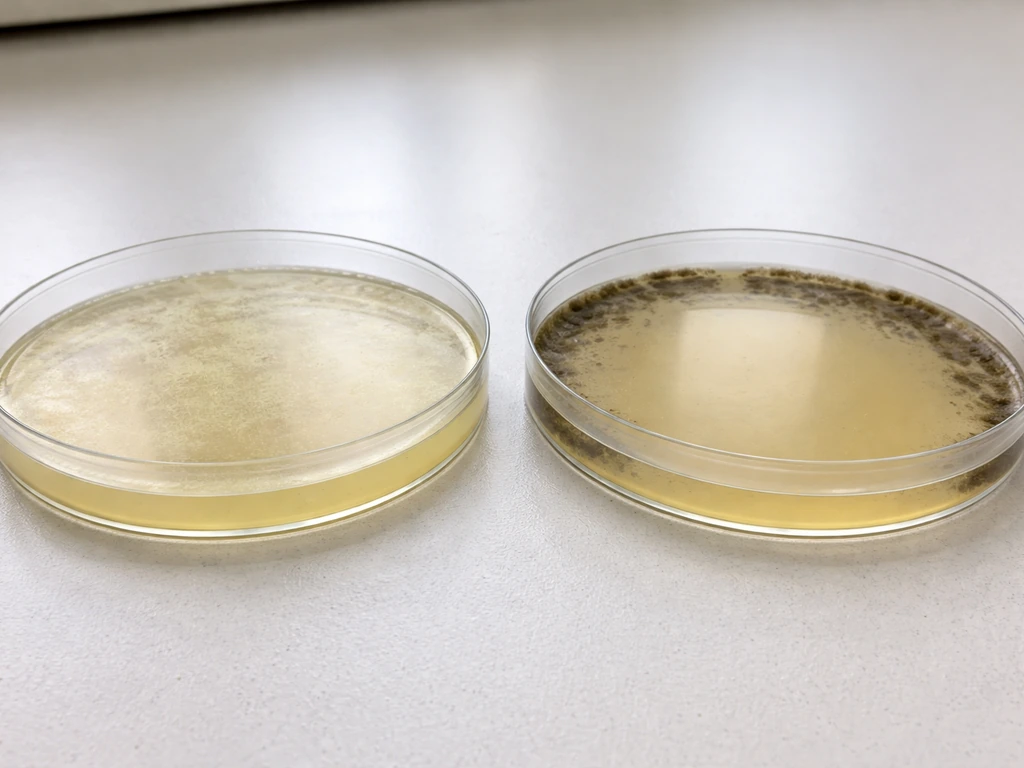
Yes, many bacteria can grow without oxygen, and some bacteria actually die when exposed to it. Whether a bacterium needs oxygen, tolerates it, or is killed by it depends entirely on which type you're dealing with. The same idea applies to fungi and mycelium, including how much oxygen they require for growth does mycelium need oxygen to grow. Obligate aerobes need oxygen to grow and stall out without it. Obligate anaerobes grow only in oxygen-free environments and can be harmed or killed by oxygen exposure. Facultative anaerobes sit in the middle: they grow better with oxygen but switch strategies and keep growing without it. Microaerophiles are the special case: they need a little oxygen, just not much. So the short version is that oxygen is not a growth requirement for all bacteria, and removing it doesn't make an environment safe from all microbial growth.
Can Bacteria Grow Without Oxygen? Types, Rules, and Exceptions


Aerobic vs. anaerobic: what oxygen actually does for bacteria

Oxygen's main job in bacterial metabolism is to serve as the final electron acceptor in aerobic respiration. That process is highly efficient at generating ATP (the cell's energy currency), which is why bacteria that evolved to use it tend to grow fast when oxygen is available. When oxygen disappears, aerobic respiration simply stops. For obligate aerobes, that's a dead end: no oxygen means no efficient energy production, which means no growth. For other bacterial groups, it's not a dead end at all because they have backup strategies: anaerobic respiration, fermentation, or metabolic pathways that don't depend on oxygen at all.
So the key question is never just 'is there oxygen?' but 'which bacteria are we talking about, and what metabolic toolkit do they carry?' That framing matters a lot in real-world contexts like food safety, wound care, and gut health, where oxygen levels shift constantly and different bacterial populations respond in very different ways.
What happens to aerobic bacteria when oxygen runs out
Obligate aerobes hit a hard wall without oxygen. Because their entire energy-generation strategy depends on aerobic respiration, removing oxygen doesn't just slow them down: it effectively shuts down meaningful growth. They may survive briefly in a dormant or stressed state, but they are not actively dividing or proliferating. Think of it like unplugging the power source. The machinery is still there, but it can't run.
This is why aerating water, for example, supports certain microbial communities while excluding others. It's also why oxygen-depleted environments like the deep gut, sealed cans, or the bottom of a wound are not hostile to all bacteria. They're just hostile to obligate aerobes specifically. If you're trying to reason about which bacteria are active in a given setting, the first thing to check is whether that environment has oxygen available and in what concentration.
What happens to anaerobic bacteria when oxygen shows up

This is where a lot of people have the wrong mental model. They assume that introducing oxygen to an environment must kill off dangerous bacteria or make it safer. For obligate (strict) anaerobes, oxygen is genuinely harmful. The reason comes down to chemistry: when these bacteria encounter oxygen, reactive oxygen species (ROS) such as superoxide and hydrogen peroxide form inside or near the cell. Most strict anaerobes lack sufficient defenses against those radicals, specifically the enzymes superoxide dismutase and catalase that aerobic bacteria use to neutralize them. The result is damage to enzyme systems and, eventually, cell death.
That said, 'harmful' doesn't mean 'instant kill.' Research has shown that many obligate anaerobes associated with infection can survive exposure to atmospheric oxygen for at least eight hours, and frequently up to 72 hours. They won't grow during that time, but they don't simply vanish. This matters clinically because it means anaerobic pathogens can be transferred through environments that aren't perfectly sealed before reaching an anaerobic niche where they can resume growth.
Facultative anaerobes handle oxygen exposure very differently. They can grow in the presence of oxygen using aerobic respiration, and switch to fermentation or anaerobic respiration when oxygen is absent. Common examples include Escherichia coli and Staphylococcus aureus. They don't need oxygen, they just prefer it when it's available because aerobic respiration yields more ATP. Whether E. Whether E. coli grows better with or without oxygen depends on whether it's using aerobic respiration or switching to fermentation or anaerobic respiration when oxygen is absent. coli grows better with or without oxygen is actually a nuanced question worth understanding in detail on its own.
The four main oxygen categories every student should know
Microbiologists classify bacteria into groups based on their oxygen requirements. Understanding these categories makes it much easier to predict behavior in any given environment.
| Category | Oxygen requirement | Grows without oxygen? | Grows with oxygen? | Common examples |
|---|---|---|---|---|
| Obligate aerobe | Requires oxygen | No | Yes (required) | Mycobacterium tuberculosis, Pseudomonas aeruginosa |
| Obligate anaerobe | Cannot tolerate oxygen | Yes (only condition) | No (toxic) | Clostridium botulinum, Bacteroides fragilis |
| Facultative anaerobe | Prefers oxygen, tolerates its absence | Yes | Yes (preferred) | E. coli, Staphylococcus aureus, Listeria |
| Microaerophile | Needs low oxygen (approx. 2–10%) | Poorly or not at all | Poorly at full atmospheric levels | Helicobacter pylori, Campylobacter jejuni |
| Aerotolerant anaerobe | Does not use oxygen but tolerates it | Yes | Yes (tolerates but doesn't use) | Lactobacillus species |
Microaerophiles deserve a closer look because they're often misunderstood. They're not anaerobes: they actually need some oxygen to grow. But full atmospheric oxygen concentration (about 21%) is too high for them. They thrive at oxygen levels roughly in the 2 to 10 percent range, and many also require elevated carbon dioxide (around 10%). They grow very poorly in fully anaerobic conditions, which puts them in their own niche that neither strict aerobes nor strict anaerobes occupy.
How to figure out oxygen requirements in a lab or classroom setting
If you're working in a microbiology lab or doing coursework, the most common tool for visualizing oxygen requirements is thioglycollate broth. This liquid growth medium creates an oxygen gradient: oxygen diffuses in from the top and is gradually depleted toward the bottom. A redox indicator dye (resazurin) turns pink where oxygen is present and becomes colorless where the medium is reduced (oxygen-depleted). When you inoculate the broth and incubate it, bacteria grow in zones that match their oxygen preference. Strict aerobes cluster near the top, strict anaerobes grow at the bottom, facultative anaerobes grow throughout with denser growth near the top, microaerophiles form a band just below the surface, and aerotolerant anaerobes grow evenly throughout.
For culturing strict anaerobes in the lab, an anaerobic jar or anaerobic chamber is used. Systems like the GasPak generate hydrogen and carbon dioxide gas, and a palladium catalyst converts residual oxygen into water, creating a genuinely oxygen-free environment inside the jar. An indicator strip (often methylene blue or resazurin) confirms that anaerobiosis has been achieved before you open the jar and interpret results.
For food safety reasoning outside a formal lab, the logic still applies. Ask yourself: is this environment sealed and oxygen-depleted? If yes, it's a potential habitat for anaerobic bacteria including dangerous ones like Clostridium botulinum. Is it open to air? Then obligate anaerobes are suppressed, but facultative anaerobes (like Salmonella or E. coli) and aerobes can still thrive if temperature, moisture, and nutrients are available. Oxygen is one variable among several, not a master switch.
Real environments where oxygen levels shape bacterial growth

Canned and sealed foods
Improper home canning of low-acid foods is the textbook example. When food is sealed in a jar, oxygen is driven out during processing. If the canning process doesn't reach temperatures high enough to destroy spores (boiling water at 100°C doesn't do it for C. botulinum: a pressure canner reaching 116 to 121°C is required for low-acid foods), surviving spores can germinate and grow in the newly anaerobic sealed environment. The bacterium then produces its neurotoxin, which is what causes botulism. The absence of oxygen doesn't protect you here; it actually creates the very condition the bacterium needs.
The human gut
The large intestine is one of the most oxygen-depleted environments in the human body, and it's dominated by obligate anaerobes: Bacteroides, Fusobacterium, and others make up a huge proportion of the gut microbiome. The small intestine has slightly more oxygen available and hosts more facultative anaerobes. This gradient is why gut ecology is so sensitive to disruption: antibiotics that wipe out anaerobes can allow facultative anaerobes to overgrow in niches they wouldn't normally dominate.
Wounds
Deep puncture wounds, necrotic tissue, and poorly perfused wounds can become anaerobic pockets, which is exactly why infections with organisms like Clostridium perfringens (gas gangrene) and Bacteroides species are associated with these types of injuries. Interestingly, aerobes and facultative anaerobes are often present in mixed wound infections too. As aerobes consume available oxygen, they reduce the local oxygen concentration and create favorable conditions for strict anaerobes. The two groups are essentially cooperating to create an environment that supports both of them.
Soil
Soil is a patchwork of aerobic and anaerobic microenvironments. Well-aerated topsoil supports aerobic and facultative organisms. Waterlogged soil, or soil deeper in the profile where oxygen diffusion is limited, harbors strict anaerobes including Clostridium species, which is why C. botulinum spores are naturally found in soil and can contaminate root vegetables and garden produce. Soil is also home to nitrogen-fixing anaerobes in root nodules and aerobic decomposers near the surface: both are doing fundamentally different metabolic work based on local oxygen availability.
What this means for growth conditions and safety
- Removing oxygen does not make an environment sterile or safe. It shifts which bacteria can grow, favoring anaerobes and facultative anaerobes while suppressing obligate aerobes.
- Adding oxygen does not eliminate all bacteria. It harms strict anaerobes but does nothing to stop facultative anaerobes, aerobes, or aerotolerant organisms.
- Strict anaerobes can survive oxygen exposure for hours to days even if they can't grow. Don't assume brief air exposure has eliminated them.
- Facultative anaerobes are the group most people should think about in food safety contexts: they grow in both conditions, which makes them persistent across a wide range of environments.
- Microaerophiles like Helicobacter pylori and Campylobacter need their own specific low-oxygen conditions to grow, which is why they colonize particular niches (stomach lining, intestinal mucosa) where atmospheric conditions are just right.
- Oxygen is one variable among several. Temperature, moisture, pH, and available nutrients all interact with oxygen availability to determine whether bacteria grow, stay dormant, or die. No single factor works in isolation.
- For food safety, the combination of reduced oxygen plus low acid plus insufficient heat treatment is the dangerous scenario. Control all three, not just one.
- In clinical or wound contexts, mixed infections involving both aerobes and anaerobes are common and can be more serious than single-organism infections because the two groups create oxygen gradients that support each other.
Understanding oxygen requirements is genuinely one of the most useful frameworks in practical microbiology. It explains patterns that otherwise seem random: why botulism happens in sealed jars but not open ones, why the gut is dominated by anaerobes, why certain wound infections develop in deep tissue, and why air exposure doesn't sanitize a surface. This kind of oxygen-driven growth pattern also helps explain why questions like whether insects grow larger with more oxygen come up when oxygen availability changes how oxygen affects bacterial growth. Once you know which category a bacterium falls into, its behavior in different environments becomes predictable rather than mysterious.
FAQ
If a bacterium cannot grow without oxygen, can it still cause disease in oxygen-free tissues?
Often yes, because lack of oxygen mainly blocks active division, not survival. Many organisms that cannot grow aerobically can persist for hours to days in oxygen-free sites or switch to oxygen-independent metabolism during infection. Disease still depends on dose, access to nutrients, and whether the organism can transition to a usable energy pathway.
Does removing oxygen always stop bacterial growth in food or water?
No. Oxygen absence can suppress obligate aerobes, but anaerobic growth can still occur if the setting is sealed and nutrient-rich. This is why oxygen-depleted conditions in low-acid foods can still support anaerobic spore germination when processing temperatures are insufficient.
Why do some “anaerobic” bacteria grow even if oxygen is present briefly?
Because “anaerobic” often describes oxygen use, not instantaneous death on contact. Some obligate anaerobes tolerate exposure long enough to survive transport or delay, then resume growth once oxygen drops to sufficiently low levels. The key factor is both exposure time and oxygen concentration at the microenvironment level.
How can oxygen concentration differ inside the same wound, food container, or soil sample?
Oxygen varies over very short distances due to diffusion limits and local metabolism. For example, an outer layer may be oxygenated while deeper tissue becomes oxygen depleted. Mixed infections can further reduce oxygen by aerobic and facultative organisms, creating pockets that favor stricter anaerobes.
Is “no oxygen” the same as “zero oxygen” in practice?
Not usually. Many real environments still contain trace oxygen, and some bacteria are classified by how much oxygen they can tolerate or require. Microaerophiles can be harmed by full atmospheric oxygen, yet they may still grow when oxygen is low but not absent.
Can bacteria survive in oxygen-free environments without growing for a long time?
Yes. They may enter dormant or stressed states rather than die immediately. Survival can be followed by regrowth when conditions become favorable, which is why prevention focuses on both oxygen control and other hurdles like heat, pH, salinity, and time.
What’s the most common lab mistake when culturing bacteria by oxygen preference?
Confusing oxygen availability with oxygen tolerance. For instance, using an open setup or repeatedly exposing cultures can prevent growth of strict anaerobes even if the medium itself is suitable. Another frequent issue is misreading the oxygen indicator timing, since the color change reflects reduction state during incubation.
How do you interpret results in thioglycollate broth if growth patterns look unusual?
Unusual patterns often indicate oxygen leakage, over-incubation, or mixed cultures. If you see unexpected growth near the top or across the tube, it may reflect facultative or aerotolerant organisms rather than a single oxygen requirement group.
In sealed containers or cans, does lack of oxygen guarantee safety from all bacteria?
No. Sealing mainly removes oxygen, it does not remove spores or toxins already present. If pressure and heat processing are inadequate, spores can germinate in an oxygen-depleted environment. Safety relies on correct processing conditions, not oxygen absence alone.
Do antibiotics change oxygen requirements or bacterial oxygen behavior in the gut?
They can indirectly. Antibiotics that reduce obligate anaerobes can shift the local balance so facultative anaerobes expand, and oxygen levels and available niches can change as community metabolism shifts. The result is altered growth patterns even if oxygen itself is not altered intentionally.
Citations
Direct microbiology consensus: obligate (strict) anaerobes cannot grow in the presence of oxygen (i.e., oxygen prevents growth).
https://bio.libretexts.org/Bookshelves/Microbiology/Book%3A_Microbiology_%28OpenStax%29/09%3A_Microbial_Growth/9.2%3A_Oxygen_Requirements_for_Microbial_Growth
In the same framework, facultative anaerobes can grow with or without oxygen (i.e., they may grow better with oxygen but still grow when oxygen is absent).
https://bio.libretexts.org/Bookshelves/Microbiology/Book%3A_Microbiology_%28OpenStax%29/09%3A_Microbial_Growth/9.2%3A_Oxygen_Requirements_for_Microbial_Growth
Direct microbiology consensus: an “obligate aerobe” requires oxygen for growth; without oxygen they cannot carry out aerobic respiration/ATP generation as needed and therefore do not grow under anox ic conditions.
https://press.wpunj.edu/microbiologylabmanual/chapter/growth-requirements-of-aerobes-versus-anaerobes/
In the lab/learning consensus framework, obligate aerobes are grouped as those that absolutely require oxygen for growth (contrast with facultative anaerobes and strict anaerobes).
https://press.wpunj.edu/microbiologylabmanual/chapter/growth-requirements-of-aerobes-versus-anaerobes/
Obligate aerobes generally stop growing or cannot grow in oxygen-free conditions because they require oxygen for aerobic respiration to generate energy/ATP.
https://press.wpunj.edu/microbiologylabmanual/chapter/growth-requirements-of-aerobes-versus-anaerobes/
More broadly, aerobe physiology is tied to aerobic energy metabolism; without oxygen, aerobic respiratory chain function is unavailable, which corresponds to “no growth” for obligate aerobes rather than ongoing metabolism.
https://openstax.org/books/microbiology/pages/9-2-oxygen-requirements-for-microbial-growth
Mechanistic explanation for why oxygen-free conditions are problematic for strict anaerobes (and hence why oxygen exposure is harmful to them) includes lack of defenses against oxygen-derived radicals (e.g., superoxide, hydrogen peroxide) and ROS damage when oxygen is encountered.
https://www.ncbi.nlm.nih.gov/books/NBK7638/
A current review summarizes the “oxygen toxicity” problem for anaerobes as involving molecular mechanisms including ROS and related stress pathways, explaining why oxygen impairs anaerobic metabolism and expansion in oxic habitats.
https://www.nature.com/articles/s41579-021-00583-y
Strict/obligate anaerobes: Merck notes that obligate anaerobes commonly associated with infection can tolerate atmospheric oxygen for at least ~8 hours and frequently up to ~72 hours (so they may survive a while in air, even if they do not grow well or at all).
https://www.merckmanuals.com/professional/infectious-diseases/anaerobic-bacteria/overview-of-anaerobic-bacteria
Merck provides oxygen-exposure classes: “Facultative” organisms grow with or without oxygen, while “Microaerophilic” organisms require low oxygen concentrations (typically ~2 to 10%) and often ~10% CO2; they grow very poorly anaerobically.
https://www.merckmanuals.com/professional/infectious-diseases/anaerobic-bacteria/overview-of-anaerobic-bacteria
Mechanistic link: low or undetectable superoxide dismutase/catalase in anaerobic bacteria can allow oxygen radicals to form and inactivate bacterial enzyme systems when exposed to oxygen.
https://www.ncbi.nlm.nih.gov/books/NBK7638/
A review article emphasizes anaerobic oxygen impairment involves molecular mechanisms tied to radical chemistry and low-potential metal centers, consistent with ROS/toxic chemistry upon oxygen encounter.
https://www.nature.com/articles/s41579-021-00583-y
Accepted classification framework: OpenStax lists oxygen categories including obligate aerobes, obligate anaerobes, facultative anaerobes, aerotolerant anaerobes, and microaerophiles (and also capnophiles).
https://openstax.org/books/microbiology/pages/9-2-oxygen-requirements-for-microbial-growth
Definitions/distinguishing trait (microaerophiles): microaerophiles require lower-than-atmospheric oxygen concentrations (often low percentages) to grow; they can be distinct from strict anaerobes, which do not grow in oxygen.
https://www.merckmanuals.com/professional/infectious-diseases/anaerobic-bacteria/overview-of-anaerobic-bacteria
OpenStax/LibreTexts also explicitly states: obligate anaerobes cannot grow in the presence of oxygen, while facultative anaerobes show better growth with oxygen but also grow without it.
https://bio.libretexts.org/Bookshelves/Microbiology/Book%3A_Microbiology_%28OpenStax%29/09%3A_Microbial_Growth/9.2%3A_Oxygen_Requirements_for_Microbial_Growth
Merck situates microaerophiles within the oxygen requirement spectrum: they need low oxygen (typically ~2–10%) and often CO2, and grow very poorly under fully anaerobic conditions—i.e., they fit apart from strict anaerobes.
https://www.merckmanuals.com/professional/infectious-diseases/anaerobic-bacteria/overview-of-anaerobic-bacteria
Teaching/lab method: Fluid thioglycollate/thioglycollate broth creates an oxygen gradient; a resazurin redox indicator is pink in the presence of oxygen and colorless when reduced, enabling students to see where oxygen is present vs absent.
https://bio.libretexts.org/Courses/Ohio_State_University/Microbiology_Lab_SP25/05%3A_Lab_5/5.05%3A_Bacterial_Oxygen_Requirements
Teaching/lab method outcome in thioglycollate gradient: strict anaerobes grow toward the bottom where the medium is anaerobic (oxygen has been reduced/removed), while organisms with different oxygen needs show characteristic growth locations.
https://microbeonline.com/thioglycollate-broth/
Anaerobic jar/gas generating methods: anaerobiosis can be produced using systems such as GasPak; such systems rely on chemical generation of hydrogen/carbon dioxide and palladium-catalyzed oxygen removal to produce low-oxygen conditions, and may include an oxidation-reduction indicator strip (e.g., resazurin/methylene blue).
https://microbeonline.com/gaspak-anaerobic-system/
Anaerobic jar indicators: McIntosh & Fildes anaerobic jar approaches typically use reduced methylene blue (an oxygen indicator) to check the efficacy of anaerobiosis; oxygen is removed to water via catalyst (palladium).
https://microbeonline.com/mcintosh-fildes-anaerobic-jar-principle-procedure-uses/
Clinical real-world context: Merck notes anaerobes can be present in mixed infections where aerobes are also present; these mixed communities reduce oxygen concentration in tissues and create habitats that support anaerobic growth.
https://www.ncbi.nlm.nih.gov/books/NBK7638/
Food safety example: CDC describes Clostridium botulinum as producing toxin and occurring in low-oxygen (anaerobic) environments (including food, wounds, and intestines of infants).
https://www.cdc.gov/botulism/about/index.html
Food safety example: USDA FSIS explains that improper canning of low-acid foods can allow C. botulinum spores to survive boiling and then germinate/grow in the low-oxygen environment once oxygen is removed from the container.
https://www.fsis.usda.gov/food-safety/foodborne-illness-and-disease/illnesses-and-pathogens/botulism
Clinical ecology / oxygen shift: facultative anaerobes can survive without oxygen and their infection can be associated with reduced oxygen levels at the infection site (supporting anaerobes).
https://en.wikipedia.org/wiki/Facultative_anaerobic_organism
Guidance on oxygen not “sterilizing”: in general, oxygen does not provide sterility the way that sterilization methods do; in food contexts, some microbes (notably those that are anaerobic/low-oxygen adapted) can still grow when oxygen is removed or limited (e.g., C. botulinum spores germinate in low-oxygen canned environments).
https://www.fsis.usda.gov/food-safety/foodborne-illness-and-disease/illnesses-and-pathogens/botulism
FDA guidance emphasizes that controlling Clostridium botulinum hazard in reduced oxygen environments is important because the organism is anaerobic (can grow in low oxygen conditions).
https://www.fda.gov/media/119399/download?attachment=
CDC emphasizes low-oxygen/anaerobic environments as a setting where botulinum toxin-producing bacteria can produce toxin (food/wounds/infants). This illustrates oxygen is a growth/processing parameter rather than a guarantee of sterility.
https://www.cdc.gov/botulism/about/index.html
Why oxygen changes which organisms proliferate: Merck explains that aerobes and anaerobes commonly coexist in infections and that reduced oxygen in tissues supports anaerobic bacteria (oxygen availability shifts which metabolism and growth niches are available).
https://www.merckmanuals.com/professional/infectious-diseases/anaerobic-bacteria/overview-of-anaerobic-bacteria