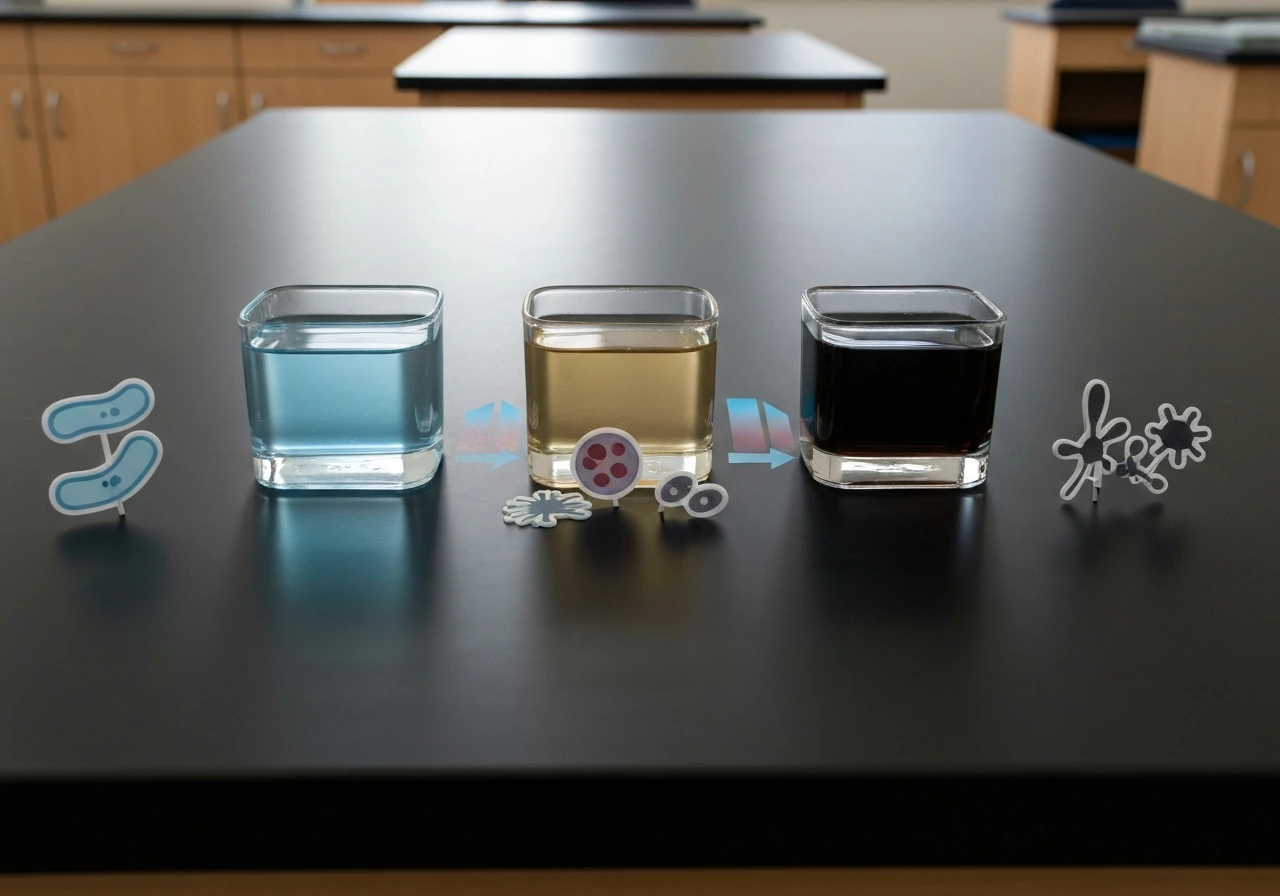
Pathogens need six core conditions to grow: food (nutrients), acidity (pH), time, temperature, oxygen, and moisture. In many basic food safety lessons, these six conditions are summarized to explain what microbes need to thrive and why changing them can prevent growth food (nutrients), acidity (pH), time, temperature, oxygen, and moisture. You'll sometimes see this summarized as the mnemonic FAT TOM in food service training. These conditions are sometimes summarized into four practical requirements for bacteria to grow: the right temperature, pH, moisture (water activity), and available nutrients FAT TOM. Bacteria growth depends on six core conditions, often summarized by the mnemonic FAT TOM the 6 conditions bacteria need to grow are. Every pathogen has its own preferred range for each of these, but the six conditions themselves are universal. Mess with any one of them enough, and you can slow or stop microbial growth entirely. That's the practical power of understanding these six factors.
What Are the Six Conditions Pathogens Need to Grow

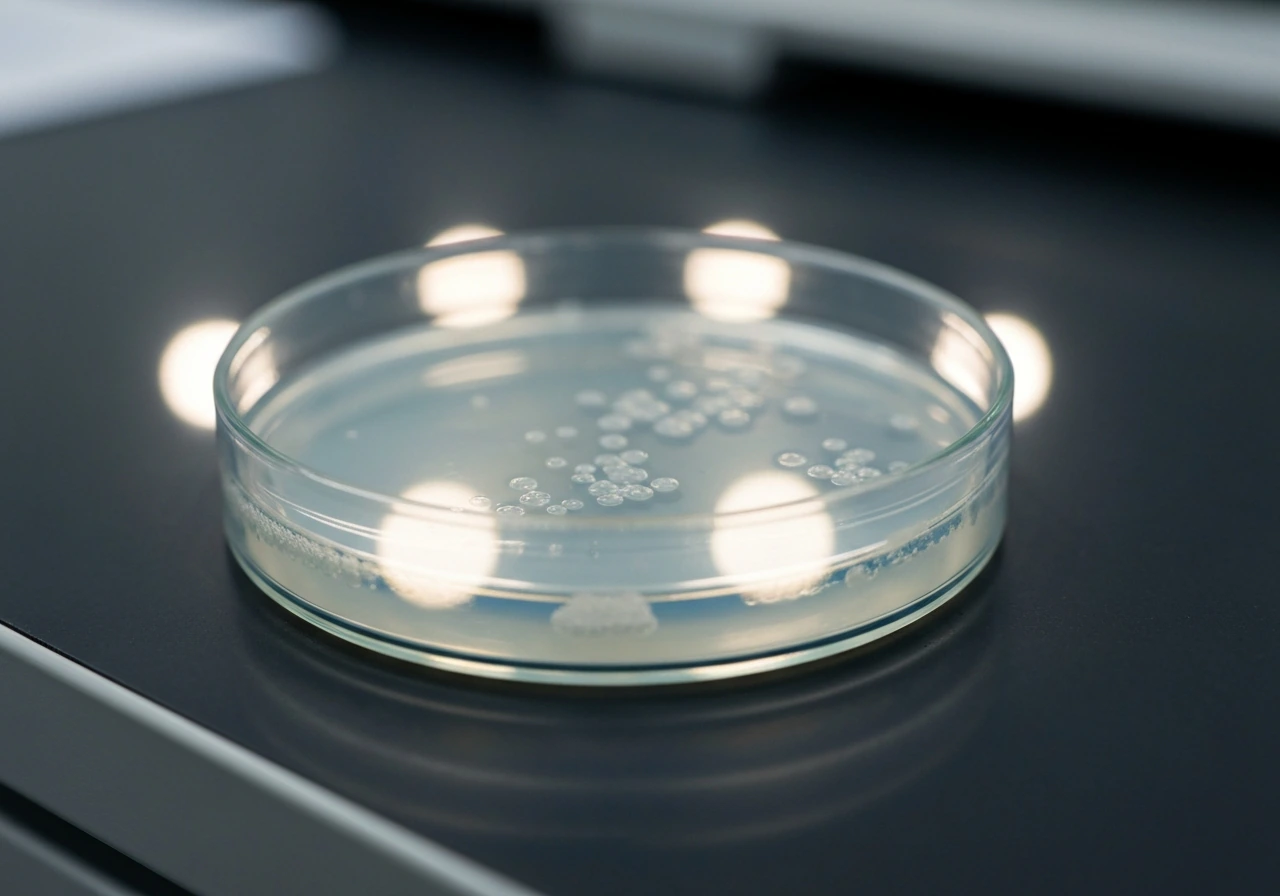
The six core growth conditions (the big picture)

Think of these six conditions as the checklist a pathogen needs to tick off before it can thrive. If even one condition falls outside a microbe's tolerable range, growth stalls. Microbiologists divide these into intrinsic factors (properties of the food or environment itself, like pH and water activity) and extrinsic factors (surrounding conditions, like storage temperature and the gaseous atmosphere). Both categories matter equally, and they interact. A slightly warm temperature might be harmless if moisture is low, but combine warmth with high moisture and available nutrients, and you can have a dangerous situation quickly.
- Temperature: determines how fast metabolic reactions inside the cell run
- pH (acidity/alkalinity): affects enzyme function and cell membrane stability
- Water activity (moisture availability): governs how much free water a microbe can actually use
- Oxygen and atmosphere: some pathogens need it, some are killed by it, and some don't care
- Nutrients and carbon sources: the raw materials microbes use to build cells and generate energy
- Time: given the right conditions, even a small starting population can become dangerous
Time deserves a quick note before we dig in. Time isn't a resource a pathogen consumes, but it's inseparable from the other five. Under ideal conditions, many bacteria can double in population every 20 minutes. That means a few hundred cells can reach millions within hours. Time amplifies whatever the other conditions allow, which is why food safety guidelines put strict limits on how long food sits in the temperature danger zone.
Temperature requirements for microbial growth
Temperature is probably the most familiar growth condition, and it's also the one people most often get wrong. The common misconception is that refrigeration kills bacteria. It doesn't. It just slows their metabolism down to the point where doubling time stretches from minutes to many hours, or even longer. Freezing pushes that even further, essentially pausing growth rather than eliminating it. When food thaws, surviving cells wake back up and resume growing.
Most foodborne pathogens fall into the mesophile category, meaning they prefer temperatures between roughly 20°C and 45°C (68°F to 113°F). The classic food safety danger zone in the United States runs from 40°F (4°C) to 140°F (60°C), and that range exists because it covers the sweet spot for the majority of bacterial pathogens. A few important exceptions exist. Listeria monocytogenes can grow at refrigerator temperatures, which is why it's especially dangerous in ready-to-eat foods. Thermophilic bacteria grow best above 45°C, which matters more in industrial or environmental settings than kitchens. Psychrophiles thrive in near-freezing conditions and are mostly a concern in cold marine environments.
| Category | Preferred Temp Range | Examples |
|---|---|---|
| Psychrophile | Below 20°C (68°F) | Certain marine bacteria, Listeria monocytogenes |
| Mesophile | 20°C to 45°C (68°F to 113°F) | E. coli, Salmonella, Staphylococcus aureus |
| Thermophile | Above 45°C (113°F) | Bacillus stearothermophilus |
| Hyperthermophile | Above 80°C (176°F) | Archaea in hydrothermal vents |
Heat killing (as in cooking) works differently from cold slowing. Temperatures above 60°C to 74°C (140°F to 165°F) begin to denature proteins and destroy cell structures, actually killing most vegetative bacterial cells. Some bacterial spores, like those from Clostridium and Bacillus, can survive boiling. That's why pressure cooking, which exceeds 100°C, is used for low-acid canned foods.
pH and acidity/alkalinity needs
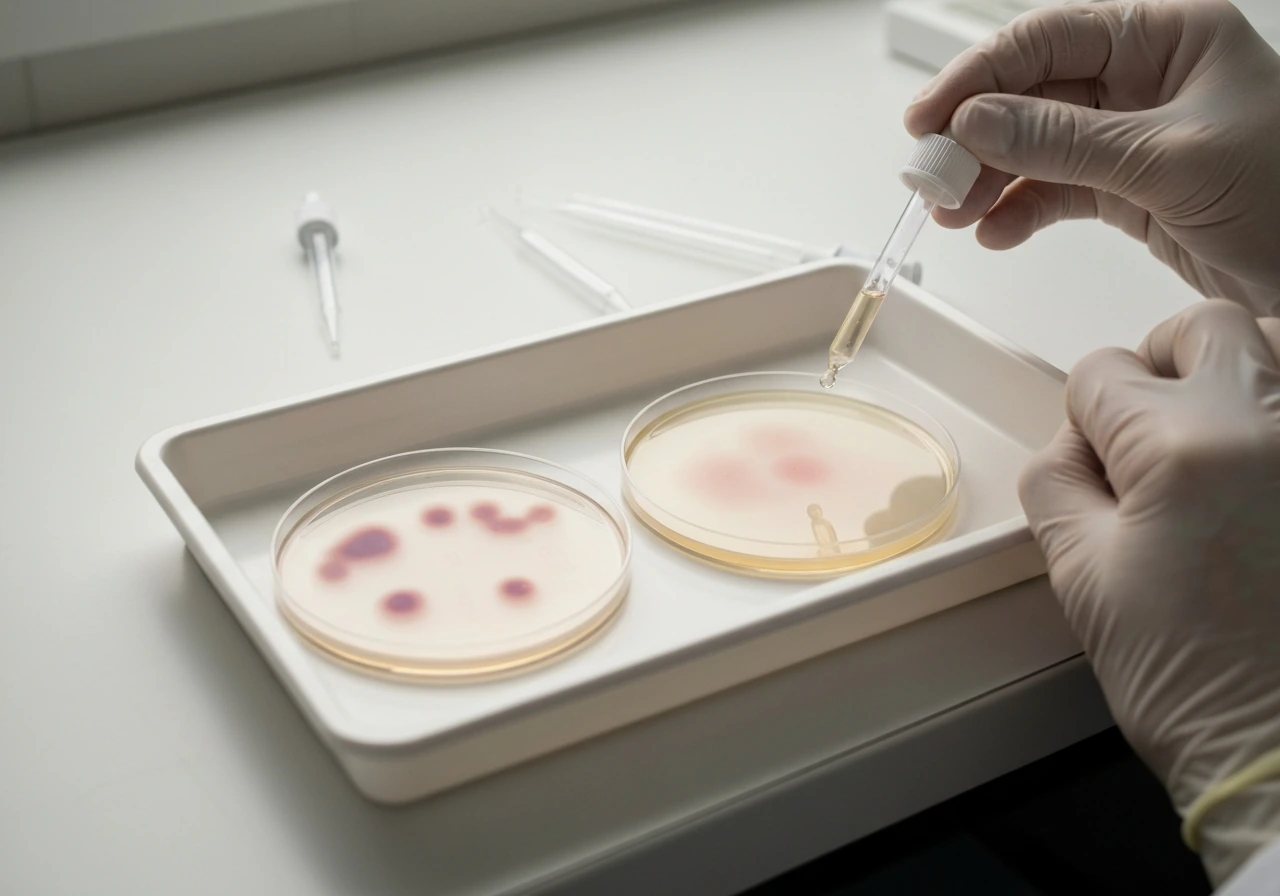
pH measures how acidic or alkaline an environment is on a scale from 0 to 14, with 7 being neutral. Most bacterial pathogens are neutrophiles, preferring a pH between about 6.5 and 7.5. That range overlaps closely with the pH of many foods, human tissues, and body fluids, which is part of why these pathogens are so effective at colonizing us. Push the pH far enough in either direction and the cell's enzymes stop functioning, membranes get disrupted, and growth halts.
Acidic environments below pH 4.6 are generally considered hostile to most bacterial pathogens, which is why vinegar-based pickling and fermentation (which drops pH through lactic acid production) are effective preservation methods. However, fungi like molds and yeasts are generally more acid-tolerant than bacteria, with some thriving down to pH 2. That's why you see mold on acidic foods like citrus fruit or yogurt but not the same bacterial spoilage you'd find in a neutral food left out. Some pathogens, notably E. coli O157:H7, have shown surprising acid tolerance, surviving briefly at lower pH than most bacteria, which has implications for fruit juices and fermented products.
Alkaline environments above pH 9 are also inhibitory to most pathogens. Some organisms, called alkaliphiles, prefer high pH environments, but these are rarely human pathogens. The practical takeaway is that lowering pH through acidification is one of the oldest and most reliable ways humans have controlled microbial growth in food.
Water, moisture, and water activity (aw)
Water activity, written as aw, is one of the most important and least understood concepts in food microbiology. It's not simply how much water is present. It's a measure of how much of that water is actually free and available for microbial use. Pure water has an aw of 1.0. When you dissolve salts, sugars, or other solutes into water, you lower the water activity because those solutes bind water molecules, pulling them away from microbes. A pathogen sitting in a high-salt or high-sugar environment effectively becomes dehydrated at the cellular level, even if the food looks wet.
Most bacterial pathogens need an aw of at least 0.91 to grow. Below that threshold, growth slows dramatically or stops. Staphylococcus aureus is notable for tolerating aw values down to about 0.83, which is lower than most other pathogens, making it a risk in cured and salted foods. Molds are generally the most tolerant of low water activity, with some xerophilic (dry-loving) molds growing at aw values as low as 0.61. Yeasts fall somewhere in between.
| Microorganism Type | Minimum aw for Growth | Common Examples |
|---|---|---|
| Most bacterial pathogens | 0.91 or higher | Salmonella, E. coli, Listeria |
| Staphylococcus aureus | ~0.83 | Cured and salted foods risk |
| Most yeasts | ~0.87 | Bread spoilage, fermentation |
| Molds (xerophilic) | As low as 0.61 | Dried grains, fruit, nuts |
This is why drying, salting, and sugaring food works as preservation. You're not just removing water, you're reducing the amount of water available to microorganisms. Jerky, honey, dried pasta, and jam all exploit low water activity. Honey, for instance, has an aw around 0.6, which is why it essentially never spoils microbiologically at room temperature.
Oxygen, atmosphere, and other gas requirements
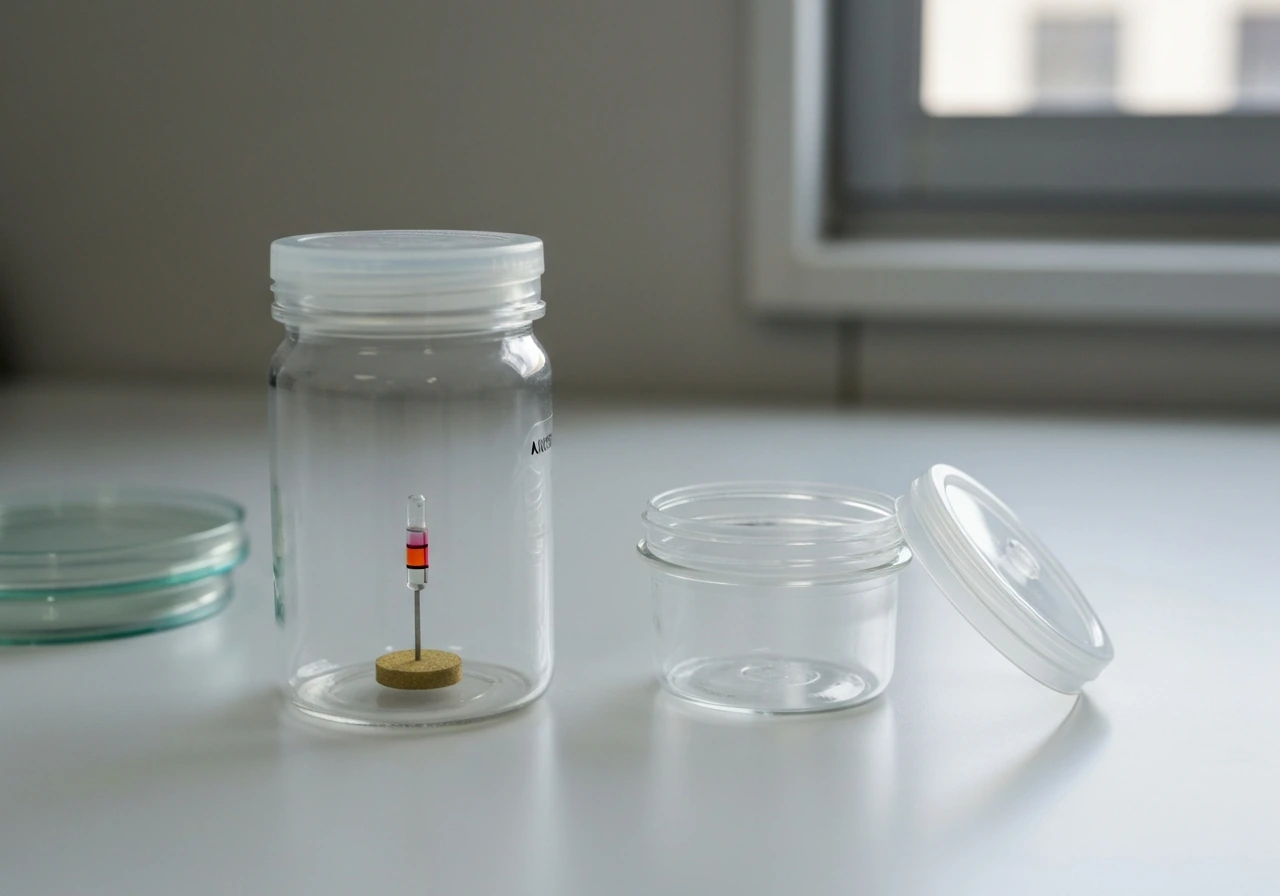
Here's where students most often hit a wall: not all microbes need oxygen. In fact, some are killed by it. Understanding the range of oxygen relationships explains a lot of seemingly strange food safety situations, like why vacuum-sealed meat can still harbor dangerous pathogens, or why botulism occurs in home-canned vegetables.
Microbiologists classify organisms by their oxygen relationships into several groups. Obligate aerobes must have oxygen and can't grow without it. Obligate anaerobes are killed by oxygen. Facultative anaerobes (like E. coli and Salmonella) can grow with or without oxygen, which makes them especially adaptable and dangerous. Microaerophiles need oxygen but only in small amounts, around 2 to 10%, much less than the 21% in normal air. Aerotolerant anaerobes don't use oxygen but aren't harmed by it.
- Obligate aerobe: requires oxygen (e.g., Mycobacterium tuberculosis)
- Obligate anaerobe: killed by oxygen (e.g., Clostridium botulinum, Clostridium perfringens)
- Facultative anaerobe: grows with or without oxygen (e.g., E. coli, Salmonella, Staph aureus)
- Microaerophile: needs low oxygen levels, around 2 to 10% (e.g., Campylobacter jejuni)
- Aerotolerant anaerobe: doesn't use oxygen but tolerates its presence
Carbon dioxide levels also matter. Modified atmosphere packaging (MAP), used commercially for meats and produce, often replaces oxygen with carbon dioxide or nitrogen to slow aerobic spoilage organisms. However, this can inadvertently create favorable conditions for anaerobic pathogens if the product isn't also kept cold. Atmosphere and temperature have to be managed together.
Nutrients and carbon sources (and where microbes get them)
Every living cell needs raw materials to build new structures and generate energy, and pathogens are no different. The nutrient requirements for microbial growth include carbon (for building cellular structures), nitrogen (for proteins and nucleic acids), minerals like phosphorus, potassium, and iron, and in some cases specific vitamins or growth factors that the organism can't synthesize on its own.
Most bacterial pathogens are heterotrophs, meaning they get their carbon by consuming organic compounds rather than fixing carbon from the atmosphere like plants do. Proteins, carbohydrates, and fats in foods all serve as carbon and energy sources. High-protein foods, chicken, ground beef, cooked eggs, and dairy products, are particularly supportive of bacterial growth because they provide rich, bioavailable nitrogen alongside carbon. That's why these foods appear repeatedly on food safety watch lists.
One practical implication that often surprises people: clean surfaces matter because residual food debris is a nutrient source. A cutting board with tiny grooves holding protein residue is providing the 'food' part of the growth equation. Cleaning (removing physical debris) combined with sanitizing (reducing microbial numbers) works because it strips away the nutrient foundation that supports a growing community. That's not just good hygiene habit, it's applied microbiology.
Some pathogens have very specific nutrient requirements, which actually limits where they can grow. Campylobacter, for example, needs specific amino acids and iron compounds, making it more fastidious than generalists like E. coli. Understanding nutrient specificity helps explain why certain pathogens are associated with particular foods or body sites.
Putting it together: using the six conditions in real scenarios
Knowing these six conditions in isolation is useful. Applying them together is where the real understanding kicks in. Every food safety rule, every sanitizing protocol, every incubation setup in a microbiology lab is essentially an attempt to push one or more of these conditions outside the tolerable range for a target pathogen. Here's how to think through common scenarios.
Refrigeration and the temperature danger zone
Keeping food below 40°F (4°C) slows bacterial metabolism dramatically. Most mesophilic pathogens are still alive in your refrigerator, but their doubling time has stretched from 20 minutes to many hours, meaning they can't build dangerous populations quickly. The rule that cooked food shouldn't sit in the danger zone (40°F to 140°F) for more than 2 hours exists because that window is long enough for populations to climb into risky territory under ideal conditions.
Drying, salting, and sugaring
These methods all target water activity. Reducing aw below 0.91 stops most bacterial pathogens. The combination of low aw and low pH (as in some fermented and pickled products) creates a double barrier that is more effective than either method alone. This is the logic behind the hurdle technology concept in food science: stack multiple mild barriers rather than relying on one extreme intervention.
Vacuum sealing and modified atmospheres
Removing oxygen stops obligate aerobes and slows facultative anaerobes somewhat, but it creates a favorable environment for obligate anaerobes like Clostridium botulinum. Vacuum-sealed, low-acid foods stored at room temperature are actually a higher botulism risk than the same foods stored in air. The fix is to combine oxygen removal with refrigeration or acidification, which is exactly what commercial processors do.
Cleaning and sanitizing surfaces
Surface hygiene works on multiple conditions simultaneously. Cleaning removes the nutrient base (food). Sanitizers with acidic or alkaline chemistry push pH outside the tolerable range for most vegetative cells. Drying surfaces after cleaning lowers surface water activity. Together, these steps make the environment genuinely hostile to pathogen establishment. Skipping the cleaning step and going straight to sanitizer is a mistake because the sanitizer is working against a nutritive environment that actively protects microbial cells.
Lab incubation setups
In a classroom or research lab, you deliberately manipulate these same six conditions to grow (or suppress) specific organisms. An anaerobe jar removes oxygen. A buffered growth medium sets pH. An incubator controls temperature. The growth medium itself supplies nutrients at defined concentrations. Understanding why each part of a culture protocol exists makes it much easier to troubleshoot when something doesn't grow as expected.
One final point worth emphasizing: the six conditions are universal concepts, but the specific numbers vary significantly by organism. Salmonella's minimum growth temperature is around 5°C; Listeria can grow below 1°C. E. coli O157:H7 tolerates lower pH than most other pathogens. Campylobacter needs lower oxygen than the air around us. The framework is consistent, but the thresholds are organism-specific, which is why food safety guidelines tend to use conservative values that cover the most tolerant pathogens rather than average ones. If you're looking specifically at bacterial growth conditions or want to compare how the four most critical food safety factors stack up, those narrower breakdowns are worth exploring alongside this broader six-condition framework.
FAQ
Are the six conditions always the same exact numbers for every pathogen?
No. The six conditions describe what growth depends on, but the “right” values (ranges) are specific to each pathogen. Food safety uses conservative limits because the most tolerant organisms (like Listeria at refrigerator temps or low-pH-tolerant E. coli) can survive where average bacteria would not.
If a pathogen is treated with antibiotics or medicine, do the six growth conditions still matter?
Vaccines do not remove the need for these conditions in food, and antibiotics do not reliably “switch off” all growth the same way either. Antibiotics may kill susceptible cells, but resistant survivors can still grow if the six conditions are met, which is why storage and handling still matter even when medical treatments exist.
If temperature and moisture look safe, does “time” still matter?
A common edge case is that “time” is not an instant switch, but an accumulation. Even if temperature or moisture seems borderline, holding food for longer can allow enough generations for high levels to develop, which is why limits are expressed as time in addition to temperature.
Does vacuum sealing or modified atmosphere always prevent harmful microbial growth?
You can’t assume oxygen always means safety. Some pathogens prefer low-oxygen or can tolerate oxygen changes (facultative and microaerophilic types). That’s why vacuum packaging or modified atmosphere needs to be paired with temperature control, not treated as a stand-alone barrier.
If I clean and sanitize but the surface still feels a little damp, is that always unsafe?
Yes, microbes can be killed or inhibited even when the “food” and “moisture” conditions exist. Cleaning changes the nutrient base on surfaces, sanitizing alters pH and chemical stress, and some methods reduce viable cells directly, so a surface can be microbiologically safer even if it is not completely dry.
Does freezing stop pathogen growth permanently?
Freezing does not sterilize food. It mainly stops active growth, but surviving cells can restart once the food thaws under favorable conditions (nutrients, pH, moisture, and especially temperature). For safety, thawing method and time are still critical.
Why do food safety charts focus on a single danger-zone temperature range if pathogens have different preferences?
The “danger zone” is aimed at common mesophilic bacteria, but it is not a guarantee for all pathogens. Some organisms grow well outside it, like Listeria at refrigeration temperatures, so refrigeration time and contamination controls still matter for ready-to-eat foods.
If low water activity prevents growth, can pathogens grow again if the food absorbs moisture?
Drying, salting, and sugaring reduce water availability at the cellular level, but they still may not work alone. If products are later rehydrated, handled with added moisture, or stored in conditions that raise water activity, growth can resume for organisms tolerant to lower aw.
Why isn’t boiling enough for all foods if heat kills most bacteria?
Not necessarily. Heat can kill vegetative cells, but spores can survive and then germinate if conditions become favorable, particularly when oxygen and moisture return. That’s why pressure canning is used for low-acid foods instead of relying on boiling alone.
Does higher protein automatically mean faster pathogen growth for every organism?
For bacteria in particular, nutrients are not just “protein in the food.” The form matters, such as available nitrogen, iron availability, and specific growth factors for fastidious organisms. This is why two foods with the same total protein can support different levels of growth.
If I change one condition a little, will pathogens still grow, or is a single change enough?
Yes. In many real scenarios, an intervention targets multiple conditions at once, but it is the weakest link that usually determines growth outcome. For example, low pH and low aw together are stronger than either alone, but if temperature is high enough, some tolerant organisms may still grow.
When modified atmosphere packaging reduces oxygen, why can it still be risky?
Increasing carbon dioxide and nitrogen can slow some spoilage organisms, but it may not suppress anaerobic growth. If the product is also warm or has high moisture and nutrients, anaerobic pathogens can be a risk even in low-oxygen packaging.
Citations
A commonly used food-microbiology “intrinsic factors” framework for microbial growth includes: pH, water activity (a_w), and other physico-chemical characteristics; and “extrinsic factors” include storage temperature and gaseous atmosphere—i.e., growth depends on both product properties and environmental storage conditions.
https://wwwnc.cdc.gov/eid/article/3/4/97-0419_article
A practical food-safety summary of main factors controlling microorganism growth lists nutrients, temperature, pH, water activity, and atmosphere.
https://www.foodsafety.org/keep-food-safe/storing-and-handling-food/basics-for-handling-and-storing-food-safely/
US FDA’s Pathogen Modeling Program (PMP) describes water activity as a measure of the amount of water not tightly bound to the food matrix and available to support growth of bacteria, yeasts, and molds.
https://pmp.errc.ars.usda.gov/overview.aspx
A common mnemonic framing for the “six favorable conditions” in food service is: Food, Acidity, Time, Temperature, Oxygen, and Moisture (FAT TOM).
https://en.wikipedia.org/wiki/FAT_TOM