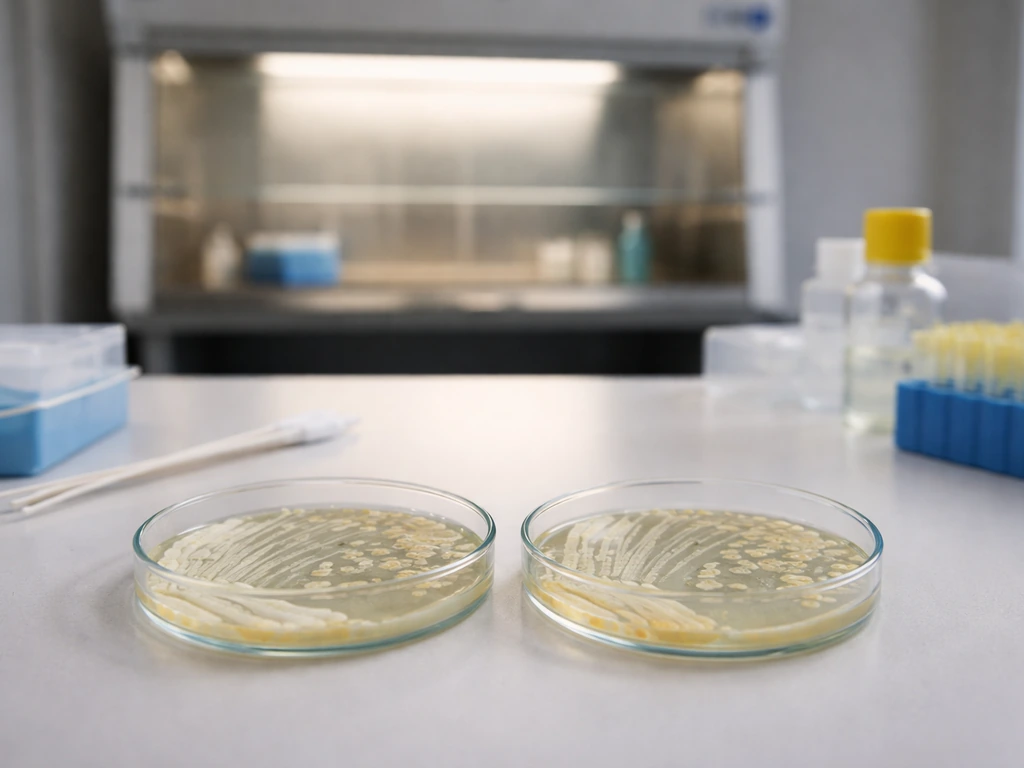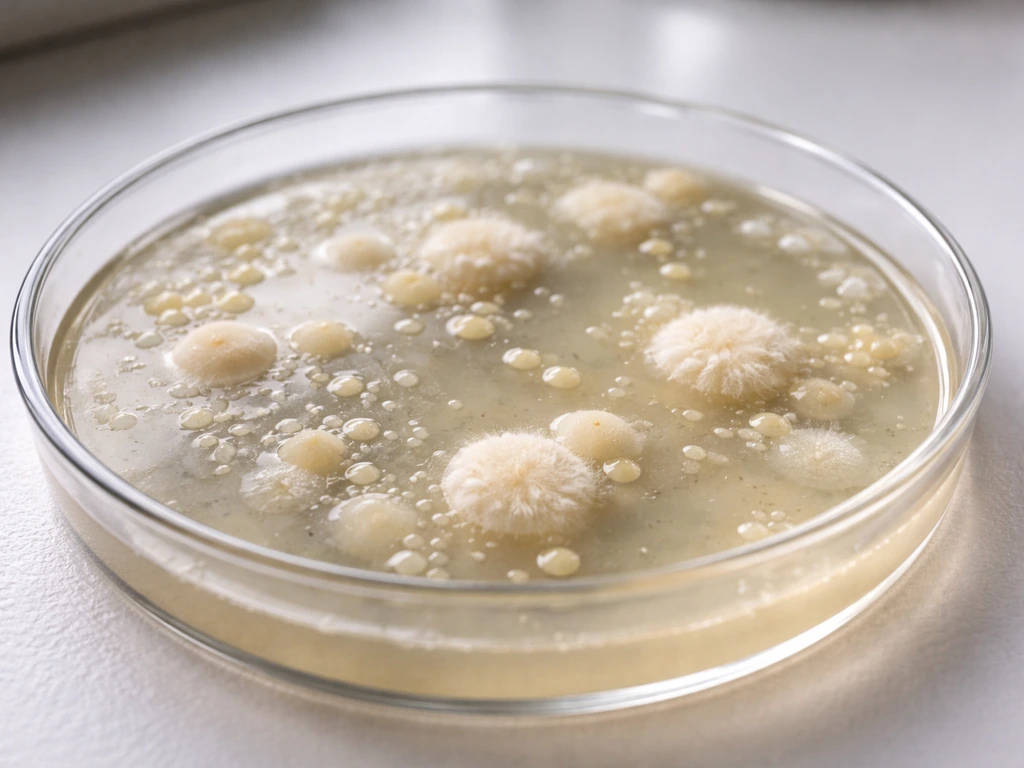
Germs grow best anywhere they find warmth, moisture, nutrients, and time. The site where pathogens grow is sometimes described as a high-risk growth environment because it meets conditions like warmth, moisture, nutrients, and time the site where pathogens grow is called. In practical terms, that means your kitchen sponge, a damp bathroom corner, leftover food sitting at room temperature, a cutting board with protein residue, or a neglected water reservoir can all become thriving microbial environments within hours. The good news: once you understand which conditions fuel growth, you can cut them off at the source.
Where Do Germs Grow Best? Conditions and Prevention Checklist

Marcus Holloway
8 Jul 2026
What we actually mean by "germs"
"Germs" is an everyday catch-all that covers several very different types of microorganisms. In microbiology, the main categories you'll encounter in everyday life are bacteria, fungi (including molds and yeasts), viruses, and protozoa. Each one behaves differently, grows under different conditions, and responds differently to cleaning. That distinction matters a lot when you're trying to stop them.
- Bacteria are single-celled organisms that reproduce by splitting in two (binary fission). Given the right conditions, a single bacterium can become millions in just a few hours. Common examples include Salmonella, E. coli, and Staphylococcus.
- Fungi include molds (multicellular, grow in filaments called hyphae) and yeasts (single-celled). Molds are what you see growing on bread or grout; yeasts are what ferment bread and beer. Both need moisture to grow.
- Viruses are not technically "alive" in the biological sense and do not grow or multiply on surfaces the way bacteria do. They survive on surfaces waiting for a host cell to infect. This is why cleaning is especially effective against viruses.
- Protozoa are single-celled organisms found mainly in water. Giardia and Cryptosporidium are examples relevant to drinking water safety.
- Spore-forming microbes (some bacteria and most molds) produce hardy, dormant structures called spores that can survive heat, drought, and disinfectants, then resume growth when conditions improve.
Most of this article focuses on bacteria and fungi because those are the groups that actively multiply in everyday environments like kitchens, bathrooms, and on food. Viruses come into play when we talk about surface survival and disinfection.
The conditions germs need to grow
Think of microbial growth like a recipe: microbes need several ingredients at once. Remove even one of them and growth slows dramatically or stops entirely. These conditions are interconnected, not independent, so the most effective prevention strategies attack more than one at a time.
Temperature
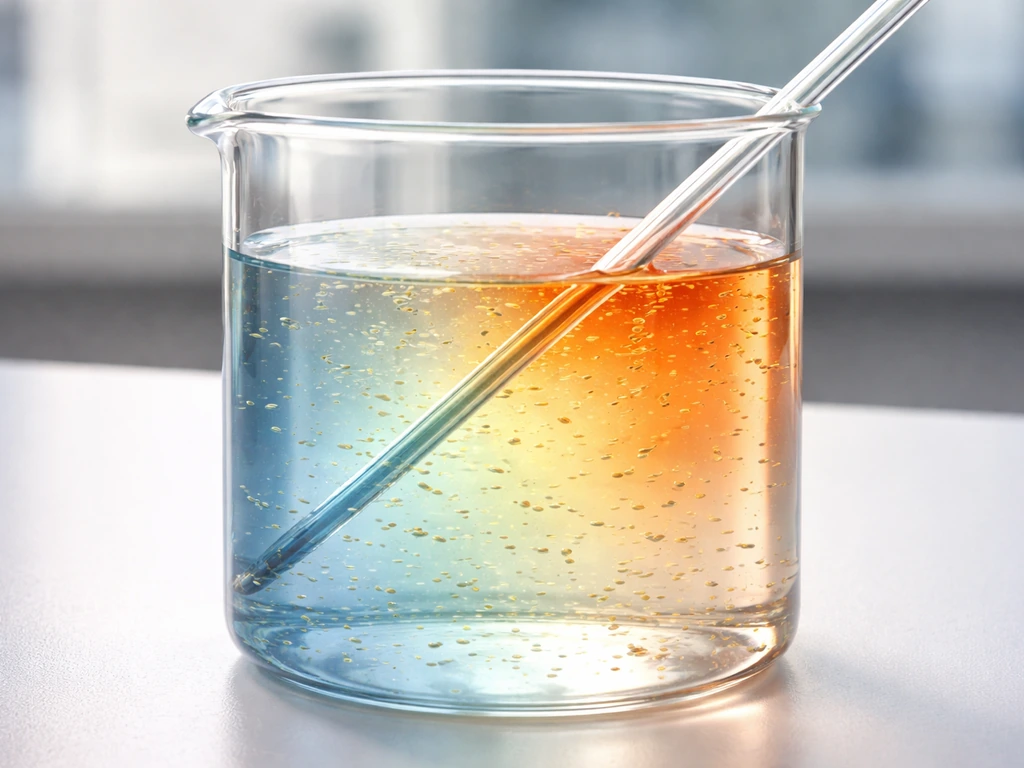
Most harmful bacteria grow fastest between 40°F and 140°F (4°C to 60°C), a range food safety professionals call the "danger zone." Within that band, the sweet spot for many pathogens is close to human body temperature, around 37°C (98.6°F), which is exactly why our bodies are such hospitable environments. Refrigeration (below 40°F) slows bacterial growth significantly but does not stop it entirely. Some cold-tolerant bacteria like Listeria can still multiply slowly in the refrigerator. On the other end, temperatures above 140°F generally kill most vegetative bacteria, though spores require much higher heat (above 250°F / 121°C under pressure) to destroy.
Moisture and water activity
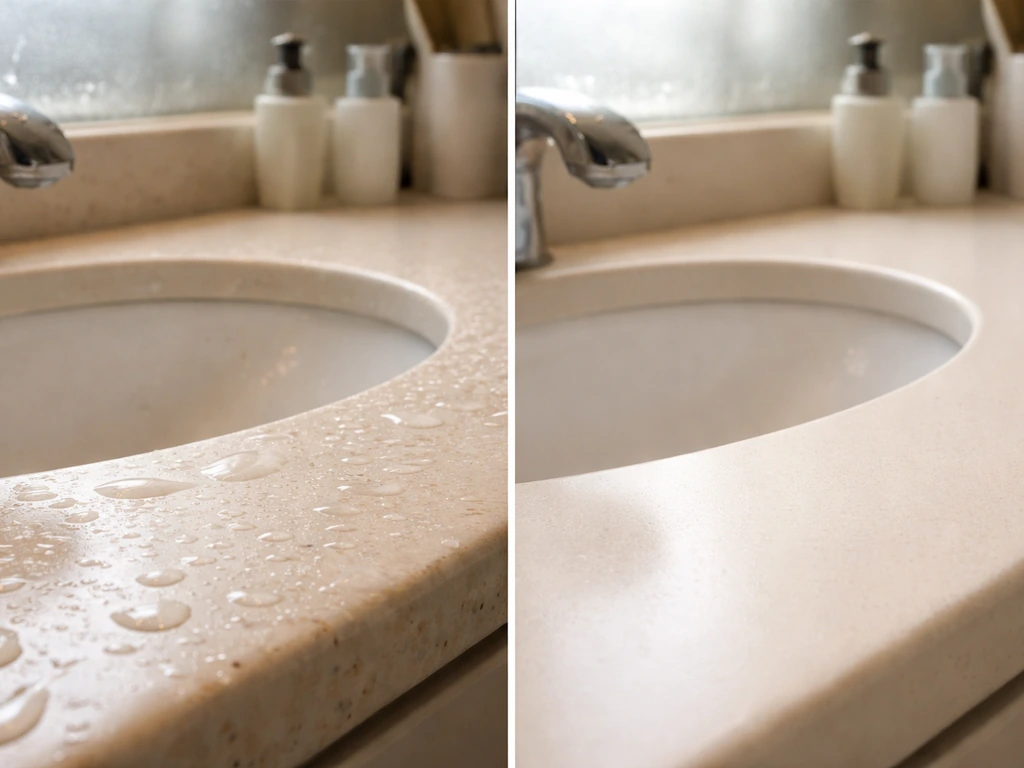
Water is arguably the most critical growth requirement. Scientists measure the "available" water in a food or surface using a scale called water activity (aw), which runs from 0 (bone dry) to 1. 0 (pure water). Most fresh foods have a water activity above 0.
95, which is more than enough to support bacteria, yeasts, and molds. Dried foods, salted foods, and honey have lower water activity, which is why they stay shelf-stable. On surfaces, even a thin invisible film of moisture is enough to support a biofilm, a surface-associated microbial community that can be surprisingly resistant to cleaning.
Moisture content alone is actually a poor predictor of microbial risk; water activity is the more accurate metric because it measures how "available" the water is to microbes.
Nutrients
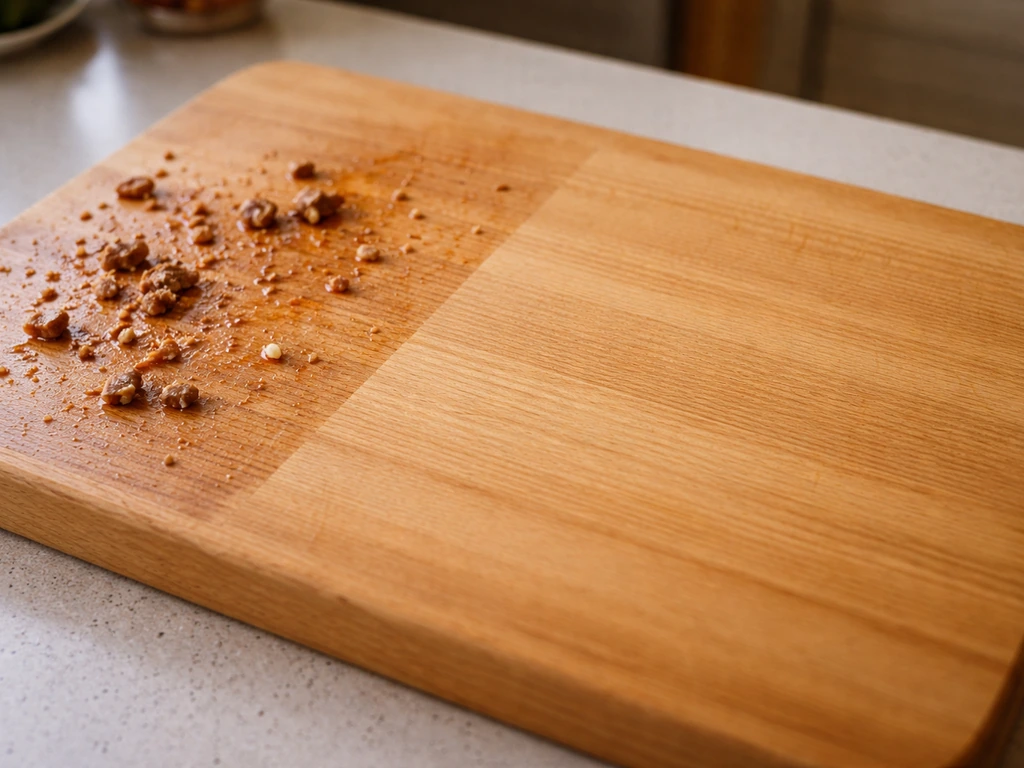
Microbes need carbon, nitrogen, minerals, and in some cases vitamins to grow. In everyday life, the "nutrients" are things like food residue on a cutting board, protein smears on a countertop, dead skin cells on a pillowcase, or organic matter coating a drain. Even a surface that looks visually clean can retain enough organic residue to fuel bacterial multiplication. This is why the CDC and WHO both emphasize that you must clean before you disinfect: dirt and grime physically shield microbes from disinfectants and provide them with nutrients.
pH (acidity and alkalinity)
Most bacteria prefer a neutral to slightly acidic pH, roughly between 6.5 and 7.5. Highly acidic environments (pH below 4.6) inhibit most pathogens, which is why pickling and fermentation with vinegar or lactic acid are effective preservation methods. Molds and yeasts are more acid-tolerant than most bacteria, which is why you'll see mold growing on citrus fruit even though it's fairly acidic. Highly alkaline environments (high pH) are similarly hostile to most microbes, which is why bleach-based cleaners are effective.
Oxygen
Microbes differ dramatically in their oxygen requirements. Aerobic microbes need oxygen to grow; they thrive on open surfaces, in the air, and in well-oxygenated water. Anaerobic microbes grow without oxygen and in some cases are actually killed by it; they're found in sealed containers, deep in soil, inside wounds, and in the gut. Facultative anaerobes, the most common category, can grow either way, which makes them especially versatile and dangerous in food safety contexts. E. coli is a good example. Molds are almost exclusively aerobic, which is why vacuum-sealing foods can slow mold growth but won't stop anaerobic bacteria like Clostridium botulinum.
Time
Given ideal conditions, many bacteria can double every 20 minutes. That means one bacterium becomes over a million in about seven hours. Microbial growth happens in distinct phases: a lag phase where cells adapt to their environment, an exponential (log) phase where rapid doubling occurs, a stationary phase where growth levels off as nutrients run out or waste products accumulate, and eventually a decline phase.
A peer-reviewed review of biofilm development similarly describes staged progression from attachment to maturation and then dispersion, which can help map these “presence” stages on surfaces [Microbial growth happens in distinct phases: a lag phase](https://pmc. ncbi. nlm. nih.
gov/articles/PMC9841534/). That progression is essentially the stage in which microorganisms grow and reproduce under the right conditions Microbial growth happens in distinct phases. The lag phase is the least predictable part of the curve, which is why you can't assume food left out for "just an hour" is always safe.
Where germs actually grow in your home
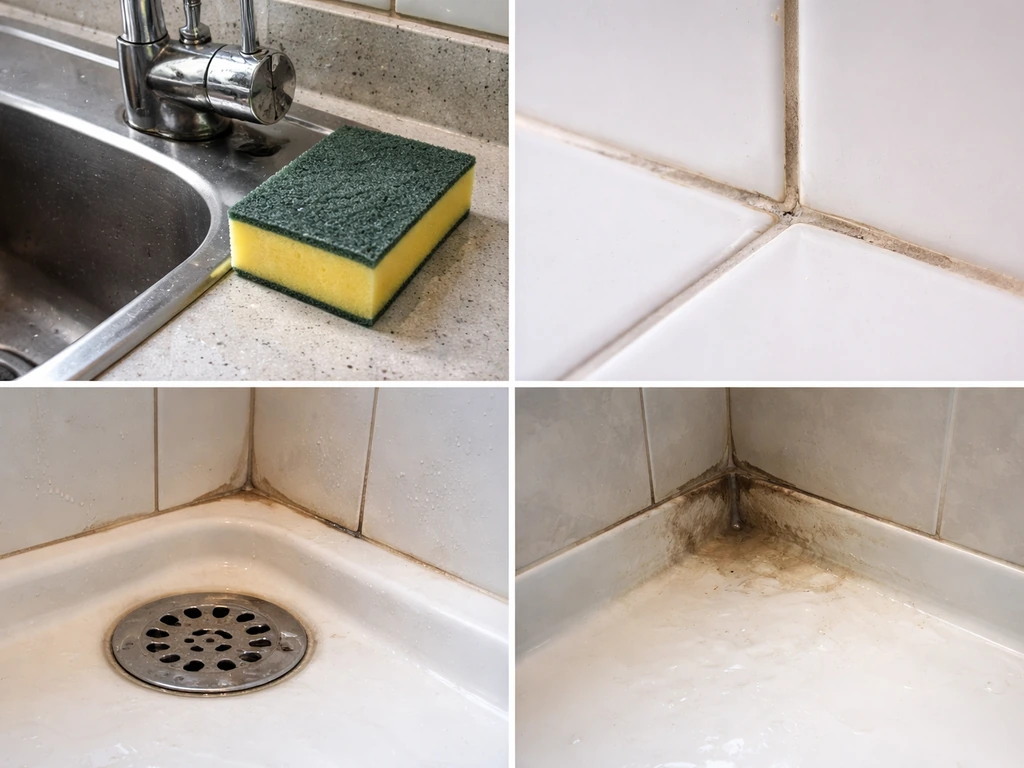
Knowing the conditions above makes the high-risk spots in any home obvious. They're all places where warmth, moisture, and nutrients overlap.
Kitchen: the highest-risk room
The kitchen sponge is consistently one of the most microbe-dense objects in the home. It's warm, permanently moist, full of food residue, and rarely dried between uses: a perfect growth environment. in which type of environment do microorganisms grow best. Cutting boards are another major site, especially wooden ones with grooves where protein residue from raw meat, poultry, or fish gets trapped.
Drains and sink basins accumulate organic matter and stay wet, making them ideal for biofilm formation. The refrigerator is not germ-free; while cold temperatures slow most bacterial growth, the door seals, vegetable drawers, and any surface with food spillage can harbor cold-tolerant bacteria and molds. Cross-contamination, transferring microbes from raw items to ready-to-eat foods, remains one of the most common kitchen risks.
Bathroom: moisture plus organic matter
Bathrooms combine high humidity, warm temperatures, and organic material (dead skin cells, hair, soap scum). Grout lines, shower curtain bases, and the underside of toilet rims are classic mold and bacterial growth sites. Toothbrush holders accumulate pooled water and biofilm. Hand towels that stay damp between uses are a reliable bacterial nursery. The toilet bowl itself, while visually the most concerning spot, is typically less microbiologically problematic than the areas surrounding it that people overlook.
Water-bearing and stagnant areas
Biofilms can form in both stagnant and flowing water conditions. Storage tanks, humidifiers, and water reservoirs that aren't regularly cleaned and dried are particularly vulnerable. Legionella, the bacterium behind Legionnaires' disease, is a notable example of a pathogen that thrives in warm stagnant water systems, including large building water tanks and improperly maintained hot tubs. Even household water filters that are overdue for replacement can harbor biofilm growth.
Bedding, laundry, and soft surfaces
Pillowcases and bedding collect dead skin cells, sweat, and body oils, providing nutrients for bacteria and dust mite colonies. Laundry washed in cold water doesn't always kill bacteria; it mostly dilutes and removes them. Damp laundry left sitting in the washer drum before drying is a reliable mold incubator.
How germ growth unfolds over time
Microbial growth on a surface or in food isn't instant. It follows a predictable progression that's worth understanding, because it shows you exactly where prevention is most effective.
- Contamination: Microbes arrive on a surface or food via touch, air, water droplets, raw food, or insects. At this point, numbers are typically low.
- Lag phase: Microbes adjust to the new environment. They're present but not yet multiplying rapidly. This window, which can last from minutes to hours depending on conditions, is your best opportunity to intervene with cleaning or temperature control.
- Exponential growth: Conditions are favorable and doubling begins. A single bacterium in ideal conditions can produce millions in a matter of hours.
- Stationary and dormancy phases: Growth slows as nutrients deplete or waste products accumulate. Some microbes shift into survival mode, forming spores or biofilms that are far more resistant to cleaning and disinfection.
- Survival or transfer: Dormant spores and established biofilms can persist on surfaces for extended periods, ready to resume active growth when conditions change.
This is also why the type of surface matters. Viruses often survive longer on nonporous materials like stainless steel and plastic than on porous materials like fabric or cardboard. Bacteria can form biofilms on almost any surface given sufficient moisture and organic material. Once a biofilm is established, its protective extracellular matrix makes it significantly harder to kill with standard disinfectants than free-floating (planktonic) bacteria. CDC notes that in most situations, cleaning with soap and water removes most germs on surfaces, and disinfecting chemicals are used to kill any remaining germs after cleaning Cleaning and Disinfecting.
How to stop germs from growing: your practical checklist
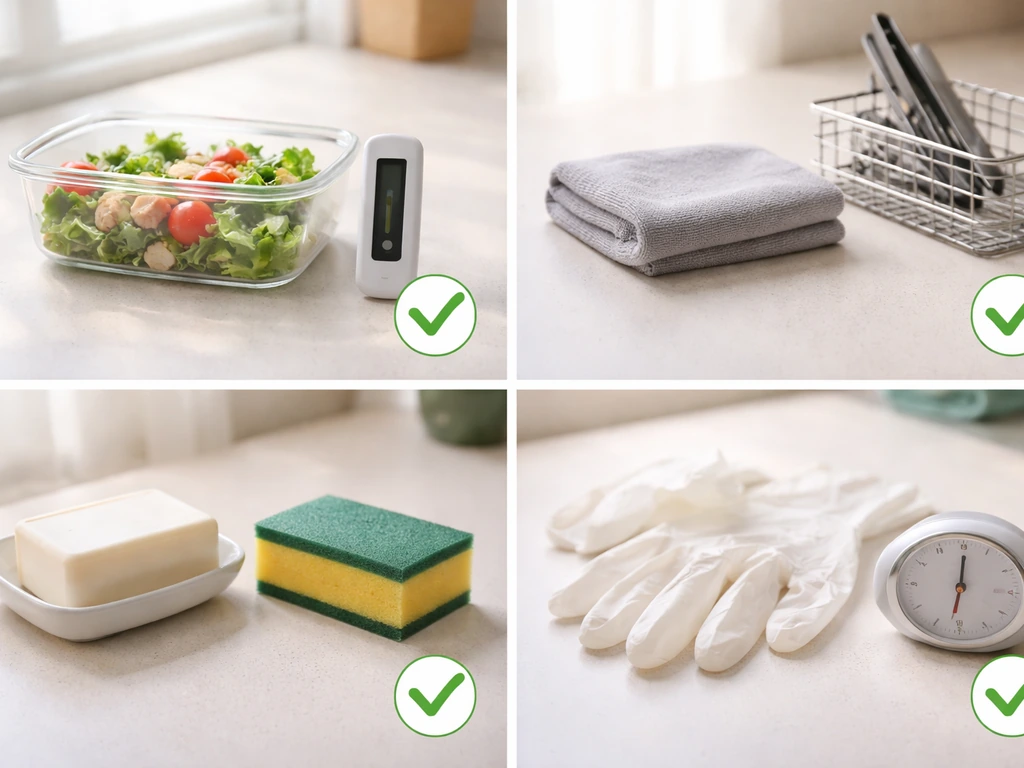
You don't need to sterilize your home. You need to consistently remove the conditions that allow growth. These steps target the key requirements above and are the most effective things you can do right now.
- Control temperature: Keep your refrigerator at or below 40°F (4°C) and your freezer at 0°F (-18°C). Don't leave cooked or perishable food in the danger zone (40–140°F) for more than two hours, or one hour if the ambient temperature is above 90°F.
- Dry surfaces after use: Wipe down sinks, countertops, and shower walls after use. Replace kitchen sponges at least weekly or sanitize them daily. Let cutting boards dry fully between uses, and use separate boards for raw meat and ready-to-eat foods.
- Reduce indoor humidity: Keep relative humidity below 60%, ideally between 30–50%. Use bathroom exhaust fans during and for 10–15 minutes after showers. Use a dehumidifier in basements or other moisture-prone rooms. Fix leaky pipes and window condensation promptly.
- Clean before you disinfect: Soap and water physically remove most microbes from surfaces. Disinfectant chemicals kill the ones that remain, but they can't penetrate dirt and grime. Always clean first, then apply disinfectant.
- Use disinfectants correctly: Let the disinfectant stay wet on the surface for its full "contact time" (listed on the label). Wiping it off immediately makes it far less effective. This is a step most people skip.
- Remove nutrient residue: Rinse food-contact surfaces of protein residue (meat, eggs, dairy) as soon as possible. Don't let food residue dry onto surfaces where it becomes harder to remove and provides sustained nutrients.
- Prevent cross-contamination: Wash hands before and after handling raw meat, poultry, or fish. Use separate utensils and cutting boards for raw and cooked foods. Store raw meats on the lowest refrigerator shelf so drips can't contaminate items below.
- Ventilate and maintain water systems: Don't let water sit stagnant in humidifiers, water filters, or reservoirs. Clean and dry humidifiers regularly. Replace water filters on schedule. Flush pipes that haven't been used for extended periods.
- Wash bedding and towels regularly: Wash bedding at least every one to two weeks. Use warm or hot water for towels and dishcloths when possible. Dry laundry promptly after washing; don't leave it sitting damp.
Not all germs are the same: tailoring your approach
A common mistake is treating all microbes as if they respond to the same interventions. Mold, bacteria, spore-forming organisms, and viruses each have different vulnerabilities. Knowing which one you're dealing with helps you choose the right strategy.
| Microbe type | Key growth requirement | Main vulnerability | Practical priority |
|---|---|---|---|
| Mold (fungi) | Moisture (needs high water activity and humidity above ~70% RH on surfaces) | Drying out and ventilation; humidity control below 60% RH | Fix moisture sources, improve ventilation, clean with appropriate fungicide |
| Aerobic bacteria (e.g., Staph, Salmonella) | Oxygen + warmth + nutrients | Heat, drying, cleaning to remove nutrients, disinfectants | Temperature control, surface cleaning, hand hygiene |
| Anaerobic bacteria (e.g., Clostridium) | Absence of oxygen, nutrients | Not killed by refrigeration; spores survive boiling; pressure cooking needed | Avoid storing cooked food in sealed oxygen-free containers at room temp; use pressure canning |
| Spore-forming bacteria (e.g., Bacillus, Clostridium) | Spores survive most cleaning/disinfection; vegetative cells need warmth/moisture | High heat (above 121°C under pressure), preventing germination conditions | Prevent conditions that allow spores to germinate; use pressure cooking for low-acid canned foods |
| Viruses | Do not grow outside a host; survival on surfaces depends on virus type and surface material | Soap/water (disrupts envelope), appropriate disinfectants, porous vs nonporous surface type | Regular cleaning with soap and water; use EPA-registered disinfectants for high-touch surfaces |
| Yeasts | Moisture, sugars, moderate temperatures | Low water activity, refrigeration, avoiding sugar-rich residue on surfaces | Keep food sealed and dry; clean residue from fermented or sugary foods promptly |
One of the most important distinctions is between mold and bacteria. Mold's primary requirement is moisture, and controlling indoor humidity to below 60% relative humidity is the single most effective intervention against it. Bacterial growth is more dependent on temperature and nutrients, so refrigeration and thorough cleaning matter most. This is part of why microbiologists may want to grow bacteria in controlled settings: to study how specific conditions drive growth and behavior Bacterial growth is more dependent on temperature and nutrients. Anaerobic bacteria like Clostridium present a unique challenge because low-oxygen environments (sealed containers, vacuum packs, improperly canned foods) that feel "safe" can actually encourage their growth while suppressing aerobic competitors.
Spore-forming microbes deserve special attention. Spores are metabolically dormant structures that can survive boiling, many disinfectants, drought, and long periods of unfavorable conditions. When temperature, moisture, and nutrients improve, they germinate back into active cells. This is why spore-contaminated surfaces can appear clean and then suddenly show active growth after a humidity spike. The strategy with spores isn't killing them (that's difficult outside of pressure-sterilization), it's permanently denying them the conditions needed to germinate and grow.
Understanding where germs grow is really understanding which environmental levers they depend on, and then taking those levers away. Temperature, moisture, nutrients, pH, and oxygen aren't abstract biology concepts; they're the exact conditions you can see, measure, and control in your kitchen, bathroom, and refrigerator today. The biology of how microorganisms grow and reproduce, and why certain environments favor rapid multiplication while others keep microbes dormant, connects directly to every practical decision you make about food storage, surface cleaning, and home humidity. This is the core idea behind how do microorganisms grow in the real world: the right conditions let them multiply quickly, and removing those conditions slows them down how microorganisms grow.
FAQ
If I wipe surfaces often, can germs still grow anyway?
In most homes, “warm and wet” matters more than how dirty something looks. If a sponge, drain, or damp towel stays moist long enough, microbes can multiply quickly even when the surface appears mostly clean. Focus on drying, removing residue, and cleaning the areas that retain moisture (sponge and drain) rather than only wiping visible grime.
Does refrigeration completely stop germs from growing?
Yes, especially for bacteria that can slowly grow in the refrigerator, and for molds in humid compartments. Crumbs or spills near the door seal, vegetable drawers, or refrigerator gaskets can provide nutrients and moisture, so regular vacuuming or wiping of those specific zones matters more than relying on “cold” alone.
Why does disinfecting sometimes fail even when I follow the directions?
Not always. Some microbes survive harsh cleaning by forming biofilms or by producing spores that can remain dormant until conditions improve. That means the key step is to remove and prevent the growth conditions (moisture, nutrients) and use cleaning methods that physically disrupt residue, not just apply disinfectant.
How do I estimate the risk if food was left out for a short time?
It is risky to assume “left out for an hour” is safe, because growth has phases and the lag period varies by organism and starting load. The practical rule is to use time and temperature together, follow food safety guidance for your specific food type, and when in doubt discard rather than taste-check.
Why does “clean before disinfect” matter in real life?
Try to decouple cleaning from disinfection. Cleaning physically removes organic matter that shields microbes and feeds them, then disinfecting reduces what remains. If you disinfect without removing grime, you often lower effectiveness because the disinfectant cannot reliably reach microbes embedded in residue or biofilm.
What’s the best way to prevent mold at home?
Yes. Molds and yeasts often respond better to moisture control than to temperature lowering alone, so lowering indoor humidity (and fixing leaks) is usually more effective than occasional surface sprays. Also remember that cleaning visible mold is not enough if the underlying damp material remains.
Will vacuum sealing always make food safer by stopping germs?
Use different strategies for different oxygen needs. For example, vacuum sealing and reducing oxygen can slow mold and some aerobic microbes, but it will not reliably address anaerobic bacteria in high-moisture or improperly processed foods. Safety for foods that can support anaerobes depends on correct temperatures and preparation methods, not just sealing.
Do disinfectants need a “wet time” to work properly?
Run-through and soak times matter, but so does wet contact. A disinfectant often needs the surface to stay visibly wet for a specific duration to work. If you wipe it dry too quickly or the surface is still dirty, you can end up with partial disinfection.
Why can “cleaning” bring mold or growth back later?
Because spores can survive routine cleaning and later germinate when moisture returns, simply wiping a spot once may not solve the problem. The practical approach is to remove contaminated material, dry thoroughly, and control humidity so dormant spores do not get the moisture and nutrients needed to reactivate.
What household items are most often overlooked as germ growth zones?
Common examples include kitchen sponges that are not frequently replaced, damp bath areas with ongoing humidity, and water reservoirs like humidifiers and certain filters. If a device holds warm water and does not get regularly cleaned and dried, it becomes a reliable growth site.
Are germs always harder to kill on porous surfaces?
Usually, but it can be misleading. Some viruses survive longer on nonporous surfaces, while bacteria can form biofilms on many surfaces if moisture and nutrients are present. The safest practice is to remove residue, then disinfect high-touch or food-contact zones based on the specific task (spill cleanup versus general wiping).
I keep seeing dampness in one room, what should I change first?
If humidity stays below about 60% relative humidity and the area is kept dry, mold growth is much less likely to take hold. For existing damp conditions, the fix is to eliminate the moisture source first (leaks, ventilation, condensation), then clean and dry the materials before microbial problems recur.