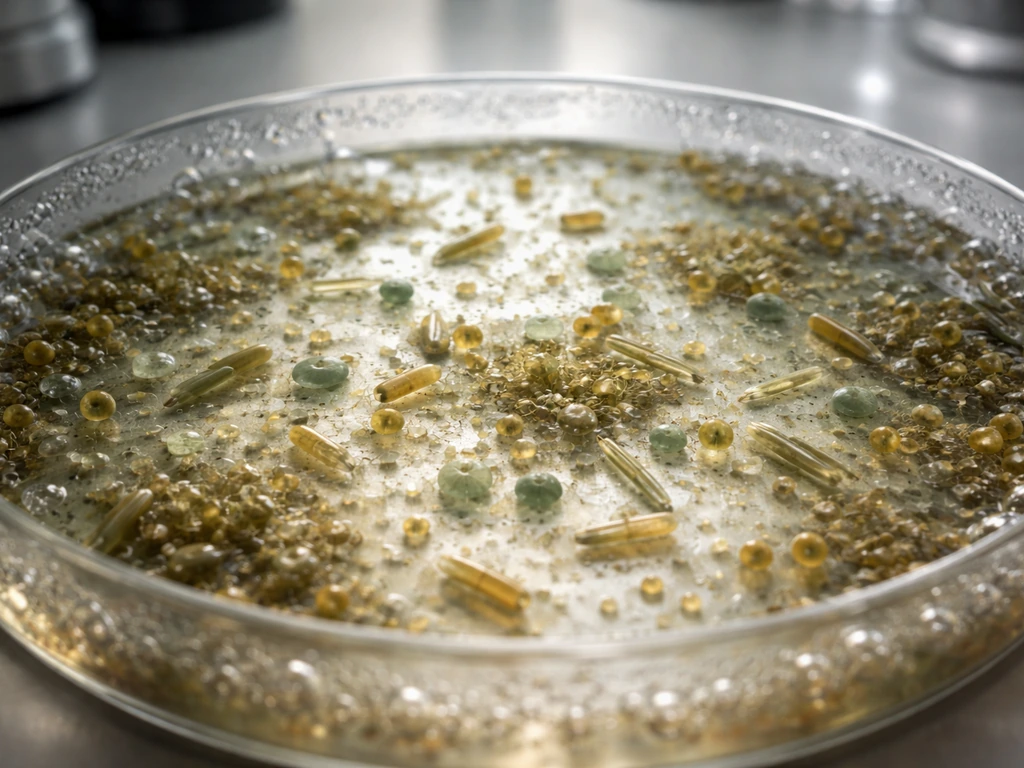
Microorganisms grow by acquiring nutrients from their environment, converting those nutrients into cellular material, and then dividing to produce more cells. Bacteria do this primarily through binary fission, where one cell splits into two identical daughter cells. Given the right temperature, moisture, pH, oxygen levels, and food source, a single bacterial cell can become millions in just a few hours. The key practical insight is this: microorganisms don't grow everywhere all the time. They grow when enough of those five conditions line up in their favor, and they go dormant or die when those conditions fall outside their tolerable range.
How Do Microorganisms Grow: Conditions and Real Examples

Marcus Holloway
7 May 2026
What it actually means for microorganisms to grow
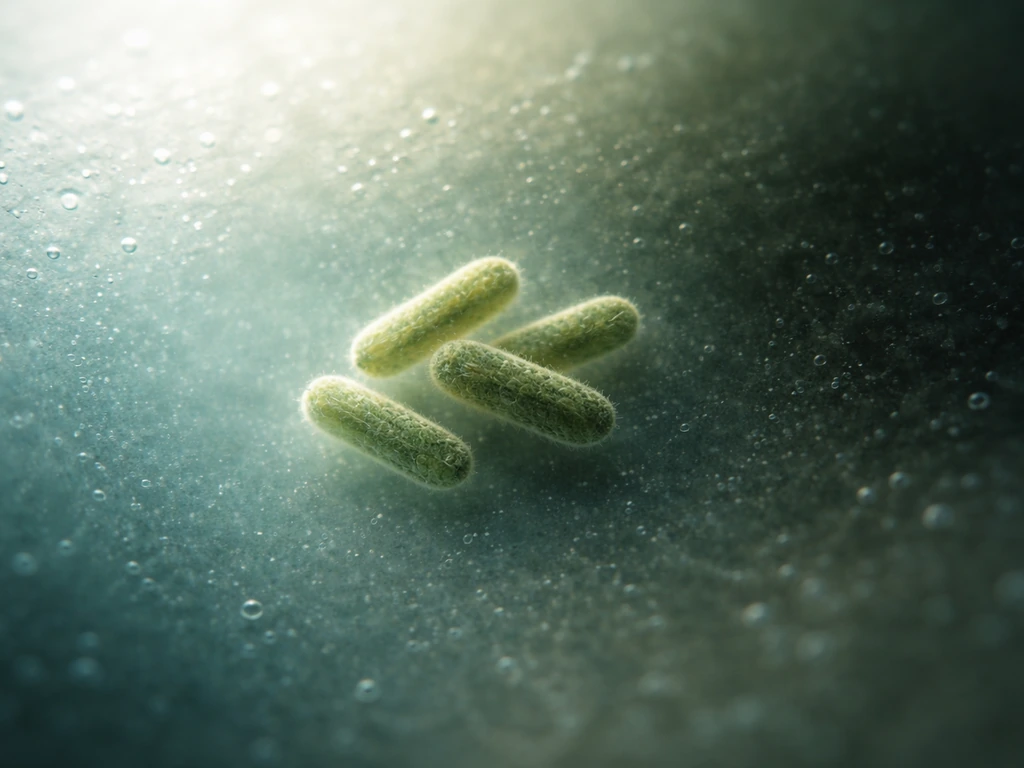
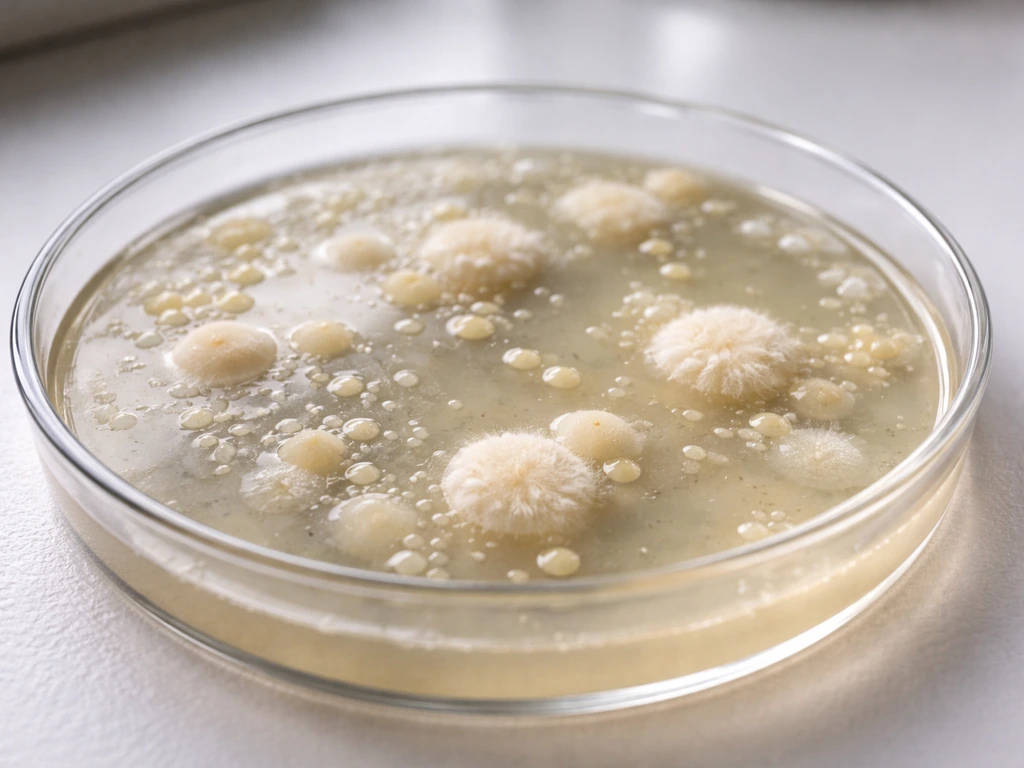
In biology, "growth" for microorganisms doesn't mean getting bigger the way you grew taller as a kid. It means an increase in the total number of cells in a population. When microbiologists talk about a culture "growing," they mean the population is expanding through reproduction. For bacteria, that happens mostly through binary fission: the cell duplicates its DNA, grows to roughly twice its size, and pinches in the middle to form two new cells. Under ideal conditions, some bacteria can do this every 20 minutes. That exponential pace is why spoiled food can look fine one morning and smell terrible by afternoon.
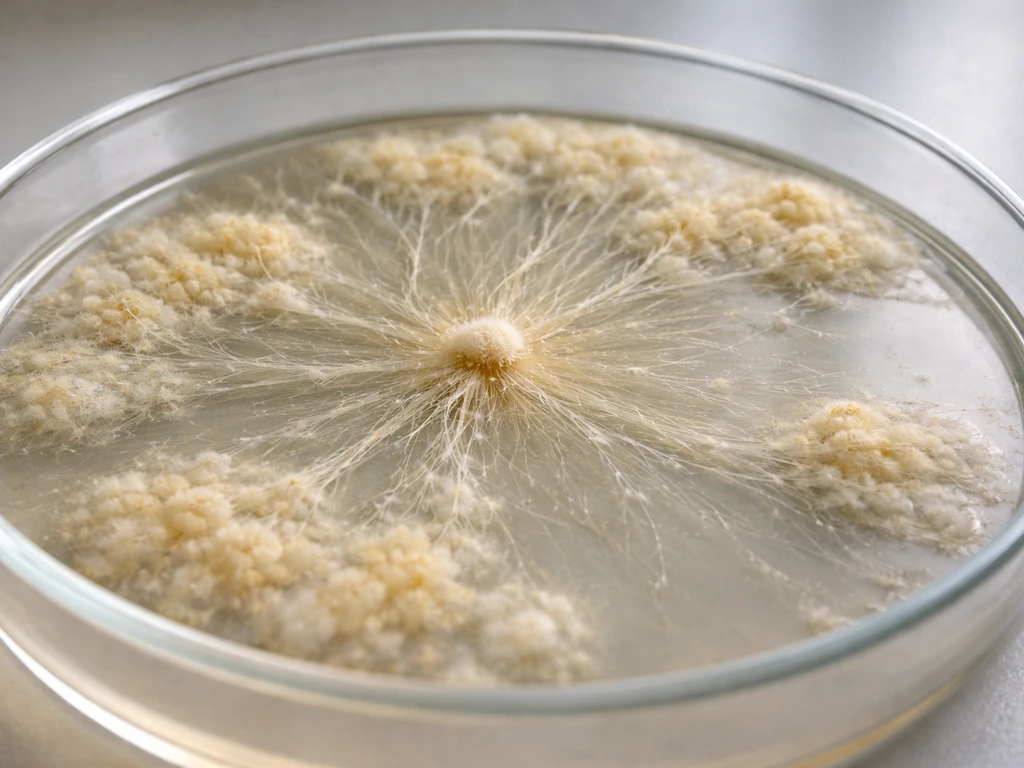
Fungi grow differently. Molds extend filaments called hyphae into a surface and spread outward, while yeasts reproduce by budding, pinching off a smaller daughter cell. But the underlying logic is the same: given the right inputs, fungal cells multiply. The "growth" that matters in a practical sense is the shift from a dormant or slow state into active, rapid reproduction, which is what causes food spoilage, mold on walls, and infection.
The basic life cycle: growth, dormancy, and everything in between
A microbial population doesn't just flip between "alive" and "dead. " There's a well-documented growth curve with four phases. When microbes first land in a new environment, they go through a lag phase, adjusting to conditions and ramping up enzyme production before dividing. Then comes the log phase (sometimes called exponential phase), where cells divide as fast as their environment allows.
This “stage” is essentially the period when microorganisms are actively growing and reproducing as conditions allow the stage in which microorganisms grow and reproduce. As nutrients run out or waste products accumulate, growth slows into a stationary phase where new cells are being made at roughly the same rate old ones die. Finally, the death phase sets in as conditions deteriorate further.
Dormancy is worth understanding because it trips people up. Many microorganisms can survive in an inactive state when conditions are unfavorable, then spring back into active growth the moment conditions improve. This is why drying out a cutting board or refrigerating leftovers slows microbial growth but doesn't necessarily kill every cell. The moment warmth and moisture return, survivors can start replicating again. Understanding dormancy versus death is one of the most practically useful things you can take from microbiology into everyday life.
One more concept worth knowing: most microbial growth in the real world doesn't happen as free-floating single cells. It happens in biofilms, structured communities of cells that attach to surfaces and encase themselves in a sticky matrix of polysaccharides (called extracellular polymeric substance, or EPS). Biofilms form on drain surfaces, cutting boards, pipes, shower tiles, and implanted medical devices. Cells within a biofilm can communicate with each other through chemical signals (a process called quorum sensing), coordinate behavior, and show dramatically higher resistance to disinfectants and antibiotics than free-floating cells of the same species. This is why scrubbing a surface, not just rinsing it, matters so much.
Where microorganisms grow: mapping the conditions
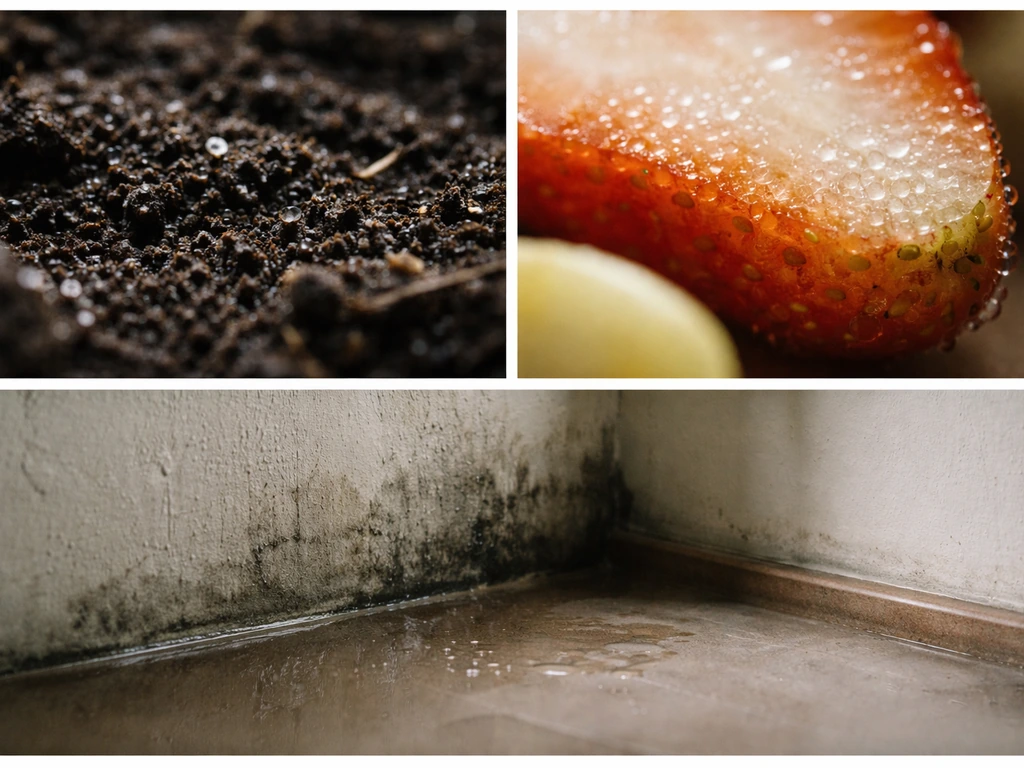
Microorganisms show up virtually everywhere on Earth, but they don't grow everywhere. They have a "goldilocks zone" for each environmental factor, and growth only happens when all the factors are within tolerable range simultaneously. They have a "goldilocks zone" for each environmental factor, and growth only happens when all the factors are within tolerable range simultaneously in which type of environment do microorganisms grow best. Think of it like a combination lock: getting one dial right isn't enough. Temperature, pH, moisture, oxygen, and nutrients all have to be in the right range at the same time. Change any one of them enough, and growth stops.
Real-world places where conditions commonly align for microbial growth include moist food surfaces left at room temperature, damp areas behind walls or under sinks, stagnant water in pipes and storage tanks, the warm interior of compost piles, and any surface with organic residue (food particles, soap scum, body oils) in a humid environment. If you know what conditions a microorganism needs, you can look at any environment and assess whether it's hospitable.
Temperature and pH: the two dials most people overlook
Temperature ranges for bacteria and fungi
Every microorganism has three temperature landmarks: a minimum below which it won't grow, an optimum where it grows fastest, and a maximum above which it dies. Most bacteria that cause foodborne illness are mesophiles, meaning they thrive between roughly 4°C and 60°C (40°F to 140°F). That range is literally called the "danger zone" in food safety for good reason. Refrigeration (below 4°C) slows bacterial growth dramatically but doesn't stop it entirely. Cooking to above 60°C, especially 70°C or higher for most pathogens, kills most vegetative cells.
Fungi, including the molds you find on bread or damp walls, tend to tolerate a wider temperature range than bacteria and can grow at slightly cooler temperatures, which is why you can find mold in a refrigerator. Some thermophilic bacteria thrive at temperatures above 45°C, which is relevant for environments like hot water pipes and storage tanks, where Legionella species can grow if water temperatures aren't managed correctly.
pH: how acidity and alkalinity control growth
pH disrupts microbial growth by interfering with enzyme function and membrane integrity. Most disease-causing bacteria prefer conditions close to neutral, around pH 6.5 to 7.5. Fungi, on the other hand, tend to do better in slightly acidic environments, with many molds and yeasts thriving around pH 5.0 to 6.0. This is part of why acidic foods like yogurt, vinegar-based dressings, and citrus fruits resist bacterial spoilage better than neutral ones, while still being susceptible to yeast and mold.
This principle drives real food safety interventions. For example, FDA guidance on Listeria monocytogenes control in deli-type salads recommends using acid to bring the product pH down to 4.4 or below to prevent pathogen growth. That's not an arbitrary number. It's the threshold where the cellular processes that allow Listeria to grow simply can't function. Knowing that pH and temperature work together means you can think through food preservation decisions more systematically.
| Factor | Typical bacteria (mesophiles) | Typical fungi (molds/yeasts) |
|---|---|---|
| Optimal temperature | 30–37°C (86–99°F) | 20–30°C (68–86°F) |
| Growth temperature range | ~4–60°C (danger zone) | Wider; some grow near 0°C |
| Preferred pH | 6.5–7.5 (near neutral) | 5.0–6.0 (slightly acidic) |
| pH tolerance | Generally narrower | Generally broader |
| Key real-world example | Chicken surface, warm broth | Bread, bathroom grout, damp walls |
Oxygen and moisture: the two conditions people most often misread
Aerobic, anaerobic, and everything in between
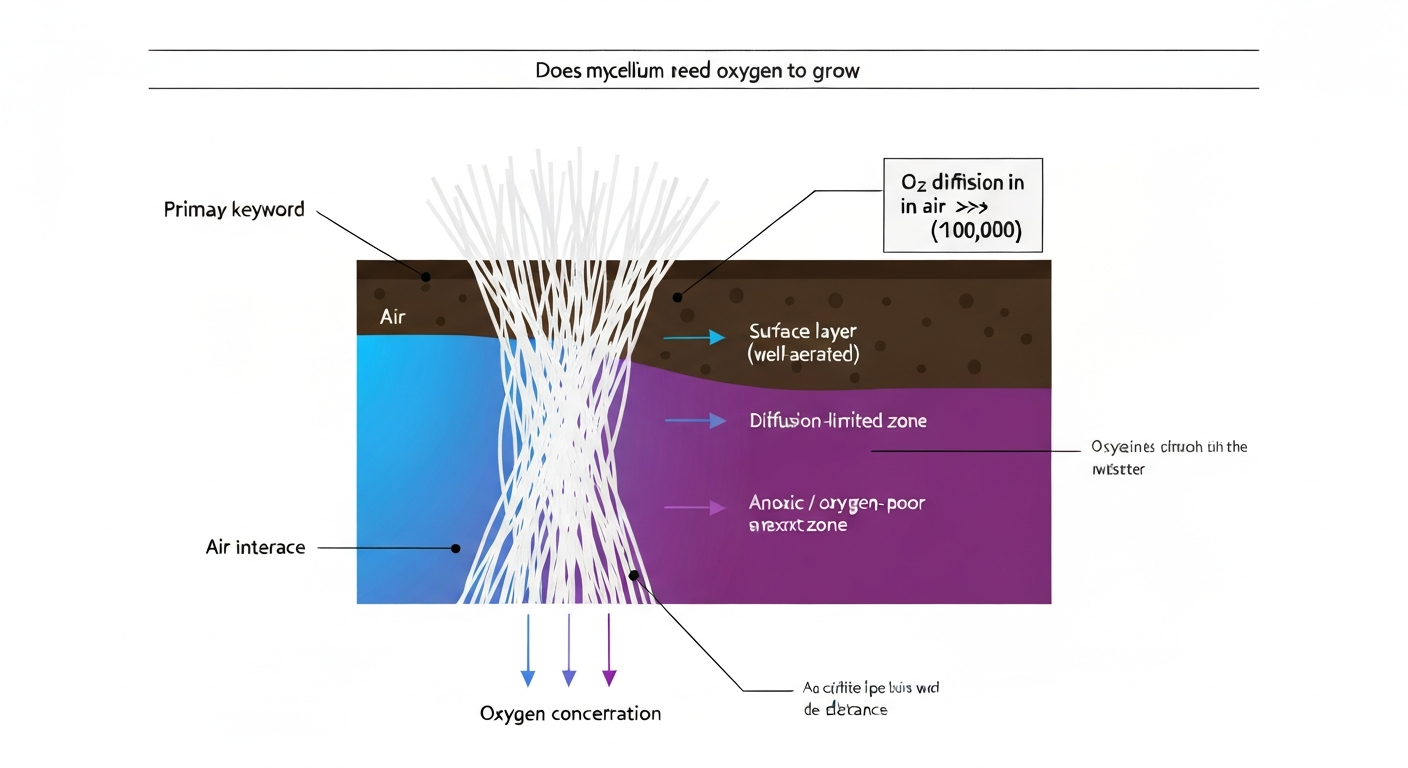
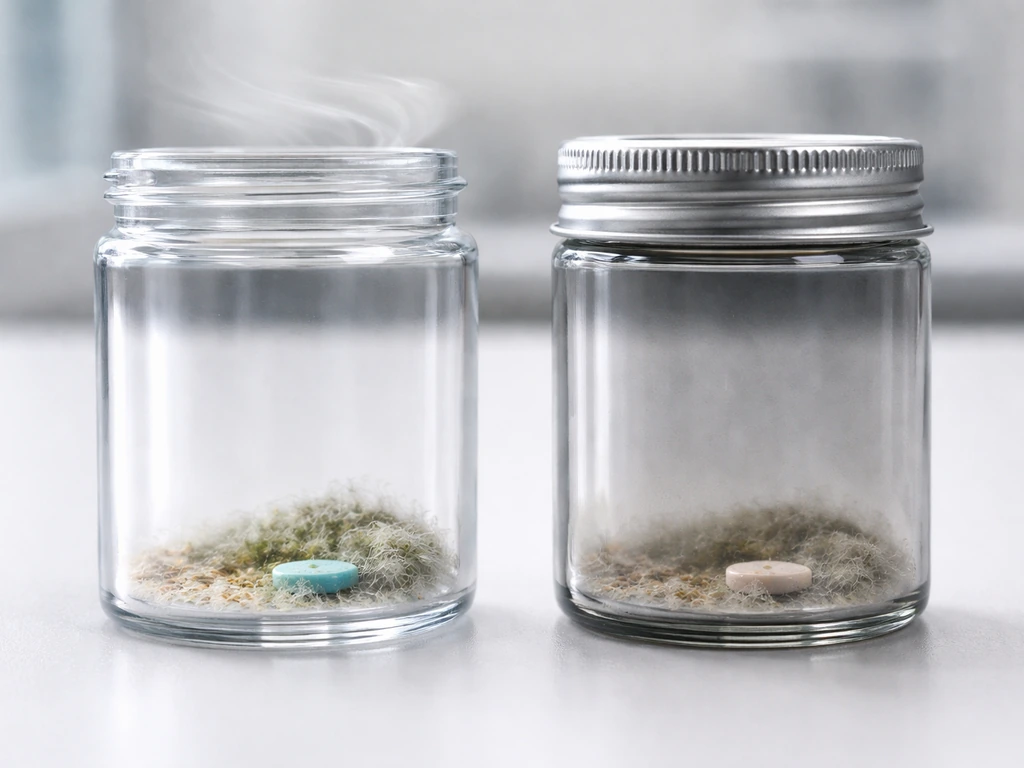
Not all microorganisms need oxygen. Strict aerobes (like most molds) require oxygen to grow. Strict anaerobes are actually poisoned by oxygen and only grow where it's absent, such as deep in improperly canned foods or in oxygen-depleted wound tissue. Facultative anaerobes, which include E. coli and Listeria, can grow with or without oxygen but often prefer oxygen when it's available. Microaerophiles, like Campylobacter, need some oxygen but are harmed by normal atmospheric levels.
This matters practically. Vacuum sealing food removes oxygen and prevents aerobic spoilage organisms, but it creates ideal conditions for anaerobes like Clostridium botulinum, the bacterium behind botulism. That's why vacuum-packed, low-acid foods stored at room temperature are genuinely dangerous. The absence of oxygen isn't a safety guarantee; it just changes which organisms are likely to grow.
Water activity: why "wet" and "dry" aren't enough
Moisture availability is measured more precisely than just "wet" or "dry" using a scale called water activity (aw), which runs from 0 (bone dry) to 1. 0 (pure water). Most fresh foods have aw above 0. 95, which is comfortably within the range that supports bacterial, yeast, and mold growth.
Small changes in aw have big effects on which organisms can grow. FDA’s water activity (aw) technical guidance explains that lowering aw restricts microbial growth and that [heat treatments are generally needed at aw levels above about 0. 85](https://www. fda.
gov/inspections-compliance-enforcement-and-criminal-investigations/inspection-technical-guides/water-activity-aw-foods) to inactivate vegetative cells and spoilage microorganisms. Clostridium botulinum, for instance, can't grow below aw of about 0. 93. Staphylococcus aureus is more tolerant, with a minimum aw around 0.
83 and optimal growth near 0. 98. As a general safety threshold, an a_w below 0. 85 is where most bacterial pathogens can no longer grow, making it a practical target for foods that rely on reduced moisture for safety.
For indoor environments, the equivalent concept is relative humidity (RH). The EPA recommends keeping indoor humidity below 60% RH, ideally between 30% and 50%, to prevent mold growth. At RH above 60%, water condenses on building surfaces, providing the moisture mold spores need to germinate and grow. This is why poorly ventilated bathrooms, basements, and areas around leaking pipes are so prone to mold problems. It's not just that they're wet; it's that they stay wet long enough for fungal growth to become established.
Nutrients and surfaces: what microbes actually eat
Microorganisms need a carbon source for energy, a nitrogen source for building proteins, and trace minerals for enzyme function. In practice, almost any organic material satisfies these needs. Bacteria on a kitchen counter are feeding on food residues, skin cells, and oils. Mold on a bathroom wall feeds on soap scum, dead skin cells, and even the paper facing of drywall. This is why "clean" surfaces are so important: removing the nutrient source is one of the most reliable ways to interrupt microbial growth.
The surface itself also matters. Porous materials like wood, grout, and drywall trap moisture and organic residue in tiny crevices, making them much harder to clean than smooth, non-porous surfaces like stainless steel or glass. Biofilm formation is also influenced by surface chemistry. Rough or hydrophilic (water-attracting) surfaces tend to accumulate biofilms faster, which is one reason smooth stainless steel is used in food-processing environments. Stagnant water systems, including storage tanks and infrequently used pipes, are particularly vulnerable because biofilms can establish on internal surfaces and become extremely difficult to eradicate.
It's worth noting that different environments favor very different microbial communities. A warm, protein-rich meat surface is a very different ecosystem from an acidic fruit surface or the chlorinated interior of a water pipe. Understanding the site where a particular pathogen tends to grow helps explain why food safety rules are product-specific rather than one-size-fits-all. In other words, the site where pathogens grow is called the pathogen's growth environment.
How to encourage safe growth or stop growth entirely
If you want to prevent microbial growth in everyday settings like kitchens, food storage, and indoor spaces, you're essentially trying to break the combination lock by removing at least one critical condition. Here's how to think through each lever.
For food safety
- Temperature control: keep cold foods below 4°C (40°F) and hot foods above 60°C (140°F). Don't let perishable food sit in the 4–60°C danger zone for more than 2 hours total.
- Reduce water activity: drying, salting, sugaring, and freeze-drying all lower a_w. Aim below 0.85 for foods that can't be refrigerated, as this threshold prevents most bacterial pathogen growth.
- Acidification: pickling, fermenting, or adding acid to bring pH below 4.4 stops most pathogens including Listeria. This is why properly acidified pickled vegetables are shelf-stable.
- Oxygen management: understand that vacuum sealing doesn't eliminate all risk. Low-acid, vacuum-packed foods should still be refrigerated to control anaerobic pathogens like C. botulinum.
- Sanitation: physically remove biofilm and organic residue by scrubbing, not just rinsing. Soap and water removes most microorganisms. For disinfection, a diluted bleach solution left on the surface for at least 1 minute provides additional kill.
For indoor mold prevention
- Keep indoor humidity between 30% and 50% RH using ventilation, air conditioning, or dehumidifiers. Above 60% RH, condensation on surfaces creates mold-friendly conditions.
- Fix water leaks promptly. Mold can establish on a damp surface within 24 to 48 hours under favorable conditions.
- Use non-porous materials in high-moisture areas (tile instead of drywall in showers, sealed grout). Porous surfaces harbor moisture and nutrients that sustain mold.
- For existing mold on hard surfaces, clean with soap and water or a diluted bleach solution, following CDC guidance on safety precautions like ventilation and gloves.
- Address the moisture source first. Cleaning mold without fixing the humidity or leak problem means the mold will return quickly.
When you want to encourage microbial growth safely
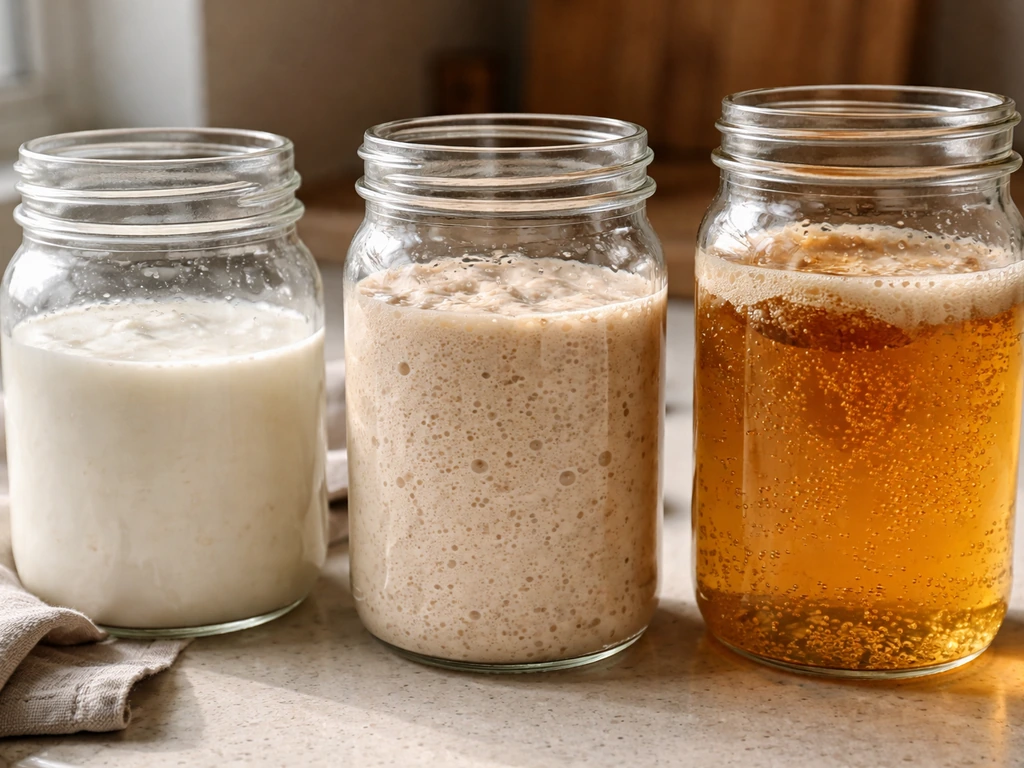
Sometimes the goal is to support controlled microbial growth, such as in fermentation (yogurt, sourdough, kombucha, kimchi) or composting. In these cases, you're essentially managing the same conditions in reverse: providing the right temperature range, moisture level, nutrient source, and oxygen environment to favor the microorganisms you want while keeping conditions inhospitable to pathogens. A healthy compost pile, for instance, stays warm (which favors thermophilic decomposers), moist but not waterlogged, and well-aerated to prevent the anaerobic conditions that produce foul-smelling byproducts. The same principles apply, just flipped.
Understanding how microorganisms grow is genuinely useful beyond the classroom. Once you internalize the five key conditions (temperature, pH, water activity, oxygen availability, and nutrients) as an interconnected system rather than a checklist, you start seeing everyday environments through a new lens. You'll notice the conditions that make a cutting board risky, the reason a refrigerated vacuum pack still needs monitoring, and why a damp bathroom wall becomes a mold problem faster than a dry one. That kind of applied understanding is what bridges textbook microbiology to real decisions about food safety and hygiene. In that sense, microbiologists want to grow bacteria in order to study how these cells reproduce and respond to different environmental conditions.
FAQ
If I refrigerate or dry something, do microorganisms stop growing completely?
Yes, because “death” is not instant. Many microbes become dormant, then resume growth when the temperature and moisture move back into their tolerable range. For example, refrigeration slows replication but does not reliably make everything nonviable, so time matters after refrigeration too (food left warming up can become risky).
What’s the most reliable way to prevent growth when only one condition seems controllable?
Look for the limits of the specific organism you are trying to control. For instance, raising temperature to kill vegetative cells is different from reducing pH to block growth, and reducing water activity is different from removing oxygen. The safest approach is to combine levers (temperature plus pH, or moisture reduction plus cleaning) instead of relying on only one factor.
Can microorganisms be present even if I do not see growth yet (no smell, no mold)?
Dormancy can still matter even if growth is not obvious. Some microbes produce spores or other resistant forms that may not grow immediately, but can start dividing later when conditions become favorable. In practical terms, thorough cleaning and correct storage temperatures help prevent the “start-up” conditions that allow delayed outgrowth.
Why do two similar-looking areas grow different microbes?
Not necessarily. Microbial communities are site-specific, so one surface might favor mold while another supports bacteria. For example, porous materials can trap moisture and residue, letting biofilms establish even when the surface is not visibly dirty, while smooth non-porous surfaces often stay less hospitable.
Does vacuum sealing guarantee safety from microbial growth?
Yes, because “no oxygen” only prevents strict aerobes, it does not create a universal safety state. Some organisms grow without oxygen or with very low oxygen, especially in low-acid, room-temperature, oxygen-depleted environments. That means vacuum-packed low-acid foods still need safe temperature control and appropriate preservation steps.
Why does “moisture” not always predict whether microbes can grow?
Water activity is the more predictive metric than “how wet it looks,” because slight changes in solute concentration can lower a_w even if food appears moist. That is why recipes that use sugar, salt, or drying can inhibit many bacteria by pushing water availability below their growth threshold.
Why does microbial growth sometimes seem to start right away instead of with a long lag phase?
Because phase timing depends on the starting load and the environment. If a food or surface is heavily contaminated, the lag phase can be short enough that “growth” seems immediate, even though microbes need adaptation. Pre-cleaning reduces the initial number of cells and helps lengthen the delay before rapid multiplication.
If I cook food thoroughly, can microorganisms still grow later?
Yes. Cooking kills cells, but it does not erase contamination already transferred after cooking. If microbes are introduced during cooling, handling, or packaging, they can grow later during storage. Rapid cooling and limiting time in the temperature range that favors growth are key defenses.
Why can changing temperature or pH “a little” still cause spoilage or infection?
Most microbes have an optimum but also a range of tolerances, so small deviations can still permit growth for some organisms. Also, different organisms can have different optima, so a condition that suppresses one microbe may select for another. That is why product-specific guidance matters in food safety.
Why does scrubbing matter more than just rinsing a contaminated surface?
Biofilm removal is harder than removing free-floating microbes. Biofilms protect cells via an extracellular matrix and altered cell states, so rinsing alone may leave the community behind. Scrubbing, appropriate detergents, and targeted disinfection steps are often needed to physically disrupt the biofilm structure.
Why do microbes persist in pipes or drains even after cleaning?
Yes, biofilm can allow growth in places that seem unfavorable, such as inside pipes with intermittent flow. Nutrients accumulate, moisture persists locally, and the biofilm’s matrix can slow penetration of sanitizers. Infrequently used or stagnant water systems are especially prone because conditions stabilize long enough for communities to establish.
Can mold or bacteria grow in the refrigerator even if it is cold?
For some, yes. Certain bacteria and many molds can grow at cool refrigerator temperatures, just more slowly. Temperature changes mainly affect growth rate, not the complete absence of growth, which is why time and temperature management still matter in the fridge.