Viruses need two very different things depending on what you mean by 'survive' versus 'grow. ' To survive outside a host, a virus just needs stable physical and chemical conditions: the right temperature, humidity, and pH to keep its protein coat and genetic material intact. To actually grow (replicate), a virus needs something far more specific: a living host cell with the right surface receptors, the right internal machinery, and the right cellular environment to hijack.
What Do Viruses Need to Survive and Grow

Marcus Holloway
20 Jun 2026
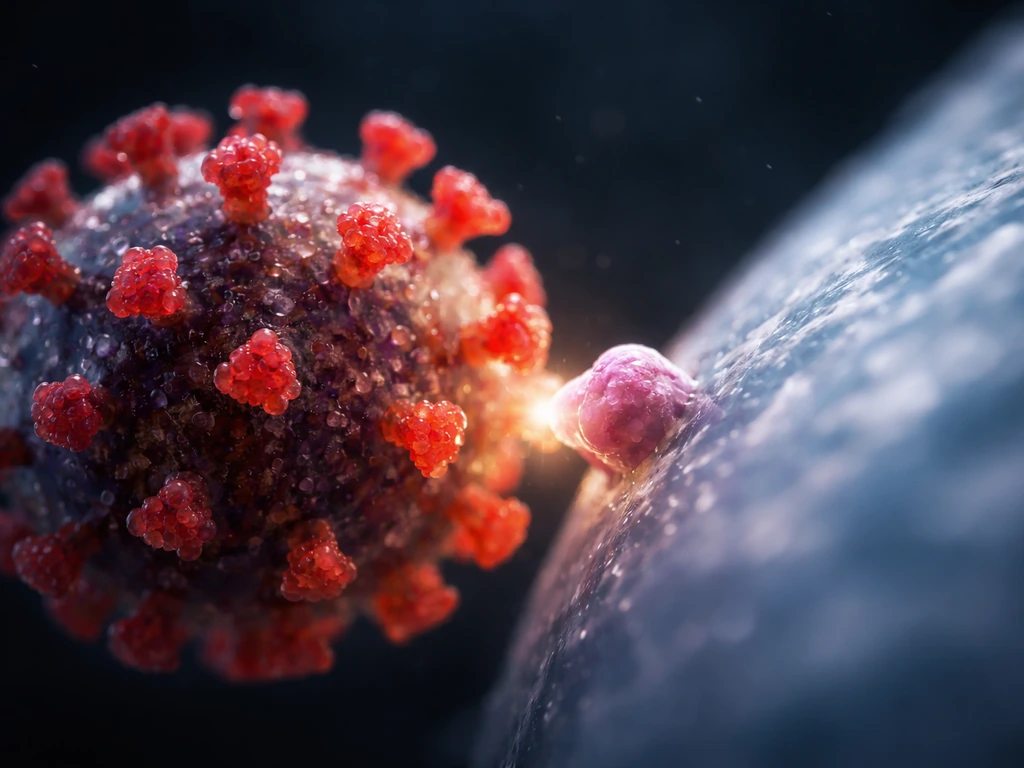
Infectious disease spreads and grows when viruses can replicate in a susceptible host and spread to new hosts grow infectious disease. Without that host cell, a virus is essentially an inert particle. It cannot eat, it cannot divide, and it cannot generate energy on its own. That distinction is the most important thing to understand about viruses.
Viruses vs. other microbes: 'survive' is not the same as 'grow'
Bacteria, fungi, and other microbes can grow on their own as long as they have nutrients, moisture, the right temperature, and a suitable pH. They run their own metabolism. Viruses cannot do any of that. Outside a living cell, a virus particle (called a virion) is biologically inert. It has no metabolism, no energy production, and no way to replicate. Think of it like a USB drive: it carries instructions, but it can't do anything until it plugs into a computer. The 'computer,' in this case, is a susceptible host cell.
So when we talk about what viruses 'need,' we're really talking about two separate questions. First, what conditions allow a virion to remain structurally intact and infectious while sitting on a surface, floating in the air, or persisting in water? Second, what does a virus need to actually replicate and produce new virions? The first is about physical and chemical stability. The second is about biology inside a living cell. Both matter enormously for understanding how diseases spread and how to stop them.
What a virus actually needs to replicate inside a host
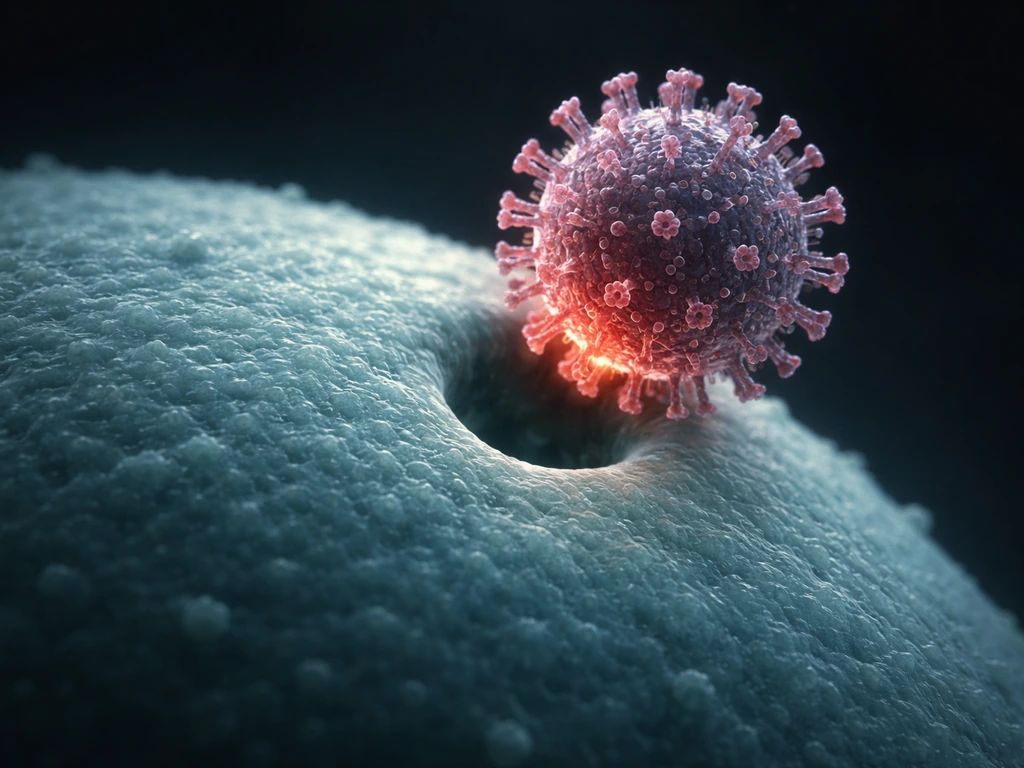
Replication is where the action is. Viruses are obligate intracellular parasites, which means they can only reproduce inside a host cell. If you are wondering why are eggs used to grow viruses in particular, remember that viruses only replicate inside the right host cell and that cell has to provide the biology needed to make new virions. They carry either DNA or RNA as their genetic material, surrounded by a protein coat called a capsid. Some also have a lipid membrane (more on that later). But that structure alone is useless without the right host.
Step 1: Finding and entering the right cell
The first hurdle for any virus is getting into a cell, and that requires the right receptor. Viral surface proteins must physically bind to specific receptor molecules on the host cell's surface, almost like a lock and key. If the receptor isn't there, the virus simply can't get in. This is why influenza tends to infect respiratory cells (which have the right receptors), while HIV targets CD4+ T cells. It's also a huge reason why viruses are so species-specific. A virus adapted to a bird's cell receptors often can't efficiently bind to a human cell's receptors, which is why most animal viruses don't just jump to humans without mutation.
Step 2: Hijacking the host cell's machinery
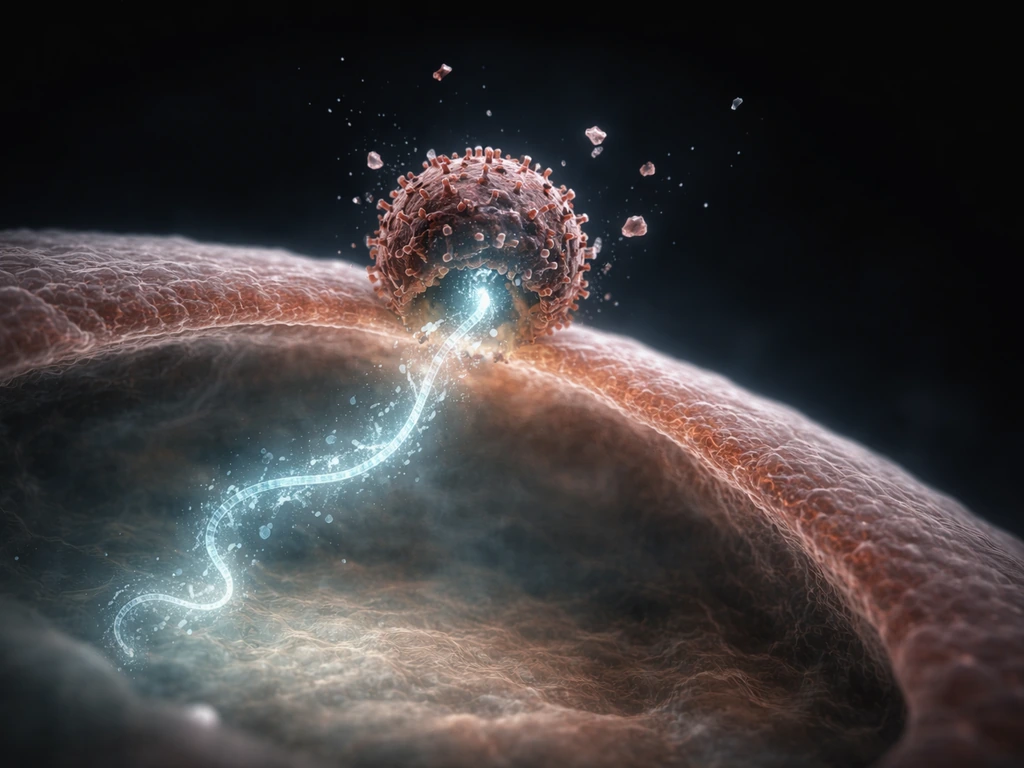
Once inside, the virus releases its genetic material in a process called uncoating, where the capsid breaks down and the viral genome is freed. Here's the critical part: the virus has no ribosomes, no ATP-generating mitochondria, and no enzymes of its own to read its own genome. It relies entirely on the host cell's molecular machinery, including ribosomes for protein synthesis, energy pathways for ATP, and sometimes even the nucleus for DNA replication and transcription.
Every step in the viral life cycle, from making viral proteins to assembling new virions and releasing them, depends on host factors. Some viruses even exploit the cell's membrane budding machinery (a complex called ESCRT) just to exit. Without a living, metabolically active host cell, none of this is possible. Growing viruses in a lab is difficult because they must rely on living, metabolically active host cells to make new virions.
This is a big contrast with bacteria, which carry all of their own metabolic tools. It's also why viruses don't 'need' nutrients in the way bacteria do. They aren't eating or running their own biochemistry. The host cell is the nutrient source, the factory, and the fuel supply all at once. This comes up as a practical challenge in lab settings too, since growing viruses in a lab is far more complicated than growing bacteria on a nutrient plate. Some bacteria are difficult to grow in the laboratory for similar reasons: they may need very specific conditions or host-related factors that lab media do not provide growing viruses in a lab.
Persistence and latency: staying without replicating
Some viruses have evolved a third strategy beyond simply surviving outside cells or replicating inside them: persistence. Herpesviruses, for example, can establish latency in nerve cells, where the viral genome is maintained long-term with very low or tightly regulated replication. The virus isn't actively making thousands of copies of itself, but it hasn't been eliminated either. It's essentially in a 'standby' mode, waiting for conditions to change. This kind of persistence involves both host cellular factors and viral regulatory mechanisms, and it's why certain viral infections can recur years later.
Environmental conditions that keep a virus infectious (or kill it)
Outside a host, a virus has no active defenses. Its survival is entirely passive, governed by the physical and chemical environment around it. Temperature, humidity, pH, light, and chemical exposure all determine how long a virion stays structurally intact and capable of infecting a new host.
Temperature
Cold temperatures generally help viruses survive longer. Refrigerator temperatures slow the breakdown of viral proteins and membranes, while high heat accelerates it. This is why flu season peaks in winter and why frozen virus samples can be stored for years in a lab. Heat denatures proteins, effectively destroying the structural integrity of the capsid and (in enveloped viruses) the membrane. The exact threshold varies by virus type and even by genome size, but the general principle holds: cooler equals longer survival, heat kills. Increasing adenovirus genome size improved heat stability in the study’s system, with helper-dependent adenovirus vectors (~30 kb) being more heat sensitive than parental helper virus (>36 kb) adenovirus virion stability depends on packaged genome size.
Humidity and moisture
Humidity is complicated, and it matters a lot for airborne transmission. Research on enveloped viruses like influenza suggests that absolute humidity may actually be a better predictor of survival than relative humidity alone. Studies on a well-characterized enveloped bacteriophage called Phi6 have shown that temperature and humidity interact to affect survival in droplets, with infectivity dropping more than twofold with even modest temperature increases under certain humidity conditions.
At higher relative humidity levels (at or above around 43%), some enveloped viruses in surface droplets can show reductions of more than 4 orders of magnitude (that's a more than 10,000-fold drop). The practical takeaway: drier, colder air tends to favor enveloped virus survival in the air, which is one reason respiratory illnesses spread more readily in winter.
pH, salts, and chemical stability
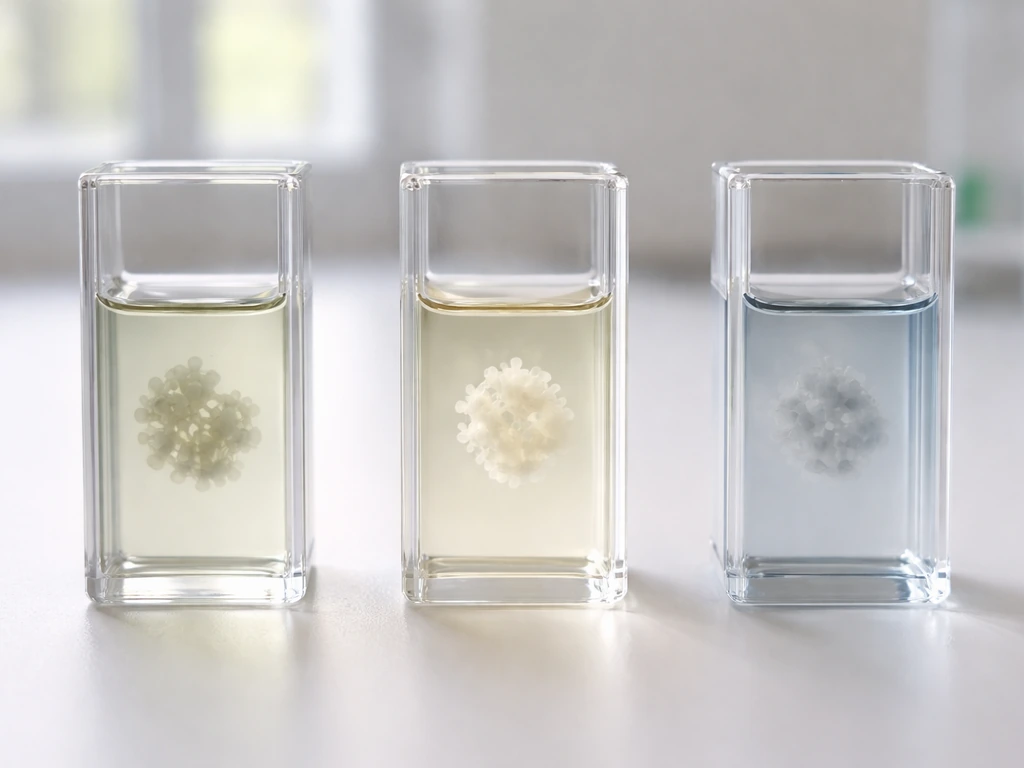
Viruses have a sweet spot for pH, just like bacteria do, but the range and optimum differ by virus. Research on non-enveloped viruses like the coliphages MS2 and Qβ found that inactivation rates were lowest (meaning the viruses survived best) within a pH range of 6 to 8 and temperatures of 5 to 35°C. Adenoviruses have been found to show maximum stability around pH 6.0. Step significantly outside those ranges, into strongly acidic (pH 2 or 3) or strongly alkaline (pH 10 or above) conditions, and you start denaturing the proteins that hold the virion together.
Salts and ionic strength matter too. High salt concentrations can destabilize viral membranes and proteins by disrupting the electrostatic interactions that hold them together. This is part of why certain chemical disinfectants work so well. Hypochlorite (bleach) at concentrations of 1,000 to 5,000 ppm is highly effective against many viruses, including norovirus. Ethyl alcohol at concentrations of 60 to 80% inactivates many enveloped viruses (like herpes, influenza, and vaccinia) and some non-enveloped ones (like adenovirus and rhinovirus), though it doesn't reliably inactivate all non-enveloped viruses such as hepatitis A or poliovirus. One important caveat: organic material (blood, mucus, dirt) can substantially neutralize both bleach and alcohol, which is why you should always clean a surface before disinfecting it.
Enveloped vs. non-enveloped viruses: structure changes everything
This is one of the most practically useful distinctions in virology. Viruses fall into two broad structural categories, and that structure determines how tough they are in the environment.
| Feature | Enveloped Viruses | Non-Enveloped Viruses |
|---|---|---|
| Outer structure | Lipid bilayer membrane derived from host cell | Protein capsid only, no membrane |
| Examples | Influenza, HIV, herpes, SARS-CoV-2, Ebola | Norovirus, poliovirus, adenovirus, hepatitis A |
| Environmental stability | Less stable; lipid envelope is fragile | More stable; protein shell is tougher |
| Susceptibility to alcohol (60–80%) | Generally yes (effective inactivation) | Partially: some yes, some (HAV, poliovirus) no |
| Susceptibility to bleach (1,000–5,000 ppm) | Yes | Yes, including norovirus |
| Surviving low humidity/cold | Better survival in cold, dry conditions | Can persist longer in wider range of conditions |
| Soap and water effect | Soap disrupts lipid envelope effectively | Less disrupted by soap alone; mechanical removal still helps |
Enveloped viruses carry a lipid membrane (derived from the host cell they last budded out of) studded with viral glycoproteins. That membrane is their weakness outside a host. Soap, alcohol, heat, and drying all attack lipid membranes efficiently. Non-enveloped viruses have only a tough protein shell, the capsid, which is far more resistant to those same stresses. This is why norovirus (non-enveloped) can survive on surfaces for days and resists many alcohol-based sanitizers, while an enveloped virus like influenza is far easier to inactivate with a basic hand sanitizer.
When you're thinking about viral replication, the structural difference matters too. Enveloped viruses typically bud out through the host cell membrane, while non-enveloped viruses often lyse (break open) the cell to release new virions. Both strategies ultimately depend on the same thing: a susceptible host cell with the right receptors and working cellular machinery.
What you can actually do with this knowledge
Understanding what viruses need to survive and replicate gives you a clear logic for everyday hygiene decisions. Here's how to apply it practically.
- Clean before you disinfect. Organic matter like food residue, mucus, or dirt can neutralize bleach and alcohol before they reach the virus. Wipe surfaces clean first, then apply disinfectant.
- Match your disinfectant to the virus. For enveloped viruses (flu, COVID-19), 60–80% ethyl alcohol works well. For tougher non-enveloped viruses like norovirus, use a bleach solution at 1,000–5,000 ppm (roughly 5–25 tablespoons of 5–8% household bleach per gallon of water) or an EPA-registered product.
- Wash hands with soap and water for at least 20 seconds. For norovirus specifically, soap and water is more reliable than hand sanitizer alone. Alcohol-based sanitizers don't reach strong enough inactivation levels for norovirus in most real-world hand hygiene scenarios.
- Improve indoor ventilation and humidity. Raising absolute humidity indoors during winter may reduce airborne survival of enveloped respiratory viruses like influenza. Ventilation dilutes viral particles in the air.
- Refrigerate or freeze potentially contaminated materials quickly. Cold temperatures preserve viral structure (which matters for lab work and food safety), so heat is your ally for inactivation: cooking food thoroughly eliminates most foodborne viruses.
- Remember that no disinfectant is universal. Alcohol handles enveloped viruses well but not all non-enveloped ones. Bleach is broader but gets neutralized by organic matter fast. Knowing your virus type helps you choose correctly.
The big picture here is that viruses are uniquely dependent on hosts in a way that bacteria simply are not. They don't need food, water, or oxygen on their own. What they need is the right biological environment inside a living cell, plus enough physical stability in the outside world to get from one host to the next. Disrupting either of those two things, whether by destroying the virion's structure with heat, pH, or chemicals, or by blocking host-cell entry with vaccines and antivirals, is how we limit viral disease. The same foundational principles of temperature, pH, moisture, and chemical exposure that govern bacterial growth all apply to viruses, just with a completely different biological logic underneath.
FAQ
So what do viruses need to survive, specifically outside the body?
It depends on whether you mean outside a body (virion stability) or inside a body (replication). Outside, they need environmental conditions that keep the capsid and, if present, the lipid membrane intact. Inside, they need a living host cell that provides the correct entry receptor and the cell’s proteins, energy (ATP), ribosomes, and other factors to build new virions.
Do viruses multiply on surfaces after they get there?
Not exactly. Most viruses do not actively “grow” outside cells, they remain infectious only if the virion stays structurally intact. Replication requires a susceptible host cell with the right receptors and internal machinery, which is why a contaminated surface can still pose a risk for a while, even though the virus is not multiplying there.
Why does humidity sometimes seem contradictory for viral spread?
You have to be careful with “humidity” because different viruses and transmission routes behave differently. The article highlights that absolute humidity can be a better predictor than relative humidity for enveloped viruses, and that temperature and humidity together can strongly change survival in droplets.
Why does disinfecting sometimes seem to “not work” in real life?
Disinfectant effectiveness depends on the virus structure, concentration, contact time, and whether the surface is dirty. Organic material like mucus and blood can reduce activity of bleach and alcohol, so cleaning first matters, and you typically need enough dwell time for the chemical to work.
Can viruses come back after treatment if they were “killed”?
Yes, and that is often due to virus type and where it is in the body. Even if an antiviral blocks replication in the short term, reservoirs like latent infections (for example, herpesviruses in latency) can persist and reactivate later under certain conditions.
If vaccines stop viruses, why do people still get sick?
Yes. Vaccines reduce infection risk by preventing effective entry and replication, but they do not erase every virus from the environment. Breakthrough infections can still happen if exposure is high or immunity is incomplete, and immune protection can vary over time.
Are viruses always safer at colder temperatures, even for lab samples?
Cold storage helps many viruses remain infectious longer, but freezing is not equally protective for all viruses. Some viruses lose infectivity during freeze-thaw cycles due to physical damage and membrane or protein destabilization, so samples are often aliquoted to avoid repeated thawing.
Why do some viruses survive better in certain buffers or body fluids than others?
Not all viruses respond the same way to pH. The article notes that stability has a virus-specific sweet spot, and strongly acidic or alkaline conditions can denature proteins that hold the virion together, but the exact optimal range and tolerance vary by virus type.
If viral RNA is still present, does that mean the virus can still infect?
Over time, even when viruses remain detectable, infectivity can drop. Many studies measure viral RNA, but RNA can persist after the virion is no longer infectious. For “survive and grow” ideas, the key outcome is whether the virion remains capable of entering host cells and initiating replication.
Do cleaning methods work the same for enveloped and non-enveloped viruses?
Yes, because enveloped viruses use a lipid membrane that is vulnerable to soap, drying, and alcohols. Non-enveloped viruses rely on a protein capsid that is generally more resistant to some sanitizers, so you may need different cleaning strategies depending on the suspected virus.