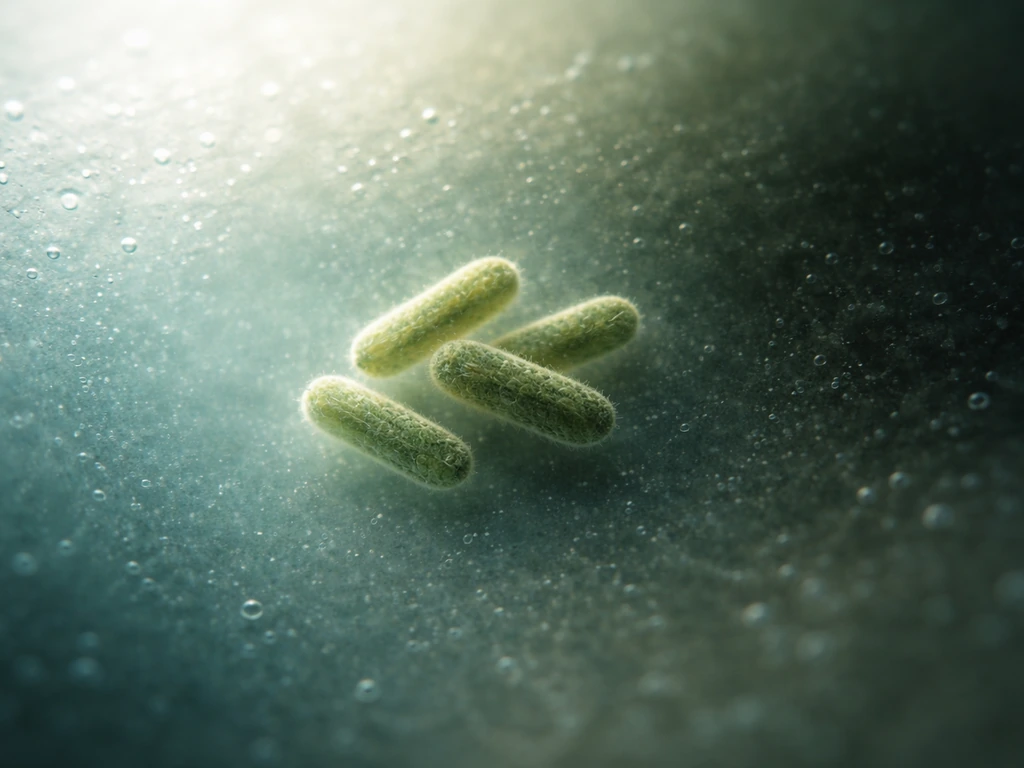
Microbes that grow best at 37°C are called mesophiles. That term covers organisms with an optimal growth temperature roughly between 20°C and 45°C, and 37°C sits right in the sweet spot of that range. It is also, not coincidentally, the core temperature of the human body, which is exactly why so many of the bacteria you have heard of (E. coli, Salmonella, Staphylococcus aureus) fall into this category.
Microbes That Grow Best at 37°C Are Called Mesophiles

Marcus Holloway
13 Jun 2026
What 'optimum growth temperature' actually means
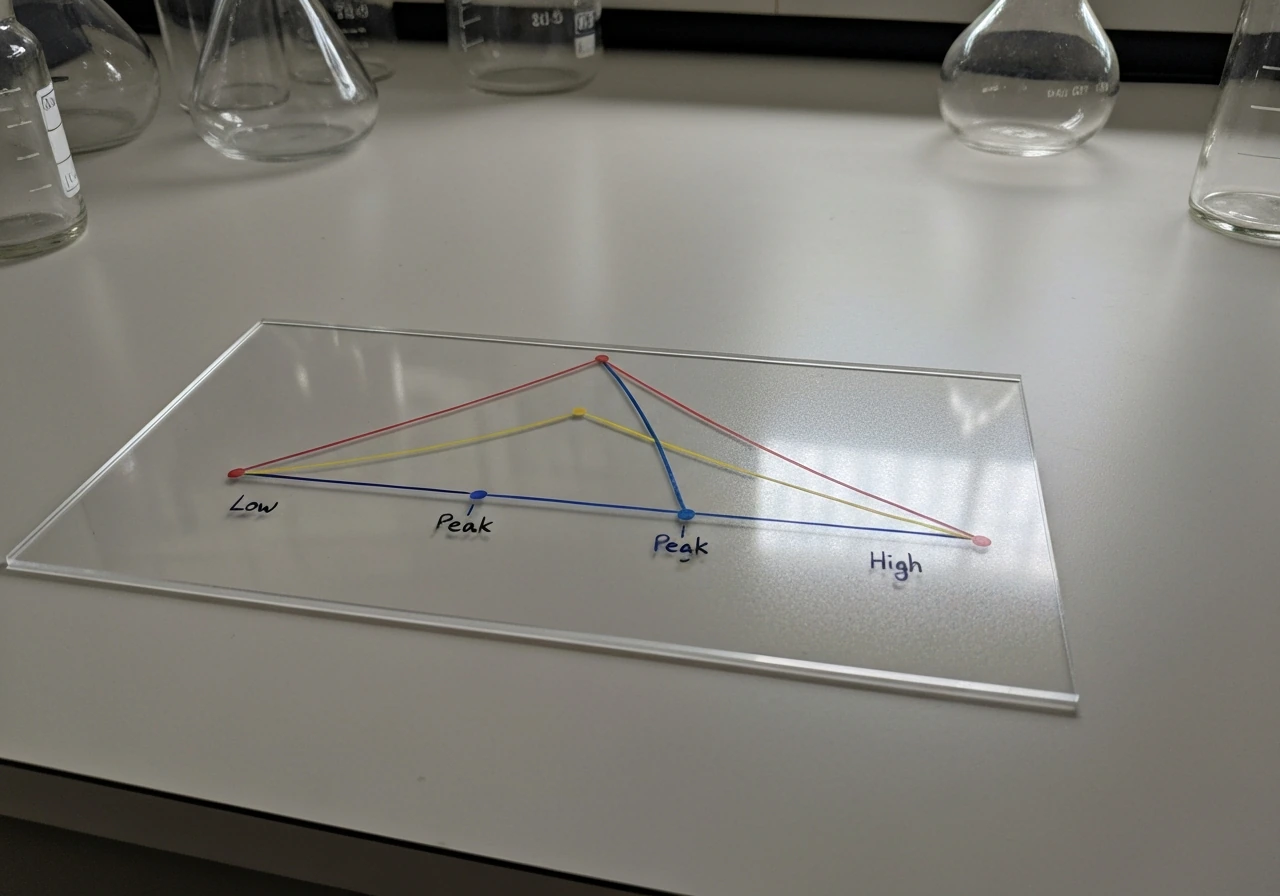
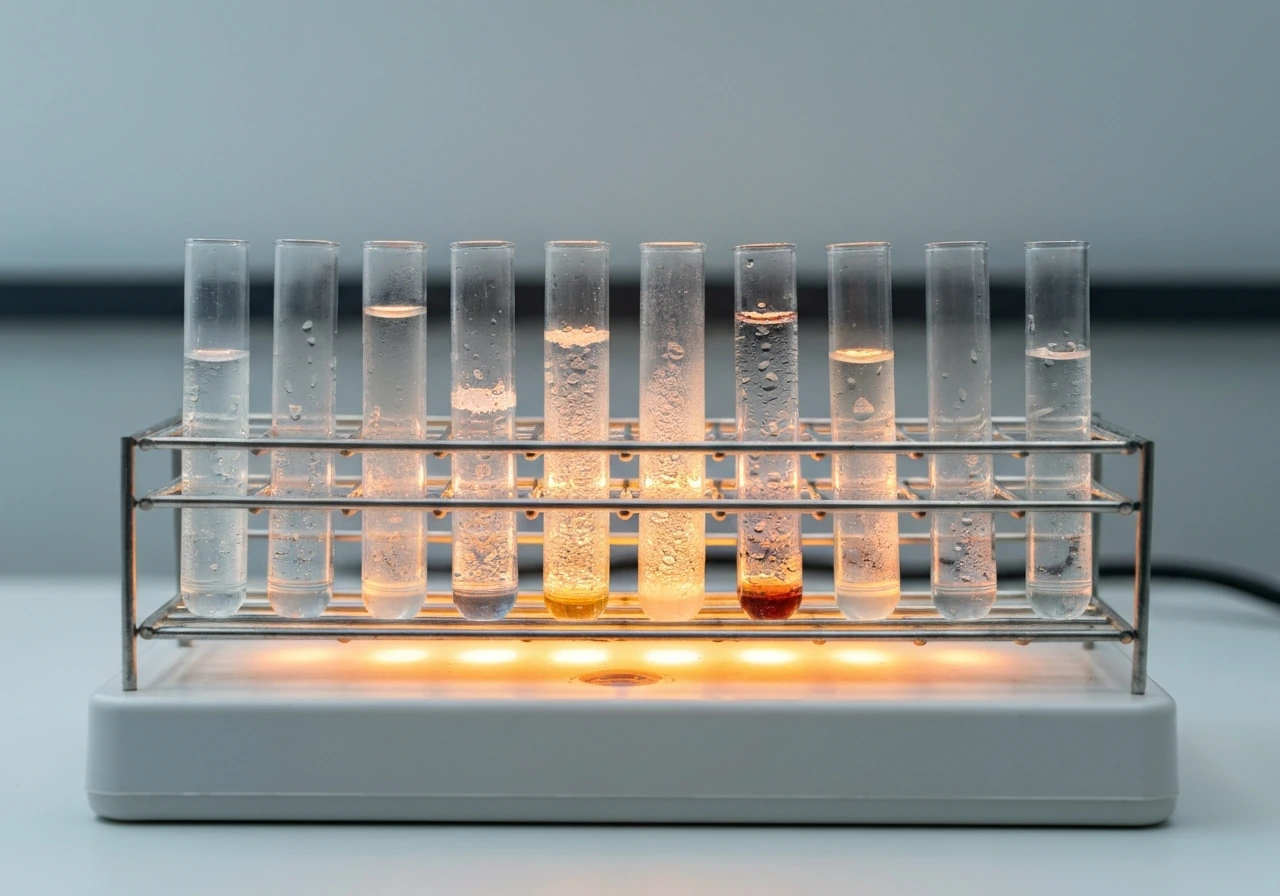
Microbiologists use three reference points called cardinal temperatures to describe how a microbe responds to temperature. The first is Tmin: the lowest temperature at which any measurable growth occurs. The second is Topt: the optimum temperature where the microbe's growth rate peaks. The third is Tmax: the highest temperature at which growth is still possible. Above Tmax, growth stops entirely because proteins start to denature rapidly.
The growth curve is not symmetrical. A microbe will grow slowly as temperature climbs from Tmin toward Topt, hit peak growth at Topt, then drop off steeply in just a few degrees above that point before hitting Tmax. So when someone says a microbe 'grows best at 37°C,' they mean that 37°C is its Topt, its true sweet spot, not just a temperature where it can survive.
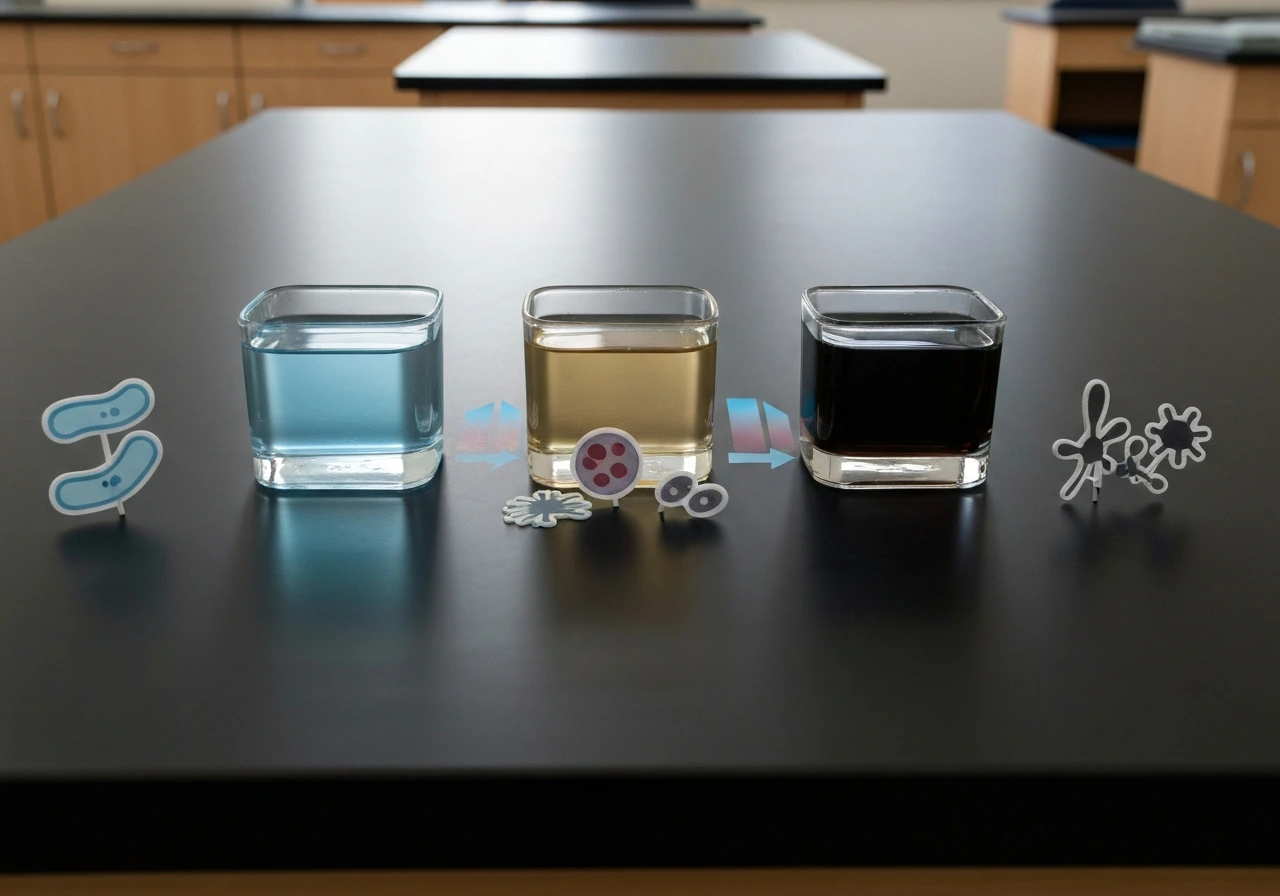
The three main temperature categories: psychrophiles, mesophiles, and thermophiles
Microbiologists divide organisms into groups based on their temperature ranges, and understanding where each group sits makes it easy to place any microbe you encounter. Here is how the three main categories break down:
| Category | Tmin (approx.) | Topt (approx.) | Tmax (approx.) | Typical examples |
|---|---|---|---|---|
| Psychrophiles | Below 0°C | ~15°C | ~20°C | Arctic/Antarctic bacteria, some molds in cold storage |
| Mesophiles | ~5–10°C | ~20–45°C (often ~37°C) | ~45–50°C | E. coli, Salmonella, Lactobacillus, Staphylococcus aureus |
| Thermophiles | ~45°C | ~50–80°C | >80°C (hyperthermophiles) | Thermus aquaticus (optimum 70–72°C), Pyrococcus furiosus (optimum ~100°C) |
Psychrophiles are cold-lovers. They can grow at or below 0°C and generally cannot survive above 20°C, which is why they show up in refrigerated food or polar environments rather than in human tissue. Mesophiles occupy the middle ground, thriving at the moderate temperatures common in soil, water, animal bodies, and kitchens. Thermophiles prefer much higher temperatures, ranging from around 50°C up into boiling water territory for blank" rel="noopener noreferrer">hyperthermophiles like Pyrococcus furiosus, which has an optimal growth temperature of around 100°C. There is nothing about 37°C that qualifies as thermophilic.
Why 37°C specifically matters for humans and pathogens
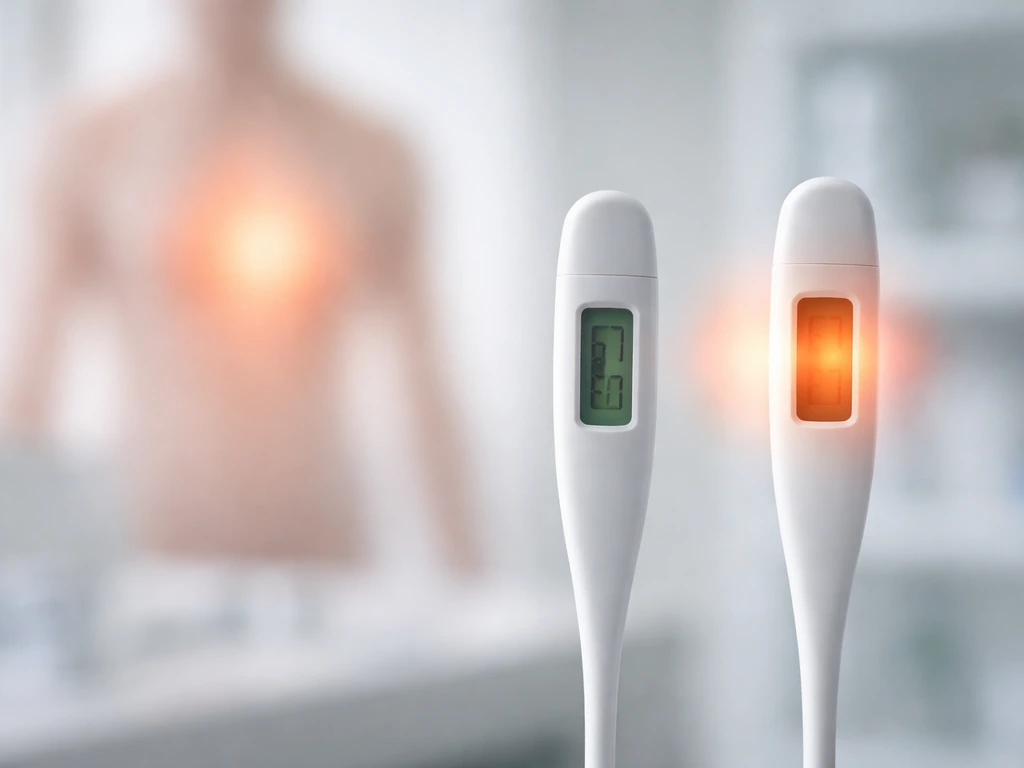
The human body maintains a core temperature of 37°C, and that is not a coincidence when you think about which microbes make us sick. If you are wondering why do companies grow bacteria at 37 degrees, that question is closely tied to how mesophilic bacteria thrive near their Topt at body temperature 37°C. Pathogens that evolved to colonize or infect mammals had to be competitive at body temperature to succeed. That is why E. coli, Salmonella, Campylobacter, and Staphylococcus aureus all cluster around 37°C as their optimal growth temperature. They are mesophiles by classification, and they are adapted specifically to the environment inside or on a warm-blooded host.
This connection also explains the food safety 'danger zone.' The FDA and USDA define the danger zone as 40°F to 140°F (roughly 4°C to 60°C). That range brackets 37°C neatly in the middle. When food sits at room temperature or in a warm car, it hovers in the range where mesophilic bacteria are near their optimal growth conditions, which means they can multiply rapidly to levels that cause illness. Keeping food either colder than 4°C or hotter than 60°C pushes conditions far enough away from mesophilic optima to slow or stop growth.
The 'thermophile' confusion you have probably run into
Here is a mix-up that trips up a lot of students: 'thermophile' sounds like it should mean 'heat-lover,' and 37°C feels warm, so surely bacteria that grow at body temperature are thermophiles, right? Wrong. In microbiology, thermophile refers to organisms whose optimal temperatures typically start at 50°C and go up from there. Thermus aquaticus, one of the most famous thermophiles (famous because its enzyme is used in PCR), has an optimum of 70 to 72°C. Hyperthermophiles like Pyrococcus furiosus thrive near boiling water.
There are 'blank" rel="noopener noreferrer">facultative thermophiles' that can grow at temperatures somewhat below 50°C, but even they are not described as growing optimally at 37°C. The 37°C optimum belongs firmly to mesophiles. If you see a question on an exam asking what microbes that grow best at 37°C are called, the answer is mesophiles, not thermophiles.
Another related misconception worth addressing: some learners assume that bacteria found in or on humans must all grow at exactly 37°C and no other temperature. In reality, mesophiles have a range (roughly 20°C to 45°C), so many of these same bacteria can grow at room temperature too, just more slowly. Can prototrophs grow on minimal media depends on whether they can synthesize all required metabolites without external supplements grow at room temperature. The optimal temperature is a peak, not the only viable condition.
How to identify a microbe's temperature category in practice
Whether you are reading a growth chart, a lab data table, or a classification reference, the process for figuring out which temperature group a microbe belongs to is straightforward. Focus on three things: where growth starts (Tmin), where it peaks (Topt), and where it stops (Tmax).
- Find the Topt on the chart or table. If it falls between roughly 20°C and 45°C, you are looking at a mesophile. A Topt near 37°C strongly suggests a human-associated mesophile.
- Check the Tmax. Mesophiles typically cannot grow above about 45–50°C. If growth continues well past 50°C, rethink the category.
- Check the Tmin. Psychrophiles grow at or below 0°C. If the organism cannot grow below 10°C or so, it is unlikely to be psychrophilic.
- Use the organism as a sanity check. If it is a known human pathogen (E. coli, Salmonella, Campylobacter, Listeria monocytogenes, Staphylococcus aureus), it is a mesophile. Lactobacillus species used in yogurt fermentation are also classic mesophiles.
- If Topt is above 50°C, classify as thermophile. Above 80°C, classify as hyperthermophile.
Quick reference examples
- E. coli: mesophile, Topt roughly 35–37°C, can grow from about 7°C to 46°C
- Salmonella spp.: mesophile, Topt around 37°C, classic food-borne pathogen
- Lactobacillus spp.: mesophile, commonly used in fermentation (yogurt, cheese)
- Staphylococcus aureus: mesophile, Topt near 37°C, relevant in wound infections and food safety
- Thermus aquaticus: thermophile, Topt 70–72°C, used as a source of Taq polymerase in PCR
- Pyrococcus furiosus: hyperthermophile, Topt around 100°C, found in hydrothermal vents
One thing worth noting: mesophile classification does not mean these organisms need a human host. Mesophiles also show up widely in soil, surface water, and food. The 37°C optimum is just where their biochemistry performs best, which happens to match our body temperature closely enough that they thrive inside us when given the opportunity. Understanding that overlap between microbial biology and human physiology is what connects the classroom definition to real-world concerns like food safety, infection control, and hygiene. If you are curious about where these microbes live more broadly, or why some bacteria have very different nutrient requirements beyond just temperature, those are worth exploring as natural next steps from here.
FAQ
If a microbe grows best at 37°C, does it mean it can’t survive at other temperatures?
“Grow best at 37°C” usually means the organism’s optimum growth temperature (Topt) is about 37°C, not that it cannot survive outside that point. Many mesophiles can still grow at nearby temperatures (for example, cooler room conditions) but typically at a slower rate.
Are all mesophilic bacteria guaranteed to have the same temperature range around 37°C?
Not always. Some mesophiles have Tmin and Tmax that allow growth across a broad span, but the exact range varies by species. You cannot assume every “human-associated” bacterium has the same temperature limits, so check Tmin, Topt, and Tmax when available.
Why can some mesophilic bacteria still be detected in refrigerated foods even though food safety warns about the 4°C to 60°C danger zone?
Not for all mesophiles. “Cannot survive above 20°C” is the general pattern for psychrophiles, while mesophiles are typically adapted to moderate temperatures and can often tolerate mild refrigeration for limited periods. The key is whether refrigeration temps fall below or above that organism’s Tmin and how long you give it to multiply.
Does measuring “activity” at 37°C always indicate the microbe is actually growing best there?
If growth experiments are done at 37°C, you may confuse growth with metabolism. Some microbes may remain viable without rapid division at 37°C if nutrients are limiting, even if 37°C is their Topt for growth rate. Growth rate depends on both temperature and available nutrients.
How much slower growth at 35°C or 39°C is still considered consistent with being a mesophile?
Topt is a peak, so a microbe may grow well at temperatures slightly below 37°C (often with reduced speed) but still grows slower than at the optimum. For classification, microbiologists rely on the temperature where the measured growth rate reaches its maximum, not just “it grows reasonably well.”
Why might the reported optimum temperature for the same bacterium differ between lab reports?
For many mesophiles, the best growth temperature is around body temperature, but enzyme and membrane stability can create strain-to-strain differences. Also, growth medium and oxygen availability can shift apparent growth curves, so the same organism might show a slightly different Topt under different lab conditions.
Are all organisms that prefer 37°C necessarily disease-causing?
37°C is close to the human core temperature, so many pathogens evolved to be competitive in warm-blooded hosts, but not every mesophile is a pathogen. Some are harmless members of normal flora, and pathogenicity depends more on traits like toxins, immune evasion, and colonization ability than on temperature preference alone.
If mesophiles thrive near 37°C, why do they also show up in soil and water?
A microbe can be mesophilic even if it is found outside the human body. Mesophiles are common in soil, surface water, and food, where temperatures often fall in the moderate range. The 37°C optimum reflects where their biochemistry performs best, which can overlap with human physiology.
How do I tell the difference between a mesophile with warm tolerance and a facultative thermophile?
A facultative thermophile is more closely tied to higher temperatures, even if it can grow somewhat below about 50°C. In general, if an organism’s Topt is around 37°C, it fits the mesophile category, even if it has the ability to tolerate warmer conditions.