Bacteria need six core things to grow and multiply: nutrients, moisture, warmth, the right atmosphere (oxygen or lack of it), a suitable pH, and time. Get all six right, and bacteria can double their population every 20 minutes. Deny even one of them, and growth slows dramatically or stops entirely. That is the whole game, whether you are studying microbiology or trying to figure out why your leftovers went bad.
What Does Bacteria Need to Grow and Multiply

Marcus Holloway
24 Mar 2026
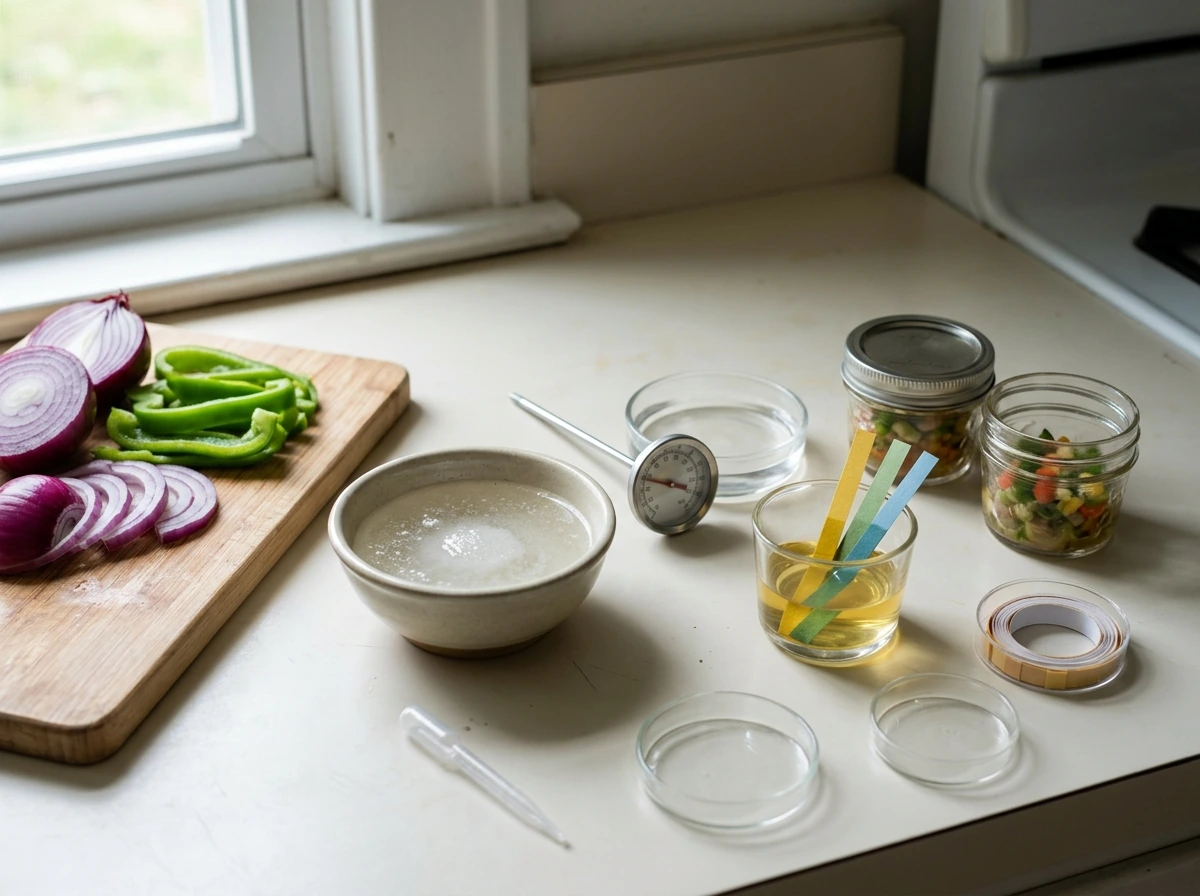
The big picture: what bacteria actually need
Bacteria are single-celled organisms, and like any living thing, they need resources and the right environment to reproduce. What makes them fascinating (and sometimes dangerous) is how efficient they are at exploiting those resources. A single bacterium in ideal conditions becomes millions within hours. Understanding the conditions they need is the first step to understanding why they thrive in some places and stay dormant in others.
The conditions bacteria need are best thought of as a checklist rather than a single switch. Think of it like a combination lock: every dial has to land in the right range before the lock opens and growth begins. If you are a student trying to remember which of the following are required for bacterial growth, the short list is: food (nutrients), water, temperature, and atmosphere. But pH and time belong on that list too, and we will get into all of them.
The four main conditions bacteria need to grow
Nutrients: what bacteria eat
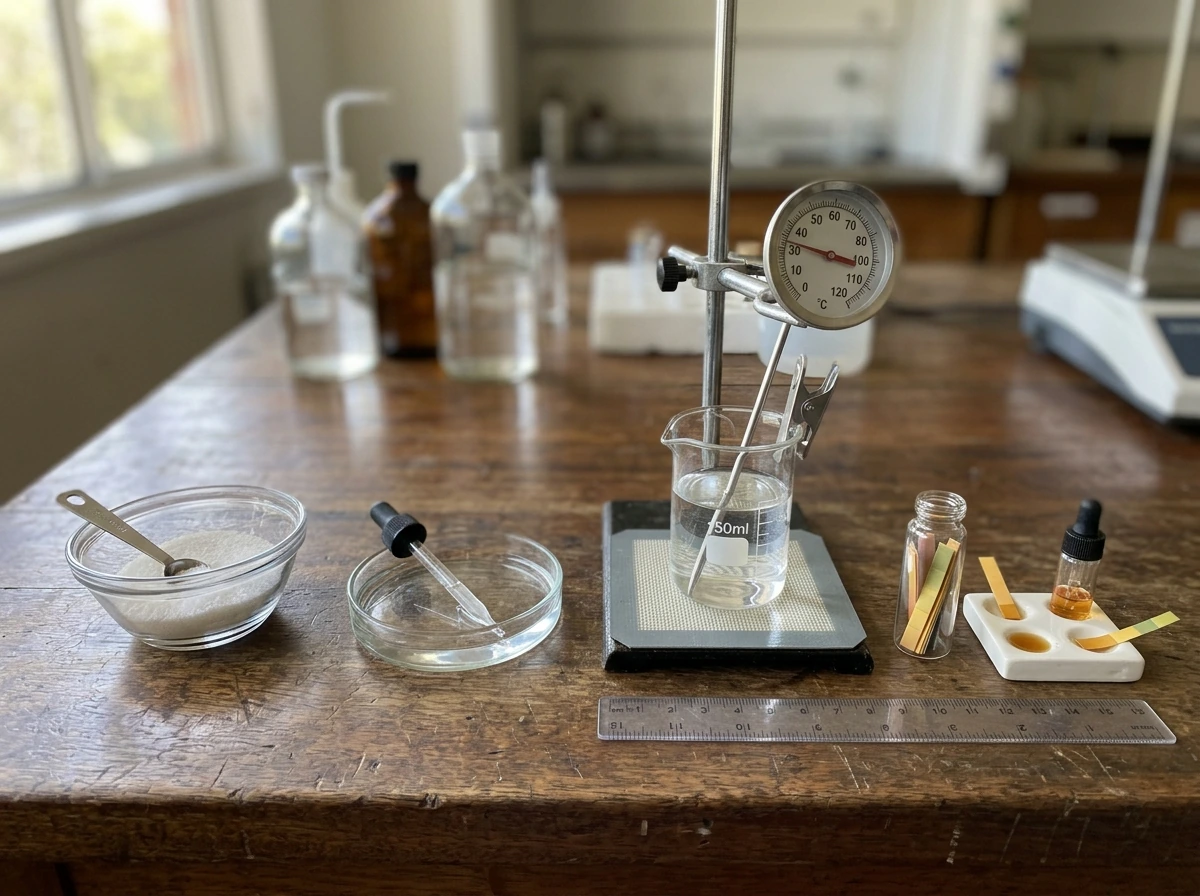
Bacteria need a source of carbon, nitrogen, minerals, and sometimes vitamins to build new cells and power their metabolism, so the answer to “what do germs need to grow” starts with nutrients. Carbon is the structural backbone of life, and most bacteria get it from organic compounds, basically anything that was once living or is derived from living things. Nitrogen is needed to build proteins and DNA. In practical terms, this means bacteria thrive anywhere there is organic material: food, soil, skin, mucus, and standing water with organic debris.
Different bacterial species have different nutritional preferences, but the broad category of pathogens (bacteria that make us sick) tends to do very well with proteins and sugars. That is why high-protein foods like meat, eggs, dairy, and cooked grains are the ones most associated with foodborne illness. They are essentially a buffet for bacteria.
Moisture: why water is non-negotiable
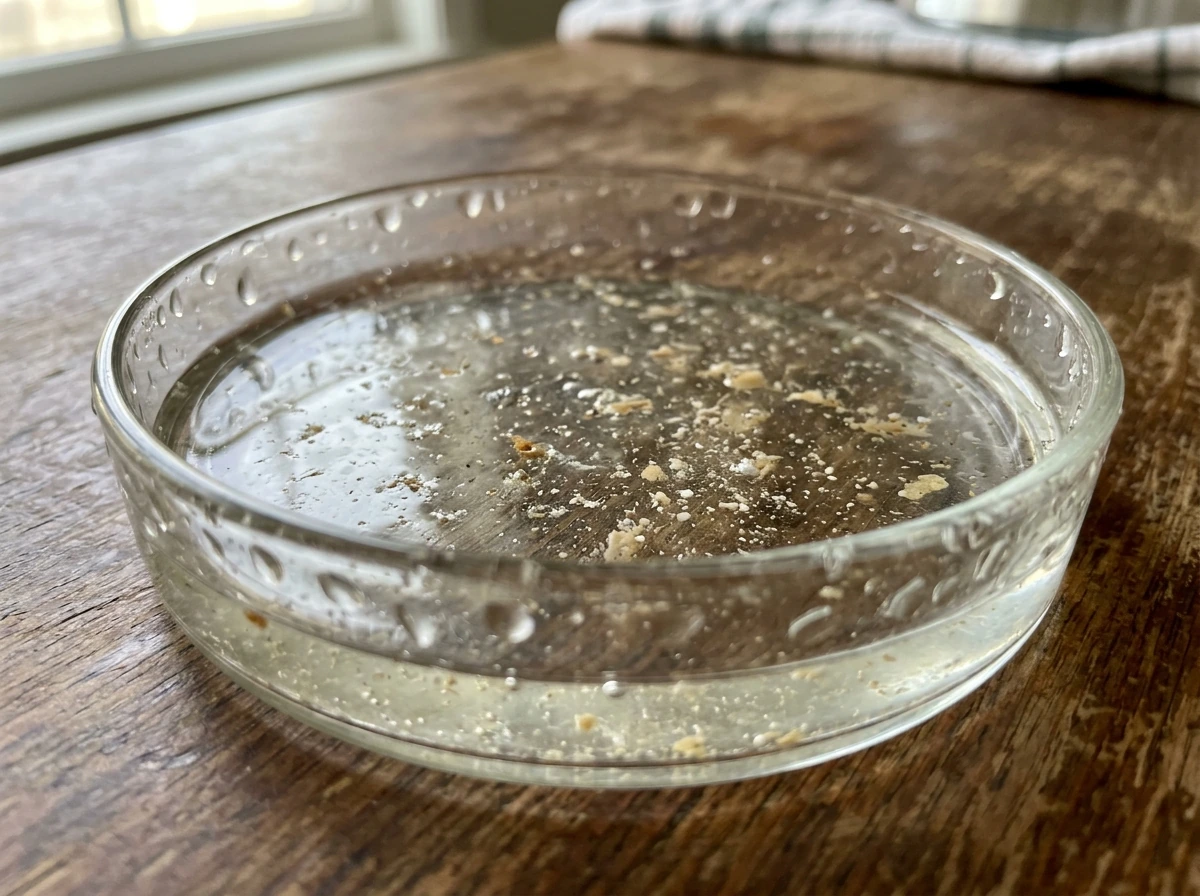
Water is not just a backdrop for bacterial life, it is the medium in which virtually all of a bacterium's chemistry happens. Enzymes work in water. Nutrients dissolve in water. Waste products are excreted in water. Without enough free water, bacteria cannot function, and eventually they go dormant or die.
Scientists measure available water using a value called water activity (written as aw), which is the ratio of the vapor pressure of a food or substance to the vapor pressure of pure distilled water under the same conditions. Pure water has an aw of 1.0. The FDA notes that most fresh foods have a water activity above 0.95, which is high enough to support the growth of bacteria, yeasts, and molds. Dried foods like crackers, jerky, and powdered milk have much lower water activity values, which is exactly why they last so much longer without refrigeration. Most bacteria need an a_w of at least 0.91 to grow, though some salt-tolerant species can push lower.
Temperature: the growth sweet spot
Temperature is probably the growth factor you have the most direct control over in everyday life. Bacteria are broadly divided into groups based on their preferred temperature range. Psychrophiles prefer cold environments (down near freezing), mesophiles thrive in the moderate range that includes room temperature and human body temperature, and thermophiles love heat above 45°C (113°F).
The bacteria you need to worry about most in food and health contexts are mesophiles. The USDA's Food Safety and Inspection Service identifies the temperature danger zone for food as 40°F to 140°F (4°C to 60°C). Within this range, pathogens like Salmonella, Staphylococcus aureus, E. coli O157:H7, and Campylobacter can multiply to dangerous levels surprisingly fast. At 98.6°F (37°C), which is human body temperature and smack in the middle of the danger zone, many pathogens grow at their fastest rate. Refrigerating food below 40°F does not kill bacteria, it just slows them down enough to buy safe storage time.
Atmosphere: oxygen requirements vary widely

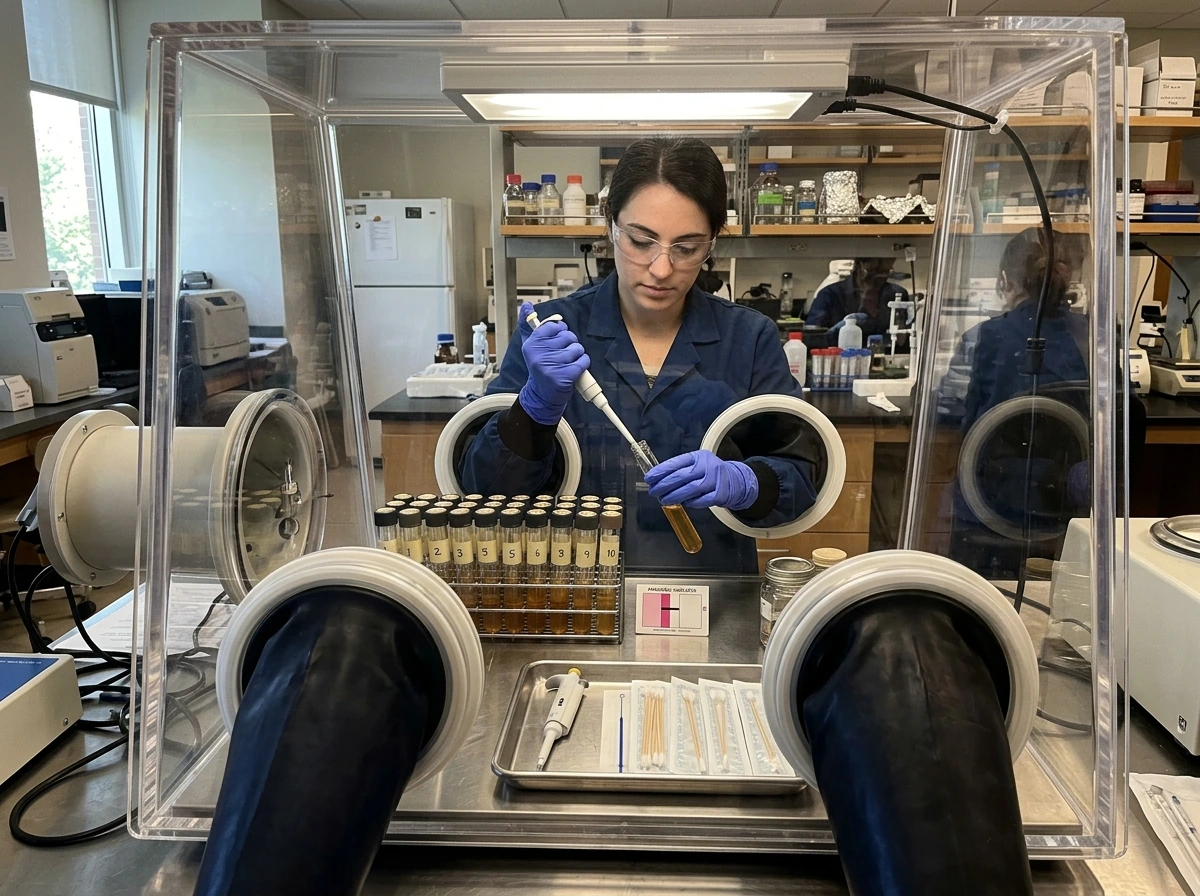
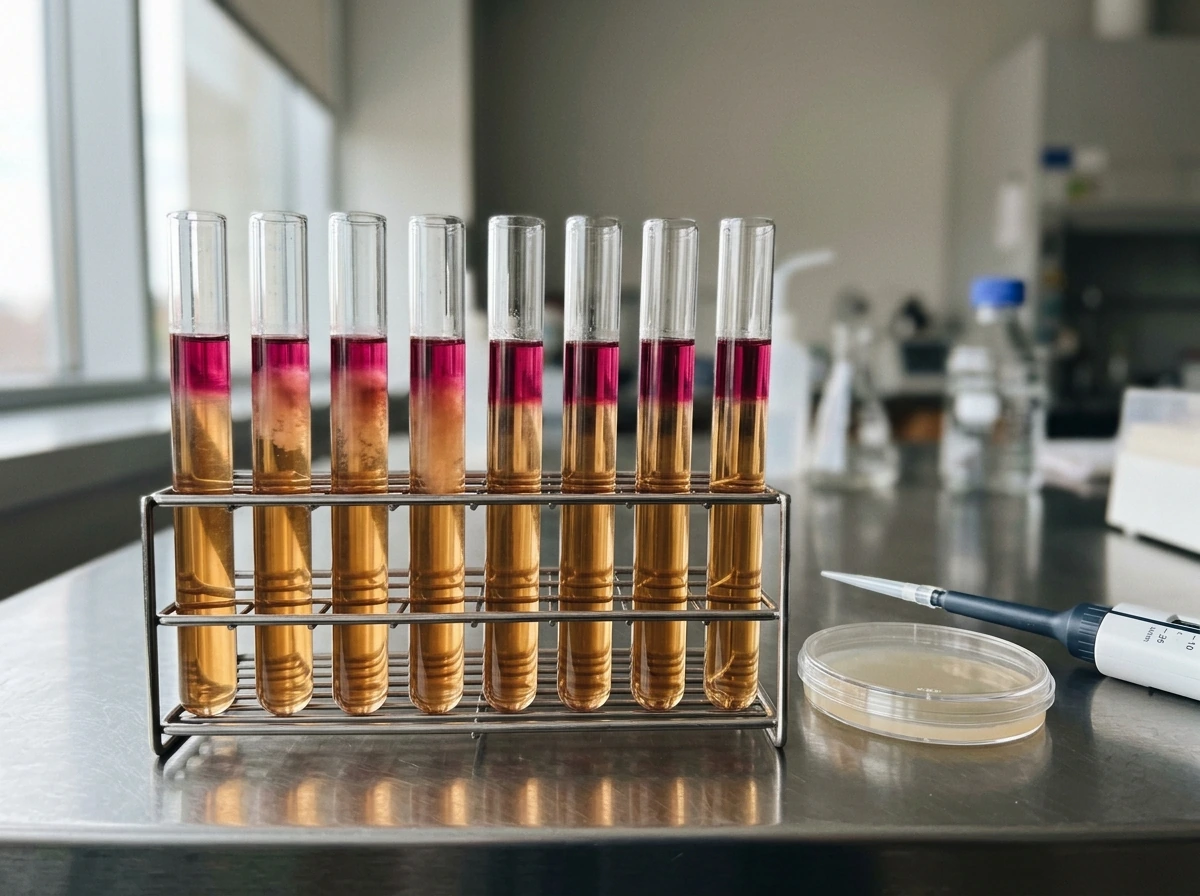
Not all bacteria need oxygen, and this is one of the most commonly misunderstood points about bacterial growth. The oxygen requirement depends entirely on the species. Aerobes need oxygen to survive. Anaerobes are killed by oxygen or simply cannot use it. Facultative anaerobes can grow with or without oxygen, which makes them especially adaptable. Microaerophiles need oxygen, but only in small amounts, less than what is in normal air.
This matters enormously in practice. Clostridium botulinum, the bacterium behind botulism, is a strict anaerobe. It grows in oxygen-free environments, which is why improperly canned or vacuum-sealed foods are the classic risk. Meanwhile, most of the surface bacteria on your skin are aerobes, exposed to plenty of oxygen all day long. Understanding which atmosphere a bacterium requires explains why it grows where it does.
Oxygen in practice: what atmosphere really means for bacteria
When microbiologists talk about a bacterium's oxygen requirements, they are describing how the organism handles a molecule that can actually be toxic at the chemical level. Oxygen reacts inside cells to form free radicals, which are destructive byproducts. Aerobic bacteria have enzymes (like catalase and superoxide dismutase) that neutralize these byproducts. Anaerobes lack those enzymes, so oxygen damages them. Facultative anaerobes can switch metabolic pathways depending on what is available.
In the real world, this means the same environment can harbor very different bacteria depending on where you look. The oxygen-rich surface of a piece of meat supports aerobic spoilage bacteria. Deep inside a sealed jar with no oxygen, an entirely different community (potentially including dangerous anaerobes) can develop. This is also why the conditions inside the human gut, which is largely anaerobic, support a massive and completely different bacterial ecosystem than the skin surface.
| Type | Oxygen Preference | Example Bacteria | Common Habitat |
|---|---|---|---|
| Aerobe | Requires oxygen | Mycobacterium tuberculosis | Lungs, surfaces |
| Anaerobe | Killed by or cannot use oxygen | Clostridium botulinum | Sealed cans, deep wounds |
| Facultative Anaerobe | Grows with or without oxygen | E. coli, Salmonella | Gut, food, water |
| Microaerophile | Needs low oxygen levels | Campylobacter | Intestinal mucosa |
| Aerotolerant Anaerobe | Tolerates oxygen but does not use it | Lactobacillus | Fermented foods, gut |
pH and the other limits people often overlook
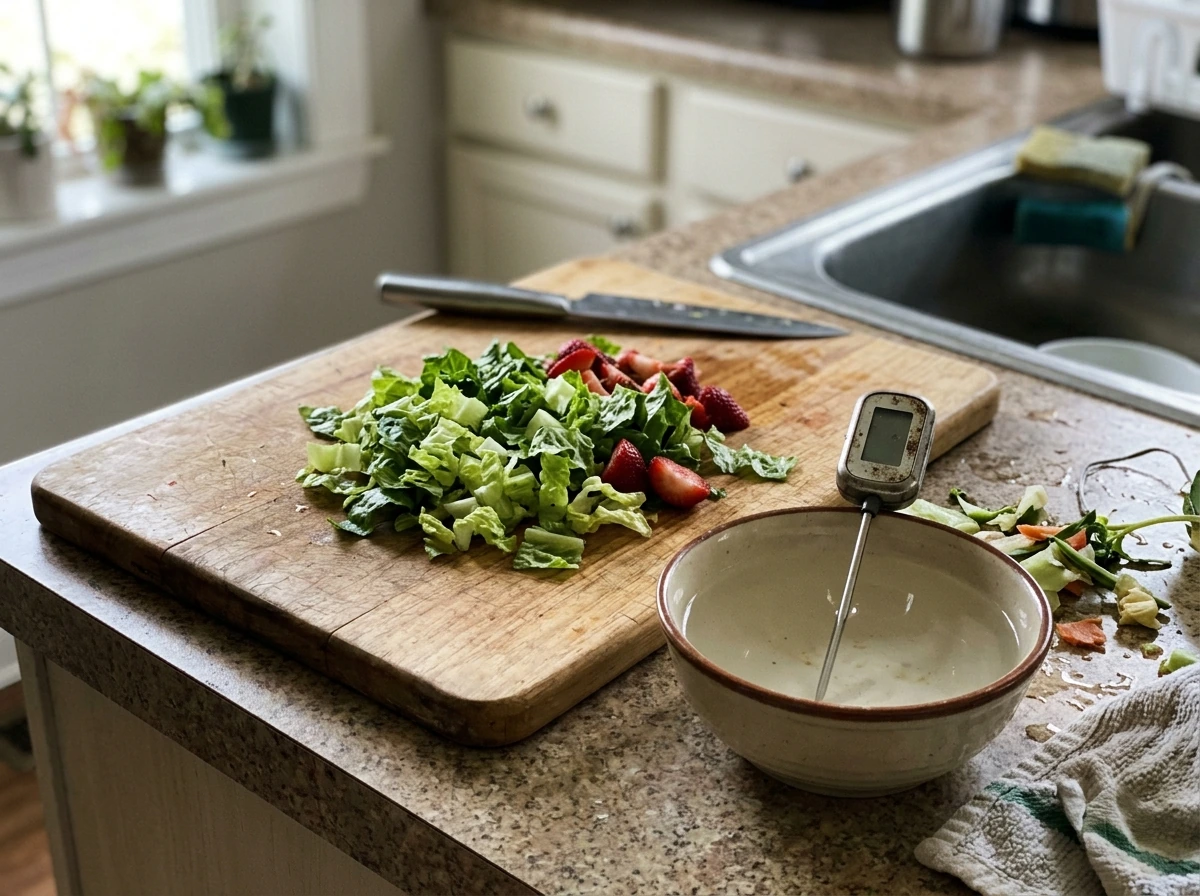
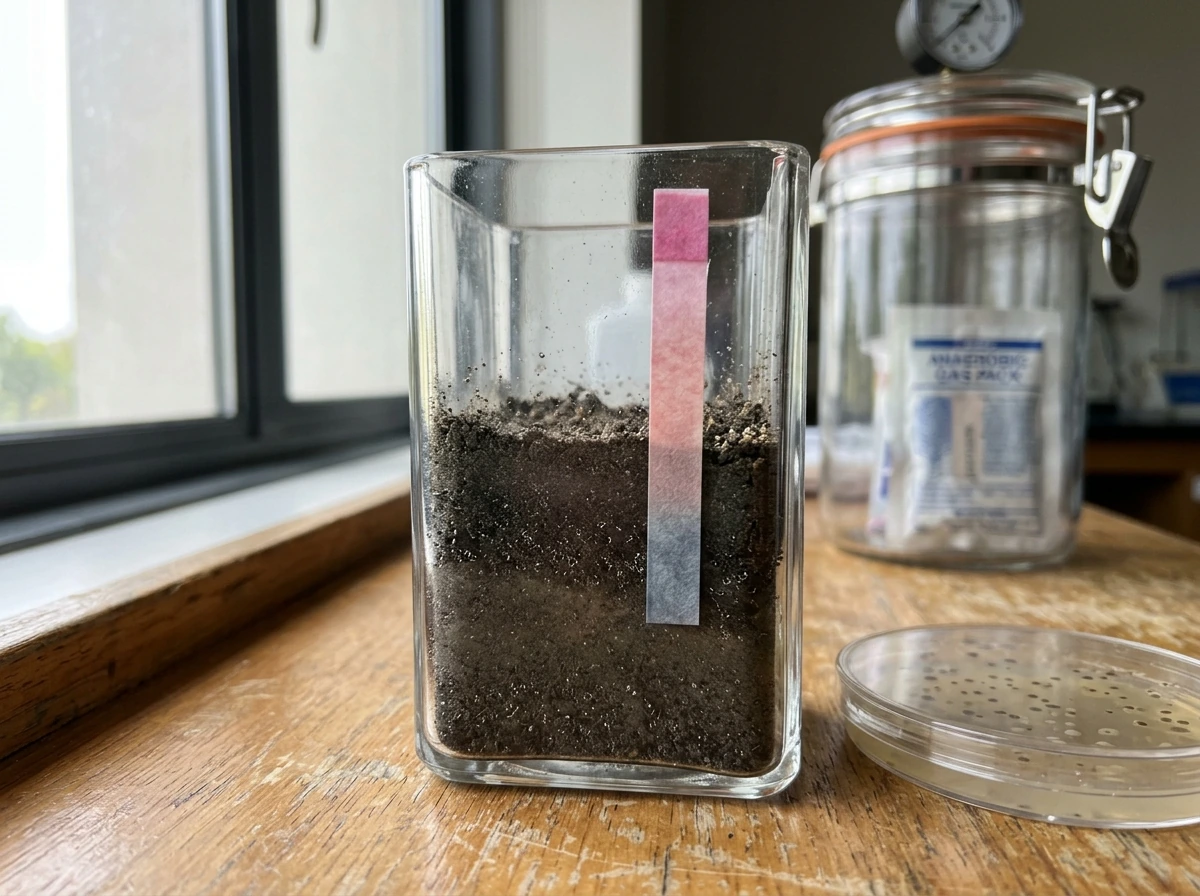
pH measures how acidic or alkaline an environment is, on a scale of 0 (strongly acidic) to 14 (strongly alkaline), with 7 being neutral. Most bacteria that cause human illness prefer a near-neutral pH, somewhere between 6.5 and 7.5. Your stomach acid (around pH 2) is one of your body's main defenses against pathogens because so few bacteria can survive that level of acidity.
Acid-tolerant bacteria do exist, and some are genuinely dangerous at lower pH values than you might expect. E. coli O157:H7 can survive at a pH as low as 4.0 under certain conditions, which is worth knowing when you think about acidic foods like apple juice or fermented products. But broadly, acidifying food (through fermentation, vinegar, or added acids) is one of the oldest and most reliable methods of preservation because it pushes the pH outside the comfort zone for most pathogens.
Beyond nutrients, moisture, temperature, oxygen, and pH, there are a few other factors worth knowing about. Osmotic pressure matters: very high concentrations of salt or sugar pull water out of bacterial cells through osmosis, effectively dehydrating them even when water is physically present. That is why salt-curing and sugar-preserving work. Some bacteria also need specific growth factors, which are vitamins or amino acids they cannot synthesize on their own. And of course, time is always a factor. Even in perfect conditions, a single bacterium needs time to divide and build up to numbers that cause problems.
What bacteria need to grow in food specifically
Food is essentially a pre-packaged bacterial growth kit. Most whole, fresh foods are rich in nutrients, have high water activity (above 0.95, as the FDA notes), sit in the temperature danger zone when left at room temperature, and have a near-neutral pH. The only thing food cannot control on its own is time, which is where human decisions come in.
The USDA highlights that foods left in the danger zone (40°F to 140°F) for extended periods allow bacteria like Staphylococcus aureus, Salmonella, E. coli O157:H7, and Campylobacter to reach dangerous levels. This is why the two-hour rule exists: perishable food left at room temperature for more than two hours (or one hour above 90°F) should be discarded. The bacteria themselves are invisible and odorless at these stages, so you cannot detect the problem without knowing the time and temperature history.
Different food categories present different risk profiles. High-protein, high-moisture foods are the highest risk. Foods with very low water activity, very high or low pH, or very high salt/sugar content carry much lower risk. Understanding this spectrum is what food safety science is built on.
| Food Category | Water Activity | pH Range | Bacterial Risk Level |
|---|---|---|---|
| Fresh meat and poultry | 0.95–0.99 | 5.5–6.5 | High |
| Fresh dairy (milk, soft cheese) | 0.97–0.99 | 6.3–6.8 | High |
| Cooked rice and pasta | 0.95–0.98 | 6.0–7.0 | High |
| Pickled vegetables | 0.92–0.96 | 3.5–4.5 | Low to moderate |
| Dried jerky | 0.60–0.85 | 5.0–6.0 | Low |
| Honey | 0.50–0.60 | 3.9–4.5 | Very low |
| Crackers and dry goods | 0.10–0.30 | 6.0–7.0 | Very low |
Does bacteria need food? What bacteria use for energy and nutrients
Yes, bacteria absolutely need food, though what counts as food for a bacterium is broader than what you might imagine. Bacteria obtain energy and carbon through two main strategies. Heterotrophs (which include all major human pathogens) consume organic compounds made by other organisms. Autotrophs can synthesize their own organic molecules using energy from sunlight or chemical reactions. do bacteria need light to grow For the bacteria that matter most in health and food safety contexts, the answer is clear: they need organic nutrients from their environment.
At the molecular level, bacteria use carbon compounds for energy through metabolic processes like glycolysis and cellular respiration (in aerobes) or fermentation (in anaerobes). Nitrogen from proteins and amino acids is used to build new proteins and genetic material. When bacteria run out of nutrients, growth slows and eventually stops. Some species can form spores, which are dormant, highly resistant structures that can survive extreme conditions until nutrients and the right environment return.
A common myth is that bacteria can only grow on "dirty" surfaces. In reality, bacteria need very little organic material to establish a colony. A thin film of protein residue left on an improperly rinsed surface, a splash of broth inside a container, or dead skin cells on a countertop can all provide enough nutrients to support growth given the right moisture and temperature conditions.
Putting it all together: how to actually prevent bacterial growth
Knowing what bacteria need gives you a direct roadmap for stopping them. You do not need to eliminate every single condition, just deny enough of them that growth becomes impossible or impractically slow. Here is how each lever works in practice.
Temperature control
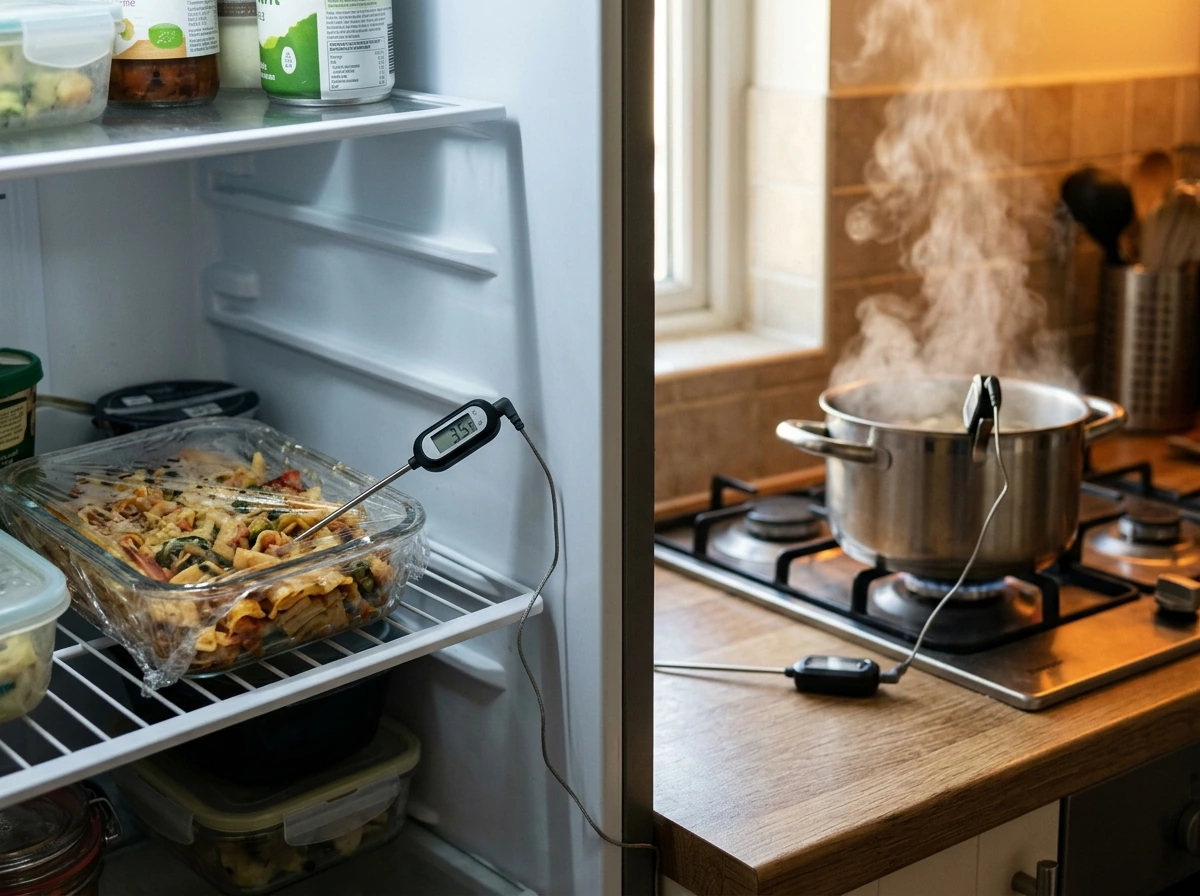
Refrigerate perishable foods at or below 40°F (4°C) and cook or reheat foods to above 140°F (60°C). Freezing (at 0°F / -18°C) essentially halts bacterial growth entirely, though it does not kill most bacteria. The key habit is minimizing the time food spends in the danger zone: keep hot foods hot and cold foods cold.
Moisture and water activity control
Drying, dehydrating, and adding salt or sugar all reduce water activity, making free water unavailable to bacteria. This is the science behind cured meats, jams, dried fruits, and crackers having such long shelf lives. In kitchen hygiene, drying surfaces and equipment after cleaning removes the moisture film that lets bacteria hang on and multiply.
pH control
Fermentation, pickling, and adding acidic ingredients (vinegar, citrus juice) lower the pH of food below the range most pathogens can tolerate. This is why properly acidified foods like sauerkraut and pickles are shelf-stable without refrigeration. At home, acidic marinades provide some protection, but they are not a reliable substitute for temperature control.
Nutrient and atmosphere control
Thorough cleaning removes the organic material bacteria feed on. This is why rinsing is not enough: you need to actually remove residue from surfaces and equipment. Atmosphere control is a more specialized tool, used in modified atmosphere packaging (where oxygen is replaced with CO2 or nitrogen to slow aerobic spoilage) and in canning, where the vacuum seal eliminates oxygen. For most home situations, focusing on temperature, moisture, and cleanliness gives you the biggest practical return.
A quick reference: the key conditions and how to disrupt them
| Condition Bacteria Need | Optimal Range for Pathogens | How to Disrupt It |
|---|---|---|
| Nutrients (food) | Organic carbon and nitrogen sources | Thorough cleaning; remove organic residue |
| Moisture (water activity) | a_w above 0.91 | Drying, salting, adding sugar |
| Temperature | 40°F–140°F (4°C–60°C) | Refrigerate below 40°F; cook above 140°F |
| Atmosphere (oxygen) | Varies by species | Aerobic packaging or vacuum sealing (context-dependent) |
| pH | 6.5–7.5 for most pathogens | Acidify with fermentation or vinegar |
| Time | Any prolonged time in good conditions | Minimize time in the danger zone; use the 2-hour rule |
The takeaway here is that bacteria are not mysterious or unpredictable. They follow rules, and those rules are knowable. Once you understand what they need, you can make deliberate choices to cut off one or more of those requirements, what helps bacteria grow is the opposite of that. Whether you are studying for a microbiology exam, working in food service, or just trying to understand why food safety guidelines exist, the underlying biology is the same. Nutrients, moisture, temperature, oxygen, pH, and time: control enough of them and bacteria simply cannot do their thing.
FAQ
If I control only one factor (like temperature), will bacteria always stop growing?
Not exactly. Many bacteria can grow only in a narrow set of conditions (for example, specific pH or oxygen levels). You can slow growth a lot without “eliminating” every requirement, but for high-risk foods the practical goal is to prevent time spent in the temperature danger zone and reduce available water.
Does freezing kill bacteria or just stop them temporarily?
Yes, freezing mainly stops growth rather than instantly destroying most bacteria. Some bacteria and spores can survive freezing and may resume growth after thawing, which is why thawed foods should still be handled quickly and not left to warm up for long periods.
Can bacteria survive drying or canning and then start growing later?
They can. Some bacteria form spores that tolerate drying, heat, salt, and other stressors. Spores do not “multiply” until conditions improve, but they can reactivate later, which is why cleaning and proper cooking matter even when food looks dry.
How long does bacteria need before it becomes dangerous?
Time depends on starting numbers, the exact temperature, and the bacteria’s growth rate in that environment. The “doubling” concept varies by species, so two foods left at the same temperature for different lengths of time can reach very different hazard levels.
Why does water activity matter more than “how much water” a food has?
Water activity (a_w) is the key measure, not just how wet something looks. For example, a food can look moist but have too low free water for most bacteria, while some “dry-looking” foods with higher a_w can still support growth.
Can different bacteria grow at the same time on the same piece of food?
Yes, especially in mixed environments. Some bacteria require oxygen while others do not, so a single item can support different communities at different depths (surface versus inside), and in the body (skin surface versus gut).
If a food is low-oxygen or vacuum-sealed, is it automatically safe from all bacteria?
Oxygen exposure can vary even within “sealed” or “processed” foods. For strict anaerobes, oxygen intrusion can matter, but low oxygen does not guarantee safety because other growth factors still need to be controlled (temperature, pH, and nutrients, plus the specific organism).
Does acidic food (like pickles or apple juice) prevent all bacterial growth?
Yes. Acidifying lowers pH, but some acid-tolerant pathogens can survive in acidic conditions depending on the product and formulation. For safety, acid products still rely on correct processing and storage temperature, not pH alone.
If nutrients are limited, can bacteria still grow on leftovers or surfaces?
Reducing nutrients helps, but it is not the main safety lever for most home scenarios. Even small organic residue can support establishment if moisture and temperature are right, which is why effective cleaning focuses on removing residue, not just “sanitizing lightly.”
Do salt and sugar always stop bacteria, or can some still grow?
Salt and sugar work partly by pulling water out of cells (osmosis), but they must reach sufficiently high concentrations to meaningfully lower available water. “Some” salt or sugar may slow growth but not stop it entirely for all salt-tolerant or sugar-tolerant species.
If pH is in the safer range, why can bacteria still cause food poisoning?
Yes. Many pathogens involved in foodborne illness prefer near-neutral pH and moderate warmth, but temperature and oxygen conditions can override what you’d expect from pH alone. Also, local microenvironments (for example, inside thick foods) can be less affected by surface pH changes.
Are the same bacteria requirements true for every kind of germ?
Yes, and it is a common mistake. They are not all equally “bacteria needed” types. A key decision aid is to ask, “Do these conditions match the organism that matters here,” such as mesophiles for typical food storage, versus cold-adapted bacteria for refrigerated settings.