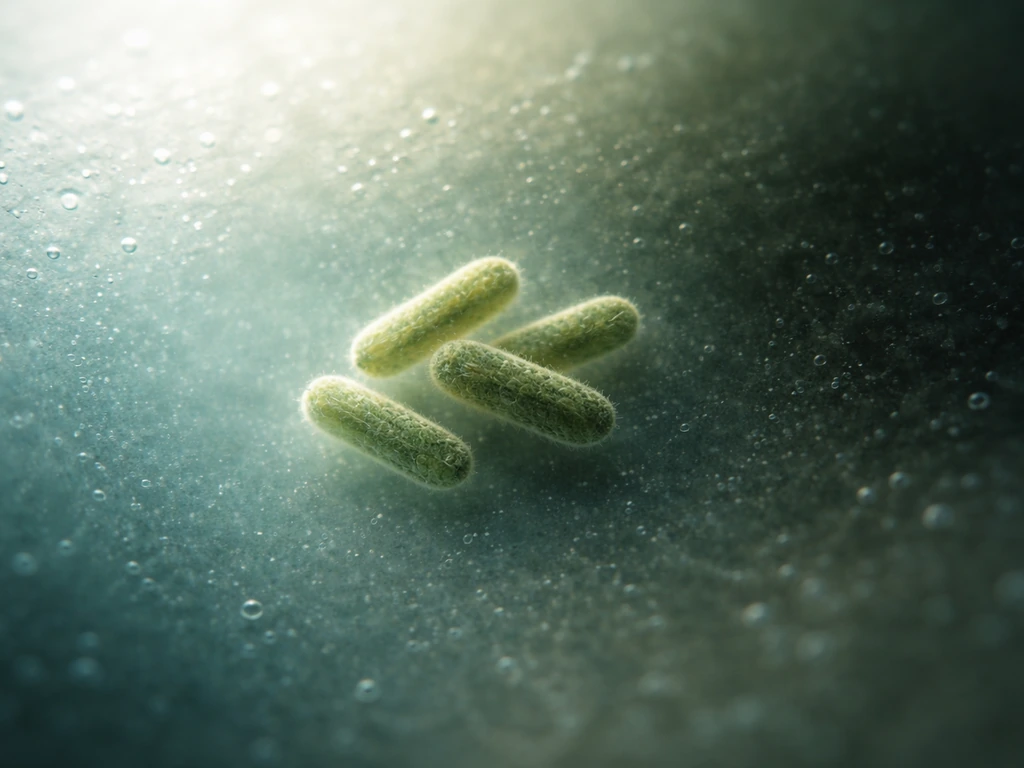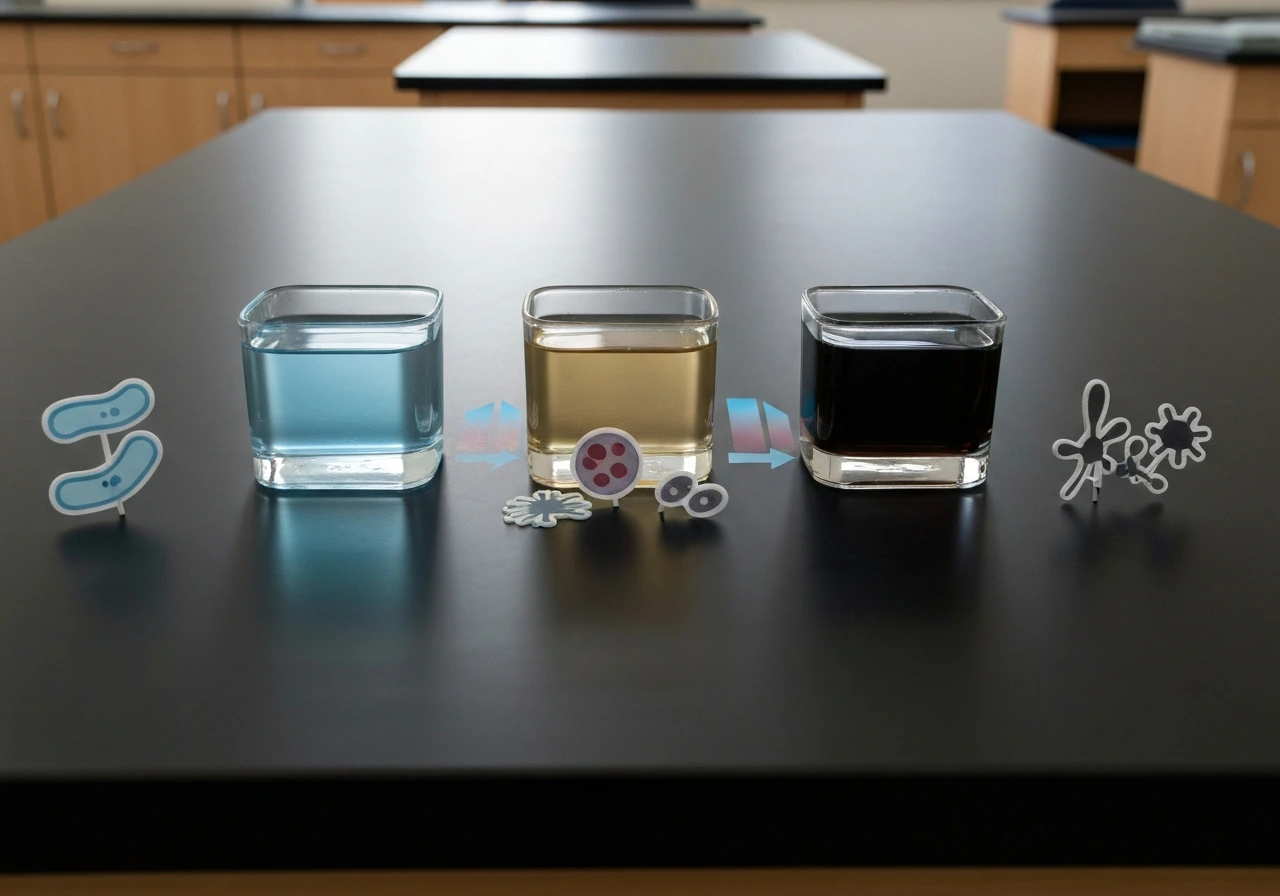
Clostridium botulinum, the bacterium behind botulism, can grow and produce its deadly toxin in foods with a pH above 4.6. Below that threshold, the organism is generally inhibited under normal conditions. The 4.6 number is not arbitrary: it is the official dividing line used by the FDA, USDA, and WHO to separate "high-acid" foods (safe for boiling-water canning) from "low-acid" foods that require pressure canning. If you are trying to figure out whether a food or environment is safe, that single number is your most important reference point.
What pH Does Botulism Grow In and When It’s Dangerous

Marcus Holloway
9 Jun 2026
The organism behind botulism and why pH is central to the risk
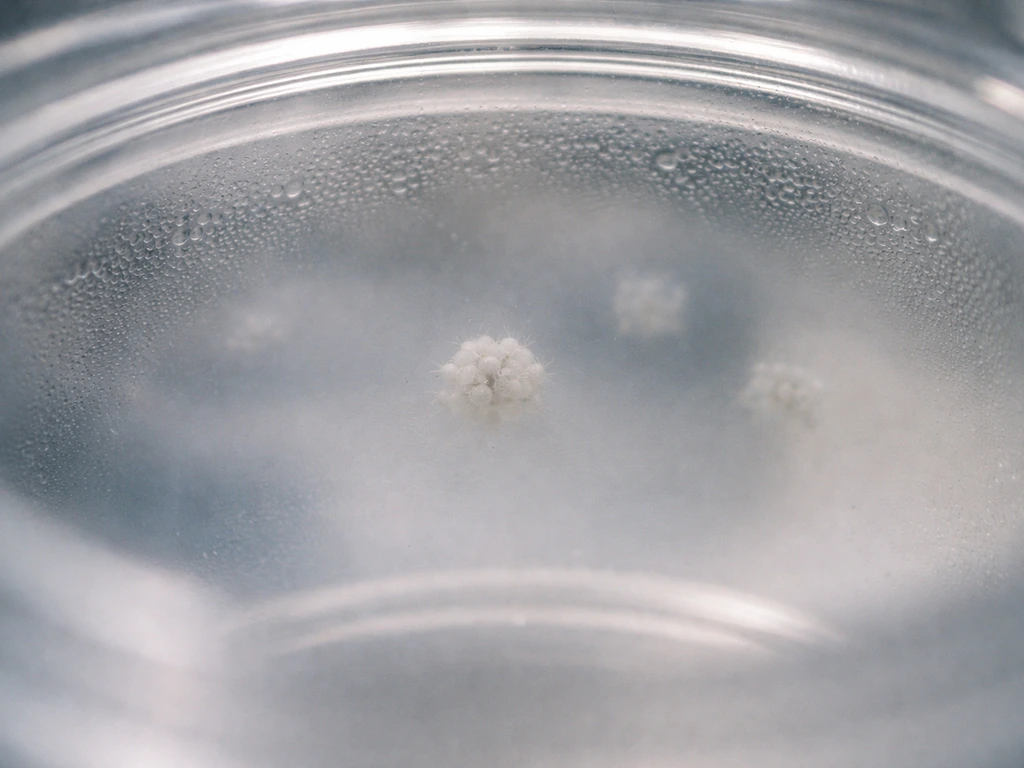
Clostridium botulinum is an anaerobic, spore-forming bacterium, meaning it thrives without oxygen and can form incredibly tough, dormant structures called spores when conditions get harsh. Those spores are almost indestructible under normal kitchen conditions: boiling water at 100°C (212°F) will not kill them. What actually makes the organism dangerous is not the bacterium itself but the neurotoxin it releases as it grows. That toxin is one of the most potent biological substances known. So when we talk about "botulism risk," we are really asking two connected questions: can the spores germinate and the cells grow here, and if they grow, will they produce toxin? pH is the first gating factor for both questions.
The reason pH matters so much comes down to basic cell physiology. Bacteria maintain a carefully regulated internal pH to keep their enzymes working. When the external environment becomes too acidic, that regulation fails, key metabolic reactions stop, and the cell cannot replicate or make toxin. C. botulinum is more acid-sensitive than many bacteria, which is exactly why the 4.6 cutoff has become a cornerstone of food safety policy.
The pH range where C. botulinum can actually grow
The widely accepted minimum pH for growth and toxin production is 4.6. Most regulatory agencies, including the FDA, USDA, and WHO, use this number as the hard safety threshold. The optimal pH for growth sits comfortably in the near-neutral range, roughly 6.0 to 7.0, where conditions mimic what the organism encounters naturally in soil and animal gut environments. As pH drops below 6, growth slows. Below 4.6, standard teaching holds that growth and toxin production stop.
It is worth noting some nuance in the scientific literature. The UK Advisory Committee on the Microbiological Safety of Food (ACMSF) describes the minimum pH for proteolytic C. botulinum as falling in the range of 4.6 to 4.8, and some peer-reviewed work places the practical lower limit for growth closer to 4.8 to 4.9 in food systems. One strain type, C. botulinum type G, has been reported to have a minimum pH of 5.6 for growth and toxin production when water activity is at its optimum. In short, the minimum pH varies somewhat by strain type, but for practical food safety purposes, 4.6 is the accepted control point.
Why spores complicate the picture
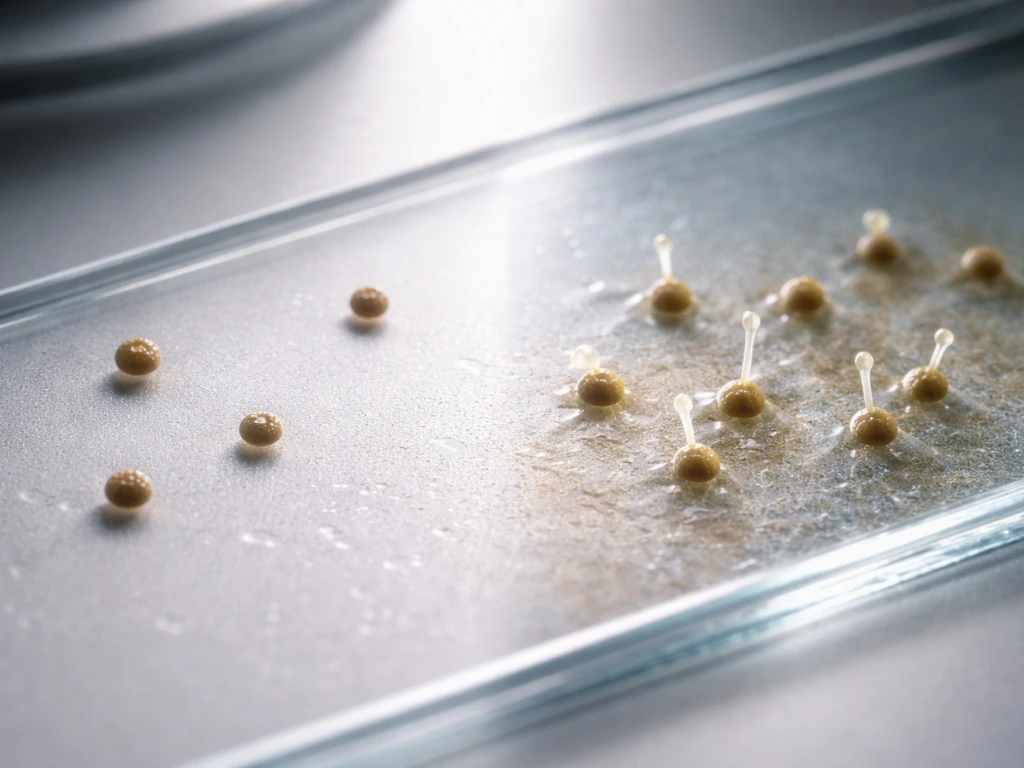
Here is where a lot of people get confused. Even if you create conditions acidic enough to prevent vegetative cell growth (active, dividing cells), you have not eliminated C. botulinum from a food. Spores can persist in high-acid environments indefinitely. The danger reactivates if that food is later diluted, mixed with low-acid ingredients, or stored in a way that raises its effective pH. A spore sitting in a jar of properly acidified salsa is not a threat. That same spore transferred into a pot of improperly canned green beans absolutely is. Understanding the difference between killing spores and simply preventing their germination is fundamental to making sense of botulism risk.
Does toxin production follow the same pH rules as growth?
For practical purposes, yes: toxin production requires active cell growth, so conditions that prevent growth also prevent new toxin from being formed. If the pH is at or below 4.6, the cells are not growing and are not making fresh toxin. However, there are two important caveats worth knowing about.
First, pH does not destroy pre-formed toxin. If botulinum toxin was produced at a safe pH (say, in a jar that lost its seal before acidification was complete) and the food is later acidified, the acid does not neutralize the toxin that is already there. This is a critical point that WHO specifically flags: low pH is a growth inhibitor, not a detoxifier.
Second, some controlled laboratory experiments have demonstrated spore germination, outgrowth, and even toxin production at pH values slightly below 4.6 under unusually strict anaerobic conditions (oxidation-reduction potentials around minus 370 to minus 391 millivolts). These findings do not overturn the 4.6 guideline for real food safety practice, but they do explain why scientists and food safety professionals treat pH 4.6 as a control point that needs to be reliably and consistently achieved, not just barely touched. Reducing inoculum level in those same experiments delayed but did not fully prevent spore outgrowth, which reinforces why validated processes (not best guesses) matter.
pH does not work alone: how other conditions interact
Thinking of pH as the only dial that controls botulism risk is one of the most common misconceptions I run into. In reality, C. botulinum growth depends on a combination of factors, and those factors interact. A food at pH 5.0 (technically in the danger zone) might still be safe if other conditions are also unfavorable. The problem is that in home canning or improperly stored foods, those other conditions are often perfectly aligned for growth.
| Growth Factor | Condition That Supports Growth | Condition That Inhibits Growth |
|---|---|---|
| pH | Above 4.6 (low-acid environment) | 4.6 or below (high-acid environment) |
| Oxygen | Anaerobic (no oxygen present) | Aerobic environments (though spores survive) |
| Temperature | 4°C to 48°C (39°F to 118°F), optimal near 35°C | Below 3°C or above 50°C |
| Water activity (Aw) | Above 0.93 | Below 0.93 (FDA minimum for growth) |
| Nutrients | Rich organic substrate (meats, vegetables, fish) | Nutrient-poor environments |
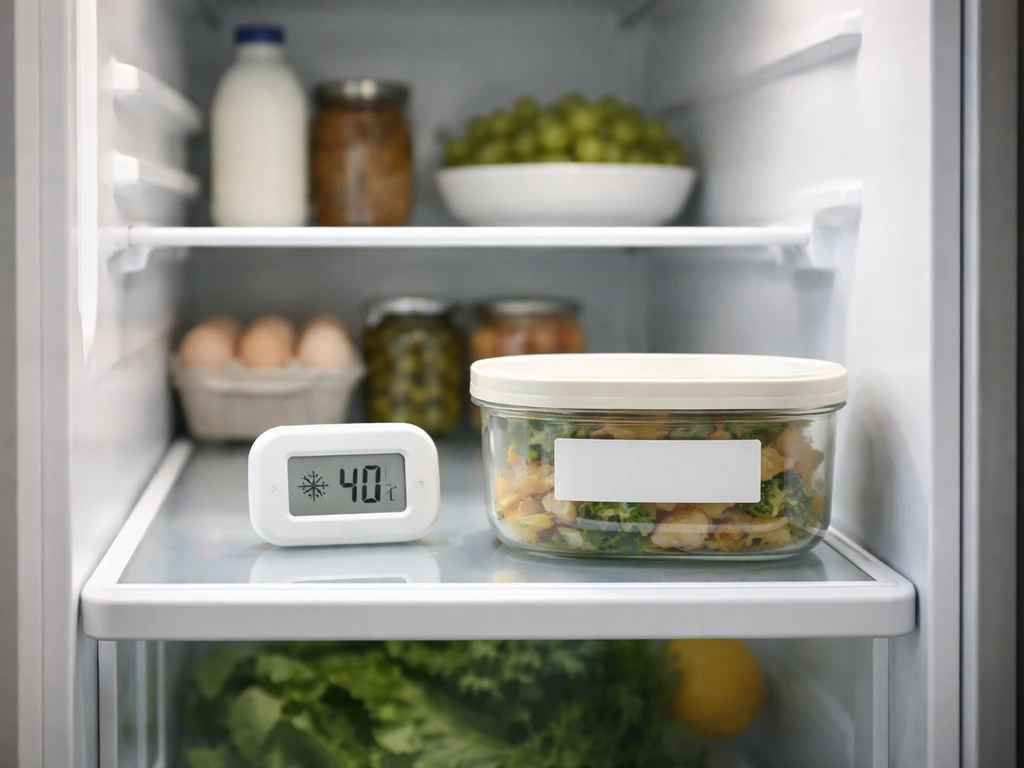
Oxygen deserves special mention because it is the factor that makes canning so uniquely dangerous. The sealed, airless interior of a canning jar is exactly the anaerobic environment C. botulinum loves. That is why the organism is almost never a problem in foods stored uncovered in the refrigerator (aerobic, cold, and usually acidic if properly prepared) but becomes a serious concern in low-acid canned or jarred foods. Botulism generally cannot grow in the refrigerator when foods are properly prepared and kept under safe conditions can botulism grow in the fridge. The CDC's botulism guidance specifically flags that an anaerobic environment with low acidity (pH above 4.6) is the trigger for spore outgrowth in home-canned foods.
Water activity (Aw), a measure of how much free water is available for microbial use, also plays a role. The FDA sets the minimum water activity for C. botulinum growth at approximately 0.93. Very dry foods (jerky, dried beans, crackers) are not at risk even if their pH is neutral, because there simply is not enough free water for the organism to function. But most canned vegetables and meats sit well above 0.93, meaning water activity is not a limiting factor in those environments, which is exactly why pH and anaerobic conditions become the critical controls.
Temperature matters too, and it interacts with pH in ways that matter for storage. At sub-optimal temperatures, growth slows significantly, and the minimum pH for growth can shift slightly higher, meaning cooler conditions offer a bit more margin. Research on combined sub-optimal temperature and sub-optimal pH has shown that when both stressors are applied together, the organism struggles more than either condition alone would predict. This is the basis for refrigerating acidified foods as an added safety layer, not a substitute for proper acidification.
What pH levels are actually safe in foods
The FDA defines "acidified food" as a product with a finished equilibrium pH of 4.6 or lower (and a water activity above 0.85). Foods in this category can be safely processed in a boiling-water canner because the acid environment prevents C. botulinum spores from germinating, even though the spores themselves survive the heat. "Low-acid" foods are those with a pH higher than 4.6, and they require pressure canning to reach temperatures (typically 116°C to 121°C / 240°F to 250°F) that actually destroy the spores.
In practical terms, most fruits naturally fall safely below 4.6. Citrus fruits sit around pH 2.0 to 3.5, apples around 3.3 to 3.9, and standard tomatoes (which have historically caused some confusion) hover between 4.0 and 4.6 depending on variety and ripeness. Vegetables, meats, and fish are typically well above 4.6, often in the 5.5 to 7.0 range, which is why these are the foods most associated with home-canning botulism cases.
| Food Category | Typical pH Range | Botulism Risk Without Proper Processing | Recommended Canning Method |
|---|---|---|---|
| Citrus fruits | 2.0 to 3.5 | Very low | Boiling-water canner |
| Berries, apples, grapes | 3.0 to 4.0 | Very low | Boiling-water canner |
| Tomatoes (standard varieties) | 4.0 to 4.6 | Low to borderline | Boiling-water canner (with added acid) |
| Pickles (properly acidified) | 3.0 to 4.0 | Very low | Boiling-water canner |
| Green beans, corn, beets | 5.5 to 6.5 | High if improperly processed | Pressure canner only |
| Meats, poultry, fish | 5.8 to 7.0 | High if improperly processed | Pressure canner only |
| Mixed dishes (soups, stews) | Varies widely | High if low-acid ingredients dominate | Pressure canner only |
Tomatoes deserve their own note because they sit right at the borderline. Modern tomato varieties bred for lower acidity can have pH values that creep toward or even above 4.6, which is why current USDA guidelines recommend adding bottled lemon juice or citric acid when canning tomatoes to ensure the finished product reliably reaches pH 4.6 or below. Trusting the natural acidity of a tomato variety you do not have pH data for is not a safe approach.
How to actually check pH and what to do when you are unsure
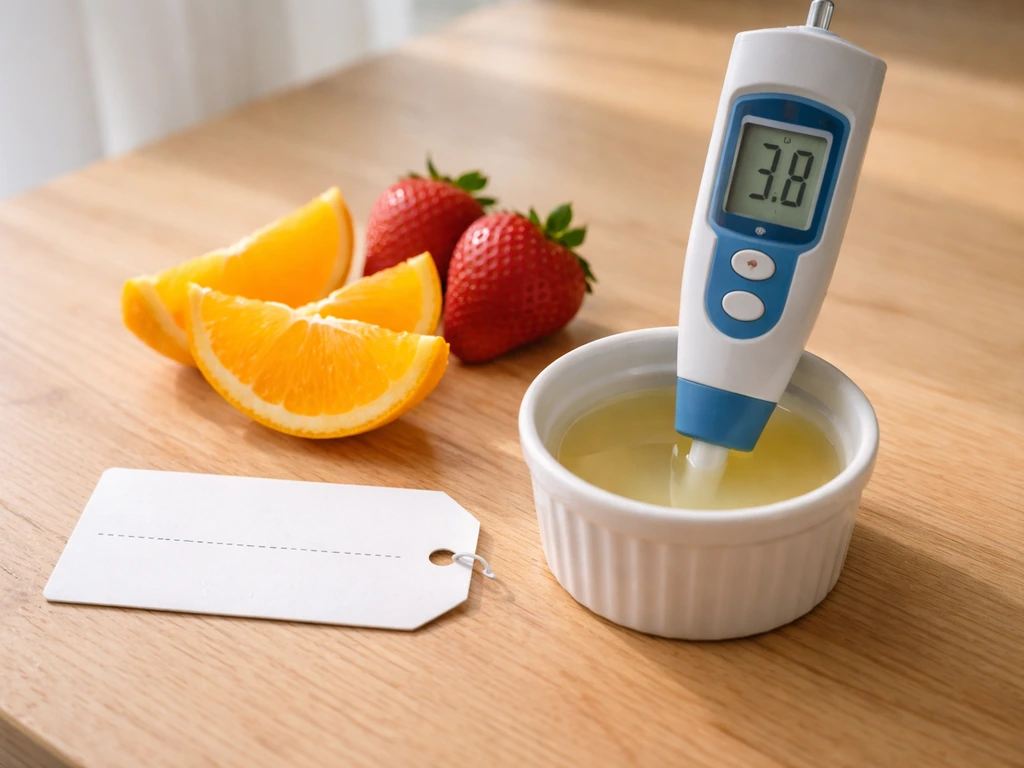
If you want to verify the pH of a food you are preserving, a calibrated digital pH meter is far more reliable than pH strips. Strips are fine for rough screening (confirming a solution is strongly acidic or clearly neutral) but are not precise enough for food safety decisions near the 4.6 threshold. FDA regulations for commercial acidified foods specify potentiometric measurement (using a calibrated pH meter with standardized buffer solutions) as the required methodology, and that same standard is worth applying at home when the stakes are high.
The National Center for Home Food Preservation (NCHFP) is direct on this point: home pH meters are less accurate than professional instruments, and small measurement errors near the 4.6 cutoff can produce genuinely unsafe outcomes. The safest approach for home canners is to follow tested, validated recipes from sources like the NCHFP or the Ball Blue Book rather than relying on pH measurement alone to validate a homemade formulation. A validated recipe has already been tested to ensure the final equilibrium pH is reliably below 4.6 throughout the product, not just at the surface.
Equilibrium pH matters more than initial pH for whole or chunked foods. When you add vinegar to a jar of vegetables, the surface acidifies quickly, but the interior of dense pieces (onion chunks, pepper halves) takes time to reach the same pH. The "finished equilibrium pH" is what determines safety, and achieving it reliably requires following tested ratios of acid to food and proper heat processing times.
Practical next steps if you are unsure about a specific food
- Look up your food's typical pH range before deciding on a canning method. If it is consistently and reliably below 4.0, boiling-water canning is appropriate. If it is above 4.6 or variable, treat it as low-acid and use a pressure canner.
- If you are modifying a recipe (adding low-acid ingredients to a high-acid base, or reducing the amount of vinegar), do not assume the final pH stays safe. Any change that reduces acid or adds volume requires revalidation.
- Use calibrated pH meter measurements as a check, not as a substitute for a validated process. Calibrate with fresh pH 4.0 and 7.0 buffer solutions before measuring.
- When in doubt, refrigerate and consume quickly rather than canning. Refrigeration slows growth substantially, and the aerobic environment of an open refrigerator container further limits C. botulinum.
- Never taste a product to determine if it is safe. Botulinum toxin is odorless and tasteless at dangerous concentrations. Discard any home-canned product with a bulging lid, spurting liquid on opening, or off smell without tasting it.
It is also worth connecting pH to the broader picture of how C. If you are wondering how does clostridium botulinum grow, the short answer is that it requires the right combination of low pH control, oxygen-free conditions, adequate moisture, nutrients, and a suitable temperature range. botulinum grows, which goes well beyond just acidity. If you want to know more about how an agrobacterium cell grows, it follows different but equally specific growth requirements <a data-article-id="BCE23F60-D736-4C4D-8838-399371AF9D45">C.
botulinum grows</a>. The organism needs anaerobic conditions, adequate moisture, nutrients, and a suitable temperature range on top of a pH above 4. If you are also trying to understand how microbes overcome these thresholds and keep multiplying, see how does an agrobacterium cell grow for a closely related look at bacterial growth requirements pH above 4. Agrobacterium growth also depends on environmental conditions that influence bacterial replication in similar ways <a data-article-id="BCE23F60-D736-4C4D-8838-399371AF9D45">how does an agrobacterium cell grow. 6. If you are exploring any of those other factors in depth, the interactions between temperature and pH, and the question of whether refrigerator conditions reliably prevent growth, are particularly useful areas to understand.
The spore biology and full growth requirements of C. botulinum offer important context for why standard refrigeration alone is not sufficient for low-acid preserved foods.
The core takeaway is this: pH 4.6 is the recognized safety threshold, foods above that pH in anaerobic storage conditions are genuinely at risk, and the safest path is always a validated process rather than a pH reading taken in isolation. Dirty dishes can spread spores, and if a food is stored in anaerobic conditions with pH above 4, botulism risk can rise. Understanding why that number matters, and how it interacts with temperature, oxygen, and moisture, puts you in a much stronger position to make real food safety decisions rather than just memorizing a rule.
FAQ
Can botulism grow in food with pH exactly 4.6?
In practice, pH 4.6 is a control point, not a guaranteed pass. Safety depends on reliably reaching the finished equilibrium pH throughout the whole food, and on the food also being kept in an environment where other growth factors are not favorable. If you are near the cutoff, validated processing and tested recipes matter more than “on paper” pH.
If a canned food has pH above 4.6, does that automatically mean it will produce toxin?
No. pH is one gate, but growth also needs an anaerobic environment, sufficient moisture (water activity), and suitable temperature. A jar might be above 4.6 but still not produce toxin if key conditions (for example, oxygen exposure or too little available water) prevent growth.
What about botulism risk from foods stored at room temperature versus in the fridge?
Refrigeration adds margin, but it is not a stand-alone solution for low-acid, anaerobic storage situations like improperly canned foods. The safer rule is that refrigerator storage is reliable for properly prepared foods, but it cannot “fix” a jarred or canned product that was processed too acid-high (or otherwise incorrectly processed) for botulinum control.
Does boiling food or re-heating a jar with botulism concern make it safe?
Re-heating does not reliably make it safe. Botulinum spores can survive normal boiling, and toxin that may already be present will not be reliably detoxified just by warming. If you suspect botulism risk, the decision should be based on safe processing and proper discard guidance, not reheating.
Can I use pH strips to confirm my preserved food is below 4.6?
Strips are usually too imprecise near the 4.6 threshold. Small errors can matter, especially for dense or chunked foods where the inside may not reach the surface pH quickly. For decisions about botulism prevention, a calibrated digital pH meter and validated recipe processing are the safer combination.
Is initial pH the same as the finished equilibrium pH, and why does it matter?
No. Ingredients can be acidic on the outside but the interior of whole pieces may take time to equilibrate, especially in thick-packed jars. Safety is based on the finished equilibrium pH, which is why following tested acid-to-food ratios and proper processing times matters more than measuring a quick surface sample.
How does “equilibrium pH” affect chunked foods differently than purees?
Chunked foods typically have slower acid penetration than liquid or puree-like products. That lag means the center may remain higher pH for longer, increasing risk if the recipe or processing does not reliably bring the entire jar to the target equilibrium pH.
Does adding more vinegar or lemon juice after canning make low-acid jars safe?
Not reliably. If any toxin was already produced, adding acid later will not neutralize pre-formed toxin, and the bacteria can already have had the opportunity to grow before the added acid reaches the interior. If the product was not processed to safe standards initially, the safest approach is usually to discard rather than try to “rescue” it.
Can C. botulinum grow at pH slightly below 4.6 under normal home conditions?
Laboratory reports show outliers under tightly controlled anaerobic conditions, but home kitchens cannot be assumed to match those exact parameters. The practical takeaway remains the same: validated recipes and processes aim for dependable control below 4.6, with no reliance on “close enough.”
What are the most common reasons home canners end up with a pH that is too high?
Common causes include using the wrong tomato variety or batch, skipping recommended added acid for tomatoes, under-measuring vinegar or lemon juice, not accounting for dilution from added ingredients, and not achieving full equilibrium pH inside dense foods. Also, using improvised processing times or “adjusted” recipes can break the tested safety margin.
Why do tomatoes get special caution for botulism even though they are acidic?
Tomatoes can be borderline, some modern varieties can reach pH values at or above 4.6 depending on ripeness and variety. Because you may not know the batch pH ahead of time, guidelines recommend adding measured bottled lemon juice or citric acid to ensure the finished equilibrium pH reliably meets the control target.
If I refrigerate an opened jar of something acidic, is botulism still a concern?
Opened, refrigerated foods are generally not the same risk scenario as sealed anaerobic canned storage. Once opened, oxygen exposure increases and the environment changes. However, you should still follow safe refrigeration and discard timelines, and do not treat refrigeration as a cure for an incorrectly processed anaerobic product.