Refrigeration slows most bacteria, but it does not stop all strains of Clostridium botulinum. Certain non-proteolytic strains (types B, E, and F) can grow and produce botulinum toxin at temperatures as low as 3 to 4°C (about 38°F), which is right inside a typical home refrigerator. Freezing halts growth entirely, but it does not kill the spores, so thawed food that was already contaminated can still pose a risk once it warms up. The short practical answer: a refrigerator reduces botulism risk significantly but cannot be treated as a guarantee of safety, especially for certain foods.
Can Botulism Grow in the Fridge or Freezer? Safety Guide

Marcus Holloway
12 May 2026
What Clostridium botulinum actually is

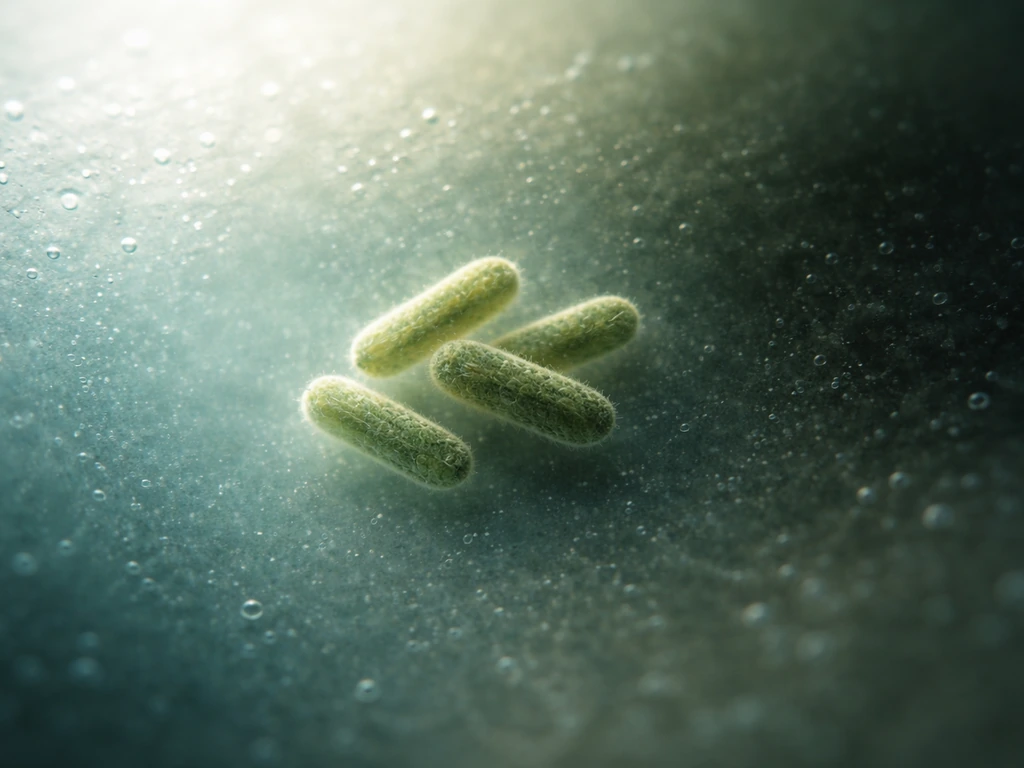
Clostridium botulinum is an anaerobic, spore-forming bacterium found naturally in soil and water. The spores themselves are not what makes you sick. What causes illness is the botulinum toxin, one of the most potent biological toxins known, which the bacterium's vegetative cells produce under the right conditions. Foodborne botulism happens when you eat food that already contains preformed toxin. Infant botulism is different: it happens when spores are ingested and then germinate inside the intestine, producing toxin in the gut. The key takeaway is that the danger in most food-safety situations is the toxin already present in the food before you eat it, not the bacteria infecting you directly.
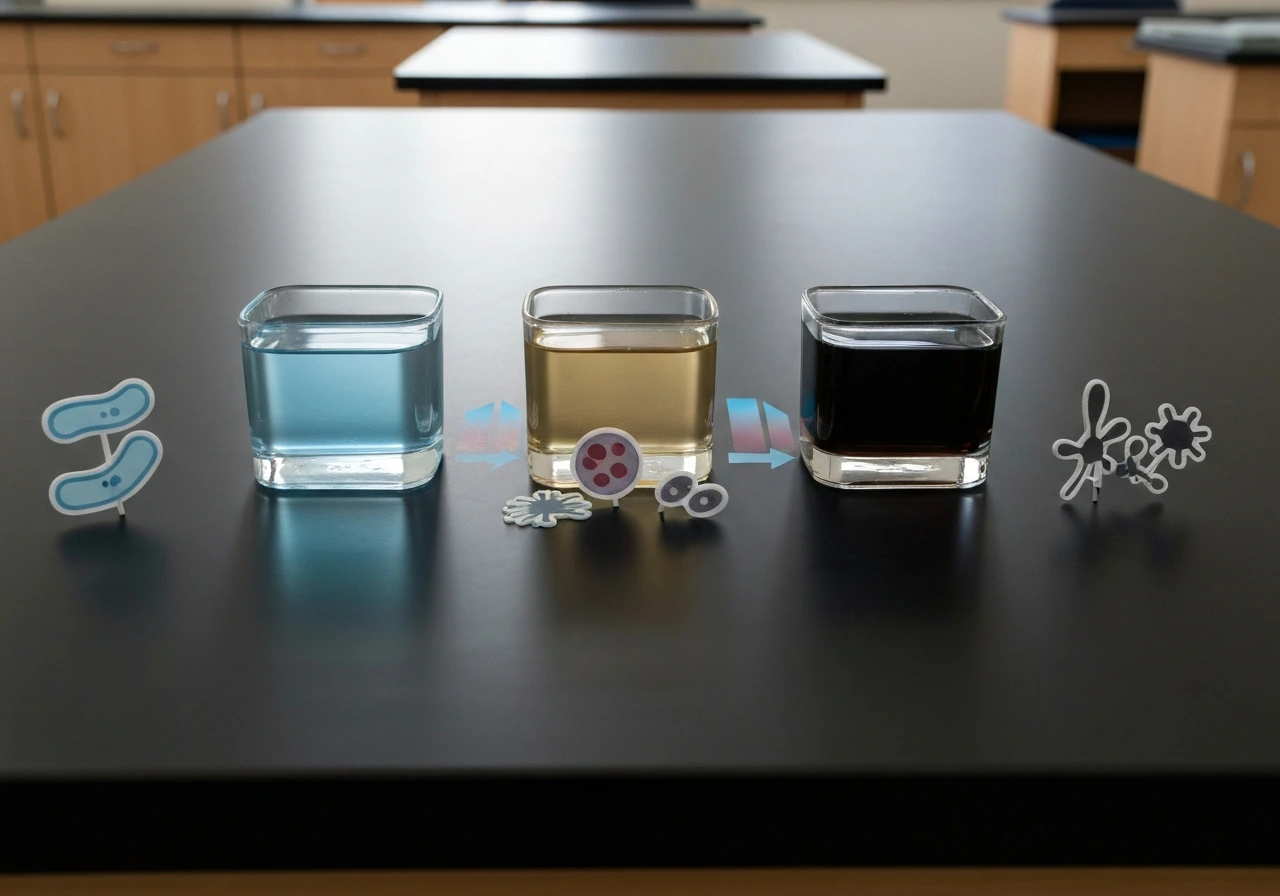
C. botulinum exists in two main groups that matter for refrigeration. Proteolytic strains (like type A) need warmer temperatures to grow, with a minimum around 38°F (3.3°C). Non-proteolytic strains (types B, E, and F) are psychrotolerant, meaning they are cold-tolerant, and they can grow and produce toxin at refrigeration temperatures. This distinction is critical and often overlooked.
Fridge vs freezer: what cold actually does
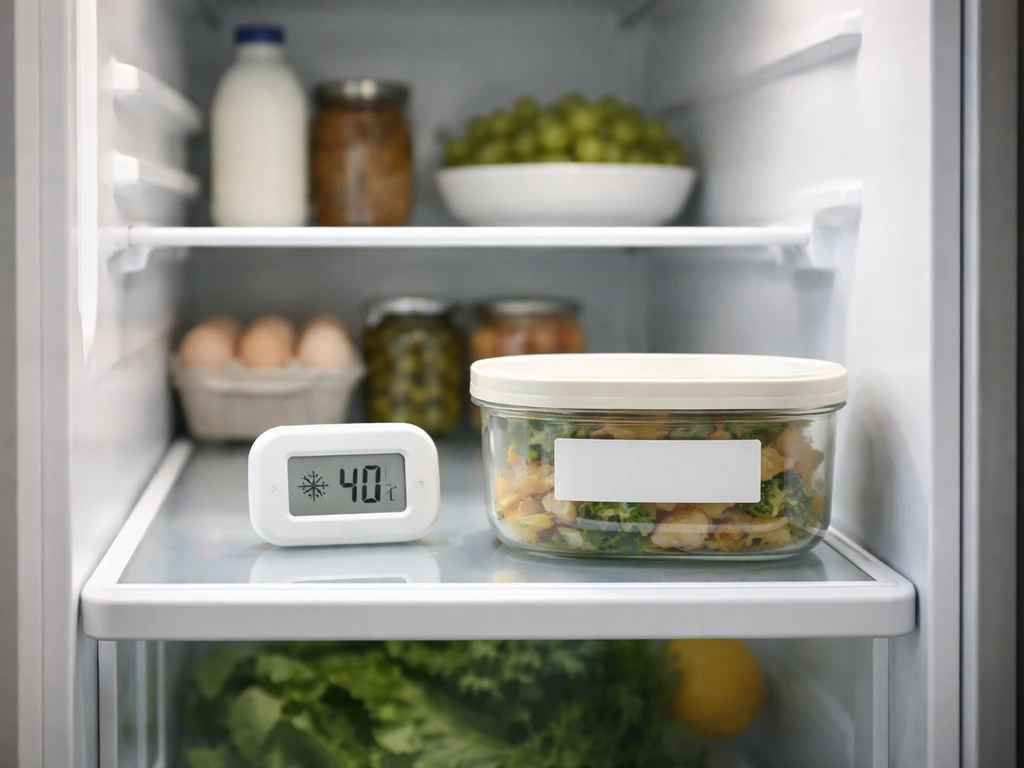
A fridge set at the FDA-recommended 40°F (4.4°C) or below will reliably stop proteolytic strains from growing. But non-proteolytic strains can still be active at that temperature. If your fridge runs a degree or two warm, or if a food item sits in a warm spot (like the door shelf during frequent opening), the risk increases. The practical rule is to keep your fridge consistently at or below 40°F using a thermometer, not just trusting the dial setting.
Freezing does stop all C. botulinum growth. However, it does not sterilize food. The National Center for Home Food Preservation (NCHFP) is explicit on this: freezing retards growth and slows spoilage but microorganisms remain alive and can become active again after thawing. Research also shows that spores can become more capable of germinating after certain temperature changes during frozen storage, meaning thawing and temperature abuse after freezing is not a trivial concern. The spores are resistant to freezing and survive it reliably. So if food was contaminated before freezing, it is still contaminated after.
| Storage condition | Effect on C. botulinum growth | Effect on spores | Effect on toxin |
|---|---|---|---|
| Refrigerator (at 40°F / 4.4°C) | Stops proteolytic strains; non-proteolytic strains (B, E, F) can still grow | Spores survive; some can germinate in right conditions | Pre-formed toxin remains present; new toxin can still form from non-proteolytic strains |
| Freezer (0°F / -18°C) | All growth stopped | Spores survive; may become more germinable after thaw | Pre-formed toxin remains; risk resumes if thawed and temperature-abused |
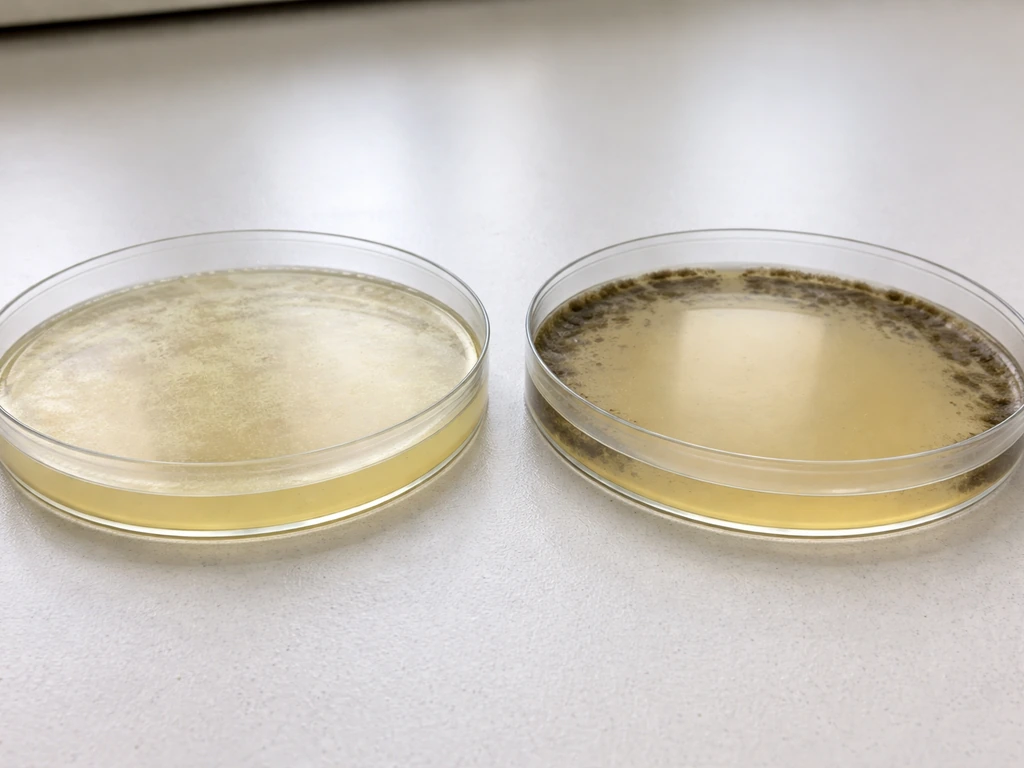
| Room temperature (above 40°F) | All strains can grow if other conditions are met | Spores can germinate and become vegetative cells | Toxin can be produced rapidly in anaerobic, low-acid food |
The four conditions that actually drive botulism risk
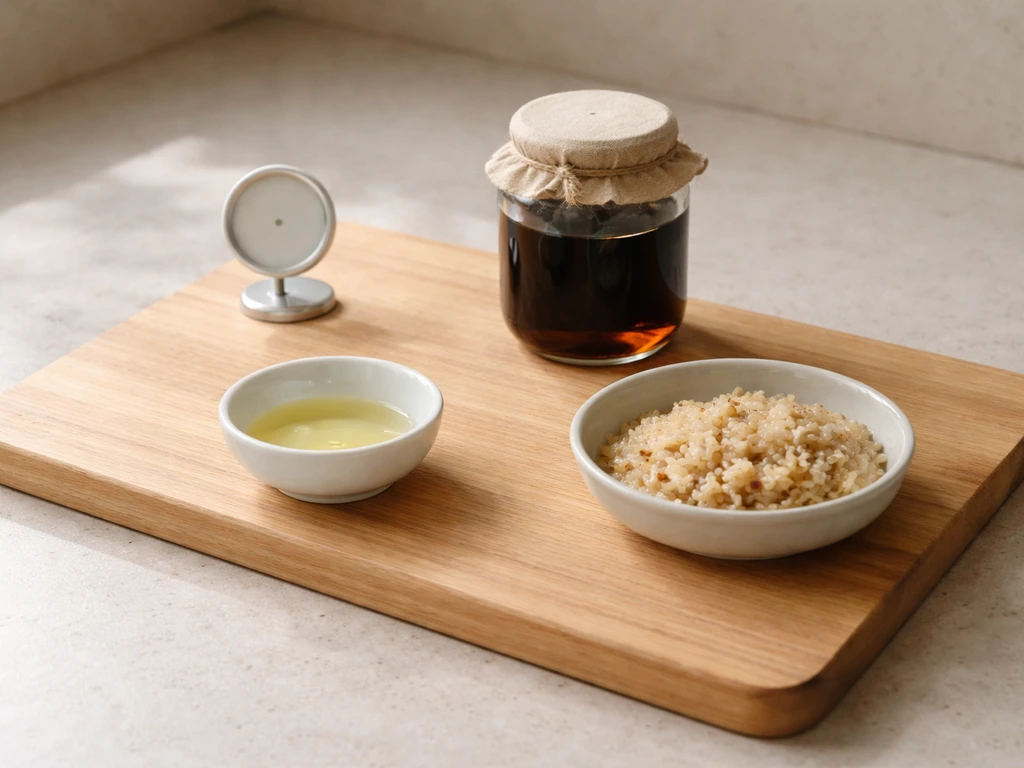
Temperature is only one piece of the puzzle. C. botulinum needs several conditions to line up before it can grow and produce toxin. Understanding these helps you identify which foods in your kitchen carry real risk and which ones do not.
Oxygen (anaerobic conditions)
C. botulinum is an obligate anaerobe, meaning it requires an environment with little or no oxygen. This is exactly what you get in a sealed canning jar, a vacuum-sealed bag, or a garlic-in-oil mixture sitting in the fridge. When you remove oxygen from the environment around a food, you are creating the single most important condition for botulism growth. A lot of people do not realize that vacuum sealing something and sticking it in the fridge does not make it safe from botulism, it can actually make conditions more favorable for non-proteolytic strains.
pH (acidity)
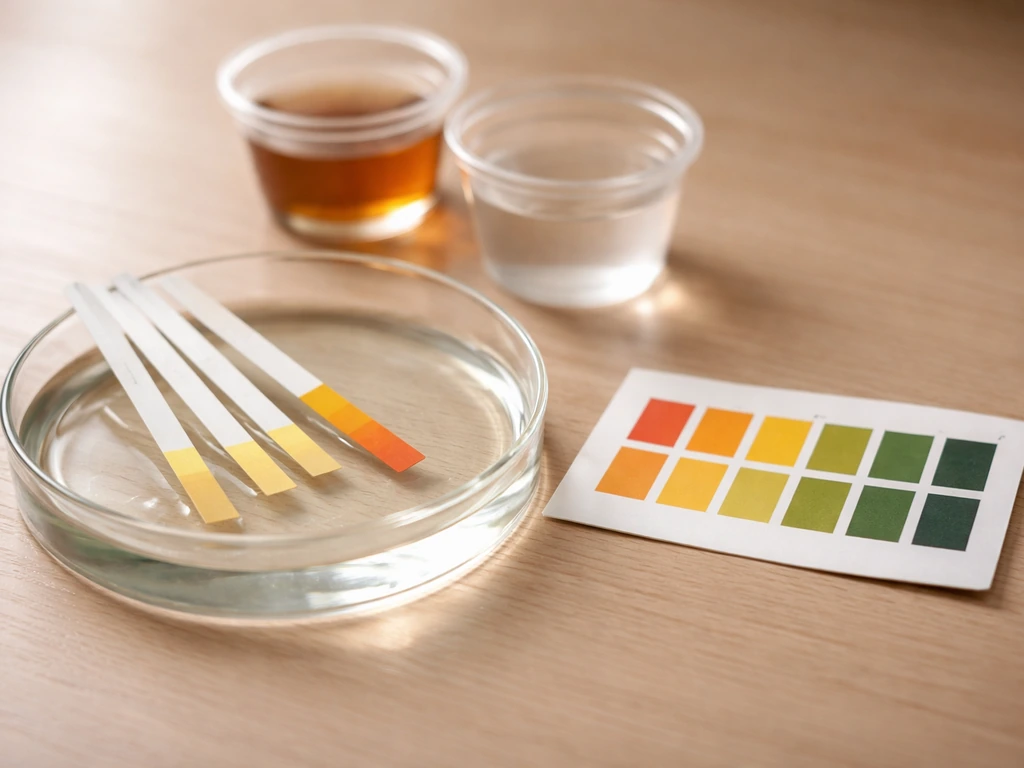
C. botulinum cannot grow in acidic conditions below pH 4.6. This means properly acidified pickles, most fruit jams with added acid, and foods naturally high in acid are protected. The danger zone is low-acid foods with a pH above 4.6, which includes most vegetables, meats, fish, and starchy foods. An important nuance: even if acidity stops growth and toxin production, it does not destroy preformed toxin that was already present. If someone added contaminated food to an acidic environment after toxin was formed, the acid would not neutralize it.
Salt, sugar, and moisture (water activity)
High concentrations of salt or sugar reduce the amount of free water available to bacteria, a measurement called water activity. C. botulinum growth is inhibited when water activity drops below about 0.935. Traditional salt-cured or heavily sugared preserves exploit this. However, lightly salted or lightly pickled foods, especially home-fermented ones, may not reach the concentration needed to be reliably protective, particularly if fermentation is incomplete or inconsistent.
Nutrients and substrate
Like all bacteria, C. botulinum needs organic nutrients to grow. Protein-rich and starchy low-acid foods (meats, fish, potatoes, corn, green beans) are ideal substrates. This is one reason home-canned vegetables are the most common source of botulism outbreaks in the United States, according to the CDC. Those foods are nutrient-rich, low-acid, and packaged in anaerobic conditions.
Which foods carry the highest risk
Not every refrigerated food is equally risky. The ones that matter most are those where anaerobic conditions, low acidity, and sufficient moisture overlap. Here are the categories worth knowing:
- Home-canned low-acid vegetables (green beans, beets, corn, carrots): the most common source of botulism outbreaks in the US. Pressure canning is required; water-bath canning is not sufficient to destroy spores in low-acid foods.
- Garlic or herbs stored in oil: creates a perfect anaerobic, low-acid environment. Even when refrigerated, non-proteolytic strains can still be active.
- Home-fermented foods with incomplete or improper fermentation: if salt concentration is too low or pH does not drop below 4.6 quickly enough, spores can germinate before the acid takes over.
- Vacuum-sealed fish and meat: removes oxygen, creating anaerobic conditions. Non-proteolytic type E is especially associated with fish and marine products.
- Foil-wrapped baked potatoes left at room temperature or improperly refrigerated: wrapping creates anaerobic conditions; if potatoes sit warm inside foil for hours, this is a recognized risk.
- Commercially canned foods with damaged or swollen containers: damage to the seal can allow spore survival and toxin formation.
Fermented foods deserve a focused note. Home fermentation is popular, but the botulism risk is real when salt concentration is not measured carefully, when jars are sealed too early (before pH drops sufficiently), or when ferments are stored in conditions that interrupt the process. The pH must reliably reach below 4. 6 for the food to be safe from botulism growth.
The topic of how C. botulinum specifically grows and what conditions it requires connects directly to understanding when fermentation-based preservation actually works as a safety barrier. If you want a clear answer to how clostridium botulinum grows, focus on the overlapping conditions like low oxygen, low acidity, and a supportive temperature range botulinum specifically grows. Understanding how an agrobacterium cell grow helps you compare general bacterial growth needs with what enables botulinum risk in the kitchen <a data-article-id="BCE23F60-D736-4C4D-8838-399371AF9D45">how C.
how does an agrobacterium cell grow. botulinum specifically grows.
Warning signs: when to throw food out
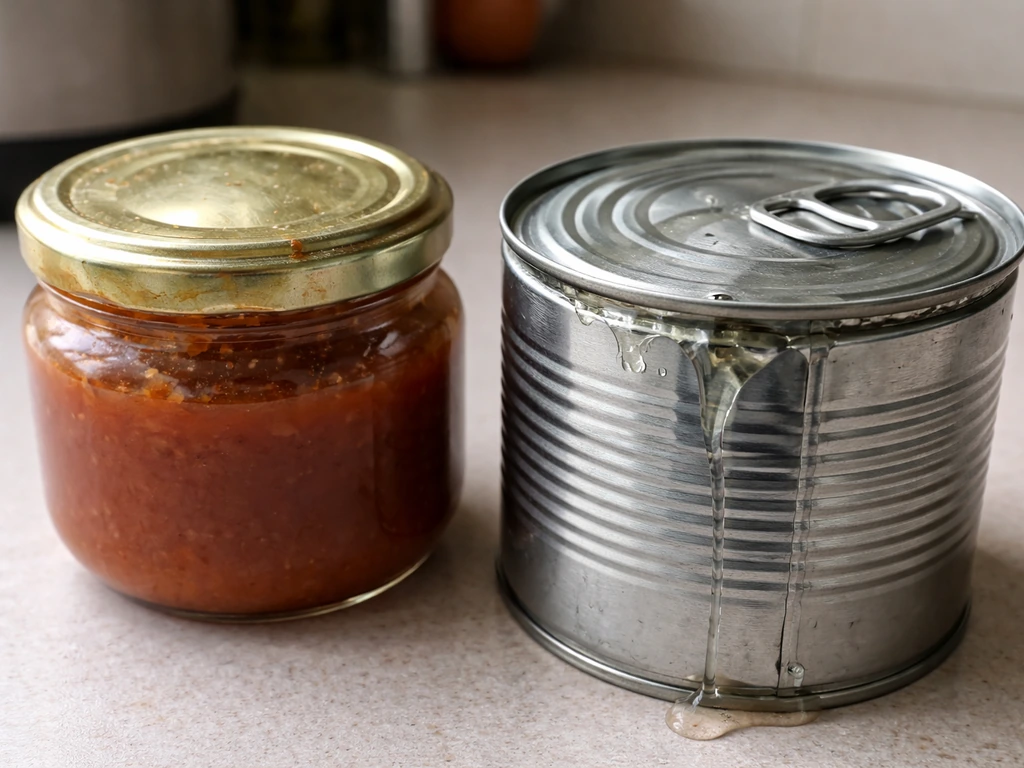
Here is the uncomfortable truth: you often cannot tell if botulinum toxin is present. The CDC is explicit that you cannot see, smell, or taste it. Normal-looking food can be lethally contaminated. That said, there are warning signs that indicate a container may be unsafe, and you should treat any of these as a reason to discard the food without tasting it.
- Swollen, bulging, or leaking cans or jar lids: gas production from bacterial activity can cause this, and any swelling is a potential toxin hazard.
- A container that spurts liquid or foam when opened: indicates gas buildup from microbial activity.
- Foul, unusual, or 'off' odor when opening a canned or sealed food.
- Milky or cloudy liquid around vegetables that should have clear liquid.
- Badly dented, cracked, or damaged containers where the seal integrity is compromised.
- Home-canned low-acid food that was not processed using USDA or NCHFP-tested recipes and methods.
- Any food where the origin, processing method, or storage history is unknown.
The critical rule: do not taste food to check if it is safe. Even a tiny amount of botulinum toxin can cause illness. If you suspect a container is unsafe, discard it carefully. The CDC recommends placing suspect containers in a heavy garbage bag, sealing it, and disposing of it where children and animals cannot reach it. If a large volume of potentially contaminated food has been distributed or if someone shows symptoms (double vision, drooping eyelids, difficulty swallowing, muscle weakness), contact state public health authorities immediately. Healthcare providers can access antitoxin through the CDC.
How to actually prevent botulism in your kitchen
Prevention comes down to controlling the conditions that allow C. botulinum to grow. Every step below targets at least one of those conditions.
- Keep your refrigerator at or below 40°F (4.4°C) using an actual thermometer. Do not rely on the built-in dial. Even a few degrees above the target temperature can allow non-proteolytic strains to become active.
- Use only USDA or NCHFP-tested recipes and processing times for home canning. For all low-acid foods (pH above 4.6), pressure canning at 240°F (116°C) is the only safe method. Boiling-water canning does not reach temperatures high enough to destroy spores in low-acid foods.
- Do not store garlic, herbs, or low-acid foods in oil at room temperature. If you make garlic-in-oil at home, refrigerate it and use it within a week, or better yet, follow a tested acidified recipe.
- For home fermentation, measure salt concentration accurately, keep fermentation temperatures consistent, and verify pH with a calibrated pH meter or strips before sealing or consuming.
- Boil home-canned low-acid vegetables for 10 minutes before serving, even if there are no visible signs of spoilage. This inactivates the heat-sensitive botulinum toxin (though it does not destroy spores). This is a secondary safety measure, not a substitute for proper canning.
- Never vacuum-seal raw garlic or low-acid foods and store them at room temperature. Refrigerate all vacuum-sealed low-acid foods and use them within a short time frame.
- Thaw frozen foods in the refrigerator, not at room temperature. If food was contaminated before freezing, thawing at room temperature creates ideal warm, anaerobic conditions for rapid toxin production.
- Do not store home-canned goods above 95°F or near heat sources like ovens or in direct sunlight. Even sealed containers can lose integrity or provide conditions for accelerated spoilage at elevated storage temperatures.
Practical answers to the questions people actually ask
Can botulism grow in the fridge?
Yes, under specific conditions. Non-proteolytic C. botulinum strains (types B, E, and F) can grow and produce toxin at refrigeration temperatures starting around 3 to 4°C (about 38°F). A study on nonproteolytic type B Clostridium botulinum reported outgrowth and toxin production at 3.3 to 5.6 °C 3 to 4°C. This is most relevant for vacuum-sealed fish, garlic-in-oil, and other low-acid, anaerobic refrigerated foods. A standard fridge at 40°F provides meaningful protection for most foods but is not an absolute safety barrier.
Can botulism grow in the freezer?
No, growth stops entirely at freezer temperatures. But freezing does not kill spores, and it does not destroy preformed toxin. If food was contaminated before freezing, that contamination is still present after thawing. Do not assume frozen food is safe just because it was frozen.
I read on Reddit that refrigerating garlic-in-oil is safe. Is that true?
Refrigeration reduces the risk compared to leaving it at room temperature, but it does not make it safe indefinitely. Because garlic-in-oil is low-acid and anaerobic, non-proteolytic strains can still slowly produce toxin in the fridge. The CDC and FDA recommend using commercially acidified garlic-in-oil products (which have tested acidity controls) or making fresh garlic-in-oil and using it within a week when refrigerated. Making it at home and treating it like a shelf-stable condiment is genuinely dangerous.
What can't refrigeration guarantee?
Refrigeration cannot guarantee safety for foods that were already contaminated with preformed toxin before being refrigerated, foods that were improperly canned or fermented and then moved to the fridge, vacuum-sealed low-acid foods stored for extended periods, or any food where the cold chain was interrupted during storage or transport.
FDA guidance discusses that specific temperature abuse combinations, including conditions related to product or packaging and temperature abuse, can favor Clostridium botulinum toxin formation temperature abuse combinations can favor Clostridium botulinum toxin formation.
Cold slows the biological clock, but it does not reset it. The idea that 'if it's been in the fridge it must be fine' is one of the most common and dangerous misconceptions around botulism risk. You also cannot use smell or appearance to confirm safety. The only reliable protection is starting with properly prepared food.
Does botulism risk on contaminated dishes connect to refrigerated food risk?
It can, indirectly. If dishes or utensils used to prepare food carry C. For that reason, keeping dirty dishes and utensils clean matters when handling low-acid, anaerobic foods that will be refrigerated botulinum spores. botulinum spores and are then used with anaerobic, low-acid foods that are refrigerated or sealed, cross-contamination is a plausible route to risk. Sanitation of surfaces and tools is part of the same prevention framework, not a separate concern.
FAQ
Does a vacuum-sealed bag or jar in the fridge eliminate botulism risk?
No. Removing oxygen creates an environment that can favor non-proteolytic strains (types B, E, F). If the food is low-acid and the temperature stays in the refrigerator range, toxin can still potentially be produced over time if contamination is present.
If my fridge is set to 40°F, is that automatically safe?
Not necessarily. Appliance dials can be inaccurate, and door shelves often run warmer. A refrigerator thermometer placed in the main storage area helps confirm you are consistently at or below 40°F, not just at the set point.
Can botulism grow in leftover foods like soups, rice, or baked potatoes stored in the fridge?
Those can be at risk if they are low-acid and are stored under anaerobic or low-oxygen conditions (for example, tightly sealed containers after contamination). Risk is much higher for foods that already meet the low-acid plus anaerobic overlap, but safest practice is prompt refrigeration and not keeping uncertain low-acid foods for long periods.
Why is garlic-in-oil called out separately, and what is the safest way to handle it at home?
Garlic-in-oil is low-acid and anaerobic, which satisfies key conditions for toxin production in the fridge. For homemade garlic-in-oil, the article advises using it within about a week, and commercially acidified products are safer because acidity controls are tested.
What about homemade fermented vegetables, can I “fix” them if I’m not sure fermentation worked?
If pH was not reliably brought below 4.6, the safety barrier for botulinum growth is missing. If fermentation quality is uncertain, you should not rely on taste or smell, since toxins are not detectable that way.
If a food smells or looks normal, is it safe from botulism?
No. Botulinum toxin cannot be confirmed by appearance, smell, or taste. If there are other safety red flags (for example, damaged seals on anaerobic packaging or suspected temperature abuse), discard it rather than trying to “check” it.
Should I taste-test a tiny amount to see if something is wrong?
No. Even a small amount of toxin can cause illness. If you suspect a container is unsafe, discard it without tasting and follow careful disposal steps to reduce exposure to others.
Does freezing make botulism toxin go away or become harmless?
Freezing stops growth but does not remove or neutralize preformed toxin, and spores can survive. If a food was contaminated before freezing, it can still be dangerous after thawing when the conditions support toxin formation.
How quickly would botulism become a problem in the fridge?
Timing depends on the strain and on how well conditions are met (temperature, pH, oxygen level, and moisture). Because some non-proteolytic types can produce toxin at refrigerator temperatures, waiting longer increases risk, so prolonged storage of improperly prepared low-acid anaerobic foods is a key problem.
Can I get botulism from touching or preparing food, not from eating it?
Direct ingestion is the main issue, but spores and contaminated particles can be transferred via hands, utensils, or surfaces. The article notes cross-contamination is plausible, so sanitize tools and keep raw-handling separate when dealing with low-acid anaerobic refrigerated foods.
What should I do if I suspect botulism after eating something refrigerated?
Do not rely on home remedies or “waiting it out.” Contact public health authorities or seek medical care promptly, especially if symptoms like double vision, drooping eyelids, swallowing trouble, or muscle weakness occur.