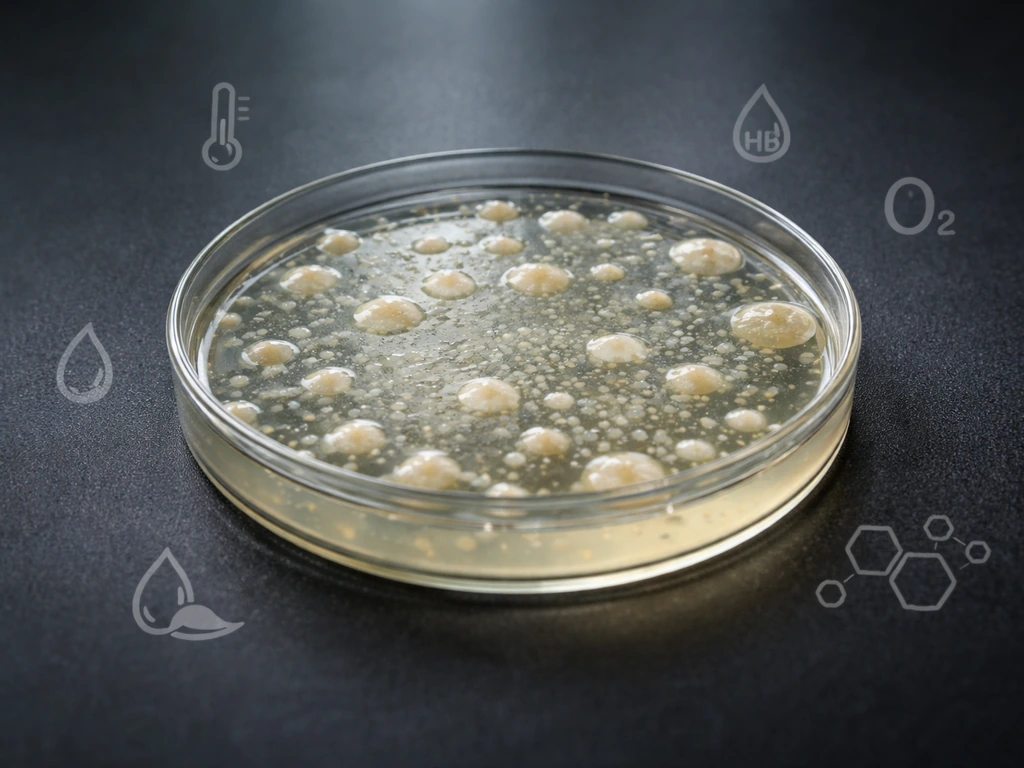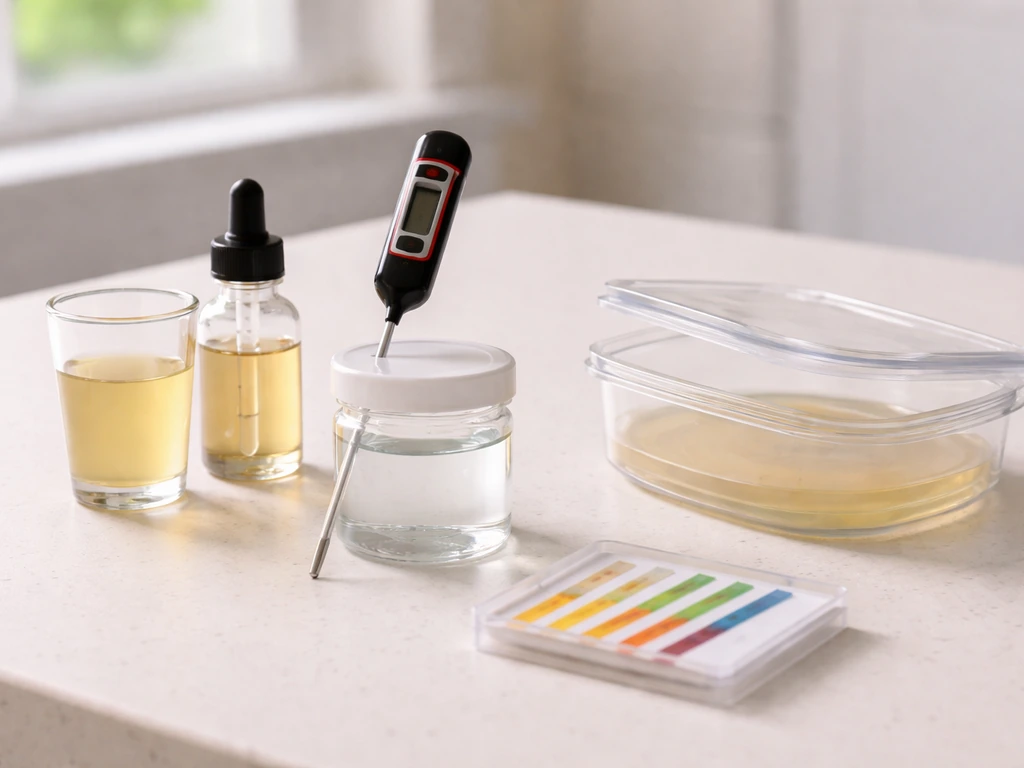
Bacteria grow fastest when they have warmth (roughly 40°F to 140°F), moisture, a neutral-to-slightly-acidic pH, available nutrients, and enough time. This helps answer the question of what germs need to grow, since most of their growth depends on the same handful of conditions. Remove or reduce any one of those conditions and you slow growth dramatically. That is the whole story in one sentence, but understanding why each factor matters is what lets you actually act on it, whether you are trying to keep food safe, figure out why your drain smells, or stop mold and bacteria from building up on a kitchen sponge.
What Helps Bacteria Grow and How to Slow It Down

Marcus Holloway
10 Jun 2026

The core growth checklist
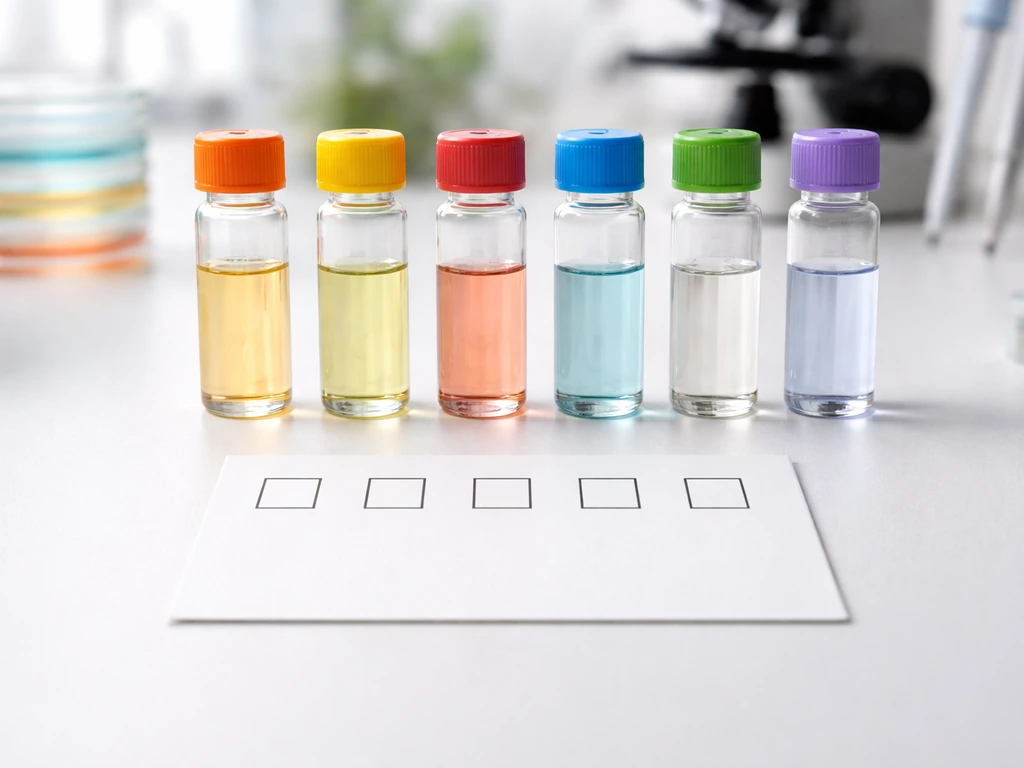
Microbiologists use the acronym FATTOM to summarize what bacteria need: Food (nutrients), Acidity (pH), Temperature, Time, Oxygen, and Moisture. Think of these as a checklist rather than a menu. Bacteria do not need all conditions to be perfect, but the more favorable each factor is, the faster populations grow. The relationship between these factors is also interconnected: a food left at room temperature in a humid environment with organic residue on a surface provides warmth, moisture, and nutrients all at once, which is why growth can get out of hand so quickly. Understanding each factor individually gives you specific levers to pull.
- Food (carbon, nitrogen, minerals, vitamins): bacteria need organic material to metabolize
- Acidity/pH: most pathogens prefer a near-neutral pH of around 6.5 to 7.5
- Temperature: peak growth for most human pathogens falls between 40°F and 140°F (4°C to 60°C)
- Time: bacterial populations can double in as little as 20 minutes under ideal conditions
- Oxygen: requirement varies by species; some need it, some cannot tolerate it, some do not care
- Moisture: high water activity (above 0.95) is typical in most fresh foods and supports rapid growth
Temperature: the single most powerful lever
Temperature is probably the factor people hear about most, and for good reason. According to the USDA, FDA, and CDC, bacteria multiply most rapidly in the range of 40°F to 140°F (4°C to 60°C). This is formally called the Temperature Danger Zone. At room temperature, around 68°F to 72°F, many common foodborne pathogens are close to their ideal growth range. A single bacterium can generate a colony of millions within a few hours if conditions stay favorable, since populations can double in as little as 20 minutes.
Above 140°F, heat begins to denature the proteins bacteria need to function, which is why cooking and holding food at high temperatures kills or suppresses most pathogens. Below 40°F, metabolic processes slow sharply, which is why refrigeration works. But refrigeration is not a kill step. FDA’s cooling food safety guidance discusses the [Temperature Danger Zone](https://www.
fda. gov/media/181882/download) and uses temperature/time controls during cooling, including example transitions from 135°F/70°F down to 41°F or less, to keep food out of the bacterial growth range. It is a slow step. Some bacteria, including Listeria monocytogenes, can still grow at refrigerator temperatures, which is why the FDA recommends keeping your fridge at or below 40°F and cleaning up spills promptly so slow-growing cold-tolerant bacteria do not accumulate.
It is worth noting that different species have different preferred temperature ranges. Thermophiles thrive above 113°F, mesophiles (including most human pathogens) peak between about 68°F and 104°F, and psychrophiles prefer cold environments. When people ask what helps bacteria grow, they usually mean the mesophile range, because those are the organisms most relevant to food safety and human health.
pH and acidity: how hostile environments slow bacteria down

pH is a measure of how acidic or alkaline an environment is, on a scale from 0 (very acidic) to 14 (very alkaline), with 7 being neutral. Most disease-causing bacteria prefer conditions close to neutral, typically a pH between 6.5 and 7.5. This is why fresh meat, cooked rice, dairy, and cooked vegetables (all near-neutral) carry higher food safety risk than, say, vinegar-pickled vegetables or lemon-dressed salads.
Acidity is actually one of the oldest preservation tools humans use. Lowering a food's pH to below 4.6 is a recognized control point in food science. The FDA's Code of Federal Regulations specifies that acidified foods must achieve and maintain an equilibrium pH of 4.6 or lower, because below that threshold, the germination of Clostridium botulinum spores into toxin-producing vegetative cells is prevented. In practical terms, this is why properly fermented pickles, hot sauces, and acidified condiments can be shelf-stable without refrigeration. The acid environment makes bacterial metabolism extremely difficult.
At home, acidity is a useful but often overlooked factor. Adding a squeeze of lemon to cut fruit will not sterilize it, but it does slow microbial growth compared to leaving fruit exposed and near-neutral. More importantly, understanding pH helps explain why certain foods are inherently higher risk: anything between pH 4.6 and 7.5, combined with warmth and moisture, is in a favorable growth window for most pathogens.
Oxygen and moisture: not all bacteria play by the same rules
Oxygen requirements vary more than most people expect
A common misconception is that all bacteria need air to grow. In reality, bacteria fall into several categories based on oxygen. Aerobes require oxygen and will not thrive in oxygen-depleted environments. Anaerobes cannot tolerate oxygen and actually die in its presence. Facultative anaerobes can work either way, thriving with or without oxygen depending on what is available. This matters in practice: vacuum-sealed food, improperly home-canned vegetables, or dense biofilms in drain pipes can all create low-oxygen zones that favor anaerobic species, including Clostridium botulinum.
Why wet environments almost always win
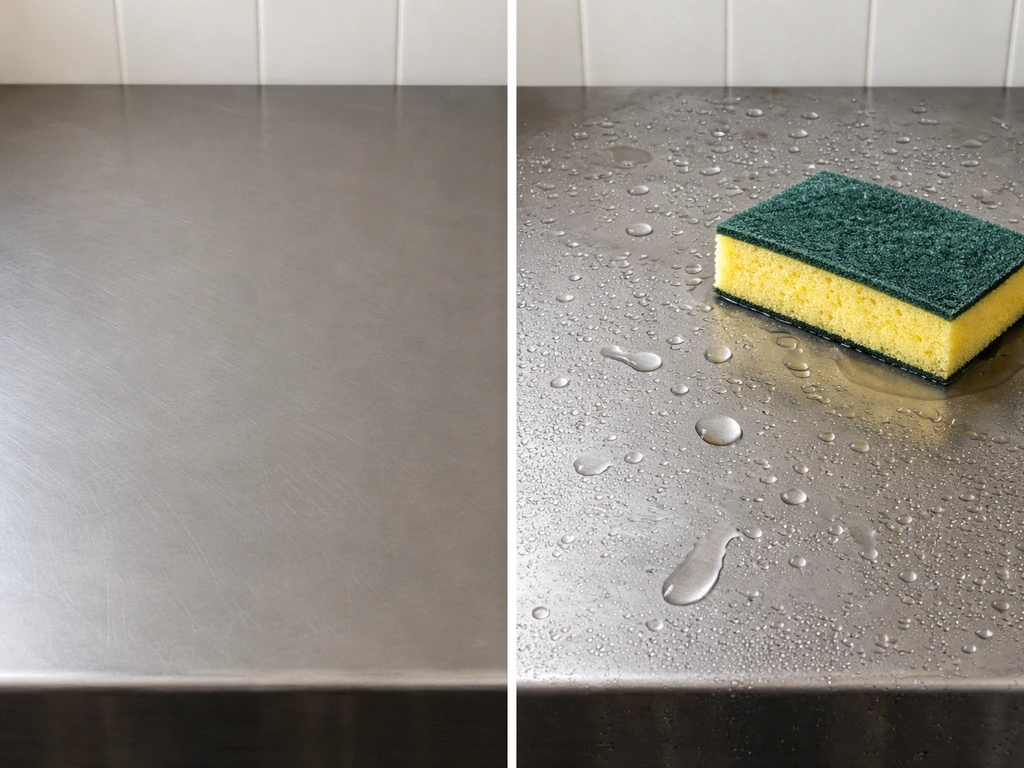
Moisture is measured in food science as water activity (aw), which runs from 0 (completely dry) to 1.0 (pure water). Most fresh foods have a water activity above 0.95, which is more than enough to support bacterial, yeast, and mold growth. FDA guidance confirms this. When water activity is controlled down to 0.85 or below, certain regulatory requirements no longer apply because the moisture level itself limits growth. Dried goods like crackers, pasta, and spices have low water activity, which is a major reason they stay shelf-stable for long periods without refrigeration.
The practical takeaway: damp surfaces, wet sponges, and pooling water near food preparation areas are among the highest-risk conditions in a home kitchen. Bacteria need water to transport nutrients across their cell membranes and run metabolic reactions. Take the water away and most bacterial activity stops. This is the entire principle behind drying, dehydrating, and salting as preservation methods.
What bacteria actually eat, and how biofilms change the game
Bacteria are not picky eaters. They metabolize carbon, nitrogen, minerals, and trace growth factors found in almost any organic material. Food residue on a cutting board, a thin protein film on a kitchen faucet, grease residue in a drain, even the organic matter in tap water can all serve as nutrient sources. The less organic residue present in an environment, the less fuel is available for bacterial growth.
One of the most important, and underappreciated, growth mechanisms in the home is biofilm formation. A biofilm is a community of bacteria that adhere to a surface and produce a slimy, glue-like protective matrix around themselves. The CDC explains that this matrix makes the bacteria inside extremely difficult to remove and protects them from disinfectants. Research has characterized domestic sink drain biofilms as a persistent habitat for potentially pathogenic bacteria, positioned right next to food preparation areas. Sponges are also well-documented biofilm reservoirs: food residues adhere during use, moisture stays trapped in the sponge structure, and the combination creates an ideal growth environment.
Biofilms are why just rinsing a surface does not eliminate bacterial risk. Physical scrubbing is needed to break up the matrix before disinfection can be effective. The CDC lists the presence of biofilm as one of the factors that most significantly reduces disinfection efficacy. You have to clean before you disinfect, not instead of it.
Practical steps to stop bacterial growth at home and in the kitchen
Knowing the biology makes the practical advice make much more sense. Here is how each growth factor maps to a real action you can take.
| Growth Factor | What Promotes Growth | What You Can Do |
|---|---|---|
| Temperature | Food left in the 40°F to 140°F danger zone | Refrigerate within 2 hours; keep fridge at or below 40°F; cook to safe internal temps |
| Moisture | Wet sponges, pooling water, damp surfaces | Dry surfaces after use; replace sponges weekly; fix drips and leaks |
| Nutrients | Food residue on surfaces, cutting boards, drains | Clean surfaces with soap and water before disinfecting; remove organic debris from drains |
| pH | Near-neutral foods left unprotected | Use acidification for preservation; prioritize temperature control for higher-pH foods |
| Oxygen | Anaerobic pockets in sealed or stagnant environments | Vent vacuum-sealed items appropriately; follow tested canning recipes precisely |
| Time | Allowing conditions to persist unchecked | Act within the 2-hour window for perishables; clean and dry surfaces after every use |
Cleaning and disinfecting: sequence and contact time matter
The EPA differentiates between cleaning (removing visible dirt and organic matter), sanitizing (reducing microbial counts on food-contact surfaces), and disinfecting (killing bacteria and viruses using registered chemical products). The order is not optional: cleaning must come first, because organic residue neutralizes disinfectants. The EPA also emphasizes contact time, meaning that a disinfectant must stay visibly wet on a surface for the full dwell time listed on its label, often 10 minutes for certain pathogens. Spraying and immediately wiping is not disinfection. For hand hygiene when soap and water are unavailable, the CDC recommends a sanitizer with at least 60% alcohol, applied and rubbed for about 20 seconds.
Drains and high-moisture spots need routine attention

Drains deserve special mention because most people ignore them. Research has characterized kitchen sink drain biofilms as complex microbial communities that sit right next to food prep zones and can contaminate sponges during use. The CDC recommends routine intervention to reduce biofilm accumulation in drains, including enzymatic cleaners, drain gels, or mechanical cleaning on a regular schedule, not just when there is a visible problem. Boiling water poured down a drain weekly is a simple starting point. The goal is to interrupt the biofilm cycle before it becomes established.
Diagnosing where growth is happening in your situation
If you are trying to figure out where unwanted bacterial growth is occurring, work through the FATTOM checklist for each area of concern. Bacteria need specific conditions to grow, which is why checking temperature, moisture, nutrients, and related factors helps you pinpoint the problem FATTOM checklist. Most common sources fall into a handful of categories.
- Leftover food or perishables: The first question is always temperature. Was the food left out for more than 2 hours? Was it cooled slowly in a large container? Is your refrigerator consistently at or below 40°F? A fridge thermometer (not the built-in dial) is the most reliable way to verify this. Cross-contamination risk, for example from raw meat dripping onto ready-to-eat food, is also a real concern and is addressed by storing raw meat on the lowest shelf in a sealed container.
- Kitchen sponges: Sponges are one of the most bacteria-dense objects in most homes. They provide moisture, nutrients, and protected surface area for biofilms. The practical fix is simple: replace sponges every week, let them dry fully between uses, and never use the same sponge to wipe a surface and a dish without rinsing thoroughly in between.
- Sink drains and traps: If your drain has a persistent odor or slimy coating, you are looking at a mature biofilm. Physical cleaning with a drain brush, followed by an enzymatic cleaner or a bleach-based drain treatment on a routine schedule, is the intervention. This is not a one-and-done task. Consistent maintenance is what keeps biofilms from re-establishing.
- Damp surfaces, cutting boards, and countertops: Any surface that stays wet and has organic residue is a growth environment. After preparing food, wash with dish soap, rinse, then apply an EPA-registered disinfectant at the correct dilution and let it sit for the full contact time. Then allow the surface to air-dry or dry with a clean cloth. Leaving a surface damp after disinfecting creates a moisture source for the next round of contamination.
- Humidifiers and HVAC systems: These circulate water and air through surfaces that are very difficult to clean thoroughly. The combination of warmth, moisture, and organic residue (dust, skin particles) makes them plausible growth sites. Follow manufacturer cleaning schedules, use distilled water where recommended, and replace filters on schedule.
The underlying principle across all of these scenarios is the same: bacteria are opportunists. They grow wherever conditions allow. Your job is to deny them as many favorable conditions as possible at the same time. Controlling temperature alone is very effective. Controlling temperature plus moisture plus nutrient removal is far more effective. The more factors you address simultaneously, the less bacterial growth you will see.
If you want to go deeper on any one of these factors, the biology behind what microorganisms need to grow, whether bacteria specifically need light to grow, or how these principles compare across bacteria, fungi, and other microorganisms are all worth exploring. Microorganisms also need the right balance of moisture, nutrients, temperature, oxygen, and pH to grow conditions that support growth. The core principles are the same: understand the conditions that support growth and you will always know which lever to pull.
FAQ
Does refrigerating food completely stop bacteria from growing?
Yes. Refrigeration slows growth but does not reliably stop it, and some species can still multiply slowly below 40°F. To reduce risk, keep the fridge at or below 40°F, store food in sealed containers, and limit time that leftovers sit at room temperature before cooling.
Will freezing stop bacteria permanently?
No, freezing is mainly a growth stop, not a true kill. Many bacteria can survive freezing and resume growth after thawing if food spends time in the temperature danger zone. Safe practice is to thaw in the refrigerator (or microwave with immediate cooking), then cook or refrigerate right away.
What are the most overlooked places bacteria can grow in a kitchen?
Warm, humid, and nutrient-rich does not just mean raw food. Sources include cooked rice, cut fruit, dairy, and even “clean”-looking surfaces with a film of organic residue. Sponges, dishcloths, sink drains, and wet countertops are common hidden nutrient reservoirs.
Can adding lemon juice or vinegar make food safe without cooking?
A squeeze of lemon or vinegar can lower surface pH enough to slow growth, but it does not sterilize and the effect depends on how much acid is used, how thorough the mixing is, and whether the rest of the FATTOM conditions (warmth, moisture, nutrients) remain favorable. For safety-critical situations, rely on tested preservation steps rather than “extra lemon.”
If I leave food uncovered, will bacteria be unable to grow because there is oxygen?
Air exposure matters, but it does not guarantee safety. Some bacteria thrive with oxygen, others do not, and several can grow in low-oxygen pockets such as inside thick soil, dense biofilms, or improperly packaged food. Use both cleanliness and correct storage temperature rather than relying on “letting it breathe.”
Why do some acidic foods still spoil or become unsafe?
Not always, because different microbes tolerate different pH ranges. “Slightly acidic” products can still allow growth if pH is above key thresholds or if the food is high in moisture and nutrients. Treat acidification as a process with targets, not just a taste level.
Why doesn’t disinfectant work after I only rinse or wipe?
Biofilm can form even when surfaces look clean. Rinsing removes loose debris but can leave the protective matrix behind, reducing the effectiveness of disinfectants. The fix is to clean to remove the film first, then disinfect and respect label contact time so the disinfectant stays wet long enough.
How long do I need to leave a disinfectant on a surface for it to work?
Use dwell time. Many common disinfecting failures happen when people spray and immediately wipe, which prevents sufficient contact. Also make sure the surface is pre-cleaned, since leftover organic residue can reduce disinfectant performance.
Why do drain treatments sometimes stop working after a few weeks?
Because warm temperatures and nutrients often co-occur in a “wet cycle.” For drains, the practical goal is to reduce biofilm before it matures, since mature biofilms are harder to remove. A regular schedule (not only when odors appear) plus mechanical or enzymatic intervention helps disrupt the cycle.
Can clean-looking tap water still contribute to bacterial spread?
Yes, water can be a nutrient source and a transport medium even if it seems clean. If tap water is used to rinse around food prep, contaminated splashes, dirty sink surfaces, and trapped moisture can spread microbes. Wipe up pooled water promptly and keep sponges and cloths dry between uses.
Does drying surfaces fully prevent bacterial growth?
Yes. Water removal targets the moisture factor, but coverage matters. A dry surface helps, yet moisture can persist in crevices, inside sponges, under sink edges, or around fridge door seals. Check for hidden dampness and dry them thoroughly to actually reduce water activity locally.