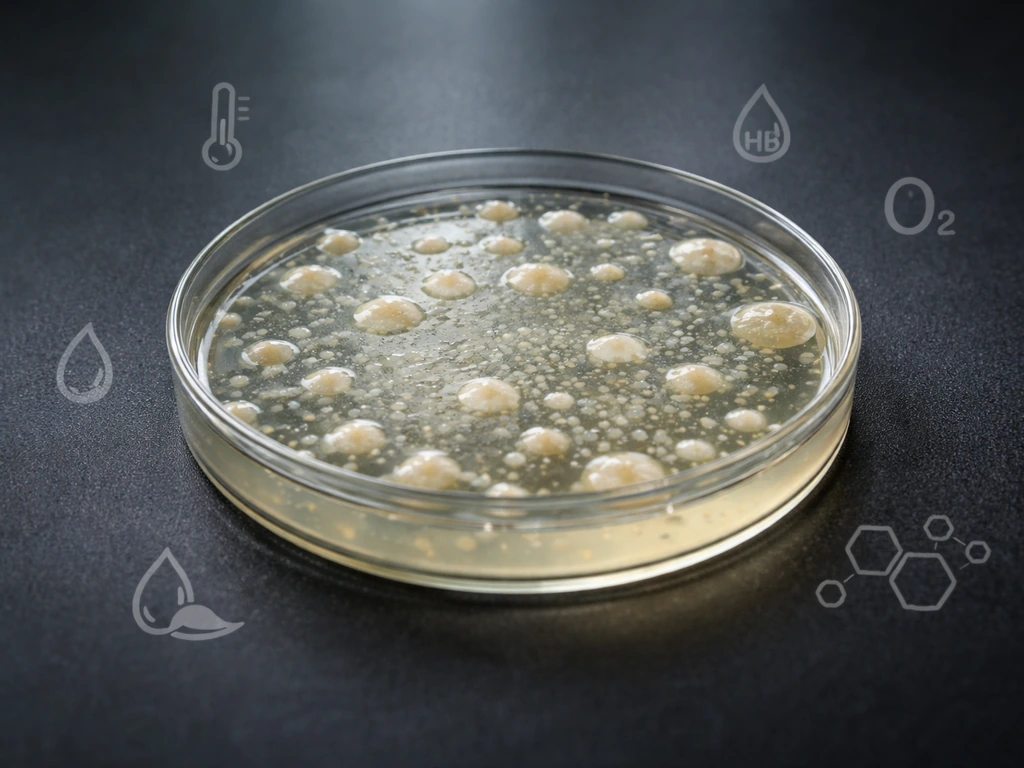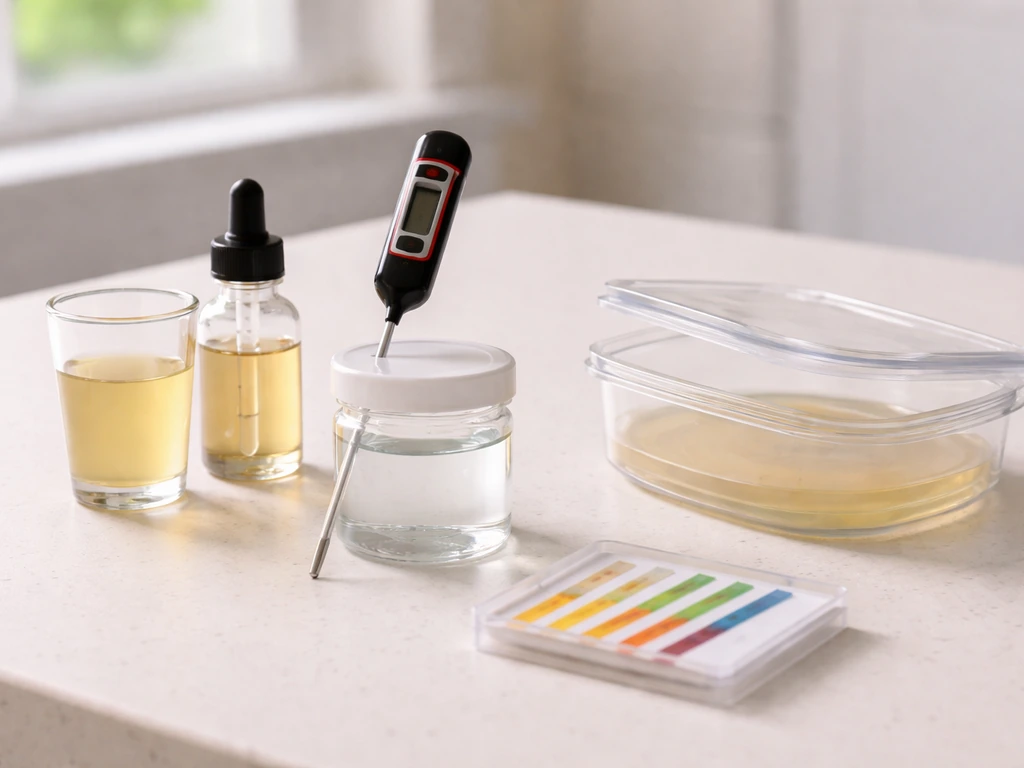
Most bacteria do not need light to grow. The overwhelming majority get their energy by breaking down chemical compounds, so they grow just fine in complete darkness as long as they have the right temperature, moisture, nutrients, and (for some) oxygen. Light only becomes essential for a specific minority called phototrophs, which use sunlight to drive their metabolism the way plants do. For everyday scenarios like food spoilage, water contamination, or bacteria on household surfaces, light has almost nothing to do with whether bacteria thrive or stay dormant.
Do Bacteria Need Light to Grow? When Light Matters

Marcus Holloway
23 Jun 2026
When light actually matters for bacterial growth

Light matters only for phototrophic bacteria, a group that uses light energy to power cellular processes. For these organisms, removing light can slow or stop growth entirely. Green sulfur bacteria, for example, are obligately anaerobic photoautotrophs that genuinely cannot grow without light because it is their only energy source. Purple sulfur bacteria form visible blooms in illuminated, low-oxygen zones of lakes where hydrogen sulfide accumulates. Take away the light, and those blooms collapse.
Outside of those specialist groups, light is essentially irrelevant to bacterial growth. Bacteria in your refrigerator, in a dark pipe, in soil under a rock, or inside your gut are all growing or persisting without any sunlight whatsoever. The misconception that 'bacteria need light' likely comes from conflating bacteria with plants, or from the fact that sunlight has some antimicrobial effects through UV radiation. But visible light itself is not a standard growth requirement, and UV light is more of a bacterial killer than a growth promoter.
Types of bacteria by how they handle light and energy
The cleanest way to understand this is through the concept of trophic strategy, which just means 'how does the organism get energy and carbon?' There are two big energy axes: phototrophs (light-driven) and chemotrophs (chemical-bond-driven). Within each, bacteria can be autotrophs (they make their own organic carbon from CO2) or heterotrophs (they need preformed organic compounds). That gives us four main categories, and only the phototroph groups rely on light.
| Category | Energy Source | Carbon Source | Light Required? | Examples |
|---|---|---|---|---|
| Photoautotrophs | Light | CO2 (inorganic) | Yes | Green sulfur bacteria, cyanobacteria |
| Photoheterotrophs | Light | Organic compounds | Yes (primary source) | Purple non-sulfur bacteria (in low O2) |
| Chemoautotrophs | Inorganic chemicals | CO2 (inorganic) | No | Nitrifying bacteria, sulfur oxidizers |
| Chemoheterotrophs | Organic chemicals | Organic compounds | No | E. coli, Salmonella, Staphylococcus, most pathogens |
The vast majority of bacteria you will encounter in a food safety or hygiene context are chemoheterotrophs. They get both their energy and their carbon from organic matter, whether that is a piece of chicken left on the counter or the organic film inside a water pipe. Light plays no role in their metabolism.
It is worth noting that some phototrophs are surprisingly flexible. Purple non-sulfur bacteria, for instance, can switch to aerobic chemoheterotrophy when oxygen is present, meaning they do not even need light if the chemical conditions are right. That kind of metabolic flexibility illustrates why 'does this organism need light?' is never a simple yes or no without also asking about oxygen, nutrients, and other conditions.
How bacteria actually get their energy
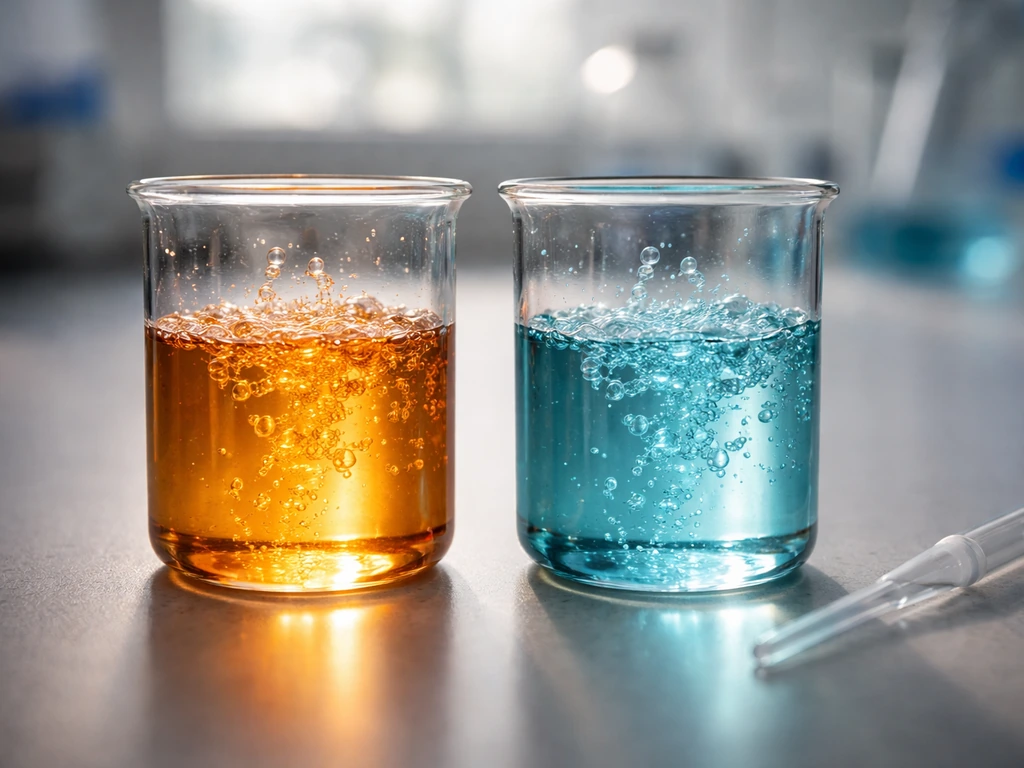
Chemoheterotrophic bacteria, the group that includes virtually all common pathogens and food-spoilage organisms, generate energy by oxidizing organic compounds through respiration or fermentation. Aerobic respiration uses oxygen as the final electron acceptor and is highly efficient. Anaerobic respiration and fermentation use other acceptors or internal organic molecules, which is why bacteria can thrive in sealed containers, deep in soil, or inside an animal's digestive tract where there is no oxygen at all, let alone sunlight.
Chemoautotrophs take a different route and get their energy from inorganic reactions, such as oxidizing ammonia, sulfur, or iron. Nitrifying bacteria in soil do exactly this, and they are active day and night regardless of sunlight. They are critical to nutrient cycling in agriculture, and light simply does not enter their energy equation.
Phototrophic bacteria, including cyanobacteria and the purple and green photosynthetic bacteria, use pigments to capture photons and drive electron transfer chains. Cyanobacteria use chlorophyll-like pigments similar to plants. Purple and green photosynthetic bacteria use bacteriochlorophylls and tend to operate under anaerobic conditions, meaning bacterial photosynthesis is often a light-dependent but oxygen-free process. There is also a fascinating case with Halobacterium halobium, an extreme halophile that uses a protein called bacteriorhodopsin as a light-driven proton pump to generate ATP. It is a completely different mechanism from chlorophyll-based photosynthesis, but it still depends on light as an energy input.
What actually controls bacterial growth (and why people confuse it with light)
When students or curious learners ask whether bacteria need light, what they are often really bumping into is the question of what conditions bacteria do need. The factors that genuinely make or break bacterial growth are temperature, moisture, nutrient availability, pH, and oxygen availability. Light is rarely on that list for most species. OpenStax similarly emphasizes that bacterial growth rate is influenced by other factors such as oxygen availability and depletion, rather than by light blank" rel="noopener noreferrer">Light is rarely on that list for most species..
- Temperature: Most foodborne pathogens grow most rapidly between 40°F and 140°F, a range the USDA calls the 'Danger Zone.' Doubling times can be as short as 20 minutes in ideal conditions. Refrigeration at or below 40°F slows growth significantly, and freezing at 0°F effectively halts it.
- Oxygen: Obligate aerobes need it; obligate anaerobes are killed by it; facultative anaerobes can handle both. Oxygen depletion in a sealed package or deep tissue limits aerobic growth no matter how much light is present.
- Moisture: Water activity (the availability of free water) is critical. Dried foods inhibit bacterial growth because bacteria need water to carry out metabolic reactions.
- Nutrients: Bacteria need a carbon source, nitrogen, phosphorus, and trace minerals. Rich organic environments like meat, dairy, or stagnant water support rapid growth. Nutrient-poor environments slow it.
- pH: Most pathogens prefer near-neutral pH (around 6.5 to 7.5). Acidic environments, like pickled foods, inhibit growth by disrupting enzyme function.
The confusion with light likely comes from a few sources. One is the plant analogy, since people know plants need sunlight and assume microbes do too. Another is the real but narrow truth that UV light kills bacteria, which gets mentally flipped into 'bacteria avoid light.' Visible light in ordinary indoor settings has very little antimicrobial effect. The third source of confusion is that some people observe mold or bacterial growth in damp, dark areas like cabinet undersides or pipe joints and incorrectly conclude darkness caused the growth, when really it was the moisture and warmth.
Growth in the dark vs. light: what lab and food tests actually show
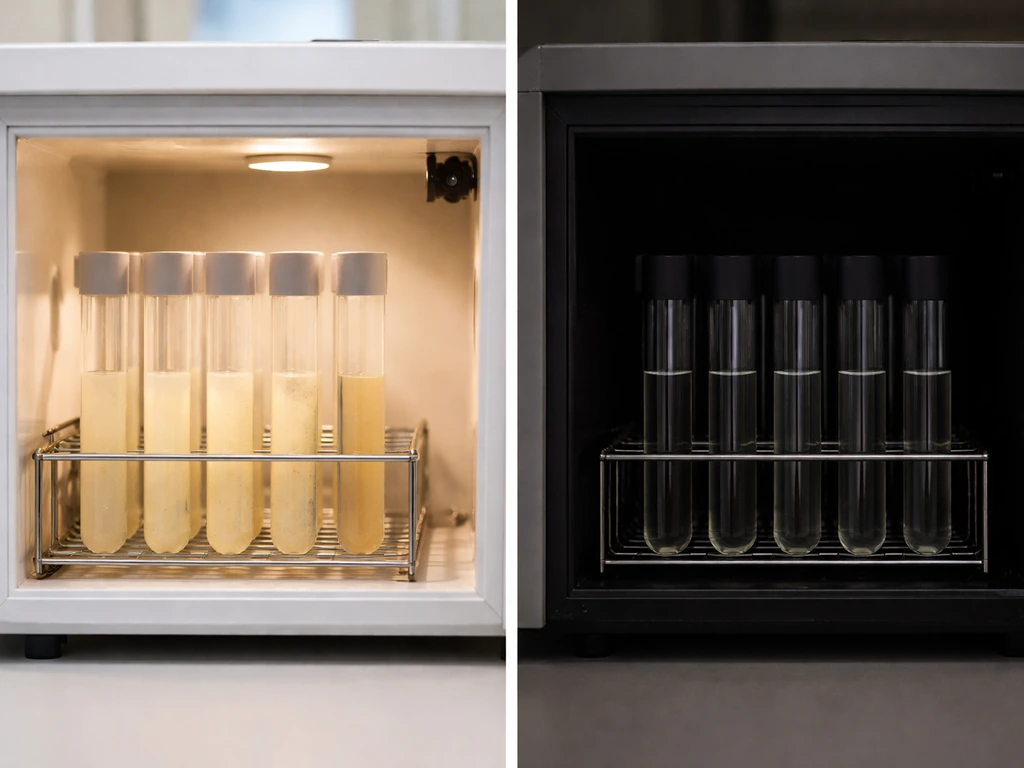
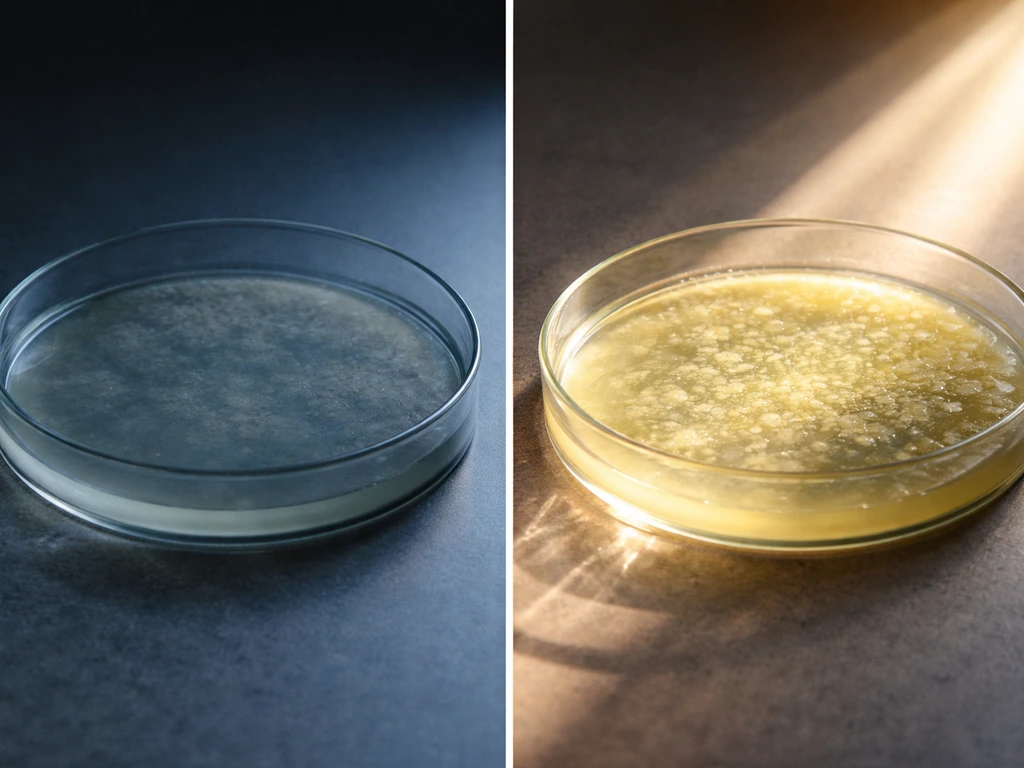
In a standard microbiology lab, incubators run 24 hours a day in artificially lit or completely dark conditions depending on what is convenient, and the organisms being cultured do not care either way. A plate of E. coli or Staphylococcus aureus grows identically in a dark incubator at 37°C as it would under a fluorescent light, because neither organism uses light for energy. The incubator's temperature, humidity, and the nutrients in the agar are what determine growth rate.
In food contexts, the same principle applies directly. A piece of cooked chicken left at room temperature (around 70°F) in a dark refrigerator that has lost power will develop bacterial growth within a few hours, while identical chicken stored at 38°F in a well-lit kitchen will remain safe for days. Temperature is doing all the work here. Light is irrelevant. The USDA and CDC guidance on food safety does not mention light exposure as a protective factor at all because it simply is not one for the bacteria that cause foodborne illness.
Photoautotrophic bacteria do show measurable differences between light and dark conditions. Studies of microbial mats in aquatic environments show that photosynthetic activity correlates tightly with light availability and that light can be attenuated to less than 5% of surface intensity within just a few millimeters of mat depth, effectively shutting down phototrophic layers below that threshold. So for research involving cyanobacteria or green/purple sulfur bacteria, light conditions are an experimental variable worth controlling carefully.
Real-world scenarios: surfaces, water, soil, and food
Household surfaces
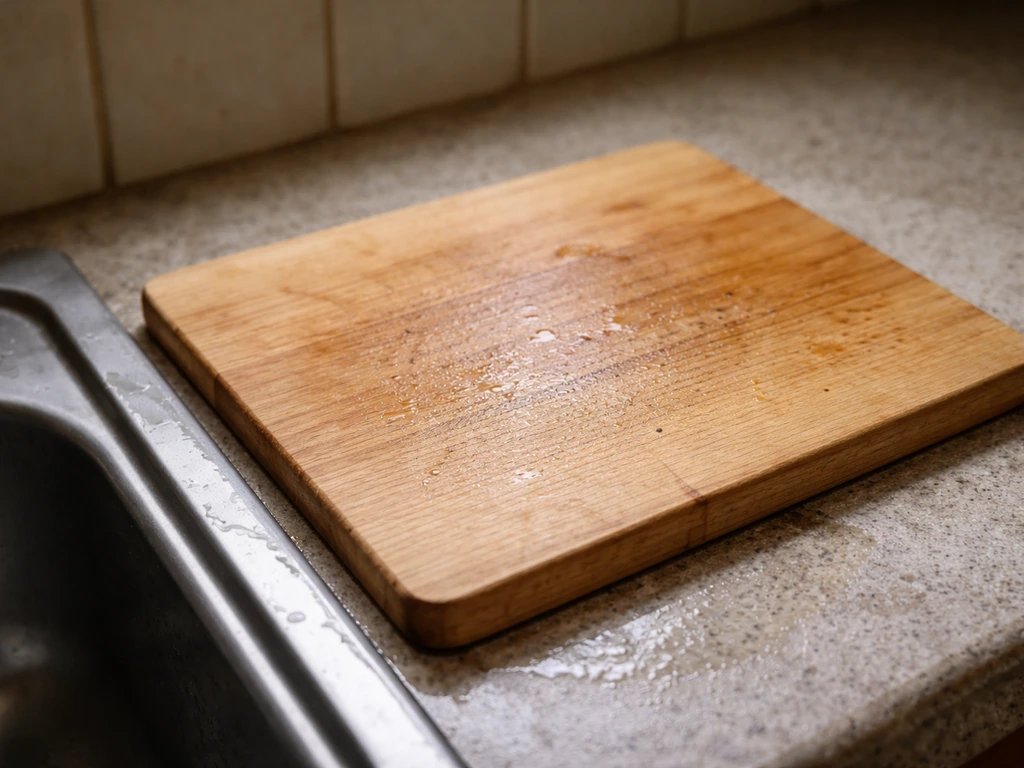
Bacteria on countertops, door handles, and cutting boards are almost entirely chemoheterotrophs. They persist and transfer regardless of lighting conditions. A kitchen counter wiped with a damp cloth and left in a warm, dark cabinet can accumulate bacteria just as readily as one left in sunlight. High-touch surfaces are flagged as contamination risks not because of light exposure but because of frequent contact and irregular cleaning. The practical takeaway: disinfect regularly and do not assume a well-lit room means a clean one.
Pipes and water systems
Dark pipes are genuinely good bacterial habitats, but not because of the darkness. They provide moisture, organic material from biofilms, and stable temperatures. The CDC has noted that pipe slime in water-using devices like humidifiers and showerheads can harbor illness-causing microorganisms. Cleaning and regular maintenance of water-contact surfaces matter far more than any light exposure in those spaces. If you are dealing with a humidifier or water reservoir, clean it with disinfectant and change water frequently rather than worrying about whether it is stored in a lit area.
Soil
Soil is one of the most bacterially dense environments on Earth, and most of that diversity lives in complete darkness below the surface. Chemoautotrophs and chemoheterotrophs dominate subsurface soil microbiology. Phototrophic organisms like cyanobacteria do colonize the soil surface where light is available, contributing to soil crust formation, but they are one layer of a far more complex microbial community that does not depend on light at all.
Food safety: the only factors you need to control
From a practical food safety standpoint, light exposure is not a variable worth managing. Temperature is the dominant control. Keep your refrigerator at or below 40°F and your freezer at 0°F. CDC advises keeping your refrigerator at 40°F or below and your freezer at 0°F or below to help prevent rapid bacterial growth in the Danger Zone Keep your refrigerator at or below 40°F and your freezer at 0°F. Do not leave perishable food in the Danger Zone (40°F to 140°F) for more than two hours total. Cook foods to safe internal temperatures to kill pathogens. None of this has anything to do with light, and no amount of light exposure will make improperly stored food safe.
How to reason through any real scenario
If you are trying to figure out whether light matters in a specific situation, here is a straightforward way to think about it. Start by identifying what kind of bacteria you are dealing with. If the concern is foodborne illness, contamination on surfaces, or infection risk, you are almost certainly dealing with chemoheterotrophs, and light is irrelevant. Ask instead: Is the temperature in the Danger Zone? Is there moisture? Is there organic material for nutrients? Are the oxygen conditions right for the specific organism? Those are the questions that actually predict whether bacteria will grow.
- Identify the growth context: Is this about food, a surface, water, soil, or a lab culture?
- Determine the energy strategy: Is the organism a phototroph (like cyanobacteria or green/purple sulfur bacteria) or a chemotroph (like virtually all pathogens and food-spoilage organisms)?
- Check the real growth drivers: Temperature (is it in the 40°F to 140°F Danger Zone?), moisture (is there free water?), nutrients (is there organic material?), and oxygen (does this species need it or avoid it?)
- Apply the light question only if phototrophs are involved: For phototrophic organisms, ask whether light is available and whether anaerobic conditions are present, since bacterial photosynthesis is typically a light-dependent, anaerobic process.
- Act on the controllable factors: For food, control temperature and time. For surfaces, clean and disinfect. For water systems, flush and disinfect regularly. Light management is not a practical control measure for bacterial growth in almost any real-world scenario.
Understanding why bacteria grow or do not grow is far more useful than memorizing rules. The same principles that explain why food spoils in a dark cupboard, why biofilms form in unlit pipes, and why phototrophic bacteria bloom only in sunlit water all come back to the same core biology: each organism's energy strategy determines what environmental inputs it needs. For the vast majority of bacteria, that strategy has nothing to do with light. This is part of a broader picture of bacterial growth requirements, including how factors like oxygen, pH, nutrients, and temperature work together to determine whether bacteria thrive in any given environment.
FAQ
If bacteria do not need light to grow, can they still grow in total darkness?
Yes, many bacteria survive and may even grow in the dark if they have a suitable carbon source and the right moisture and temperature. However, if the environment is nutrient-poor (for example, very dry surfaces) darkness and dryness together can slow activity, so it is usually the lack of accessible nutrients and water, not light itself, that limits growth.
Does putting bacteria in a bright room stop them from growing?
Visible light from indoor bulbs is generally not a reliable way to stop bacterial growth. What matters more is disinfectant use and cleaning frequency, because UV light, if present, can inactivate bacteria, while ordinary visible light typically does not reach DNA or strongly inhibit metabolism.
Are all “germicidal lights” effective against bacteria because they are light?
UV-C light (the wavelength used in some sterilization devices) can damage bacterial DNA, but that is different from “light” in general. If you are using a lamp for sanitation, check the wavelength and safety setup, because many consumer lights labeled “germicidal” are actually weak, shielded, or not UV-C.
Can bacteria grow without light inside biofilms?
Some bacteria form biofilms where cells are protected and can persist in low-oxygen and low-light microenvironments. In a biofilm, gradients develop (nutrients, oxygen, and sometimes light penetration), so even if surface layers are inhibited, deeper layers may remain metabolically active.
Does freezing in the dark kill bacteria, or just pause them?
A dark freezer does not “starve” bacteria with darkness. Freezing primarily stops metabolic processes by limiting water mobility, so bacteria are mostly preserved rather than eliminated. When thawed, survivors can become active again if they have not been killed by heat or proper refrigeration time limits.
If a bacterium needs oxygen, does that automatically mean it also needs light?
Not necessarily. Some bacteria are inhibited by oxygen (anaerobes) and do better in low-oxygen conditions, regardless of lighting. Metabolism depends on both energy source and electron acceptor availability, so “no light” does not automatically mean growth is possible or impossible.
Are phototrophic bacteria always unable to live in the dark?
It depends on the specific organism. Phototrophic bacteria require light energy for their phototrophic metabolism, but some species can switch to chemical-based energy pathways when oxygen and nutrients allow. That is why a “light-dependent” label does not always mean absolute survival without light in every environment.
Why do bacteria seem to grow in dark bathrooms or under sinks if light is irrelevant?
Yes, you can see growth in dark places, but the growth is usually explained by warmth, moisture, and available nutrients. For example, under-sink pipe joints or damp cabinet corners support bacterial activity because of persistent moisture and organic buildup, even though the area is unlit.
When does light actually become a critical factor for bacterial growth?
Light can be an important variable in research, especially for photosynthetic microbes in mats or aquatic biofilms, because light attenuates with depth. In contrast, for typical household or food-safety situations, you usually care about temperature, moisture, and time in the temperature “Danger Zone,” not light exposure.
How can I tell in a real-life situation whether light matters for the bacteria I’m dealing with?
The correct first step is to identify the energy strategy of the bacteria you are worried about. If the context is food spoilage, contamination on surfaces, or infection risk, assume chemoheterotrophs unless there is a specific reason to suspect phototrophs, then focus on temperature, moisture, nutrients, pH, and oxygen conditions instead of light.