Germs need five things to grow: nutrients to feed on, moisture to carry out chemical reactions, a suitable temperature, the right pH range, and (for some) the right amount of oxygen. Take away any one of those, and you either slow growth dramatically or stop it entirely. That is the whole principle behind refrigeration, pickling, drying food, and washing your hands. The rest of this article explains exactly how each factor works, why it matters, and what you can do about it.
What Do Germs Need to Grow? Nutrients, Water, Temp, pH, Oxygen

Marcus Holloway
17 Apr 2026
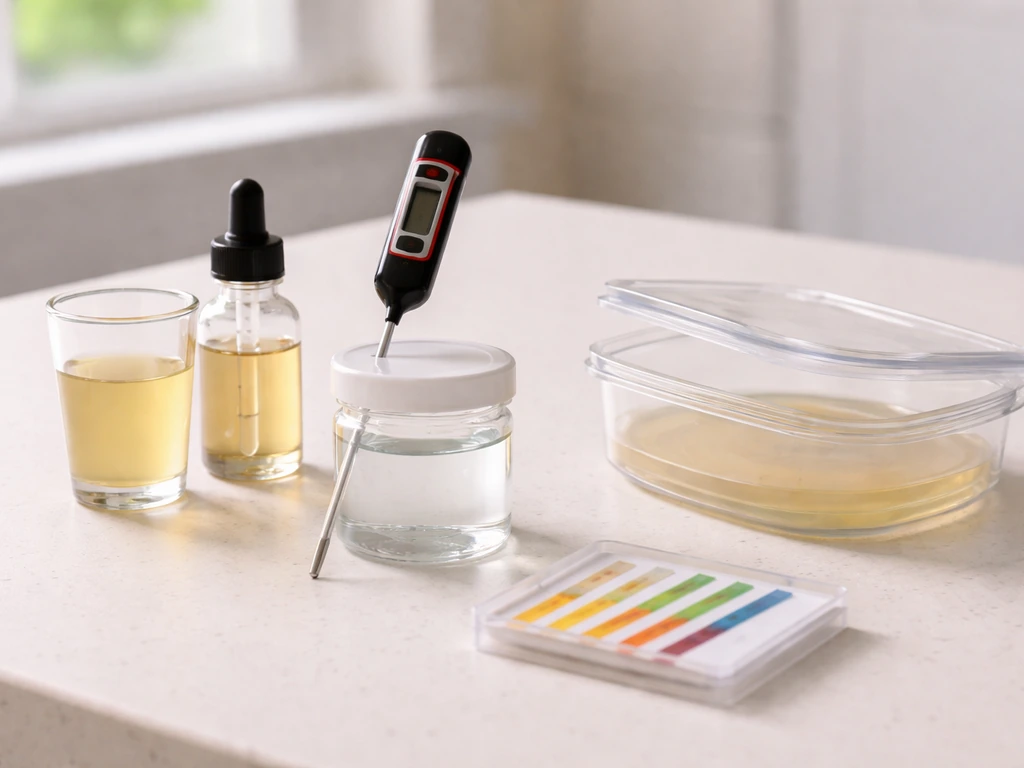
Basic requirements for microbial growth
Bacteria, fungi, and other microorganisms are living things, which means they follow the same basic biological rules as every other living thing: they need raw materials, energy, and a stable enough environment to reproduce. When people talk about "germs," they are usually bundling together bacteria, mold, yeast, and sometimes viruses into one mental category. Viruses are a special case because they are not technically alive in the same sense and cannot replicate on their own outside a host cell. The organisms that do grow and multiply on surfaces, in food, and on your skin are primarily bacteria and fungi, and their requirements overlap enough that the same control strategies tend to work across the board.
Think of microbial growth requirements as a checklist. An organism needs every item on the list, not just most of them. If your kitchen counter is warm and moist but there are no nutrients present, bacteria are not going to thrive there. Conversely, a nutrient-rich food left at room temperature with plenty of moisture becomes a perfect growth environment almost immediately. understanding what microorganisms need to grow helps you see why one small change in conditions can shift a safe environment into a dangerous one surprisingly fast.
Nutrients: what germs need to feed on
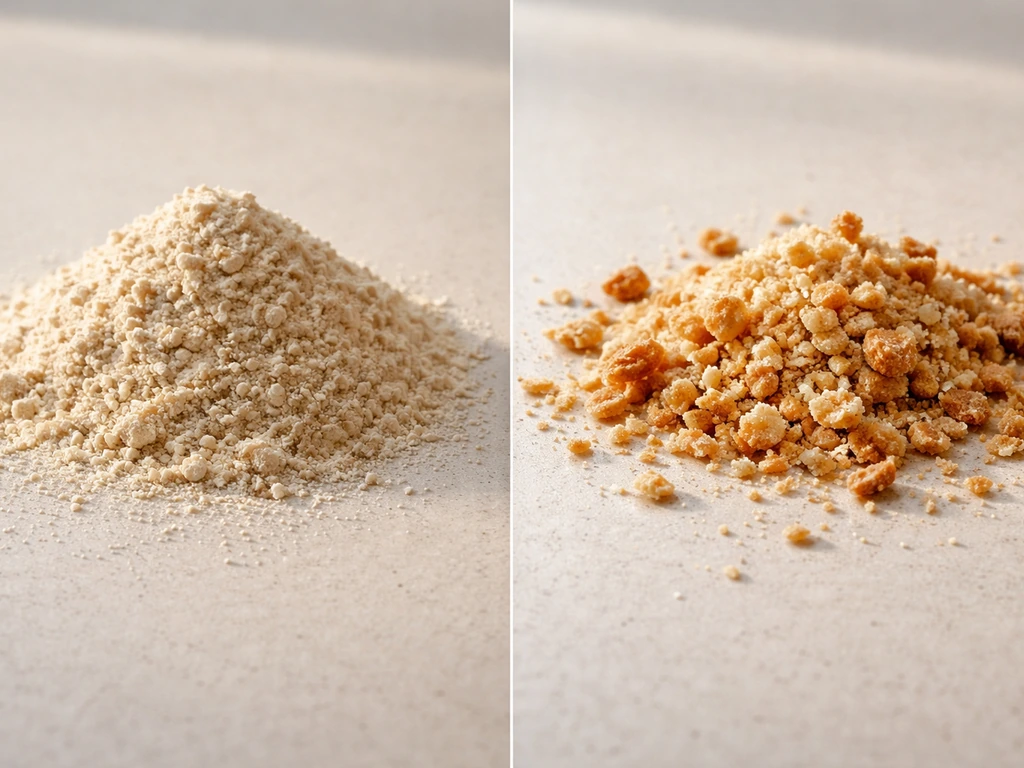
Microorganisms need carbon, nitrogen, water, and a range of minerals to build new cells and generate energy. In practical terms, this means anything containing protein, carbohydrates, or fat is a potential food source. Cooked chicken, dairy products, cooked rice, cut fruit, and leafy greens all qualify. That is why the foods most associated with foodborne illness are not crackers or dried pasta but moist, protein-rich foods that give bacteria both nutrients and water in one package.
Fungi like mold and yeast are slightly more flexible. Mold can digest complex carbohydrates that bacteria struggle with, which is why you find it growing on bread and fruit rinds. Yeast prefer simple sugars. Bacteria span an enormous range: some can metabolize almost anything organic, while others are specialists with narrow diets. What almost all of them share is a preference for pre-digested, bioavailable nutrients, which is why cooked and processed foods spoil faster than raw whole foods in many cases.
From a hygiene standpoint, removing nutrients is one of the most underrated strategies. A surface that looks clean but has a thin film of grease or food residue still has the nutrient base that supports growth. This is why soap works so well: it does not just kill germs mechanically, it also strips away the organic material they rely on. The CDC is clear that in most everyday situations, cleaning with soap and water removes the majority of germs on surfaces, and disinfection with a chemical agent handles whatever is left.
Moisture and water activity (dry vs wet)
Water activity, abbreviated aw, is the measure microbiologists use to describe how much water is actually available to microorganisms in a given substance. It runs on a scale from 0 (bone dry) to 1.0 (pure water). Pure water itself is 1.0; most fresh foods sit above 0.95, which the FDA notes is high enough to support growth of bacteria, yeasts, and mold. Dried pasta might have an aw of 0.60, which is far too dry for most organisms to do anything useful.
The USDA identifies 0.86 aw as a meaningful threshold for low-acid foods: above that level, combined with a pH above 4.5, bacterial risk becomes a real concern. The FDA uses 0.85 aw as a regulatory boundary to distinguish between different canned food categories. These numbers are not arbitrary; they reflect the minimum water availability that most dangerous pathogens need to grow and, critically, to produce toxins.
This is why drying food works as a preservation method. Salt and sugar also lower water activity by binding free water molecules and making them unavailable to microbes, which explains why heavily salted or sugared foods last so much longer than their unsalted counterparts. For surfaces at home, the same principle applies: a dry cutting board after washing is far less hospitable than a damp one left sitting on the counter. Drying is not glamorous, but it is genuinely effective.
Temperature and environmental conditions
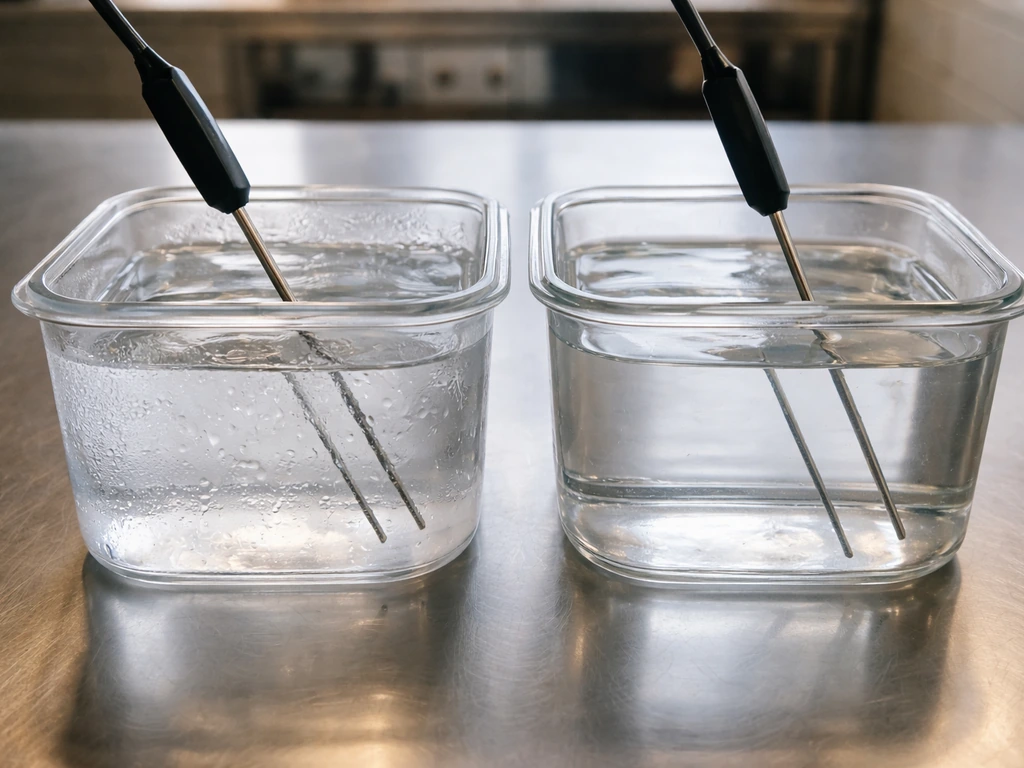
Temperature is probably the growth factor people already know the most about, but the details matter more than the general idea. Most foodborne pathogens thrive in what the USDA Food Safety and Inspection Service calls the "Danger Zone": 40°F to 140°F (4°C to 60°C). Inside that range, bacteria can double in number in as little as 20 minutes under ideal conditions. Outside that range, growth slows sharply or stops.
Refrigeration at or below 40°F slows bacterial growth significantly, but it is important to know what refrigeration does not do. It does not kill bacteria. Organisms are still alive at 38°F; they are just operating very slowly. A common misconception is that cold storage makes food permanently safe. It does not. The WHO notes that microbes begin to multiply again as soon as cooked food cools to room temperature, and the FSIS reinforces that refrigeration limits rapid multiplication but does not sterilize food.
Some organisms, called psychrotrophs (also known as psychrotolerant bacteria), actually prefer cooler temperatures and can grow slowly even inside a refrigerator at around 4°C. Listeria monocytogenes is a well-known example. This is part of why refrigerator hygiene still matters even though cold storage greatly reduces overall risk. the conditions that help bacteria grow more actively involve not just warmth but the combination of warmth plus other favorable factors all being present at once.
On the high end of the temperature scale, heat above 140°F begins killing most vegetative bacteria, which is why cooking food to safe internal temperatures is effective. Spore-forming bacteria like Clostridium botulinum are a harder case: their spores can survive boiling water, which is why pressure canning uses higher temperatures to address that specific risk.
pH and chemical environment
pH measures acidity on a scale from 0 (extremely acidic) to 14 (extremely alkaline), with 7 being neutral. Most dangerous bacteria grow best in the pH range of roughly 6.5 to 7.5, close to neutral. Drop the pH below 4.6, and you create an environment too acidic for most pathogens to survive or produce toxins. This is the scientific basis for pickling and acidification as preservation methods.
The FDA defines acidified foods as low-acid foods brought to a finished equilibrium pH of 4.6 or below with a water activity above 0.85. That pH threshold of 4.6 is specifically tied to Clostridium botulinum: at pH 4.6 or lower, NC State Extension notes that the organism cannot grow or produce its toxin. This is why home canning guidelines are so strict about measuring pH in pickled and acidified products.
One important nuance: keeping pH at or below 4.6 stops botulinum, but it does not prevent every possible microbial pathogen. Some acid-tolerant organisms, including certain molds and yeasts, can still survive and even grow at lower pH values. Acidification is a powerful tool, but it works best as part of a combined approach alongside temperature control and moisture management.
Oxygen needs (aerobic, anaerobic, and tolerant)
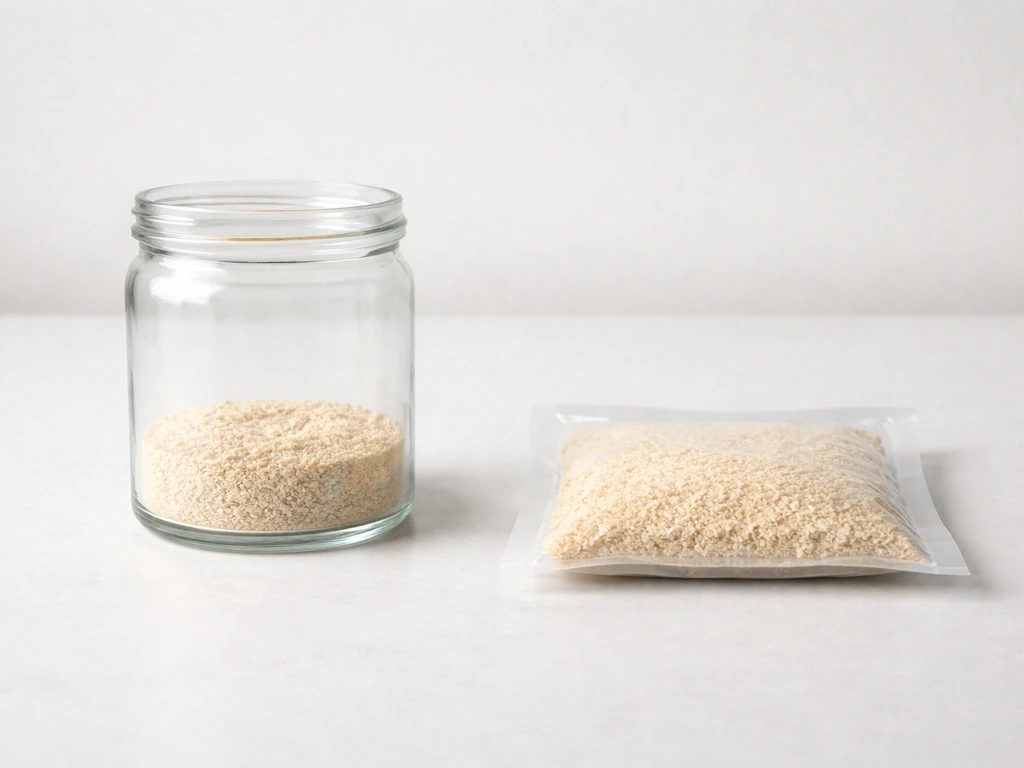
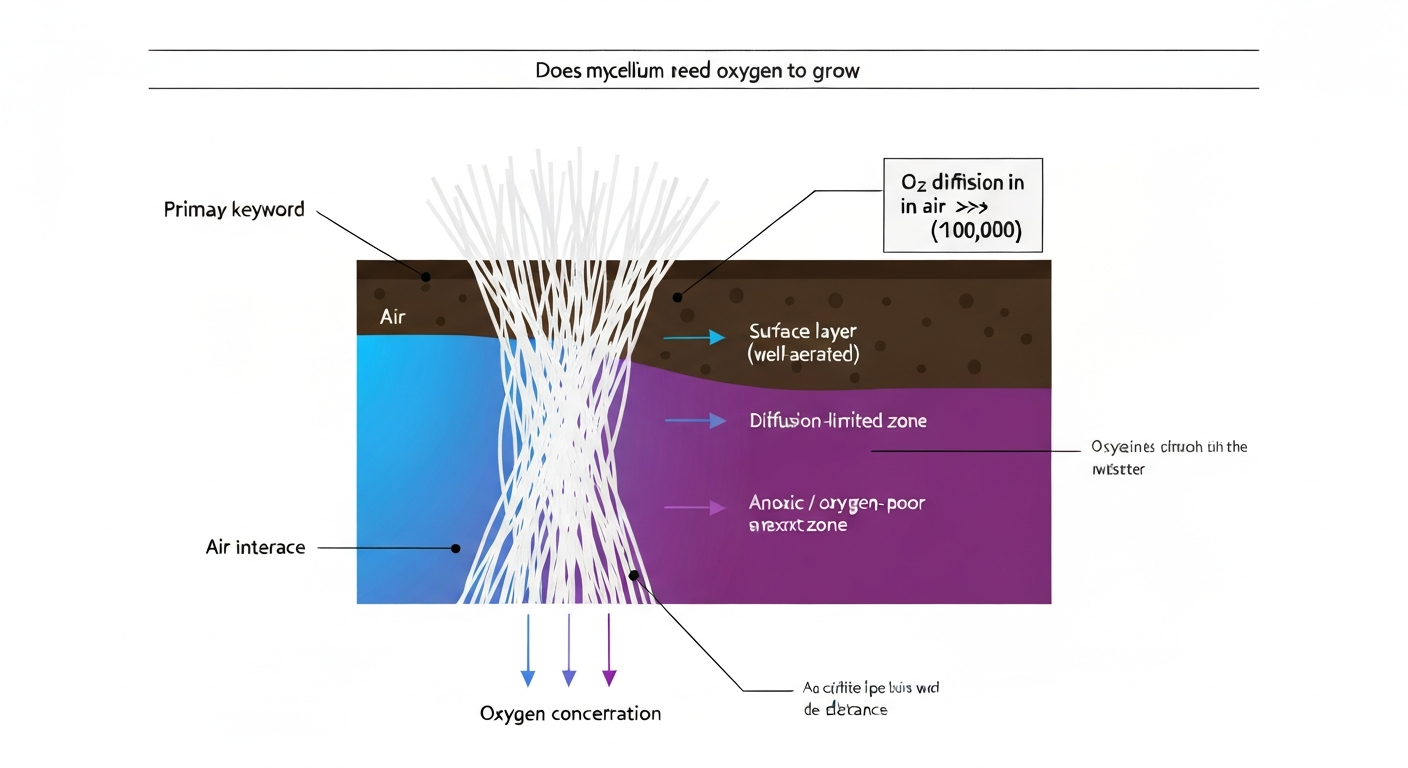
Oxygen requirements are where microbiology gets genuinely interesting, because germs do not all agree on whether oxygen is helpful or toxic. Aerobic organisms need oxygen to grow. Anaerobes either cannot tolerate oxygen or actively grow better without it. Facultative anaerobes, which include many of the most common foodborne bacteria like E. coli and Salmonella, can switch between the two and grow with or without oxygen. Then there are microaerophiles, which need some oxygen but are damaged by the normal atmospheric concentration.
This diversity has real consequences. Vacuum-sealed food removes oxygen, which stops aerobic spoilage organisms, but it can actually create a more favorable environment for dangerous anaerobes like Clostridium botulinum, which thrives precisely when oxygen is absent. This is why vacuum sealing is not a complete food safety solution on its own: it needs to be combined with either refrigeration, acidification, or both.
Microbial communities add another layer of complexity. NCBI research shows that aerobic and facultative organisms in a mixed community can consume available oxygen, lowering local oxygen concentrations and inadvertently creating conditions that support anaerobic growth nearby. This is relevant in environments like the gut, chronic wounds, and soil, where different organisms create microenvironments within the same larger system. whether bacteria need light to grow is a separate question from oxygen, but both fall under the broader idea that different organisms have evolved to exploit wildly different environmental niches.
For everyday food safety, the practical takeaway on oxygen is to avoid assuming that removing air equals removing risk. Canned and vacuum-sealed foods still require appropriate pH, water activity, and temperature control to be safe.
How these requirements explain real-world outcomes (disease, food spoilage, hygiene)
Once you understand the five growth requirements, a lot of confusing food safety advice suddenly makes sense. Why does leftover rice cause so many foodborne illness cases? Because cooked rice is moist, nutrient-rich, near-neutral in pH, and often left at room temperature long enough for Bacillus cereus to multiply. Why does vinegar-based salad dressing not need refrigeration but a creamy dressing does? Because the vinegar drops the pH below the threshold where most pathogens thrive, while mayonnaise-based dressings have a higher pH and higher water activity.
Food spoilage and disease are really just two outcomes of the same process: microbial growth. Spoilage organisms produce off-flavors, slime, and gas. Pathogenic organisms can produce toxins or cause infection without any visible or olfactory warning, which is why "smells fine" is not a reliable safety test. what bacteria specifically need to grow in terms of detailed nutrient and environmental requirements explains why the same piece of chicken can be either perfectly safe or dangerous depending entirely on how it was stored.
On the hygiene side, handwashing with soap is effective for a combination of reasons. Soap physically disrupts microbial membranes, but the scrubbing action also mechanically dislodges organisms and removes the organic material (oils, proteins) that germs use as nutrients and as protection. The CDC describes this as a form of mechanical removal: you are not just killing germs, you are literally washing them away along with their food source. That is why the CDC recommends soap and water over hand sanitizer when hands are visibly dirty or greasy, because sanitizer kills but does not remove.
Cleaning surfaces operates on the same logic. Soap and water removes most germs along with the nutrient film they rely on. Disinfection with a chemical agent kills the remainder. The CDC draws a clear distinction between these two steps: cleaning first, then disinfecting. Skipping the cleaning step and going straight to disinfectant is less effective because the organic residue physically shields organisms from the chemical. Both steps matter, and in that order.
Controlling growth in practice
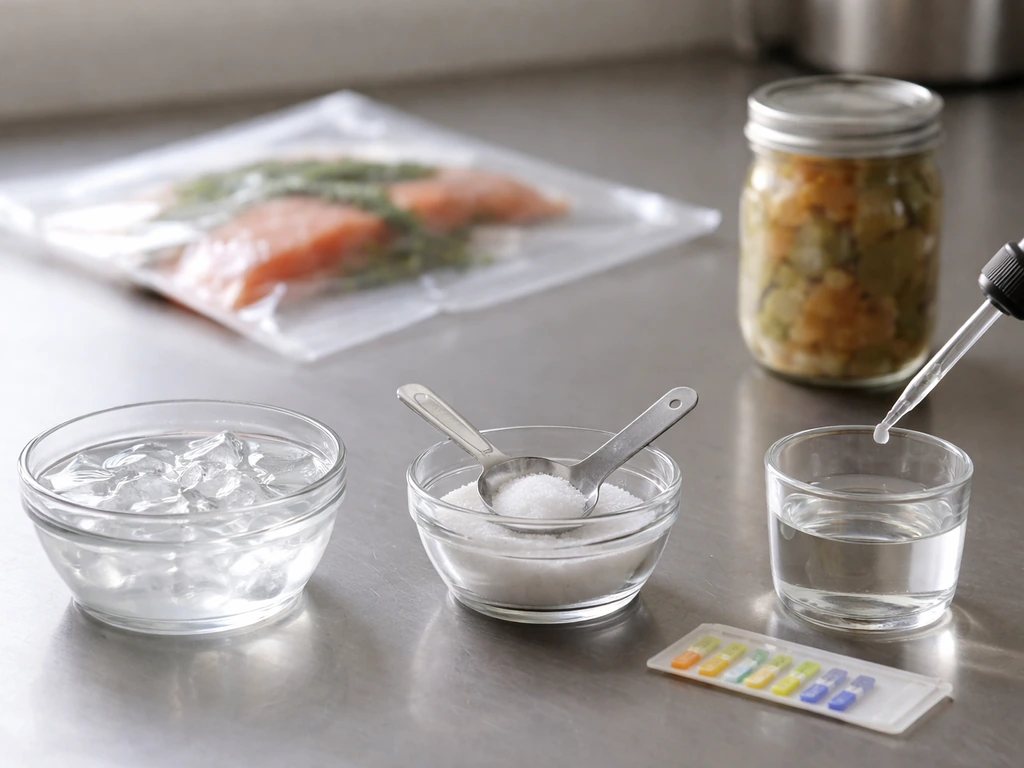
If you want to stop or slow microbial growth, you target the requirements. You do not need to eliminate all five simultaneously: taking away even one critical factor is usually enough to stop active growth. Here is how that plays out across the most common situations:
| What you want to control | The factor it targets | How it works |
|---|---|---|
| Refrigerating food at ≤40°F | Temperature | Slows enzymatic reactions inside bacterial cells; does not kill but prevents rapid multiplication |
| Pickling or adding vinegar | pH | Drops pH below 4.6, stopping most pathogens including Clostridium botulinum from growing or producing toxin |
| Drying or salting food | Water activity (moisture) | Reduces available water below levels needed for most microbial activity |
| Washing surfaces with soap and water | Nutrients + mechanical removal | Strips away the organic film that germs use as a food source and physically removes organisms |
| Cooking to safe internal temperatures | Temperature | Kills vegetative bacteria; high-pressure processing needed for heat-resistant spores |
| Vacuum sealing (with other controls) | Oxygen | Eliminates aerobic spoilage but must be paired with refrigeration or acidification to control anaerobes |
The most important mindset shift is treating these factors as a system rather than isolated tricks. Refrigeration is powerful but not absolute. Acidification is powerful but has limits. Combined, they cover each other's weaknesses. Every effective food preservation method and every hygiene protocol you encounter is essentially a strategy for taking away one or more of the conditions that germs depend on to grow.
FAQ
If germs need all five things to grow, why can food still become unsafe even when I’m doing one good step (like refrigerating)?
You can slow growth by changing just one requirement, but for real-world safety you usually need multiple layers. For example, refrigeration slows growth but does not sterilize, and acidity can stop toxin-producing bacteria but not all fungi and yeasts. If you want maximum risk reduction, combine time control (not leaving food warm), temperature control, and the right pH or moisture restriction.
Does refrigeration fully prevent germs from multiplying?
Yes. Some organisms can grow slowly in the fridge, especially psychrotolerant bacteria such as Listeria. That means “refrigerated” does not equal “no growth,” it means growth is slower and time matters. Keep food cold consistently, minimize time out of the fridge, and refrigerate leftovers promptly.
Is “keeping things dry” the same as lowering water activity (a_w)?
Moisture is not just about “how wet” something looks. Microbiologists use water activity (a_w) to reflect how much free water is available to organisms. A food can feel dry but still have enough available water (higher a_w) to support growth, so the key is the food’s formulation and processing, not just visible dryness.
Why do soap and water work better than sanitizer when my hands are greasy?
A sanitizer can reduce microbes on skin, but it typically does not remove grease, proteins, or other residues. Soap and water remove both the organisms and their nutrient film through mechanical scrubbing, which is why greasy or visibly dirty hands usually require soap and water rather than sanitizer alone.
Why isn’t boiling enough for some canned foods or for botulism risk?
Higher heat at safe cooking temperatures kills vegetative cells, but spore-formers are tougher because their spores can survive boiling. That is why some products, especially low-acid canned foods, rely on pressure processing to reach conditions that address spores, not just boiling-water canning.
If I lower pH with vinegar, is the food automatically safe from all microbial growth?
Even if a food has low pH, some microbes can tolerate acid and still grow, including certain molds and yeasts. That is why acidification is best viewed as one safety barrier, and you still need proper temperature control and storage practices.
Why does vacuum sealing not guarantee food safety?
Vacuum sealing removes oxygen, which helps stop aerobic spoilage organisms, but it can increase the risk for anaerobes in the right conditions. For high-risk foods, vacuum sealing should be paired with refrigeration and, when appropriate, pH control, because oxygen removal alone is not a complete safety strategy.
Do germs need light to grow?
Yes, and it depends on the organism. Many bacteria and fungi do not need light to grow, but some systems use light to inhibit or change growth, while others use light-driven processes. Separately from oxygen, “light” is species-specific, so the safe approach is to control nutrients, moisture, pH, and temperature rather than rely on lighting conditions.
If food smells fine, can I assume it is safe?
Smell can’t reliably confirm safety because pathogens may not produce noticeable odors or off-flavors. Spoilage organisms and pathogens are different outcomes of growth, and toxin production can happen without obvious sensory changes. The practical rule is to follow time-temperature limits, not smell tests.
Why do leftovers like rice become risky if they were cooked and then just cooled and refrigerated later?
Cooling speed matters because the “Danger Zone” is where many pathogens multiply fastest. If hot food sits at room temperature long enough, some organisms can expand dramatically before the food reaches refrigeration temperatures. Cooling promptly, portioning thinner, and refrigerating leftovers reduces the time spent in the growth-friendly temperature range.
Does hitting the right pH number guarantee no risk, or are there still variables to watch?
The pH threshold concept (like 4.6 for preventing toxin growth by specific organisms) is not a free pass for storage. If pH is correct but temperature and water availability stay favorable, acid-tolerant microbes can still survive or grow. Also, “acidified” foods must be produced under validated methods, not guessed by taste.