Foods that allow microorganisms to grow are called Time/Temperature Control for Safety foods, or TCS foods for short. You'll also see the older term "Potentially Hazardous Food" (PHF) in some textbooks and older food-safety documents. The FDA updated the official terminology in 2013, replacing PHF with TCS, but the definition stayed exactly the same: a TCS food is any food that requires time and temperature control to limit the growth of dangerous microorganisms or the formation of toxins. Bacteria grow best in food that contains the right conditions, so keeping temperature under control is one of the most reliable ways to limit dangerous microbial growth foods that require time and temperature control. In plain terms, these are the foods that bacteria, molds, and yeasts love most, and the ones most likely to make you sick if you handle them carelessly.
Food That Allows Microorganisms to Grow Are Called

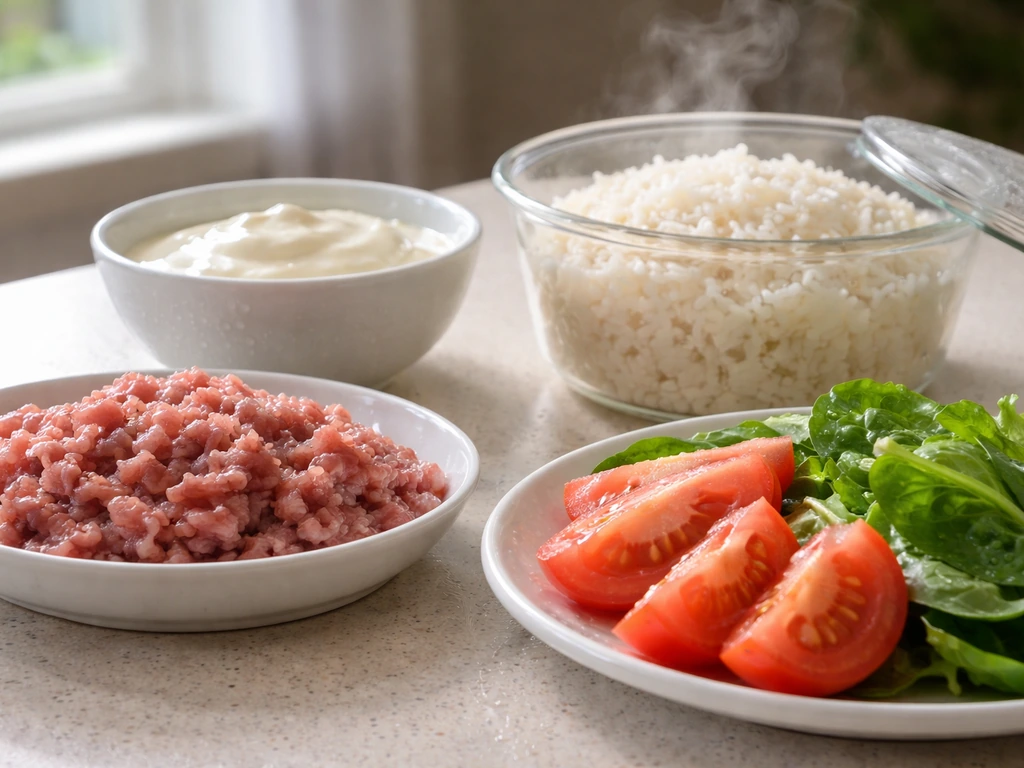
Why some foods become a paradise for microbes
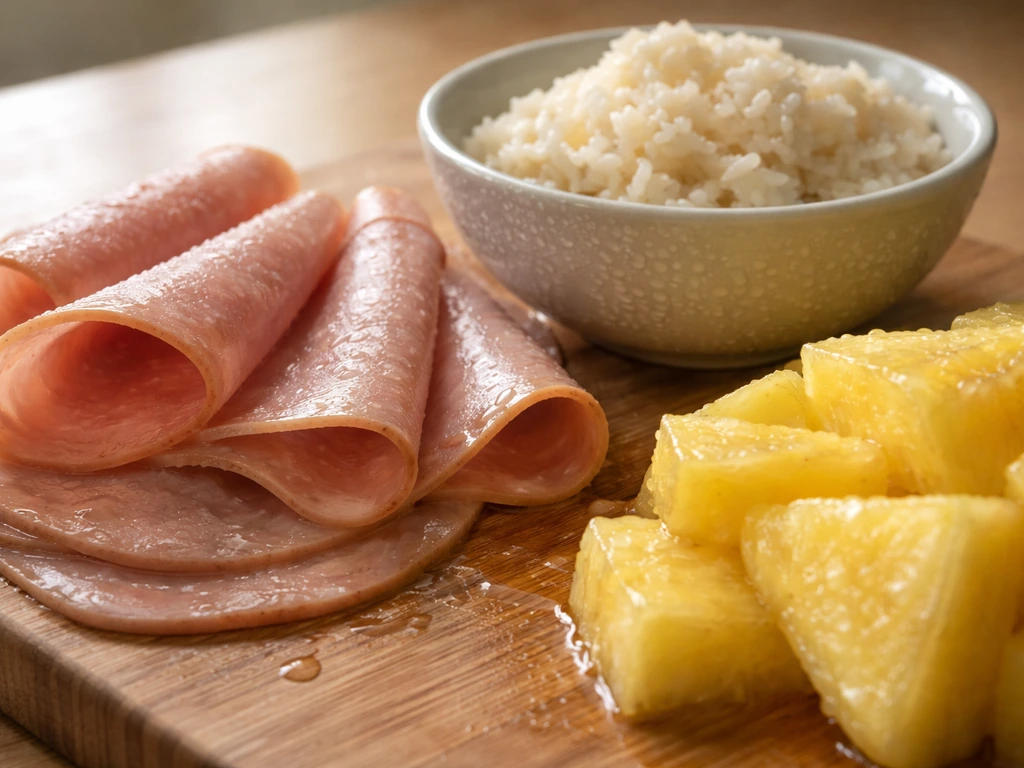
Microorganisms don't grow everywhere equally. They need a specific combination of conditions to thrive, and TCS foods happen to deliver most or all of those conditions at once. Think of it like a checklist a microbe runs through before deciding to multiply: Is there enough moisture? Are nutrients available? Is the temperature comfortable? Is the pH tolerable? Is there oxygen (or a lack of it) that suits me? TCS foods tick most of those boxes naturally, which is exactly why they require careful handling. When even one of those conditions falls outside the ideal range, microbial growth slows dramatically or stops altogether.
It's worth emphasizing that these conditions are interconnected, not isolated. A food with high moisture but very low pH (like a strongly acidic vinegar pickle) may actually be quite safe because the pH counteracts what the moisture offers. Food scientists use exactly this logic when they classify a food as TCS or non-TCS: they look at the combination of water activity and pH together, not each factor in isolation. That's why understanding the "why" behind TCS foods gives you much more predictive power than just memorizing a list of risky foods.
Moisture and nutrients: the two biggest invitations
Of all the conditions microorganisms need, moisture is arguably the most critical. Food scientists measure this using a concept called water activity (aw), which runs on a scale from 0 to 1.00. Pure water has an aw of 1.00. Most bacteria capable of causing foodborne illness need an aw above about 0.85 to 0.86 to grow. The FDA uses an aw threshold of 0.85 as a key regulatory marker: foods with aw above 0.85 generally need heat treatment or other controls to destroy vegetative microbial cells. At aw values above roughly 0.90, you're firmly in territory where bacteria, molds, and yeasts can all compete for the same food source. Below about 0.60, even osmophilic yeasts (the ones most tolerant of low-moisture conditions) can no longer grow.
| Water Activity (aw) Range | Microorganisms That Can Grow | Example Foods |
|---|---|---|
| 0.90 – 1.00 | Most bacteria, molds, and yeasts | Fresh meat, cooked rice, dairy products, cut fruits |
| 0.85 – 0.90 | Some bacteria, most molds and yeasts | Aged cheeses, cured meats, some bread products |
| 0.80 – 0.85 | Mainly yeasts and molds | Jams, sweetened condensed milk, fruit cake |
| Below 0.60 | No microbial growth | Dried pasta, crackers, powdered milk |
Nutrients matter just as much. Microorganisms need a carbon source for energy, nitrogen for building proteins, and trace minerals to run their metabolism. Protein-rich foods like meat, poultry, fish, eggs, and dairy provide an almost ideal nutrient package. Cooked starches like rice and pasta also offer easily digestible carbon. Raw or cooked vegetables, especially cut ones with exposed surfaces, provide nutrients that are suddenly accessible to any microbe that lands on them. The combination of high aw and rich nutrients is essentially a standing invitation for rapid microbial colonization. A food with high moisture and nutrient-rich conditions is often the one that allows bacteria to grow well high aw and rich nutrients.
Temperature, pH, and oxygen: the other three dials
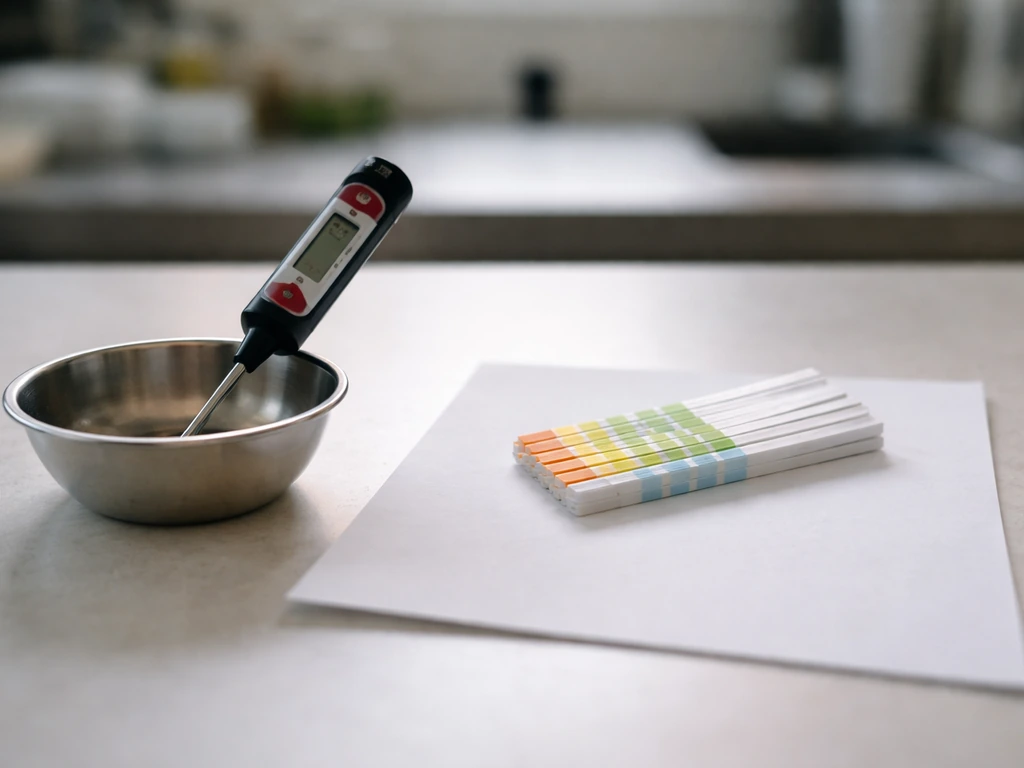
Temperature and the danger zone
Temperature is the condition you have the most practical control over, which is why TCS foods are defined specifically around time and temperature control. Most foodborne pathogens grow fastest between 41°F and 135°F (5°C and 57°C), a range food-safety professionals call the "temperature danger zone." Within that range, bacteria can double in number roughly every 20 minutes under ideal conditions. Hold a TCS food in the danger zone long enough and the microbial load can reach dangerous levels even if the food looked and smelled completely normal when you started. Keeping TCS foods either cold (below 41°F) or hot (above 135°F) is the single most effective intervention you have.
pH: the acidity factor
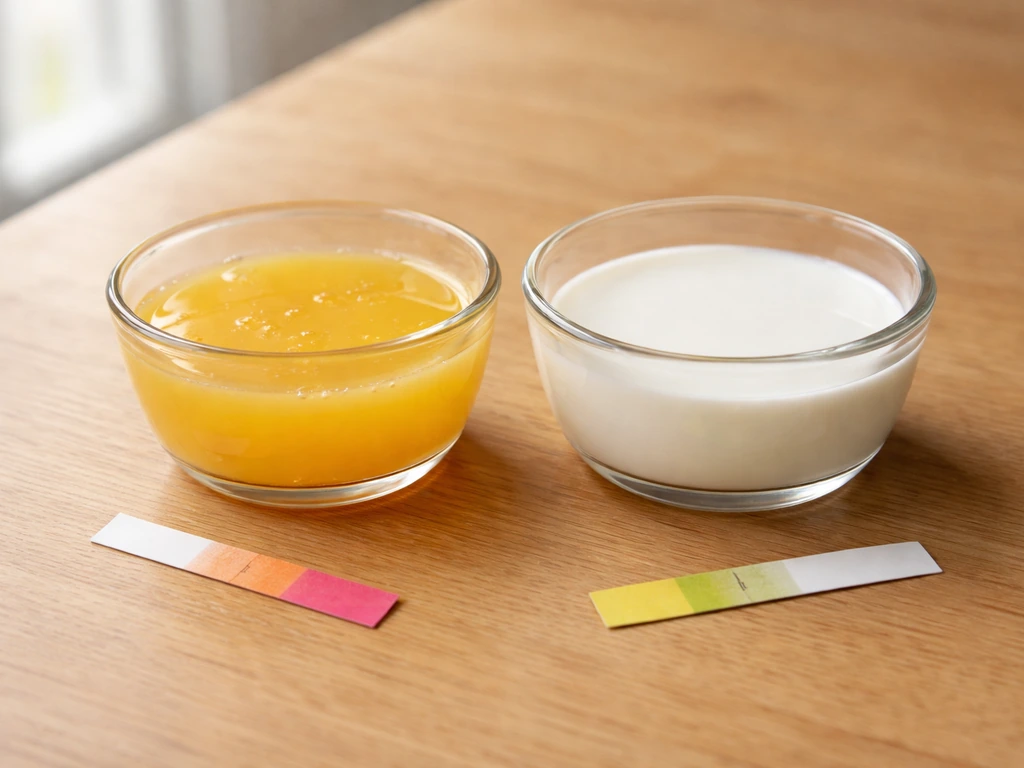
Most foodborne bacteria prefer a near-neutral pH, roughly between 4.6 and 7.5. Foods with a pH below 4.6 (think citrus juice, vinegar-based dressings, or properly acidified pickles) are generally outside the growth range of most pathogens. This is why the FDA specifically notes that chopped tomatoes in an acidic dressing with a pH below 4.2 are treated as non-TCS: the acid itself does the protective work. Above pH 4.6, you need to rely on other controls like temperature or water activity to keep food safe. Many high-protein foods like raw meat and fresh dairy sit right in the comfortable neutral range, which is another reason they land firmly in the TCS category.
Oxygen requirements vary by microorganism
Oxygen is a frequently misunderstood factor. Some microorganisms, called aerobes, need oxygen to grow. Others, called anaerobes, actually thrive in its absence. A third group, called facultative anaerobes, can grow either way and includes many of the most common foodborne pathogens like Salmonella and E. coli. This means that vacuum-sealing or oxygen-removing packaging doesn't automatically make a food safe: it may actually favor the growth of dangerous anaerobes like Clostridium botulinum if temperature and water activity aren't also controlled. The interaction between oxygen environment, temperature, and moisture is exactly why food safety rules don't rely on a single control alone.
Spotting risky foods in your everyday life
You don't need a laboratory to make a reasonable assessment of whether a food is TCS. A practical mental checklist helps: Is the food high in protein or moisture? Was it recently cooked and is now cooling? Has it been cut or processed, exposing interior surfaces? Is it a combination food (like a casserole or sandwich) that mixes high-risk ingredients? If the answer to any of these is yes, treat it as TCS.
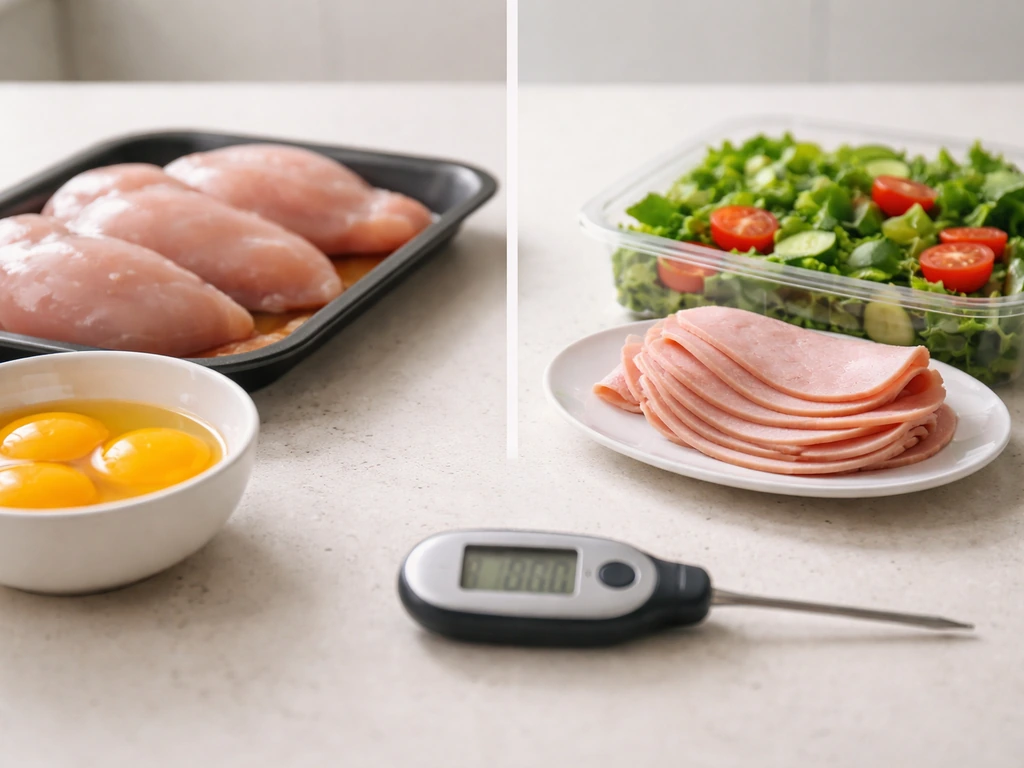
- Raw and cooked meat, poultry, and seafood: high protein, neutral pH, high aw
- Dairy products including milk, soft cheeses, and custards: moisture-rich, neutral to slightly acidic pH
- Cooked starches like rice, pasta, and beans: high aw after cooking, easily digestible carbon source
- Eggs and egg-based products: protein-rich, near-neutral pH
- Cut or sliced fruits and vegetables (tomatoes, melons, leafy greens): exposed surfaces, elevated aw, neutral or near-neutral pH
- Cooked plant-based foods like tofu and cooked potatoes: moisture and nutrients both available
- Sprouts and seed sprouts: warm, moist growing conditions already favor microbial growth before the food even reaches your kitchen
A common misconception is that only animal products are risky. Cooked rice is one of the most cited examples of a plant-based TCS food that causes illness, mainly because people assume it's safe to leave at room temperature after cooking. Cut melons and raw sprouts have triggered multiple large-scale outbreaks for exactly the same reason: people underestimated their TCS status. If you're curious about which specific foods create the most ideal conditions for particular pathogens, that question gets into how nutrient composition and pH combine in specific foods, which connects closely to the broader question of what properties of foods enable microorganisms to grow rapidly.
What you can actually do about it: practical prevention
Knowing what TCS foods are called is useful. Knowing what to do with that information is what actually keeps food safe. The FDA Food Code's TCS framework is built around a handful of actionable controls, and most of them are straightforward to apply at home, in a classroom, or in a food-service setting. Food-safety practitioners on r/healthinspector discuss how “time as a public health control” and related TCS concepts are enforced in practice, including how discard timing, internal temperatures, and jurisdictional differences get interpreted time/temperature controls.
- Keep cold foods cold: store TCS foods at or below 41°F (5°C) in the refrigerator. Don't leave them on the counter while you deal with other things.
- Keep hot foods hot: if you're holding cooked TCS foods for serving, keep them at or above 135°F (57°C). Below that, the clock starts ticking on pathogen growth.
- Limit time in the danger zone: the FDA Food Code guidance on TPHC (Time as a Public Health Control) generally allows TCS foods to be held at room temperature for no more than 4 hours total before they must be consumed or discarded. After that, discard them regardless of appearance.
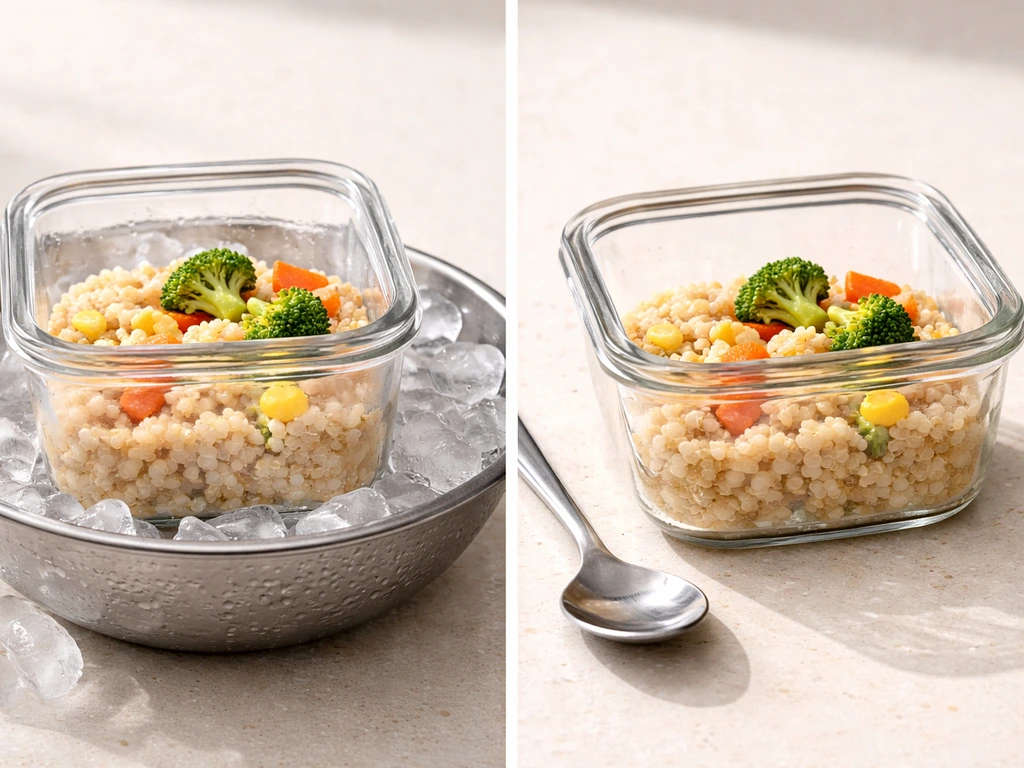
- Cool cooked foods quickly: move hot food from cooking temperature down through the danger zone as fast as possible. Divide large portions into shallow containers, and get them into the refrigerator within 2 hours.
- Control moisture where you can: drying, curing with salt, or adding sugar reduces water activity and takes some foods out of the TCS category entirely. This is the principle behind jerky, hard cheeses, and preserves.
- Use acid as a tool: acidifying a food (adding vinegar, fermenting, or using citrus) can drop the pH below 4.6 and remove it from the TCS classification, as long as the pH is consistent throughout the food.
- Sanitize surfaces and utensils: cross-contamination is one of the most common ways TCS foods become dangerous. A knife used on raw chicken that then touches a salad transfers pathogens into a new TCS environment.
- Wash hands thoroughly: your hands are warm, moist, and covered in nutrients from the foods you handle. They are excellent microbial transfer vehicles between TCS foods.
One last thing worth internalizing: the TCS classification isn't a permanent property of a food. Processing changes it. A whole tomato is typically non-TCS because its intact skin and acidic interior keep aw and pH in a safer range. Slice it, and the exposed interior raises the risk profile enough that it may require time/temperature controls depending on context. Cook a dry bean and it transforms from a shelf-stable product into a TCS food. Understanding that distinction helps you think about food safety dynamically rather than just memorizing a static list, which is exactly the kind of critical thinking that makes these principles genuinely useful in real life.
FAQ
Are “TCS foods” the same thing as “dangerous foods” or “spoiled foods”?
No. TCS refers to foods that conditions can let microorganisms grow to unsafe levels. A TCS food can look and smell normal for a while, and spoilage is not the same as a safety problem. Safety focuses on time and temperature controls, not appearance.
Does freezing a TCS food make it automatically safe to eat later?
Freezing prevents microbial growth but does not reliably kill all microorganisms. When you thaw, you must control time and temperature so the food does not sit in the danger zone. Refreezing can also increase quality loss and may affect safe handling depending on how the food was thawed.
What about cooked rice, pasta, or potatoes, are they always TCS after cooking?
They are typically treated as TCS after cooking because they can be high in moisture and nutrients and they cool quickly into the danger zone. The safe approach is to chill promptly and store at the right temperature, or keep hot foods hot if they must remain out.
Is packaging like vacuum-sealing or using airtight containers enough to prevent hazards?
Not by itself. Removing oxygen can change which microbes are able to grow, including some that tolerate low oxygen. You still need time and temperature control, especially if water activity and temperature are favorable for growth.
How do “water activity” and pH rules apply to mixtures like pizza, casseroles, or sandwiches?
In mixtures, safety depends on the combined conditions, not each ingredient alone. For example, a food can be risky if a moist, nutrient-rich component is exposed, even if another component has some acidity. When in doubt, treat the whole mixture using TCS handling practices.
Are acidic foods always non-TCS, or can they become TCS?
Acidity helps, but it is not always sufficient. If a food’s pH is high enough to allow pathogen growth, you still need temperature and/or other controls. Also, cutting, mixing with higher-pH ingredients, or holding at unsafe temperatures can raise risk.
Does “time/temperature control” mean I must keep TCS foods at refrigerator temperature the whole time?
Often yes, but the key concept is keeping the food out of the temperature danger zone for too long. Hot holding and cold holding each have specific safe practices. If food is served for an extended period, you may need controlled holding equipment rather than relying on room temperature.
Why do leftovers have more risk than freshly prepared food?
Leftovers have more opportunities for contamination (hands, utensils, surfaces) and they spend time cooling and storing, which can place them in conditions favorable for growth. Even a small lapse during cooling or rewarming can allow microbial numbers to increase.
How should I handle partially used items, like half a cut melon or an opened carton of dairy?
Once cut, exposed surfaces increase the chance of microbial contamination and growth, so you should refrigerate promptly and store covered. Opened dairy also changes how it should be handled, because temperature control and tight packaging reduce growth and cross-contamination.
Is a food’s TCS status different when it’s raw versus cooked?
Yes in practice. Cooking can reduce the initial microbial load, but once the food cools, the remaining and newly introduced microbes can grow if time and temperature are not controlled. Some foods that are shelf-stable in one form become TCS after processing like cutting, cooking, or rehydrating.