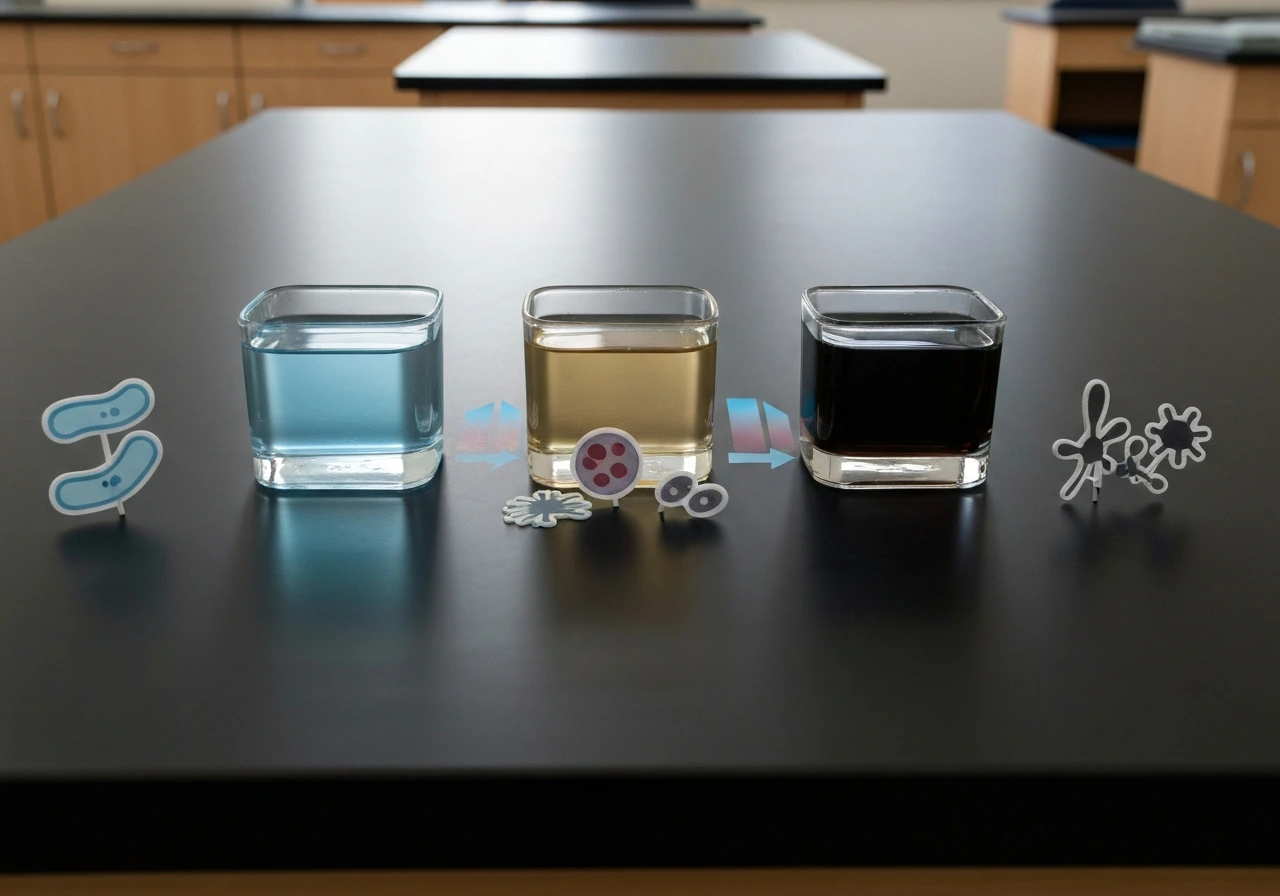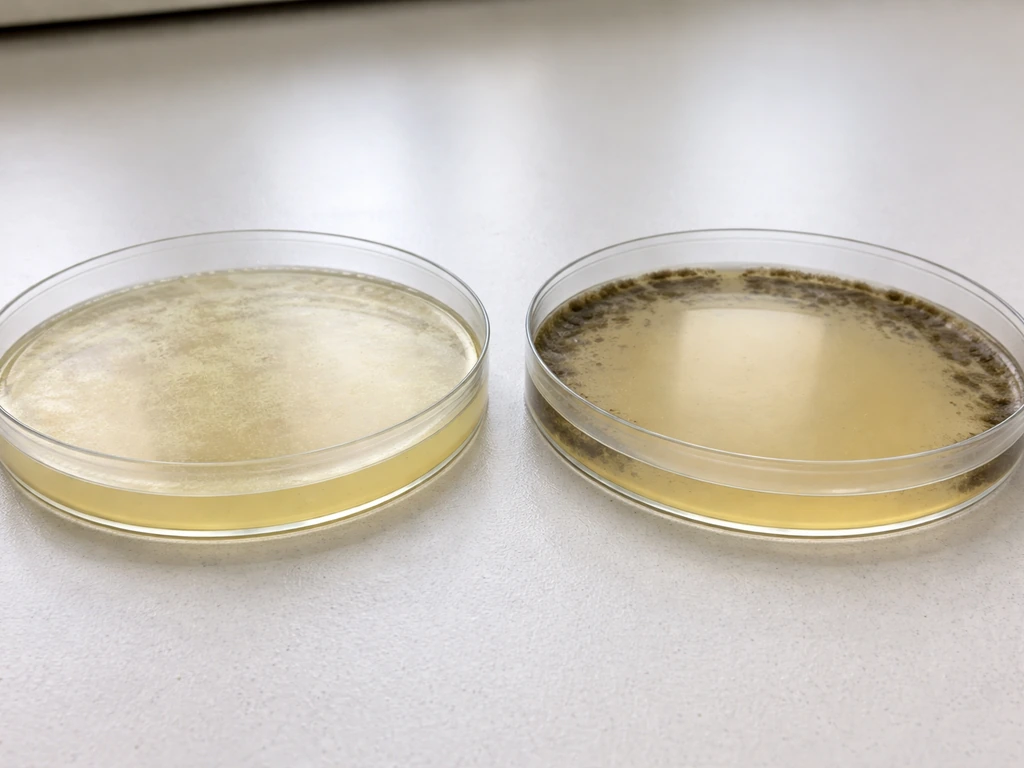
Pathogens grow best in foods that are high in protein and moisture, have a neutral to slightly acidic pH, and are kept at temperatures between 40°F and 140°F. That shortlist covers most animal-based foods: raw and cooked meats, poultry, seafood, eggs, and dairy. But cooked starches like rice and pasta, soups, gravies, and cut fruits also sit squarely in the high-risk category once they've been handled or left out. If a food is moist, nutrient-rich, and warm, you've got near-perfect conditions for pathogens to thrive.
Pathogens Grow Best in Which Foods: High-Risk Food Types

Marcus Holloway
17 May 2026
What 'grow best' actually means for pathogens
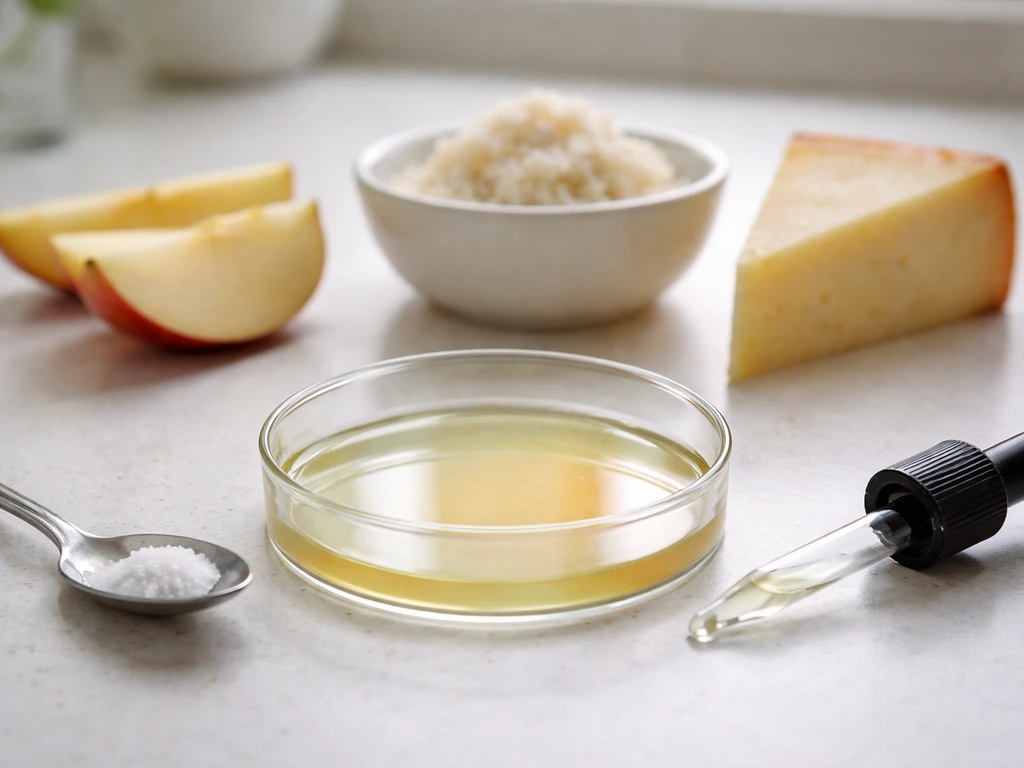
When we talk about where pathogens 'grow best,' we're really asking: which foods give microorganisms everything they need to multiply fast? Microbiologists break this down into a handful of core conditions, often remembered by the acronym FATTOM: Food (nutrients), Acidity (pH), Temperature, Time, Oxygen, and Moisture. No single factor works alone. A food can be incredibly nutrient-rich, but if it's bone-dry or highly acidic, most pathogens will struggle. The 'best' growth happens when all those factors line up favorably at the same time.
Most disease-causing bacteria prefer a pH somewhere between 6.5 and 7.5 (close to neutral), a water activity above 0.85, and temperatures in that infamous danger zone. They need a source of carbon and nitrogen to build new cells, which is why protein-rich foods are such reliable hosts. Understanding these factors as a system rather than a checklist is what makes food safety intuitions actually stick.
The highest-risk food categories
Protein-rich foods: meats, poultry, and seafood
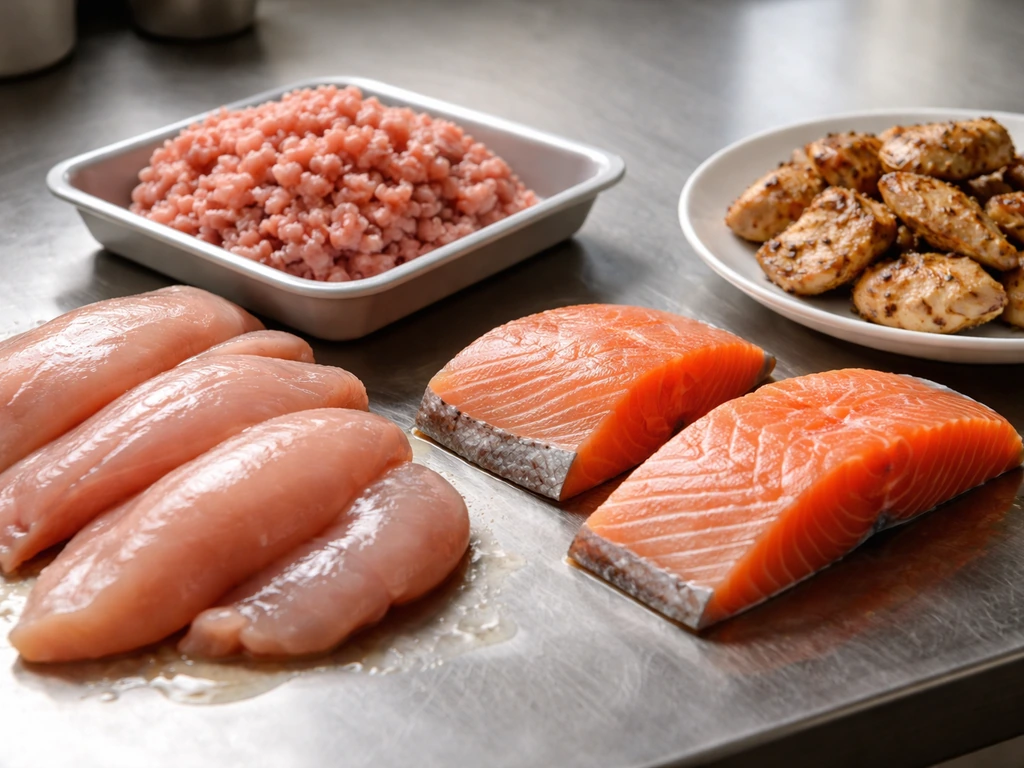
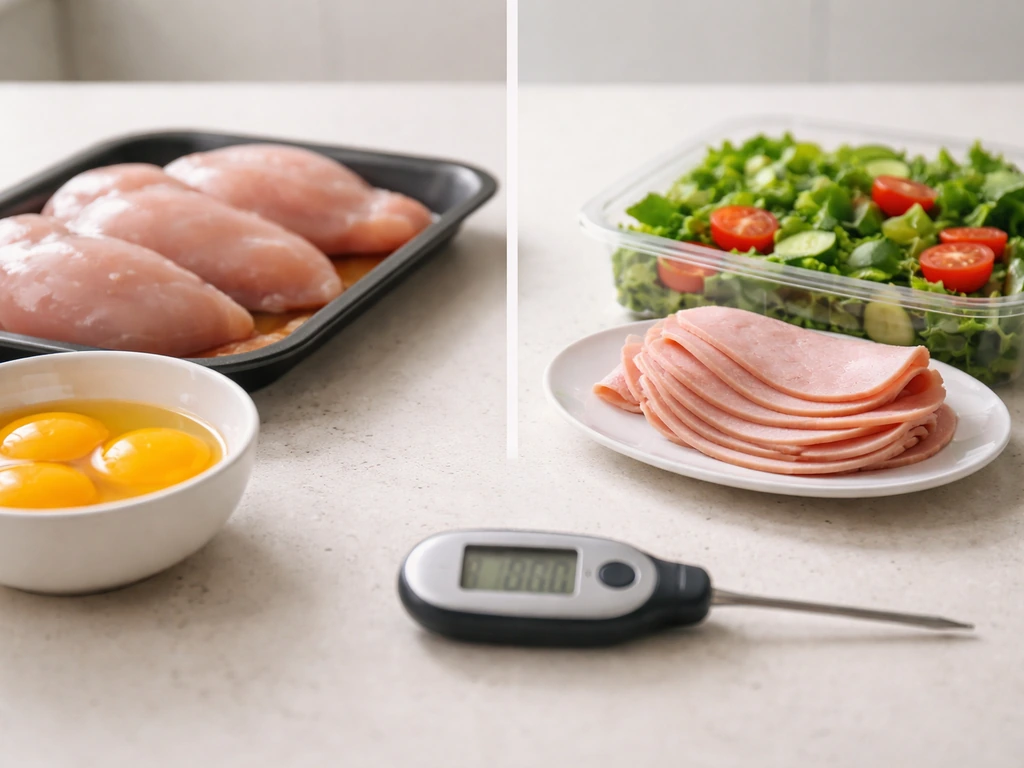
Raw and cooked animal proteins sit at the very top of the high-risk list. Meat, poultry, and seafood are nutritionally dense, have a near-neutral pH, and contain a high proportion of free water that pathogens can actually use. Common culprits like Salmonella, Campylobacter, Listeria, and E. coli O157:H7 all find these foods ideal. Raw chicken is often cited as a classic vehicle, but cooked chicken left at room temperature is arguably more dangerous because the competing microflora that might slow pathogen growth on raw meat is gone after cooking, leaving the field open.
Dairy and eggs
Milk, soft cheeses, custards, and liquid or lightly cooked eggs are all high-risk. Dairy products provide lactose, protein, and fat as nutrient sources while maintaining a near-neutral pH and high moisture content. Unpasteurized milk is particularly risky because it hasn't had the heat treatment that kills most pathogens. Soft cheeses like ricotta, brie, and queso fresco are known vehicles for Listeria monocytogenes, a pathogen that's unusual because it can grow even at refrigerator temperatures (as low as 34°F), though it grows much more slowly there than in the danger zone.
Cut fruits and raw vegetables
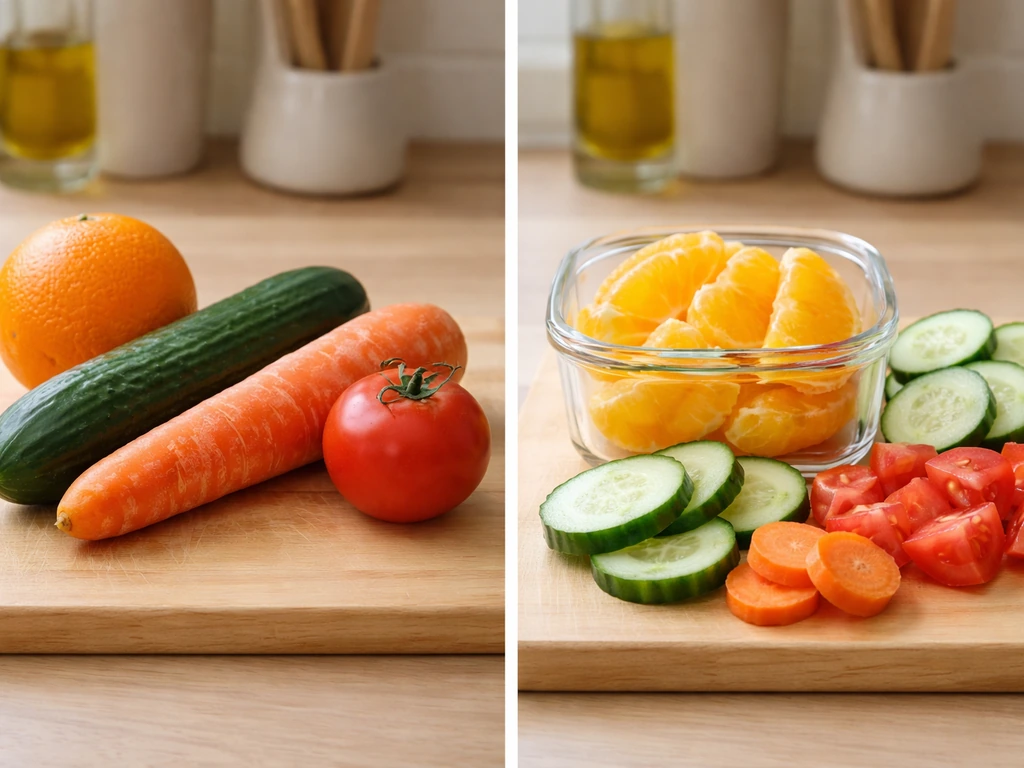
Whole fruits and vegetables with intact skins offer a physical barrier against contamination and are often too acidic for many pathogens to thrive. Once you cut them, though, that changes fast. Cut melons, leafy greens, tomatoes, and raw sprouts all become high-risk. Cutting exposes moist, nutrient-rich interior tissue, raises the effective water activity, and removes the protective barrier. Sprouts deserve special mention: they're grown in warm, humid conditions that are practically a controlled environment for pathogen growth.
Prepared foods and leftovers that catch people off guard
Cooked rice is one of the most underestimated risks in most kitchens. Bacillus cereus produces heat-resistant spores that survive cooking. When cooked rice sits at room temperature, those spores germinate and the bacteria multiply rapidly, and some strains produce toxins that won't be destroyed even if you reheat the rice later. The same principle applies to cooked pasta left out for a few hours. These foods are now moist, warm, and no longer competing with other organisms.
Soups, stews, gravies, and sauces present a classic cooling problem. A large pot of soup doesn't cool down evenly or quickly in a standard refrigerator. The interior of the pot can stay in the danger zone (40°F to 140°F) for hours as the outside chills. That gives bacteria like Clostridium perfringens plenty of time to multiply to dangerous levels before the food is ever stored, let alone eaten again.
Bean-based dips, potato salads, and egg salads at picnics and buffets share the same profile: high moisture, high nutrients, and a tendency to sit out at ambient or warmer temperatures for far too long.
How acidity, salt, sugar, and low moisture reduce the risk
Not every food is high-risk, and it's worth understanding why. Acidity is one of the most reliable growth inhibitors. Most common pathogens are inhibited at a pH below 4.6, which is why properly acidified pickles, vinegars, and fermented foods are so shelf-stable. Lemon juice or vinegar doesn't sterilize food, but dropping the pH enough genuinely slows or stops most pathogen growth.
Salt and sugar work by lowering water activity, the measure of how much free water is actually available for microorganisms to use. These preservation effects help explain which food allows bacteria to grow well when it provides enough nutrients, moisture, and time. Pathogens need water activity above roughly 0.85 to grow well. Heavily salted fish, honey, jams, and dried fruits all have water activity low enough to be hostile to most pathogens. That's why these foods have been used as preservation methods for centuries before anyone understood the microbiology behind them.
Dry foods like crackers, dried pasta, raw grains, and powdered spices are low-risk not because pathogens dislike them nutritionally, but because there's simply not enough free moisture to support growth. Add water, cook them, and leave them out, and the risk profile changes completely.
Oxygen matters: not all pathogens play by the same rules
Here's something that surprises a lot of people: some of the most dangerous pathogens actually thrive in low-oxygen or no-oxygen environments. Clostridium botulinum, the bacterium responsible for botulism, is a strict anaerobe. It grows in sealed, oxygen-free environments like improperly home-canned vegetables, garlic-in-oil mixtures, and vacuum-sealed smoked fish. This is exactly why commercially canned foods go through high-pressure heat treatment (retorting) and why you should never store homemade garlic-in-oil at room temperature.
On the other end, aerobic pathogens like many molds and some Salmonella strains need oxygen to grow efficiently. This is part of why vacuum packaging and modified atmosphere packaging can extend shelf life for some foods. But it's a trade-off: removing oxygen suppresses aerobic spoilers while creating conditions where anaerobic pathogens like C. botulinum can thrive if temperature control fails. The takeaway is that oxygen level alone isn't a safety guarantee. It just changes which pathogens you're most worried about.
| Oxygen Condition | Pathogens That Thrive | Common Food Examples |
|---|---|---|
| Aerobic (oxygen present) | Molds, Salmonella, Staph aureus (surface) | Open meat, cut fruit, buffet foods |
| Anaerobic (no oxygen) | Clostridium botulinum, C. perfringens | Canned foods, garlic in oil, slow cookers |
| Facultative (either) | E. coli, Listeria, Campylobacter | Most moist protein-rich foods |
Temperature, time, and the danger zone: why storage failures matter so much
The USDA defines the bacterial growth danger zone as 40°F to 140°F (4°C to 60°C). Within that range, bacteria can double in number in as little as 20 minutes under ideal conditions. Let that sink in: a food contaminated with 100 bacteria at noon could harbor over 100,000 bacteria by dinnertime if it's been sitting at room temperature. Time is the variable that turns a minor contamination event into a genuine foodborne illness risk.
The standard guidance from food safety authorities is that perishable foods shouldn't stay in the danger zone for more than 2 hours total, and that window shrinks to just 1 hour when ambient temperatures are above 90°F. This applies to everything from a pot of soup cooling on the stove to a plate of chicken at a summer cookout. It's not that bacteria start growing the second food hits 41°F. It's that growth accelerates sharply as temperature rises through the danger zone, peaking somewhere around 98°F to 113°F for many common pathogens.
Storage failures are the most common driver of real-world foodborne illness. This includes leaving food out too long before refrigerating, stacking hot food in large containers that prevent rapid cooling, keeping refrigerators too warm (anything above 40°F is a problem), and holding hot foods below 140°F on a buffet or warming tray.
What you can actually do about it: practical steps for your kitchen
Understanding pathogen growth conditions isn't just academic. These principles translate directly into habits that cut your foodborne illness risk substantially. The goal isn't sterility. It's controlling the conditions so that any pathogens present don't get the time and warmth they need to multiply to a dangerous dose.
Storage and cooling
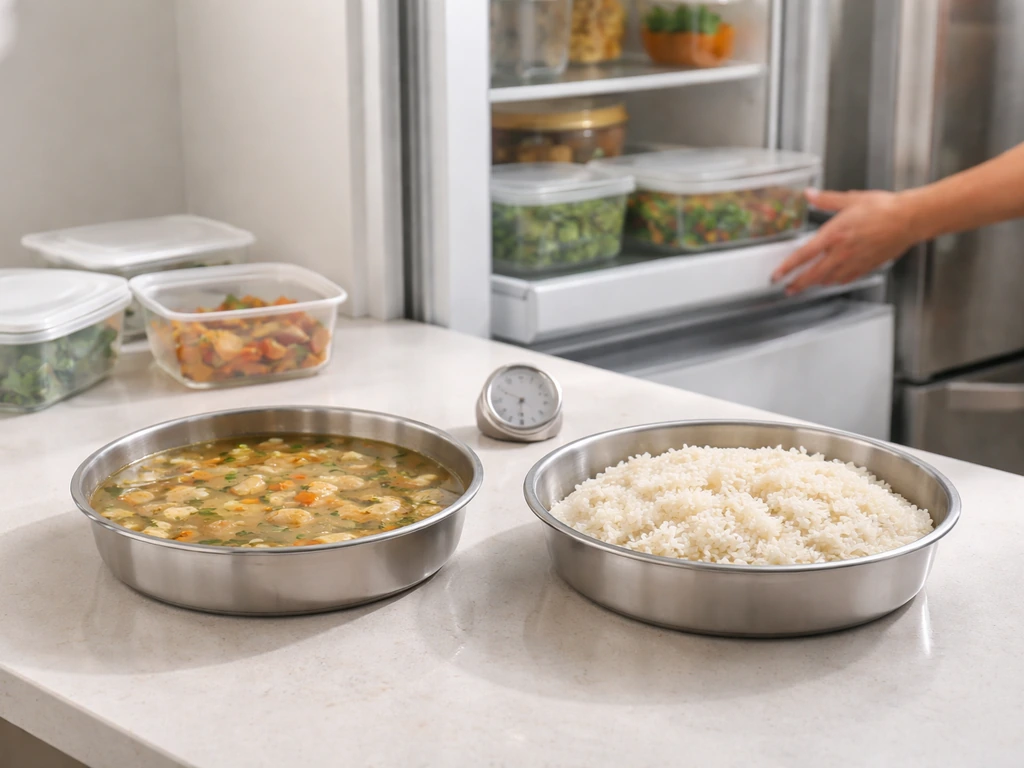
- Refrigerate perishables within 2 hours of cooking or purchasing (1 hour if it's above 90°F where you are).
- Divide large batches of soup, stew, or rice into shallow containers (no more than 2 to 3 inches deep) before refrigerating to speed cooling.
- Keep your refrigerator at or below 40°F. Most home fridges run warmer than people think, so a fridge thermometer is worth the few dollars it costs.
- Don't rely on the fridge to cool a large hot pot quickly. It won't, and the food will sit in the danger zone too long while trying.
Reheating
- Reheat leftovers to an internal temperature of at least 165°F to kill most vegetative (actively growing) pathogens.
- Remember that reheating won't destroy preformed toxins from bacteria like Staphylococcus aureus or Bacillus cereus. This is why time-at-temperature control before refrigerating is the more important step.
- Use a food thermometer rather than guessing based on appearance or steam. Foods can look hot on the surface while the interior is still in the danger zone.
Cross-contamination
- Keep raw meats, poultry, and seafood separate from ready-to-eat foods in the refrigerator. Store raw meat on the lowest shelf so drips don't contaminate foods below.
- Use separate cutting boards for raw proteins and produce, or wash and sanitize the board between uses.
- Wash hands thoroughly after handling raw meat or eggs before touching anything else in the kitchen.
- Marinades that have touched raw meat should not be reused as sauces unless brought to a full boil first.
High-risk foods that need extra attention
- Cooked rice and pasta: cool quickly, refrigerate within 1 hour, and don't leave out at room temperature.
- Cooked poultry and meats: consume within 3 to 4 days from the refrigerator, and reheat thoroughly.
- Soft cheeses and dairy: check 'use by' dates, store promptly, and keep at or below 40°F.
- Cut fruits and leafy greens: refrigerate immediately after cutting and use within 2 days.
- Soups and gravies: cool in shallow containers and never let them sit out between courses for more than 2 hours.
The properties of foods that allow microorganisms to grow rapidly come down to a combination of factors working together, and changing just one of them (dropping the temperature, reducing moisture, or raising acidity) can dramatically slow or stop pathogen growth. You don't have to memorize every pathogen's preferences. You just need to understand the pattern: moist, warm, protein-rich, and time-neglected foods are where most real-world pathogen problems start. That’s why bacteria grow best in food that contains moisture, nutrients, and warmth, especially when it’s been left out too long. Control the temperature, watch the clock, and handle high-risk foods with extra care, and you've addressed the vast majority of risk.
FAQ
Does “cooked” automatically make foods safe from pathogens, or can they still grow after cooking?
If a food was refrigerated at or below 40°F within 2 hours (or 1 hour above 90°F), most pathogen growth is dramatically slowed, even if the food was held warm briefly. The bigger danger is the amount of time the food actually spends in the 40°F to 140°F danger zone, especially after it’s been cooked or cut.
If I reheat rice or pasta after it sat out, is it safe to eat? (What’s the catch?)
Reheating can reduce numbers of bacteria, but it does not reliably remove toxins made by some pathogens. Bacillus cereus is a key example, because certain toxin strains can survive reheating, so the risk is mainly from letting spores germinate and multiply during time at room temperature.
Are salty or sweet foods always low-risk for pathogen growth?
No. Salt and sugar lower water activity, which helps suppress growth, but they are not a guarantee if the product still has enough moisture and nutrients. Also, some risks shift from “growth” to “toxins,” so check whether the food is shelf-stable by design versus just high in salt.
If my refrigerator is cold, can pathogens still multiply?
Even if your fridge is 40°F or below, some pathogens can still grow slowly, notably Listeria monocytogenes. That means “refrigerated” is about slowing growth, not making the food risk-free, especially for ready-to-eat items and foods that remain in the fridge for many days.
Can lower-risk foods become dangerous if they contact raw meat juices?
Yes. Cross-contamination can transfer pathogens from high-risk foods (like raw poultry) to ready-to-eat items through hands, utensils, cutting boards, or fridge surfaces. The food itself does not need to be the original source to become high-risk once it is moist, nutrient-rich, and time-neglected.
Why are cut fruits and vegetables higher risk than whole ones?
Cutting raises risk because it exposes the moist interior and increases effective water activity. To reduce that risk, minimize time between cutting and chilling, store cut produce cold in sealed containers, and don’t keep cut fruits at room temperature for long periods.
Is vacuum-packed food safer because it removes oxygen?
Vacuum packaging mainly removes oxygen, which suppresses aerobic microbes, but it can increase the relative importance of anaerobic or low-oxygen pathogens if temperature control fails. So vacuum-packed food is not automatically safer, it’s safer only if it stays cold and is used within appropriate time windows.
Do spore-forming bacteria mean that boiling doesn’t matter for foods like rice?
Spore-formers can survive boiling and other cooking steps, which is why post-cook holding matters. For starches like rice, the spores can germinate when conditions are right, so cooling quickly and refrigerating promptly after cooking are critical steps.
What’s the safest way to cool soups, stews, and large pots of food?
Large volumes cool unevenly. A common mistake is assuming the outside is cool enough, while the center is still in the danger zone for hours. Use shallow containers for leftovers and, if needed, portion large pots so they chill faster.
How should I manage leftovers in the fridge if I want to minimize risk?
Refrigerator storage is slower, but the clock still matters for quality and safety. A practical approach is to refrigerate promptly, keep temperatures verified, and use high-risk ready-to-eat items sooner rather than relying on “it smells fine” or “it’s been a while.”
How can I tell if a high-risk food has become unsafe, if it still looks and smells normal?
Don’t treat odor or taste as indicators. Some pathogens and toxins are not easily detected by smell, and some foods can taste normal even when harmful bacteria have multiplied. Use time and temperature control instead of sensory checks.
What’s the most important rule for preventing botulism in home-canned or garlic-in-oil foods?
For foods that require home canning, the biggest safety lever is correct processing method and pressure, because botulism risk depends on sealed, oxygen-free conditions. If you are unsure about a procedure, do not “improvise” with room-temperature storage of canned or garlic-in-oil products.