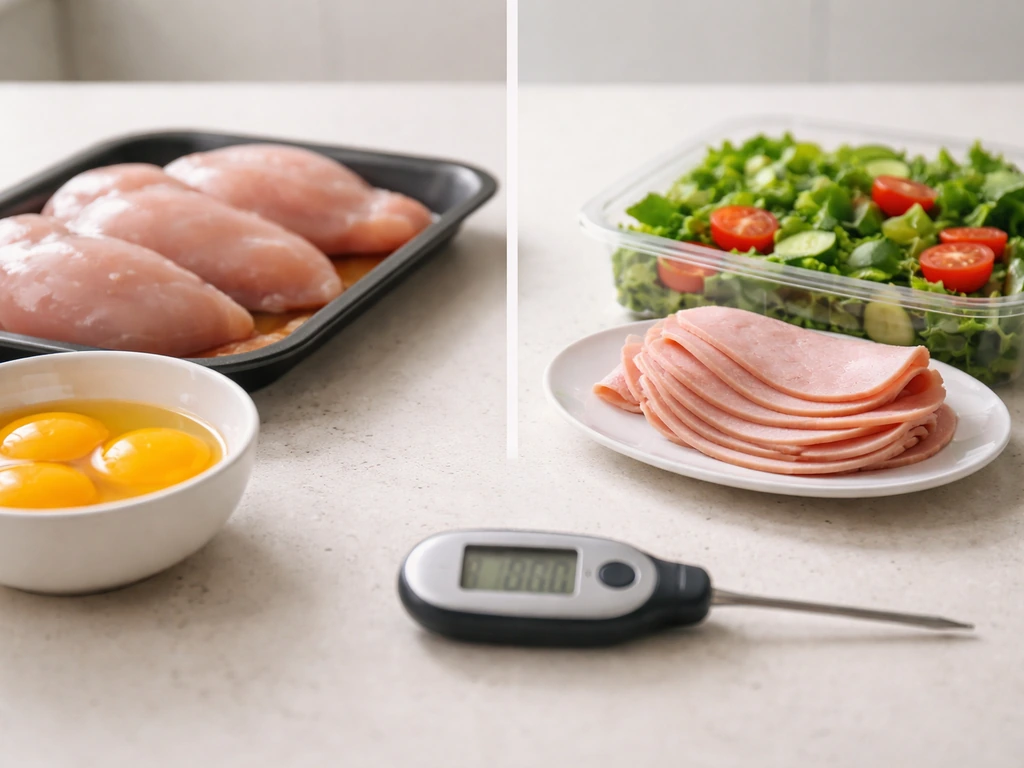
Bacteria grow best in food that is moist, warm, nutrient-rich, and close to neutral on the pH scale. If a food is high in protein or carbohydrates, has a water activity above 0.85, sits between 40°F and 140°F (4°C to 60°C) for more than two hours, and isn't too acidic or too dry, you're looking at a high-risk food. Foods that allow microorganisms to grow are called parasites, and that same idea explains why some foods are especially dangerous high-risk food. Think raw meat, cooked rice, soft cheeses, cut melons, cooked beans, and dairy-based dishes. Understanding why each of these conditions matters is what makes you genuinely dangerous to foodborne bacteria, instead of just following rules you don't fully understand.
Bacteria Grow Best in Food That Contains the Right Conditions

Marcus Holloway
23 May 2026
Bacteria growth basics: what 'grow best' really means
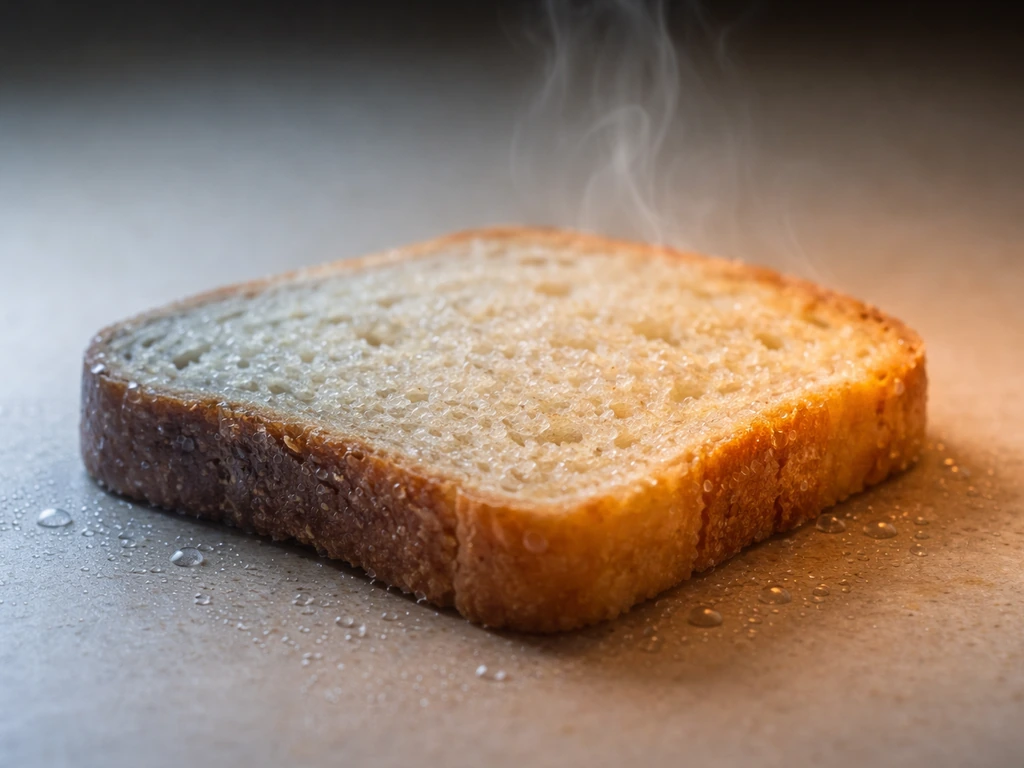
When microbiologists say bacteria 'grow,' they mean the population is dividing and multiplying, not that individual cells are getting bigger. A single bacterial cell under ideal conditions can divide every 20 minutes. Do the math: after just a few hours in the right environment, one cell becomes millions. 'Growing best' means all the conditions are favorable at the same time: enough available water, the right temperature, enough nutrients, a pH they can tolerate, and the oxygen situation they prefer. Remove even one of those factors and growth slows dramatically or stops. That's the entire logic behind food preservation and food safety: you're not trying to kill every last bacterium, you're trying to remove or reduce the conditions that let them multiply to dangerous numbers.
The FDA framework for understanding bacterial growth in food organizes these conditions into two categories: intrinsic factors (properties of the food itself, like water activity, pH, and nutrient composition) and extrinsic factors (the environment the food is kept in, like temperature and oxygen availability). Both matter, and they interact. A food that's slightly too acidic for one pathogen might still support another. A food that's refrigerated but also vacuum-packaged creates a completely different risk profile than the same food stored openly at room temperature. The sections below walk through each factor individually, but keep in mind: they always work together.
Moisture and water activity: why damp food wins
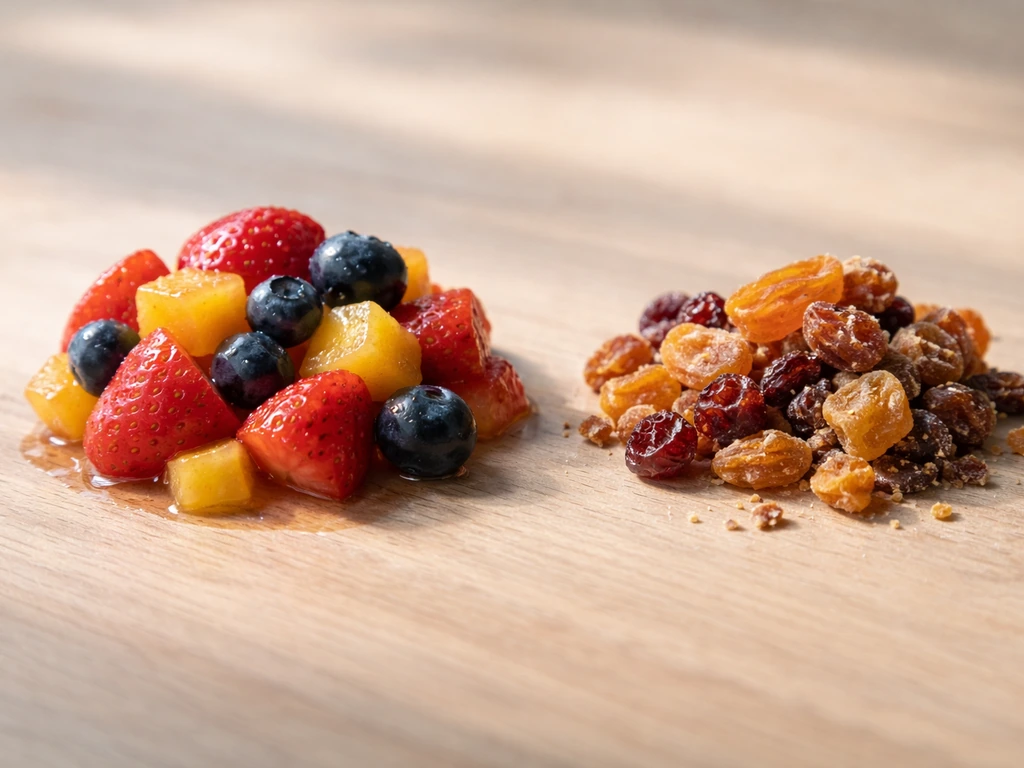
Water activity (a_w) is one of the most important concepts in food microbiology, and it's also one of the most misunderstood. It's not just about how wet a food feels. Water activity measures how much of the water in a food is actually available to microorganisms. Water that's tightly bound to sugars, salts, or proteins isn't usable by bacteria. Free, unbound water is what bacteria need to carry out metabolism and reproduce. A food can have a relatively high moisture content overall but a low water activity if that water is tied up in dissolved solutes. Honey is a perfect example: it's nearly 20% water by weight, but its water activity is so low (around 0.6) that bacteria can't grow in it at all.
The FDA notes that most fresh foods have water activity above 0.95, which is more than enough to support bacterial growth. The USDA draws a useful line: for low-acid foods (pH above 4.5), food poisoning risk becomes a serious concern when water activity exceeds 0.86. The FDA's regulatory definition of a 'low-acid' food combines both criteria: pH above 4.6 AND water activity above 0.85. Foods that fall above both thresholds simultaneously are considered high-risk and require careful processing or storage controls. Foods like fresh meat, poultry, fish, cooked pasta, soft cheeses, and cooked vegetables almost always exceed 0.95 a_w. Dry foods like crackers, dried pasta, jerky, and powdered spices tend to fall below 0.60, which is why they're shelf-stable.
| Food Type | Approximate Water Activity (a_w) | Bacterial Growth Risk |
|---|---|---|
| Fresh raw meat / poultry | 0.95 to 0.99 | Very high |
| Cooked rice / pasta | 0.95 to 0.98 | Very high |
| Soft cheeses (brie, ricotta) | 0.95 to 0.97 | High |
| Cured deli meats | 0.87 to 0.95 | Moderate to high |
| Dry salami / hard sausage | 0.80 to 0.87 | Lower (but not zero) |
| Honey / molasses | 0.55 to 0.65 | Very low |
| Crackers / dried pasta | 0.30 to 0.60 | Negligible |
Temperature and time: the danger zone and warm storage
Temperature is the easiest condition to control and the one most people get wrong. The FDA and USDA both define the bacterial 'danger zone' as 40°F to 140°F (4°C to 60°C). Inside that range, most pathogenic bacteria can multiply rapidly. Below 40°F, growth slows to a crawl for most species (though not all, more on that in a moment). Above 140°F, most bacteria are killed outright, which is why thorough cooking works. The danger zone is wide enough that many common kitchen habits land food right in the middle of it: leaving cooked food on the counter to cool, setting out a buffet for hours, or letting refrigerated leftovers warm up before reheating.
Time is what turns a temperature problem into a food safety problem. The FDA recommends never leaving perishable foods at room temperature for more than two hours, or more than one hour if the ambient temperature is above 90°F. For cooked foods that need to be cooled and stored, the FDA Food Code specifies a rapid cooling process: get the food from 135°F down to 70°F within two hours, then from 70°F to 41°F within the next four hours. That's a total window of six hours to move through the entire danger zone safely. The goal is to minimize the time food spends in the temperature range where bacteria can double every 20 minutes.
Here's a common misconception worth addressing: refrigeration doesn't stop all bacterial growth. Listeria monocytogenes, one of the more serious foodborne pathogens, can grow at refrigerator temperatures, and freezing doesn't eliminate it either. The FDA recommends keeping your refrigerator at or below 40°F (4°C) and your freezer at 0°F (-18°C), but even then, time still matters. The FDA's guidance is clear: if refrigerated perishable food has been sitting above 40°F for four or more hours, discard it. The fridge slows things down, but it isn't a pause button.
Nutrients: what types of food feed bacteria
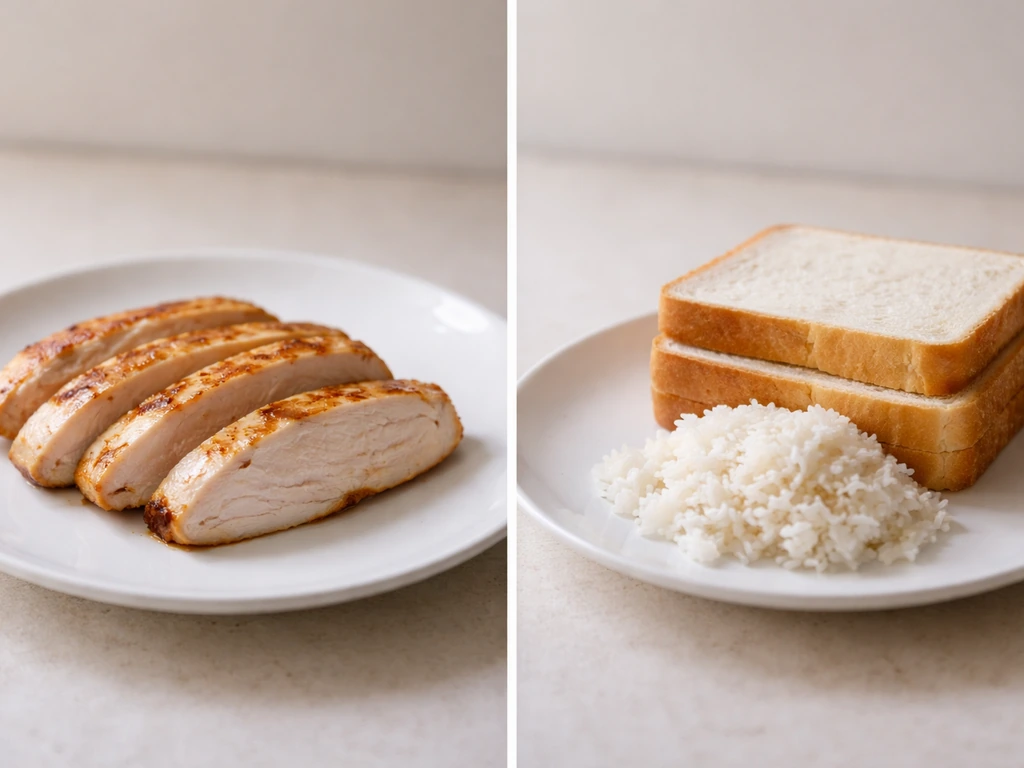
Bacteria need energy and building materials to grow, just like any living thing. Foods rich in proteins and simple carbohydrates are the best bacterial growth media because they provide both. Proteins supply nitrogen, which bacteria need to build cell structures. Carbohydrates provide energy. This is why animal-derived foods (meat, poultry, seafood, eggs, dairy) consistently appear on high-risk food lists. They're essentially pre-packaged bacterial nutrition. Cooked starchy foods like rice, pasta, and potatoes are similarly supportive because cooking breaks down complex starches into simpler sugars that bacteria can access more easily.
Raw fruits and vegetables are sometimes overlooked, but cut or damaged produce is also a real risk. The act of cutting exposes interior tissue, releasing cell fluids that are nutrient-rich, and eliminating the protective skin that otherwise limits bacterial access. Cut melons, leafy greens, and raw sprouts are all classified as time-temperature control for safety (TCS) foods by the FDA, meaning they require careful temperature management even though they don't look as obviously 'risky' as a piece of raw chicken. The nutrient content of a food, combined with its water activity, is what puts it in the high-risk category regardless of how it looks.
pH and acidity: near-neutral vs acidic foods
pH is the measure of how acidic or alkaline a food is, on a scale from 0 (extremely acidic) to 14 (extremely alkaline), with 7 being neutral. Most bacteria that cause foodborne illness prefer pH values between 6.0 and 7.5, which is close to neutral. Below pH 4.6, the environment becomes hostile enough that most pathogens can't grow or grow extremely slowly. This is the scientific basis for using acid in food preservation: vinegar pickling, lactic acid fermentation in sauerkraut and kimchi, and the natural acidity of citrus all work because they push the pH well below the threshold that supports dangerous bacterial growth.
The FDA's guidance on Listeria specifically mentions that deli-type salads can be formulated or acidified to a pH of 4.4 or below to prevent Listeria growth. That kind of precision matters when you're designing a product that will sit in a refrigerator for days. For everyday food safety decisions, the practical takeaway is straightforward: highly acidic foods like plain vinegar, lemon juice, most pickles, and properly fermented vegetables are low-risk because their pH suppresses bacterial growth. Neutral or slightly acidic foods (meat, dairy, cooked grains, eggs, most vegetables) are high-risk unless other protective factors are in place.
| Food / Category | Approximate pH | Growth Risk from pH Alone |
|---|---|---|
| Vinegar | 2.0 to 3.5 | Negligible — too acidic for most pathogens |
| Lemon juice | 2.0 to 2.6 | Negligible |
| Yogurt (plain) | 3.8 to 4.4 | Very low |
| Tomatoes | 4.0 to 4.6 | Low to borderline |
| Most soft cheeses | 5.0 to 6.0 | Moderate (pH alone is not protective) |
| Meat / poultry | 5.5 to 6.5 | High (near neutral) |
| Cooked rice / pasta | 6.0 to 7.0 | High (near neutral) |
| Eggs | 7.0 to 9.0 | High (near neutral to slightly alkaline) |
One important nuance: pH and water activity interact. A food that has moderate acidity (pH around 5.0) but also has high water activity (above 0.95) is still high-risk, because the pH alone isn't low enough to compensate. The FDA's TCS food classification uses a combined pH and water activity table precisely because neither factor tells the full story in isolation. If you're evaluating a food's risk level, you need to consider both. For products with water activity above 0.85 (but controlled below levels that would allow growth of spores of public health significance), the FDA notes that water activity may also be controlled in part through formulation, such as salts, sugars, and chemicals water activity may be controlled in part through formulation (for example, salts, sugars, and chemicals).
Oxygen needs: aerobic vs anaerobic foods
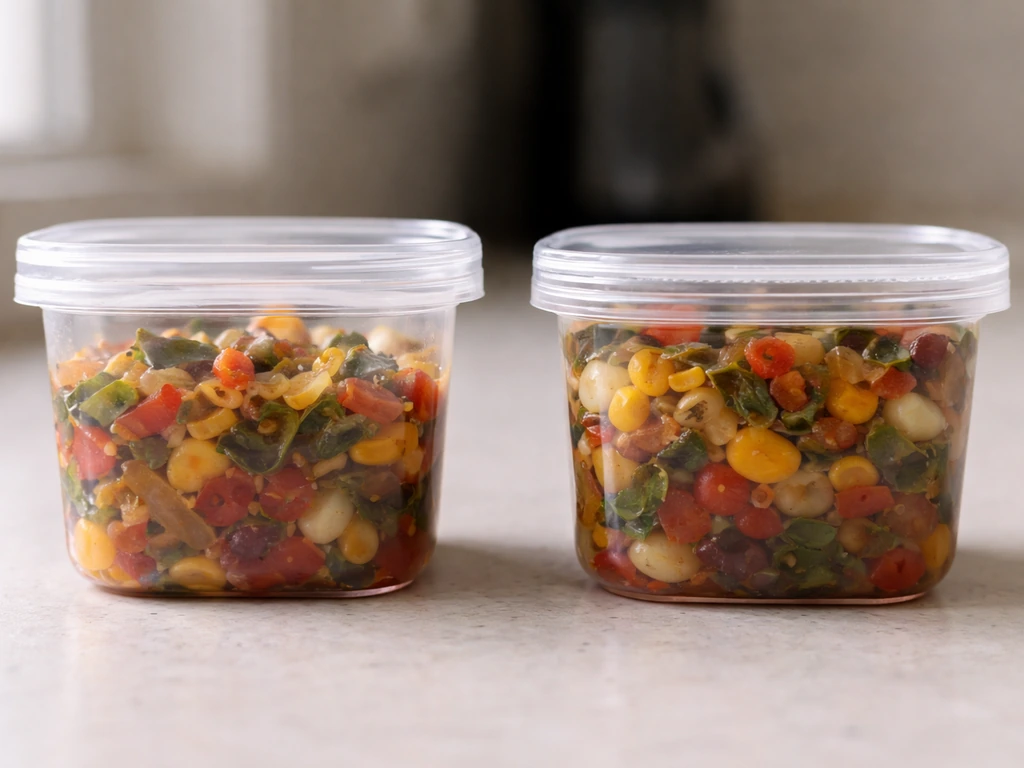
Different bacteria have different relationships with oxygen. Aerobic bacteria need oxygen to grow. Anaerobic bacteria grow in the absence of oxygen and are often inhibited or killed by it. Facultative anaerobes, which include many of the most common foodborne pathogens like Salmonella and E. coli, can grow with or without oxygen and are the most adaptable. The FDA's appendix on bacterial pathogen growth confirms that most dangerous foodborne bacteria fall into the facultative anaerobe category, meaning that removing oxygen alone is not a reliable safety strategy.
The bigger concern in the oxygen category is with strictly anaerobic bacteria, especially Clostridium botulinum. This organism produces one of the most potent toxins known, and it thrives in low-oxygen environments. Vacuum packaging removes air specifically to extend shelf life, but it also creates exactly the anaerobic conditions that C. botulinum prefers. The USDA's FSIS explicitly warns that vacuum-packaged foods can support botulinum growth. Food that allow microorganisms to grow are called high-risk foods vacuum-packaged foods can support botulinum growth. Improperly home-canned foods, vacuum-sealed meats stored too warm, and garlic-in-oil products are classic examples of foods that can harbor botulism risk because the anaerobic packaging works against you if temperature control fails. Modified atmosphere packaging and vacuum sealing are not preservatives on their own: they must be combined with proper refrigeration and, where needed, acidification or other controls.
Practical checklist: how to figure out which foods are high-risk today
Use this checklist when you're handling, storing, or evaluating any food. If a food checks several of these boxes at once, it's high-risk and needs active temperature and time management.
- Is the food high in protein or cooked starch? (Raw or cooked meat, poultry, seafood, eggs, dairy, cooked rice, pasta, beans, cut melon, raw sprouts) — if yes, treat it as TCS food.
- Does it feel moist or contain free liquid? Foods with water activity above 0.85 support bacterial growth. When in doubt, refrigerate it.
- Is the pH neutral or only mildly acidic? If it's not noticeably tart or pickled, assume the pH is above 4.6 and doesn't provide protection on its own.
- Has the food been between 40°F and 140°F for more than two hours total? If yes, the FDA's guidance is clear: when in doubt, throw it out. One hour is the limit if the ambient temperature exceeds 90°F.
- Is it vacuum-sealed or in a low-oxygen package? That reduces spoilage bacteria but can favor anaerobes like C. botulinum. Keep vacuum-packaged proteins refrigerated at or below 40°F and use within recommended timeframes.
- Is your refrigerator actually cold enough? Get a thermometer. The FDA recommends 40°F (4°C) or below. Many household refrigerators run warmer than their dials suggest.
- Is it a ready-to-eat food that won't be cooked again? Cooked leftovers, deli meats, soft cheeses, and pre-cut produce won't get a kill step before you eat them, so storage temperature and time are your only protections.
- Did it contact raw meat, poultry, or seafood? Cross-contamination can transfer pathogens to foods that would otherwise be lower risk. Separate raw proteins from everything else during prep and storage.
- Are you cooling a large batch of cooked food? Divide into shallow containers to cool quickly. The goal is to get it below 70°F within two hours and below 41°F within four more hours.
- Does the label include pH or water activity information? Some processed foods list these. If a product has pH above 4.6 and water activity above 0.85, it requires refrigeration even if the packaging doesn't shout about it.
The conditions that let bacteria grow best in food are always the same five: available moisture, a comfortable temperature, accessible nutrients, a near-neutral pH, and a tolerable oxygen environment. The more of those conditions a food satisfies simultaneously, the faster bacteria will multiply in it. Understanding that logic is what lets you make smart, on-the-spot decisions instead of just memorizing rules. When you're curious about which specific foods are most commonly implicated in outbreaks, or how different properties of foods enable rapid microbial growth in general, those questions connect directly to the same foundational biology covered here. When you're curious about which specific foods are most commonly implicated in outbreaks, or how different properties of foods enable rapid microbial growth in general, those questions connect directly to the same foundational biology covered here.
FAQ
Does “bacteria grow” mean they make more foodborne toxin just because they multiply?
Not always. Some bacteria mainly cause illness when they reach high numbers, others can also produce toxins under specific conditions. That’s why controlling time and temperature matters even if the food looks or smells normal, and why reheating is not a guaranteed fix for toxin-related risks.
If I cook food thoroughly, can I skip temperature control afterward?
No. Cooking can kill existing bacteria, but it doesn’t protect against bacteria that contaminate the food after cooking or spores that survive. After cooking, the key risk returns when the food spends time in the danger zone, especially during cooling and hot-holding.
Why does thawing at room temperature increase risk even if I’ll cook the food later?
Thawing brings frozen food into the danger zone gradually, giving bacteria time to multiply before cooking finishes. The safer approach is to thaw in the refrigerator, under cold running water, or in a microwave when you plan to cook immediately.
Is it safe to taste “test” food that sat out if it doesn’t smell bad?
Do not rely on smell or taste. Many high-risk foods can contain bacteria or toxins without obvious sensory changes. If the food was above 40°F for more than two hours (or one hour if very hot ambient conditions), discard according to the guidance in the article.
How do leftovers become risky if they go into the fridge quickly?
Leftovers are risky when cooling is too slow. If the center stays in the danger zone, bacteria can multiply during the cooling window. Portioning into smaller containers and using shallow pans helps the food move through cooling faster.
Does freezing make food safe even if it contained bacteria before?
Freezing generally prevents growth, but it may not eliminate pathogens or spores, and some bacteria can survive and restart growth after thawing. Also, the danger zone time after thawing still matters, so thaw foods safely and cook or keep cold promptly.
What’s the difference between water activity and “how wet it looks,” for practical decisions?
Water activity can be low even when a food seems moist, because salts, sugars, or proteins can bind water. That’s why foods like honey are less supportive of growth than you might guess from moisture appearance alone.
Are acidic foods always safe if they have a low pH?
Low pH helps, but it’s not the only control. If a food also has very high water activity, or if the product is not uniformly acidified (pH varies by area), some microbes can still survive or grow. Consistent pH throughout the food is important.
Can oxygen control like vacuum sealing or covering food make it “automatically safe”?
No. Removing oxygen can reduce growth for many aerobic bacteria, but it can raise risk for strictly anaerobic organisms. Vacuum packaging must be paired with safe temperature control, and for some products with additional measures like acidification.
Why are cut fruits and vegetables treated as high-risk foods?
Cutting exposes more interior nutrients and increases available moisture, while also removing protective barriers like the intact skin. The combination of nutrients, available water, and time at unsafe temperatures is what makes them require careful handling.
Does reheating “to steaming hot” after storage kill all hazards?
Reheating can kill vegetative bacteria if it heats the entire food thoroughly, but it may not neutralize toxins already present, and it won’t undo new contamination after reheating. Proper storage and avoiding danger-zone time are more reliable than reheating alone.
What is the biggest practical mistake people make with temperature control?
Allowing time in the danger zone during cooling, holding, or thawing. People often focus on final cooking temperature, but the article’s logic shows that rapid movement through the temperature range where bacteria double quickly is the critical step.
How can I tell if a packaged product like deli meat or prepared salads needs stricter controls?
Treat refrigerated prepared foods as time-temperature sensitive unless the manufacturer specifies otherwise. Look for guidance about storage temperature, “use by” timing, and whether the product is acidified. In general, deli-style and mixed dishes often have enough nutrients and water to support growth if left warm too long.