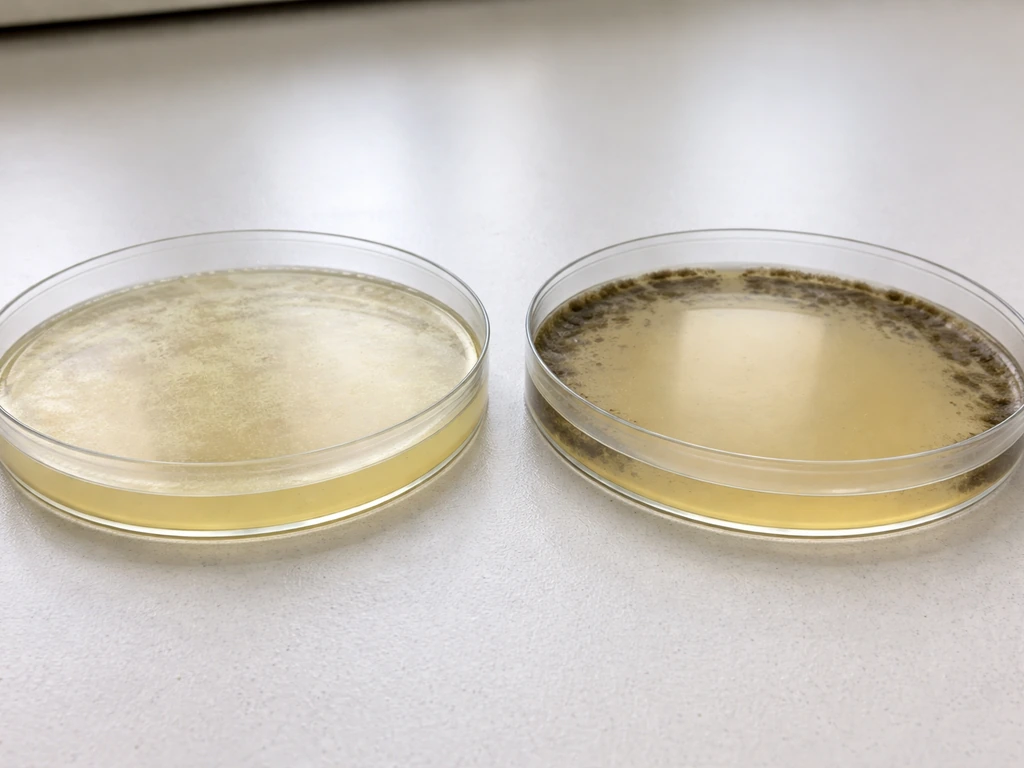
Mold grows in basements because basements consistently deliver exactly what fungi need to thrive: persistent moisture, moderate temperatures, plenty of oxygen, and organic material to feed on. The biology is straightforward. Give a mold spore those four things and it will germinate and colonize almost any surface within 24 to 48 hours. Basements are uniquely good at supplying all four simultaneously, which is why mold shows up there far more often than in the rest of your home.
How Does Mold Grow in Basement: Causes and Moisture Fixes

Marcus Holloway
11 Jul 2026
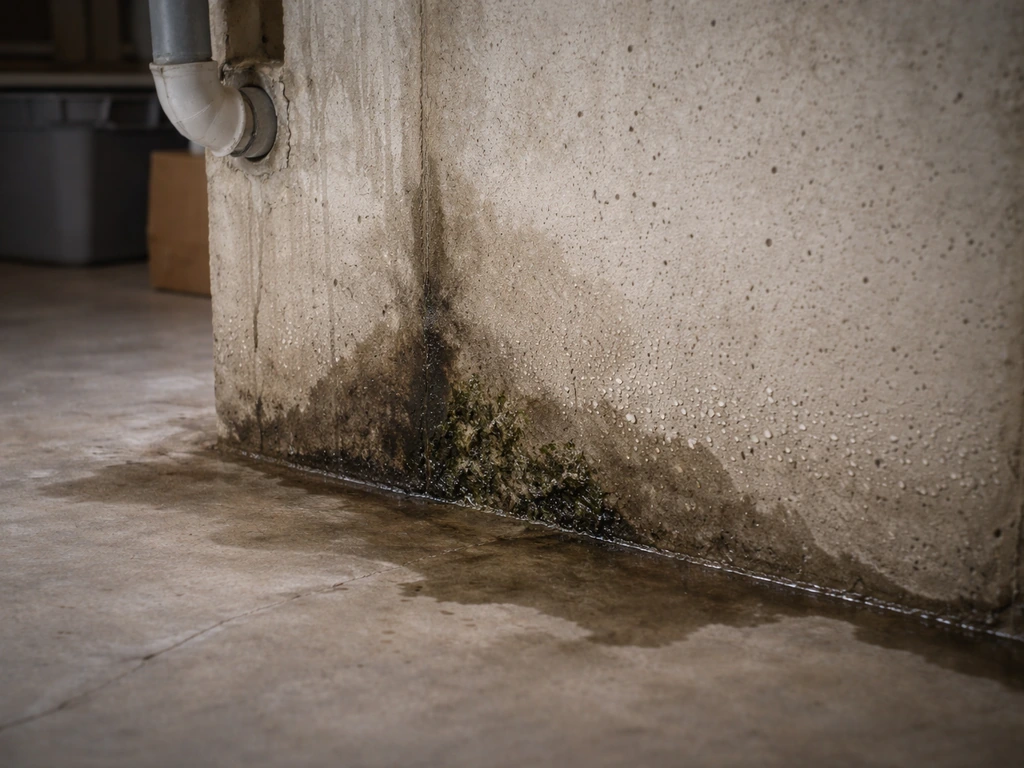
Why basements are basically built for mold
Before jumping into moisture sources and fixes, it helps to understand what mold actually is biologically. Mold is a fungus, not a bacterium. Fungi reproduce by releasing tiny spores that float through the air constantly, including in your basement right now. Those spores are inert and harmless until they land on a surface that provides the right conditions. At that point, the spore germinates, sends out hyphae (thread-like structures), and starts breaking down whatever it is sitting on to extract carbon and nutrients. That breakdown process is exactly what's eating your drywall, wood framing, or cardboard boxes.
Basements create the right conditions almost passively. They sit below grade, surrounded by soil that holds water. They have minimal natural ventilation. Their walls and floors are often cold enough to cause condensation. And they are typically full of organic material: wood framing, drywall, insulation, cardboard storage boxes, carpeting, and dust. From a fungal biology standpoint, a damp basement is practically an invitation.
Basement conditions that trigger mold growth
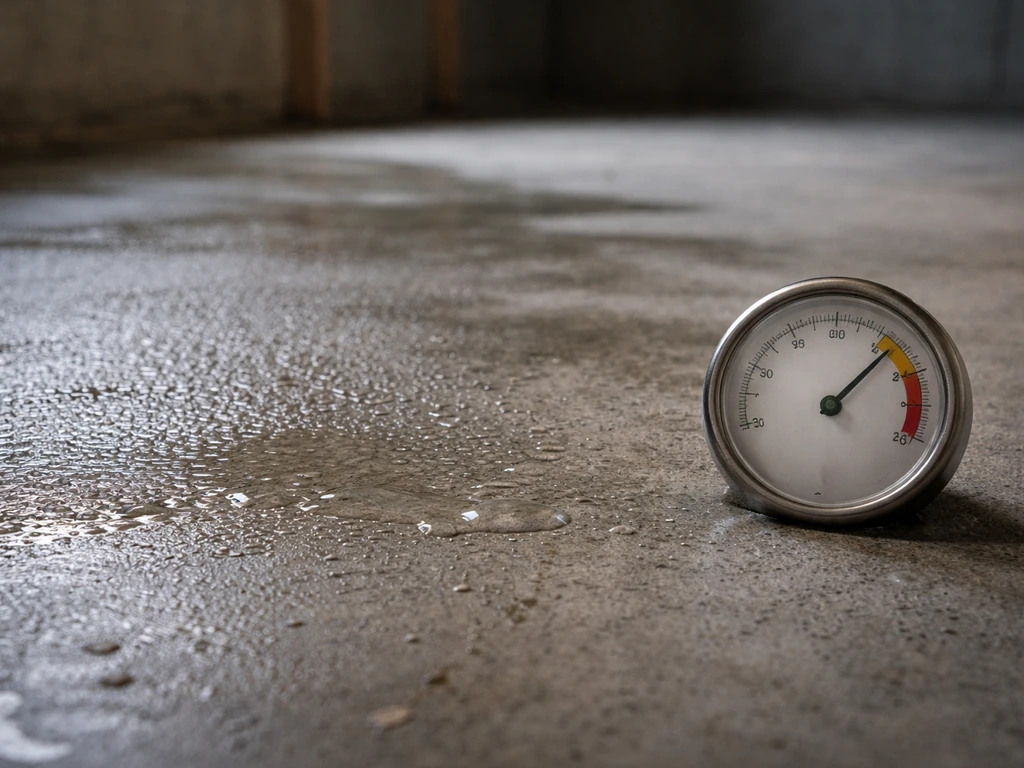
Mold does not appear randomly. It appears when specific environmental thresholds are crossed and maintained long enough for spores to germinate and colonies to establish. In basements, three conditions almost always combine to create those thresholds.
First, humidity. The EPA recommends keeping indoor relative humidity (RH) below 60%, ideally in the 30 to 50% range. Once RH climbs above 60%, condensation on cold surfaces becomes likely, and materials begin to absorb enough moisture vapor to support mold germination. WHO guidelines put the critical RH for mold growth on building materials at roughly 75 to 80% at the material surface, but that threshold drops even lower on soiled or dusty materials. Basements frequently exceed 70% RH without any active water intrusion just from ground moisture and poor ventilation.
Second, temperature. Most indoor mold species grow well across typical basement temperatures, roughly 10°C to 35°C (50°F to 95°F), with optimum growth for many species in the mid-20s Celsius. Basements rarely get cold enough to halt fungal growth entirely, especially in summer when warm humid air enters a cool space and condenses. CDC’s flood and mold prevention guidance notes that even when temperatures are not optimal, indoor conditions such as being above freezing and below temperatures that denature proteins can still support mold growth Basements rarely get cold enough to halt fungal growth entirely. Third, stagnant air. Poor air exchange keeps humidity high and allows spores to settle undisturbed onto surfaces. The EPA references ASHRAE's minimum ventilation rate of 0.35 air changes per hour for homes, a standard most unfinished basements fall well short of.
The biology behind why mold loves damp basements
Moisture is the master switch for mold growth. Water availability controls whether fungal enzymes can function, whether spores can absorb enough water to germinate, and whether hyphae can continue spreading. Scientists describe this as water activity (aw), which is closely tied to the RH directly above a material's surface. When that surface RH is high enough, the spore has access to liquid-equivalent water and begins to grow. This is why you can have mold on a wall that feels dry to the touch: the surface humidity is high even if there is no visible liquid water.
Once moisture is present, mold's other needs are easy for a basement to fulfill. Oxygen is abundant because basements are enclosed but not sealed. Temperature stays in a usable range year-round. And nutrients are everywhere: the cellulose in wood and drywall paper facing, the organic compounds in dust, the glues in insulation, the fibers in carpet. CDC and NIOSH confirm that molds only need moisture and a carbon source from building materials to grow indoors, and basements are loaded with both.
Moisture, temperature, oxygen, nutrients, and pH: how they connect
It is tempting to think of each growth requirement as a separate checkbox, but they are interconnected. Raising temperature in a sealed basement actually increases the moisture-holding capacity of the air, which can raise relative humidity further. Poor ventilation reduces airflow, which keeps oxygen from displacing humid stagnant air. Organic debris on surfaces provides both nutrients and a physical matrix that holds moisture longer. These factors amplify each other, which is why basements can tip into active mold growth seemingly overnight.
| Growth Factor | What Mold Needs | Typical Basement Reality |
|---|---|---|
| Moisture (RH) | Surface RH above ~75–80%; water activity sufficient for germination | Often exceeds 70% RH due to ground moisture, condensation, and poor ventilation |
| Temperature | Roughly 10–35°C (50–95°F); optimum near 25–30°C | Most basements stay in this range year-round |
| Oxygen | Aerobic conditions; ambient air is sufficient | Basements have ambient air; mold is not limited by oxygen indoors |
| Nutrients | Carbon sources: cellulose, wood, dust, paper, fabric | Abundant: drywall, wood framing, cardboard, carpet, dust |
| pH | Broad tolerance, roughly pH 2–11 for common species | Rarely a limiting factor indoors; building materials fall within tolerable range |
pH is worth a quick mention here because it often comes up in microbiology discussions. Research shows that common indoor mold genera like Aspergillus, Penicillium, and Fusarium can grow across a wide pH range from roughly 2 to 11. In practice, the pH of wood, drywall, and dust all fall comfortably within that range, so pH is essentially never the limiting factor for basement mold. Moisture is almost always the primary lever homeowners need to address.
Common basement moisture sources to check first
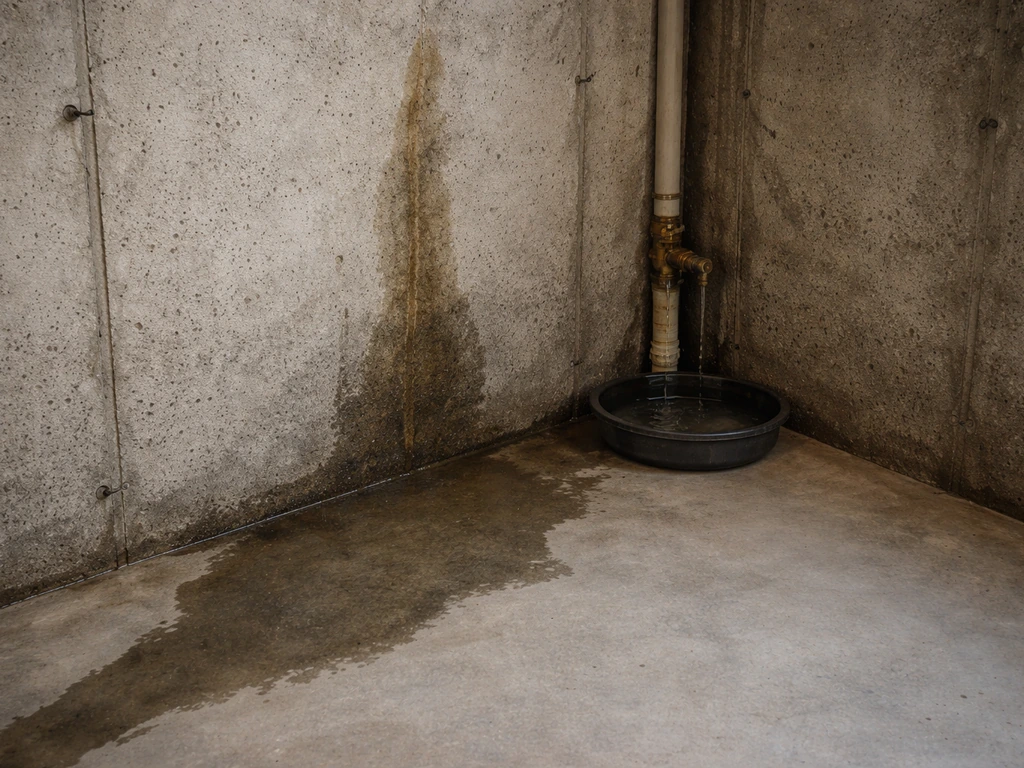
Finding the moisture source is the most important diagnostic step. Cleaning mold without fixing what is feeding it is like mopping the floor with the tap still running. Here are the most common sources, roughly in order of frequency.
- Foundation wall seepage: Water migrates through poured concrete or block walls, especially after rain. Look for white mineral deposits (efflorescence), damp patches, or actual trickles along the base of walls.
- Condensation on cold surfaces: Warm, humid air from upstairs or outdoors contacts cold concrete walls, pipes, or floors and deposits liquid water. This is especially common in summer. Look for beading on pipes, damp wall sections, and wet spots on the floor near walls.
- Plumbing leaks: A slow drip from a pipe fitting, water heater, or washing machine hose can keep a localized area perpetually wet. The EPA specifically flags carpeting, paneling, and drywall around leaking pipes as prime mold sites.
- Poor exterior drainage and gutters: Clogged gutters or ground that slopes toward the foundation direct water toward the basement wall. This is often the root cause behind foundation seepage.
- HVAC and ductwork issues: Air conditioning systems produce condensate, and if drain lines are clogged or ducts sweat in humid conditions, they deposit moisture throughout the basement. The EPA notes that mold inside a ventilation system can spread spores through the whole building.
- Crawlspace moisture transfer: If your basement connects to a crawlspace, ground moisture evaporating from exposed soil can migrate in. A bare-earth crawlspace can push enormous amounts of moisture into adjacent spaces.
- Flooding and slow drying after water events: Even a small amount of water that sits for more than 24 to 48 hours is enough to start mold growth. The EPA and CDC consistently emphasize this 48-hour window as the critical drying target.
How to find problem areas and gauge how serious it is
You do not need professional testing to start. The EPA is clear that if visible mold is present, sampling is unnecessary. Your job during inspection is to identify where the moisture is coming from and how far the mold has spread. This same basic idea explains how fungi grow on bread: spores find a moist, food-rich surface and then spread quickly once conditions are right.
What to look and smell for
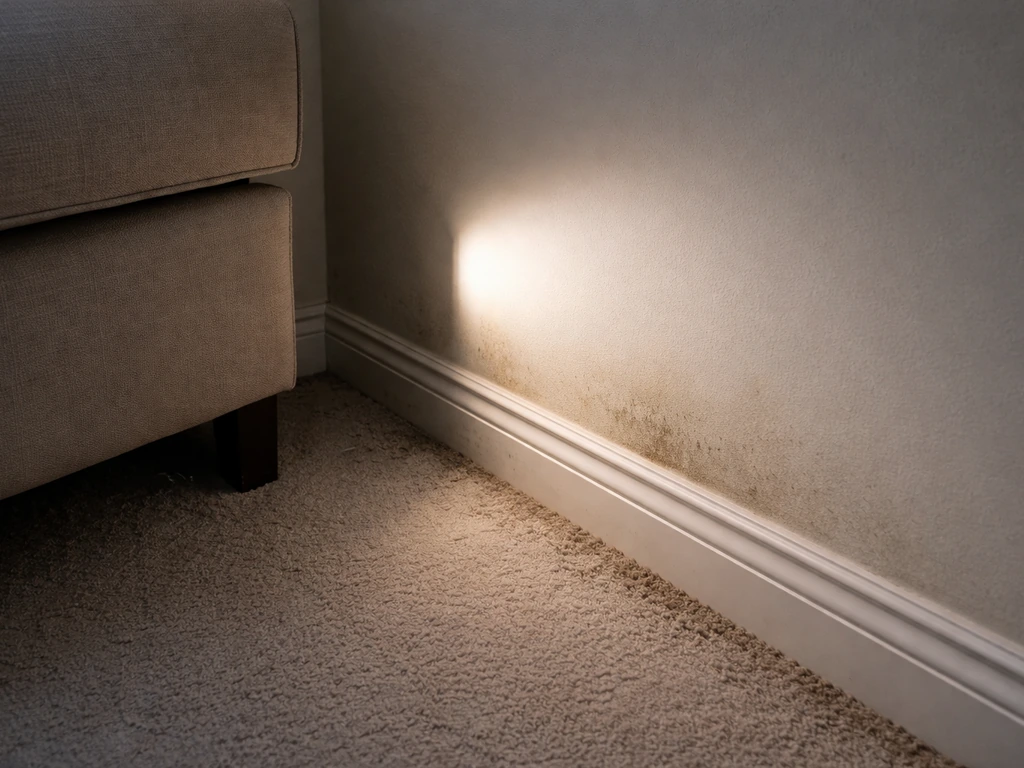
- Musty or earthy odor, even without visible growth. This is off-gassing from fungal metabolism and is a reliable early indicator.
- Visible discoloration on walls, floors, wood framing, or stored items: black, green, gray, or white fuzzy patches.
- Efflorescence (white chalky deposits) on concrete walls indicating water has been moving through.
- Warped, soft, or stained drywall, wood, or ceiling tiles near any water source.
- Condensation or rust stains on pipes or metal surfaces.
- Dark staining at the base of walls or around floor drains.
Hidden spots that get missed
The EPA specifically calls out inside walls around pipes, behind furniture pushed against exterior walls, and inside ductwork as common hidden mold zones. Furniture blocking airflow against a cold exterior wall creates a stagnant, cool microclimate that condenses moisture and grows mold on both the wall and the furniture back. Check behind anything stored against an exterior wall. If you smell mold but cannot see it, it is almost certainly behind a wall, under flooring, or inside insulation.
Estimating severity before you act
The EPA uses a simple square footage framework that is genuinely useful as a starting point. A mold patch smaller than 10 square feet (roughly a 3 by 3 foot area) is generally manageable as a DIY cleanup for a healthy adult. Between 10 and 100 square feet falls into a medium category where limited containment measures are recommended. Above 100 square feet, or any situation involving HVAC contamination, sewage water, or compromised structural materials, warrants professional remediation. Use these thresholds to calibrate how urgently you need outside help.
How to stop the growth: fix conditions first, then clean
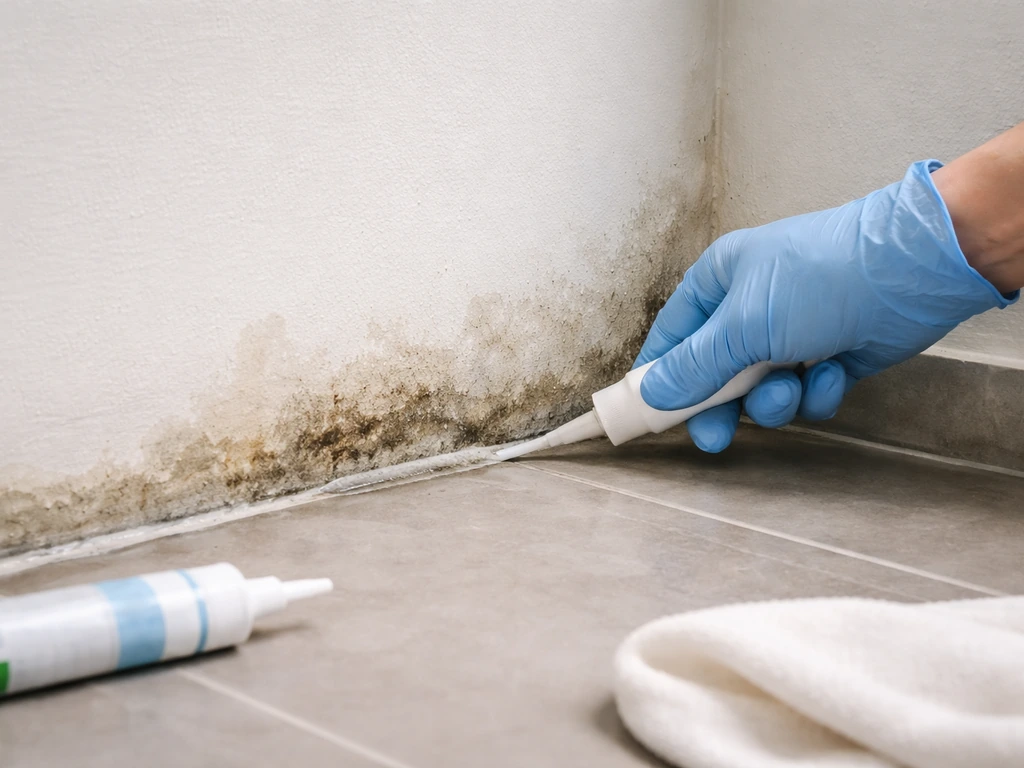
This is where the biology actually becomes actionable. Mold cannot persist if you remove its growth conditions. The sequence matters: fix the moisture problem before cleaning, otherwise regrowth is essentially guaranteed.
Step 1: Stop the moisture source
Repair any leaking pipes, seal foundation cracks, improve exterior grading so water drains away from the house, and clean gutters and downspouts. For seepage through foundation walls, the EPA recommends considering sump pumps or regrading as practical interventions. Cover bare soil in crawlspaces with polyethylene vapor barriers. Fix any HVAC condensate drain issues. There is no point doing anything else until water entry is stopped.
Step 2: Reduce and control humidity
Get a dehumidifier sized for your basement square footage and run it until RH drops below 60%, targeting 30 to 50%. A basic hygrometer (under $15 at most hardware stores) lets you monitor this directly. In hot, humid climates, ASHRAE's building science guidance recommends keeping indoor RH below 60% through active dehumidification because passive measures alone are insufficient.
Step 3: Improve ventilation and airflow
Stagnant air is mold's friend. Improve air circulation with fans, open vents, or mechanical ventilation. Pull furniture and storage away from exterior walls to allow air to circulate. If the basement has supply and return air vents from your HVAC system, make sure they are not blocked. Better airflow reduces surface condensation and keeps RH more uniform.
Step 4: Deal with contaminated materials
Porous materials that have been wet for more than 48 hours and show mold growth often cannot be fully remediated. CDC guidance is direct on this: drywall, insulation, carpet, and wallpaper that cannot be completely dried within that window typically need to be discarded. Cleaning the surface of mold-saturated porous material does not remove the fungal hyphae that have penetrated into the material itself. Non-porous surfaces (sealed concrete, metal, glass) can usually be cleaned with appropriate solutions. Fungi can grow on many common basement materials, which is why addressing moisture is so urgent.
Step 5: Clean up safely
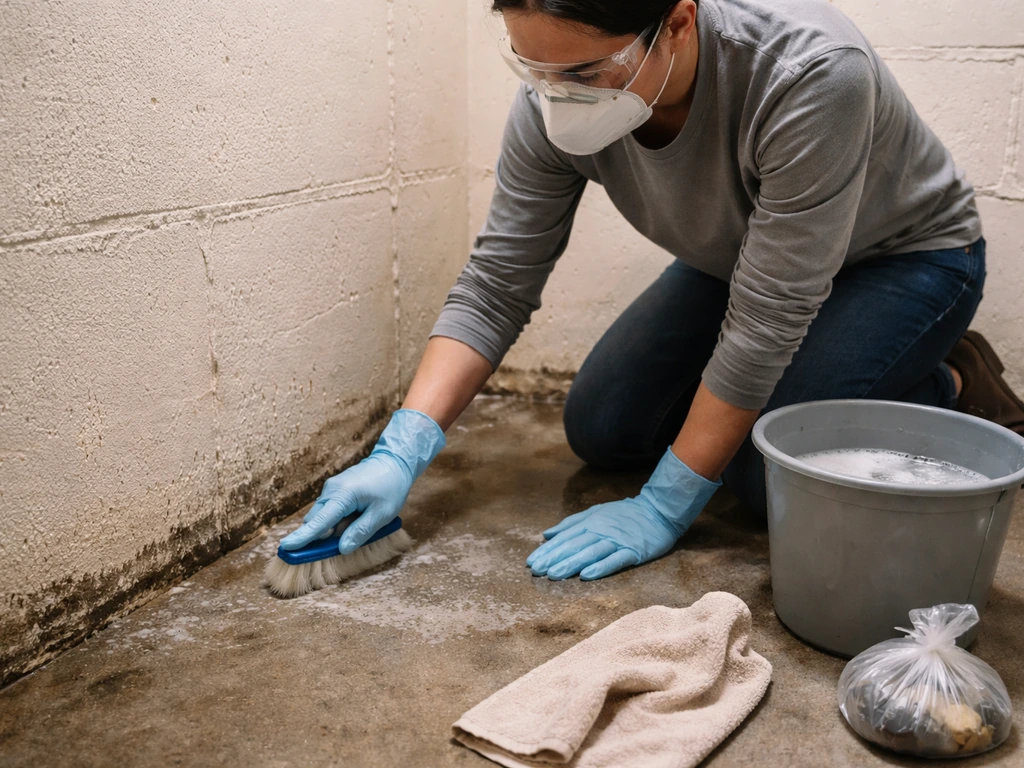
For small areas under 10 square feet, wear an N95 respirator, gloves, and eye protection. Scrub non-porous surfaces with detergent and water, dry thoroughly, and bag all waste before removing it from the basement. The CDC is clear that you should fix the water problem and clean up all mold before painting or caulking over anything; covering mold does not kill it. For anything over 10 square feet, or if the mold is inside your HVAC system or involves structural lumber, contact a certified mold remediation professional.
The 24 to 48 hour drying window keeps coming up in EPA and CDC guidance for good reason. It is the most powerful practical tool you have. Dry wet materials fast, keep humidity low, fix the water entry point, and you remove the biological conditions mold needs to survive. Everything else, the cleaning products, the remediation steps, the professional assessments, follows from that core principle. Understanding the biology is not just interesting in an academic sense (though it connects directly to the same fungal growth principles you would explore in topics like mold on bread or other organic substrates): it tells you exactly which lever to pull first, and that lever is always moisture control.
FAQ
How can mold grow in a basement even if there’s no visible leak?
A hidden water source can still keep surfaces humid enough for growth, for example condensation on cold pipes or ductwork, groundwater seepage through cracks, or slow seepage from exterior walls. Even if you never see dripping, the surface relative humidity can stay high due to moisture migration from soil and poor ventilation.
Why do I see mold on the wall but the concrete floor looks dry?
Water can be traveling through one building component faster than another. Finished wall cavities may trap cooler air, creating a localized condensation zone behind drywall or around penetrations (like plumbing). Surface dryness you feel can be misleading, because the air at the wall surface can remain humid even when the floor looks unaffected.
Does opening windows or running a fan permanently stop basement mold?
Fans can reduce stagnant air and help drying, but they do not solve the root problem if the basement remains too humid. In humid weather, bringing in outside air can raise indoor humidity and worsen conditions unless you also control moisture (often with a dehumidifier) and fix the water entry point.
What basement RH reading should I trust, the number on my dehumidifier or a separate hygrometer?
Use a separate hygrometer to confirm, especially if the unit is older or poorly calibrated. Place it away from direct airflow from vents and away from wet spots, since readings near a damp wall or near a dehumidifier outlet can be unrepresentative of the general basement conditions.
How fast can mold come back after I clean it?
It can return quickly if moisture conditions are still present, because spores and hyphae can remain in materials while surfaces are repeatedly re-wetted. If you fix humidity and the water source first, regrowth usually drops dramatically, but porous materials that stayed wet long enough may require removal.
Is it possible for mold to grow behind drywall without showing on the outside?
Yes. If moisture is coming from inside walls around pipes, or from exterior wall seepage, mold can develop in the cavity while the wall face appears intact. Signs that suggest this include recurring musty odor, bubbling paint, recurring damp spots, or repeated mold patches after cleaning.
What if the mold smell is strong but I can’t find any visible mold?
Mold can be hidden under flooring, behind stored items against exterior walls, inside insulation, or within ductwork. Start by tracing moisture risks (cold surfaces, condensation zones, plumbing penetrations) and check for dampness patterns, not just visible growth.
Do I need professional mold testing before cleanup?
If you can see mold, you generally do not need sampling to decide how to respond. The more actionable step is mapping the moisture source and estimating the affected area, then using the area-based approach to decide whether DIY cleanup is appropriate or professional remediation is needed.
What’s the safest way to measure the size of the mold patch for deciding DIY versus professional help?
Estimate the affected area based on visibly impacted material, not the total wall area or the area you suspect may be contaminated. If mold is spread across multiple surfaces or rooms, add up the separate visible sections to avoid underestimating the job size.
Why does “scraping and painting over it” fail?
Covering mold does not remove organisms and does not stop moisture. If you paint or caulk over contaminated or still-damp materials, mold can regrow underneath, especially in wall cavities or within porous materials that were not dried within the practical drying window.
Can I save porous materials like cardboard boxes or insulation if I dry them quickly?
If they stayed wet or showed visible mold and cannot be thoroughly dried within the typical 48-hour window, they often must be discarded because hyphae can penetrate. Cardboard, many types of insulation, and drywall are common problem materials because they hold moisture and nutrients.
Does mold only grow on organic materials, or can it grow on concrete too?
Mold generally needs nutrients, but dust and organic residues accumulate on concrete and other surfaces. That means you can see growth on concrete when moisture and fine organic particles are present, even if the concrete itself is not “food.”
Should I run my HVAC fan to help dry the basement?
It can help only if it improves air exchange without increasing humidity. If supply or return vents are blocked by storage or airflow is poorly balanced, running the fan may redistribute moisture and fail to lower surface condensation. Ensure vents are unobstructed and monitor RH before and during operation.
When I see mold larger than 10 square feet, is DIY always off the table?
As a general rule, larger areas increase exposure risk and complexity, especially if materials are structural or the contamination involves HVAC components. It’s also riskier if the affected materials cannot be safely removed and dried promptly, so professional remediation is often the more reliable path.
What should I do first the same day I find mold in the basement?
Stop new moisture entry, then start humidity control. That usually means locating and addressing the water source, running a properly sized dehumidifier to bring RH below 60%, and improving airflow while keeping people and contents out of the affected zone until cleanup can begin.